
An eight-seat counter in Marunouchi puts Nagoya’s chicken-paitan ramen culture into a tight, regulars-driven format. Tori Soba Susuru Marunouchi honten pairs sub-¥1,000 pricing with Tabelog 100 Ramen AICHI 2025 recognition, making it a useful read on how serious ramen in the city often operates: compact, fast-moving, and more disciplined than its casual price suggests.
Pearl is the En Primeur Club membership app — saves, bookings, and concierge access live there. Same editors, same standards.
- Address
- 愛知県名古屋市中区丸の内2-15-28 ビックバン丸の内 1F
- Website
- torisoba-susuru.com
 Saves & bookings on Pearl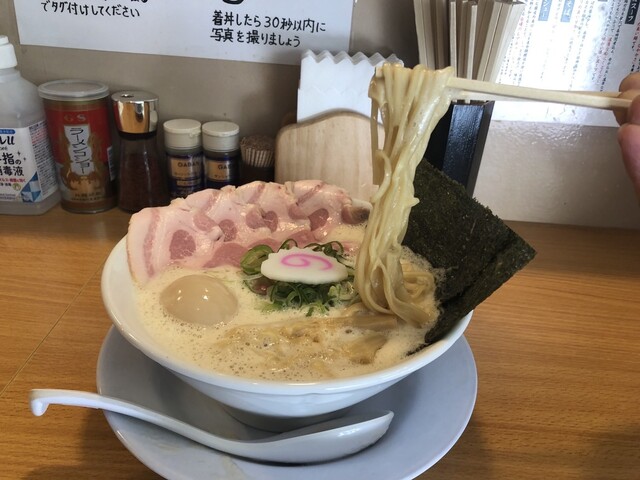
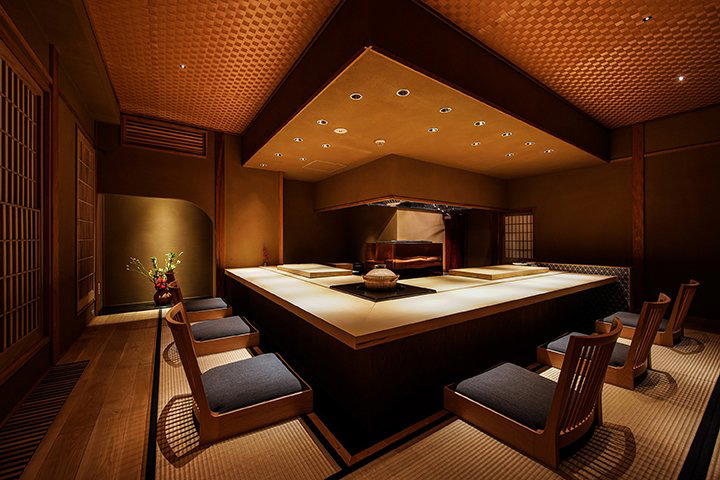
The room tells the story before the bowl: counter seating, a short turn, and the silence of diners concentrating on noodles, not conversation. In Nagoya’s Marunouchi district, office blocks and station exits make ramen both routine and pursuit. The strongest shops in this category need no ceremony, only timing, consistency, and a broth style that survives repeat eating.
Tori Soba Susuru Marunouchi honten fits that lane. Its public identity is ramen, specifically chicken-paitan territory, and its inclusion in Tabelog 100 Ramen AICHI 2025 is a meaningful signal in a prefecture with real ramen competition. The listed price band stays modest, under JPY 1,000, which is part of the point: Nagoya’s serious noodle counters often compress ambition into a format that looks casual from the pavement but behaves with far tighter discipline once seated.
Chicken-paitan ramen built for repeat eating, not spectacle
Chicken paitan has become a clear dividing line in modern ramen. Compared with lighter chintan broths, it carries more body and opacity; compared with pork-heavy tonkotsu, it usually reads cleaner and less aggressively fatty. That middle position explains its appeal to regulars: a bowl can feel substantial without claiming the rest of the day, which is why chicken-based shops gain traction near business districts and rail-linked neighbourhoods.
The Marunouchi counter format sharpens that logic. Eight seats makes the experience necessarily narrow: solo diners, quick turnover, and a room where hesitation slows the rhythm. This is not for a long group meal or ramen as background to a night out. It is closer to the daily Japanese noodle pattern, where loyalty is earned through broth consistency, noodle texture, and speed, not a long menu narrative.
That regulars’ perspective matters more than grand description. Shops with this following develop an unwritten order: arrive with a decision made, read the room, eat while the noodles are at their intended texture, and leave without turning the counter into a lounge. The appeal is not scarcity theatre, but confidence that a tight kitchen can repeat a bowl at lunch and dinner with little drift.
Within Nagoya, the comparison set is broad. Noko Chuka Soba Sato and Chuka Soba Ueda Seimen Ten occupy a similarly accessible price bracket, while Sushisho and Kotowari wo Hakarumise Bando belong to a different dining conversation. That contrast helps travellers: ramen in Aichi can sit beside higher-spend counters and still command attention because the criteria differ. The question is not linen, pacing, or wine service, but whether a low-priced bowl has enough structure to bring people back.
Marunouchi rewards the compact counter
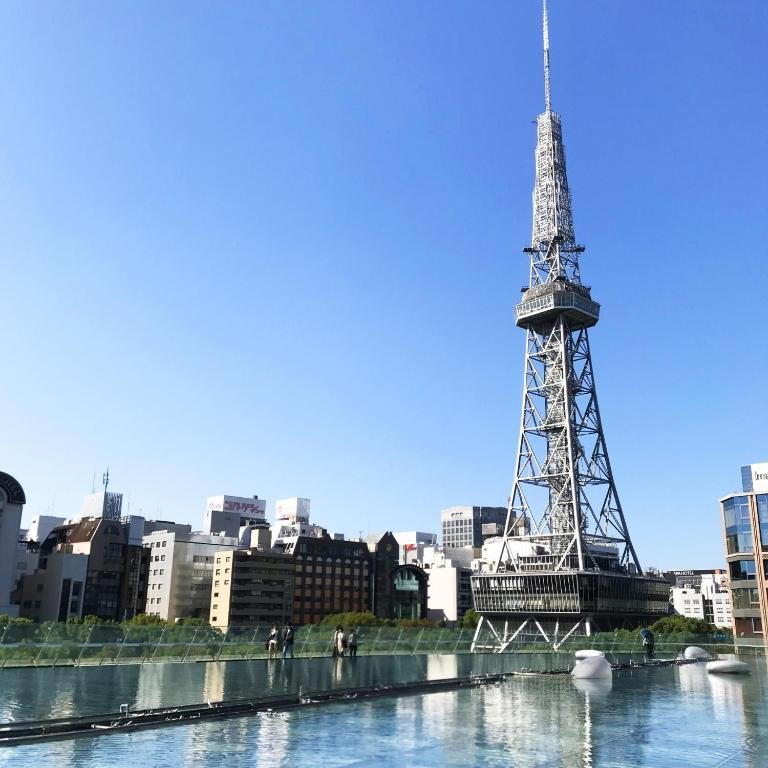
Marunouchi is not Nagoya’s loudest food district, which helps explain why a ramen counter works here. The neighbourhood’s value is logistical: close to business traffic, central for visitors, and less dependent on late-night spectacle than Sakae or station-area drinking zones. A three-minute walk from Marunouchi Station puts the shop in the category regulars can fold into a weekday without planning an excursion.
The practical details reinforce that reading. Reservations are unavailable, private rooms are unavailable, and seating is counter-only. Those facts define rather than weaken the proposition. Serious ramen in Japan often operates outside the reservation economy surrounding sushi, kappo, and modern tasting-menu restaurants. Here, commitment means arriving at the right moment and accepting the queue logic of a small room.
Recognition also needs context. Tabelog’s Hyakumeiten lists map depth within specific categories and regions; they do not turn every selected shop into a luxury address. A Tabelog 100 Ramen AICHI 2025 selection and 3.59 score place this counter inside a competitive local ramen field. For visitors, that is a stronger signal than generic popularity, showing a shop measured by diners comparing ramen against ramen, not against the broader restaurant market.
For a wider Nagoya itinerary, the counter works as a focused meal rather than a long stop. Readers mapping the city can use Our full Nagoya restaurants guide for the dining spread, then cross-check hotels, bars, wineries, and cultural planning through Our full Nagoya hotels guide, Our full Nagoya bars guide, Our full Nagoya wineries guide, and Our full Nagoya experiences guide. The smarter move is to treat ramen as part of the city’s daily infrastructure, not a side note between formal meals.
Where this fits in a Japan ramen itinerary
Japan’s ramen map rewards specificity. Sapporo has its miso associations, Fukuoka its tonkotsu grammar, Tokyo its endless subgenres, and Nagoya absorbs national styles into a pragmatic local rhythm. A chicken-paitan counter in Marunouchi shows that rhythm clearly: affordable, central, compact, and judged by repetition.
Travellers building a broader Japan food route can place this stop alongside other focused restaurants rather than treating it as a generic noodle break. EP Club’s archive ranges from Nagoya addresses such as 1022, 451, Aaron, Alan., and All Day Dining Montmartre to regional entries including -Grilled beef Sukiyaki- KAMAKURA TANUKIAN 鎌倉 たぬき庵 in Kamakura. 鮪と炭火焼き うお炭 秋葉原店 in Tokyo.cafe in Osaka.know in Kumamoto, (Shoku) Vietnam in Kawasaki, and [Curry Senmon Ten] Maruyama Kyoju. in Sapporo. For readers tracking Japanese food culture abroad, Jōdo Saké Bar in Los Angeles and Onigiri Time in Pasadena show how narrow-format Japanese dining translates outside Japan.
The editorial case for Tori Soba Susuru Marunouchi honten is simple: it belongs to the part of Nagoya dining where value and seriousness are not opposites. The counter is small, the category precise, and the recognition category-specific. For regulars, that is enough. For visitors, it is a clean lesson in how much of Japan’s food culture is carried by rooms built for eight people and one bowl at a time.
A Credentials Check
Comparable venues at similar price and category levels.
| Venue | Cuisine | Price | Notes |
|---|---|---|---|
| Tori Soba Susuru Marunouchi hontenThis venue — the venue you are viewing | Modern chicken paitan ramen | $ | Not listed |
| China Soba Kitagawa | Ramen & wonton shop | $ | Minami |
| Udon Nishiki | Nagoya curry udon & wheat noodles counter | $ | Naka |
| Ramen Rikimaru | Nagoya ramen shop specializing in spicy miso | $ | Nakamura |
| Tsubameya Dainagoya birudingu ten | Traditional Japanese wagashi & dorayaki shop | $ | Nakamura |
| Niboshi Ramen 88 Honten | Niboshi (dried sardine) ramen shop | $ | Nakamura |
Recognition history
Dated appearances from independent guides and award organizations, with the underlying list record or original source where available.
Tabelog 100 #92 · No. 92
Tabelog · Tabelog 100 - Ramen - AICHI - 2025
Continue exploring
More in Nagoya
Restaurants in Nagoya
Browse all →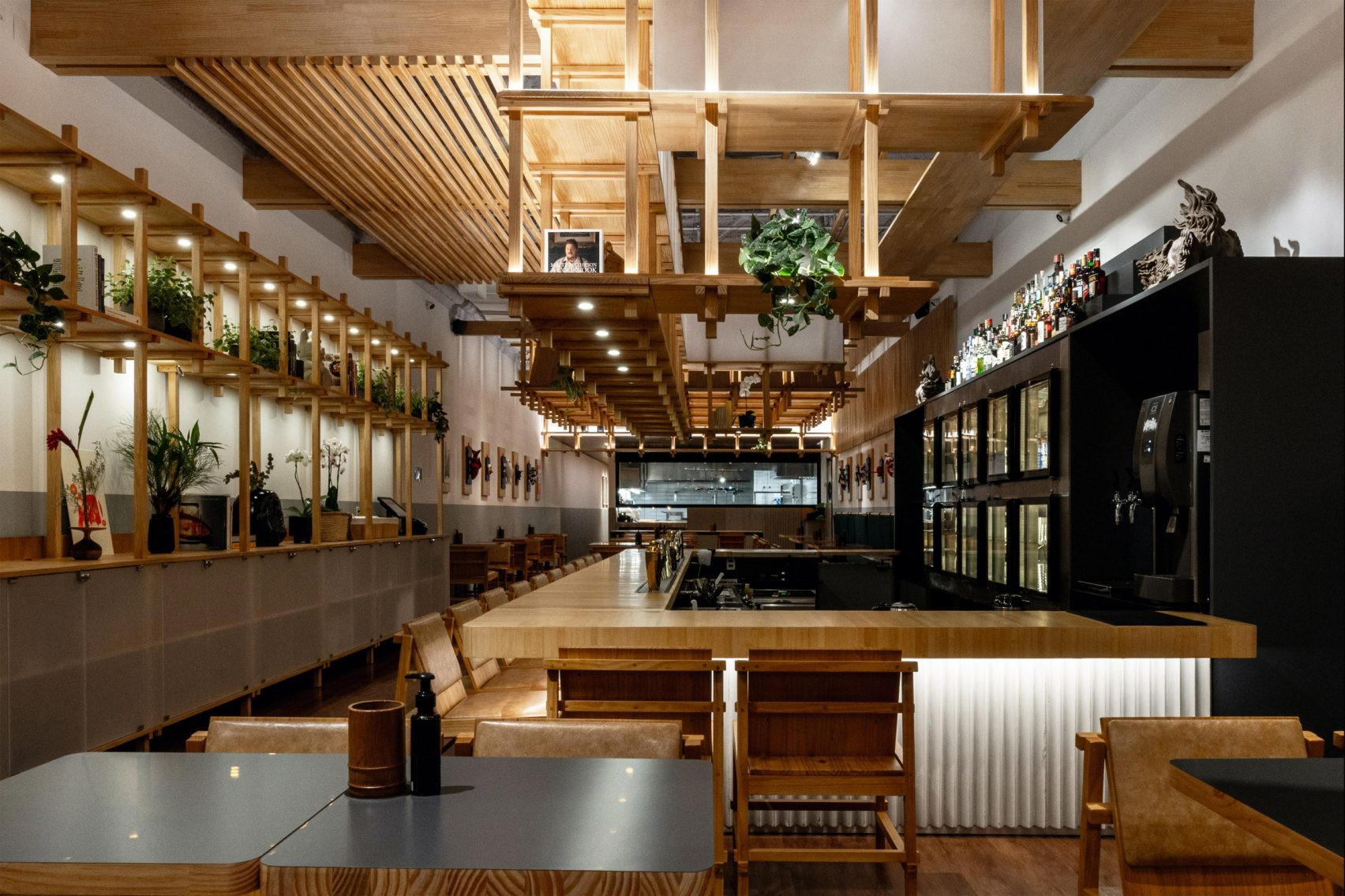
At a Glance
- Modern
- Cozy
- Trendy
- Solo
- After Work
- Casual Hangout
- Late Night
- Standalone
- Local Sourcing
A small counter-only ramen shop with a modern, casual feel, focused on quick solo meals; the atmosphere is lively during peak lunch and dinner hours but still comfortable enough for solo diners, including women.