
A compact counter in Atsuta gives Nagoya’s miso culture a ramen expression rather than another shrine-area hitsumabushi meal. Atsuta Miso Ramen Buriyu is a Tabelog Ramen AICHI 100 selection for 2025, with house-made miso, an eight-seat counter format, and a planning profile that rewards flexible timing more than elaborate advance strategy.
Pearl is the En Primeur Club membership app — saves, bookings, and concierge access live there. Same editors, same standards.
- Address
- 愛知県名古屋市熱田区神宮3-5-6-1
- Website
- tabelog.com
 Saves & bookings on Pearl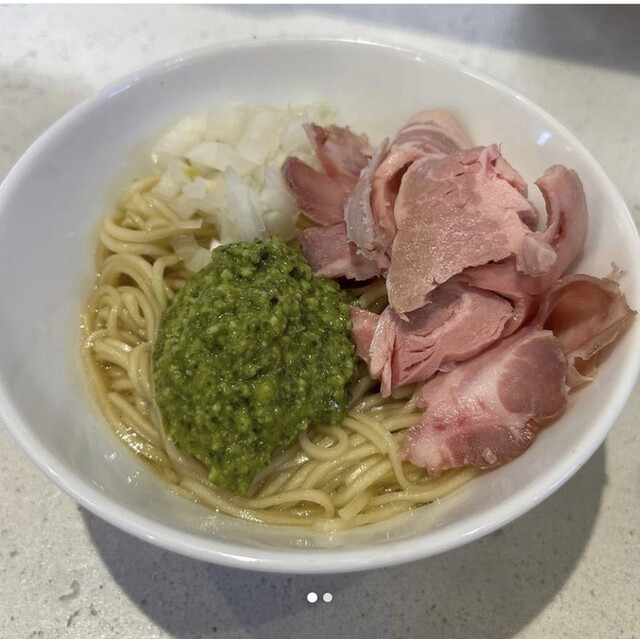
Approaching the Jingu Mae side of Atsuta, the ramen stop reads less like a big-city noodle shop than a small domestic room converted for serious slurping. The setting matters because Nagoya’s food identity is often read through set pieces: miso katsu, kishimen, tebasaki, hitsumabushi. Ramen here is a different lens, faster and narrower, but just as revealing about the city’s taste for deep soybean seasoning and compact, high-turnover dining.
Atsuta Miso Ramen Buriyu belongs to that Nagoya category where local miso is not a decorative regional label but the structural base of the bowl. The house-made miso claim places it closer to craft ramen than chain-format convenience, and its selection for Tabelog Ramen AICHI 100 in 2025 gives the shop a visible signal inside a prefecture with serious noodle competition. In Aichi, that recognition matters because ramen lists tend to reward repeat local demand as much as destination dining.
A miso-led counter in a city that already speaks miso fluently
Nagoya does not need another explanation of miso as novelty. Hatcho miso and darker soybean-based seasonings are part of the region’s daily grammar, which makes miso ramen here harder to excuse if it feels generic. The useful question is not whether the broth is regional, but whether the format gives local seasoning enough focus to justify the queue, the seat, and the stop between temple, train, and central Nagoya plans.
The restaurant’s strongest signal is concentration. Eight counter seats create a meal with little buffer between cooking and eating, and that scale pushes the experience toward ramen’s essential rhythm: wait, sit, eat, leave. That is not a flaw. In Japan’s stronger ramen rooms, comfort usually comes from precision and pace, not from lingering. The appeal is the lack of distraction: a small counter, a narrow menu logic, and a city-specific base flavour doing the main work.
That also separates it from the shrine-area dining pattern around Atsuta, where eel institutions such as Atsuta Houraiken Jingu ten and Atsuta Houraiken Honten occupy a higher-spend, sit-down bracket. Those meals are more ceremonial and more closely tied to Nagoya’s visitor circuit. Atsuta Miso Ramen Buriyu is the quicker, leaner counterpoint: a ramen stop with local seasoning, lower spend, and a tighter seating model. The comparison is useful because the decision is not simply ramen versus eel; it is tempo versus ritual.
The booking reality is part of the meal, not an afterthought
Ramen shops with small counters ask for a different kind of planning than destination restaurants. There is no elaborate dining-room choreography to manage, but the limits are more immediate: few seats, direct turnover, and a format that punishes groups more than solo diners. This is why the shop’s family-friendly and solo-friendly signals are worth reading carefully. Children are welcomed, but the counter-only room means the meal works better when everyone is comfortable with a compact, focused service rhythm.
For travellers, the location near Jingu Mae changes the calculation. This is not a detour built around a long tasting menu; it fits into an Atsuta Shrine outing, a Meitetsu rail movement, or a day that also includes central Nagoya. The smarter move is to treat it as a timed ramen window rather than a flexible fallback.
The payment profile also reinforces the old-school side of the format. Cash-only ramen remains common across Japan, especially in small independent rooms, and it suits the price band and turnover model. For visitors used to card-led travel, that detail is not romantic; it is practical. Bring yen, keep the group small, and avoid treating a compact counter as if it were a full-service restaurant built for lingering conversation.
Where it fits in a Nagoya food itinerary
Nagoya dining rewards contrast. A day can move from shrine-side eel to station-area kishimen, from izakaya tebasaki to a focused bowl of ramen, and each tells a different story about the city’s appetite for salt, fat, wheat, and fermented depth. Atsuta Miso Ramen Buriyu earns its place in that rotation because it translates regional miso confidence into a counter meal rather than a banquet dish.
Within the wider Aichi ramen field, it sits beside lower-spend specialists such as China Soba Kitagawa, Dote no Shinagawa, and Raa Menya Shio Soba Shizuku rather than the more formal local-occasion restaurants around Atsuta. That is the correct competitive frame: quick, inexpensive, technique-led ramen, not luxury dining. The Tabelog 2025 selection gives it editorial weight, but the meal’s real value is in how efficiently it connects place, flavour tradition, and format.
Readers building a broader Nagoya plan can place this stop alongside Our full Nagoya restaurants guide, then decide whether the day needs a hotel reset from Our full Nagoya hotels guide, a drink from Our full Nagoya bars guide, a cellar-minded detour through Our full Nagoya wineries guide, or cultural planning via Our full Nagoya experiences guide. For more restaurant browsing across the platform, see 1022, 451, Aaron, Alan., All Day Dining Montmartre, -Grilled beef Sukiyaki- KAMAKURA TANUKIAN 鎌倉 たぬき庵 in Kamakura. 鮪と炭火焼き うお炭 秋葉原店 in Tokyo.cafe in Osaka.know in Kumamoto, (Shoku) Vietnam in Kawasaki, [Curry Senmon Ten] Maruyama Kyoju. in Sapporo, Jōdo Saké Bar in Los Angeles, and Onigiri Time in Pasadena.
Cuisine-First Comparison
Comparable options at the same price tier.
| Venue | Cuisine | Price | Notes |
|---|---|---|---|
| Atsuta Miso Ramen BuriyuThis venue — the venue you are viewing | Japanese Ramen | $ | Not listed |
| Men Senmon Ten Ajiyoshi | Udon and curry udon specialist | $ | Kita |
| Kodawari Men Kobo Tago | Ramen & Tantanmen Shop | $ | Nakagawa |
| Ramen Aoba | Japanese Ramen | $ | Atsuta |
| Tsutsui Shogetsu | Japanese Traditional Sweets | $ | Higashi |
| Kanmidokoro Shibafuku | Japanese Sweets | $ | Naka |
Recognition history
Dated appearances from independent guides and award organizations, with the underlying list record or original source where available.
Tabelog 100 #31 · No. 31
Tabelog · Tabelog 100 - Ramen - AICHI - 2025
Continue exploring
More in Nagoya
Restaurants in Nagoya
Browse all →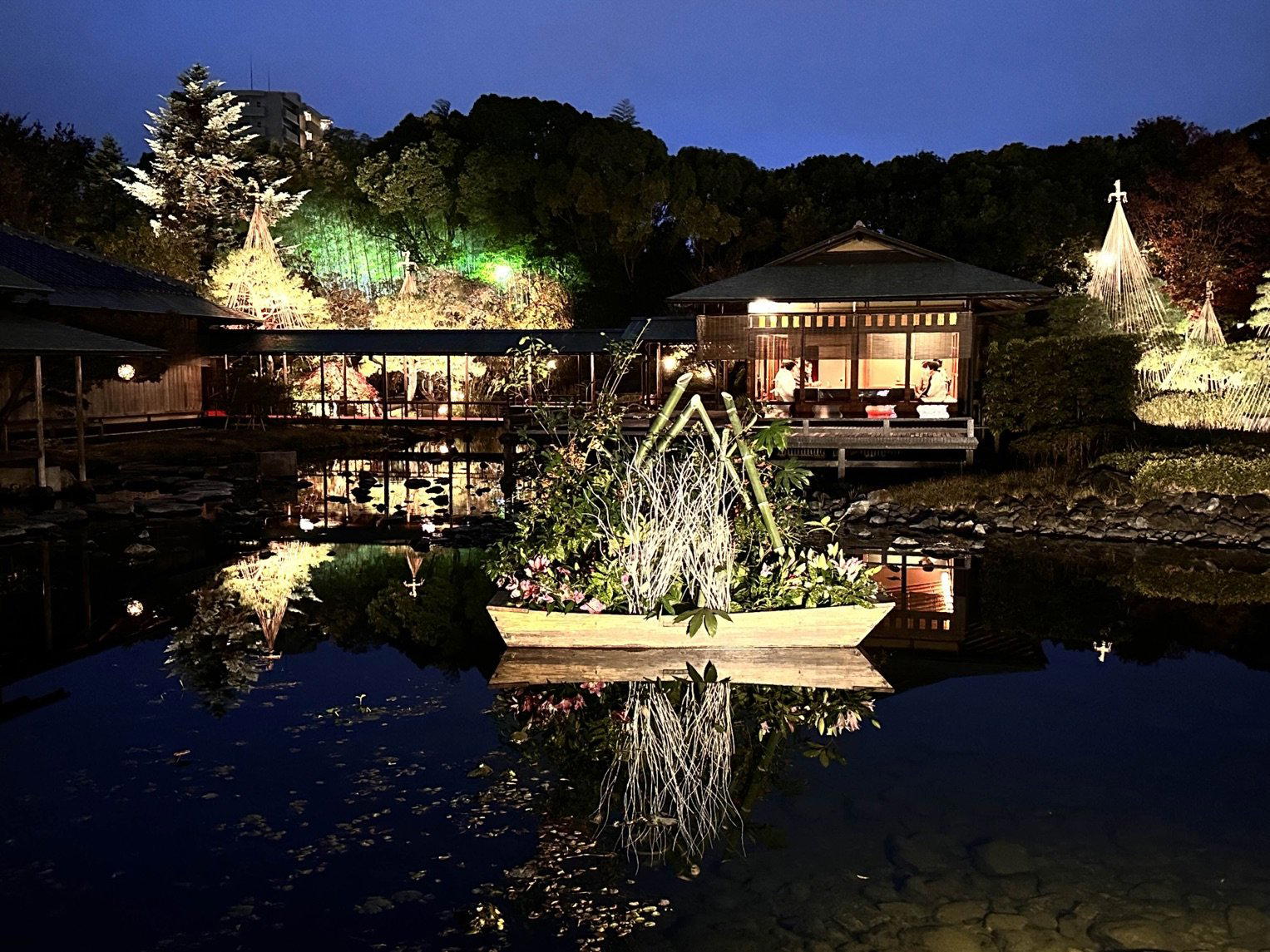
At a Glance
- Cozy
- Classic
- Intimate
- Solo
- Family
- Casual Hangout
- Historic Building
- Standalone
- Zero Waste
A cozy, relaxed, small-scale ramen shop atmosphere in a renovated traditional house with only eight counter seats.