
Tsubame Sanjo belongs to Nagoya’s compact, serious ramen tier: a small Fushimi-area shop selected for Tabelog 100 - Ramen - AICHI - 2025, with a 21-seat room split between counter and tables. The appeal is format rather than ceremony, a ramen-focused menu in the city’s central dining corridor where solo meals, family meals, and award-list scrutiny can overlap.
Pearl is the En Primeur Club membership app — saves, bookings, and concierge access live there. Same editors, same standards.
- Address
- 愛知県名古屋市中区栄1-16-16 チサンマンション栄 1F
- Phone
- +818015835718
- Website
- tabelog.com
 Saves & bookings on Pearl
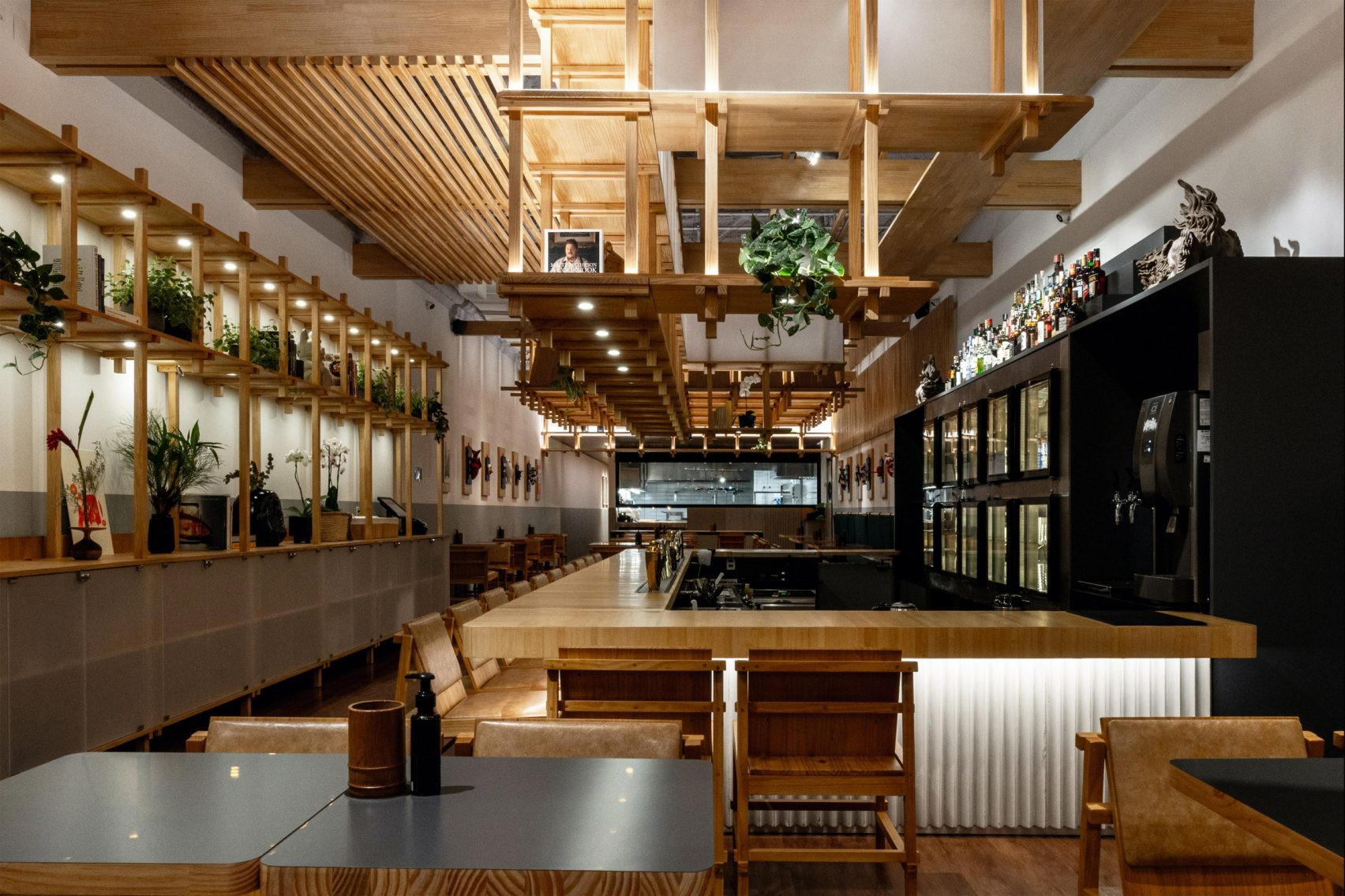
Approaching the Fushimi side of Sakae, Nagoya changes register. The department-store brightness and late-night bar traffic sit close by, but the ramen shops in this pocket tend to work at a smaller scale: short menus, fast turnover, counter seats, and a dining rhythm built around the bowl rather than the room. Tsubame Sanjo fits that grammar. The space is compact, with 21 seats divided between 7 counter places and 14 table seats, which puts it closer to a neighbourhood ramen specialist than a destination dining room with long-form service.
That distinction matters in Nagoya. The city is often discussed through miso katsu, tebasaki, kishimen, and hitsumabushi, but ramen has become one of the clearer ways to read its everyday dining culture. A good ramen shop here does not need an expensive format to be taken seriously. Recognition comes from repeatability, local following, and how clearly the menu communicates its intent. Selection for Tabelog 100 - Ramen - AICHI - 2025 places Tsubame Sanjo inside that Aichi ramen conversation, not as a luxury anomaly, but as a focused shop competing on execution within a crowded category.
A ramen menu built for the bowl, not for ceremony
Ramen menus reveal priorities quickly. Some shops spread attention across side dishes, limited bowls, drinks, and set meals; others keep the architecture narrow so the guest reads the house through broth, noodles, seasoning, and toppings. Tsubame Sanjo is identified simply in the ramen category, and that restraint is part of the signal. The point is not a sprawling izakaya-style order, nor a chef’s-counter narrative. It is the kind of meal where the menu’s structure should make the first decision clear: choose the ramen direction, sit down, eat while the bowl is in condition, and move on.
The price band also tells a story about Nagoya’s ramen economy. At JPY 1,000 to JPY 1,999 for lunch and dinner, this sits far below the city’s tasting-menu and wagyu-led addresses, and well below comparison venues such as Wakana ~Wakana~ or Le Chinois SANO Nagoya, where dinner moves into the JPY 20,000 to JPY 29,999 range. It is also materially different from mid-priced places such as Lokanta Ayhan or Beef Junkie. Ramen’s value proposition in Japan is not just affordability; it is compression. A specialized kitchen can deliver a complete, highly legible meal in one bowl, with fewer service cues and less theatre than almost any other restaurant format.
That compression is why the counter remains such an important piece of the ramen room. Counter seating is not decorative. It supports solo dining, short stays, and a direct relationship between kitchen pace and guest pace. Table seating changes the social register, making the room easier for pairs and families, but the format still rewards decisiveness. Nagoya has plenty of restaurants built for lingering; this kind of ramen shop is better understood as a precise stop in the day.
Fushimi gives the shop a useful audience
Fushimi’s position between Nagoya Station, Sakae, office blocks, museums, and hotel corridors gives ramen a mixed clientele: workers on a short break, solo diners between appointments, visitors crossing the city center, and families looking for a low-friction meal. The restaurant’s address in Naka-ku places it in that central pattern. The 6-minute walk from Fushimi Station Exit 6 and the 4-minute walk from the Tennozaki Bridge East and Science Museum West bus stops make it a practical stop without turning the meal into an itinerary.
The logistics are part of the editorial case. Reservations are unavailable, which aligns with the ramen-shop model: access is governed by timing, turnover, and queue tolerance rather than concierge planning. Sunday closure also shapes how to use it. For visitors building a Nagoya food day around the central districts, the smarter play is to treat ramen as the anchor between larger commitments, not as the booking that controls the evening.
For broader planning, Our full Nagoya restaurants guide gives the city context beyond ramen, while Our full Nagoya hotels guide, Our full Nagoya bars guide, Our full Nagoya wineries guide, and Our full Nagoya experiences guide help place the meal inside a larger trip. Nearby restaurant research can also branch through Nagoya entries such as 1022, 451, Aaron, Alan., and All Day Dining Montmartre.
Where it sits in Japan's casual-specialist dining culture
Ramen is one of Japan’s clearest examples of serious casual dining. The category allows deep specialization without the cost structure of kappo, sushi, or French-influenced tasting rooms, and it lets regional lists such as Tabelog’s Aichi ramen selection function as a useful filter. The restaurant’s Tabelog score of 3.63 and 2025 Tabelog 100 selection give it measurable standing inside that local ramen field, while the room size keeps expectations grounded: this is not a luxury restaurant disguised as a noodle shop.
The better comparison is with other focused, low-to-mid-cost Japanese specialists rather than with fine dining. Across the country, casual formats can carry serious intent, from -Grilled beef Sukiyaki- KAMAKURA TANUKIAN 鎌倉 たぬき庵 in Kamakura to. 鮪と炭火焼き うお炭 秋葉原店 in Tokyo.cafe in Osaka.know in Kumamoto, (Shoku) Vietnam in Kawasaki, and [Curry Senmon Ten] Maruyama Kyoju. in Sapporo. Even outside Japan, small-format Japanese dining has become a recognizable language, visible in places such as Jōdo Saké Bar in Los Angeles and Onigiri Time in Pasadena.
The editorial read is simple: use the restaurant when the meal needs clarity rather than spectacle. The award signal makes it relevant for ramen-focused travelers, the price band keeps it accessible, and the central Nagoya location makes it easy to fold into a day around Fushimi and Sakae. Its value lies in the discipline of the format: a small room, a ramen identity, and enough recognition to justify choosing it over a random bowl nearby.
Peers in This Market
Comparable venues at the same tier for side-by-side context.
| Venue | Cuisine | Price | Notes |
|---|---|---|---|
| Tsubame SanjoThis venue — the venue you are viewing | Niigata-style Tsubame-Sanjo ramen | $ | Not listed |
| Minochu Honten | Traditional Nagoya Wagashi (Japanese Confectionery) | $ | Naka |
| Takumi Mitsukoshi ten | Japanese Curry Counter by Nagoya Takumi | $ | Naka |
| Betokon Ramen Shinkyo Meieki nishiguchi ten | Health-conscious spicy ramen | $ | Nakamura |
| Mendokoro Suwa | Niboshi ramen shop | $ | Atsuta |
| Heritage | Traditional Nagoya Eel (Hitsumabushi) | $ | Tenpaku |
Recognition history
Dated appearances from independent guides and award organizations, with the underlying list record or original source where available.
Tabelog 100 #57 · No. 57
Tabelog · Tabelog 100 - Ramen - AICHI - 2025
Continue exploring
More in Nagoya
Restaurants in Nagoya
Browse all →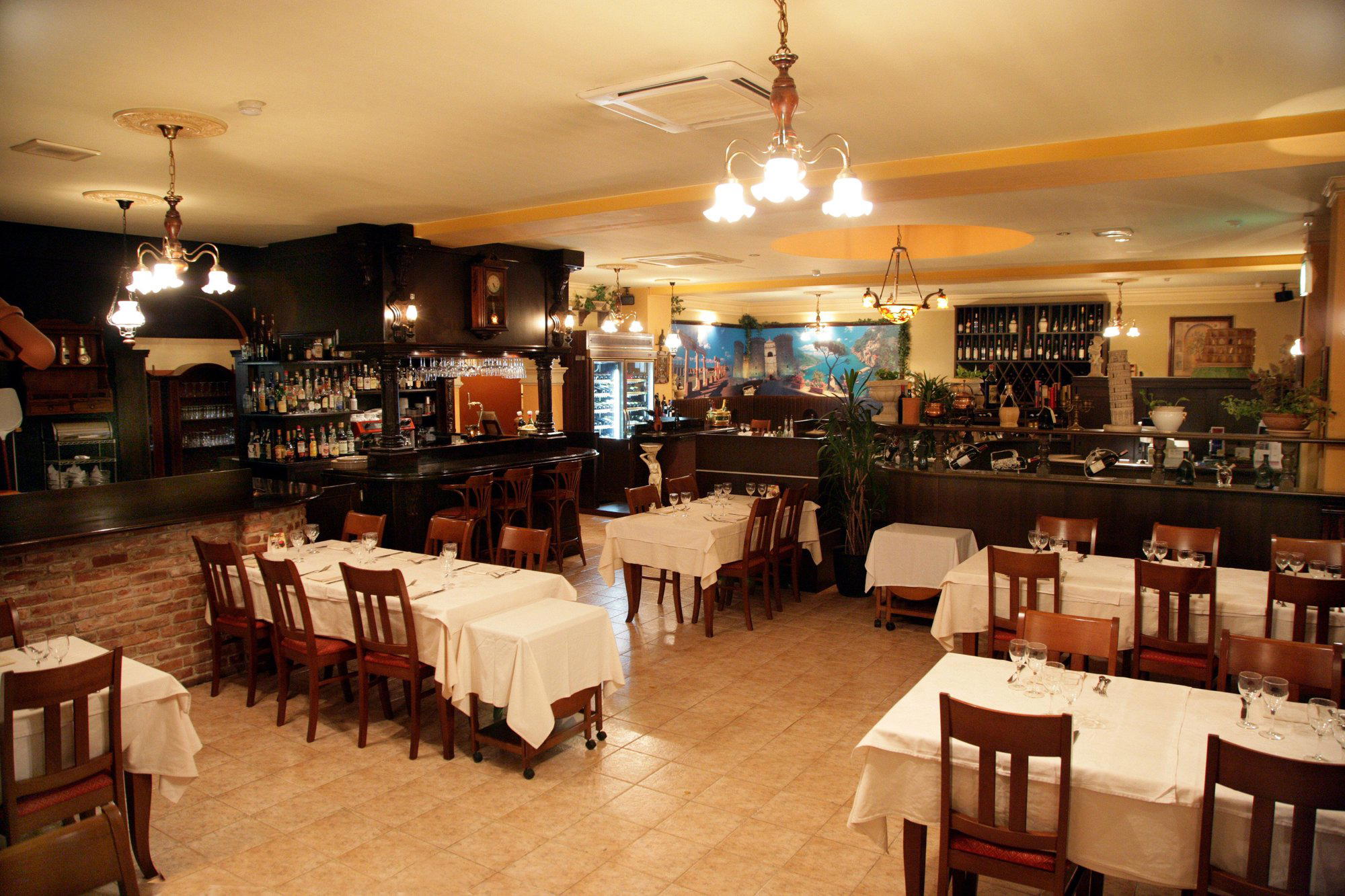
At a Glance
- Cozy
- Solo
- Family
- Casual Hangout
- After Work
- Group Dining
- Standalone
A compact, non-smoking ramen shop with counter and small table seating, relaxed and casual in feel, functioning as a cozy neighborhood hideout suited to both solo diners and families.