Our verdict
On the Bund's eastern edge, Lost Heaven has spent years making the case for Yunnan cuisine in one of Shanghai's most competitive dining corridors. Ranked #373 in Opinionated About Dining's Top Restaurants in Asia for 2024 and climbing to #443 in 2025, it sits among a small group of Shanghai restaurants that take a regional Chinese tradition seriously enough to earn sustained international recognition.

Pearl is the En Primeur Club membership app, where members save venues, book tables and use the concierge.
The menu
What to order
- Ghost chicken
- Dali chicken
- Shrimp rolls
Where the Bund Meets the Highlands
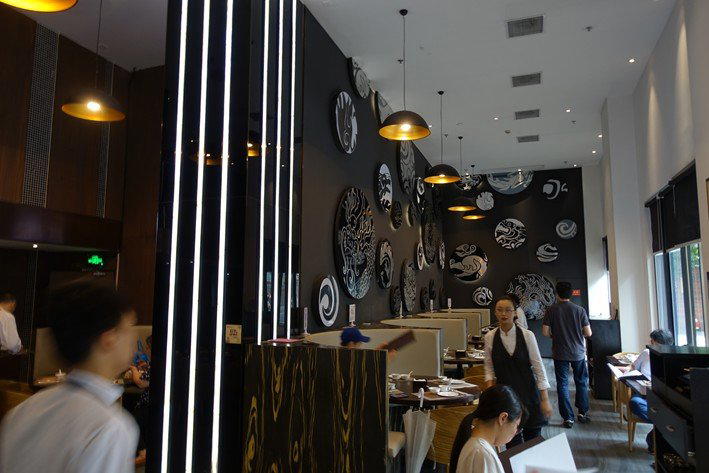
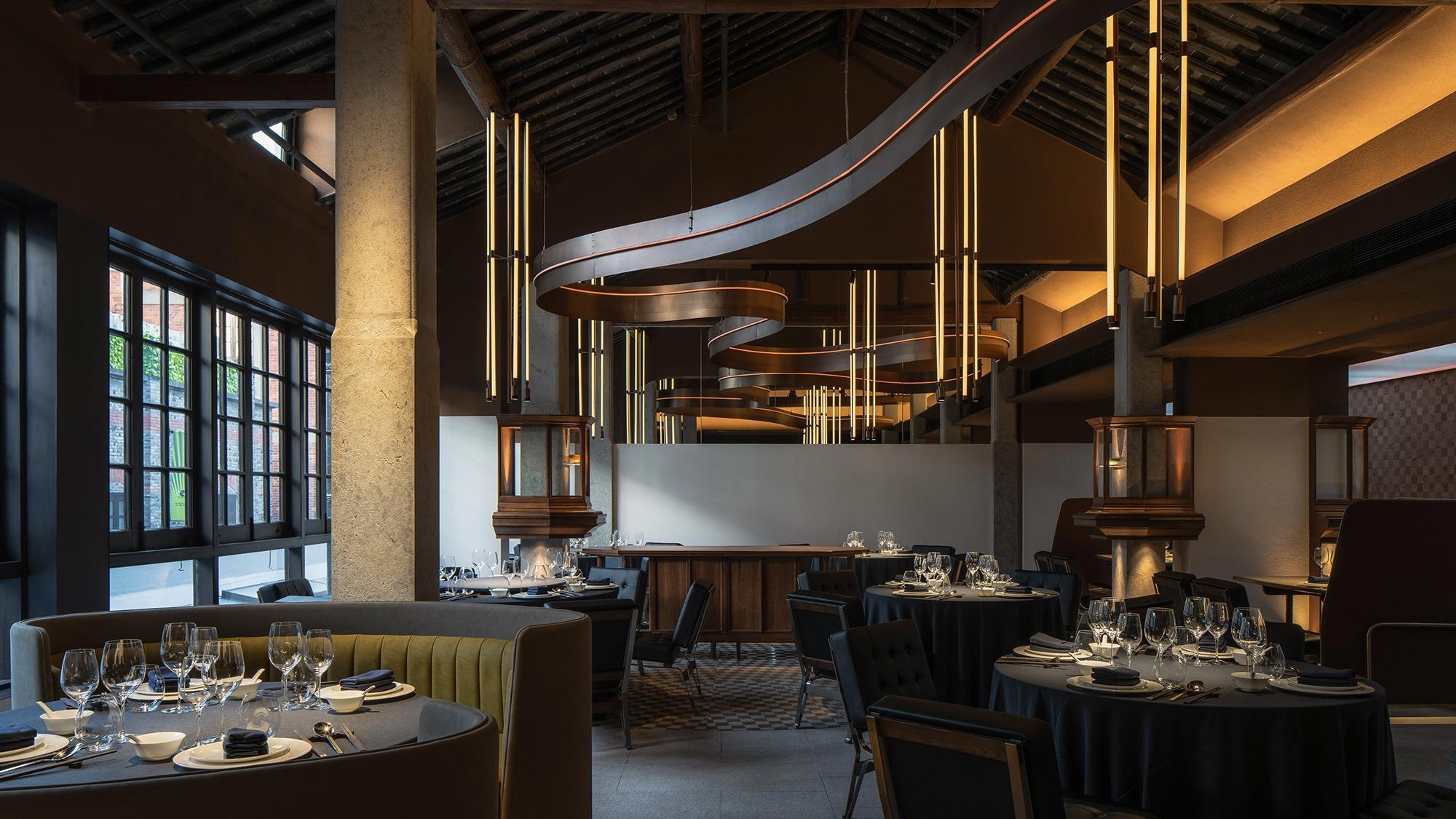
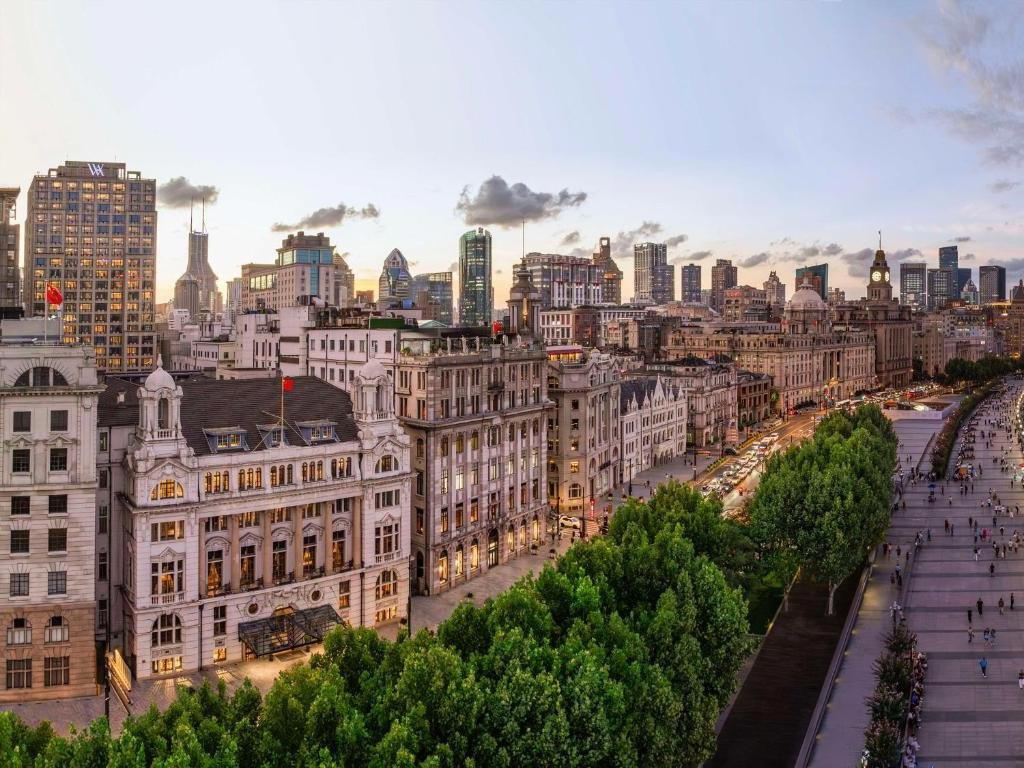
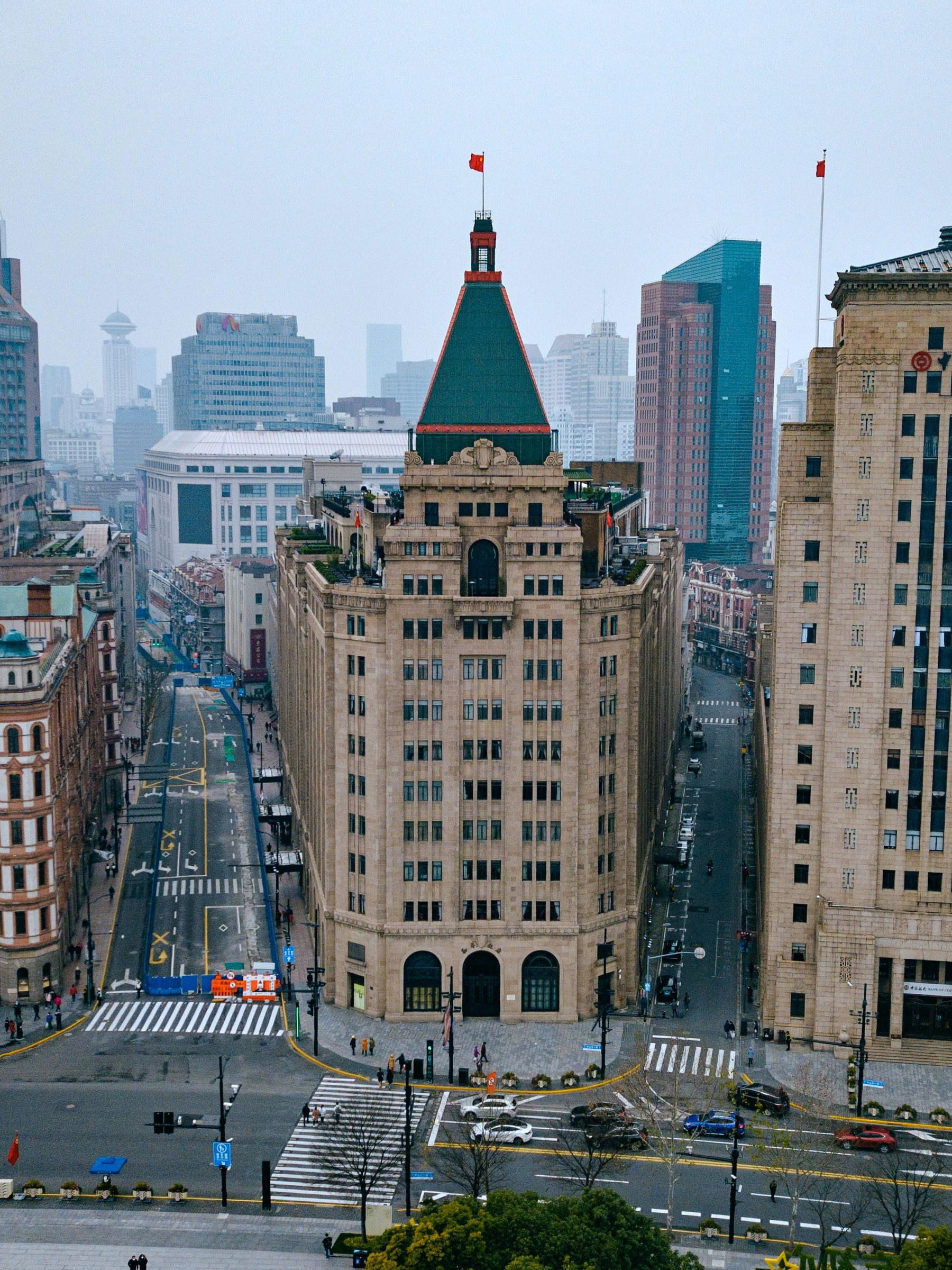
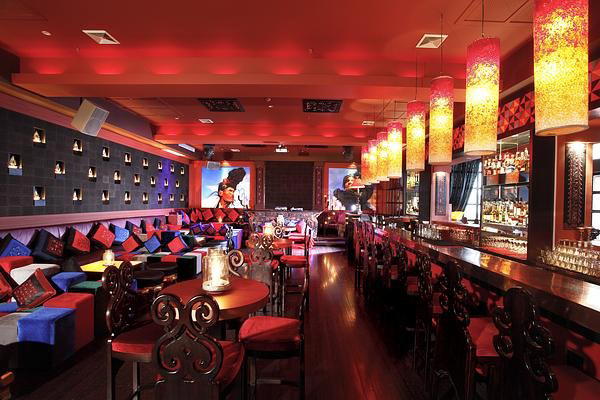
Yan'an Road (East) runs along the southern edge of the Bund district, a stretch where colonial-era facades compete with contemporary restaurant fit-outs for attention. Lost Heaven occupies this corridor with an approach that is immediately legible: the design vocabulary borrows from the ethnic minority cultures of Yunnan province, layering carved wood, textiles, and dim warm lighting into an interior that reads more like a heritage guesthouse in Dali or Lijiang than a Shanghai dining room. Before a dish arrives, the space has already made an argument about what Yunnan cuisine is and where it comes from.
That argument matters because Yunnan food is still frequently misread in China's coastal cities. It tends to be collapsed into a general "Southwest Chinese" category alongside Sichuan and Guizhou cooking, when in fact it draws from a completely different ecological base, high-altitude produce, wild mushrooms, fresh herbs, and the culinary traditions of the Dai, Bai, and Yi ethnic groups among others. Lost Heaven builds its menu around those distinctions, and the room it has created signals that distinction before a menu is opened.
How the Menu Is Structured
The menu at Lost Heaven functions as a regional survey rather than a chef's tasting progression. This is a meaningful structural choice. Where Shanghai's higher-concept restaurants Taian Table or Fu He Hui, for instance, impose a fixed sequence that moves the diner through the kitchen's logic, Lost Heaven organises its offerings by ingredient group and cooking tradition. Diners select across categories: cold starters drawing on the pickling and curing traditions of the highlands, hot dishes built around the province's herb palette, and rice and noodle preparations that anchor the meal in everyday Yunnan eating rather than ceremonial cuisine.
This format has a specific editorial effect. It distributes agency back to the table. A group familiar with Yunnan food can build a meal that reads like a proper highland spread. A group new to the cuisine can be guided by staff through a more introductory arc. Neither experience feels like a compromise. Compared with the fixed omakase structures at 102 House or the multi-course Cantonese sequencing at venues like Xin Rong Ji (West Nanjing Road), Lost Heaven's format is deliberately open, closer to the shared-plate traditions that define casual eating in Yunnan itself.
The menu's breadth also signals something about the restaurant's institutional confidence. A kitchen willing to run a wide Yunnan repertoire rather than editing down to eight or ten showpiece dishes is committing to consistent execution across a demanding range. Wild mushroom preparations, for example, require precision around seasonality and temperature that a narrower kitchen might simply avoid. The fact that such dishes appear regularly on the menu is a marker of the kitchen's scope.
Recognition and Peer Position
Lost Heaven's trajectory on the Opinionated About Dining rankings for Asia provides useful context. A recommendation in 2023 became a ranking of #373 in 2024, then shifted to #443 in 2025. The movement between years reflects the natural volatility of a large, competitive field rather than a decline in quality, and the continued ranked presence confirms sustained critic attention. OAD rankings are compiled from votes by professional diners and food writers across the region, making them a reasonable proxy for how the restaurant is perceived within informed dining circles rather than general tourist traffic.
That peer group is instructive. Shanghai restaurants ranked in a similar band on the OAD list tend to be specialists: venues that have carved a credible niche in a specific cuisine rather than aiming for broad appeal. Fu He Hui, which holds a strong position in the vegetarian and Buddhist cuisine tier, operates by similar logic. Both restaurants are making an argument for a cuisine category that is underrepresented in Shanghai's upper dining tiers, and both have earned sustained recognition for doing so. That positioning separates Lost Heaven from the larger field of mid-market Yunnan restaurants that have proliferated across the city, most of which trade on price and atmosphere rather than culinary depth.
Lost Heaven sits in a different register: accessible enough for a midweek lunch, substantive enough to hold up against careful critical scrutiny.
Yunnan in Shanghai's Broader Dining Picture
Regional Chinese cuisines have gained considerable traction in Shanghai over the past decade, partly as a corrective to the dominance of Shanghainese, Cantonese, and imported European formats. Taizhou seafood specialists, Hangzhou-inflected vegetable cooking, and Fujian broth traditions have each found serious representation in the city. See also Ru Yuan in Hangzhou, which illustrates how regional Chinese traditions can build a distinct institutional identity when treated with the same discipline applied to major cuisine categories.
Yunnan occupies a particular position within this shift. Its produce profile is genuinely different from anything grown in the Yangtze Delta, which gives the cuisine an inherent distinctiveness when executed faithfully. The altitude and biodiversity of the Yunnan highlands produce ingredients, certain mushroom species, fresh goat cheese analogues, medicinal herbs, that cannot simply be sourced locally in Shanghai. A restaurant doing this seriously must either maintain supply relationships in Yunnan or substitute, and the former requires operational infrastructure that smaller operators rarely develop.
Visitors building a broader itinerary across the region might also look at how Yunnan's flavour principles connect to the wider Southwest Chinese palette. Xin Rong Ji in Chengdu offers a contrasting lens on how a different regional tradition can be presented at a comparable level of seriousness. Further afield, Chef Tam's Seasons in Macau and Imperial Treasure Fine Chinese Cuisine in Guangzhou trace the Cantonese thread that runs through much of upscale Chinese dining in the region, providing a useful comparison point for understanding what makes Yunnan's approach structurally distinct.
For those planning a wider Shanghai visit, the city's dining scene extends well beyond the Bund corridor. Our full Shanghai restaurants guide maps the major categories and neighbourhoods. Planning the rest of a trip is covered in our full Shanghai hotels guide, our full Shanghai bars guide, and our full Shanghai experiences guide. International comparisons for diners also visiting other cities might include Le Bernardin in New York City or Atomix in New York City, both of which represent the kind of long-form institutional commitment to a cuisine tradition that Lost Heaven mirrors in a different register. Also worth noting for regional context: Dai Yuet Heen in Nanjing and Xin Rong Ji (Xinyuan South Road) in Beijing each show how Chinese regional traditions translate across different metropolitan contexts.
Know Before You Go
- Address: 17 Yan'an Rd (E), Waitan, Huangpu, Shanghai 200002
- Hours: Monday to Sunday, 11:00 am–1:30 pm and 5:30–10:00 pm
- Reservations: Booking method; walk-ins may be possible outside peak hours
- Recognition: Opinionated About Dining Leading Restaurants in Asia, Ranked #373 (2024), #443 (2025), Recommended (2023)
- Cuisine: Yunnan (Southwest China, ethnic minority traditions)
- Nearest District: Huangpu, adjacent to the Bund
Frequently asked questions
What kind of recognition has Lost Heaven received?
Lost Heaven has received recognition including: Opinionated About Dining Top Restaurants in Asia Ranked #443 (2025); Opinionated About Dining Top Restaurants in Asia Ranked #373 (2024); Opinionated About Dining Top Restaurants in Asia Recommended (2023).
Is Lost Heaven focused on a specific cuisine style?
What should I eat at Lost Heaven?
The menu reads as a regional survey of Yunnan cuisine rather than a linear tasting progression, covering cold starters rooted in highland pickling and curing traditions alongside herb-forward dishes characteristic of the province's diverse ethnic cooking. Opinionated About Dining's professional diner network has consistently recognised Lost Heaven, suggesting the kitchen's handling of these regional techniques holds up against serious scrutiny. Arriving at either the lunch or dinner service (open daily, 11am–1:30pm and 5:30–10pm) gives you the full range.
When is Lost Heaven open?
Hours at Lost Heaven: Hours: Monday 11 am–1:30 pm, 5:30–10 pm Tuesday 11 am–1:30 pm, 5:30–10 pm Wednesday 11 am–1:30 pm, 5:30–10 pm Thursday 11 am–1:30 pm, 5:30–10 pm Friday 11 am–1:30 pm, 5:30–10 pm Saturday 11 am–1:30 pm, 5:30–10 pm Sunday 11 am–1:30 pm, 5:30–10 pm.
How do I find Lost Heaven?
Lost Heaven is located at 17 Yan'an Rd (E), Waitan, Huangpu, Shanghai, China, 200002, Shanghai.
Is there a head chef associated with Lost Heaven?
The chef associated with Lost Heaven is Various.
What do critics highlight about Lost Heaven?
Opinionated About Dining, which aggregates assessments from professional diners across Asia, moved Lost Heaven from a recommendation in 2023 to a ranked position of #373 in 2024 and #443 in 2025 on its Top Restaurants in Asia list. That trajectory suggests consolidating rather than fading recognition within a competitive field. The consistent presence across three consecutive years positions Lost Heaven among a small cohort of Shanghai restaurants holding sustained OAD attention.
Just the Basics
| Venue | Cuisine | Price | Awards | Notes |
|---|---|---|---|---|
| Lost HeavenThis venue (the venue you are viewing) | Authentic Yunnanese | $20–30 | Not listed | Not listed |
| Fu He Hui | Modern Seasonal Vegetarian Fine Dining | $200–300 | 2 Michelin Stars · World's 50 Best #11 | Vegetarian |
| Ming Court | Cantonese with Shanghainese Influences | $30–50 | 1 Michelin Star · Black Pearl 1 Diamond | Cantonese |
| Polux | French Bistro | $30–50 | Michelin Bib Gourmand | French |
| Royal China Club | Cantonese Dim Sum | $100–150 | Michelin Plate · The Good Food Guide GFG Good | Chinese, Cantonese |
| Scarpetta | Refined Italian Pasta & Pizza | $50–100 | Michelin Plate · Wine Spectator Best of Award of Excellence | Italian |
Recognition history
Dated appearances from independent guides and award organizations, with the underlying list record or original source where available.
Opinionated About Dining Top Restaurants in Asia Recommended
Opinionated About Dining
Full recognition history (4 entries)
Opinionated About Dining Top Restaurants in Asia Ranked #443
Opinionated About Dining
Opinionated About Dining Top Restaurants in Asia Ranked #373
Opinionated About Dining
Opinionated About Dining Top Restaurants in Asia Recommended
Opinionated About Dining