
A small Kyoto yakiniku room near Kawaramachi, Niku Ryori Arakawa belongs to the city’s serious beef-grill tier rather than its temple-view dining circuit. Tabelog has selected it for its Yakiniku WEST “Tabelog 100” in 2025, with prior selections back to 2018, placing it among repeat-recognized addresses for Japanese barbecue in western Japan.
Pearl is the En Primeur Club membership app — saves, bookings, and concierge access live there. Same editors, same standards.
- Address
- 京都府京都市中京区西木屋町通四条上る紙屋町372-4
- Phone
- +81752311050
- Website
- arakawa.kyo2.jp
- Directions
- Get directions
 Saves & bookings on Pearl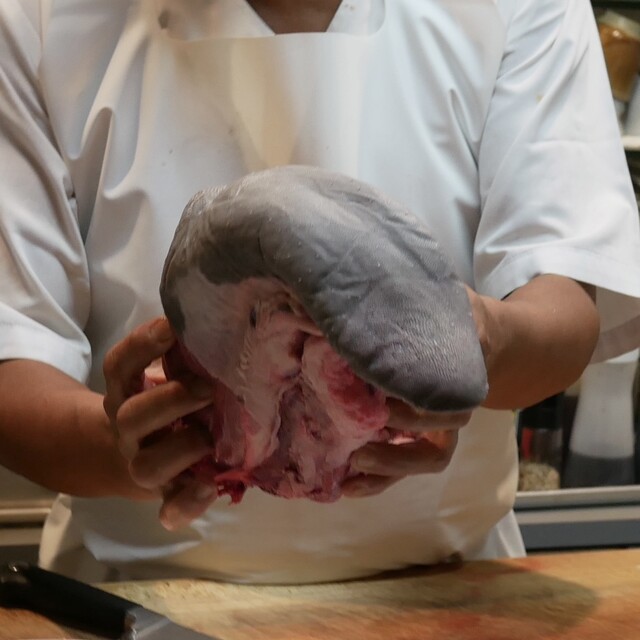
Kyoto’s evening dining rhythm changes around Kawaramachi and Kiyamachi: lanterns, narrow approaches, second-floor signs, the movement of regulars who know which doors matter and which rooms are built for conversation rather than ceremony. In that part of the city, yakiniku has a different social temperature from kaiseki. The meal is less scripted, more collaborative, and often more revealing of local habits: who orders lean cuts first, who controls the grill, who lets smoke and wine set the pace of the night.
Niku Ryori Arakawa fits that register. The room is small enough that repeat custom matters, and the format rewards diners who understand yakiniku as a sequence rather than a pile-up of beef. Kyoto’s dining reputation is often filtered through tea, counter kaiseki, and seasonal formality, but its late-night and meat-driven tables carry another side of the city: compact, adult, and built around regulars who return for consistency rather than novelty.
Kyoto beef culture, without the temple-district script
Yakiniku in Japan sits between restaurant craft and diner participation. The kitchen selects and cuts; the table finishes the work. That split changes the power dynamic of a meal. A sushi counter asks the guest to submit to timing; a kaiseki room asks attention to season and order; yakiniku asks for judgment at the grill. In Kyoto, where dining can lean ceremonial, that informality matters. It makes beef a social cuisine, but not a casual one.
The useful comparison is not with grand Japanese dining rooms such as 菊乃井 露庵, where the meal is shaped by sequence and service choreography, but with compact specialist addresses that make a narrower promise and execute it repeatedly. Kiyamachi Ran and Isoyama occupy different parts of Kyoto’s Japanese dining field; Pontocho Sushi Ishiya sits in another lane entirely, where fish and counter pacing define the night. Niku Ryori Arakawa belongs to the beef-grill category, where the measure is repeatability: cut selection, heat management, portion rhythm, and whether the room feels designed for regular guests rather than sightseeing traffic.
The external recognition is not incidental. Selection for Tabelog’s Yakiniku WEST “Tabelog 100” in 2025, alongside earlier selections from 2018 onward, signals durability in a category where popularity alone is not enough. Tabelog’s Hyakumeiten lists tend to reward venues with sustained diner confidence, and in yakiniku that confidence is practical: guests return when the ordering path is reliable and the grill does not need theatrical explanation.
The regulars' table is the real guide
At a serious yakiniku address, the written menu is only part of the experience. Regulars tend to read the room: how much to order at once, when to move from richer cuts to leaner ones, how to pace rice or wine, and when to let the grill rest. That unwritten grammar is why small beef restaurants can feel opaque to first-time visitors. The point is not secrecy; it is fluency. The more a diner understands the sequence, the less the meal feels like ordering and the more it feels like taking part in a shared system.
That is the lens through which Niku Ryori Arakawa makes sense. Its appeal is not a chef biography or a single named dish. The draw is the category discipline: Japanese barbecue treated as a focused evening meal, with wine listed as part of the drinking culture and a room scaled for people who want concentration rather than spectacle. In Kyoto, that is a useful counterweight to the city’s more formal dining expectations. The restaurant sits in the after-dark Kawaramachi orbit, where proximity to transport and nightlife keeps the audience local, mixed, and deliberate.
For travelers, the smart move is to approach it as a Kyoto beef night, not as a checklist meal. The city has plenty of lighter stops and casual counters, from 551蓬莱 to smaller contemporary rooms such as [ki:]. A yakiniku dinner works better when the evening is left uncluttered: fewer pre-dinner snacks, more time at the table, and a willingness to let the meal build through categories rather than chase only marbled cuts.
How to place it in a Kyoto itinerary
Kyoto rewards contrast. A day of shrine paths and confectionery can end with smoke, beef, and wine; a polished hotel stay can be balanced by a small room where the grill becomes the center of the table. For broader planning, use Our full Kyoto restaurants guide alongside Our full Kyoto hotels guide, Our full Kyoto bars guide, Our full Kyoto wineries guide, and Our full Kyoto experiences guide. Nearby and citywide restaurant context also helps: 3TOKU6MI Shijo karasuma ten, Abbesses, and Aburi Mochi Honke Nemoto Kazariya show how wide Kyoto’s register can be, from contemporary dining to old confectionery ritual.
The wider Japan map matters too, because beef and grill culture changes by city. Compare the Kyoto mood with -Grilled beef Sukiyaki- KAMAKURA TANUKIAN 鎌倉 たぬき庵 in Kamakura, Tokyo’s casual fire-and-fish lane at. 鮪と炭火焼き うお炭 秋葉原店 in Tokyo, or regional stops such as.cafe in Osaka.know in Kumamoto, (Shoku) Vietnam in Kawasaki, and [Curry Senmon Ten] Maruyama Kyoju. in Sapporo. For Japanese food culture abroad, Jōdo Saké Bar in Los Angeles and Onigiri Time in Pasadena frame a different question: how Japanese formats travel when the regulars’ rules have to be rebuilt in another city.
Reputation Context
Comparable venues at the same tier.
| Venue | Cuisine | Price | Notes |
|---|---|---|---|
| Niku Ryori ArakawaThis venue — the venue you are viewing | Wagyu-focused Yakiniku Counter | $$$ | Not listed |
| Pass The Baton | Japanese Shaved Ice Salon de Thé | $$$ | Gion |
| Hachikian Marutacho (八起庵 丸太町本店) | Traditional Kyoto Chicken Kaiseki | $$$ | Sakyo-ku |
| 麩屋町 久らく | Japanese Kappo Izakaya | $$$ | 京都市役所前 |
| Tempura Tokoro Kyorynsen | Kyoto-style Tempura by Kyoyamato | $$$ | Shimogyō |
| Sukiyaki Iroha Kita ten | Traditional Kyoto sukiyaki | $$$ | Nakagyō |
Recognition history
Dated appearances from independent guides and award organizations, with the underlying list record or original source where available.
Tabelog 100 #77 · No. 77
Tabelog · Tabelog 100 - Yakiniku - WEST - 2025
Continue exploring
More in Kyoto
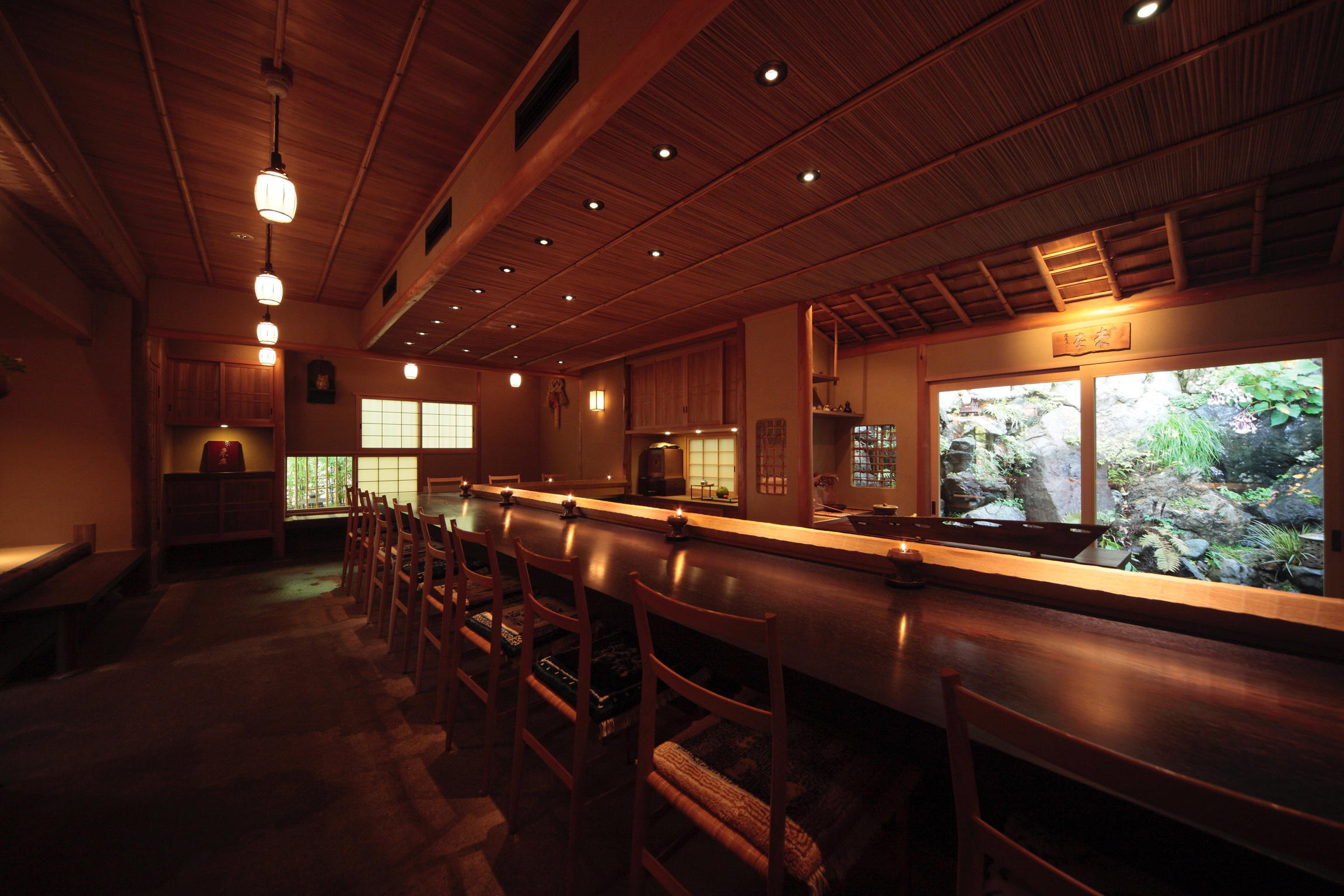
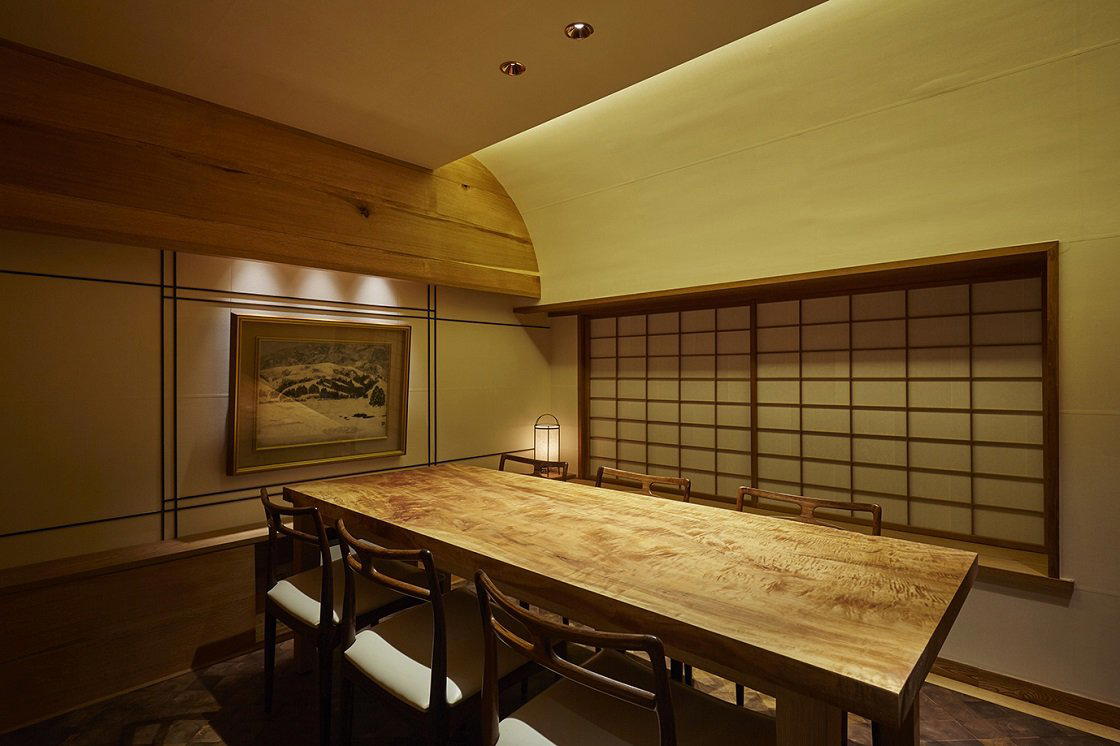
Restaurants in Kyoto
Browse all →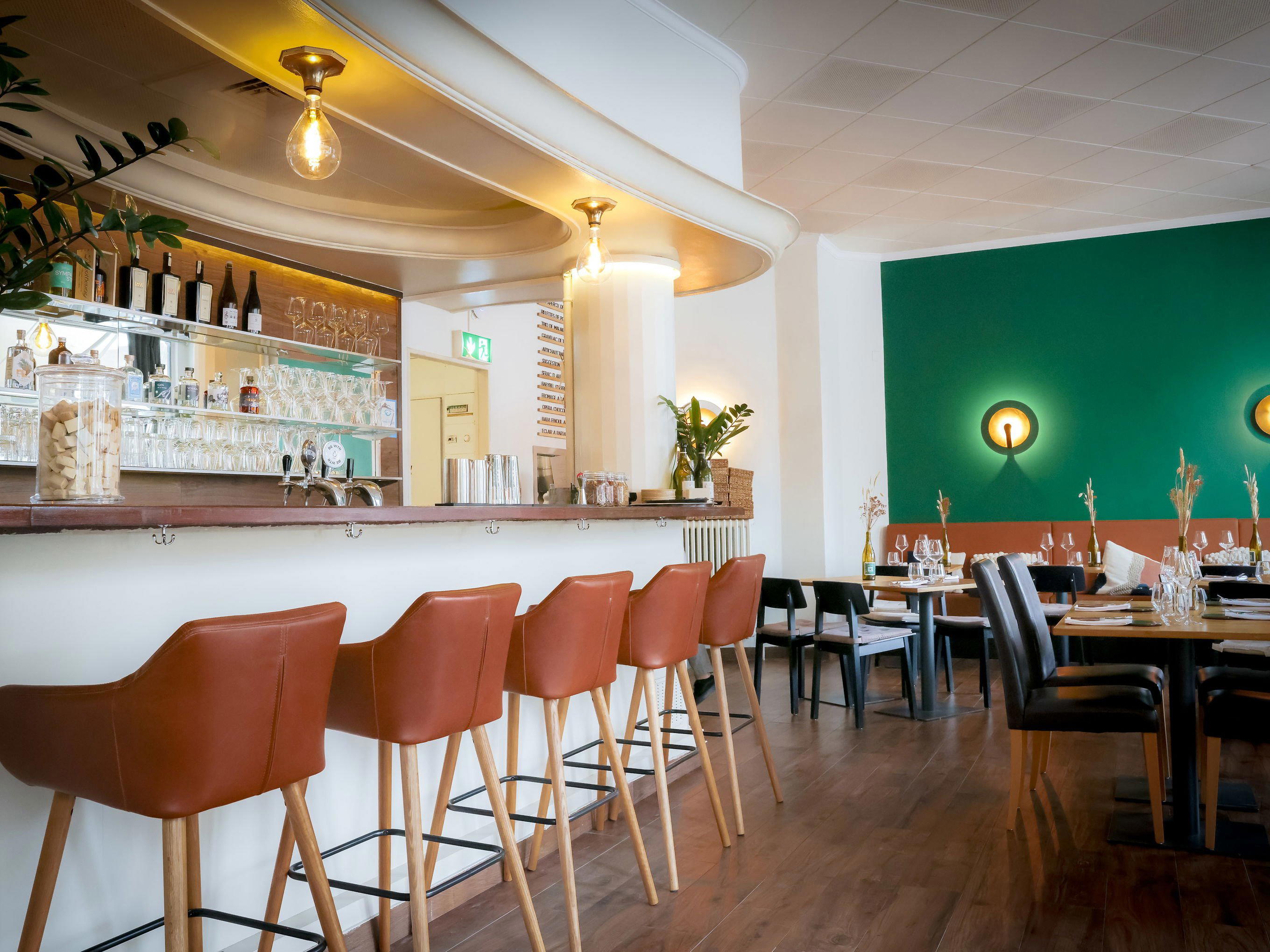
Bars in Kyoto
Browse all →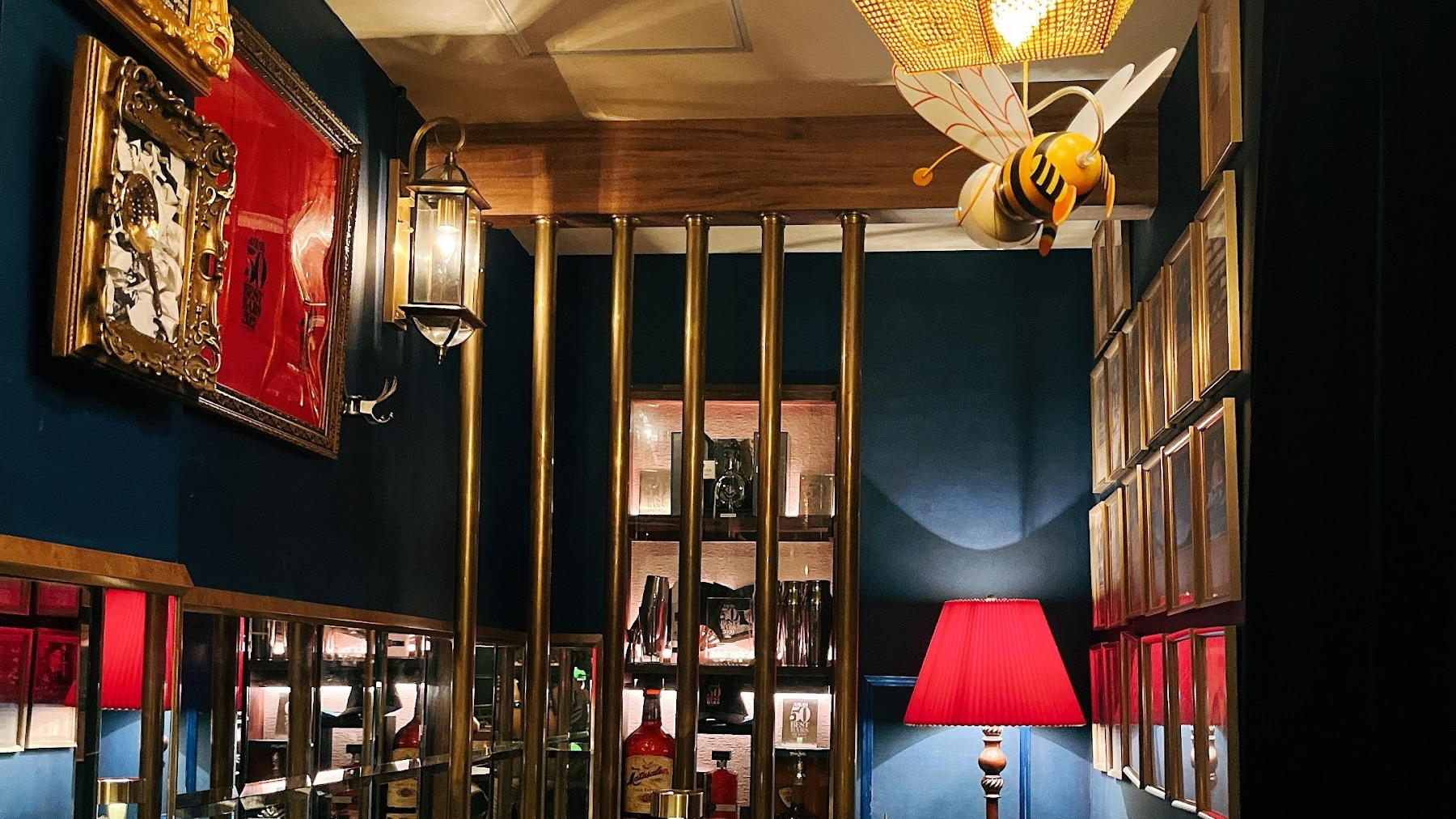
Hotels in Kyoto
Browse all →
Wineries in Kyoto
Browse all →
At a Glance
- Cozy
- Intimate
- Classic
- Date Night
- Special Occasion
- Solo
- Celebration
- Chefs Counter
- Standalone
- Sake Program
- Extensive Wine List
- Local Sourcing
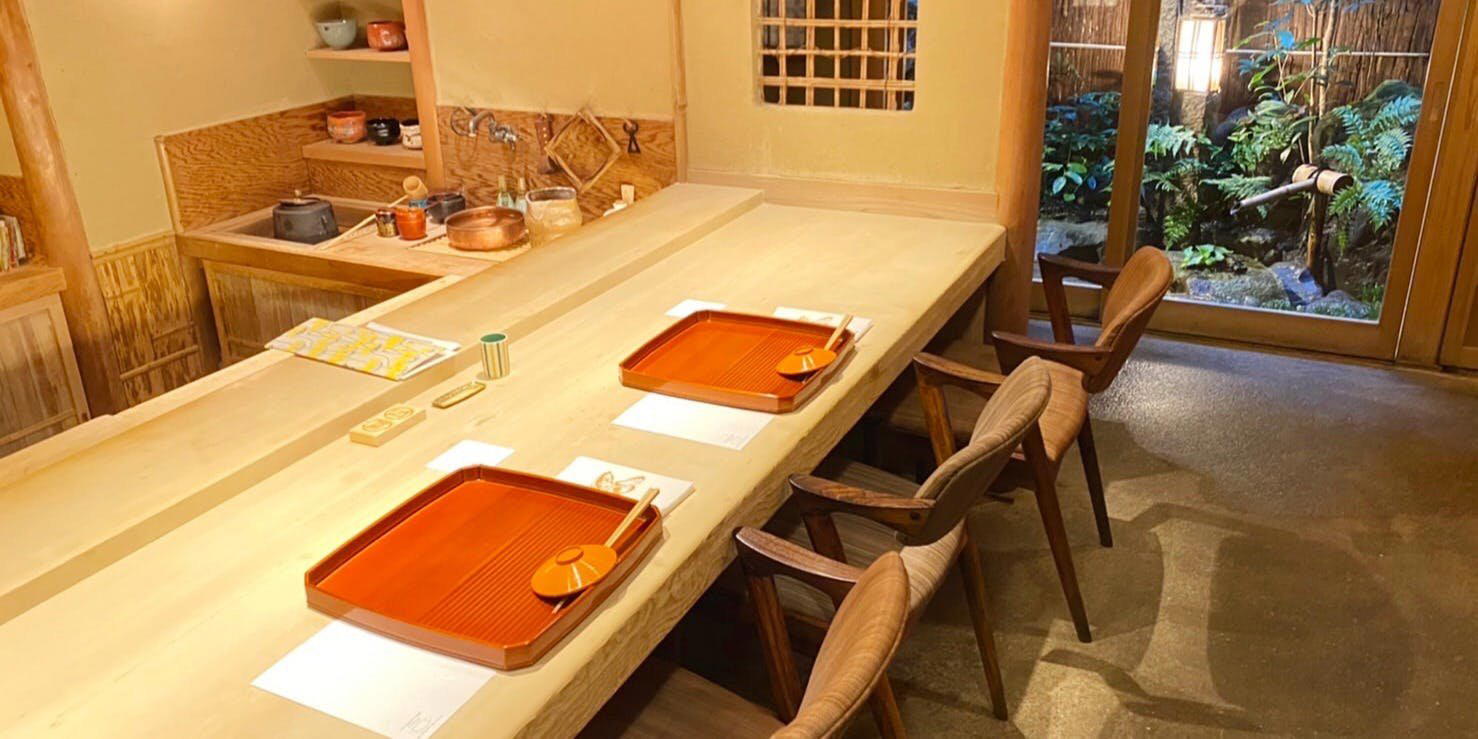
A small, counter-only space with a warm, cozy feel where all seats face the grill, creating an intimate atmosphere focused on the chef’s performance; lighting is comfortable rather than flashy, and the room feels like a classic, slightly hidden local spot rather than a formal fine-dining restaurant.