TOBIUME

Tabelog Silver #142
Our verdict
A four-seat house restaurant in Kitakyushu's Yahatanishi Ward, TOBIUME has earned Tabelog Silver recognition every year from 2024 through 2026 and holds a 4.41 score on the platform. The kitchen places particular emphasis on local fish and sake, operating on a reservation-only basis that currently excludes new customers without an existing relationship to the restaurant.

Pearl is the En Primeur Club membership app, where members save venues, book tables and use the concierge.
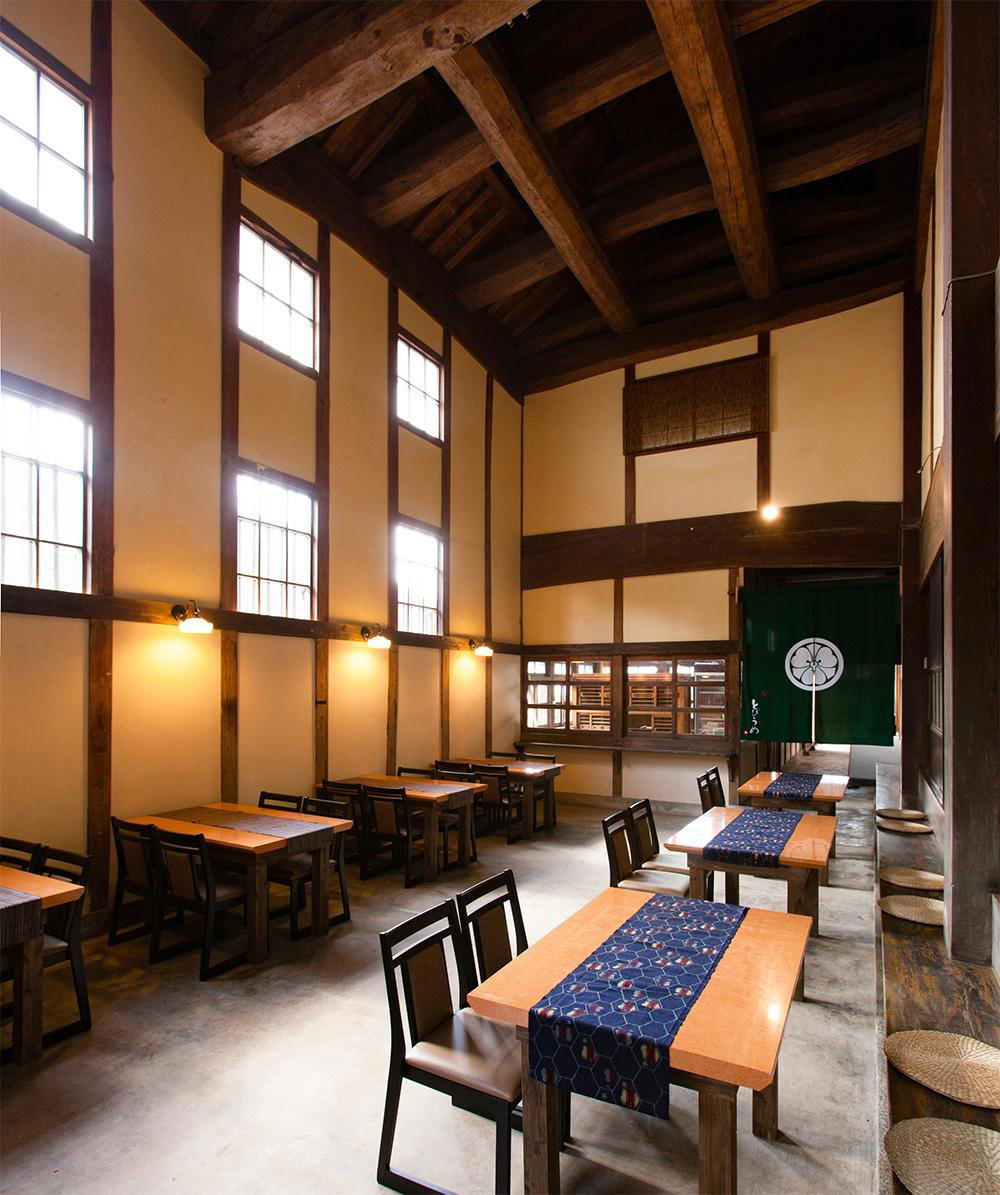
A House Restaurant at the Edge of Kitakyushu's Recognition Map
Western Japan's serious Japanese-cuisine circuit runs through Osaka, Kyoto, and Fukuoka city, but a smaller cluster of formally recognised kitchens has been building quietly in Kitakyushu over the past decade. TOBIUME sits in Yahatanishi Ward, a residential area far from the tourist paths of Kokura or Mojiko, operating out of what Tabelog classifies as a house restaurant: a domestic-scale space that sets the physical and social terms of the meal before a single dish arrives. At four seats with a maximum of four people per table, the room does not accommodate half-tables or solo guests slotting in beside strangers. The format is intimate by design, and the award trajectory confirms that the tradeoff has worked.
The Award Record as Evidence of Sustained Discipline
Tabelog Silver is not a newcomer's prize. TOBIUME held Bronze from 2019 through 2023, then moved to Silver for 2024, 2025, and 2026, reaching a score of 4.41 in the 2026 cycle. That kind of incremental progression across eight consecutive award years points to consistency rather than a single breakthrough season. The platform also named it to the Tabelog Japanese Cuisine WEST "100" list in 2021, 2023, and 2025, a regional selection that places it alongside the strongest washoku tables in the Kyushu-Osaka-Kobe corridor. For context, Tabelog Silver typically places a restaurant in the top tier of peer recognition on the platform, below Gold but above the much larger Bronze cohort. Among Kitakyushu's recognised Japanese-cuisine houses, which also include Nikaku and Terasawa, TOBIUME's Silver standing positions it at the upper end of the local hierarchy. See our full Kitakyushu restaurants guide for the broader picture.
Menu Architecture: Fish as the Structural Spine
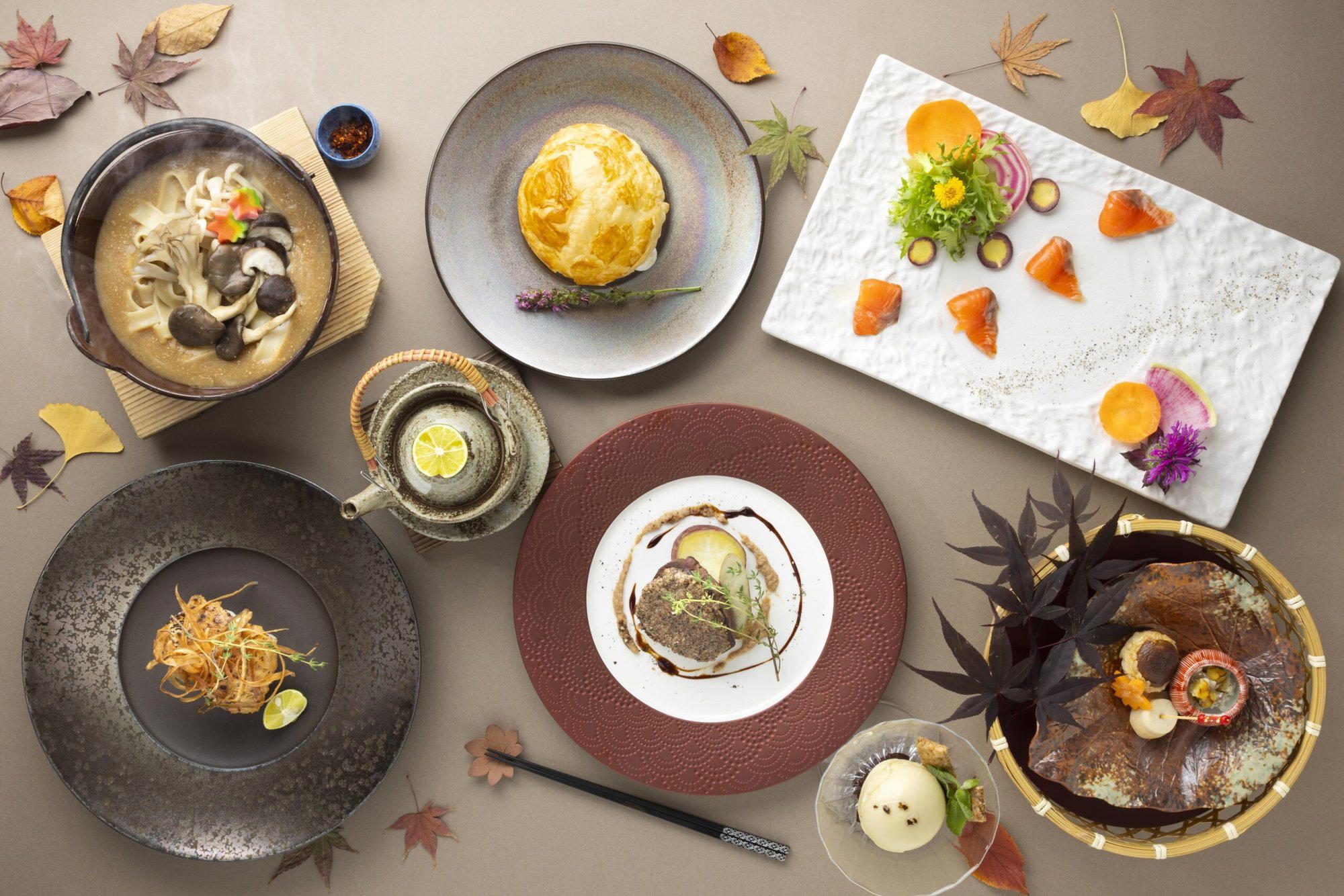
The Tabelog listing flags one food priority explicitly: "particular about fish." In the grammar of washoku, that phrase carries real weight. Japanese cuisine at this price tier, JPY 30,000 to JPY 39,999 per person at dinner, with a 10% service charge applied on leading, generally organises itself around a sequence of courses that moves from delicate to assertive, with seafood providing most of the structural interest. A kitchen that declares a specific orientation toward fish is signalling where its sourcing attention and technical precision are concentrated. Kitakyushu's geographic position, straddling the Kanmon Strait between Honshu and Kyushu with access to both the Seto Inland Sea and the waters off northern Kyushu, gives a fish-focused kitchen a legitimate regional argument: the catch here is different from what Kyoto or Tokyo kitchens receive, and the leading local tables use that difference as an editorial position rather than simply a procurement fact.
The drink program mirrors the food philosophy in its selectiveness. The listing specifies sake and wine, with the qualifier "particular about" applied to both, meaning the selection is curated with the same attention given to ingredients, not assembled from a standard import list. Sake pairings at this level of Japanese cuisine tend to track the seasonal and regional character of the food, with the choice of junmai, ginjo, or kimoto styles shaped by what is on the plate. Guests with a preference for wine over sake will find it available, but the program's emphasis is clear.
Comparison with fish-focused kaiseki at the national level is instructive. Restaurants like Gion Sasaki in Kyoto or Goh in Fukuoka also build their menus around precise sourcing of local seafood, treating it as the lens through which a region's seasons become legible on the plate. TOBIUME's award record suggests it operates at a similar conceptual register, even at smaller scale. Internationally, the principle of letting local catch set the structural terms of a menu is also visible at places like Le Bernardin in New York City, where fish is not one element among many but the organising logic of the entire kitchen.
The Access Problem, and Why It Matters
The reservation policy at TOBIUME is one of the most restrictive in Kitakyushu's restaurant scene. The Tabelog listing states plainly: "We are currently not accepting reservations for new customers." It adds that third-party referral bookings are not accepted either. This is a meaningful distinction from the kind of fully booked calendar that still opens to persistent new diners. TOBIUME's closure to new customers is categorical, not calendrical. It operates on an existing-guest model, where access depends on a prior relationship with the restaurant, not on timing a release window correctly or having a concierge make the call.
For international or first-time visitors, this is the central logistical fact: the restaurant cannot be booked through normal channels. Guests planning a Kitakyushu itinerary around Japanese cuisine should treat TOBIUME as a long-term goal and build their near-term plans around the city's other recognised tables. Teruzushi and Tsubasa represent Kitakyushu's sushi tier, while Terroir Aitoibukuro covers the western-influenced end of the local fine-dining spectrum. The city also rewards exploration beyond restaurants, see our guides to bars, hotels, wineries, and experiences in Kitakyushu for a fuller picture.
TOBIUME in the National Japanese-Cuisine Conversation
House restaurants operating at the JPY 30,000-plus tier occupy a distinct niche in Japanese dining. They combine the physicality of a domestic space with the technical ambition of a serious kaiseki or kappo kitchen, and their small capacity means the host-guest ratio is unusually high. The model has precedent in celebrated Tokyo and Kyoto tables, Harutaka in Tokyo and HAJIME in Osaka each operate at the intersection of intimacy and formal ambition, but it is less common in secondary cities, where the economic conditions for sustaining a four-seat format at this price point are harder to maintain. TOBIUME's eight-year consecutive award run suggests the model works here.
The comparison extends further: places like Atomix in New York City and akordu in Nara both demonstrate that small-format, heavily curated tasting menus can accumulate serious critical recognition outside the largest dining capitals. TOBIUME fits that pattern, a kitchen whose reputation is built on depth and selectivity rather than volume or visibility. Its placement in Yahatanishi Ward rather than a high-profile commercial district reinforces the point: the address is a statement about priorities, not a concession to geography. The Tabelog 100 WEST listing in three separate years (2021, 2023, 2025) confirms that the national-level audience for serious washoku has found it anyway. For the reader interested in where Japan's finest regional Japanese cuisine is being practised, 1000 in Yokohama offers a useful parallel in terms of how quietly significant kitchens operate outside the major dining capitals.
Planning Your Visit
TOBIUME operates Tuesday evenings only (18:00 to 22:30), with last entry for dinner at 19:00, and runs lunch and dinner service Wednesday through Sunday, closing Monday. Tuesday-only evening access is a useful framing detail for anyone scheduling around it. The restaurant is approximately ten minutes by car from Orito Station and 574 metres from Honjo, with limited on-site parking available, carpooling is requested. Credit cards including VISA, Mastercard, JCB, AMEX, and Diners are accepted; electronic money and QR code payments are not. The space is non-smoking. Private hire for up to 20 people is available, which is the one scenario under which the four-seat everyday configuration expands significantly. New customers should not bring children. Given the closed reservation policy, the practical first step for any prospective guest is establishing contact with the restaurant directly via the Tabelog listing before any planning proceeds.
Frequently asked questions
Is TOBIUME child-friendly?
No. The restaurant explicitly bars children from accompanying new customers. At four seats maximum and a price point of JPY 30,000–39,999 per person, the format is built around focused adult dining rather than family occasions.
How would you describe the vibe at TOBIUME?
Intimate and deliberate. This is a house restaurant with four seats, which means the room operates more like a private dining experience than a conventional service environment. The Tabelog listing categorises it as a space for friends rather than business, which suggests warmth over ceremony, though the Tabelog Silver Award for three consecutive years signals consistent seriousness.
What kind of recognition has TOBIUME received?
TOBIUME has received recognition including:
What's the must-try dish at TOBIUME?
The kitchen states an explicit focus on fish, which in washoku terms shapes the structure of the entire meal rather than a single course. The sake program receives equal billing, described as a deliberate curatorial priority, so the fish-sake pairing is where the kitchen's identity concentrates.
What days is TOBIUME closed?
Hours at TOBIUME: Tue 18:00 - 22:30.
Reputation First
Comparable venues nearby, for context on price, style, and recognition.
| Venue | Cuisine | Price | Awards | Notes |
|---|---|---|---|---|
| TOBIUMEThis venue (the venue you are viewing) | Modern Kaiseki | Not listed | Tabelog Silver #142 | Not listed |
| 御料理 まつ山 | Seasonal Kyushu Kaiseki Omakase | $300–500 | Tabelog Silver #74 | Kurosaki |
| Sushi Asauumi | Traditional Edomae-Style Sushi Omakase | $100–150 | Tabelog 100 #53 | Kokurakita-ku |
| Yakitori Asahina | Modern Yakitori Omakase | $50–100 | Tabelog 100 #44 | Kokura Kita |
| Tenzushi (天寿し 京町店) | Kyushu-mae Omakase Sushi | $300–500 | Not listed | Kokura Kita-ku |
| Tsubasa | Kokura-Style Sushi | $50–100 | Tabelog Bronze #481 | Kokurakita Ward, Heiwa Dori area |
Recognition history
Dated appearances from independent guides and award organizations, with the underlying list record or original source where available.
Tabelog Silver #142
Tabelog
Full recognition history (3 entries)
Tabelog Silver
Tabelog
Tabelog 100 #93 · No. 93
Tabelog · Tabelog 100 - Japanese cuisine - WEST - 2025
Continue exploring
More in Kitakyushu
Restaurants in Kitakyushu
All restaurants in Kitakyushu →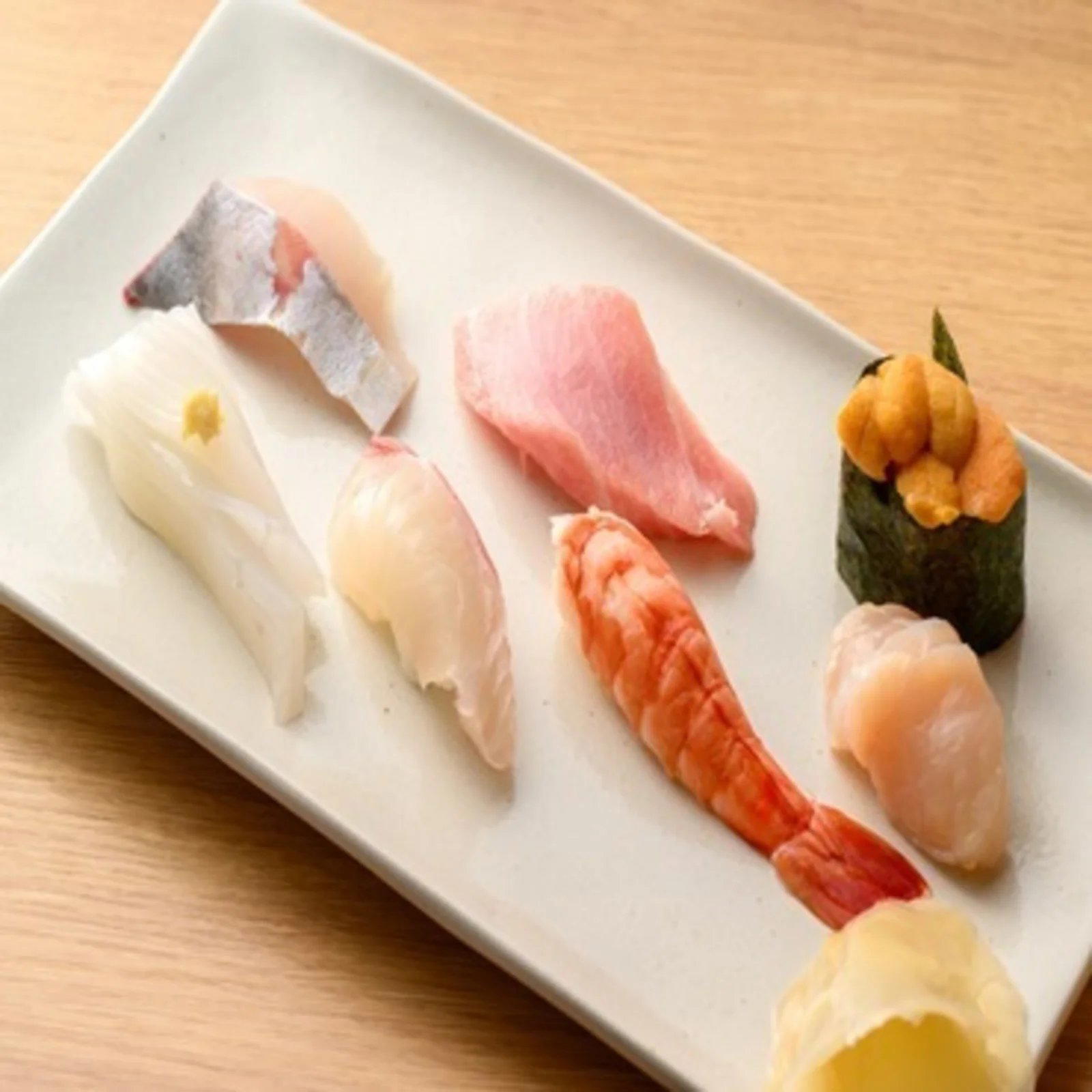
Bars in Kitakyushu
Browse all →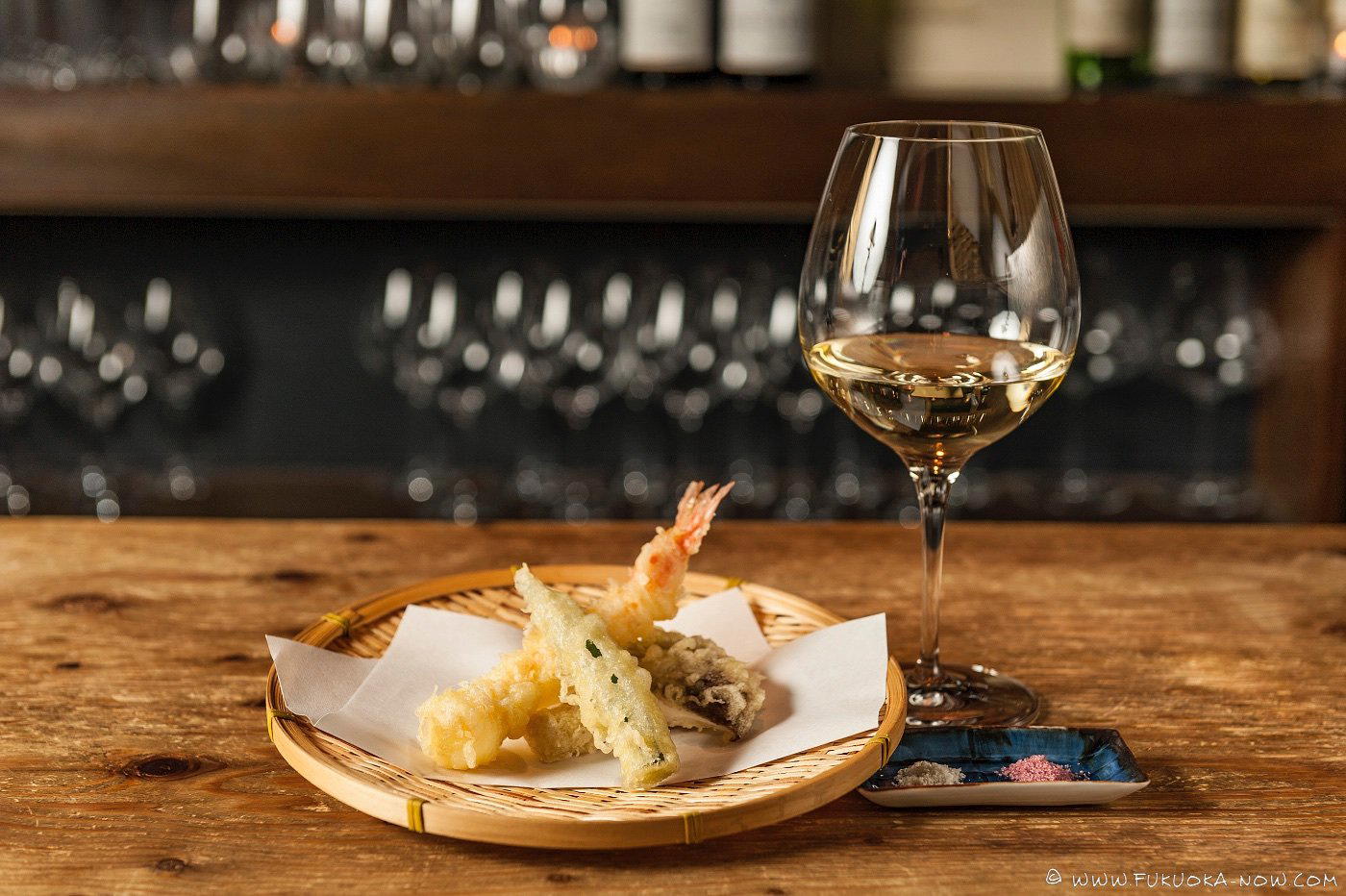
Details
- Elegant
- Intimate
- Sophisticated
- Modern
- Special Occasion
- Sake Program
- Local Sourcing
Current opening hours
- Monday
- Closed
- Tuesday
- 12–3 PM, 6–10:30 PM
- Wednesday
- 12–3 PM, 6–10:30 PM
- Thursday
- 12–3 PM, 6–10:30 PM
- Friday
- 12–3 PM, 6–10:30 PM
- Saturday
- 12–3 PM, 6–10:30 PM
- Sunday
- 12–3 PM, 6–10:30 PM
Hours can change for holidays and private events. Last verified .
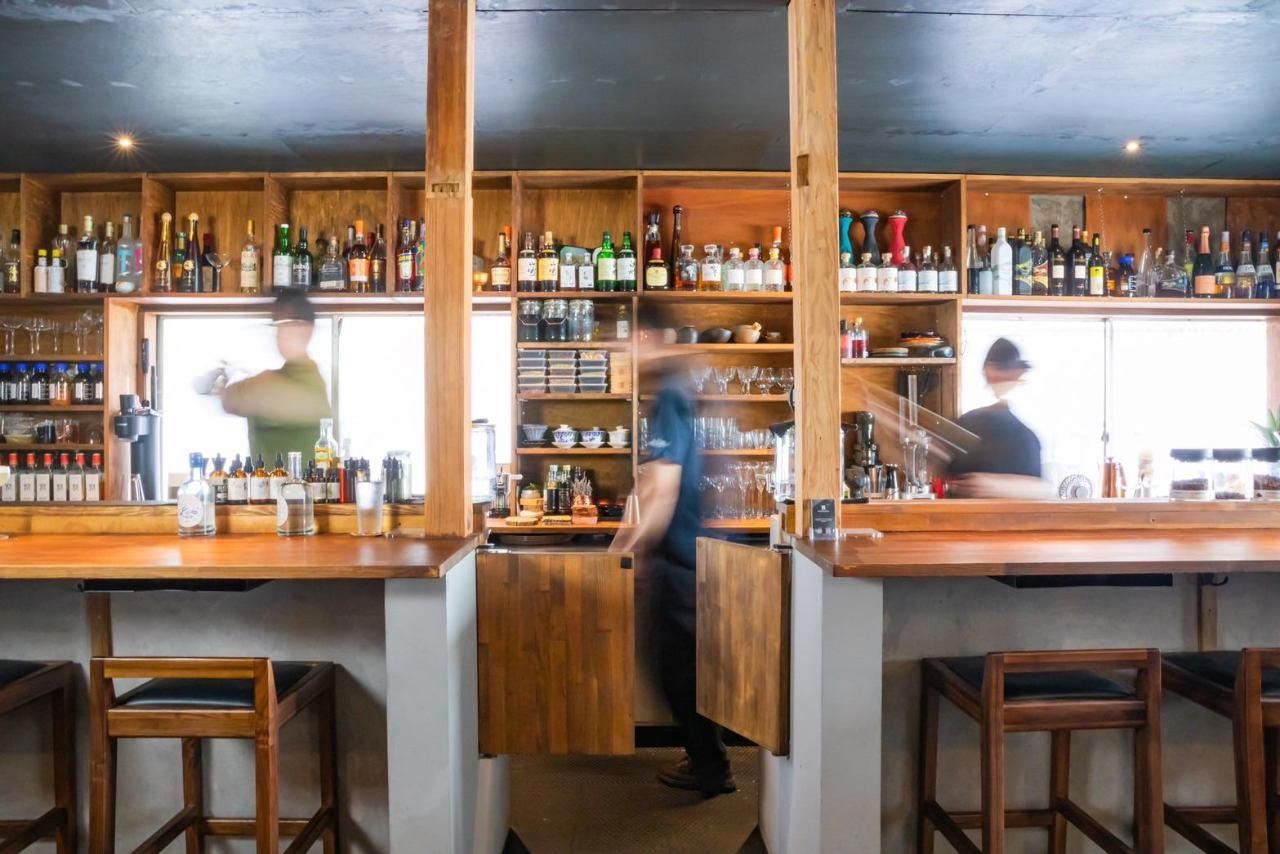
Graceful space with plenty of natural sunlight creating a warm and relaxing atmosphere.