Google: 4.4 · 103 reviews
Nikaku

A Tabelog Bronze Award winner in Kokurakita Ward, Nikaku holds a score of 4.0 on the platform and draws a steady local and visiting crowd to its sushi counter in Kitakyushu's Adachi district. Open six days a week for both lunch and dinner service, it sits within a city increasingly recognised for serious seafood dining, where proximity to Kyushu's coastal supply chains gives sushi here a distinct material advantage over inland alternatives.
 Discover on Pearl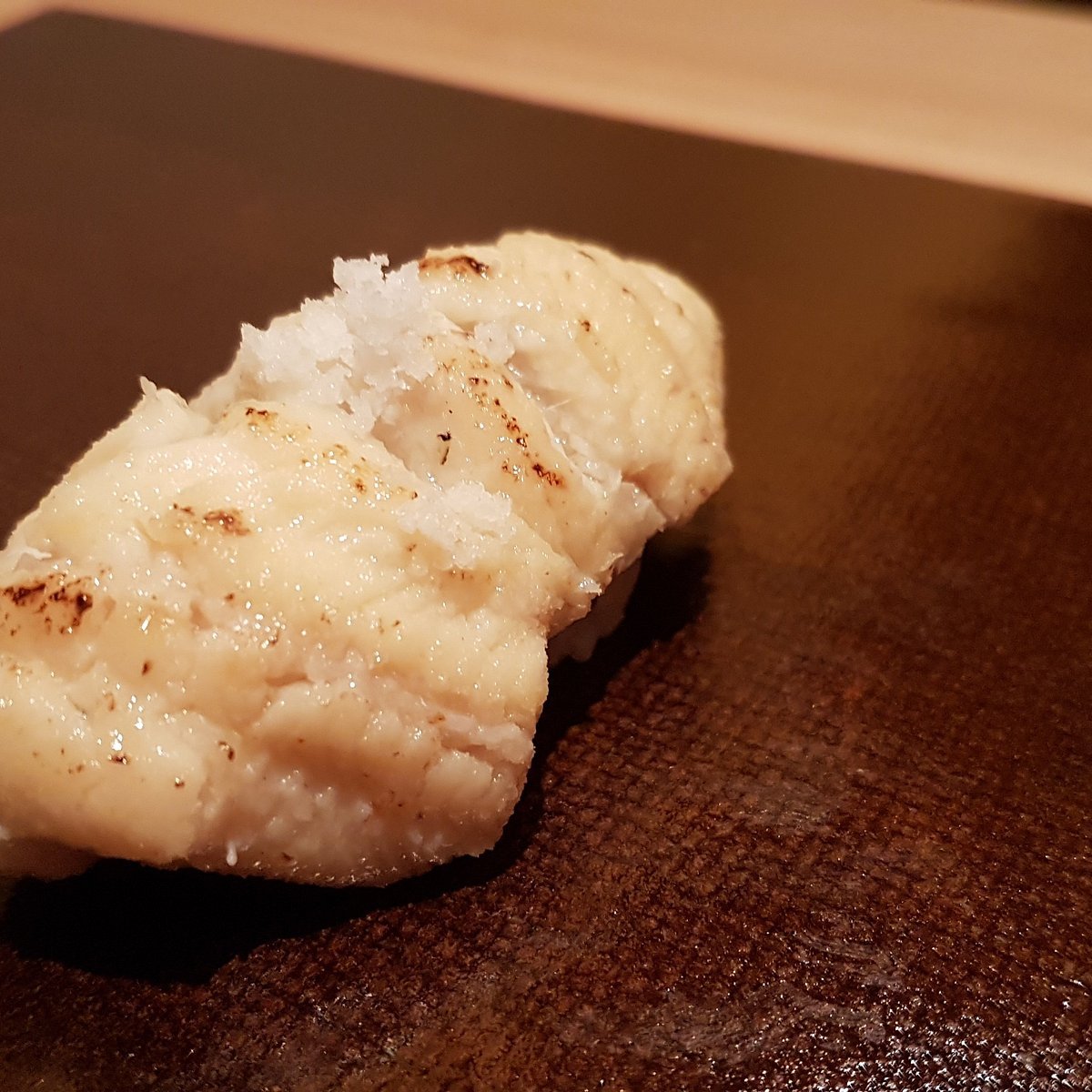
Sushi in Kitakyushu: What the City's Position Means for the Plate
Kitakyushu occupies a geography that matters for sushi. Positioned at the northern tip of Kyushu, flanked by the Kanmon Strait to the west and the Seto Inland Sea to the east, the city sits within reach of some of Japan's most productive inshore fishing grounds. The Shimonoseki-side straits, famous for seasonal fugu and local varieties of sea bream, push high-quality catch into the city's restaurant supply chain at a frequency that landlocked or less-strategically positioned cities cannot match. That proximity is not incidental — it shapes what appears on the counter, how recently it was pulled from the water, and how chefs at serious establishments choose to handle it.
Nikaku, holding a Tabelog Bronze Award with a score of 4.0 from 99 Google reviews, sits inside that supply-chain advantage. Its address in the Adachi district of Kokurakita Ward places it in the denser, more commercial northern half of Kokura — a neighbourhood that functions as Kitakyushu's working city centre rather than a polished tourist quarter. The approach to the restaurant is accordingly low-key: a street-level entrance on a residential-commercial block, without the lantern-lined frontage or minimalist stone signage that marks out prestige sushi counters in Ginza or Nishiazabu. What the address signals instead is a place operating for an audience that already knows what it is looking for.
The Sourcing Logic Behind Kyushu Sushi
Across Japan, the most consequential decisions in sushi happen before cooking begins. The sourcing hierarchy , which fish markets a counter uses, which boats or fishermen it maintains relationships with, how quickly product moves from quayside to preparation , determines quality at the high end far more than technique alone. This is especially pronounced in Kyushu, where regional identity in seafood runs deep. Aji (horse mackerel) from the waters near Saiki and Usuki in Oita Prefecture, shrimp from Amakusa, and locally caught flounder from the Genkai Sea all carry provenance weight in ways that fish transported from Toyosu or regional sub-wholesale markets do not.
Kitakyushu's sushi counters that hold Tabelog recognition , and Nikaku's Bronze Award places it in that recognised tier , tend to reflect sourcing decisions rather than presentation theatrics. The city does not have the same density of internationally profiled omakase counters as Fukuoka City to the south, which means serious counters here are operating for a more local, repeat-visit clientele. That audience applies its own form of scrutiny, often more demanding in its expectations around seasonal rotation and fish condition than a tourist-heavy customer base might be.
For context on how Fukuoka Prefecture's dining scene positions itself nationally, Goh in Fukuoka represents the prefecture's highest international visibility, while Kitakyushu's own recognised counters , including Teruzushi (Sushi) and Tsubasa (Sushi) , operate in a different register: serious, locally embedded, and less driven by out-of-prefecture visitor traffic.
Nikaku's Place in Kitakyushu's Sushi Tier
Tabelog's Bronze Award designation functions as a peer-verified signal in Japan's restaurant culture. Scores on Tabelog aggregate from a user base that skews heavily toward frequent, knowledgeable diners rather than occasional visitors, which means a 4.0 score with Bronze recognition at a regional counter carries more weight than an equivalent rating aggregated from tourist-led reviews. Nikaku's position at that threshold puts it within a competitive set that includes other recognised counters in the city , among them Teruzushi (Sushi) , and separates it from the wider field of unlisted sushi restaurants operating across Kokurakita and Kokuraminami wards.
Nationally, the Tabelog Bronze tier in sushi corresponds to counters that Japanese food-focused travellers will specifically seek out when visiting a city. It does not carry the same weight as three Michelin stars at Harutaka in Tokyo or the international profile of a counter with 50 Best adjacency, but it signals something arguably more useful for a regional city: consistent quality verified by locals over time. For visitors who have already explored the headline counters in Osaka or Kyoto , or who are drawn to what Gion Sasaki in Kyoto represents in kaiseki , Nikaku offers an entry point into Kitakyushu's more under-visited serious dining scene.
Service Hours and How to Approach a Visit
Nikaku runs six days a week, closed on Wednesdays, with a split service that covers lunch from 12:00 to 14:00 and dinner from 17:00 to 22:00 with a last order at 20:45. The lunch sitting at sushi counters of this calibre tends to function differently from dinner: shorter in duration, sometimes with a more condensed menu format, and generally easier to secure without extended advance planning. Dinner, particularly on weekends, will draw the counter's regular clientele and is where the full range of seasonal sourcing is most likely to be represented.
Reservations should be made by phone at 093-531-2442. The address is 1 Chome-4-31 Adachi, Kokurakita Ward , reachable from Kokura Station, which sits on the Sanyo Shinkansen line and connects directly to Hakata (Fukuoka) in under 20 minutes. That rail link means Nikaku is a viable destination for a day visit from Fukuoka City, a journey short enough to plan around a single meal.
For visitors assembling a broader Kitakyushu itinerary, the city's dining scene extends well beyond sushi. Terasawa, Terroir Aitoibukuro, and TOBIUME represent different corners of the city's recognised restaurant portfolio. Our full Kitakyushu restaurants guide maps the complete picture, alongside our full Kitakyushu hotels guide, bars guide, wineries guide, and experiences guide.
For those calibrating Nikaku against Japan's broader sushi and seafood range, akordu in Nara, HAJIME in Osaka, 1000 in Yokohama, Le Bernardin in New York City, and Atomix in New York City offer reference points for how sourcing-driven seafood hospitality plays out across different contexts and price tiers.
Continue exploring
More in Kitakyushu
Restaurants in Kitakyushu
Browse all →
Bars in Kitakyushu
Browse all →
At a Glance
- Elegant
- Intimate
- Sophisticated
- Special Occasion
- Date Night
- Chefs Counter
- Sake Program
- Local Sourcing
- Mountain
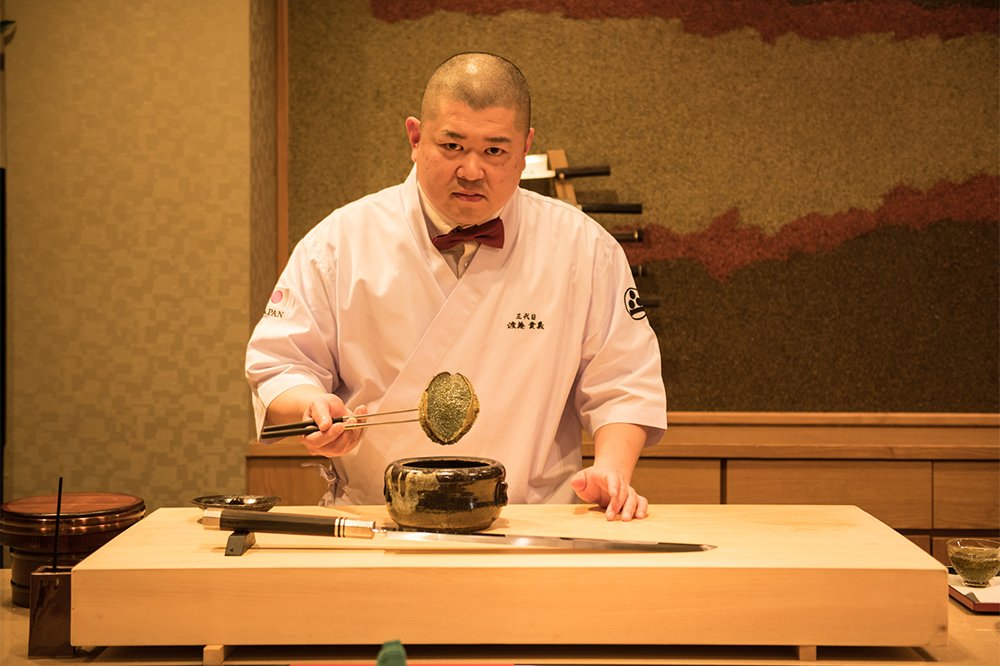
Immaculate wood counter with 7-8 seats in a relaxing, hideout-style space focused on the chef's craft.