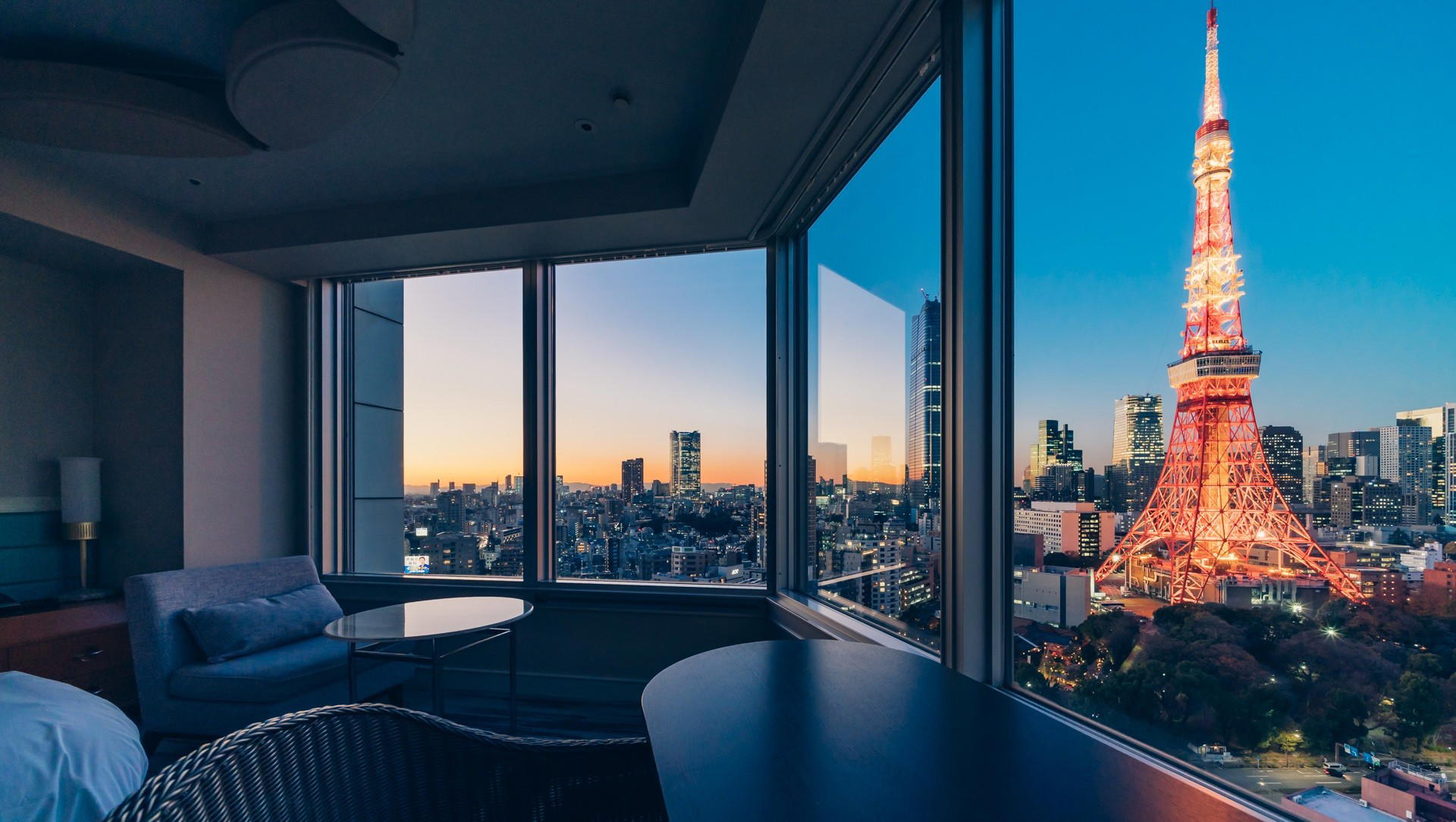
1 Michelin Star · Tabelog 100 #2
Our verdict
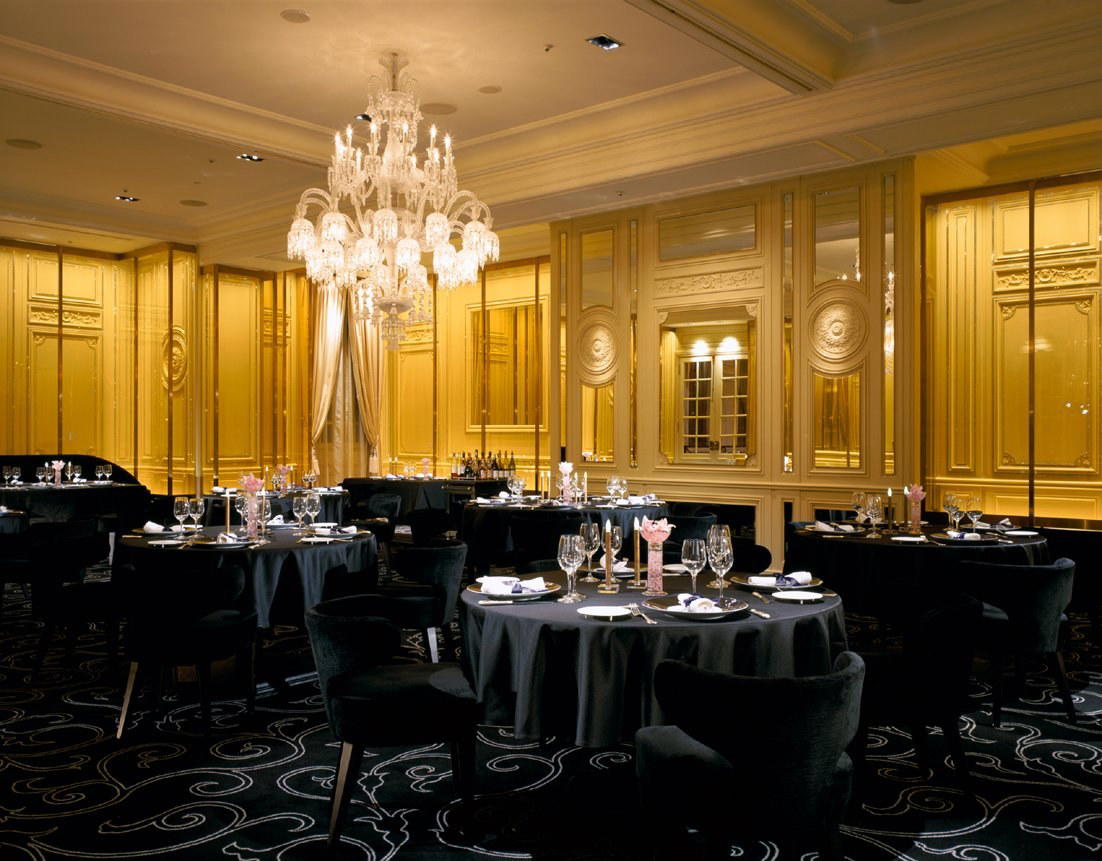
A Michelin-starred French restaurant in Minami-Aoyama, NéMo centres its prix fixe menus on seafood sourced through direct relationships with fishermen and coastal producers. Chef Kenichi Nemoto's commitment to zero-waste preparation and ingredient provenance places it within a small tier of Tokyo French dining where sourcing discipline is as deliberate as technique.

Pearl is the En Primeur Club membership app, where members save venues, book tables and use the concierge.
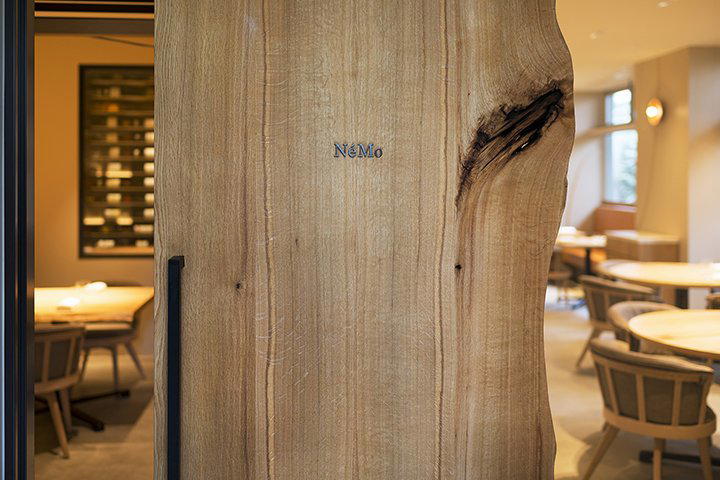
The menu
What to order
- Charcoal-grilled_abalone
- Kinmedai
- Anago_frit
Where the Catch Comes First
Tokyo's French dining scene has long been defined by technique over provenance. The city's most decorated tables, from the grand formal rooms of Château Restaurant Joël Robuchon to the produce-philosophy of L'Effervescence, have earned their stars through different routes: classical authority, seasonal Japanese ingredients reframed in French idiom, or conceptual ambition. A smaller cohort works from a different premise entirely, where the supply chain is the editorial statement and the menu is arranged around what the sea and mountains have yielded that week. NéMo, in a basement on a quiet stretch of Minami-Aoyama's 6-chome, belongs to that cohort.
The restaurant earned its Michelin star in the 2024 Guide Tokyo, placing it in a competitive bracket that includes several of the city's more thoughtful French operations. At ¥¥¥ pricing, it sits below the ¥¥¥¥ tier occupied by peers like L'Effervescence and Sézanne, which means it represents one of the more accessible entry points into starred French cuisine in the city without sacrificing seriousness of intent.
The Sourcing Argument
The ingredient-first approach that defines a certain strain of contemporary French cooking has taken root in Tokyo with particular intensity. Chefs here operate within a food culture that already prizes seasonal specificity and producer relationships at the highest level, kaiseki has practised this discipline for centuries, and the city's French cooks have absorbed those standards into their own work. What makes NéMo's version of this argument distinct is its explicit focus on seafood and its documented relationship with the fishermen of Shimoda, the port town on the Izu Peninsula roughly 160 kilometres southwest of Tokyo.
Shimoda has a history as a fishing port that predates its fame as the site of Japan's first diplomatic treaties with the United States in the 1850s. The waters off Izu produce fish at a quality that Tokyo's leading restaurants have relied on for generations. Building direct bonds with the people who work those waters, rather than sourcing through intermediaries, is a supply chain choice with menu consequences: the chef receives fish landed according to his preferences, knows the conditions under which it was caught, and can time preparation accordingly. That kind of relationship takes years to build and is not replicated quickly.
Chef Kenichi Nemoto's childhood interest in angling is documented context for why seafood occupies the centre of the prix fixe format here. That background matters less as biography than as explanation for a level of familiarity with fish, its behaviour, its seasonality, the way different preparation methods interact with different species, that informs how the menus are constructed. The preparation rotation across frites, soups, and butter roasting is not stylistic variety for its own sake; it is a response to what the sourcing relationship yields, with technique adjusted to ingredient rather than the reverse.
The zero-waste commitment sits alongside the sourcing ethos as a coherent position: if you have built the relationships and done the work to obtain ingredients at this quality, discarding anything becomes philosophically inconsistent. Across Tokyo's French scene, this kind of stated waste-reduction philosophy has become more common, but the restaurants that practise it with operational discipline, rather than as a positioning statement, remain a minority. The 2024 Michelin star, with its implicit assessment of consistency and kitchen discipline, provides external verification that the kitchen is executing at a level where such commitments are sustainable rather than aspirational.
Minami-Aoyama as Context
The neighbourhood locates NéMo within one of Tokyo's more concentrated zones of considered dining. Minami-Aoyama and its surrounding streets in Minato-ku house a number of the city's starred French and Japanese addresses, alongside galleries, design studios, and the kind of quiet residential-commercial mix that supports restaurants operating without tourist foot traffic. The B1 location, basement level on a residential-scale building, is a common format for serious Tokyo dining, where street-level presence is neither expected nor necessarily desirable. The address does not announce itself.
For visitors building a wider Tokyo itinerary, ESqUISSE and Florilège are among the French-leaning addresses operating at similar or adjacent levels of ambition in nearby parts of the city. Beyond Tokyo, the sourcing-first approach that NéMo exemplifies appears across Japan's leading regional tables: HAJIME in Osaka, Gion Sasaki in Kyoto, and akordu in Nara each demonstrate how ingredient provenance shapes a kitchen's identity at the regional level. Further afield, Goh in Fukuoka, 1000 in Yokohama, and 6 in Okinawa reflect how Japan's coastal geography continues to drive the most interesting producer-driven cooking at the table level.
For international comparison, the producer-relationship model that NéMo practises has counterparts in European French cooking: Hotel de Ville Crissier in Crissier and Les Amis in Singapore represent different points on the spectrum of how French technique intersects with regional sourcing philosophy outside France itself.
Those planning a broader stay in the city can consult, and our full Tokyo experiences guide for broader planning context.
Know Before You Go
Cuisine: French (seafood-focused prix fixe)
Location: 6 Chome-15-4 B1, Minami-Aoyama, Minato City, Tokyo 〒107-0062
Price range: ¥¥¥
Awards: Michelin 1 Star (2024)
Format: Prix fixe menu; seafood-centred with rotating preparation styles
Sourcing: Direct producer relationships including fishermen of Shimoda, Izu Peninsula
Note: Check current availability through the venue directly or via established reservation platforms.
Frequently asked questions
What cuisine category does NéMo fall under?
How much does it cost to eat at NéMo?
Pricing at NéMo is listed as ¥¥¥.
What part of town is NéMo in?
NéMo is located at Japan, 〒107-0062 Tokyo, Minato City, Minamiaoyama, 6 Chome−15−4 B1 NéMo, Tokyo.
Should I book NéMo in advance?
Reservations are recommended for NéMo in Tokyo. Confirm current policy via the venue's official channels.
The Short List
A quick snapshot of similar venues for side-by-side context.
| Venue | Cuisine | Price | Awards | Notes |
|---|---|---|---|---|
| NéMoThis venue (the venue you are viewing) | Modern French Seafood Fine Dining | $150–200 | 1 Michelin Star · Tabelog 100 #2 | Not listed |
| Harutaka | Edo-Style Omakase Sushi | $200–300 | 3 Michelin Stars · World's 50 Best #76 | Sushi |
| RyuGin | Modern Kaiseki | $500+ | 3 Michelin Stars · World's 50 Best #41 | Kaiseki, Japanese |
| L'Effervescence | Modern French with Japanese Influences | $200–300 | 3 Michelin Stars · World's 50 Best #69 | French |
| HOMMAGE | Modern French with Japanese Influences | $150–200 | 2 Michelin Stars · World's 50 Best #78 | Innovtive French, French |
| MAZ | Innovative Peruvian-Japanese Fusion | $150–200 | 2 Michelin Stars · World's 50 Best #28 | Innovative |
Recognition history
Dated appearances from independent guides and award organizations, with the underlying list record or original source where available.
Michelin 1 Star
Michelin
Tabelog 100 #2 · No. 2
Tabelog · Tabelog 100 - French - TOKYO - 2025
Full recognition history (3 entries)
Michelin 1 Star
Michelin