
1 Michelin Star
Our verdict
A Michelin-starred French restaurant in Ginza's 7-chome, TROIS VISAGES operates on a philosophy that frames producers, guests, and staff as equal participants in a shared meal. The menu card arrives as vocabulary flip cards, a deliberate invitation to slow down before the first course. it occupies a thoughtful mid-point in the neighbourhood's competitive French scene.

Pearl is the En Primeur Club membership app, where members save venues, book tables and use the concierge.
The menu
What to order
- Crème brûlée in Dai-Dai citrus fruit
- Enoki mushroom sausage
- Shamo consommé
- Paprika ice cream
French in Ginza: Where the Address Still Carries Weight
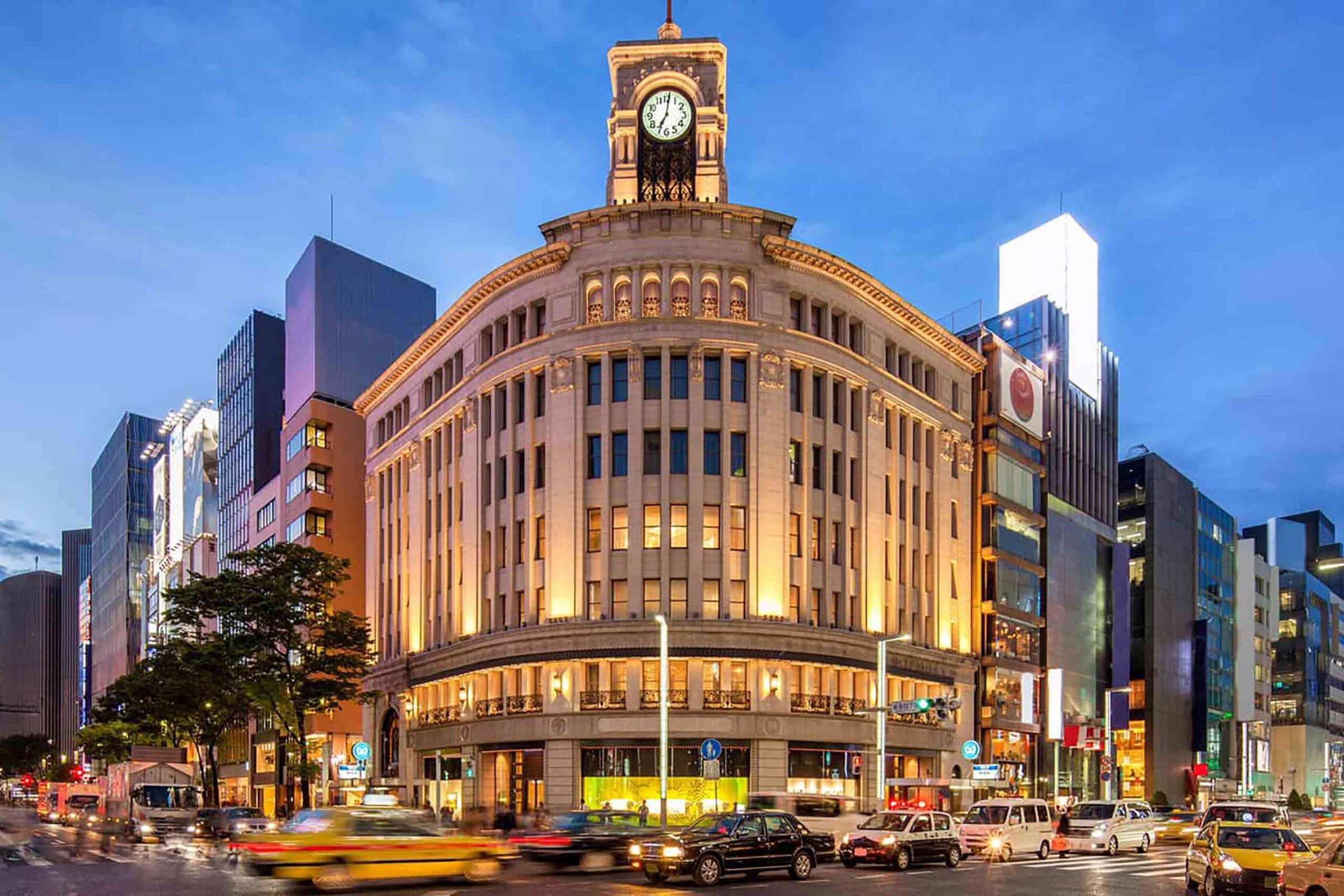
Ginza's 7-chome block has long functioned as a kind of shorthand for a certain kind of Tokyo ambition. The neighbourhood concentrates some of the city's most closely watched French tables, from the multi-star showpieces to the quieter, harder-to-explain rooms that earn Michelin recognition without the accompanying theatre. TROIS VISAGES, occupying a ground-floor space in the Kumo Building on that same strip, belongs to the second category. Its 2024 Michelin star arrived not on the back of a famous lineage or a recognisable name, but through a clearly articulated idea about what a meal is for and who, exactly, it involves.
That idea shapes everything about the experience here. The restaurant's name translates from French as 'Three Faces,' referring to the producers who supply the ingredients, the guests who receive them, and the staff who translate one to the other. The framing is philosophical rather than decorative, and it distinguishes TROIS VISAGES from a sizeable portion of Ginza's French offerings, where the chef's biography tends to be the dominant editorial frame. Here, the story is distributed more evenly, across sourcing decisions, service choices, and the way a menu card is constructed.
The Menu as Object: Flip Cards and Growing Anticipation
Before a course arrives, the menu itself does something unusual. Designed in the format of vocabulary flip cards, it invites the table to move through it page by page, revealing dishes sequentially rather than presenting the full programme at once. In a neighbourhood where omakase counters and prix-fixe tasting menus have standardised the experience of receiving information before eating, this represents a deliberate inversion. The format slows the opening ritual, introduces a mild theatricality without the pyrotechnics common at higher price points, and signals the kitchen's interest in pacing as a compositional tool.
This sits in an interesting position relative to the broader French dining scene in Tokyo. Restaurants like Sézanne and L'Effervescence operate at ¥¥¥¥ price points and have built their reputations partly through highly controlled guest experiences where every element of presentation is considered. TROIS VISAGES operates at ¥¥¥, making it more accessible within Ginza's French tier, but it shares with those higher-bracket rooms a fundamental seriousness about the act of receiving guests.
Sourcing as Narrative: The Enoki Sausage and the Spent Hen
Two dishes have become associated with the kitchen's sourcing philosophy in a way that illustrates the 'Three Faces' concept more concretely than any mission statement could. The enoki mushroom sausage originated from a direct encounter with a producer whose commitment to the ingredient was, apparently, the catalyst for the dish's creation. The consommé, made from spent hens, extends that logic further: an ingredient that most professional kitchens discard becomes the basis for a classical French preparation that requires patience and precision to execute well.
Both choices reflect a mode of French cooking that has become increasingly visible in Tokyo over the past decade. At Florilège, sourcing from Japanese smallholders became a defining characteristic long before it was fashionable. At ESqUISSE, the interaction between French technique and Japanese seasonal ingredients has been a consistent editorial focus. TROIS VISAGES operates in that same current, though its particular emphasis on producer relationships as narrative content, visible in the menu cards, communicated through the dishes, gives it a distinct register within the broader trend.
The consommé detail is worth dwelling on. Spent hens, birds that have completed their egg-laying cycle, carry more flavour than younger birds but require longer cooking and more careful handling. Using them for a consommé, a preparation that depends entirely on clarity, both literal and flavoured, is technically demanding and philosophically coherent with the restaurant's stated values.
Ginza 7-Chome: What the Postcode Means
The Ginza address carries expectations that cut in multiple directions. On one side, it implies a certain price density and formality that can work against a restaurant trying to articulate something quieter and more considered. On the other, it provides immediate credibility in a city where neighbourhood associations carry real weight. A French restaurant in Ginza is taken seriously by default in a way that the same room in a different postcode might not be.
TROIS VISAGES at ¥¥¥ sits below the ceiling of the Ginza French market. The ¥¥¥¥ tier in this neighbourhood includes rooms like Château Restaurant Joël Robuchon, which operates with a different set of reference points entirely, and L'Effervescence, which has built a sustained critical reputation over many years. Holding a Michelin star at ¥¥¥ in that context is a signal worth reading: it suggests a kitchen delivering at a level that the guide considered noteworthy, without the price anchoring that often accompanies that kind of recognition in this part of the city.
For comparison, French cooking at the Michelin-starred level exists across Japan in several distinct registers. HAJIME in Osaka operates at a different scale of ambition and investment. akordu in Nara brings a European perspective to a very different kind of Japanese address. The French dining tradition in Japan has long been plural rather than monolithic, and TROIS VISAGES contributes a specific chapter to that story: ingredient-led, philosophically coherent, and located in the neighbourhood that still sets the reference point for formal dining in Tokyo.
What the Experience Asks of Its Guests
The flip-card menu format and the underlying philosophy of TROIS VISAGES both assume a guest who is willing to participate rather than simply consume. This is not an unusual assumption in the upper tiers of Tokyo dining, the omakase tradition has always required a degree of surrender to the chef's sequencing, but it takes a different form here. Where a sushi counter asks for trust in a chef's selection, TROIS VISAGES asks for attention to a broader set of relationships: to the farmer whose spent hens appear in the broth, to the mushroom producer whose enthusiasm generated a dish, to the staff who translate these stories into a service rhythm.
That is a particular kind of dining proposition, and it will appeal more to some guests than others. Readers who follow the French scene across the region may also find useful reference points in Les Amis in Singapore and Hotel de Ville Crissier in Switzerland, rooms where classical French cooking is taken seriously as a living tradition rather than a fixed monument.
For those building a broader Tokyo itinerary, our full Tokyo restaurants guide maps the city's dining scene by neighbourhood and category. Supplementary planning resources include our Tokyo hotels guide, our Tokyo bars guide, our Tokyo wineries guide, and our Tokyo experiences guide. For French dining elsewhere in Japan, Goh in Fukuoka, Gion Sasaki in Kyoto, 1000 in Yokohama, and 6 in Okinawa offer a sense of how differently French and European influences land across the archipelago.
Know Before You Go
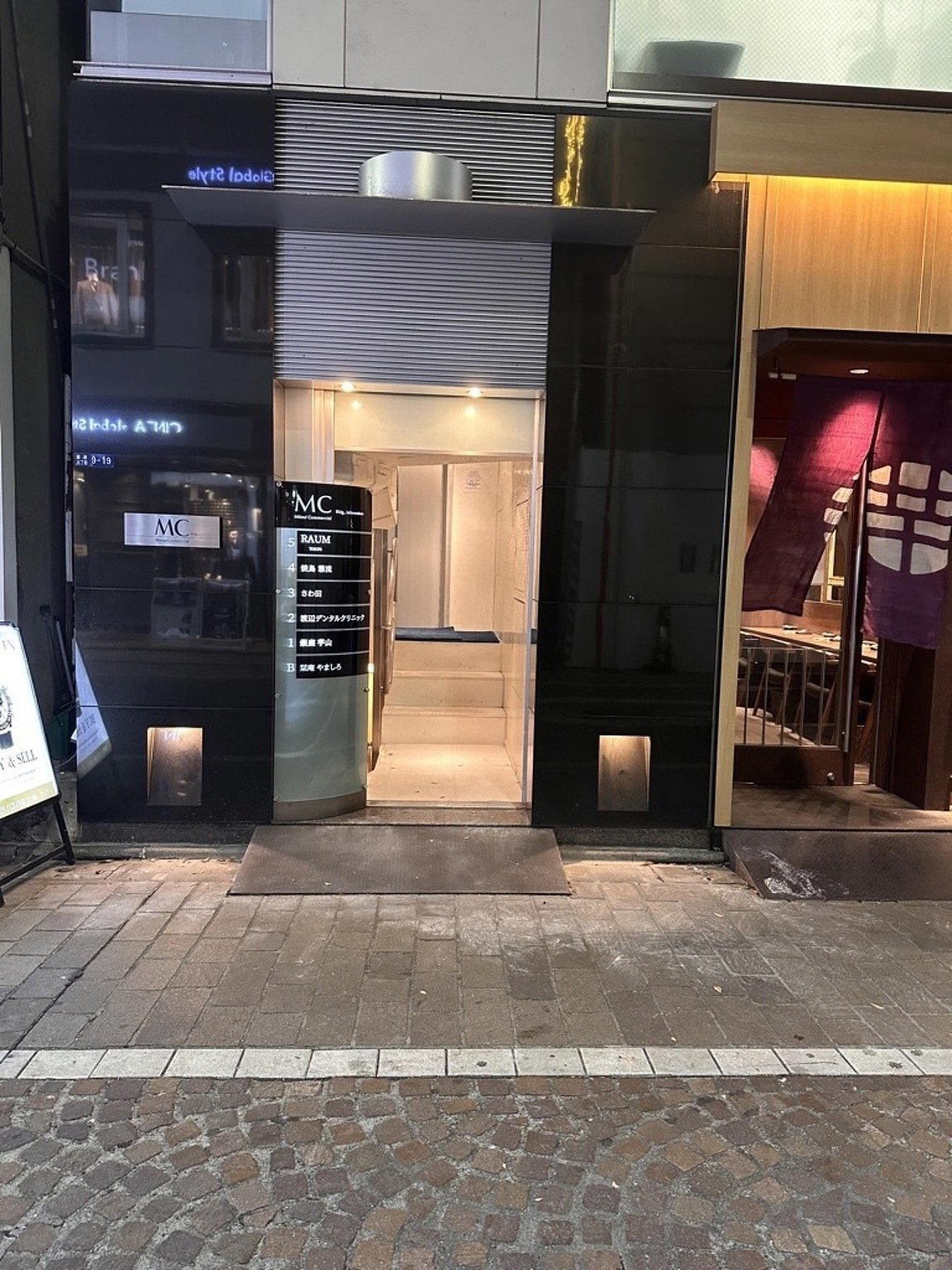
- Address: Kumo Building 1F, 7-16-21 Ginza, Chuo City, Tokyo 104-0061
- Cuisine: French
- Price range: ¥¥¥
- Awards: Michelin 1 Star (2024)
- Booking: Contact details not currently listed; check directly via search or third-party reservation platforms
- Getting there: Ginza Station is the primary access point, served by the Ginza, Hibiya, and Marunouchi lines; 7-chome is a short walk from exits on the southern end of the station
Frequently asked questions
What kind of recognition has TROIS VISAGES received?
TROIS VISAGES has received recognition including: The menu card is designed like vocabulary flip cards, inviting guests to flip through the pages with growing anticipation. The enoki mushroom sausage was born from an encounter with a passionate producer, while the consommé, made from spent….
What do regulars order at TROIS VISAGES?
Two dishes define the kitchen's sourcing approach: the enoki mushroom sausage, which came directly out of a relationship with a specific producer, and the consommé made from spent hens, a preparation that treats an overlooked ingredient as the point rather than an afterthought. Both are tied to the restaurant's core premise that producers, guests, and staff share equal roles in what arrives at the table.
Is TROIS VISAGES more mid-range or high-end?
Pricing at TROIS VISAGES is listed as ¥¥¥.
Recognition Snapshot
| Venue | Cuisine | Price | Awards | Notes |
|---|---|---|---|---|
| TROIS VISAGESThis venue (the venue you are viewing) | Modern French with Seasonal Japanese Ingredients | $200–300 | 1 Michelin Star | Not listed |
| Harutaka | Edo-Style Omakase Sushi | $200–300 | 3 Michelin Stars · World's 50 Best #76 | Sushi |
| RyuGin | Modern Kaiseki | $500+ | 3 Michelin Stars · World's 50 Best #41 | Kaiseki, Japanese |
| L'Effervescence | Modern French with Japanese Influences | $200–300 | 3 Michelin Stars · World's 50 Best #69 | French |
| HOMMAGE | Modern French with Japanese Influences | $150–200 | 2 Michelin Stars · World's 50 Best #78 | Innovtive French, French |
| MAZ | Innovative Peruvian-Japanese Fusion | $150–200 | 2 Michelin Stars · World's 50 Best #28 | Innovative |
Recognition history
Dated appearances from independent guides and award organizations, with the underlying list record or original source where available.
Michelin 1 Star
Michelin
Full recognition history (2 entries)
Michelin 1 Star
Michelin
Continue exploring
More in Tokyo
Restaurants in Tokyo
All restaurants in Tokyo →


Details
- Intimate
- Elegant
- Modern
- Minimalist
- Sophisticated
- Special Occasion
- Date Night
- Celebration
- Open Kitchen
- Chefs Counter
- Private Dining
- Sommelier Led
- Sake Program
- Farm To Table
- Organic
- Local Sourcing
- Zero Waste
- Tasting Menu
- Counter Dining
- Prix Fixe
- Wine Pairings
- Sake
- Vegetarian Friendly
- Allergy Accommodating
- Organic Focus
Current opening hours
- Monday
- Closed
- Tuesday
- 6–10 PM
- Wednesday
- 6–10 PM
- Thursday
- 6–10 PM
- Friday
- 6–10 PM
- Saturday
- 12–3 PM, 6–10 PM
- Sunday
- Closed
Hours can change for holidays and private events. Last verified .
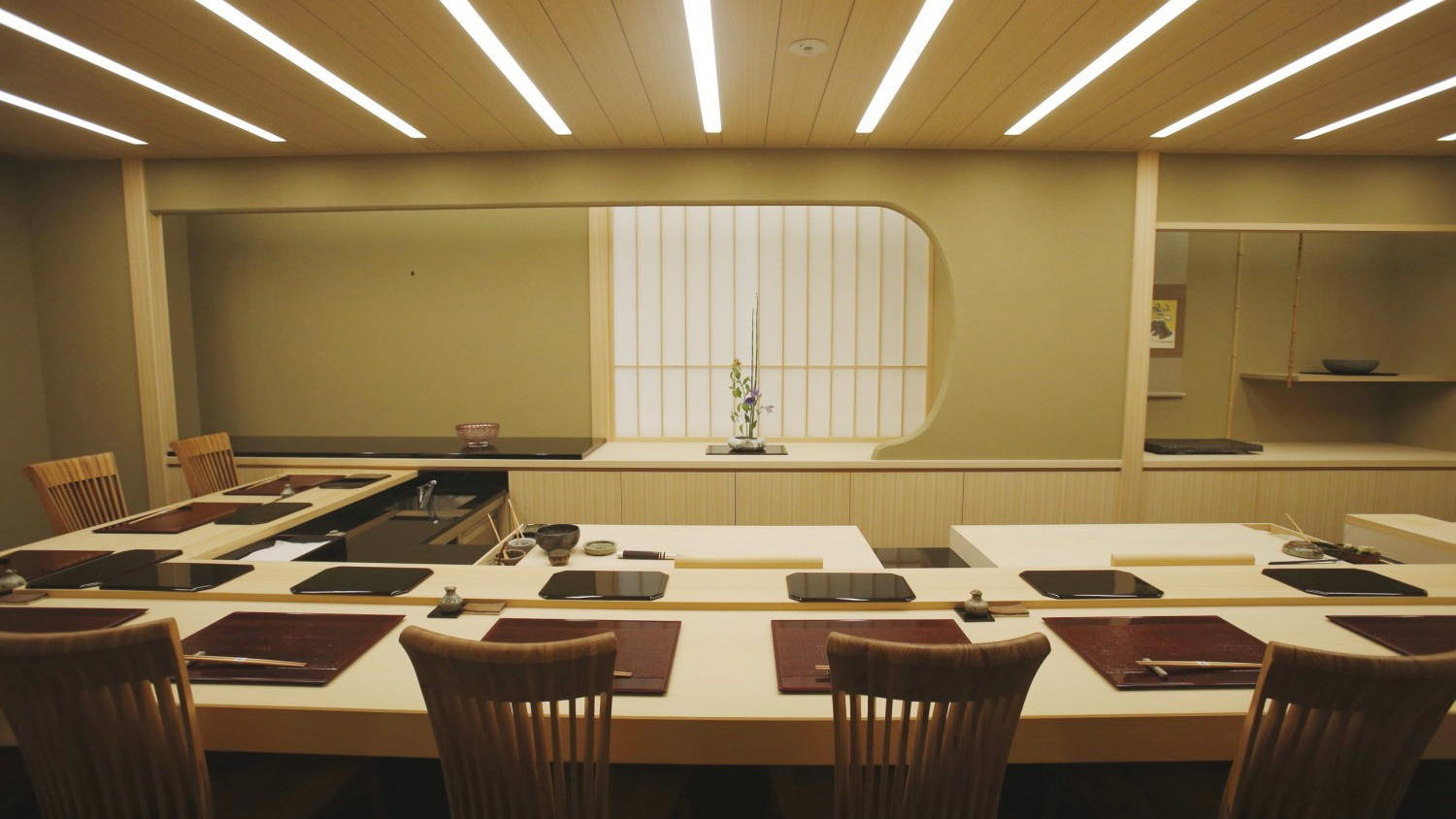
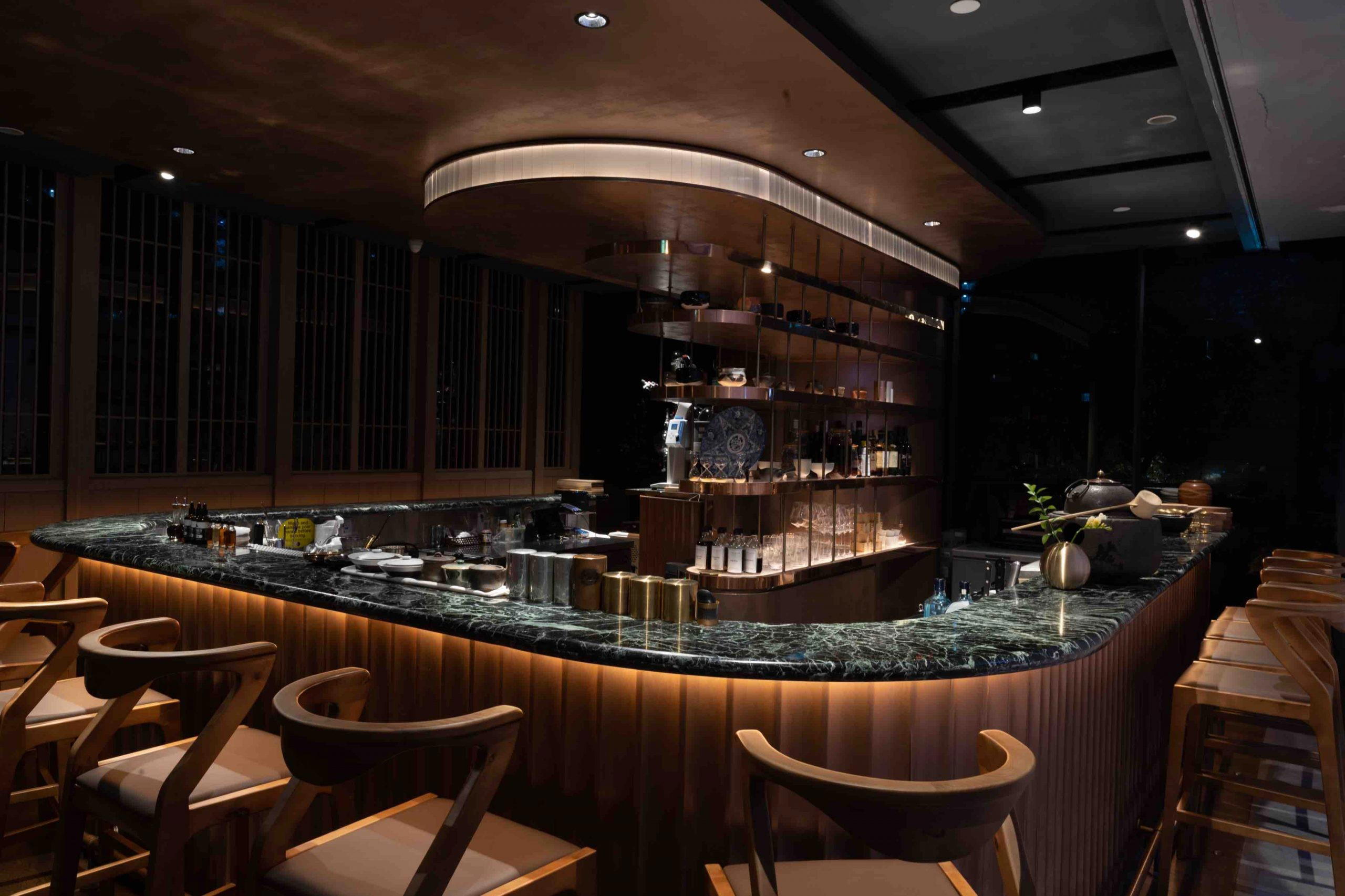
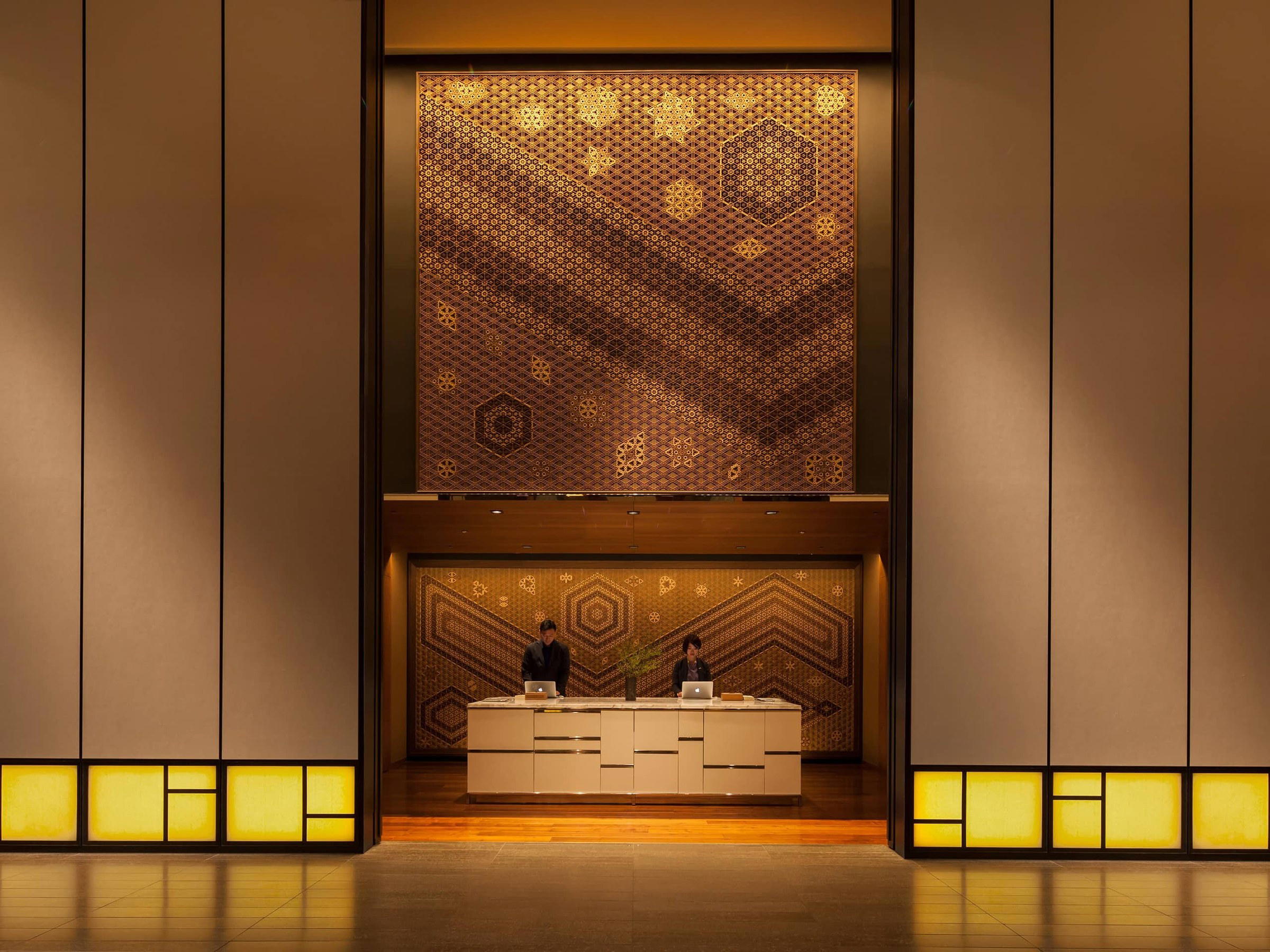
Calm, minimalist setting with elegant yet comfortable atmosphere; open kitchen allows diners to observe Chef Kuninaga's precise work; soft French café music plays throughout.