
Tabelog Bronze #155
Our verdict
Dogo Kaishu brings Matsuyama’s Dogo Onsen dining scene into the serious Japanese-cuisine bracket, with Tabelog Award 2026 Bronze recognition and selection for Tabelog 100 Japanese cuisine WEST 2025. The appeal is not resort-town novelty, but a tighter form of counter and private-room dining built around fish, sake, shochu, and wine in a house-restaurant setting near the hot-spring district.

Pearl is the En Primeur Club membership app — saves, bookings, and concierge access live there. Same editors, same standards.
- Address
- 15番27号 Dogoyunomachi, Matsuyama, Ehime 790-0842, Japan
- Phone
- +81 89-915-6600
- Hours
- Daily 6–11 PM
- Website
- dogokaishuu.com
- Directions
- Get directions
- Booking
- Book on TableCheck
Approaching Dogo Onsen at night, the mood shifts from sightseeing to small-room hospitality: ryokan guests in yukata, bathhouse traffic thinning after dusk, and dinner addresses closer to private homes than restaurant rows. Matsuyama is not Tokyo, Kyoto, or Osaka; its serious Japanese dining reads differently: less theatre, more local rhythm, with the hot-spring district giving dinner purpose before and after the table.
Dogo Kaishu belongs to that adult layer. It is Japanese cuisine rather than casual izakaya, but close to western Japan’s drinking-and-eating culture. Sake, shochu, and wine shape the format, fish is central, and the house-restaurant setting keeps the scale personal. Where visitors default to ryokan meals, ramen, or quick post-bath drinking, this address argues for staying in Dogo for a composed dinner, not just a spa stop.
Dogo Onsen dining, seen through the drinking table
Japanese dining around onsen towns has a double identity: the formal inn meal, and the looser evening economy of counters, small rooms, sake, and shared plates after bathing. Matsuyama’s stronger restaurants work between those poles. The meal can be structured, but the social grammar comes from the drinking table: pacing, pairings, and conversation matter more than spectacle.
That is how Dogo Kaishu makes sense. Its listing in Japanese cuisine WEST’s Tabelog 100 for 2025 and Tabelog Award 2026 Bronze recognition place it beyond ordinary resort-town dinner. Those signals help because regional Japanese cuisine can be hard to read from outside; a restaurant without a famous international chef or global guide profile can still sit in a serious domestic tier. Here, the recognition says the meal competes within western Japan’s Japanese-cuisine conversation, not only Dogo’s tourist orbit.
The comparison set matters. Out-of-metro Japanese-cuisine addresses such as Beppu Hirokado, Japanese Cuisine in Oita, Jimgu, Nakahan, Niku Kappou Yamaguchi, and Le Bois show how non-capital restaurants divide into kappo, fish-led cooking, meat-led luxury, and regional dining rooms with destination pull. Niku Kappou Yamaguchi, priced far above Matsuyama’s mid-premium bracket, is a heavier luxury spend; Dogo Kaishu is more compact, suited to a night built around Dogo rather than one blowout journey.
Fish, sake, shochu, and the counter-private room split
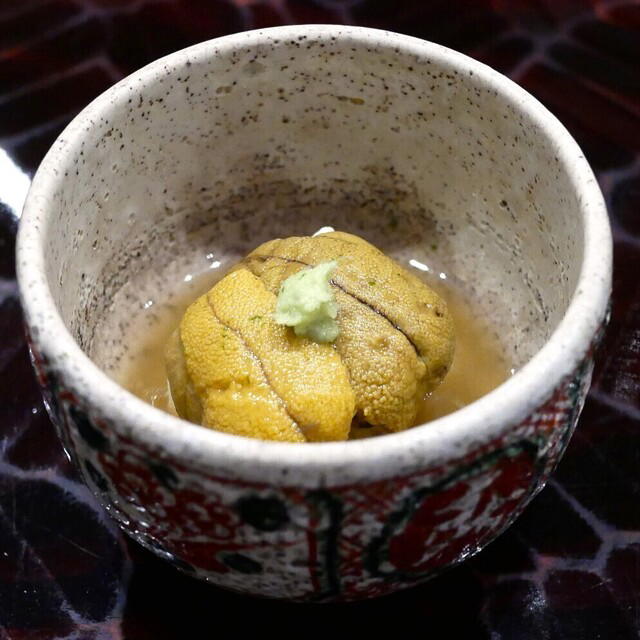
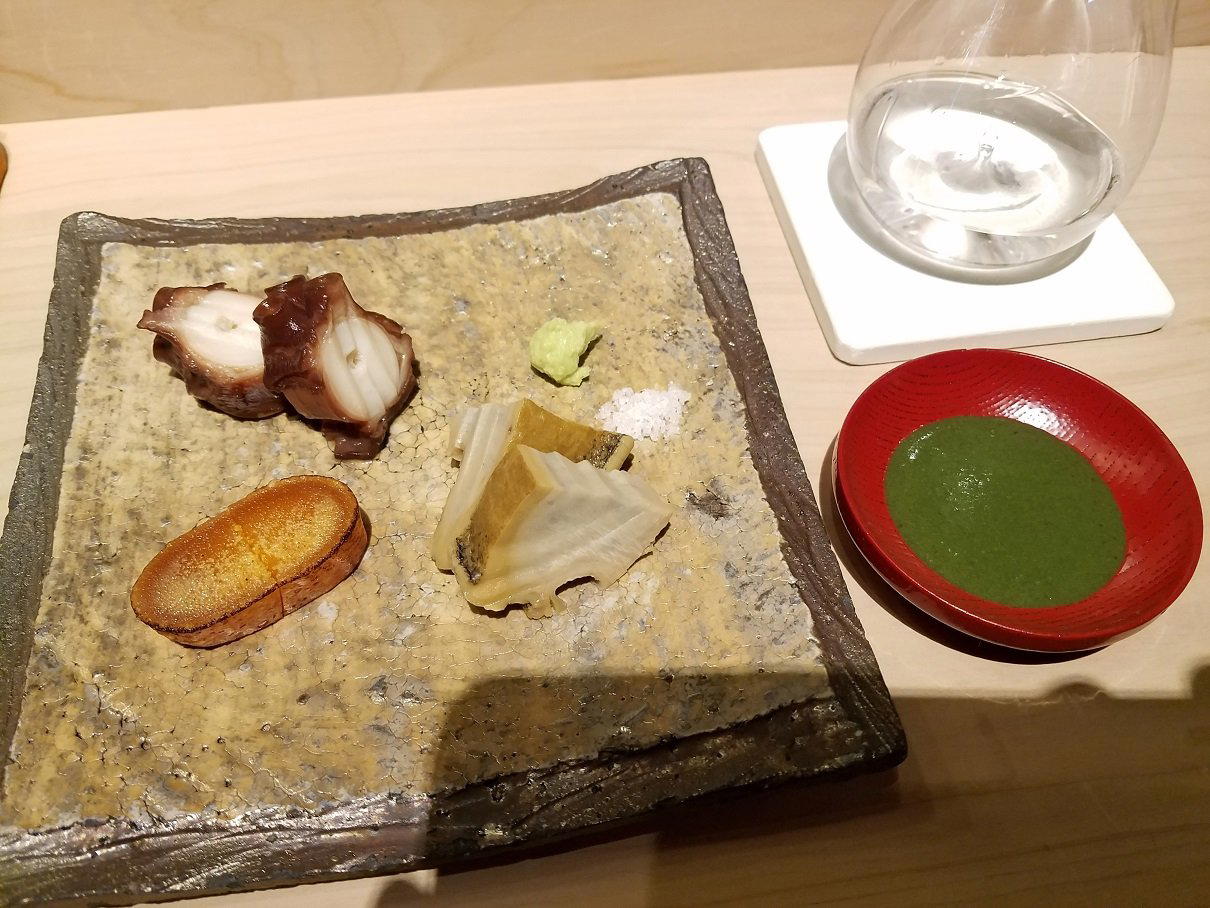
The food identity is direct: Japanese cuisine with an emphasis on fish. In Ehime that means more than it would inland. Matsuyama faces the Seto Inland Sea, whose dining culture prizes seafood, citrus, drinking snacks, and measured seasoning. A fish-led Japanese meal here aligns with the prefecture’s geography and with how locals drink and eat in the evening.
Room structure reinforces the duality. Counter seating suits diners wanting a focused sequence; private rooms fit business dinners and small groups. That split is common in serious Japanese restaurants outside the largest cities, where one kitchen serves culinary travellers, local regulars, and formal company meals without becoming a showpiece. The counter is more editorially interesting for format-minded travellers; private rooms better suit those making dinner part of a ryokan-style evening centred on conversation.
The drinks list is telling. Sake and shochu are expected, but wine pushes the restaurant into contemporary kappo-adjacent territory, where pairings no longer stop at nihonshu. That does not Westernise the meal. It shows how regional Japanese restaurants accommodate diners moving between sake, distilled spirits, and wine by dish and room. In Matsuyama, that flexibility is more useful than a rigid prestige cellar.
On a Matsuyama food map, this is not ramen at Chuka Soba Fukamidori, local casual dining at Hinode, or sweets at Kiri no Mori Kashi Kobo Matsuyama ten. Nor does it play the same role as a stay-led address such as Bettei Oborozukiyo. The better city comparison is purpose: Ino and Dogo Kaishu occupy the lane where dinner is the main event, not a convenience between sights.
How to place it in a Matsuyama itinerary
Dogo rewards travellers who do not over-plan the night. Bathing, walking, drinking, and dinner sit close together, and the strongest evenings do not require crossing the city after the meal. A serious Japanese dinner here anchors a stay that also includes the hot-spring quarter and, for many visitors, a ryokan or small hotel nearby. For lodging context, Our full Matsuyama hotels guide is the cleaner planning companion than a citywide restaurant list alone.
The practical read is simple: treat this as a planned dinner, not a walk-in afterthought. The restaurant operates by reservation, is not a regular lunch address, accepts major credit cards, has no parking, and is non-smoking indoors, with smoking outside the entrance. These details define the experience: not a casual post-bath tavern where timing can drift, but a fixed evening commitment in a neighbourhood where many visitors leave dinner to chance.
For a wider city itinerary, separate categories rather than ranking them. Use Our full Matsuyama restaurants guide for the dining spread, Our full Matsuyama bars guide for after-dinner drinking, Our full Matsuyama wineries guide for regional wine context, and Our full Matsuyama experiences guide for onsen, castle, and cultural scheduling. Dogo works poorly when dinner is isolated; it works well when the evening follows the district’s slower pace.
For readers comparing Japanese cuisine across regions, Matsuyama’s serious tables do not need capital-city scale to justify attention. The same broader category can lead to sukiyaki in Kamakura at -Grilled beef Sukiyaki- KAMAKURA TANUKIAN 鎌倉 たぬき庵 in Kamakura, charcoal tuna in Tokyo at. 鮪と炭火焼き うお炭 秋葉原店 in Tokyo, cafe culture at.cafe in Osaka, contemporary dining at.know in Kumamoto, Vietnamese cooking in Kawasaki at (Shoku) Vietnam in Kawasaki, curry in Sapporo at [Curry Senmon Ten] Maruyama Kyoju. in Sapporo, or Japanese cuisine abroad at Cocoro, Japanese Cuisine in Auckland. The point is not sameness, but how local context changes a Japanese meal’s meaning.
The verdict is measured but clear: choose Dogo Kaishu for a composed fish-led Japanese dinner with drinks, not a quick post-bath snack. Its domestic recognition, Dogo Onsen setting, and counter-private room format give it a defined place in Matsuyama: serious enough for a destination dinner, grounded enough to remain part of the neighbourhood’s social night.
Frequently asked questions
What time does Dogo Kaishu open and close?
Hours at Dogo Kaishu: Mon: 6–11 PM; Tue: 6–11 PM; Wed: 6–11 PM; Thu: 6–11 PM; Fri: 6–11 PM; Sat: 6–11 PM; Sun: 6–11 PM.
What kind of cuisine does Dogo Kaishu serve?
Dogo Kaishu serves Japanese Cuisine cuisine.
Is Dogo Kaishu expensive?
Pricing at Dogo Kaishu is listed as JPY 15,000 - JPY 19,999.
Where is Dogo Kaishu located?
Dogo Kaishu is located in Matsuyama.
Cost Snapshot
Nearby venues at a similar price tier for orientation.
| Venue | Cuisine | Price | Awards | Notes |
|---|---|---|---|---|
| Dogo KaishuThis venue — the venue you are viewing | Setouchi Kaiseki | $150–200 | Tabelog Bronze #155 | Not listed |
| Sushi Kawanaka | Edomae Sushi Omakase | $100–150 | Tabelog 100 #44 | Okaido, Edomae Sushi Omakase |
| Nabeyaki Udon Asahi | Traditional Matsuyama nabeyaki udon shop | $1–10 | Tabelog 100 #40 | Okaido / Gintengai area, Traditional Matsuyama nabeyaki udon shop |
| Sumishin | Traditional Yakitori & Chicken Dishes | $50–100 | Tabelog 100 #51 | Okaido, Traditional Yakitori & Chicken Dishes |
| Bettei Oborozukiyo | Traditional Japanese Kaiseki Ryokan Dining | Not listed | Not listed | Dogo Onsen, Traditional Japanese Kaiseki |
| Kurumasushi | Modern Edomae Omakase | $150–200 | Tabelog Silver #64 | Ichibancho, Modern Edomae Omakase |
Recognition history
Dated appearances from independent guides and award organizations, with the underlying list record or original source where available.
Tabelog Bronze #155
Tabelog
Full recognition history (2 entries)
Tabelog 100 #79 · No. 79
Tabelog · Tabelog 100 - Japanese cuisine - WEST - 2025
Continue exploring
More in Matsuyama
Restaurants in Matsuyama
Browse all →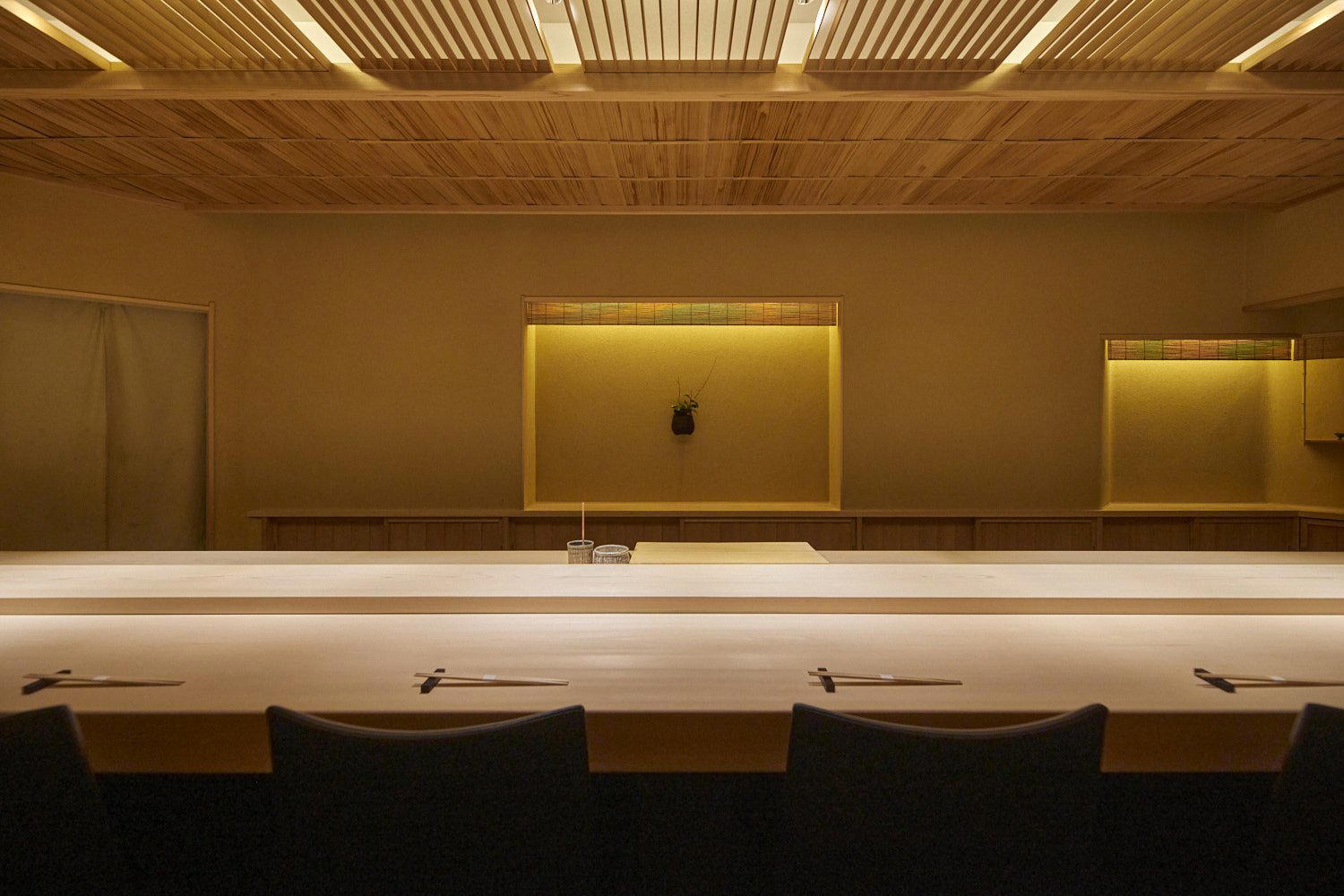
Details
- Elegant
- Cozy
- Sophisticated
- Intimate
- Special Occasion
- Business Dinner
- Private Dining
- Sake Program
- Local Sourcing
- Tasting Menu
- Set Menu
Current opening hours
- Monday
- 6–11 PM
- Tuesday
- 6–11 PM
- Wednesday
- 6–11 PM
- Thursday
- 6–11 PM
- Friday
- 6–11 PM
- Saturday
- 6–11 PM
- Sunday
- 6–11 PM
Hours can change for holidays and private events. Last verified .
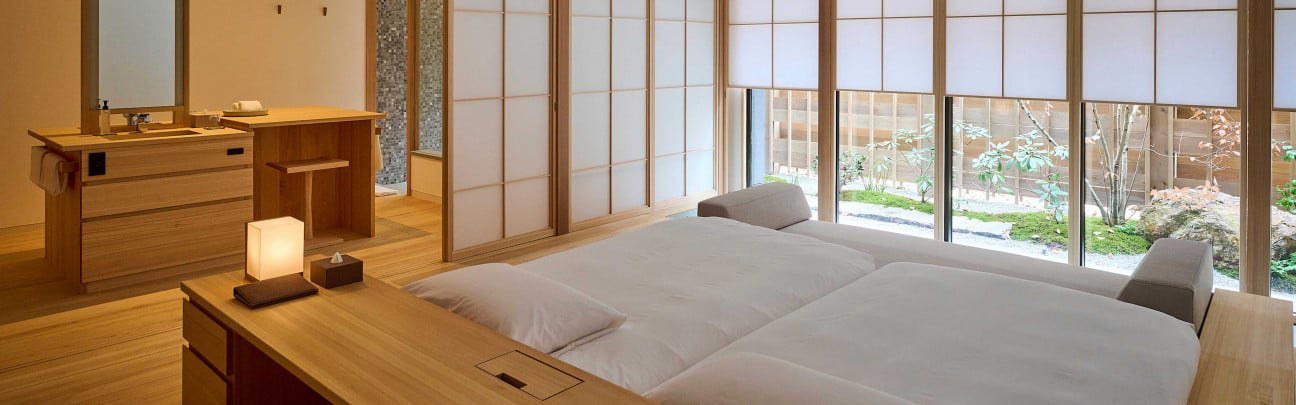
Calm and traditional Japanese interior with relaxing private tatami rooms, sunken kotatsu tables, and counter seating.