
Matsuyama’s serious sushi tier is shaped by Seto Inland Sea access, small counters, and the city’s preference for measured hospitality over spectacle. Sushi Kawanaka belongs in that conversation through an Edomae format, an eight-seat counter, private rooms, and selection for Tabelog Sushi WEST 100 in 2025.
Pearl is the En Primeur Club membership app — saves, bookings, and concierge access live there. Same editors, same standards.
- Address
- 愛媛県松山市一番町1-11-9
- Phone
- +81899433665
- Website
- tabelog.com
 Saves & bookings on Pearl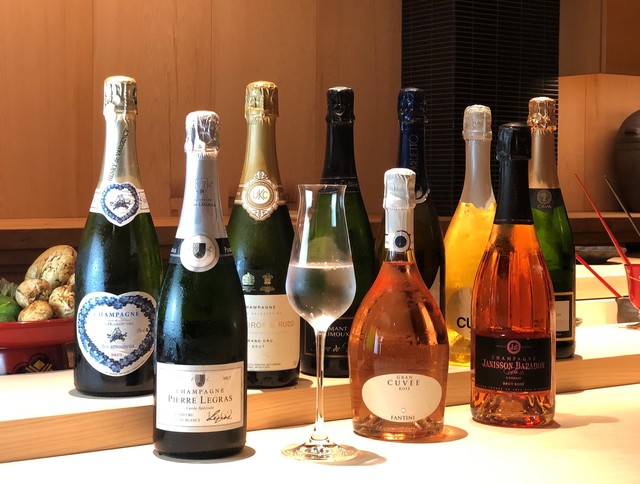
Ichibancho is central Matsuyama rather than resort Japan: compact streets, office dinners, quiet doorways, and the practical rhythm of a castle town close to one of the country’s great inland seas. That setting matters for sushi. In Ehime, the point is not Tokyo mimicry, but Edomae technique meeting fish culture shaped by the Seto Inland Sea. Sushi Kawanaka sits in that serious lane: small-format sushi, Japanese cuisine, and seafood, with the restraint expected at a counter where sourcing and handling carry the meal more than decoration.
Seto Inland Sea logic, Edomae discipline
Matsuyama’s sushi scene differs from the marquee counters of Ginza or Kitashinchi. The city has less international noise, fewer trophy reservations, and a stronger relationship with local dining habits: business meals, regulars, and compact rooms where the counter remains the stage. The useful comparison is not Matsuyama versus Tokyo at equal scale, but restaurants that treat seafood as a regional advantage versus those using sushi as a luxury costume.
The restaurant’s public positioning is clear: sushi, Japanese cuisine, and seafood, with emphasis on fish and an Edomae frame. Edomae is a preservation-and-seasoning tradition built around curing, marinating, simmering, aging, temperature, rice, and timing. Near the Seto Inland Sea, that grammar becomes more interesting when it does not erase locality. The question is how far the kitchen uses technique to clarify fish rather than smother it.
Selection for Tabelog Sushi WEST 100 in 2025 gives Sushi Kawanaka a useful external marker. Tabelog’s regional sushi lists are not Michelin in format or language, but in Japan they are a serious signal for diners comparing small counters across Kansai, Chugoku, Shikoku, and Kyushu. A 3.86 Tabelog score places it in a competitive bracket where the audience notices rice temperature, knife work, pacing, and sake choices rather than simply ordering sushi as celebration.
The drink profile also frames the meal: sake, shochu, and wine are listed, with particular attention to sake and wine. That combination is now common at ambitious sushi counters, but outside the metropolitan circuit it means something different. In Matsuyama, it suggests a restaurant speaking to local regulars and destination diners at once, not relying on a single orthodox pairing script.
An eight-seat counter changes the decision
Capacity is not decorative. An eight-seat sushi counter creates a different contract between diner and kitchen than a larger Japanese restaurant with multiple rooms and broad à la carte rhythm. The meal is exposed: pacing, silence, conversation, and each piece’s handling become part of the format. Private rooms for four and six add another layer, useful for business meals or small groups wanting the cuisine without the full counter dynamic.
That split is common in regional Japan, where restaurants often serve both serious food travelers and local occasions. A pure counter can feel too narrow for some Matsuyama needs; a room-only restaurant can dilute the sushi focus. This format lands between those poles, suiting diners who want the concentration of sushi but may be planning around colleagues, family members, or a quieter private setting.
The city comparison sharpens the choice. Kurumasushi and Ino belong to Matsuyama’s sushi conversation, while Sumishin occupies a similarly premium dining band by price. Teuchi Soba Maro and Kiri no Mori Kashi Kobo Matsuyama ten show the opposite end of local eating: casual, lower-spend, and easy to fold into sightseeing. Sushi Kawanaka is not where to understand Matsuyama through everyday noodles or sweets; it is where the city’s seafood seriousness becomes a planned meal.
For a wider read on the city’s dining map, Our full Matsuyama restaurants guide gives useful context alongside nearby references such as Ino, Dogo Kaishu (Japanese Cuisine), Bettei Oborozukiyo, Chuka Soba Fukamidori, and Hinode. Matsuyama planning also benefits from separating restaurants from stay, drink, and activity choices; see Our full Matsuyama hotels guide, Our full Matsuyama bars guide, Our full Matsuyama wineries guide, and Our full Matsuyama experiences guide.
Who should choose this counter
This is a strong fit for diners who care about fish sourcing, Edomae handling, and the social texture of a small room. It is less suited to a casual first-night meal after travel, or anyone needing a broad menu for sharply different appetites. The family policy is telling: children are limited to those who can eat the same course meal as adults. That is not hostility to families; it is format discipline.
The location near Okaido is practical for travelers moving between the city center and Dogo Onsen, but the restaurant’s value is not convenience. The appeal is a Matsuyama sushi address with regional credibility, measured scale, and a price position aligned with a serious counter rather than a casual neighborhood sushi meal. Lunch and dinner budgets differ, making timing part of the decision for diners comparing the meal against ryokan dining or a broader evening in town.
For readers mapping Japan beyond Shikoku, the contrast with other EP Club restaurant entries is instructive. A beef-focused meal such as -Grilled beef Sukiyaki- KAMAKURA TANUKIAN 鎌倉 たぬき庵 in Kamakura tells a different story about regional comfort and ceremony, while. 鮪と炭火焼き うお炭 秋葉原店 in Tokyo frames tuna and charcoal through a capital-city lens. Casual or specialist formats such as.cafe in Osaka,.know in Kumamoto, (Shoku) Vietnam in Kawasaki, and [Curry Senmon Ten] Maruyama Kyoju. in Sapporo show how tightly Japanese dining categories can specialize. Outside Japan, Jōdo Saké Bar in Los Angeles and Onigiri Time in Pasadena are useful counterpoints for how Japanese foodways translate abroad.
The editorial read is simple: choose Sushi Kawanaka when the Matsuyama meal should be anchored in fish, rice, and counter discipline rather than variety. Its Tabelog Sushi WEST 100 selection, eight-seat scale, private-room option, and seafood focus give objective shape to the decision. The stronger reason is geographic. In Ehime, sushi has more to say when it listens to the inland sea.
Comparable Spots, Quickly
Comparable venues by cuisine and price in the same metro.
| Venue | Cuisine | Price | Awards | Notes |
|---|---|---|---|---|
| Sushi KawanakaThis venue — the venue you are viewing | Edomae Sushi Omakase | $$$ | , | |
| Oborozukiyo (別邸 朧月夜) | Seasonal Kaiseki | $$$$ | , | Dogo |
| Nabeyaki Udon Asahi | Traditional Matsuyama nabeyaki udon shop | $ | , | Okaido / Gintengai area |
| Kotori | Japanese Udon | $ | , | Minatomachi |
| Kiri no Mori Kashi Kobo Matsuyama ten | Japanese Traditional Sweets | $ | , | Okaido |
| Ino | Edomae-Style Sushi | $$$ | Nibancho |
Continue exploring
More in Matsuyama
Restaurants in Matsuyama
Browse all →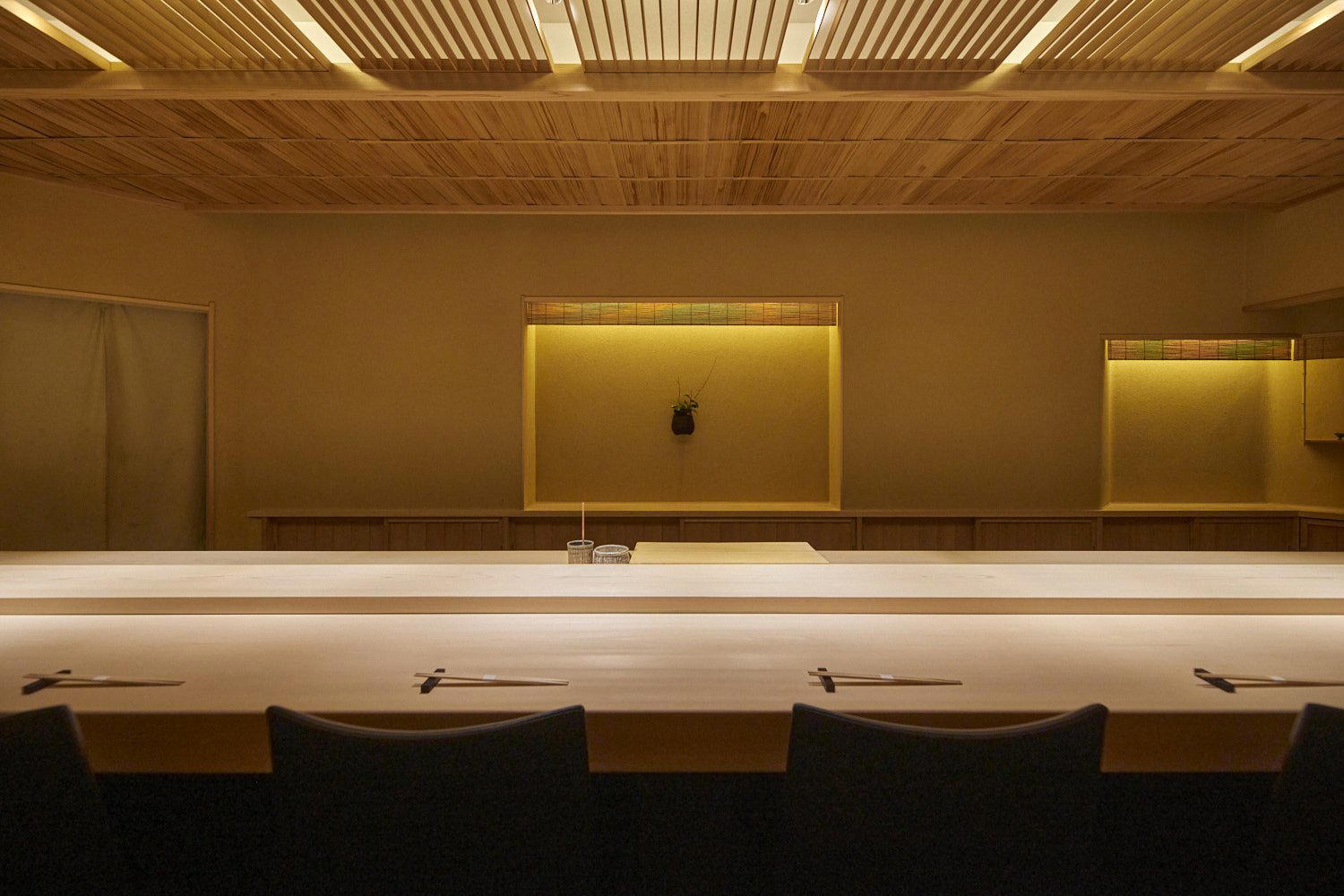
At a Glance
- Elegant
- Cozy
- Intimate
- Hidden Gem
- Sophisticated
- Business Dinner
- Date Night
- Celebration
- Solo
- Private Event
- Chefs Counter
- Private Dining
- Standalone
- Sake Program
- Extensive Wine List
- Local Sourcing
- Sustainable Seafood
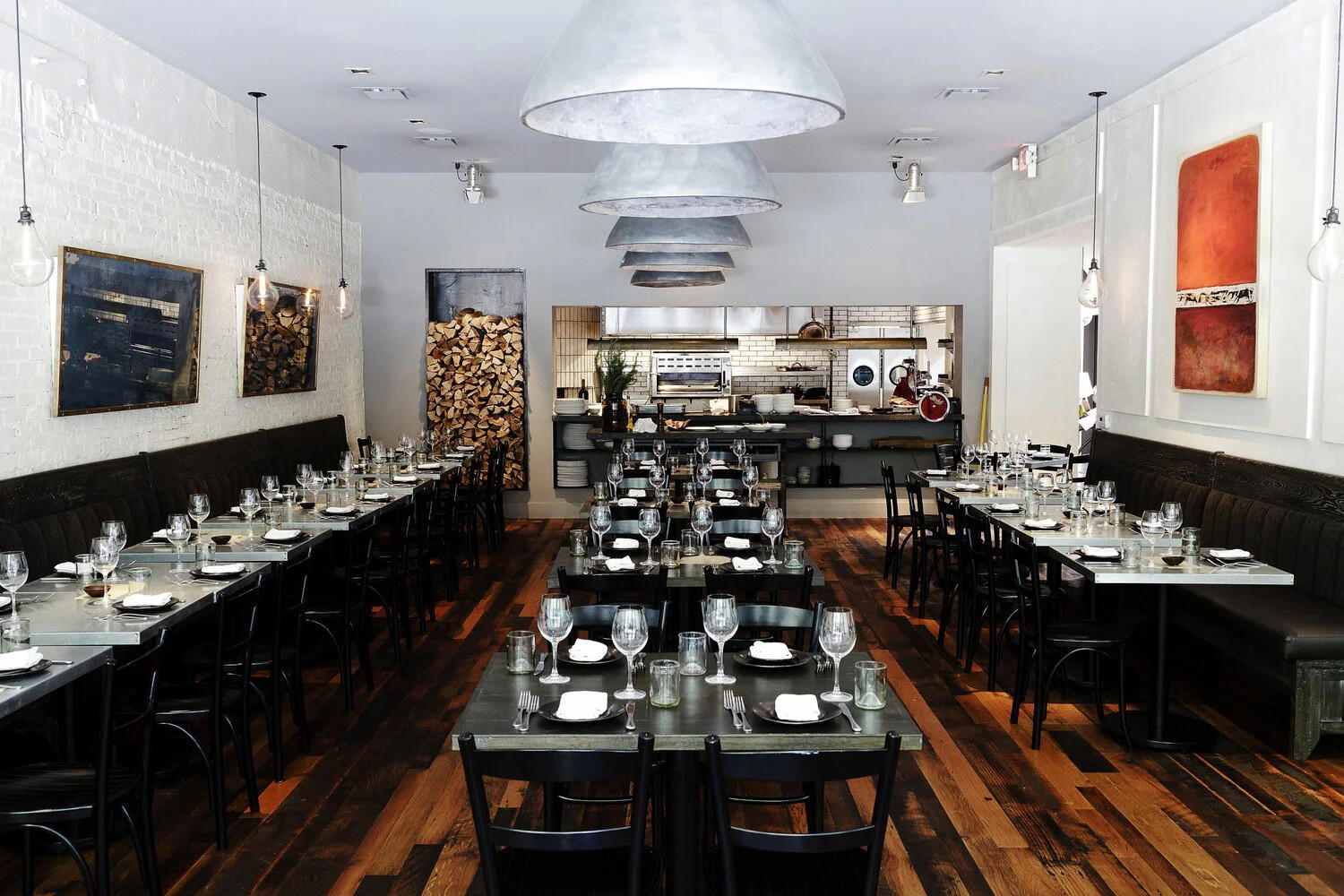
A small hideaway, house-like restaurant with stylish yet relaxed design, spacious counter seating for only eight guests, and a calm, intimate atmosphere suited to business dinners and special occasions rather than casual family visits.