
Sumishin places Matsuyama’s yakitori culture in a serious counter-dining frame, with charcoal-grilled chicken, kushiyaki, sake, and shochu carrying the experience rather than elaborate theatre. Its repeated Tabelog Yakitori 100 selections, including WEST 2025, put it in a recognized western Japan cohort for diners who read yakitori as ingredient discipline, not casual drinking food.
Pearl is the En Primeur Club membership app — saves, bookings, and concierge access live there. Same editors, same standards.
- Address
- Japan, 〒790-0002 Ehime, Matsuyama, Nibancho, 2 Chome−1−6 ゴールドリッチビル
- Phone
- +81 89-986-6603
- Website
- tabelog.com
 Saves & bookings on Pearl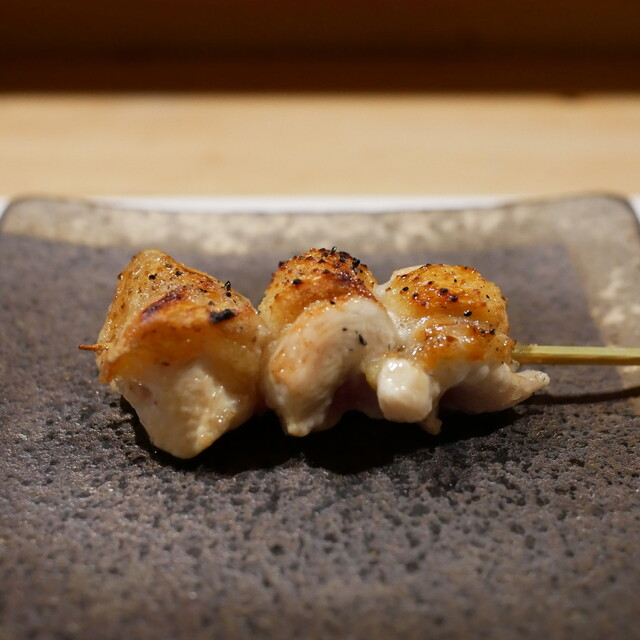
Approach Matsuyama’s Nibancho after dark and the city shifts from castle-town order into a tighter restaurant rhythm: narrow fronts, upstairs signs, small counters, and charcoal drifting from rooms that need not announce themselves. Yakitori fits this setting because it is compact, compressing sourcing, butchery, seasoning, heat control, and pacing into skewers with little room for decorative distraction.
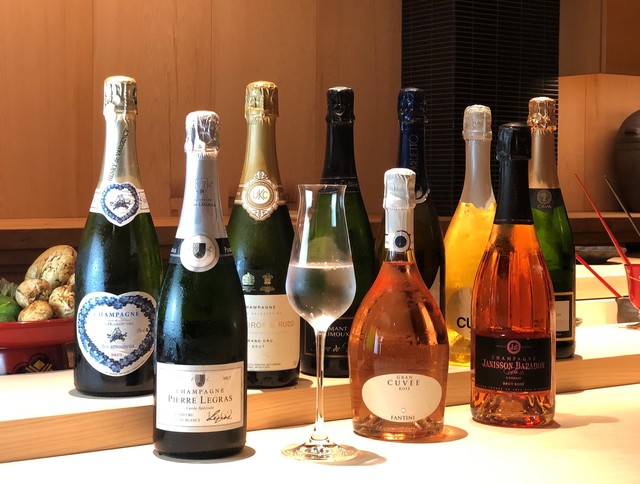
That is the useful way to read Sumishin: not a broad Japanese dinner with grilled chicken attached, but a yakitori-led meal with chicken, related poultry preparations, and kushiyaki at the table’s center. The drinks list follows the same grammar. Sake and shochu make more sense than a long international cellar because both track salt, smoke, fat, and tare without pulling attention from the grill.
Charcoal, chicken, and the western Japan yakitori register
Yakitori in Japan is often flattened abroad into bar snack. In stronger domestic rooms, it is closer to butcher’s cuisine. The work begins before fire: separating cuts, preserving texture, judging how much seasoning each part can take, and deciding what needs direct heat rather than sauce. Counter seating matters because it turns the grill into the room’s clock, so diners experience the meal as timing rather than a static order.
Matsuyama gives that format a particular context. Ehime’s capital is not built around the same international fine-dining traffic as Tokyo, Kyoto, or Osaka, so a serious yakitori counter must make its case through local regularity and repeat recognition rather than imported ceremony. Sumishin’s selection for Tabelog 100 - Yakitori - WEST - 2025 is meaningful in that frame, placing it within a western Japan yakitori cohort where regional demand and specialist execution matter more than broad name recognition.
The category matters because yakitori rewards consistency over spectacle. Sushi can lean on provenance and knife work; tempura on batter and oil; yakitori lives or dies by heat, trimming, and sequence. Chicken is less forgiving than luxury seafood: dryness, uneven cooking, or careless seasoning show quickly. A restaurant working in chicken dishes and kushiyaki must treat ordinary-seeming parts with the seriousness other formats reserve for rarer ingredients.
For a Matsuyama food itinerary, this counter is a useful counterpoint to the city’s broader spread. Dogo Kaishu (Japanese Cuisine) reads closer to the Japanese cuisine register associated with Dogo, while Chuka Soba Fukamidori shows how focused noodle shops define another lane. Hinode and Ino add local texture, but yakitori’s appeal is different: intimate, productively repetitive, and dependent on the cook making small variations register.
Why the counter format suits Matsuyama
Matsuyama’s dining scene is clearer when split by purpose rather than cuisine labels: onsen-adjacent meals around Dogo, practical city-center counters near Okaido and Nibancho, and specialist rooms that reward planning because their formats do not scale. Serious yakitori belongs to the last group. A counter can absorb solo diners and small groups without diluting rhythm, and suits a city where a night out often moves between compact venues rather than one theatrical dining room.
The spending tier also tells a story. In Matsuyama, a soba stop such as Teuchi Soba Maro sits far lower, while Sushi Kawanaka occupies a higher sushi range. Yakitori at this level sits between them: more deliberate than casual noodles, less ceremonially expensive than high-end sushi, and often more transparent because the grill is part of the performance. That middle-premium position makes chicken sourcing and cut selection the argument. Diners pay for judgment, not rarity alone.
Recognition across multiple Tabelog Yakitori 100 cycles, including 2018, 2022, 2023, 2024, and WEST 2025, gives Sumishin a track record rather than a single-season flash. In Japan’s user-review ecosystem, continuity matters for specialist formats; it suggests the room remains legible to diners who know the category and compare it with other yakitori counters across the region.
There is also a practical cultural point: yakitori is one of Japan’s clearest expressions of drinking food as craft. Sake and shochu are not accessories but part of the meal’s architecture, especially as skewers move between salt, sauce, lean cuts, and fattier pieces. For travelers used to wine-led tasting menus, the shift is instructive: pairing logic is less about matching a named bottle to a composed plate than keeping the palate responsive through smoke, char, and repeated protein.
How to place it in a Matsuyama trip
Sumishin suits travelers who want one meal explaining why yakitori deserves attention beyond Tokyo’s better-publicized counters. It is not the broadest introduction to Matsuyama cuisine, which is exactly the point: a focused grill counter can clarify a city better than a menu trying to cover every regional reference.
Use the meal as an anchor in the Nibancho-Okaido evening, then build the trip around contrasting formats. For a wider restaurant map, start with Our full Matsuyama restaurants guide. Travelers staying near Dogo or comparing ryokan-style hospitality should also read Our full Matsuyama hotels guide, while drinking-focused itineraries belong with Our full Matsuyama bars guide. The city’s surrounding food and drink culture can be rounded out through Our full Matsuyama wineries guide and Our full Matsuyama experiences guide.
For diners comparing Japanese specialist formats beyond Ehime, the contrast is useful. Beef-led cooking at -Grilled beef Sukiyaki- KAMAKURA TANUKIAN 鎌倉 たぬき庵 in Kamakura, charcoal seafood at. 鮪と炭火焼き うお炭 秋葉原店 in Tokyo, cafe culture at.cafe in Osaka, and contemporary regional dining at.know in Kumamoto all frame ingredient focus differently. Casual international cooking at (Shoku) Vietnam in Kawasaki, curry specialization at [Curry Senmon Ten] Maruyama Kyoju. in Sapporo, sake-bar dining at Jōdo Saké Bar in Los Angeles, and rice-ball craft at Onigiri Time in Pasadena show the same lesson: narrow formats often reveal more than encyclopedic menus.
Within Matsuyama, pairing this counter with Bettei Oborozukiyo gives the trip a hospitality-led contrast, while the specialist restaurant circuit around Nibancho and Okaido explains why the city rewards diners who plan by format rather than by a generic checklist. For yakitori, the essential question is simple: does the room make chicken feel precise enough to justify a whole evening? Here, the award history and category focus give a confident answer.
At-a-Glance Comparison
Comparable venues by cuisine and price in the same metro.
| Venue | Cuisine | Price | Awards | Notes |
|---|---|---|---|---|
| SumishinThis venue — the venue you are viewing | Traditional Yakitori & Chicken Dishes | $$$ | , | |
| Bettei Oborozukiyo | Traditional Japanese Kaiseki | $$$$ | , | Dogo Onsen |
| Yoshokuya Shii | Japanese-style Western Cuisine (Yoshoku) | $$ | , | Sambancho |
| Sakana Kobo Maruman | Seafood Izakaya | $$$ | , | Gioncho |
| Oborozukiyo (別邸 朧月夜) | Seasonal Kaiseki | $$$$ | , | Dogo |
| No Name | Traditional Matsuyama Regional Cuisine | $$ | Matsuyama |
Continue exploring
More in Matsuyama
Restaurants in Matsuyama
Browse all →

At a Glance
- Cozy
- Lively
- Intimate
- Hidden Gem
- After Work
- Casual Hangout
- Solo
- Group Dining
- Late Night
- Chefs Counter
- Standalone
- Sake Program
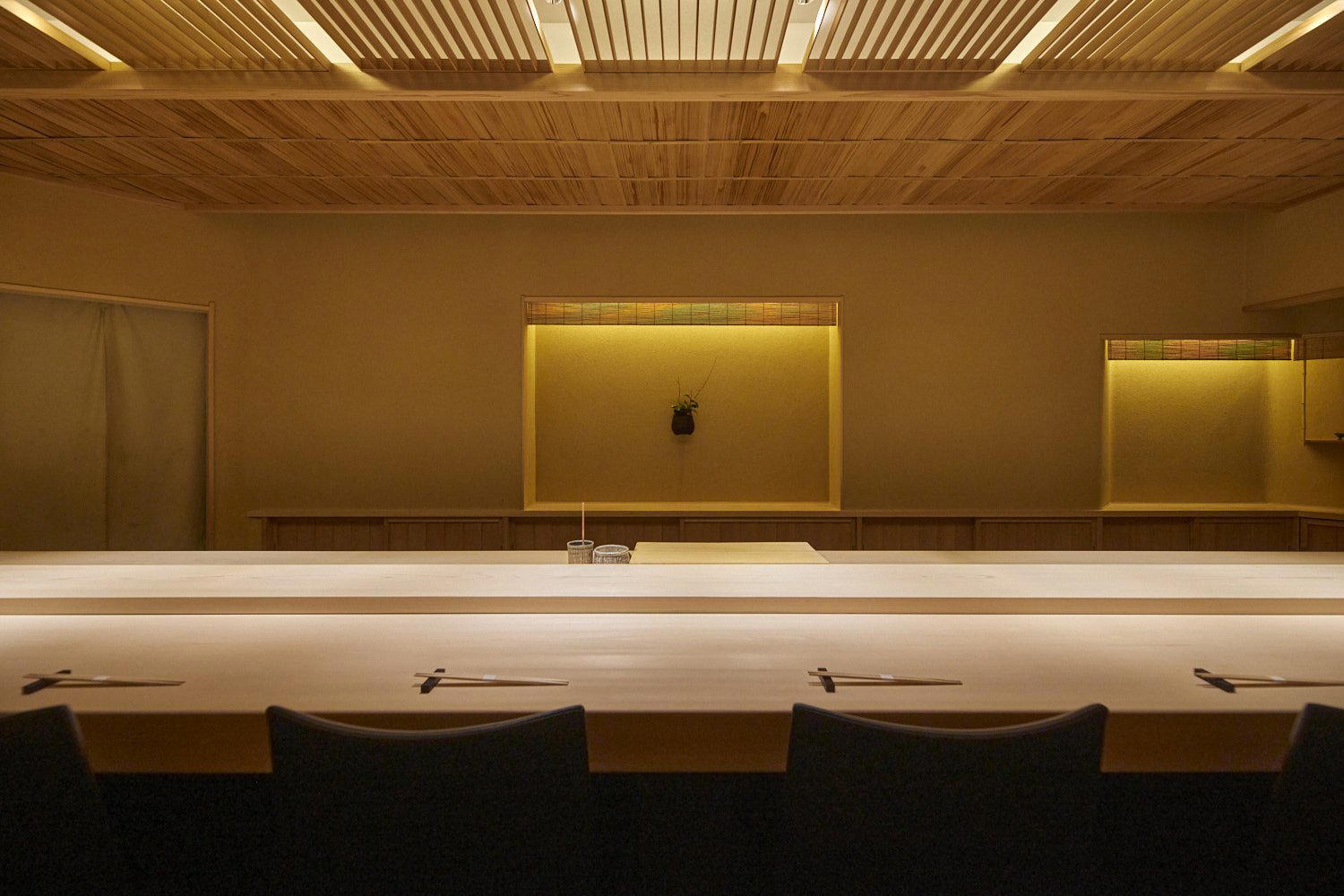
Small, non‑smoking yakitori shop with counter seating and a cozy, lively atmosphere, focused on the aroma and theatre of charcoal grilling rather than formal decor.