
Shanghai Tenshin Yoen puts Matsuyama’s Chinese dining scene in a precise, everyday register: dim sum, yum cha, pork buns and dumplings rather than banquet-room grandstanding. Its 2026 Tabelog 100 Chinese WEST selection gives it a clear regional signal, while the format stays useful for families, friends and travelers looking beyond the city’s better-known Japanese cooking routes.
Pearl is the En Primeur Club membership app — saves, bookings, and concierge access live there. Same editors, same standards.
- Address
- 5 Chome-8-15 Asodamachi, Matsuyama, Ehime 790-0952, Japan
- Phone
- +81 89-934-7311
- Website
- yoen.stores.jp
 Saves & bookings on Pearl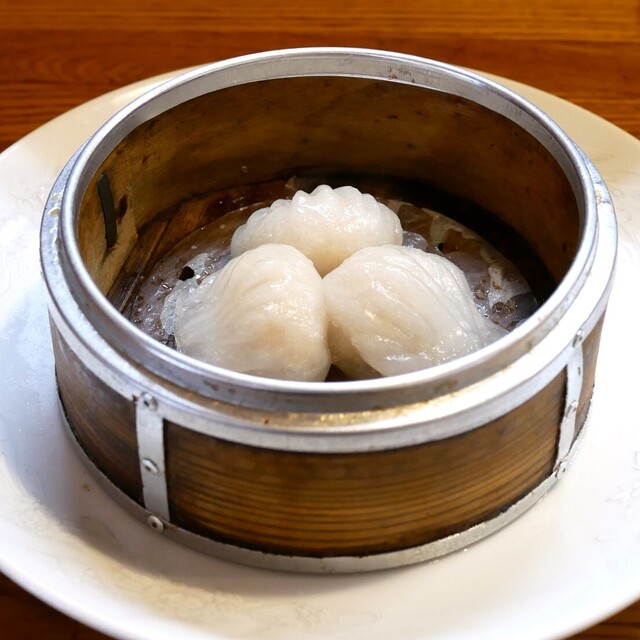
Approaching the Asodamachi dining pocket, Matsuyama feels less like restaurant theatre than a city where serious meals fold into ordinary movement: station walks, family errands, small groups meeting before evening. Here, Chinese cooking has a different charge: neither hotel-dining cuisine nor neon late-night fare, but a practical middle ground where dim sum, yum cha, pork buns and dumplings make the case for the table.
That matters because Matsuyama’s dining identity is usually read first through local Japanese references: Dogo Onsen, Setouchi seafood, udon, izakaya rhythms, citrus-country brightness. A Chinese restaurant gaining a 2026 Tabelog 100 Chinese WEST selection reframes the city. It shows western Japan’s Chinese category is not only an Osaka, Kyoto or Kobe conversation. Ehime has pockets of craft too, and this one is built around dough, steam, filling and the shared-plate logic that makes Chinese cooking work outside formal tasting-menu culture.
Dim sum gives Matsuyama's Chinese scene its clearest argument
Dim sum and yum cha are ingredient-led even when the room feels casual. Quality rests on small decisions: how a wrapper holds, how pork filling is seasoned, how dumplings survive the gap between kitchen and table, and how much restraint the kitchen shows with oil, salt and sweetness. Shanghai Tenshin Yoen’s category listing, centered on dim sum, pork bun and dumpling cooking, puts it in a narrow lane rather than the sprawling Chinese-restaurant model where every regional style competes for attention.
That focus is a strength. In regional Japanese cities, Chinese restaurants often serve as democratic dining rooms for groups that want breadth without ceremony. The better examples use familiar forms to show control: a bun soft without turning heavy, a dumpling structured without feeling mechanical, and a yum cha table paced for ordering in rounds. The point is not luxury, but repetition careful enough to earn loyalty.
The Tabelog 100 Chinese WEST selection in 2026 is the clearest external trust signal. Tabelog’s Hyakumeiten lists are not Michelin-style star ratings; they are category-specific recognitions across defined regions. For travelers, that distinction helps: it points to standing inside a cuisine category rather than a fine-dining destination chasing international ceremony. Shanghai Tenshin Yoen also appeared in the Chinese WEST selection in 2023, giving the listing repeat recognition rather than a single-year spike.
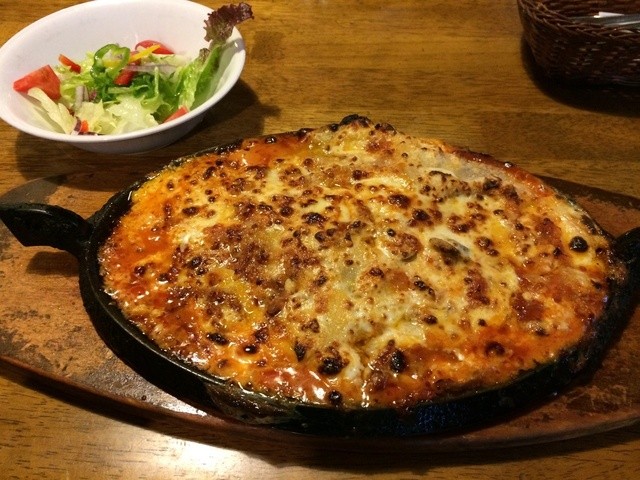
Price-tier context sharpens the read. Matsuyama ranges from sub-JPY 1,000 comfort-food institutions such as Kotori and Nabeyaki Udon Asahi to higher local spend categories such as Sakana Kobo Maruman. Shanghai Tenshin Yoen sits closer to the accessible mid-range, with a menu category that rewards ordering several small plates rather than committing to one set course. For travelers mapping the city, it is a useful counterpoint to Japanese cuisine addresses such as Dogo Kaishu (Japanese Cuisine), Ino and Hinode.
A house-restaurant format keeps the room grounded
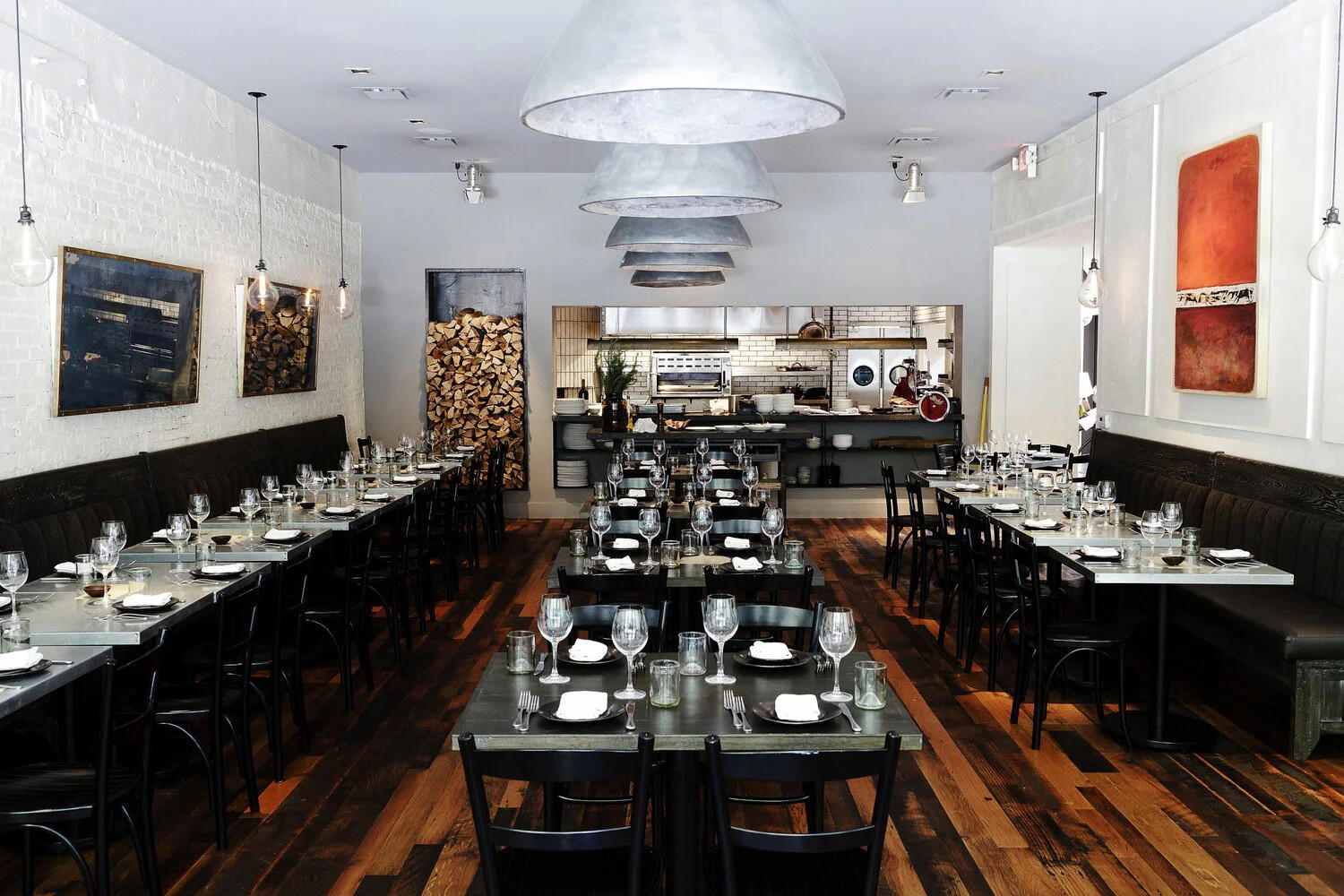
The restaurant is described as a house restaurant, and the phrase is revealing. Matsuyama does not need every serious table to announce itself through design language. Here, the experience is closer to an everyday neighborhood Chinese room with capacity for counter seats, table dining and banquet-style use. That configuration suits the cuisine: dumplings and buns are social food, and a room for families and friends supports how these dishes are normally eaten.
The seating mix explains the restaurant’s broader utility. Counter seating suits solo diners and pairs after a compact meal; tables suit shared plates; banquet capacity gives the restaurant a role in local gathering culture, not just destination dining. Children and strollers are welcome, placing the address firmly in the family-friendly category rather than the hushed special-occasion mode that can make regional award lists feel less accessible than they are.
Drinks follow the same pragmatic range: shochu, wine and cocktails are available. That does not make the restaurant bar-driven, but it gives mixed groups flexibility. Take-out and a digital menu add another signal of day-to-day usability. In Japan’s regional cities, these practical details often say as much about a restaurant’s place in local life as any chef biography.
For a wider Matsuyama itinerary, the restaurant works in a city that rewards cross-category eating rather than single-style devotion. Pair Chinese small plates with ramen research at Chuka Soba Fukamidori, ryokan-inflected hospitality at Bettei Oborozukiyo, or a broader scan through our full Matsuyama restaurants guide. Travelers building a fuller trip can also use our full Matsuyama hotels guide, our full Matsuyama bars guide, our full Matsuyama wineries guide and our full Matsuyama experiences guide.
How to read it against Japan's broader casual-specialist tier
Across Japan, the casual-specialist restaurant has become one of the country’s strongest dining formats: narrow focus, modest spend, high repeat value. The restaurant fits that pattern more convincingly than the prestige-restaurant model. Its value lies in category discipline and regional recognition, not chef mythology or theatrical service.
That comparison extends beyond Matsuyama. Japan’s city-by-city food culture is full of small-format specialists that gain meaning from repetition, neighborhood use and a clear category promise, from -Grilled beef Sukiyaki- KAMAKURA TANUKIAN 鎌倉 たぬき庵 in Kamakura to. 鮪と炭火焼き うお炭 秋葉原店 in Tokyo.cafe in Osaka.know in Kumamoto, (Shoku) Vietnam in Kawasaki and [Curry Senmon Ten] Maruyama Kyoju. in Sapporo. Abroad, the same lesson appears differently at Jōdo Saké Bar in Los Angeles and Onigiri Time in Pasadena: tight formats travel better than vague ambition.
The editorial read is simple: choose the restaurant when the meal calls for Chinese comfort cooking with enough regional validation to justify the detour from Matsuyama’s obvious Japanese routes. The restaurant’s strength is not spectacle, but the confidence of a category specialist in a city where better meals often reveal themselves through everyday formats.
How It Stacks Up
Comparable venues by cuisine and price in the same metro.
| Venue | Cuisine | Price | Notes |
|---|---|---|---|
| Shanghai Tenshin YoenThis venue — the venue you are viewing | Casual Dim Sum & Chinese Comfort Food | $$ | Not listed |
| 上海点心 豫園 | 上海点心専門店 | $$ | 朝生田町 |
| Sakana Kobo Maruman | Seafood Izakaya | $$$ | Gioncho |
| Sumishin | Traditional Yakitori & Chicken Dishes | $$$ | Okaido |
| Dogo Kaishu | Setouchi Kaiseki | $$$ | Dogo Onsen |
| Kiri no Mori Kashi Kobo Matsuyama ten | Japanese Traditional Sweets | $ | Okaido |
Recognition history
Dated appearances from independent guides and award organizations, with the underlying list record or original source where available.
Tabelog 100 #29 · No. 29
Tabelog · Tabelog 100 - Chinese cuisine - WEST - 2026
Continue exploring
More in Matsuyama
Restaurants in Matsuyama
Browse all →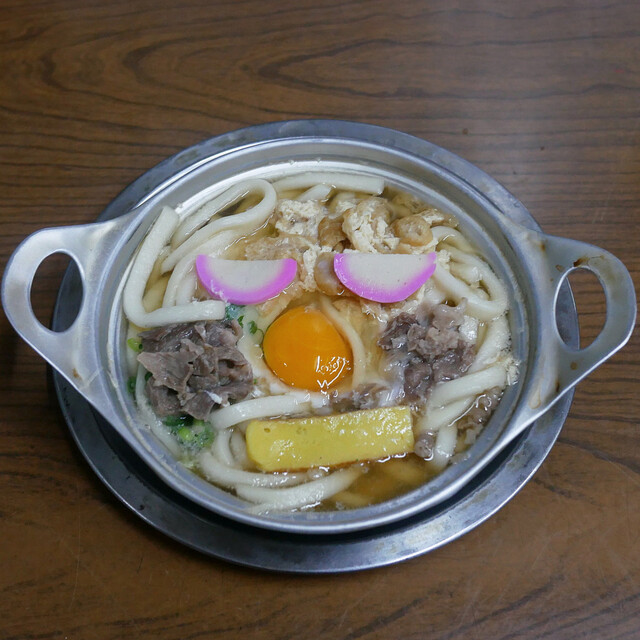
At a Glance
- Cozy
- Lively
- Classic
- Casual Hangout
- Family
- Group Dining
- After Work
- Solo
- Standalone
Current opening hours
- Monday
- 11 AM–3 PM, 5–9:30 PM
- Tuesday
- 11 AM–3 PM, 5–9:30 PM
- Wednesday
- Closed
- Thursday
- 11 AM–3 PM, 5–9:30 PM
- Friday
- 11 AM–3 PM, 5–9:30 PM
- Saturday
- 11 AM–3 PM, 5–9:30 PM
- Sunday
- 11 AM–3 PM, 5–9:30 PM
Hours can change for holidays and private events. Last verified .
Casual, house-style Chinese restaurant with a cozy, neighborhood feel, combining counter seats and table seating suited to both solo diners and small groups or banquets.