Our verdict
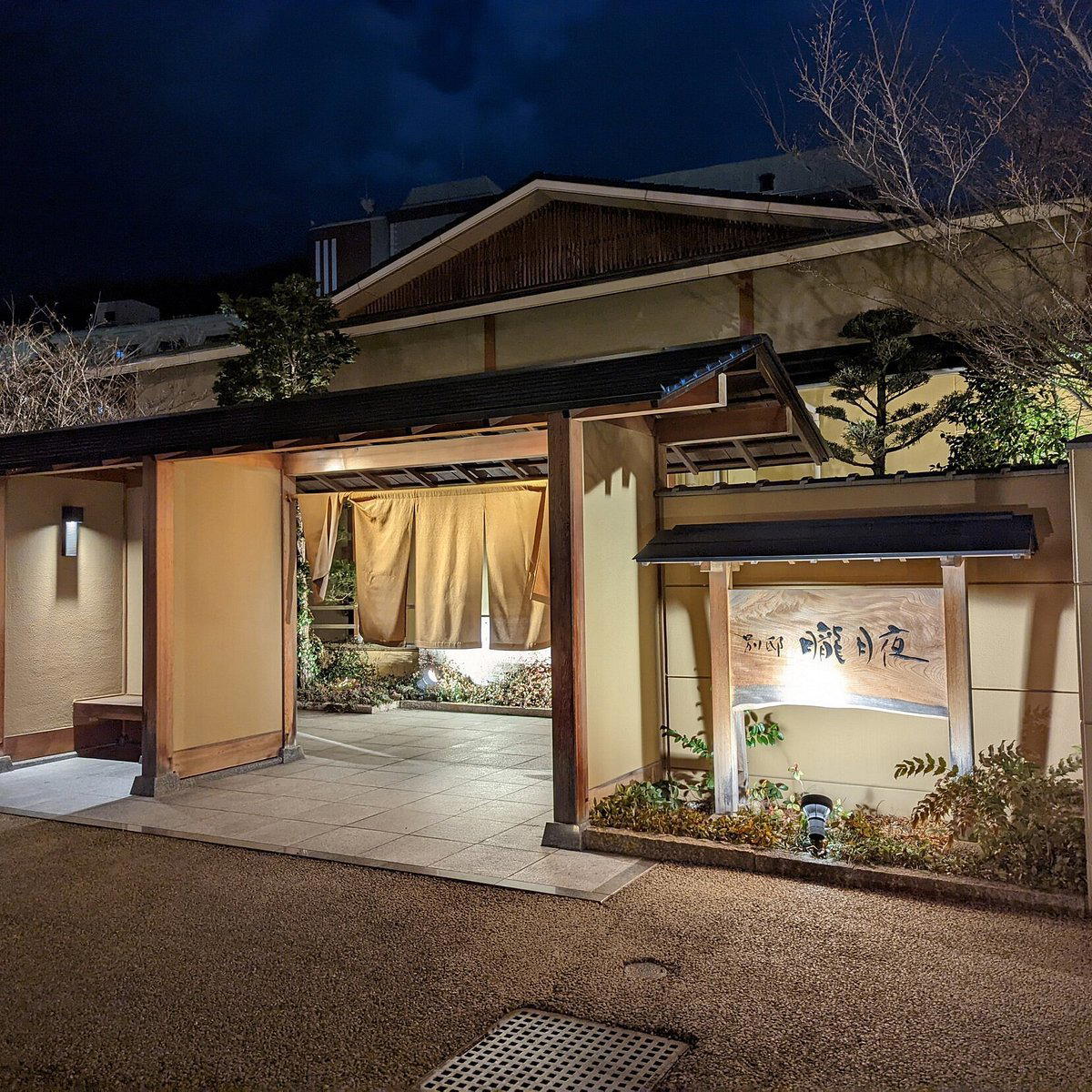
Bettei Oborozukiyo occupies a quieter register within Matsuyama's dining scene, where the kaiseki and traditional Japanese dining traditions of Ehime Prefecture meet a considered, low-key format. The name itself — evoking a hazy moonlit night — signals the kind of atmospheric restraint that defines the better ryotei-adjacent houses in provincial Japan. Advance reservations are advisable for this style of dining in Matsuyama.

Pearl is the En Primeur Club membership app — saves, bookings, and concierge access live there. Same editors, same standards.
- Address
- 道後鷺谷町4-4, 松山市, 愛媛県, 790-0836
- Directions
- Get directions
The menu
What to order
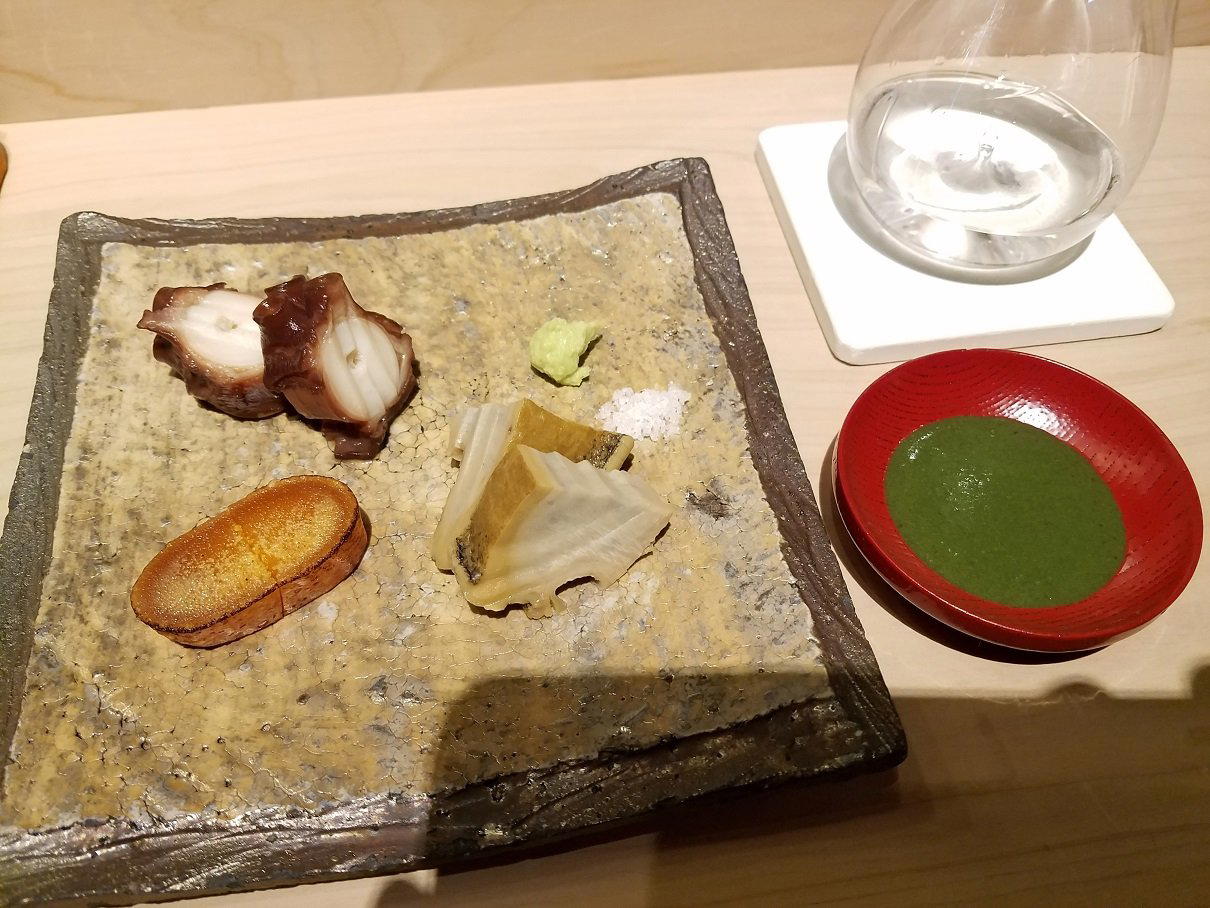
- Sea bream-focused kaiseki
- Local Ehime seafood
- Seasonal multi-course ryokan meals
Where Matsuyama's Dining Tradition Breathes Slowly
There is a particular rhythm to dining in provincial Japanese cities that the major metropolitan circuits rarely replicate. In Tokyo or Kyoto, the pressure of Michelin scrutiny and international tourism has pushed many traditional restaurants toward a kind of performance — precision plating, choreographed service, narrative menus pitched at visitors unfamiliar with the underlying culture. In cities like Matsuyama, the calculus is different. The audience is largely domestic, the traditions are local, and the better establishments tend to operate with a quietness that reads, to outsiders, as restraint but is more accurately described as confidence. Bettei Oborozukiyo sits within that context.
The name itself is worth pausing on. "Oborozukiyo" (朧月夜) refers to a hazy, cloud-diffused moonlit night — an image that recurs across classical Japanese poetry and carries associations of gentle impermanence, of beauty that does not announce itself. Naming a dining establishment after this image is a deliberate cultural positioning, one that places the experience in a lineage of Japanese aesthetic thinking that prizes atmosphere over spectacle. It is the opposite of a restaurant that names itself after its chef.
Matsuyama as a Dining City: Reading the Broader Scene
Ehime Prefecture, on the island of Shikoku, is not a dining destination in the way that Kyoto or Fukuoka has become internationally understood. But that relative obscurity belies a serious regional food culture. The prefecture's coastline produces some of the most respected tai (sea bream) in Japan, Ehime's madai is farmed under conditions that have earned it a reputation among Japanese fish buyers, and the broader Seto Inland Sea basin supplies ingredients that underpin a style of cooking defined by marine abundance rather than mountain austerity.
Matsuyama, as Ehime's capital, is the fulcrum of this food culture. It is a city that supports a range of traditional Japanese dining formats, from counter sushi to more formal kaiseki-adjacent ryotei-style rooms, without the volume of international visitors that tends to flatten menus toward lowest-common-denominator accessibility. The result is a dining scene that rewards the traveller willing to book in advance, communicate dietary requirements clearly, and engage with a format built around Japanese-language menus and seasonal product cycles. For context on what else this scene offers, our full Matsuyama restaurants guide maps the broader range.
Within that scene, Bettei Oborozukiyo occupies a position closer to the intimate, atmosphere-first end of the spectrum. The "Bettei" prefix, meaning a separate or annex establishment, often implying a more secluded or refined offshoot, reinforces this placement. In Japanese hospitality terminology, bettei properties typically signal a step up in exclusivity or deliberateness from a main house, whether in the context of a ryokan, a restaurant, or a dining room within a larger complex.
The Cultural Architecture of the Experience
Traditional Japanese dining at this register is structured around the concept of ma, interval, pause, negative space. Courses arrive with spacing calibrated not to the pace of a Western tasting menu but to a different understanding of hospitality: the idea that the time between dishes is part of the meal, not dead air. This is the tradition Bettei Oborozukiyo's name invokes, and it is worth arriving with that frame rather than importing expectations from comparable price-tier European restaurants.
Seasonal produce cycles anchor menus at houses like this. In Ehime, that means spring and early autumn are typically the periods when both the fish calendars and the land vegetable cycles peak simultaneously. The Seto Inland Sea shifts its dominant catch through the year, and a kitchen tuned to those cycles will offer a meaningfully different experience in March than in August. Compared to places like Gion Sasaki in Kyoto, which operates in a hyper-scrutinised Michelin environment, or HAJIME in Osaka, which has developed a globally legible fine-dining language, establishments at Bettei Oborozukiyo's apparent register tend to be more opaque to international visitors but more tightly rooted in local product truth.
That rootedness is the argument for seeking out provincial restaurants of this type rather than concentrating a Japan itinerary on the certified metropolitan counters. Harutaka in Tokyo and akordu in Nara each offer their own forms of excellence within well-mapped peer sets. The Matsuyama equivalent asks something different of the diner: engagement with a tradition that has not yet been fully translated for export.
Placing Bettei Oborozukiyo Among Matsuyama Peers
Among Matsuyama's more established traditional Japanese dining options, Dogo Kaishu operates in the JPY 15,000 to JPY 19,999 per-person range, a benchmark that situates it in the mid-to-upper tier of the city's Japanese cuisine offers.
Other Matsuyama options worth cross-referencing include Ino, Kurumasushi, and Namae no Nai Italia Ryori Ten, as well as No Name, a range that indicates Matsuyama's dining range extends beyond traditional Japanese formats into more hybrid territory. For travellers building a multi-day itinerary in Shikoku, comparison with regional peers elsewhere is instructive: Goh in Fukuoka and houses like 一本木 石川制 in Nanao, 夕仙山乃 in Sapporo, 湖辺庄 in Takashima, and 羽鶴屋 in Nishikawa Machi each illustrate the variety of approaches Japan's regional dining cities bring to traditional formats. For a global point of reference on what technical precision at the highest level looks like, Le Bernardin in New York City and Atomix in New York City offer comparison, though the contexts are wholly different. Closer to home, Birdland in Sakai represents another iteration of regional Japanese dining done with conviction.
Planning a Visit: What the Format Requires
Establishments of this type in Matsuyama are leading approached with advance reservations made through local concierge services or via the restaurant directly, in Japanese where possible. Walk-ins at traditional Japanese dining houses operating at this register are rarely practical; the kitchen's product procurement is typically calibrated to confirmed covers. Seasonal timing matters: the Seto Inland Sea's fish calendars and Ehime's agricultural cycles make spring (March through May) and early autumn (September through November) the periods most aligned with peak ingredient availability. Visitors arriving in July or August will find a hotter, more humid Matsuyama and a fish-market calendar shifted accordingly. Communicating dietary restrictions ahead of arrival is standard practice at this category of house, and the earlier those are flagged, the more gracefully the kitchen can accommodate them.
Matsuyama is accessible by direct flight from Tokyo Haneda and Osaka Itami, or via the JR Shinkansen to Okayama followed by the Shiokaze limited express, a journey of approximately two and a half hours from Okayama. The city's proximity to Dogo Onsen, one of Japan's oldest functioning hot spring bath houses, makes it a natural anchor point for a Shikoku itinerary that combines dining, cultural sites, and the pilgrimage route context that defines much of the island's identity.
Frequently asked questions
How does Bettei Oborozukiyo compare to other traditional Japanese dining options in Matsuyama?
Matsuyama's traditional dining scene is relatively contained compared to Kyoto or Osaka, which gives individual venues a more distinct character within the city. Dogo Kaishu represents one documented benchmark in the JPY 15,000 to JPY 19,999 per-person range for this style of cooking in Ehime. Bettei Oborozukiyo occupies the same broad category of deliberate, course-format Japanese dining rooted in local Shikoku and Seto Inland Sea ingredients, though precise positioning is best assessed at the time of booking.
What should I eat at Bettei Oborozukiyo?
Bettei Oborozukiyo follows the seasonal kaiseki format that characterises high-register traditional Japanese dining in Matsuyama. Ehime Prefecture's larder — Seto Inland Sea seafood, local citrus, and Shikoku mountain produce — forms the backbone of this style of cooking. Specific current dishes are best confirmed directly with the restaurant when booking, as the menu rotates with the season.
Do they take walk-ins at Bettei Oborozukiyo?
Traditional Japanese establishments at this level in Matsuyama rarely accommodate unannounced arrivals. Advance reservations, ideally arranged through a hotel concierge or the restaurant directly, are the standard approach. Turning up without a booking risks being turned away, particularly on weekends or during Ehime's travel seasons.
What makes Bettei Oborozukiyo worth seeking out?
Matsuyama sits outside the international dining circuits that have made Kyoto and Fukuoka globally recognisable, which means venues like Bettei Oborozukiyo operate without the performance pressure that comes with heavy tourist footfall. The dining rhythm here is governed by the concept of ma — deliberate pacing, interval, and restraint — rather than the rapid-turnover format that defines many city-centre kaiseki rooms. For those who have covered the obvious Kyoto and Tokyo kaiseki options, Matsuyama at this register offers a different register of the same tradition.
Can Bettei Oborozukiyo handle vegetarian requests?
Traditional kaiseki menus are structured around seasonal fish and sometimes meat courses, so strict vegetarian or vegan requirements require advance notice. Contact the restaurant before booking to clarify what accommodations are possible. The shojin ryori tradition elsewhere in Japan demonstrates that plant-based kaiseki is achievable, but it is not a default assumption here.
Is Bettei Oborozukiyo good value for money?
Among Matsuyama's established traditional dining options, the JPY 15,000 to JPY 19,999 per-person range at comparable venues like Dogo Kaishu provides a reference point for what this tier of dining costs in the city. Pricing at this level reflects multi-course kaiseki service, seasonal ingredients sourced from Ehime's coast and interior, and the labour intensity of the format. Whether Bettei Oborozukiyo sits within or above that range is best confirmed at the time of reservation.
When is the best time to visit Bettei Oborozukiyo?
Kaiseki cuisine in Ehime Prefecture is tied directly to seasonal produce cycles, so each quarter brings a distinct menu orientation: spring sees bamboo shoots and sakura influences, autumn shifts toward mountain mushrooms and harvest ingredients from Shikoku's interior. The shoulder seasons between peak domestic travel periods — avoiding Golden Week in late April and the Obon period in mid-August — typically make reservations easier to secure in Matsuyama.
Price and Recognition
Comparable venues nearby, for context on price, style, and recognition.
| Venue | Cuisine | Price | Awards | Notes |
|---|---|---|---|---|
| Bettei OborozukiyoThis venue — the venue you are viewing | Traditional Japanese Kaiseki Ryokan Dining | Not listed | Not listed | Not listed |
| Sushi Kawanaka | Edomae Sushi Omakase | $100–150 | Tabelog 100 #44 | Okaido, Edomae Sushi Omakase |
| Teuchi Soba Maro | Handmade soba (buckwheat noodles) | $10–20 | Tabelog 100 #64 | Okaido, Handmade soba (buckwheat noodles) |
| Shimabuta Ishiyaki San | Matsuyama, Okinawan Pork & Japanese BBQ | Not listed | Not listed | Not listed |
| Dogo Kaishu | Setouchi Kaiseki | $150–200 | Tabelog Bronze #155 | Dogo Onsen, Setouchi Kaiseki |
| Ino | Edomae-Style Sushi | $100–150 | Tabelog Bronze #135 | Nibancho, Edomae-Style Sushi |
Continue exploring
More in Matsuyama
Restaurants in Matsuyama
Browse all →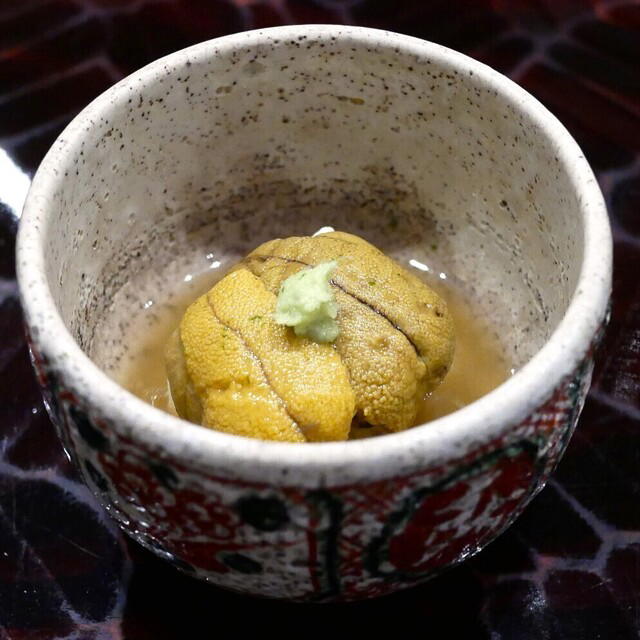
Details
- Quiet
- Cozy
- Classic
- Intimate
- Special Occasion
- Date Night
- Private Event
- Hotel Restaurant
- Historic Building
- Sake Program
- Local Sourcing
- Set Menu
- Prix Fixe
- Sake
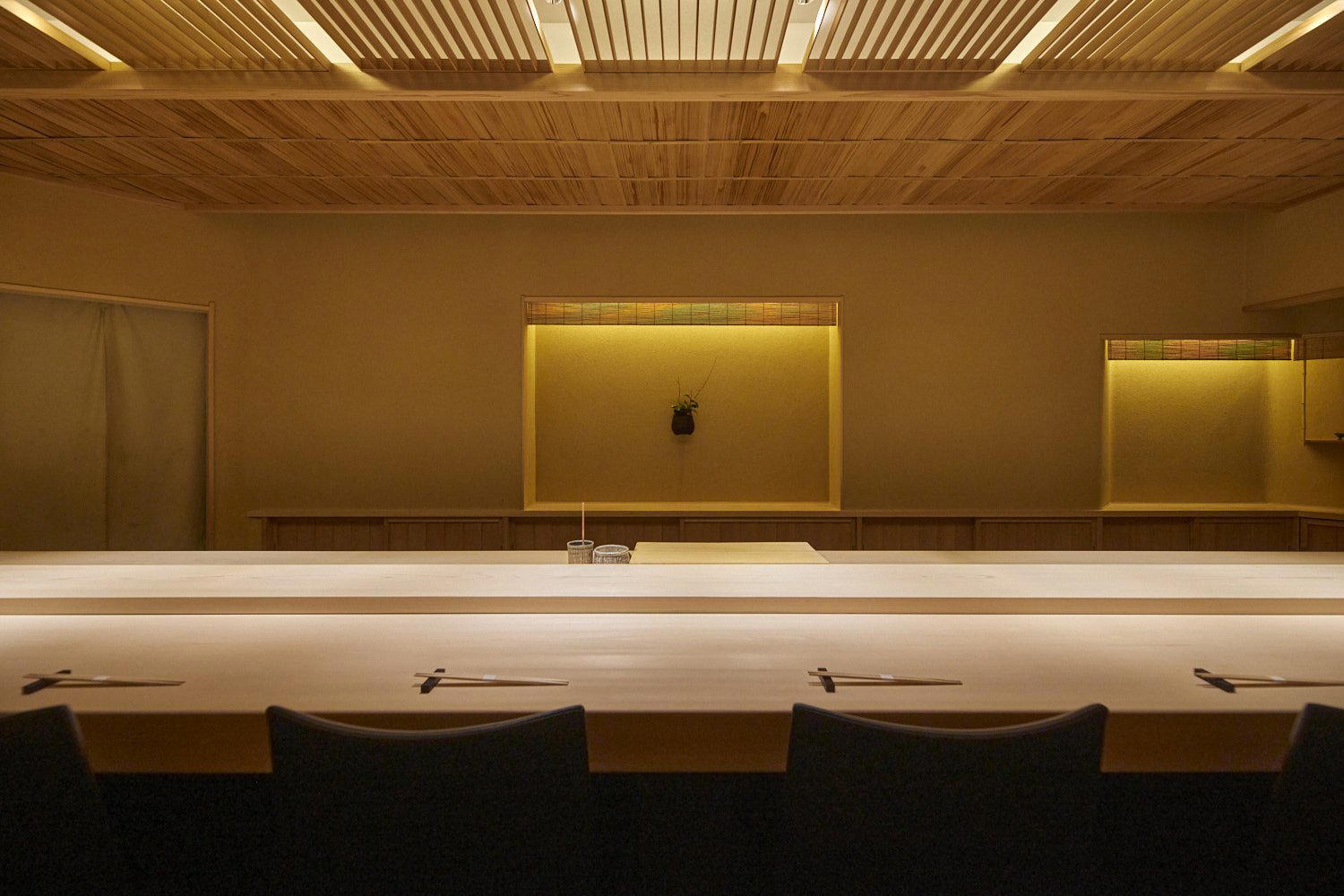
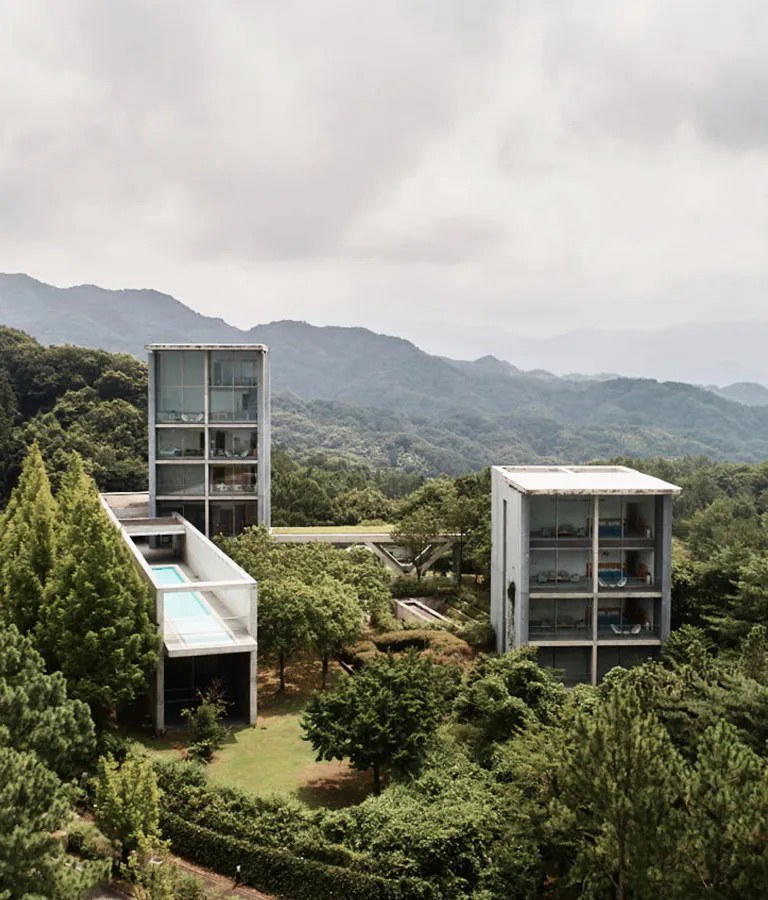
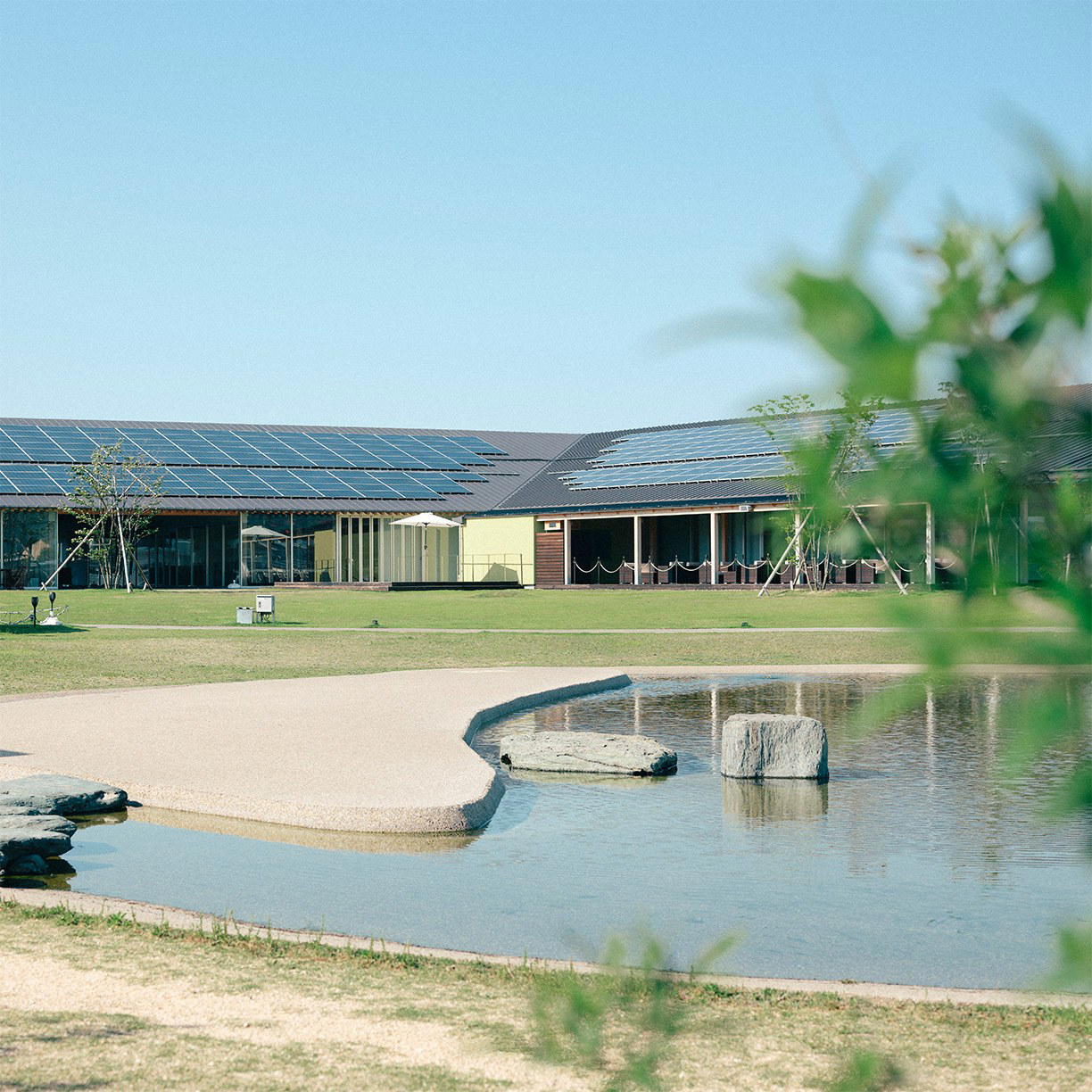
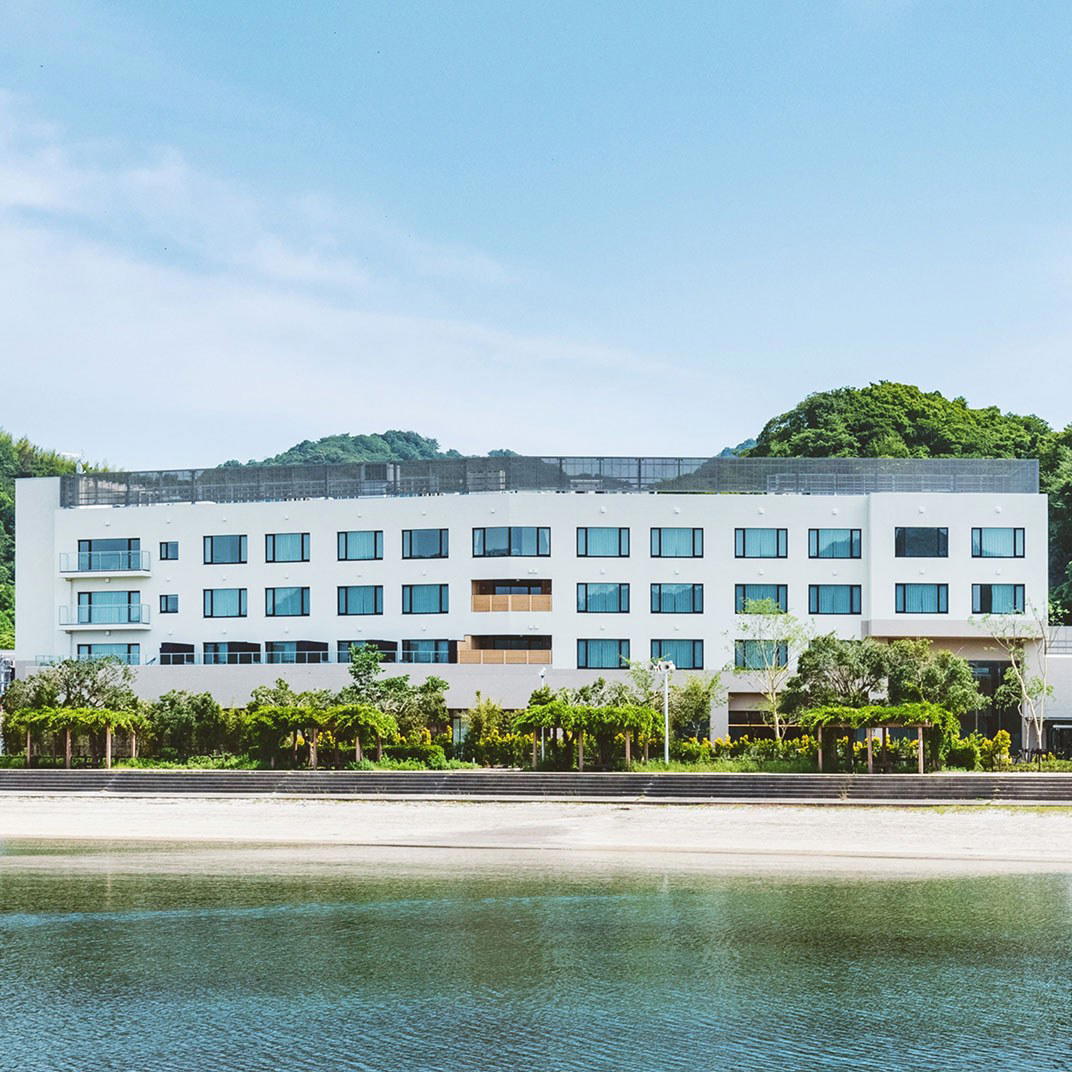
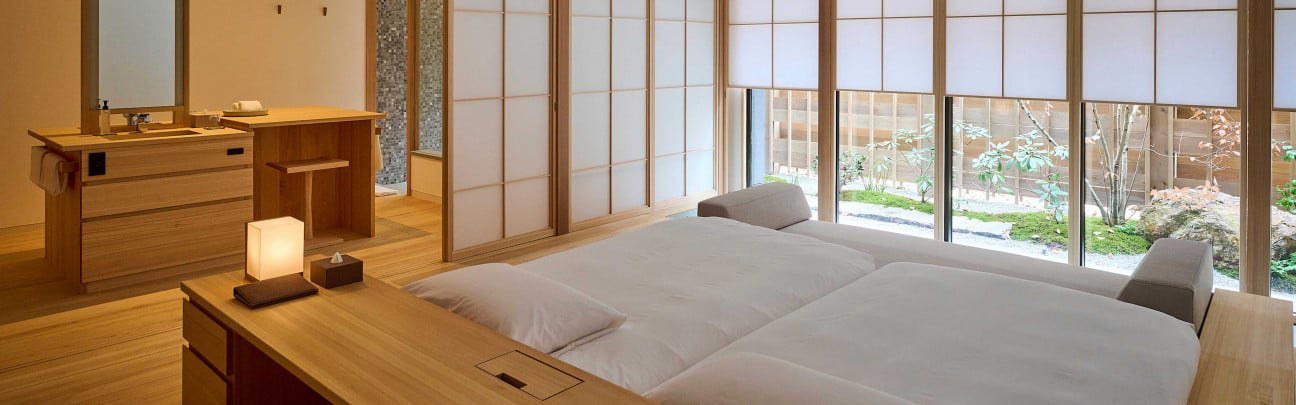
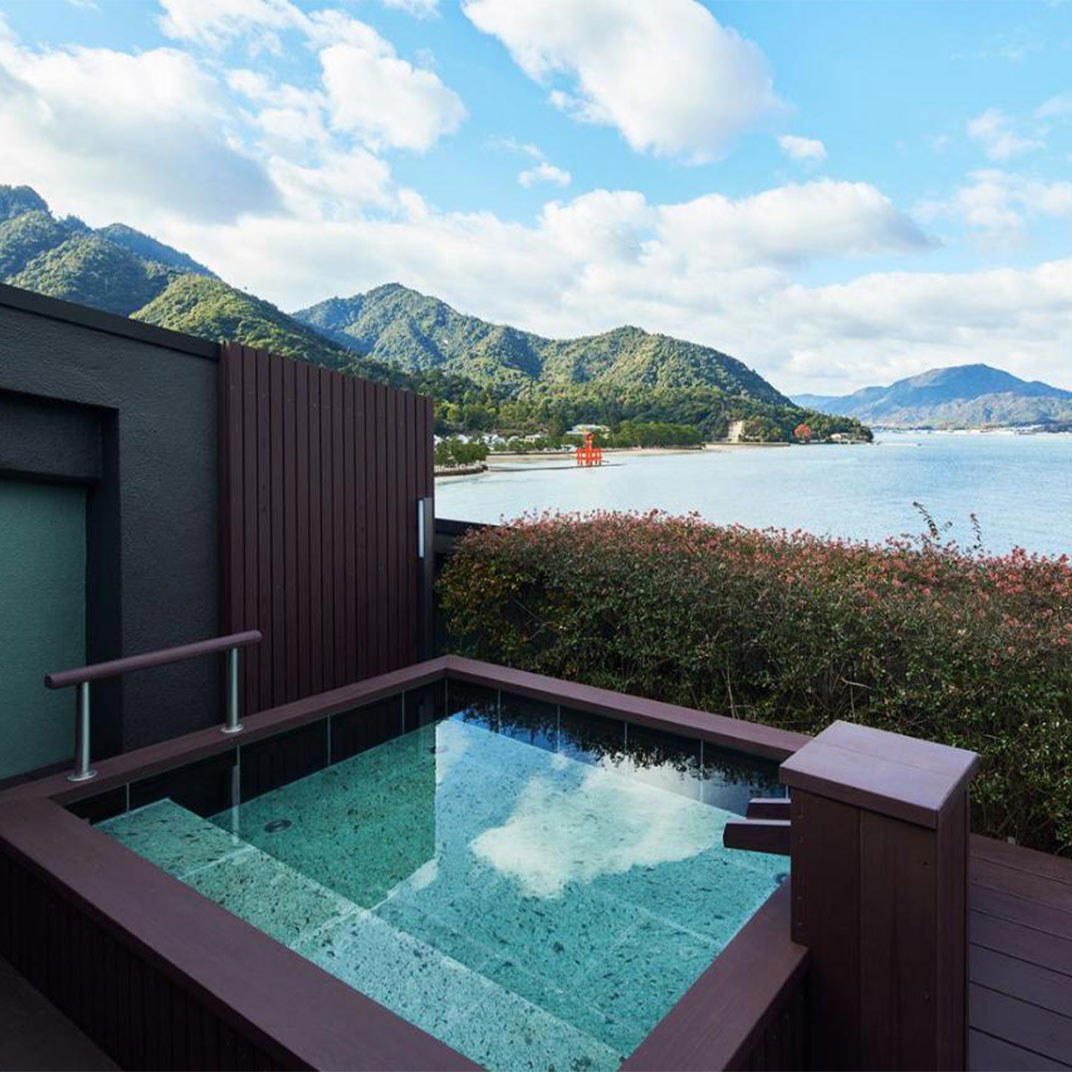
A cozy, low-key luxury ryokan atmosphere with a quiet, traditional Japanese feel and a design rooted in classic onsen architecture.