Naka occupies a measured position in Avignon's evolving modern dining scene, sitting at Place de la Principale in the walled city's inner core. With Avignon's restaurant tier growing more competitive, Naka draws attention as a considered address worth planning around. Visitors approaching from the city's papal monuments will find it within the fabric of the historic centre, where booking strategy and timing matter as much as the meal itself.
Pearl is the En Primeur Club membership app — saves, bookings, and concierge access live there. Same editors, same standards.
- Address
- 4 Pl. de la Principale, 84000 Avignon, France
- Phone
- +33623565570
- Website
- naka-avignon.eatbu.com
- Directions
- Get directions
 Saves & bookings on Pearl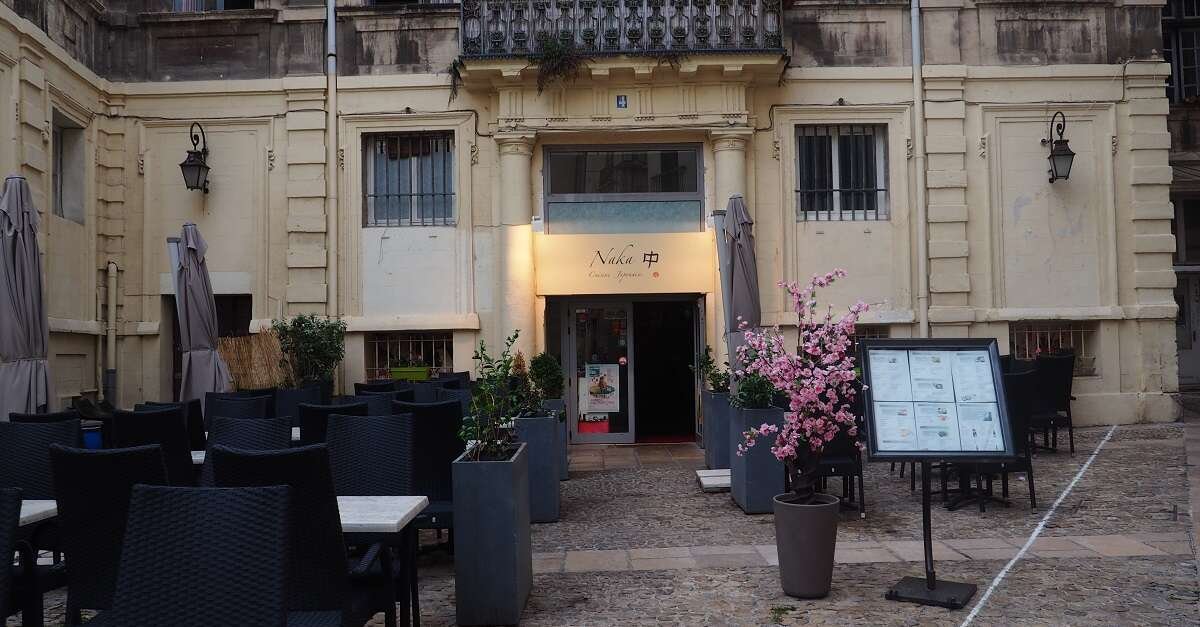
Avignon's Dining Tier and Where Naka Sits Within It
Avignon has spent the last decade consolidating a reputation that extends well beyond its Festival season. The city inside the papal walls now holds a range of restaurants that compete on different axes: historic grandeur, regional produce fidelity, and quiet contemporary ambition. The upper tier, occupied by addresses like La Mirande and La Vieille Fontaine, trades on architectural setting and classical anchoring. A middle tier, which includes places like Pollen and Acte 2, pushes toward modern technique with regional sourcing as the governing principle. Naka, at 4 Place de la Principale, is a traditional Japanese sushi restaurant in Avignon. It carries,189 reviews and sits within this competitive cluster that rewards advance research rather than walk-in impulse.
The address itself signals something. Place de la Principale sits inside the walled city, close enough to the Palais des Papes that foot traffic from tourists is constant, yet the placement on a quieter inner square rather than a main boulevard suggests a deliberate step back from saturated dining corridors. In Avignon as in many French provincial cities of this density, the leading restaurants tend not to chase the highest-footfall locations. They rely on reputation, word of mouth, and increasingly on platforms that filter serious diners from passing trade. That dynamic shapes how you should approach planning a visit here.
The Booking Calculation: When and How to Plan
Avignon's restaurant scene has a seasonality that is more pronounced than most cities of comparable size. The Festival d'Avignon runs through July, and during that window the city's population swells dramatically, putting every seated restaurant under pressure. Serious dining addresses in the walled city see their forward booking windows extend significantly in June and early July. If Naka is your primary reason for visiting during the Festival period, treating the reservation as a logistical anchor point rather than an afterthought is the sensible approach: secure the table first, then build the itinerary around it.
Outside the Festival, Avignon's dining rhythm is driven by the Provence shoulder seasons. Late spring, from April through early June, and autumn, particularly September and October, represent the periods when Rhône Valley produce is at its most expressive and the competition for tables eases. Provençal restaurants throughout the region tend to anchor menus to what is moving through the local markets during these windows, and modern addresses like Naka sit within that tradition even when the approach is contemporary rather than strictly regional-classical. This is when the meal is likely to reflect the place most accurately. For those considering the wider context of serious French dining, addresses like Mirazur in Menton and Bras in Laguiole operate on similar seasonal logic, with produce-driven menus that shift substantially between spring and autumn.
Reading the Address: What the Location Tells You
Arriving at Place de la Principale on foot from the Palais des Papes takes less than ten minutes through the medieval street grid. The square itself is modest in scale, the kind of space that in a French provincial city functions as a neighbourhood node rather than a tourist anchor. That physical modesty is informative. Restaurants that choose these settings are generally not optimising for passing trade volume; they are optimising for a specific kind of diner who arrives with intent. The approach through Avignon's old city, past ochre stone walls and the compressed urban texture of a walled medieval town, gives the arrival a context that larger, more tourist-facing addresses cannot replicate.
For practical logistics, Avignon has two train stations: Avignon TGV, which serves high-speed connections from Paris (roughly 2 hours 40 minutes on the fastest services) and from Marseille, and Avignon Centre on the main line. The walled city is served by Avignon Centre, approximately fifteen minutes on foot from most points inside the ramparts. From the TGV station, a shuttle or taxi to the city centre adds around twenty minutes. For visitors arriving specifically to dine, the city centre station is the more useful arrival point.
Naka in the Broader Modern Dining Conversation
Modern cuisine in the south of France has developed a distinct identity over the past two decades, one that sits in productive tension between classical French technique and Mediterranean informality. The tier of restaurants operating at serious ambition levels in Provence and the Rhône corridor draws comparisons not just within the region but against the broader national conversation. AM par Alexandre Mazzia in Marseille represents one end of that spectrum, where technique becomes almost maximalist. Flocons de Sel in Megève and Auberge de l'Ill in Illhaeusern show how regional identity can be sustained at the highest recognition levels over decades. Nationally, addresses like Troisgros in Ouches, Paul Bocuse in Collonges-au-Mont-d'Or, Assiette Champenoise in Reims, Au Crocodile in Strasbourg, and Alléno Paris au Pavillon Ledoyen define what sustained ambition looks like in the French context. Further afield, Le Bernardin in New York and Atomix in New York show how different culinary traditions operate at comparable levels of precision and intent.
Within Avignon's specific tier, Naka sits alongside Bibendum as an address that approaches the city's dining offer from a modern rather than classically anchored position. For a fuller map of where Naka sits in relation to the city's other serious addresses, the EP Club Avignon restaurants guide provides the comparative context needed to make a considered itinerary decision.
Planning the Visit: What to Know Before You Go
Naka recommends reservations. It is open Monday through Saturday from 12 to 2:30 PM and 7 to 10:30 PM, and closed on Sunday. The average price is about $25 per person. The practical recommendation is to book ahead, particularly during the Festival window when availability compresses rapidly across the whole city.
Dress expectations at serious modern French restaurants in Avignon's walled city tend toward smart-casual as a baseline, with nothing more formal required outside the explicitly grand hotel dining rooms. Arriving on foot from the historic centre is both the practical and one contextually appropriate approach to a square like Place de la Principale.
Comparison Snapshot
Comparable venues nearby, for context on price, style, and recognition.
| Venue | Cuisine | Price | Awards | Notes |
|---|---|---|---|---|
| NakaThis venue — the venue you are viewing | Traditional Japanese Sushi | $$ | Not listed | Not listed |
| La Cour d'Honneur | Seasonal French Bistronomique | $$ | Not listed | Centre Ville |
| L'Explo | Craft Beer Bar with Local Bites | $$ | Not listed | Intra-muros |
| La Fourchette | Provençal French Bistro | $$ | Michelin Plate | historic city centre |
| Restaurant EAT | Modern French Bistro | $$ | Not listed | Historic Center |
| Le Chapelier Toqué | Modern French Bistro | $$$ | Not listed | rue des teinturiers |
Continue exploring
More in Avignon
Restaurants in Avignon
Browse all →
Bars in Avignon
Browse all →
Hotels in Avignon
Browse all →
At a Glance
- Elegant
- Intimate
- Classic
- Date Night
- Casual Hangout
- Open Kitchen
- Sake Program
- Street Scene
Current opening hours
- Monday
- 12–2:30 PM, 7–10:30 PM
- Tuesday
- 12–2:30 PM, 7–10:30 PM
- Wednesday
- 12–2:30 PM, 7–10:30 PM
- Thursday
- 12–2:30 PM, 7–10:30 PM
- Friday
- 12–2:30 PM, 7–10:30 PM
- Saturday
- 12–2:30 PM, 7–10:30 PM
- Sunday
- Closed
Hours can change for holidays and private events. Last verified .
Refined atmosphere respecting Japanese traditions with bar area, traditional seating, wood and exposed stone tables, and pleasant outdoor seating.