Located in Vienna's 11th district, Asahimoto occupies a quieter register than the city's more discussed fine-dining rooms. The address places it outside the First District circuit favoured by expense-account dinners and awards-season crowds, which tells you something about who goes there and why. For visitors willing to look beyond the Ringstrasse, it represents a different kind of Vienna eating.
Pearl is the En Primeur Club membership app — saves, bookings, and concierge access live there. Same editors, same standards.
- Address
- Baudißgasse 4-6, Awarenstraße 5/1/4, 1110 Wien, Austria
- Phone
- +434317674647
- Website
- sushi-asahimoto.at
- Directions
- Get directions
 Saves & bookings on Pearl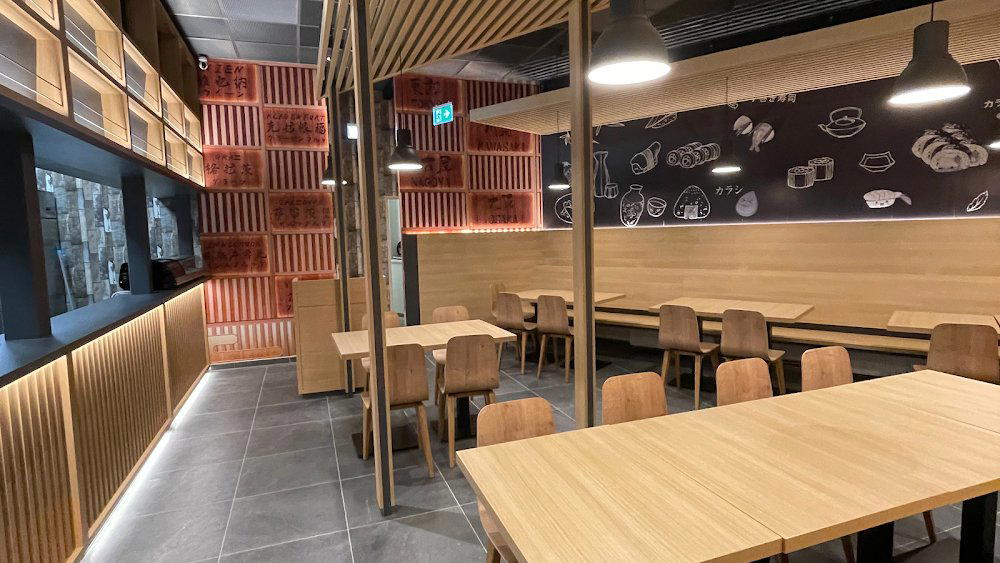
Outside the First District Circuit
Vienna's serious dining conversation tends to collapse into a familiar geography: the First District, the Stadtpark corridor, the addresses that appear on the same short list in every international publication. Asahimoto is an authentic Japanese sushi and ramen restaurant in Vienna's 11th district, with, walk-in-friendly setup. Restaurants like Steirereck im Stadtpark, Amador, and Konstantin Filippou anchor that conversation, each operating in the €€€€ tier and attracting the kind of international attention that drives reservation pressure and public recognition. Asahimoto, at Baudißgasse 4-6 in the 11th district, sits outside that gravitational pull entirely.
The 11th district, Simmering, is not a neighbourhood visitors typically arrive in by design. It is one of the outer ring districts where the city's residential texture reasserts itself after the tourist-facing centre recedes. Coming here from the inner city, you cross a Vienna that most dining guides skip: tram lines, wide residential streets, the unhurried pace of a working district. That context matters, because it shapes what Asahimoto is and who it draws. The address self-selects for a different kind of visitor.
Reading the Room: What the Atmosphere Signals
Vienna has a well-documented tradition of the Beisl, the neighbourhood restaurant that operates on familiarity, regularity, and a certain resistance to spectacle. The leading iterations of that format, from Doubek to the more technically ambitious rooms like Mraz & Sohn, demonstrate how much range exists within the category. Asahimoto's position in Simmering suggests it operates closer to the embedded, neighbourhood end of that spectrum than to the destination-dining end.
Atmosphere at this kind of address tends to run quieter than the curated dining rooms of the First District. There is no room for the choreographed theatre that marks the tasting-menu houses; the experience is more likely shaped by consistency, familiarity, and the particular quality of a room that knows its regular clientele well. For travellers used to the technical ambition of Steirereck or the intellectual precision of Filippou, the register here will read differently, less declarative, more embedded in the everyday life of its district.
The Wine Question in an Outer-District Room
Austria's wine culture is one of the more sophisticated in the German-speaking world, built on Grüner Veltliner and Riesling from the Wachau and Kamptal, on Blaufränkisch from Burgenland, and on a generation of producers who pushed quality dramatically upward from the mid-1990s onward. Vienna itself has its own designation, Wiener Gemischter Satz, the field-blend white produced from vineyards within the city limits, which gives Viennese restaurants a genuinely local wine identity unavailable to most capital cities.
For restaurants outside the First District, wine programs tend to reflect the room's character rather than compete for press attention through cellar depth. The destination fine-dining houses invest heavily in Austrian regional wine breadth, multi-vintage verticals of leading Wachau producers, serious Burgenland red selections, as a way of signalling seriousness and justifying price points. An outer-district address like Asahimoto is more likely to offer a tighter, more functional selection calibrated to its price tier and its regular clientele. That is not a criticism; it reflects the logic of the format. The wine programs at destinations like Taubenkobel in Schützen am Gebirge or Landhaus Bacher in Mautern an der Donau are calibrated to their contexts, too. The standard worth applying here is whether the list serves the food and the occasion, not whether it can be measured against the cellars of the city's most decorated rooms.
What the address and district context suggest is a list built for accessibility rather than collector interest, with Austrian producers likely forming the core of any by-the-glass offering.
Where Asahimoto Sits in the Broader Austrian Picture
Austria's serious restaurant culture extends well beyond Vienna. The country's regional dining circuit includes technically ambitious rooms in the Alps and in wine-producing regions that draw international visitors specifically for the food. Döllerer in Golling an der Salzach, Obauer in Werfen, and Gourmetrestaurant Tannenhof in Sankt Anton am Arlberg each hold positions in their regional scenes that are well-documented and internationally recognised. Ois in Neufelden, Stüva in Ischgl, and Kräuterreich by Vitus Winkler in Sankt Veit im Pongau represent the range of ambition you find outside the capital. Even Schwarzer Adler in Hall in Tirol and Restaurant 141 by Joachim Jaud in Mieming operate within clearly defined regional dining traditions that give them context and legibility for an informed visitor.
Asahimoto lacks that layer of public documentation. That absence shapes how you should approach a visit: with curiosity rather than expectation calibrated to external validation. The comparison point is not a peer room from the Viennese fine-dining circuit, nor a destination restaurant from the Austrian regions. It is, more honestly, the neighbourhood restaurant as a format, assessed on whether it delivers what that format promises rather than what a decorated tasting-menu room would.
Planning a Visit
The address, Baudißgasse 4-6, Awarenstraße 5/1/4, 1110 Wien, places Asahimoto in Simmering, reachable from the city centre by U3 to Simmering station, from which the venue is a short walk or tram ride. No booking method, hours, or price range are confirmed in public records, so arriving with a contingency plan is sensible. The district has none of the First District's density of alternatives, which means an unexpected closure or a full room has more consequence here than it would in the inner city. For those travelling from further afield in Austria, the contrast with the formal regional rooms at Döllerer or Obauer is significant: this is a neighborhood proposition, not a destination-dining one.
A Credentials Check
Comparable venues nearby, for context on price, style, and recognition.
| Venue | Cuisine | Price | Notes |
|---|---|---|---|
| AsahimotoThis venue — the venue you are viewing | Authentic Japanese Sushi & Ramen | $$ | Not listed |
| o.m.k 1010 | Modern Japanese Sushi & Noodle Shop | $$ | Innere Stadt |
| Nikkai | Japanese Fusion | $$ | Inner City |
| Teka Sushi | Traditional Japanese Sushi | $$ | Doebling |
| Ramen Makotoya Landstraße | Japanese Ramen | $$ | Wien-Mitte |
| Takumi Ramen | Authentic Japanese Ramen | $$ | Josefstadt |
Continue exploring
More in Vienna
Restaurants in Vienna
Browse all →
Bars in Vienna
Browse all →
Hotels in Vienna
Browse all →

At a Glance
- Cozy
- Casual Hangout
Current opening hours
- Monday
- Closed
- Tuesday
- 11:30 AM–10 PM
- Wednesday
- 11:30 AM–10 PM
- Thursday
- 11:30 AM–10 PM
- Friday
- 11:30 AM–10 PM
- Saturday
- 11:30 AM–10 PM
- Sunday
- 11:30 AM–3 PM
Hours can change for holidays and private events. Last verified .
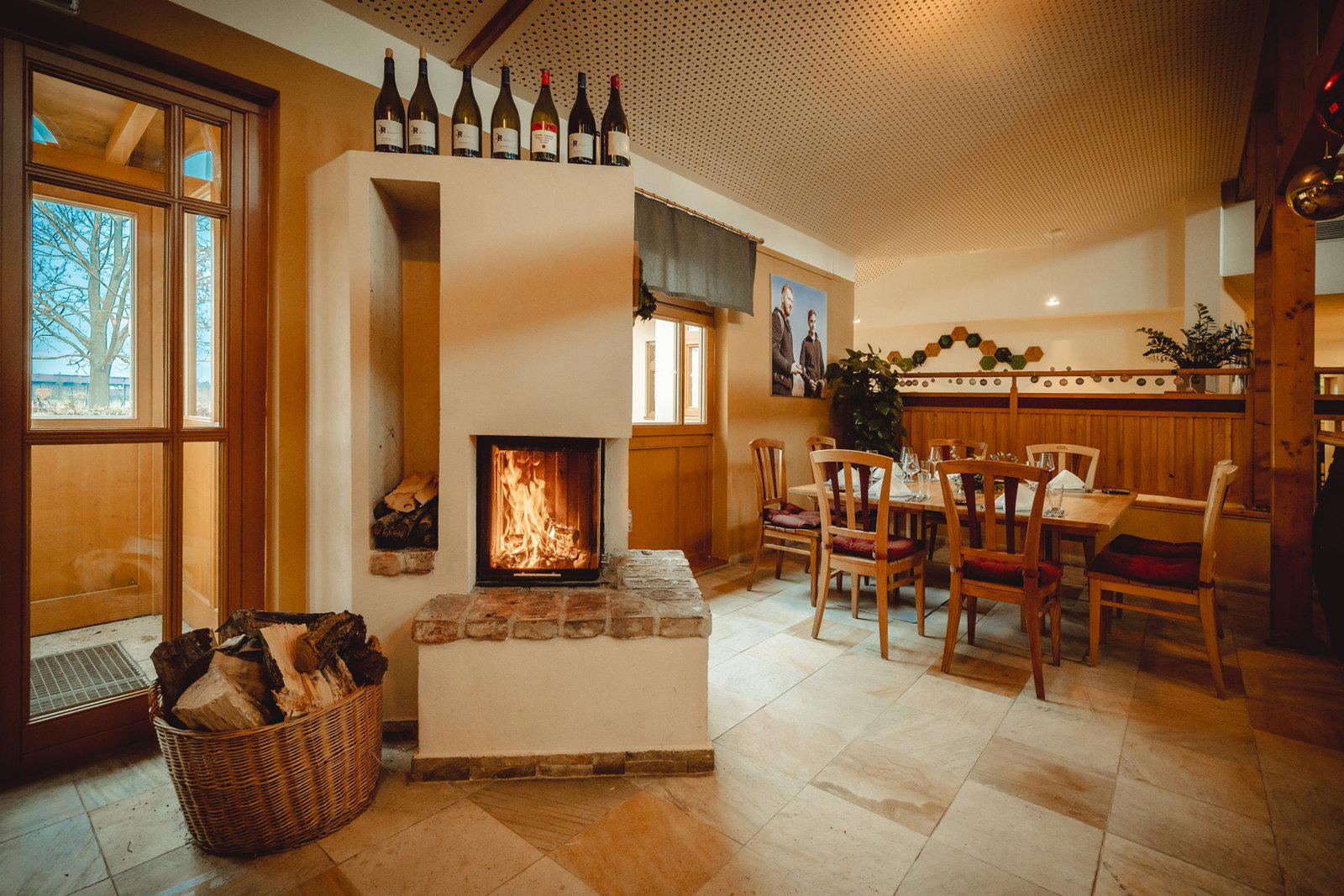
Casual and welcoming atmosphere focused on fresh Japanese cuisine preparation.