
Mutepou Souhon ten gives Kyoto’s ramen conversation a hard pivot away from temple-district polish and kaiseki restraint. In suburban Kizugawa, the format is compact, direct and sensory: ramen and dumplings, meal-ticket ordering, counter and table seating, and repeated Tabelog Ramen WEST 100 selections from 2017 through 2025.
Pearl is the En Primeur Club membership app — saves, bookings, and concierge access live there. Same editors, same standards.
- Address
- Higedani-15-3 Umedani, Kizugawa, Kyoto 619-0212, Japan
- Phone
- +81 774-73-9060
- Website
- muteppou.com
 Saves & bookings on Pearl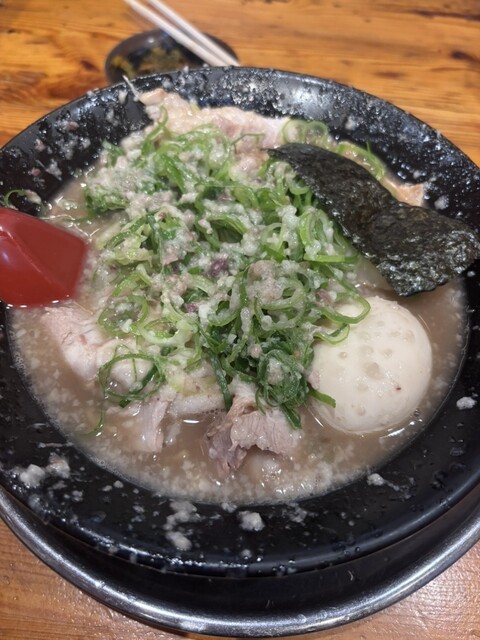
Approaching the Kizugawa address, Kyoto changes register. Machiya lanes, river walks and temple-side tea rooms give way to a utilitarian ramen mood: house-style restaurant, ticket machine, counter seats, table seats and bowls moving through a small room. Mutepou Souhon ten belongs to the Kyoto serious eaters often miss inside the central tourist orbit: appetite, queues, quick decisions and broth-led conviction, not ceremonious pacing.
That contrast matters because Kyoto dining is often flattened into refinement. Kaiseki, wagashi, matcha and tofu have earned their place, but the city and surrounding prefecture also support deep, competitive ramen culture. The Tabelog Ramen WEST 100 list frames that culture, and this shop’s repeated selection from 2017 through 2025 places it among sustained regional ramen references, not passing addresses. Its 3.70 score is less universal verdict than signal of consistency in a category judged by local regulars and destination eaters with little patience for softness.
Kyoto ramen beyond the central dining circuit
The useful reading is geographic. Central Kyoto rewards movement between polished dining rooms, specialist sweets counters and late, quiet bars. Kizugawa asks for a different commitment, outside the usual Kyoto restaurant crawl and closer to the Kansai habit of travelling for a particular bowl than to a sightseeing add-on. The distance sharpens the point: ramen here is not filler between temples; it is the detour.
The format reinforces that directness. Ramen and dumplings define the category; the meal-ticket system removes table negotiation. With 20 seats split between counter and tables, the room belongs to practical Japanese noodle culture: compact, transactional, efficient, but not anonymous. Counter seating changes the meal’s sound. Orders move quickly, diners focus on the bowl, conversation drops beneath eating’s mechanics. In a city where prized meals often depend on sequence and explanation, that compression feels almost defiant.
For Kyoto planning, Mutepou Souhon ten is a useful counterweight to central restaurants such as 3TOKU6MI Shijo karasuma ten, [ki:] and Abbesses. Those addresses suit a different itinerary. This one asks whether a traveller cares enough about ramen to leave the obvious map. For diners interested in Kansai noodle culture as a living habit, not sidebar to Kyoto classicism, the answer should be yes.
The meal-ticket ramen room as sensory shorthand
Ramen shops often communicate through systems before taste. A ticket machine tells the diner how to behave. Counter seats narrow the focus. A no-smoking room keeps attention on steam, broth and pace. Take-out exists, but the essential grammar is the in-room bowl: order, sit, eat while hot, leave the seat for the next person. Travellers expecting Kyoto hospitality’s softness may read that as brusque; it is one of Japan’s clearest dining forms. The pleasure is the lack of ceremony.
The sensory angle needs discipline: specific tasting notes require firsthand evidence, and none are needed here. The public categories, ramen and dumplings, set the rhythm: broth and noodles, with gyoza as the side that turns a solo lunch more substantial. Shochu among the drink options nudges the room beyond pure commuter stop toward flexible local canteen, especially at night.
A family-friendly signal matters in Japan’s ramen taxonomy. Children, including babies and preschoolers, are welcomed, and strollers accepted. That does not make the room slow or hotel-restaurant spacious; it places the shop inside everyday dining life rather than the rarefied visitor economy. Kyoto’s serious food culture is not only hushed rooms. It includes places where locals eat with children, friends and little performance.
For a broader Kyoto food day, contrast helps. A traditional sweets stop such as Aburi Mochi Honke Nemoto Kazariya explains one old Kyoto register; a pork bun run at 551蓬莱 explains another Kansai crowd-pleaser. Ramen in Kizugawa adds a third: regional obsession through repetition, heat and speed. For wider planning, Our full Kyoto restaurants guide is the natural companion, while Our full Kyoto hotels guide, Our full Kyoto bars guide, Our full Kyoto wineries guide and Our full Kyoto experiences guide shape the trip around the meal rather than afterthought logistics.
Who should make the Kizugawa detour
This is wrong for travellers who want every Kyoto meal scenic, bilingual and lingering. It is right for diners who understand that ramen excellence in Japan is often found in small rooms, outside postcard districts, with systems designed to move people through without diluting the food. Reservations are unavailable, aligning the experience with ramen’s democratic side: arrival, patience and timing matter more than concierge access.
Value is part of the story. Kyoto is comfortable with high-ticket dining, especially omakase, kaiseki and chef counters. A ramen shop in the sub-¥1,000 listed range sits in another economy, where judgment is harsher because frequency replaces ceremony. Diners return because the category allows return; repeated Tabelog recognition suggests the shop has held attention in that repeat-visit environment.
Kyoto comparisons should be by intent, not hierarchy. ristorante NAKAMOTO and regal+e belong to different dining languages and help define the prefecture’s breadth, but they do not answer the ramen question. Mutepou Souhon ten does. Its appeal is narrow in the right way: go for ramen, accept the compact format, treat the journey as appetite.
For Japan-wide itineraries, the lesson travels. Not every serious meal needs a tasting menu or view. The same trip might hold beef sukiyaki at -Grilled beef Sukiyaki- KAMAKURA TANUKIAN 鎌倉 たぬき庵 in Kamakura, charcoal-led seafood at. 鮪と炭火焼き うお炭 秋葉原店 in Tokyo, coffee culture at.cafe in Osaka, or contemporary dining at.know in Kumamoto. Beyond Japan, the same instinct applies to focused addresses such as (Shoku) Vietnam in Kawasaki, [Curry Senmon Ten] Maruyama Kyoju. in Sapporo, Jōdo Saké Bar in Los Angeles and Onigiri Time in Pasadena: clarity of purpose can matter more than luxury signals.
The verdict is simple without being soft. Mutepou Souhon ten is for diners willing to let Kyoto be louder, faster and more suburban than the brochure version. The reward is not rarity theatre, but a seat inside durable ramen culture that has earned repeat regional recognition, kept its format plain, and made the detour part of the meal.
Comparable Spots, Quickly
Comparable venues for orientation by cuisine and category.
| Venue | Cuisine | Price | Notes |
|---|---|---|---|
| Mutepou Souhon tenThis venue — the venue you are viewing | Tonkotsu Ramen Shop | $ | Not listed |
| Honke Daiichi Asahi Honten | Classic Kyoto ramen shop | $ | Shimogyō |
| Gyoza Hohei Gion honten | Gyoza specialty shop | $ | Higashiyama |
| Nijo Wakasaya Teramachi ten | Traditional Kyoto wagashi & kakigori cafe | $ | Nakagyō |
| Jukou Gundan | Ramen, tsukemen & maze-soba shop | $ | Sakyō |
| 京都 鶏白湯そば 純 | Kyoto Creamy Chicken Broth Soba | $ | Nakagyo-ku |
Recognition history
Dated appearances from independent guides and award organizations, with the underlying list record or original source where available.
Tabelog 100 #21 · No. 21
Tabelog · Tabelog 100 - Ramen - WEST - 2025
Continue exploring
More in Kyoto
Restaurants in Kyoto
Browse all →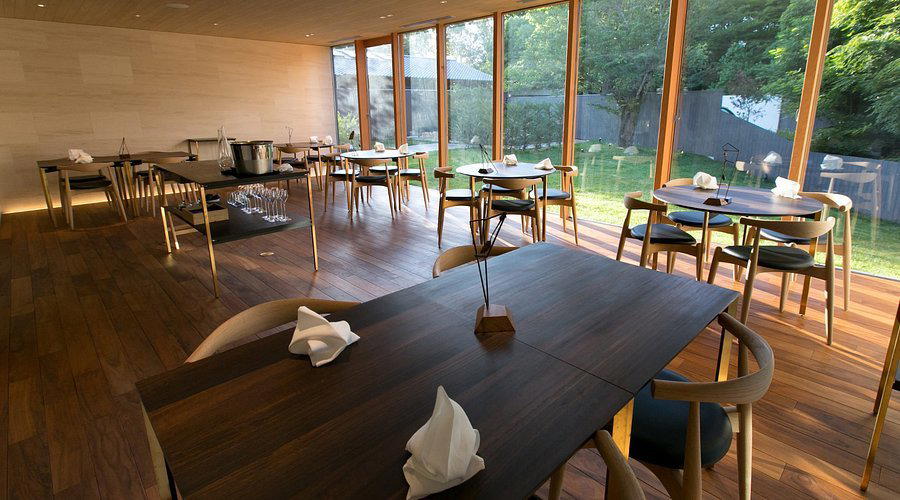



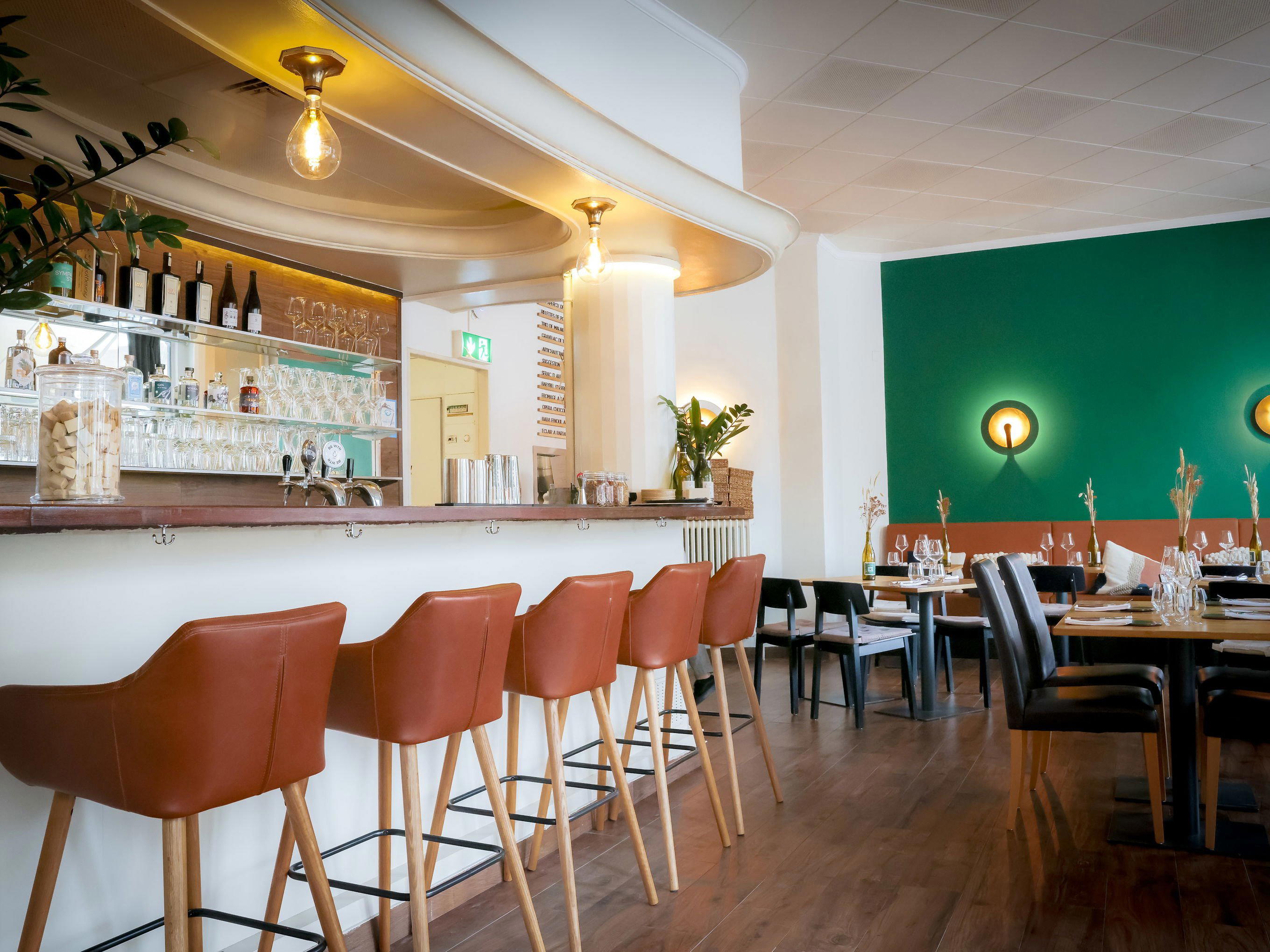
Bars in Kyoto
Browse all →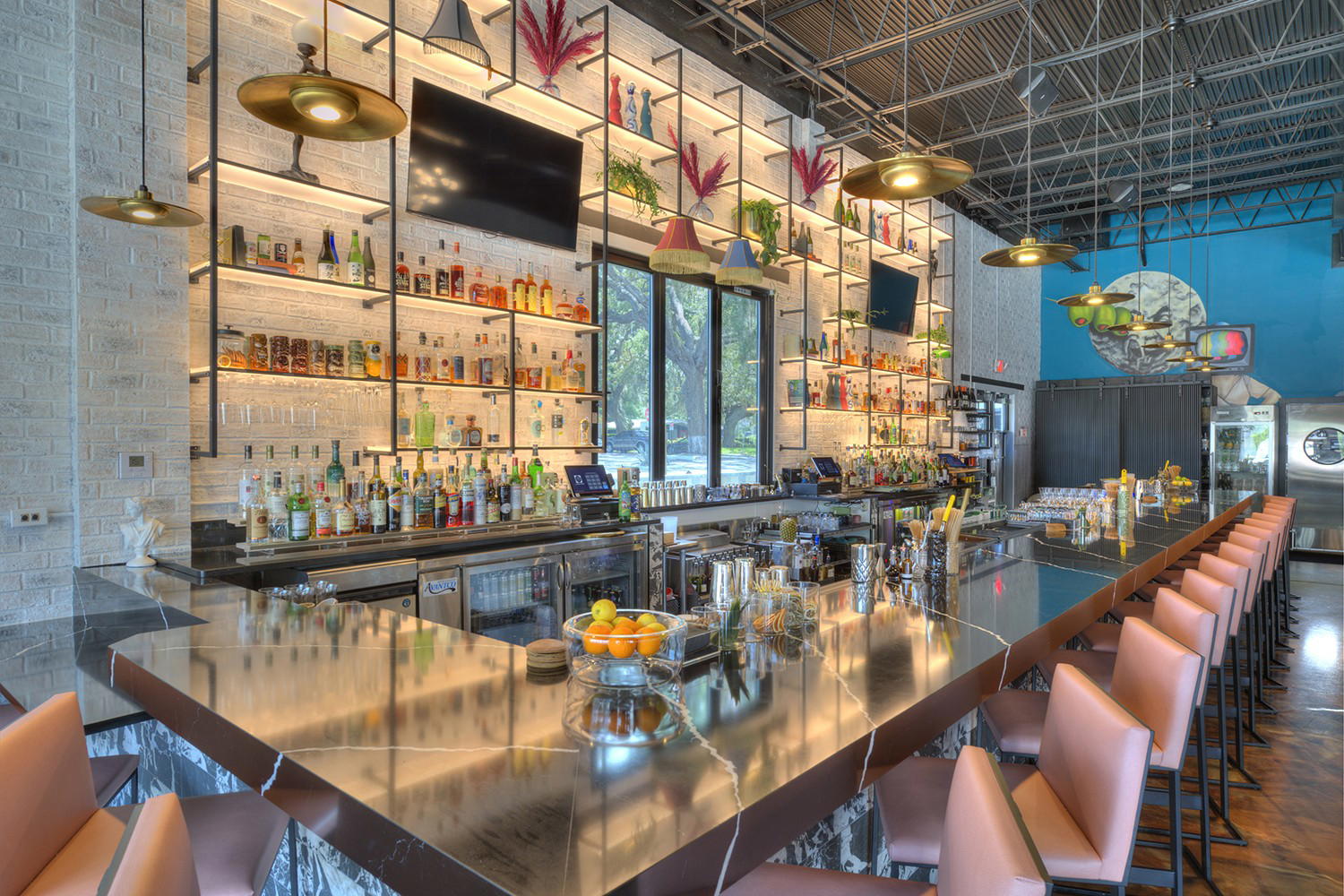

Hotels in Kyoto
Browse all →
Wineries in Kyoto
Browse all →
At a Glance
- Lively
- Rustic
- Solo
- Casual Hangout
- Late Night
- Family
- Standalone
Current opening hours
- Monday
- Closed
- Tuesday
- 11 AM–3 PM, 6–11 PM
- Wednesday
- 11 AM–3 PM, 6–11 PM
- Thursday
- 11 AM–3 PM, 6–11 PM
- Friday
- 11 AM–3 PM, 6–11 PM
- Saturday
- 11 AM–3 PM, 6–11 PM
- Sunday
- 11 AM–3 PM, 6–11 PM
Hours can change for holidays and private events. Last verified .
Casual, no-frills ramen shop with counter-focused seating, bright functional lighting, and a bustling atmosphere driven by quick turnover and ramen slurping rather than leisurely dining.