Moti Mahal in Greater Kailash Part 1 carries one of Delhi's most storied names in North Indian cooking, operating from a first-floor address on M Block. The branch sits within a neighbourhood that draws a mix of local regulars and visitors crossing south Delhi for dependable dal makhani and tandoor work. For context on how it fits the broader Delhi dining picture, see our full city guide.
Pearl is the En Primeur Club membership app — saves, bookings, and concierge access live there. Same editors, same standards.
- Address
- M32 1st floor, part 1, Greater Kailash-1, M Block, Greater Kailash I, Greater Kailash, New Delhi, Delhi 110048, India
- Phone
- +91 96431 55505
- Website
- motimahal.in
- Directions
- Get directions
 Saves & bookings on Pearl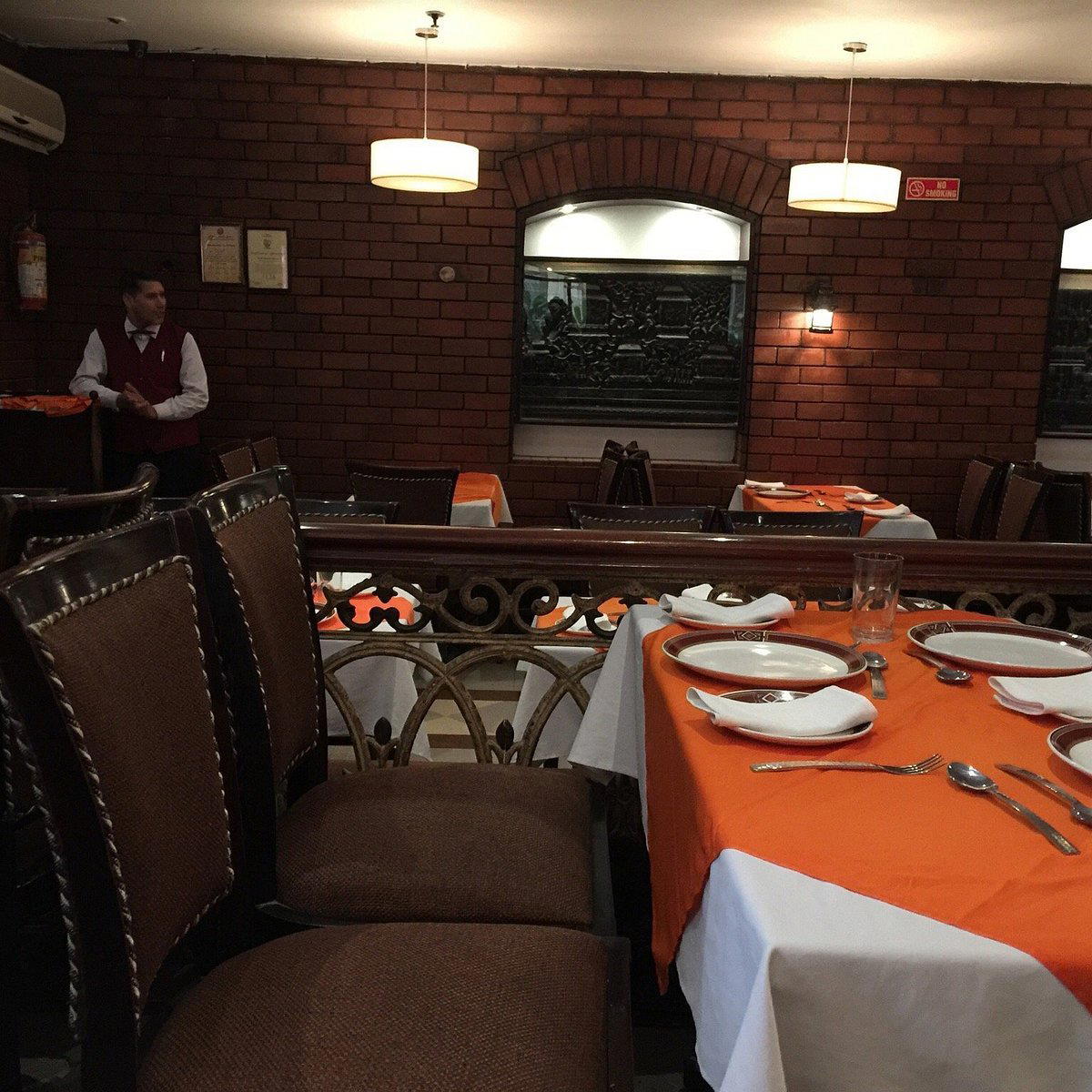
Greater Kailash and the Weight of a Name
In Delhi, few names in North Indian cooking carry as much accumulated history as Moti Mahal. The original Daryaganj outlet is credited in most food histories with codifying butter chicken and dal makhani as restaurant dishes, long before either became global shorthand for Indian food. That origin story now travels with every branch that bears the name, and the Greater Kailash Part 1 outlet on M Block is no exception. Walking up to the first floor on a weekday evening, you are arriving at a place shaped more by what that name means to Delhi's dining memory than by anything the room itself communicates. The neighbourhood around GK-1's M Block is a reliable south Delhi circuit: mid-market clothing, sweets shops, and a cluster of restaurants that draw residents rather than destination traffic. Moti Mahal sits inside that pattern.
Greater Kailash as a dining zone occupies a different register from the hotel-corridor restaurants of Chanakyapuri or the tasting-menu tier that has grown in south Delhi over the past decade. It is a neighbourhood eating district, where regulars cycle through on familiarity and price reliability rather than occasion dining. That context matters when assessing what any branch of Moti Mahal is doing here, and what kind of experience to expect before you climb those stairs.
The Tradition the Kitchen Is Working Within
North Indian restaurant cooking in Delhi operates inside a tradition where the tandoor is the defining piece of equipment and where a handful of dishes, dal makhani and butter chicken chief among them, function almost as credentialing exercises. A kitchen that cannot produce a credible version of either has no standing in this genre, regardless of what else it does well. The Moti Mahal brand, across its various iterations and licensing arrangements, has built its reputation on exactly these dishes. The GK-1 branch inherits that association.
What makes this culinary tradition worth understanding beyond the brand story is the technique itself. Dal makhani, done properly, is a long-cook dish requiring overnight simmering of whole black lentils, slow incorporation of butter and cream, and enough patience to reach a consistency that cannot be rushed. Butter chicken, in its original formulation, depends on tandoor-cooked chicken being finished in a tomato-based sauce with specific fat ratios. Both dishes reward restraint in spicing and punish shortcuts in cooking time. Delhi has many kitchens running serviceable versions; the interesting question at any Moti Mahal outlet is whether the institutional heritage translates into consistent execution at the branch level.
For comparison, Bukhara at ITC Maurya represents the hotel-restaurant end of this same tandoor tradition, with a price point and controlled consistency that reflects its single-site model. Chache Di Hatti operates at the other end of the accessibility spectrum, a street-register chole bhature institution that attracts a different kind of loyalty. Moti Mahal GK-1 sits somewhere between these poles: a branded sit-down restaurant in a mid-market neighbourhood, trading on a name that carries genuine culinary history.
On Beverages and What a Wine List Means Here
The editorial angle of wine curation is genuinely complicated in the context of a traditional North Indian restaurant in a residential south Delhi neighbourhood. India's restaurant wine culture has developed significantly in major cities over the past fifteen years, with domestic producers from Nashik and Bangalore now appearing on serious lists alongside imported labels. However, the default expectation at a neighbourhood-facing Moti Mahal outlet is beer, soft drinks, and a limited spirits selection, rather than a curated cellar. Indian lager, particularly Kingfisher and its domestic peers, remains the standard pairing choice for tandoor-heavy meals in this setting, and that is not a compromise so much as a logical match for the food's spice register.
Where Indian restaurants have built genuine wine programs, they tend to sit in a different tier: hotel dining rooms, modern Indian concept restaurants, or newer formats where a sommelier is part of the proposition. Inja in New Delhi represents the kind of Indian cooking context where a beverage program is treated as an editorial statement. At the neighbourhood restaurant level, the honest assessment is that the beverage experience at Moti Mahal GK-1 is functional rather than curatorial. Readers seeking a beverage-led dining experience in India might look instead at Farmlore in Bangalore or consider how Americano in Mumbai handles the wine question in a different urban context.
Where This Branch Sits in the Delhi Dining Picture
Delhi's restaurant ecosystem has fragmented considerably since the early 2000s. The city now has everything from street-register institutions like Andhra Pradesh Bhavan and Bikanervala in Chandni Chowk to ambitious modern formats and hotel fine-dining. The Moti Mahal name has expanded through multiple branches and licensing arrangements, which means the experience varies more than a single-site restaurant would. The GK-1 branch draws from a south Delhi residential catchment, and the expectation there is reliability and familiarity over novelty. That is a legitimate and defensible niche.
Compared to the destinations further afield in the EP Club India network, such as Adaa at Falaknuma Palace in Hyderabad, Naar in Kasauli, or Dining Tent in Jaisalmer, this is a local restaurant rather than a destination one. The distinction matters for how you plan a visit. You are not coming here for a special-occasion format or a carefully engineered experience. You are coming because you want North Indian tandoor cooking in a sit-down setting in south Delhi, and the Moti Mahal name gives you a reasonable baseline expectation of what that will look like.
Other Indian regional cooking options available through the EP Club network, including Kappa Chakka Kandhari in Chennai, Leela Kerala Terrace in Trivandrum, and Bomras in Anjuna, reflect how differently regional traditions are expressed across the country. Neel in Patiala sits closest to the Punjabi-register cooking that Moti Mahal built its identity around. Internationally, the craft-driven restaurant model at places like Le Bernardin in New York City or Lazy Bear in San Francisco represents a completely different set of expectations about what a restaurant visit is for.
Planning Your Visit
The M Block address in Greater Kailash Part 1 puts this restaurant in a walkable retail strip, accessible from the GK-1 M Block Market area. The first-floor location means it is not street-visible in the way a ground-floor restaurant would be. Current hours are Monday through Sunday, 12 PM to 12 AM. Reservations are recommended, and the price tier is moderate. North Indian restaurant dining in this tier tends to be casual in format, with no dress expectation beyond smart-casual, and the meal structure follows an ordering model rather than a set menu. Lunch service generally draws the neighbourhood crowd; evenings can be busier, particularly on weekends, when south Delhi families cycle through the GK market area. For those exploring the Curry Kitchen end of the spectrum or building a broader Delhi itinerary, this branch works well as a local dinner option.
A Quick Peer Check
Comparable venues nearby, for context on price, style, and recognition.
| Venue | Cuisine | Price | Notes |
|---|---|---|---|
| Moti Mahal - Greater Kailash part 1This venue — the venue you are viewing | Authentic Mughlai & North Indian | $$ | Not listed |
| Gulati Restaurant, Pandara Road | Classic North Indian Mughlai | $$ | Pandara Road |
| SodaBottleOpenerWala | Authentic Parsi & Bombay Street Food | $$ | Khan Market |
| Farzi Cafe | Modern Indian Fusion | $$$ | Connaught Place |
| Hotel Saravana Bhavan | Authentic South Indian Vegetarian | $$ | Connaught Place |
| Chache Di Hatti | Well-known Punjabi Chole Bhature | $ | Kamla Nagar |
At a Glance
- Classic
- Well Known
- Family
- Group Dining
- Business Dinner
- Historic Building
Current opening hours
- Monday
- 12 PM–12 AM
- Tuesday
- 12 PM–12 AM
- Wednesday
- 12 PM–12 AM
- Thursday
- 12 PM–12 AM
- Friday
- 12 PM–12 AM
- Saturday
- 12 PM–12 AM
- Sunday
- 12 PM–12 AM
Hours can change for holidays and private events. Last verified .
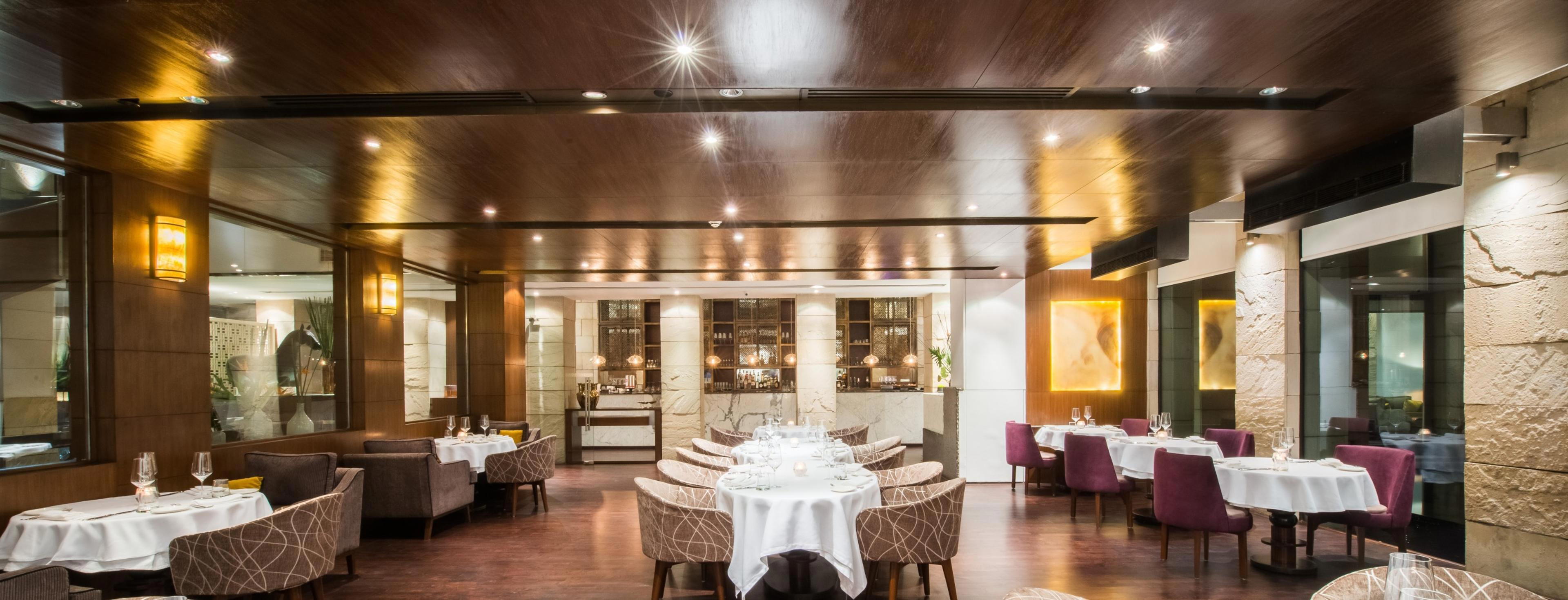
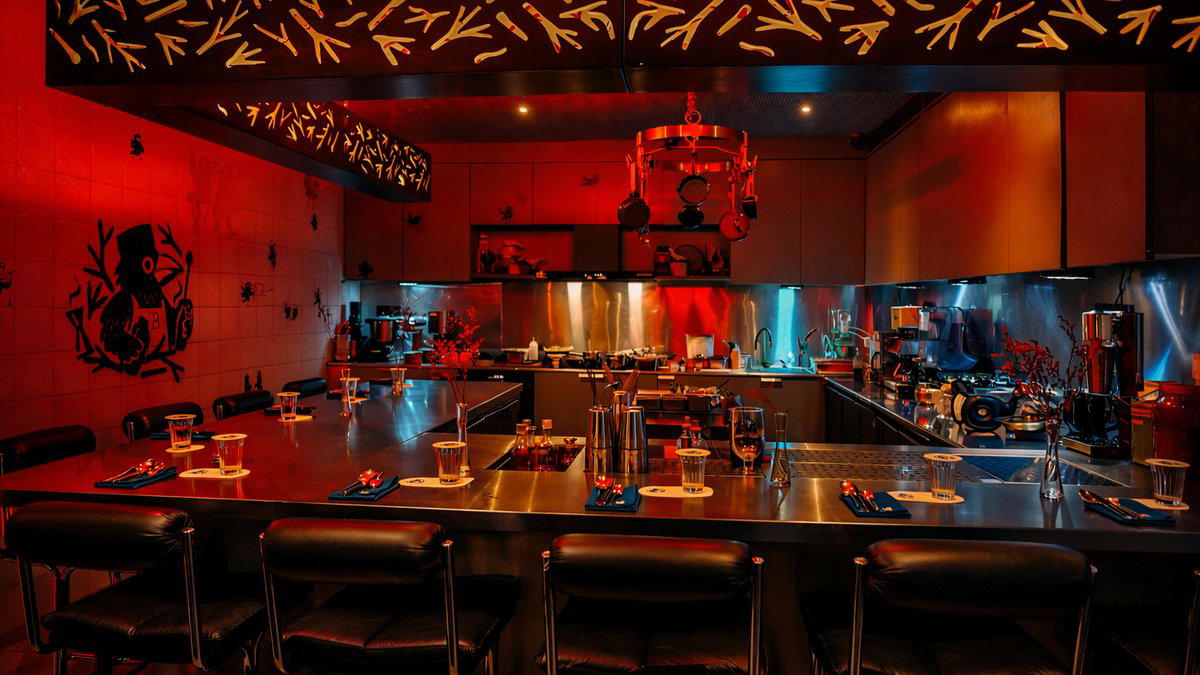
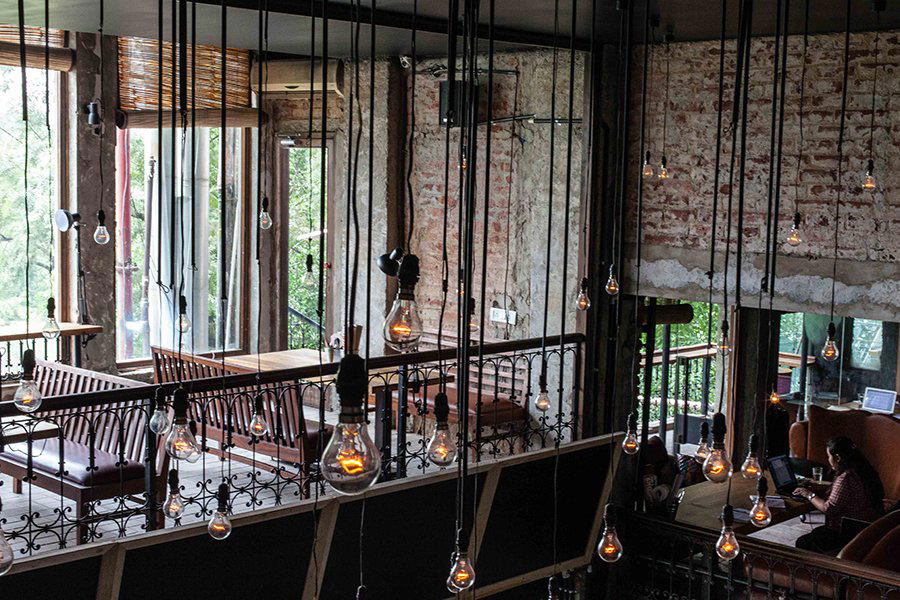
Classic decor with a cozy, old-world feel, though some note it feels dated or cramped.