Our verdict
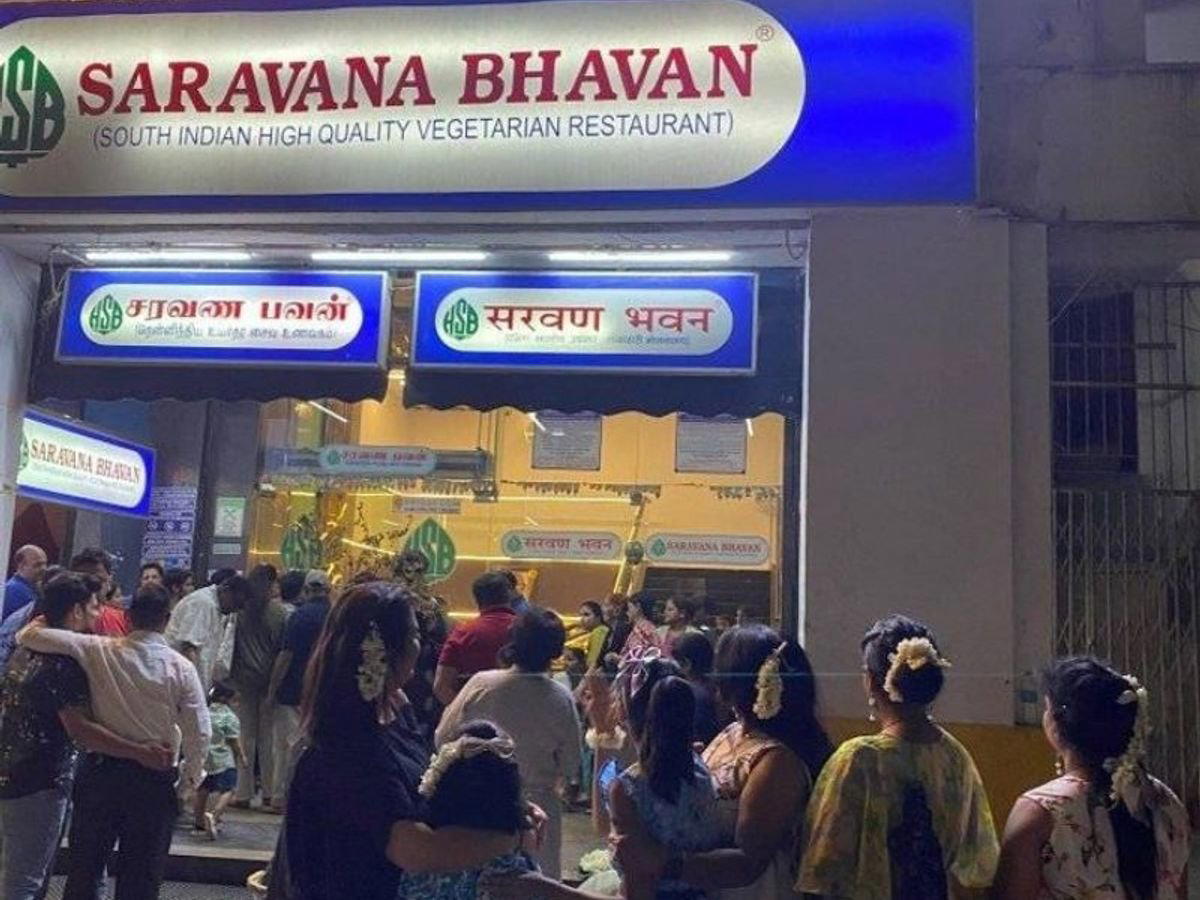
The chain's Chennai origins and decades of institutional presence have made it a reference point for idli, dosa, and filter coffee in a city where those dishes are often afterthoughts.

Pearl is the En Primeur Club membership app — saves, bookings, and concierge access live there. Same editors, same standards.
- Address
- P-13/90, Connaught Cir, Block B, Connaught Place, New Delhi, Delhi 110001, India
- Phone
- +91 11 2334 7755
- Hours
- Daily 8 AM–11 PM
- Website
- saravanabhavan.com
- Directions
- Get directions
The menu
What to order
- Ghee Paper Roast Dosa
- Coconut Rava Masala Dosa
- Mini Idli Sambar
- Filter Coffee
- Rava Khichdi
That kind of loyalty is not accidental. In a city where North Indian wheat-and-dairy cooking dominates most menus, a South Indian vegetarian kitchen operating at consistent quality over many years occupies a distinct and reliable position. The format is familiar to anyone who has eaten at the chain's other outposts: a tiered menu of tiffin items in the morning, full meal thali plates at lunch, and a dessert and snack list that runs across the day.
The Unwritten Menu
Every long-running restaurant has two menus: the printed one and the one that regulars carry in their heads. At Saravana Bhavan, the latter tends to center on a few non-negotiable items.
Dosa varieties, from the plain to the masala to the rava, draw a second tier of regulars: those who come specifically for the fermented batter's sourness and the thin, crisped edges that a properly seasoned tawa produces. South Indian vegetarian cooking of this type relies heavily on process discipline, fermentation timing, temperature control, the quality of the coconut used in chutneys, rather than on headline ingredients or theatrical presentation. The consistency regulars return for is a consistency of process, and when it holds, the food lands with an accuracy that more expensive kitchens sometimes fail to match. Kappa Chakka Kandhari in Chennai operates in a different register, focused on Kerala tradition with a more contemporary editorial approach. Leela Kerala Terrace in Trivandrum takes that regional tradition to a luxury-hotel setting.
What Saravana Bhavan represents, by contrast, is the democratization of South Indian vegetarian cooking in cities far from its origin. The chain's expansion across India and internationally was driven by the South Indian diaspora's need for a reliable, affordable, and culturally accurate kitchen in cities where such options were thin.
Elsewhere in India's Restaurant Scene
For travelers moving through the subcontinent, Indian dining operates across radically different registers. At the precision end, Farmlore in Bangalore takes a farm-to-table approach rooted in Karnataka produce, while Adaa at Falaknuma Palace in Hyderabad, while Bomras in Anjuna and Dining Tent in Jaisalmer work within destination-specific contexts. Neel in Patiala anchors Punjabi hospitality at a different scale. Against all of these, Saravana Bhavan operates as something categorically distinct: a reliable, process-driven, format-consistent institution whose value lies precisely in not being experiential or experimental.
For international reference points on what sustained institutional quality looks like in a very different context, Le Bernardin in New York City and Lazy Bear in San Francisco sit at the opposite end of the formality and price spectrum, but share the same underlying premise: regulars return because the kitchen does not drift. Americano in Mumbai offers a further contrast point within India's own metro dining scene. Mornings are the strongest time to visit for tiffin items; the kitchen runs its full menu across the day but the idli-dosa-sambar combination is leading ordered in the first half of the day when turnover is highest and the batter is freshest. The dining room operates at a pace suited to quick meals rather than extended table time, and queuing is common during peak lunch hours on weekdays. No advance booking is typically required or expected, the format is walk-in, and seating turns over at a speed consistent with the price point and the demand.
Frequently asked questions
What part of town is Hotel Saravana Bhavan in?
Hotel Saravana Bhavan is located at P-13/90, Connaught Cir, Block B, Connaught Place, New Delhi, Delhi 110001, India, Delhi.
How does Hotel Saravana Bhavan fit into the wider Saravana Bhavan network across India?
The Saravana Bhavan name originated in Chennai and expanded to become one of the most widely distributed South Indian vegetarian brands on the subcontinent, with branches across major Indian cities and internationally. The Connaught Place location at P-13/90, Block B, New Delhi brings that South Indian vegetarian format into the heart of the capital, where the cuisine does not have the same deep local roots as it does in Tamil Nadu or Bengaluru. That context matters: what reads as everyday in Chennai reads as a considered alternative in Delhi.
What do people recommend at Hotel Saravana Bhavan?
Regulars at the Connaught Place branch tend to gravitate toward the South Indian staples the chain built its reputation on: dosas, idlis, and filter coffee. The printed menu is extensive, but the items that draw repeat visits are almost always in that core South Indian breakfast and tiffin category. For first-timers at the Block B location, ordering from that section is the most reliable entry point.
Do I need a reservation for Hotel Saravana Bhavan?
Saravana Bhavan at Connaught Circle operates as a walk-in restaurant in the South Indian canteen tradition — reservations are not part of the format. Peak hours, particularly weekday lunchtimes when the surrounding office blocks empty out, can mean a short queue. Arriving before the midday rush or mid-afternoon typically means quicker seating at the Block B address.
What makes Hotel Saravana Bhavan worth seeking out?
The Connaught Place branch puts one of India's most consistently executed South Indian vegetarian formats inside Delhi's most central commercial district, steps from Rajiv Chowch metro. In a city where vegetarian dining is dominated by Rajasthani thali traditions and North Indian street food, a kitchen focused on Tamil-rooted tiffin cooking occupies a specific and less crowded position. It draws a cross-section of Delhi — civil servants, office workers, families — which says something about durability rather than novelty.
Cuisine Context
Comparable venues nearby, for context on price, style, and recognition.
| Venue | Cuisine | Price | Awards | Notes |
|---|---|---|---|---|
| Hotel Saravana BhavanThis venue — the venue you are viewing | Authentic South Indian Vegetarian | $1–10 | Not listed | Not listed |
| Khan Chacha - Khan Market | Authentic Mughlai Kebabs & Rolls | $10–20 | Not listed | Khan Market |
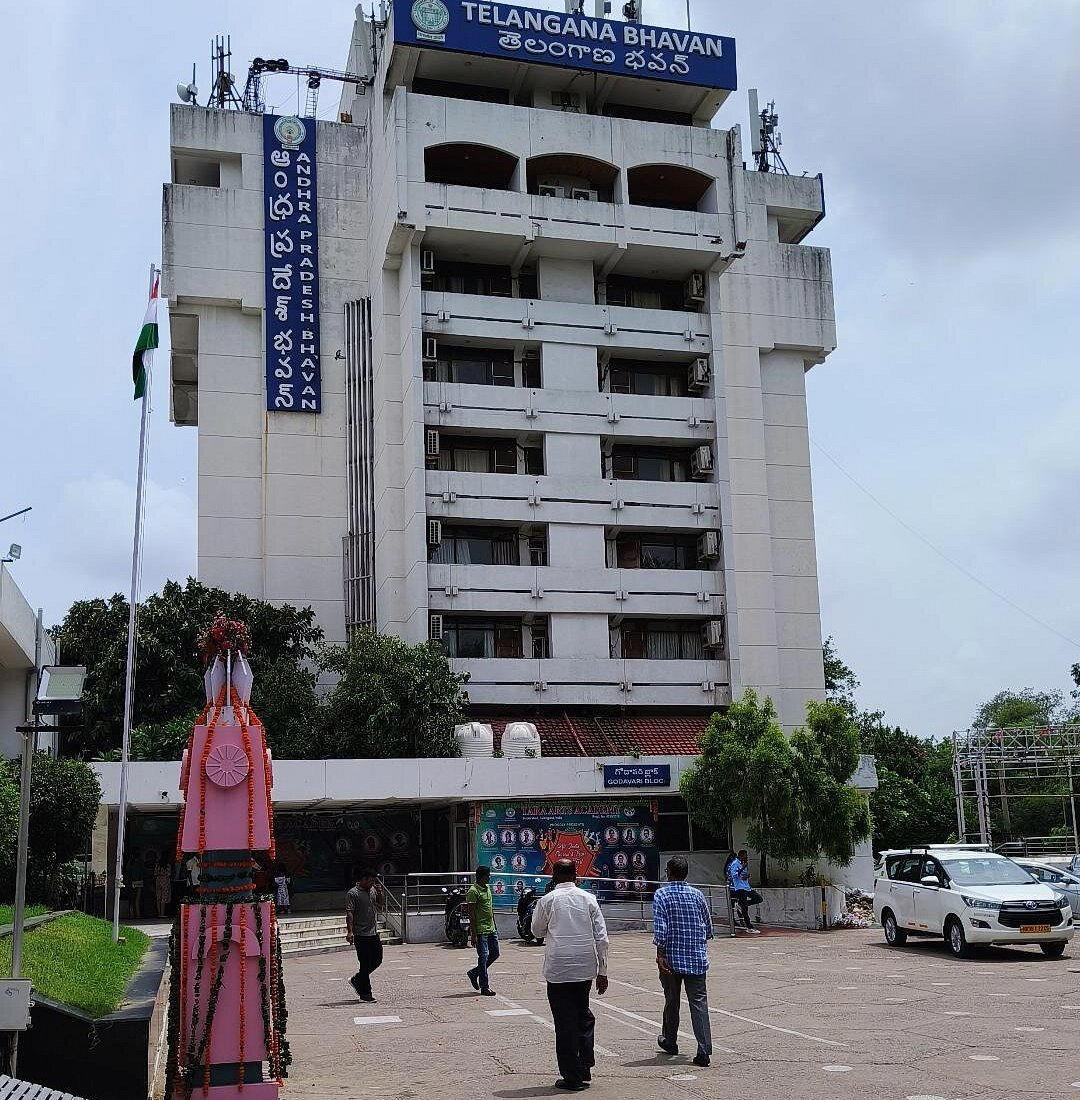
| Andhra Pradesh Bhavan | Authentic Andhra South Indian | Not listed | Not listed | near India Gate |
| Bukhara Restaurant | North West Frontier Tandoori | $30–50 | World's 50 Best #37 · La Liste Top Restaurants | Diplomatic Enclave |
| Gulati Restaurant, Pandara Road | Classic North Indian Mughlai | $10–20 | Not listed | Pandara Road |
| Farzi Cafe | Modern Indian Fusion | $20–30 | Not listed | Connaught Place |
Continue exploring
More in Delhi
Restaurants in Delhi
Browse all →

Details
- Classic
- Cozy
- Well Known
- Casual Hangout
- Family
- Group Dining
- Brunch
- Standalone
- A La Carte
- Family Style
- Filter Coffee
- Vegetarian Friendly
- Vegan Options
- Gluten Free Options
Current opening hours
- Monday
- 8 AM–11 PM
- Tuesday
- 8 AM–11 PM
- Wednesday
- 8 AM–11 PM
- Thursday
- 8 AM–11 PM
- Friday
- 8 AM–11 PM
- Saturday
- 8 AM–11 PM
- Sunday
- 8 AM–11 PM
Hours can change for holidays and private events. Last verified .
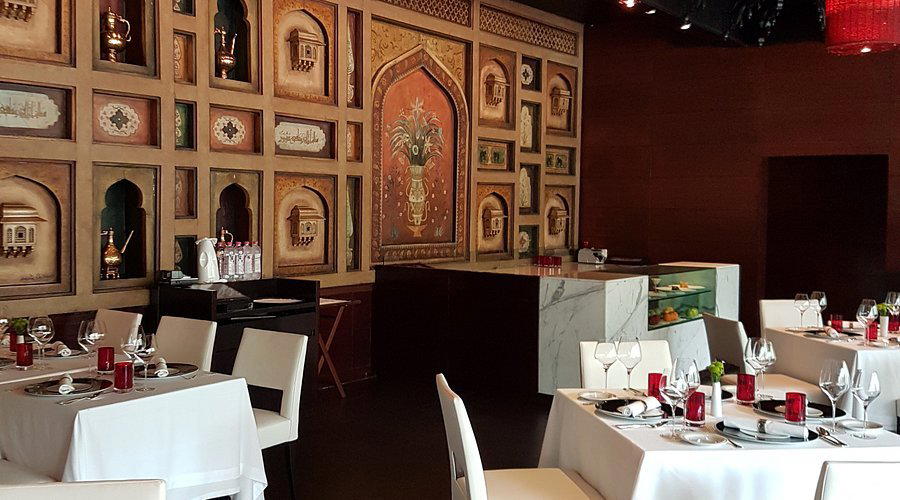
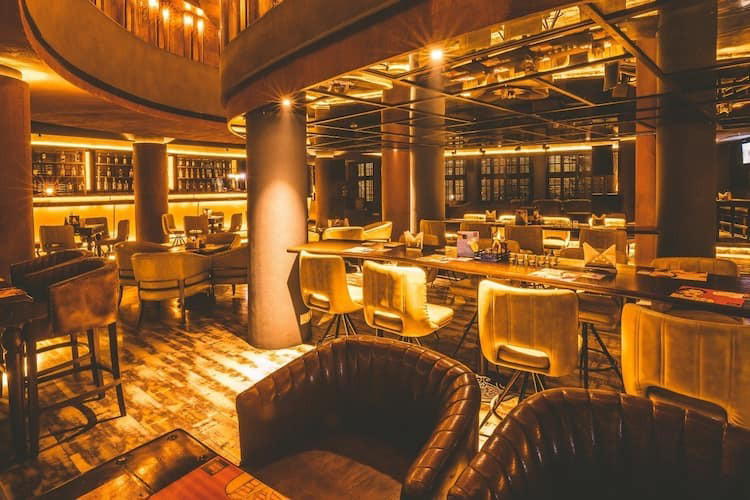
Warm and welcoming atmosphere celebrating South Indian culinary traditions with home-style cooking ambiance.