MOMOYA occupies a quiet address in Vienna's first district, at Börsegasse 3, drawing a loyal crowd that returns for what the kitchen does rather than what the room announces. The restaurant sits within a dense cluster of serious dining in the Innere Stadt, where regulars tend to self-select early and hold their tables firmly. For visitors, that pattern is itself a signal worth reading.
Pearl is the En Primeur Club membership app — saves, bookings, and concierge access live there. Same editors, same standards.
- Address
- Börsegasse 3, 1010 Wien, Austria
- Phone
- +434315350392
- Website
- momoya.at
- Directions
- Get directions
 Saves & bookings on Pearl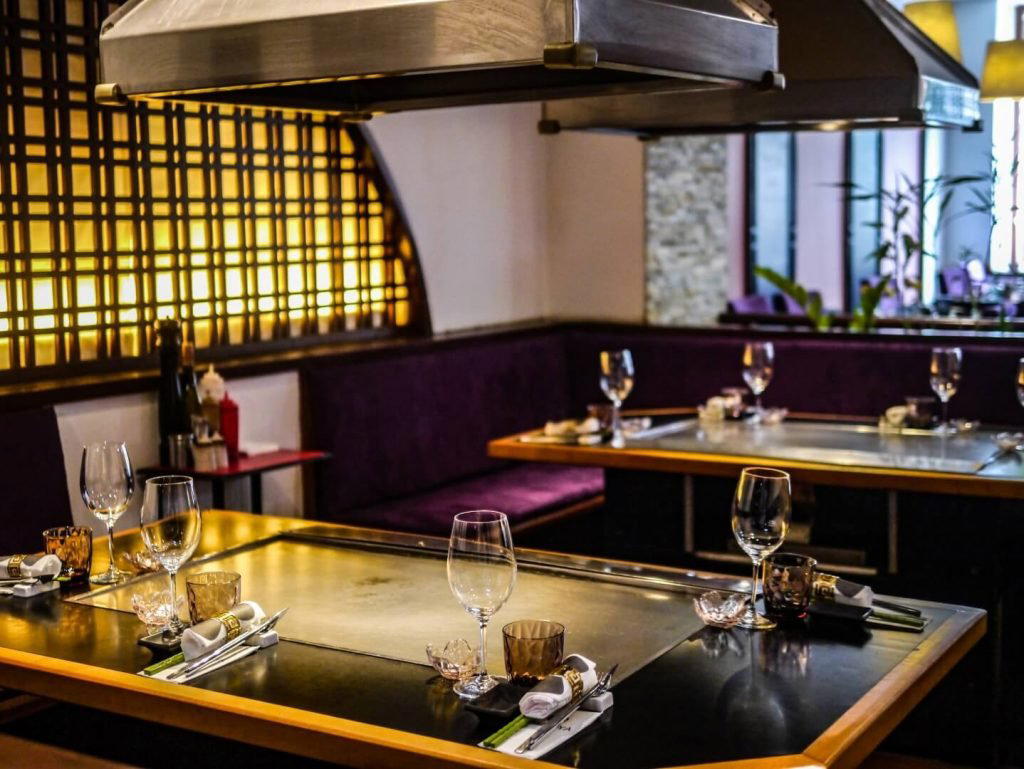
What the First District Regulars Already Know
Vienna's first district, the Innere Stadt, does not reward casual drift. The streets around the Börse and the Ringstrasse are dense with options that range from tourist-facing Wiener Schnitzel houses to some of Austria's most seriously considered cooking. Within that grid, Börsegasse is a short, unglamorous stretch, not a destination address in any obvious sense. Which is precisely why a room that fills with the same faces, week after week, says something worth paying attention to. In a city where Steirereck im Stadtpark and Konstantin Filippou occupy a prominent place in the critical conversation, the restaurants that sustain loyal local clientele without constant award-cycle noise represent a different kind of authority.
MOMOYA is a Japanese Fusion Sushi & Teppanyaki restaurant at Börsegasse 3 in Vienna's first district. The room doesn't announce itself from the street. Regulars don't need it to. The pattern of return visits, the surest measure of a kitchen's consistency, is what keeps a place like this operating in one of Europe's most competitive dining districts.
A City Accustomed to Discretion
Vienna has a specific relationship with its own dining culture that visitors sometimes misread. The city's most serious eaters tend toward discretion over spectacle, and the restaurants they claim as their own reflect that. The high-visibility tier, anchored by places like Amador and Mraz & Sohn, operates with Michelin recognition and international press. Below and beside that tier sits a stratum of restaurants that Viennese professionals, families, and habitual diners have adopted without necessarily broadcasting the fact.
The first district concentrates both tiers. Within a few minutes' walk of Börsegasse, you have formal tasting-menu operations and brasserie-style rooms that have barely changed their menus over time. What determines which category a restaurant falls into is less the food style than the relationship the kitchen builds with its repeat clientele. When a restaurant in this part of Vienna fills without significant marketing, the explanation is almost always the same: the regulars are doing the work.
That dynamic shapes how a visitor should approach MOMOYA. The useful question is not what the awards say, it's what the presence of a consistent regular crowd implies about the kitchen's reliability and the room's atmosphere on a given Tuesday evening versus a Saturday. Both answers tend to be affirmative in this category of Innere Stadt restaurant.
The Unwritten Menu, What Keeps Regulars Returning
In any city, the restaurants that sustain loyal clientele over time share a particular quality: they have, in effect, two menus. One is printed. The other is assembled from the accumulated preferences of people who have eaten there enough times to know what the kitchen does particularly well on which days, which table suits a business dinner versus a long lunch, and which moments in the meal reward patience rather than speed.
Vienna's restaurant culture is especially hospitable to this kind of accumulated knowledge. The Viennese cafe and restaurant tradition has always valued the regular, the Stammgast, as the structural backbone of a room. Restaurateurs here understand that a table held by a repeat diner three times a month is worth more than three separate covers filled by visitors who will never return. The implication for first-time visitors is practical: arriving with a degree of attention to how the room operates, rather than defaulting to the printed menu and a quick exit, tends to produce a more satisfying experience.
At an address like Börsegasse 3, in a district where Doubek and a cluster of other locally embedded restaurants operate on similar principles, the room itself communicates a great deal. Watch the tables that have clearly been here before. Note which dishes arrive without being ordered from the menu proper. That's the editorial content that no review can fully capture.
Placing MOMOYA in Vienna's Broader Dining Pattern
Vienna's fine dining tier is internationally recognized, with Austria's restaurant scene extending well beyond the capital. The Michelin-recognized addresses range from Döllerer in Golling an der Salzach and Obauer in Werfen to Alpine addresses like Griggeler Stuba in Lech and Gourmetrestaurant Tannenhof in Sankt Anton am Arlberg. Within Vienna itself, the formal creative cooking tier is anchored by a handful of names that dominate both critical attention and international booking traffic.
The restaurants that operate slightly outside that spotlight, consistent, locally embedded, not dependent on award cycles, function as a different kind of benchmark. They serve the city's own eating habits rather than its tourism economy, and their clientele notices the difference. For a visitor who has already worked through the obvious first-district destinations, or who is looking for a room with fewer international tables and more Viennese ones, this stratum of restaurant represents the more instructive option.
For comparison, the high-attention creative cooking category in Vienna, the tier occupied by Steirereck im Stadtpark, requires booking weeks to months ahead and operates on a different economy of access. A restaurant at Börsegasse 3 occupies a different position in that system: easier to access, more embedded in the daily rhythm of the city, and evaluated by its regulars on criteria that have less to do with innovation and more to do with consistency.
Planning Your Visit
Börsegasse 3 sits in Vienna's first district, within walking distance of the Börse U-Bahn stop and easily reachable from the central Ring. The Innere Stadt is compact enough that most visitors based in the first or adjacent districts can reach the address on foot from major hotels.
| Restaurant | District | Price Tier | Style | Booking Lead Time (approx.) |
|---|---|---|---|---|
| MOMOYA | 1st (Innere Stadt) | Not confirmed | Not confirmed | Consult directly |
| Steirereck im Stadtpark | 3rd (Stadtpark) | €€€€ | Creative | Weeks to months ahead |
| Konstantin Filippou | 1st (Innere Stadt) | €€€€ | Modern European | Several weeks ahead |
| Mraz & Sohn | 20th (Brigittenau) | €€€€ | Modern Austrian, Creative | Several weeks ahead |
| Amador | 1st (Innere Stadt) | €€€€ | Creative | Several weeks ahead |
Price and Positioning
Comparable venues nearby, for context on price, style, and recognition.
| Venue | Cuisine | Price | Notes |
|---|---|---|---|
| MOMOYAThis venue — the venue you are viewing | Not listed | $$$ | Not listed |
| Benkei | Landstraße, Authentic Japanese Sushi | $$$ | Not listed |
| Mari's Metcha Matcha | Not listed | $$ | Hofburg, Authentic Japanese Tapas & Matcha Café |
| IKO | Not listed | $$ | Stephansdom, Modern Japanese Sushi & Asian Fusion |
| Daihachi | Not listed | $$ | Inner City, Traditional Japanese Sushi Bar |
| Teka Sushi | Doebling, Traditional Japanese Sushi | $$ | Not listed |
Continue exploring
More in Vienna
Restaurants in Vienna
Browse all →
Bars in Vienna
Browse all →
Hotels in Vienna
Browse all →
At a Glance
- Modern
- Elegant
- Trendy
- Date Night
- Business Dinner
- Casual Hangout
- Open Kitchen
- Terrace
- Sake Program
Current opening hours
- Monday
- 11:30 AM–10:30 PM
- Tuesday
- 11:30 AM–10:30 PM
- Wednesday
- 11:30 AM–10:30 PM
- Thursday
- 11:30 AM–10:30 PM
- Friday
- 11:30 AM–10:30 PM
- Saturday
- 12–10:30 PM
- Sunday
- 12–10:30 PM
Hours can change for holidays and private events. Last verified .
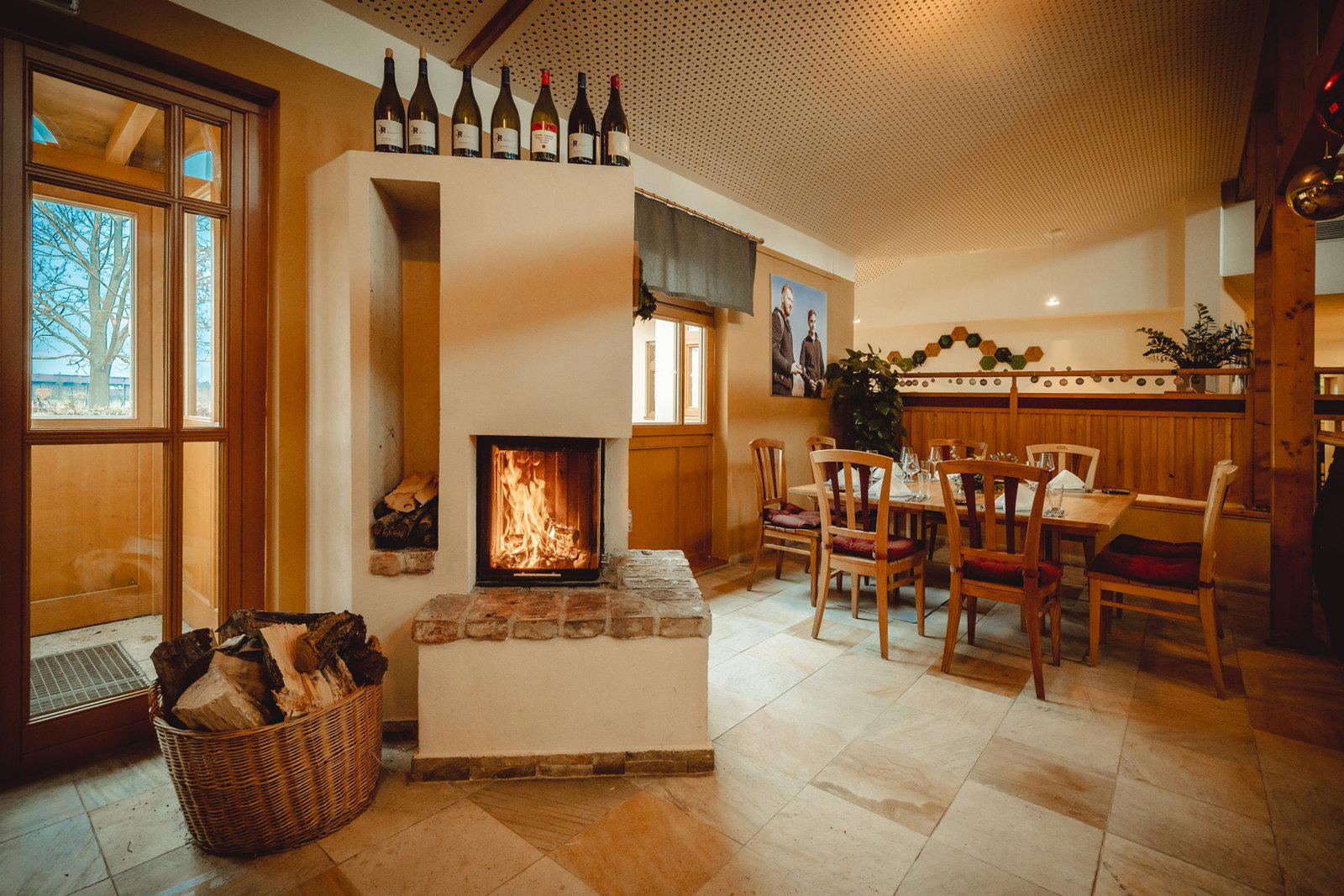
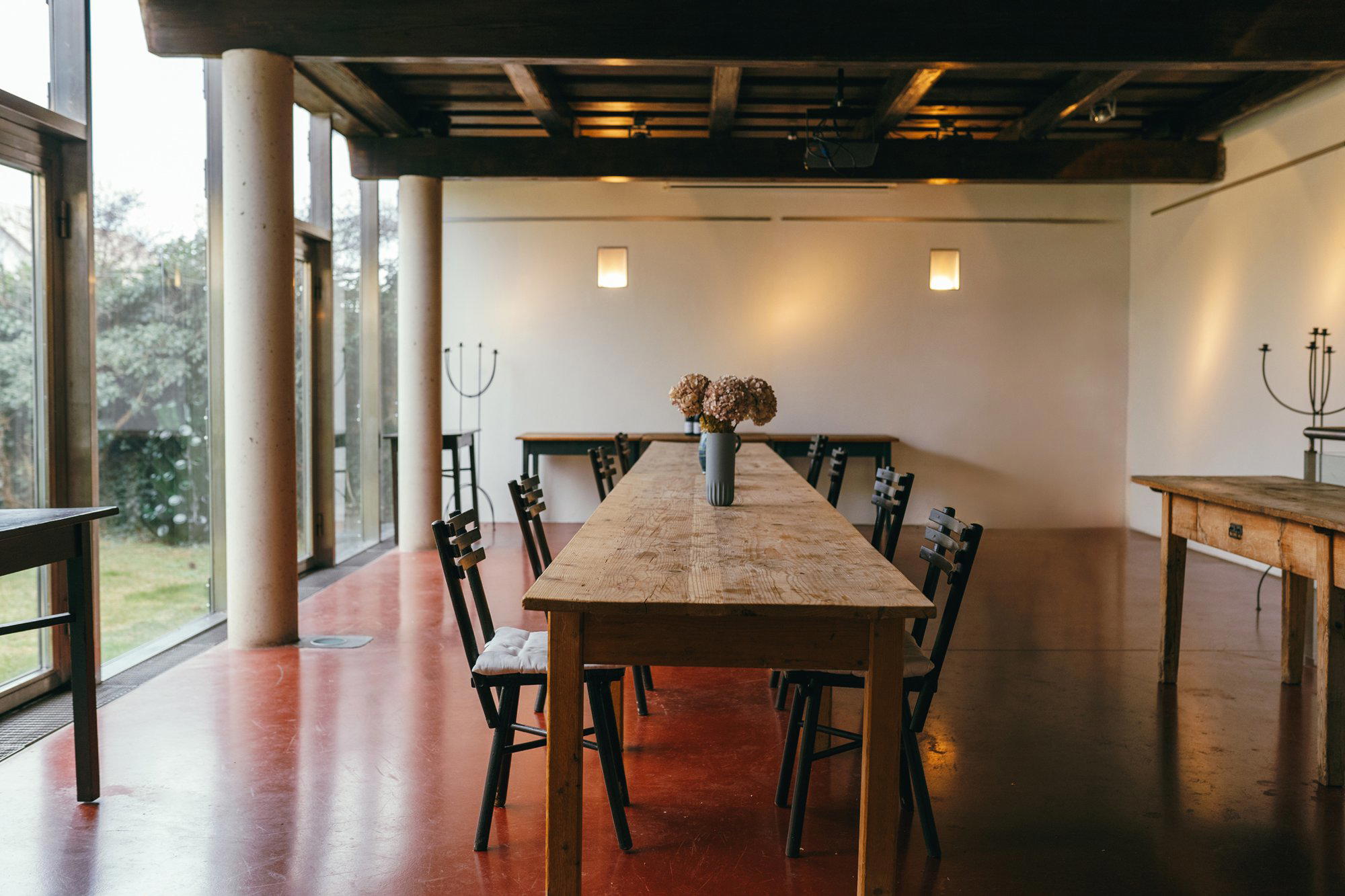
Modern and elegant atmosphere with sophisticated Asian dining experience.