Benkei sits on Ungargasse in Vienna's third district, a quieter address relative to the city's more celebrated restaurant corridor. Where Vienna's top Japanese and European tables tend to cluster closer to the Ring or the first district, this is a neighbourhood-scale operation, the kind of place that rewards those who follow address rather than profile.
Pearl is the En Primeur Club membership app — saves, bookings, and concierge access live there. Same editors, same standards.
- Address
- Ungargasse 65, 1030 Wien, Austria
- Phone
- +434317181888
- Website
- benkei.at
- Directions
- Get directions
 Saves & bookings on Pearl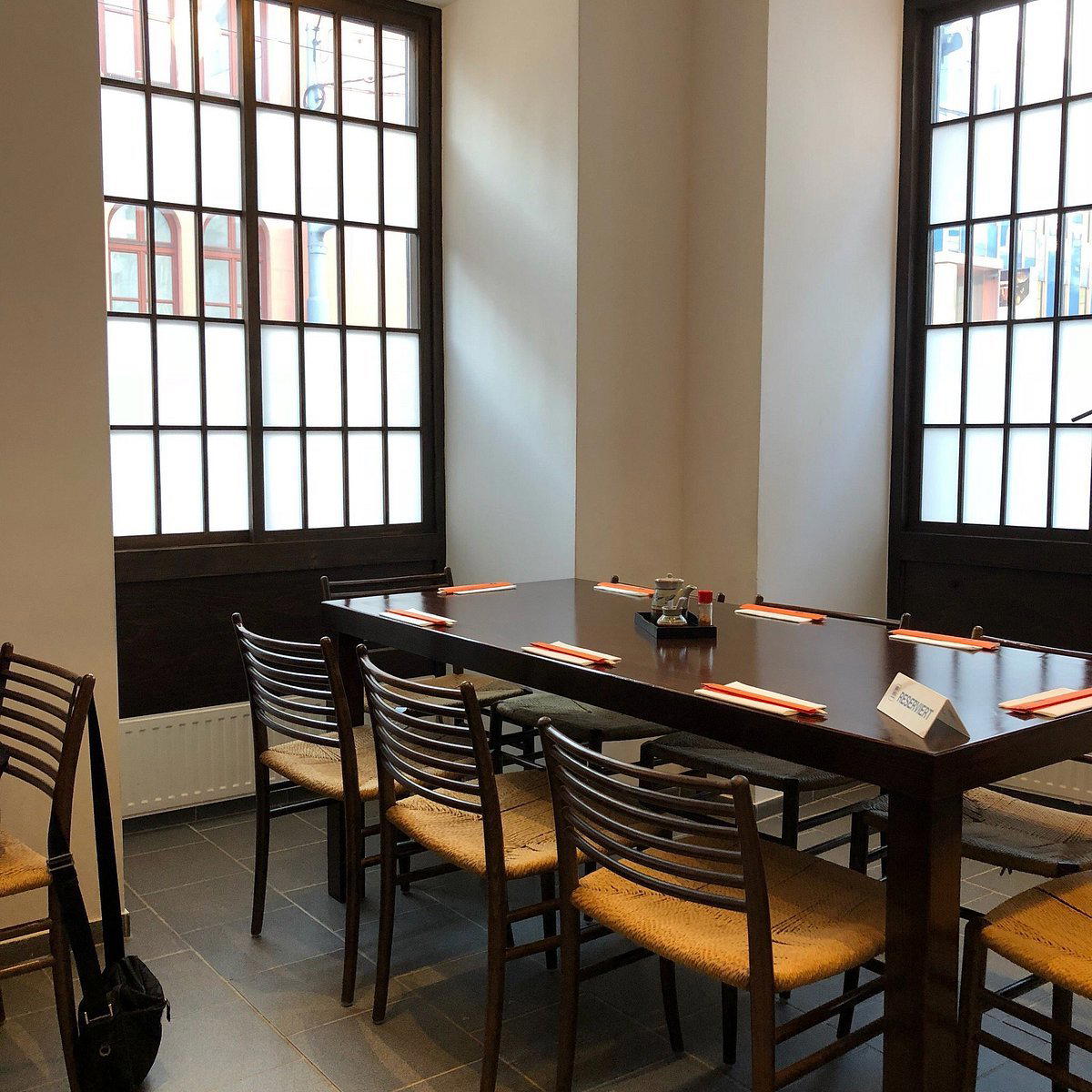
A Third District Address in Vienna's Japanese Dining Conversation
Vienna's appetite for Japanese food has matured considerably over the past decade. The city now sustains a range of Japanese-influenced tables, from high-volume pan-Asian formats near the tourist corridors to quieter, more considered operations in residential districts. Benkei, on Ungargasse 65 in the third district, sits in the latter category. The address itself signals something: the third district is a residential part of Vienna. Steirereck im Stadtpark and Amador draw a different kind of foot traffic, operating in the upper tier of Vienna's creative restaurant scene with prices and visibility to match. Ungargasse operates at a different register, residential, unhurried, closer in character to a neighbourhood in Graz or Linz than to the first district's dense dining circuit.
That positioning matters. A Japanese restaurant in this part of the city is not competing for the same guest as Konstantin Filippou or Mraz & Sohn. It is, instead, part of a smaller subset of Vienna tables that build their following through repeat neighbourhood visitors and word-of-mouth rather than award cycles or press coverage. This does not make Benkei peripheral. It makes its audience different, and often more loyal.
What the Setting Communicates
The third district runs southeast from the Ring, past the Belvedere gardens and into a stretch of quieter residential blocks. Ungargasse is one of those streets where the ground-floor units are a mix of small traders, medical practices, and the occasional restaurant that has been there long enough to become part of the local rhythm. Approaching a Japanese restaurant in this context, you are unlikely to find the spare, designed-for-photography interiors that characterise the higher-profile end of European Japanese dining. The expectation, reasonable here, is something more functional: counters and tables built for eating rather than staging, lighting at a level where the food is visible rather than dramatic, a room that fills with regulars who arrived on foot.
This kind of setting shapes what a wine or drinks list can do. In a high-visibility dining room, the wine program is often part of the theatre. In a neighbourhood Japanese restaurant, it tends to be either absent or quietly serious, a list built around what the kitchen actually needs, selected by someone who has thought about how sake, Austrian white wine, or low-intervention European imports work alongside Japanese technique. Vienna's broader wine culture, fed by proximity to some of Austria's most progressive wine regions, means that even mid-tier restaurants in the city often carry bottles that would be difficult to find elsewhere at comparable price points.
Japanese Dining in Vienna: Where Benkei Sits
Vienna does not have the depth of Japanese dining infrastructure that London, Paris, or Berlin carry. The city's Japanese restaurant count is smaller, the supply chains for specific produce less established, and the kitchen talent pool for Japanese technique narrower. What Vienna does have is a guest base with high expectations for craft and a willingness to pay for precision, qualities that the city's broader fine dining culture, including tables like Doubek, has helped cultivate.
In that context, a Japanese restaurant in Vienna is making specific choices about format, price, and sourcing that reflect both the city's limitations and its opportunities. Japanese cooking that leans into Austrian produce, freshwater fish from regional rivers, local mushrooms, mountain herbs, can find a genuinely distinctive voice. Japanese cooking that insists on Toyosu-sourced fish and imported Japanese rice is making a different argument, one that requires either a significant budget or a willingness to absorb cost.
For readers calibrating their Vienna dining across multiple meals, the picture elsewhere in Austria adds useful context. The country's most decorated tables tend to sit outside the capital: Döllerer in Golling an der Salzach, Obauer in Werfen, and Landhaus Bacher in Mautern an der Donau have long anchored Austria's serious restaurant map in provincial settings. Vienna's contribution to that map is real but concentrated in a handful of addresses. Neighbourhood operations like Benkei exist in a different register from that conversation, and serve a purpose those celebrated restaurants cannot: proximity, informality, and the kind of repeat-visit relationship that defines how most people actually eat well in a city they live in or return to regularly.
The Wine Angle in Japanese Dining
Japanese cuisine's relationship with wine has shifted significantly in the global dining conversation over the past fifteen years. The old assumption, that sake is the only appropriate pairing, has given way to a more considered discussion about texture and acid. Chablis, dry Austrian Grüner Veltliner, and Champagne have become credible pairing anchors for sushi and sashimi formats. Burgundy finds a home alongside richer preparations. For a Japanese restaurant in Vienna specifically, the proximity to Wachau, Kamptal, and Burgenland creates a natural pairing logic that a restaurant in London or New York would have to engineer at significantly higher cost.
Austria's wine regions produce whites with the acid structure and low residual sugar that Japanese cooking can handle. A Smaragd Grüner Veltliner from Wachau, or a Federspiel from a producer in Dürnstein, carries the weight to sit alongside umami-forward preparations without the sweetness that would flatten the dish. Blaufränkisch from Burgenland, increasingly taken seriously internationally, can work alongside richer, sauced preparations in the way that a mid-weight Pinot might. Restaurants like Taubenkobel in Schützen am Gebirge have shown how deeply Austrian producers can be woven into a restaurant's identity.
For comparison, the wine programs at internationally recognised Japanese-influenced restaurants, from Le Bernardin in New York City to Lazy Bear in San Francisco, demonstrate how far the pairing conversation can extend when a kitchen is committed to it. Vienna's version of that conversation is smaller in scale but no less interesting in its regional specificity.
Planning a Visit
Benkei is at Ungargasse 65 in the third district. The address is accessible from the U3 line at Rochusgasse or the U4 at Stadtpark, both within a ten-minute walk. The third district is quieter than the first at dinner time, and the area around Ungargasse does not generate the foot traffic that might bring in walk-in guests, a point that suggests calling or arriving with intent rather than treating it as a spontaneous stop.
Know Before You Go
- Address: Ungargasse 65, 1030 Wien, Austria
- District: Third district (Landstrasse), accessible from U3 Rochusgasse or U4 Stadtpark
- Price range: About $40 per person
- Booking: Recommended
At a Glance
Comparable venues nearby, for context on price, style, and recognition.
| Venue | Cuisine | Price | Notes |
|---|---|---|---|
| BenkeiThis venue — the venue you are viewing | Landstraße, Authentic Japanese Sushi | $$$ | Not listed |
| NihonBashi | Not listed | $$$ | Staatsoper, Authentic Japanese Sushi & Sashimi |
| Mari's Metcha Matcha | Not listed | $$ | Hofburg, Authentic Japanese Tapas & Matcha Café |
| Ramen Makotoya Landstraße | Wien-Mitte, Japanese Ramen | $$ | Not listed |
| o.m.k 1010 | Not listed | $$ | Innere Stadt, Modern Japanese Sushi & Noodle Shop |
| KitchA Sticks & Rolls | Stephansdom, Modern Asian Fusion Sushi | $$ | Not listed |
Continue exploring
More in Vienna
Restaurants in Vienna
Browse all →
Bars in Vienna
Browse all →

Hotels in Vienna
Browse all →
At a Glance
- Classic
- Cozy
- Intimate
- Date Night
- Family
- Sake Program
Current opening hours
- Monday
- 11:30 AM–2:30 PM, 6–10:30 PM
- Tuesday
- 11:30 AM–2:30 PM, 6–10:30 PM
- Wednesday
- 11:30 AM–2:30 PM, 6–10:30 PM
- Thursday
- 11:30 AM–2:30 PM, 6–10:30 PM
- Friday
- 11:30 AM–2:30 PM, 6–10:30 PM
- Saturday
- 6–11 PM
- Sunday
- Closed
Hours can change for holidays and private events. Last verified .
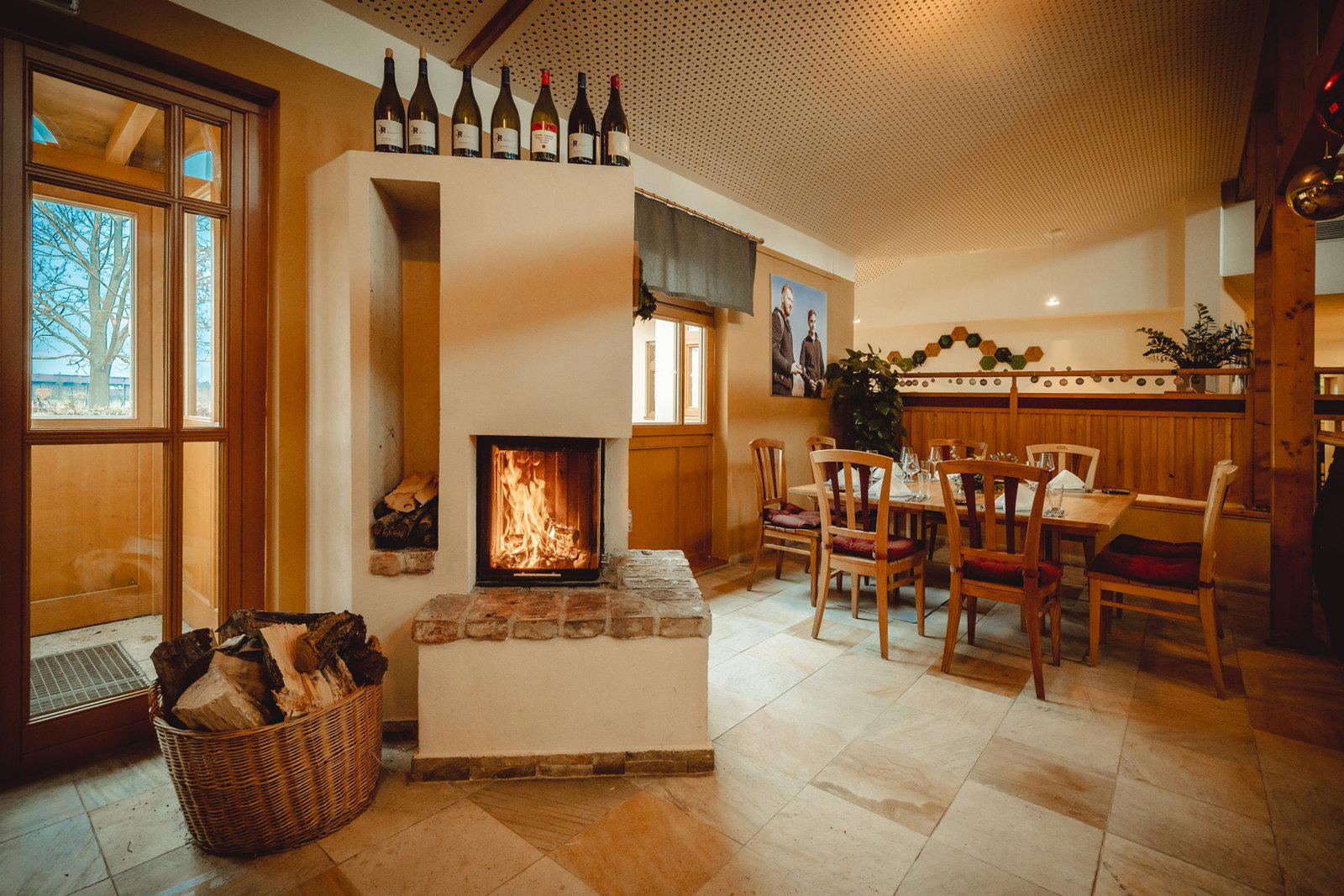
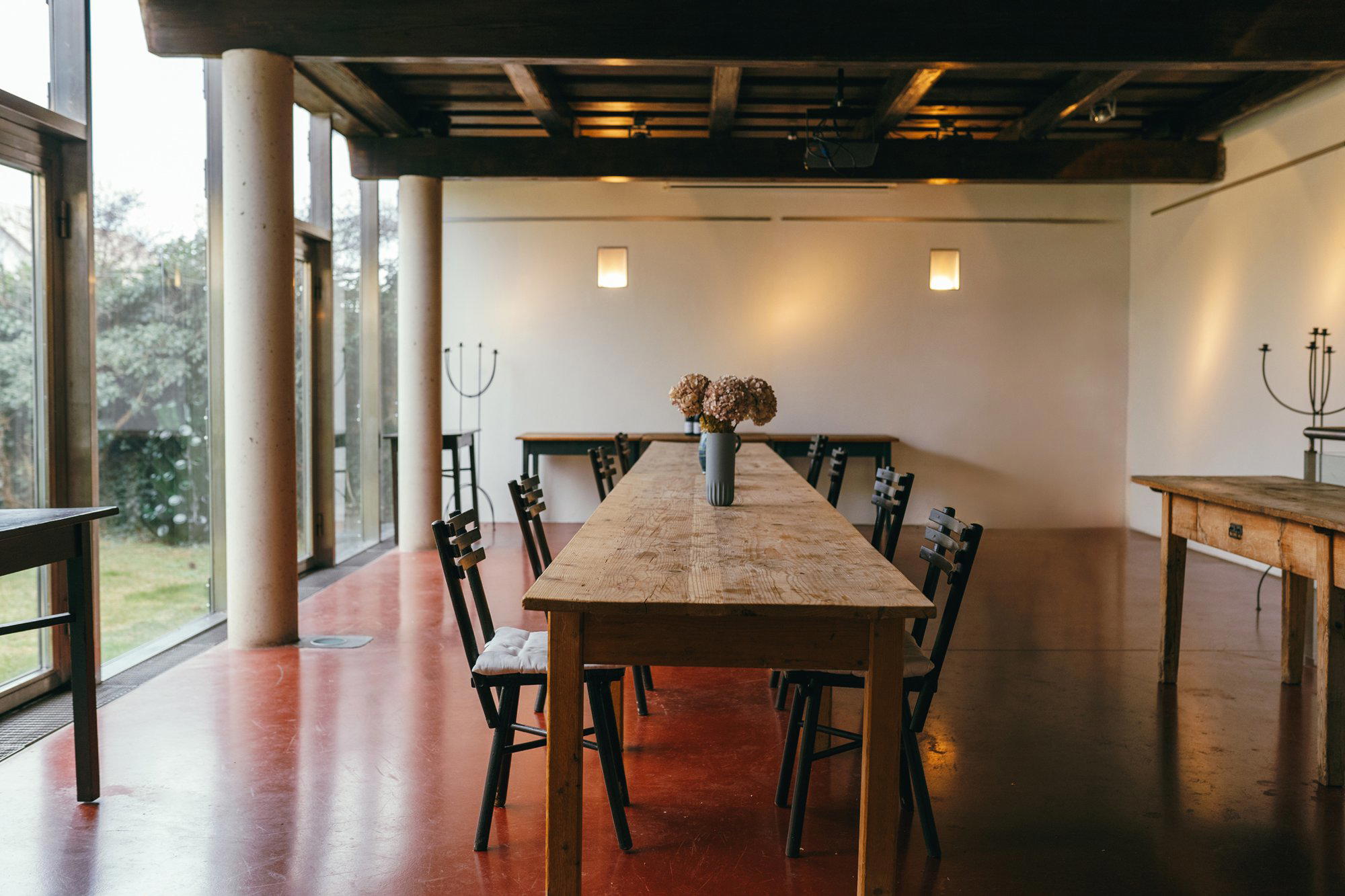
Schlicht and pure interior with classic authentic Japanese surroundings.