
Wakayanagi Shokudo is a low-priced Saga shokudo in Zaimoku, listed in Tabelog’s Diner 100 for 2026 and 2024. Its appeal sits in the everyday Kyushu register: cafeteria cooking, champon, and udon at a price band that keeps the meal closer to local routine than destination dining theatre.
Pearl is the En Primeur Club membership app — saves, bookings, and concierge access live there. Same editors, same standards.
- Address
- 佐賀県佐賀市材木2-2-1
- Phone
- +81952238204
- Website
- tabelog.com
 Saves & bookings on Pearl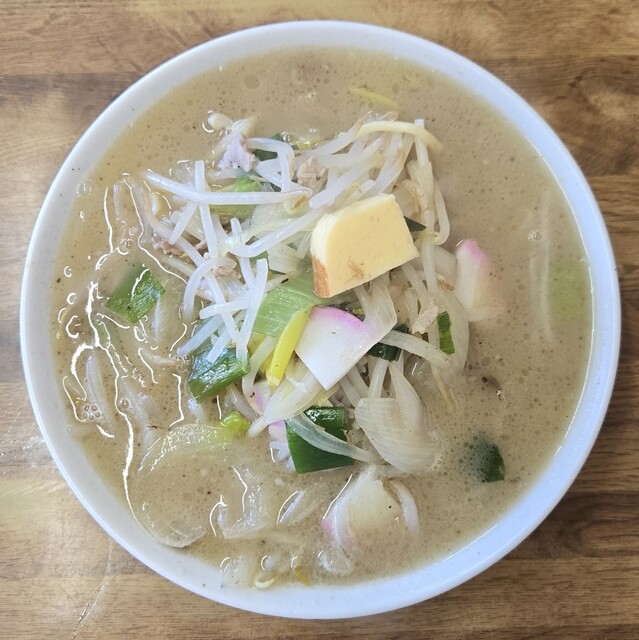
Approaching a Saga shokudo is a different exercise from approaching a tasting-menu counter. The cues are quieter: a working neighbourhood address, a room built for lunch rather than ceremony, and a menu language rooted in cafeteria staples, noodles, and the practical hunger of a regional city. Wakayanagi Shokudo belongs to that tradition, the kind of place where value is not a branding position but the basic grammar of the meal.
Saga’s dining identity is often read through beef, seafood, and refined regional cooking, but the daily table tells another story. Champon and udon occupy that middle ground between home cooking and restaurant cooking: filling, adaptable, and tied to local supply chains more than luxury sourcing narratives. In this context, a shokudo matters because it shows how a city eats when the occasion is not formal. The categories attached here, cafeteria, champon noodle soup, and udon, place the restaurant in a Kyushu lineage where broth, wheat noodles, vegetables, and inexpensive proteins do the heavy lifting.
Champon and udon as Saga's everyday sourcing story
Ingredient sourcing at this level is less about named farms and more about regional logic. Kyushu’s noodle culture rewards kitchens that can turn modest components into a complete lunch: wheat noodles, vegetables, broth, and seasoning calibrated for speed and repetition. Champon, with its Nagasaki roots and broad Kyushu reach, is built around abundance without luxury pricing. Udon operates differently, with a clearer emphasis on texture, broth, and restraint. Together they map the kind of cooking that depends on steady local demand rather than spectacle.
That is why Wakayanagi Shokudo’s recognition has editorial weight. Tabelog selected it for the Diner 100 in 2026, after a prior selection in 2024, and lists a 3.71 score. For a cafeteria-format restaurant in a regional city, that signal is more useful than a decorative award would be: it points to sustained diner approval in a category where consistency, price, and repeatability matter. The listed spending band sits at JPY 999 or below for both lunch and dinner, which places the experience in the same low-cost bracket as Saga Ramen Ichigen., and far from the expense profile of Restaurant 5, where the listed budgets move into five-figure yen territory.
That comparison is not about ranking one format against another. It is about reading Saga correctly. A city’s serious food culture is not confined to formal rooms, wagyu specialists, or chef-led menus. Kira Honten and Amegen (Seafood) speak to other sides of the region, while a shokudo with noodle categories speaks to daily appetite. For travellers, the useful question is not whether this is a grand meal. It is whether the stop adds a grounded counterpoint to Saga’s more polished dining references. On that measure, the case is strong.
A room built for routine, not theatre
The format matters. Tatami seating and tables are listed, private rooms are not, and private use is unavailable. That points to a shared-room model, closer to a neighbourhood canteen than a controlled fine-dining environment. Non-smoking status gives the room a practical advantage for mixed groups, while the low spend keeps the stakes modest. This is the sort of address that works when the day’s plan needs a precise, local lunch rather than a long reservation-led meal.
Operationally, the rhythm is narrow and daytime-led, with service listed from late morning to mid-afternoon on weekdays and Saturdays, Sunday closure, and service ending when sold out. Reservations are unavailable. Those details shape the experience more than décor language ever could: arrive with flexibility, assume demand can compress the window, and treat the meal as part of a Saga day rather than the anchor of an evening itinerary. Payment is also old-school: credit cards, electronic money, and QR code payments are listed as not accepted, so cash is the sensible default.
Access is better than the address alone suggests. The restaurant is listed at 佐賀県佐賀市材木2-2-1 in Zaimoku, with the Saga City Bus Zaimokubashi stop a one-minute walk away and Saga Station listed as the nearest rail station. Parking is unusually specific for a modest shokudo: four spaces 50 meters south and five opposite the store. In a regional Japanese city, that can be the difference between a casual meal and a logistical nuisance.
How it fits into a wider Saga itinerary
Wakayanagi Shokudo works well as a calibration point. It gives a traveller a local price reference before moving into Saga’s higher-spend restaurants, beef rooms, or seafood counters. Pair it intellectually with Momoya for another view of the city’s dining range, then use Our full Saga restaurants guide to build the rest of the day around contrast rather than repetition. The same logic applies beyond restaurants: Our full Saga hotels guide, Our full Saga bars guide, Our full Saga wineries guide, and Our full Saga experiences guide help turn a noodle lunch into part of a broader regional plan.
Japan’s casual dining spectrum is broad, and this address sits at the cafeteria end of it. For comparison across the country, a traveller can look at how focused formats behave in other cities: sukiyaki at -Grilled beef Sukiyaki- KAMAKURA TANUKIAN 鎌倉 たぬき庵 in Kamakura, charcoal-led seafood at. 鮪と炭火焼き うお炭 秋葉原店 in Tokyo, café culture at.cafe in Osaka, contemporary dining at.know in Kumamoto, Vietnamese cooking at (Shoku) Vietnam in Kawasaki, curry specialization at [Curry Senmon Ten] Maruyama Kyoju. in Sapporo, sake-bar dining at Jōdo Saké Bar in Los Angeles, and rice-ball minimalism at Onigiri Time in Pasadena. The through-line is format discipline: modest categories can say as much about place as expensive ones when the operation is coherent.
The editorial read is simple. The restaurant is not the Saga meal for ceremony, nor is it trying to be. Its value is as a low-cost, award-recognized diner where champon, udon, and cafeteria cooking keep the focus on everyday Kyushu eating. For travellers who understand that regional food culture lives as much in routine as in occasion, it earns its place on a Saga itinerary.
Fast Comparison
Comparable venues by cuisine and price in the same metro.
| Venue | Cuisine | Price | Notes |
|---|---|---|---|
| Wakayanagi ShokudoThis venue — the venue you are viewing | Japanese cafeteria specializing in champon and udon | $ | Not listed |
| Momoya | Japanese yoshoku hamburger steak & dumplings | $$ | Karatsu |
| Saga Ramen Ichigen. | Saga-style Tonkotsu Ramen Shop | $$ | Kawazoe-cho |
| Restaurant 5 | Seasonal Creative Japanese (Improvisational Course Menu) | $$$ | .null |
| Souan Nabeshima | Seasonal Japanese Kaiseki with Sake Pairing | $$$$ | Hizen Hamashuku, Kashima City |
| Tsukuta | Karatsu-mae Edomae Sushi Omakase | $$$ | Karatsu |
Recognition history
Dated appearances from independent guides and award organizations, with the underlying list record or original source where available.
Tabelog 100 #88 · No. 88
Tabelog · Tabelog 100 - Diner - 2026
Continue exploring
More in Saga
Restaurants in Saga
Browse all →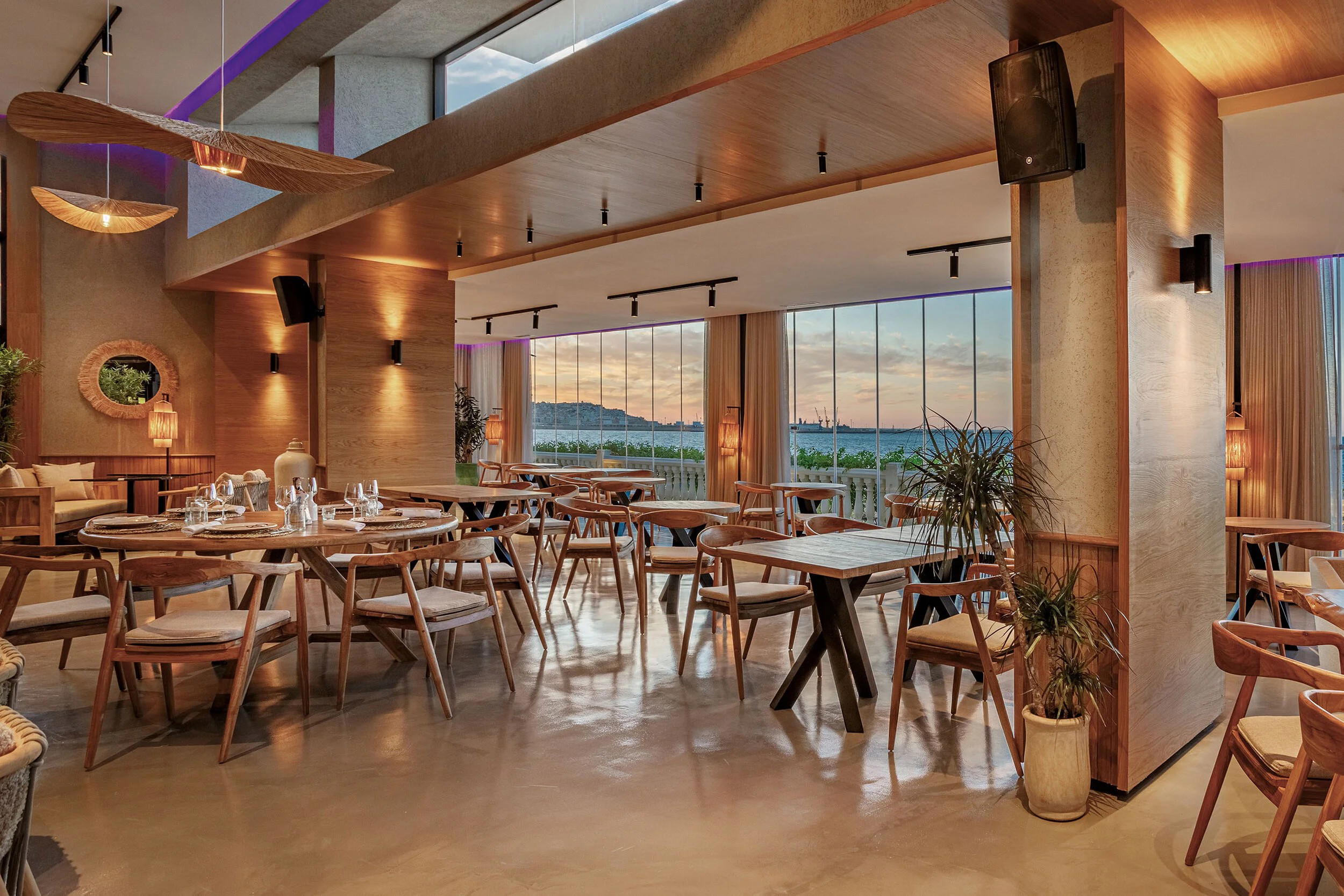
At a Glance
- Classic
- Cozy
- Well Known
- Casual Hangout
- Group Dining
- Solo
- Family
- After Work
- Standalone
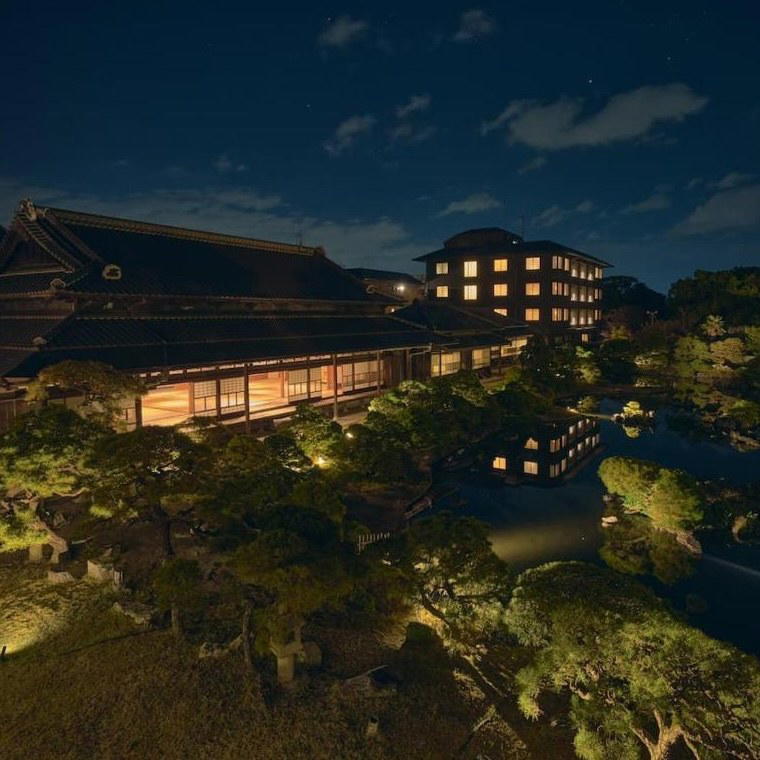
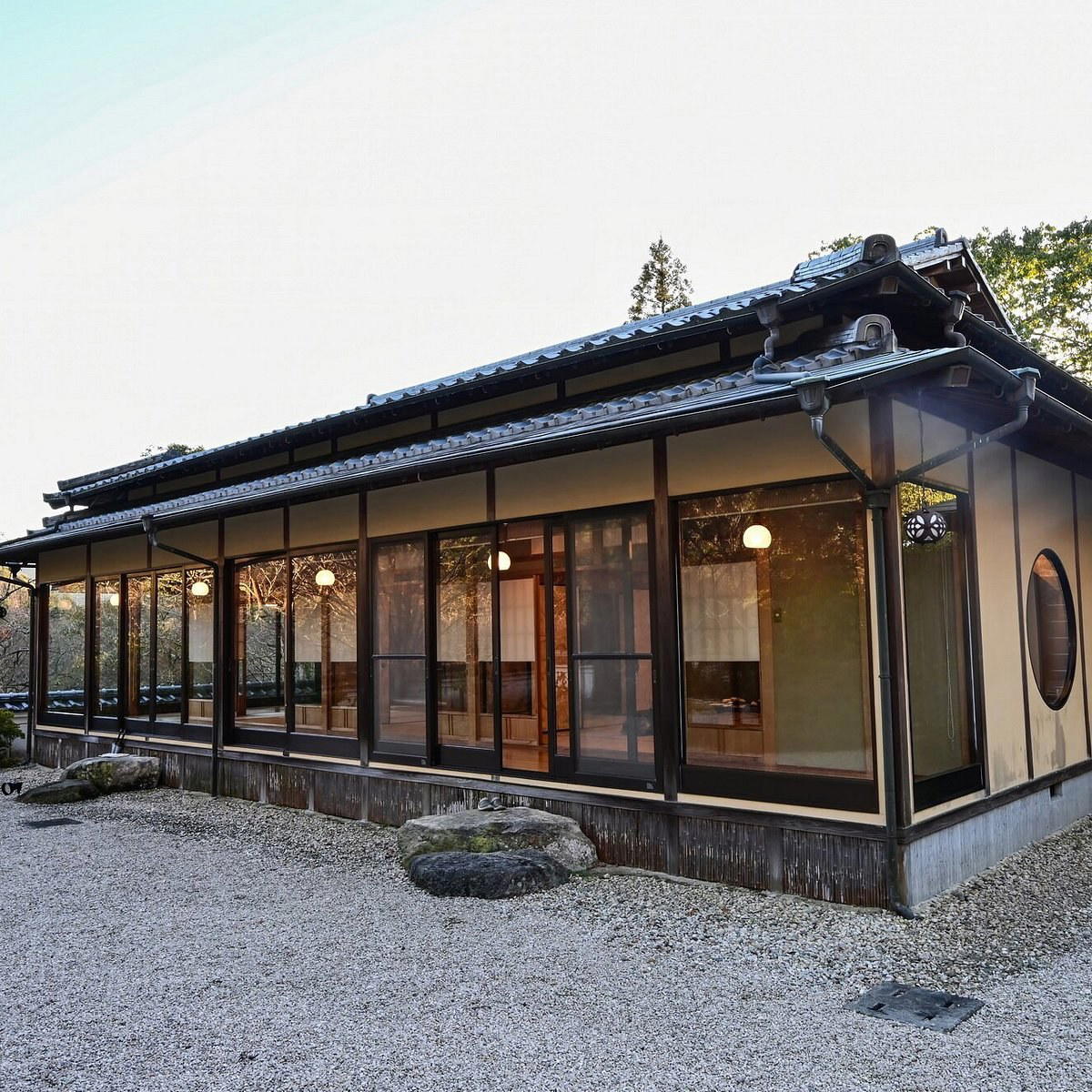
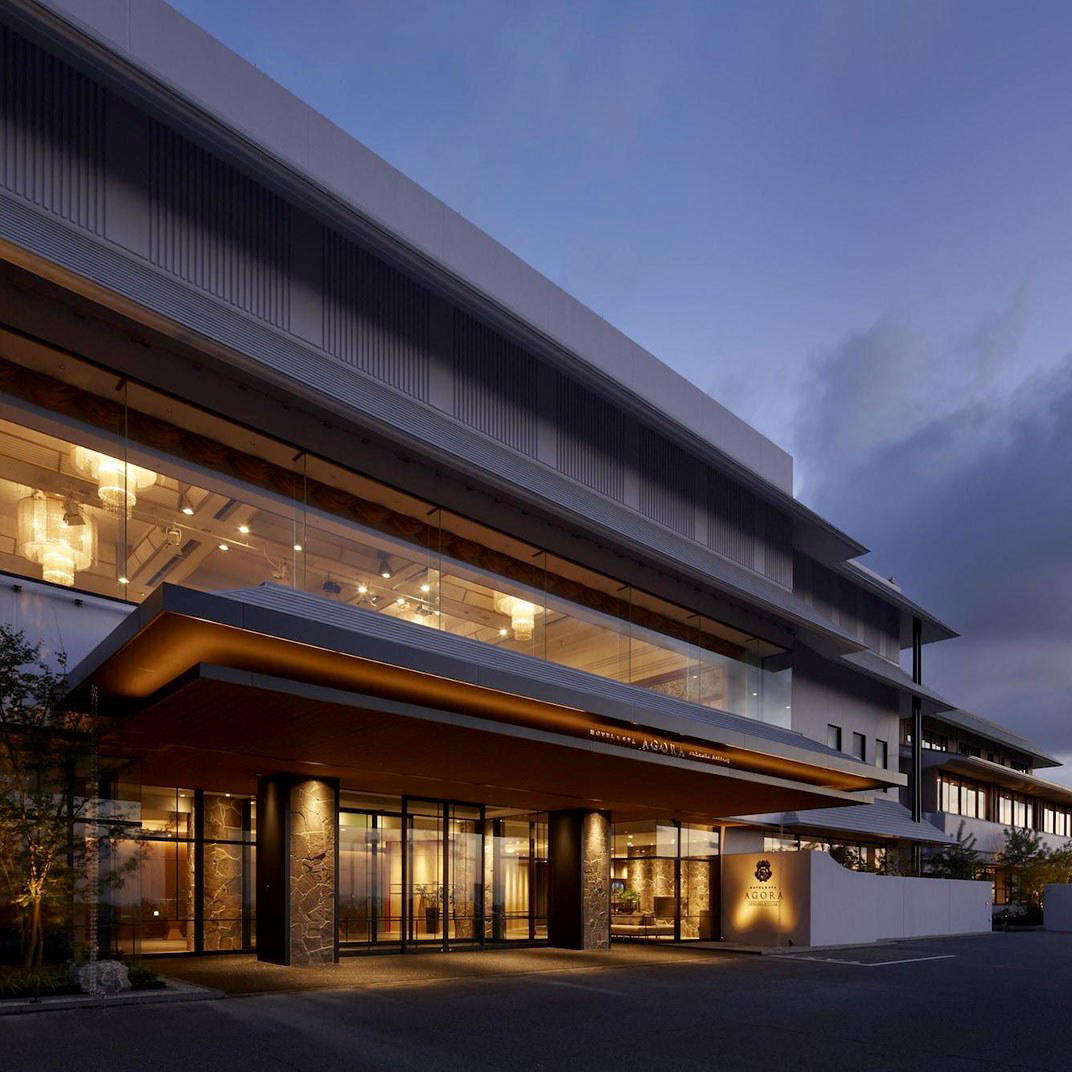
Traditional local diner feel with simple tables and tatami seating, a bright, no-frills interior and a friendly, welcoming atmosphere suited to casual everyday meals with friends.