Momofuku Ssam Bar
Our verdict
Momofuku Ssam Bar at Pier 17 in Lower Manhattan represents the maturing arc of Korean-American cooking in New York: informal in format, serious in technique, and positioned squarely in the tradition that David Chang's broader group helped establish. The Seaport location brings the restaurant to one of the city's most rapidly redeveloped waterfronts, where the dining crowd skews younger and the programming leans casual-but-considered.
The menu
What to order
- Bo ssäm
- Pork buns
- Rotisserie duck
- Spicy pork sausage and rice cakes
The Seaport Setting and What It Signals
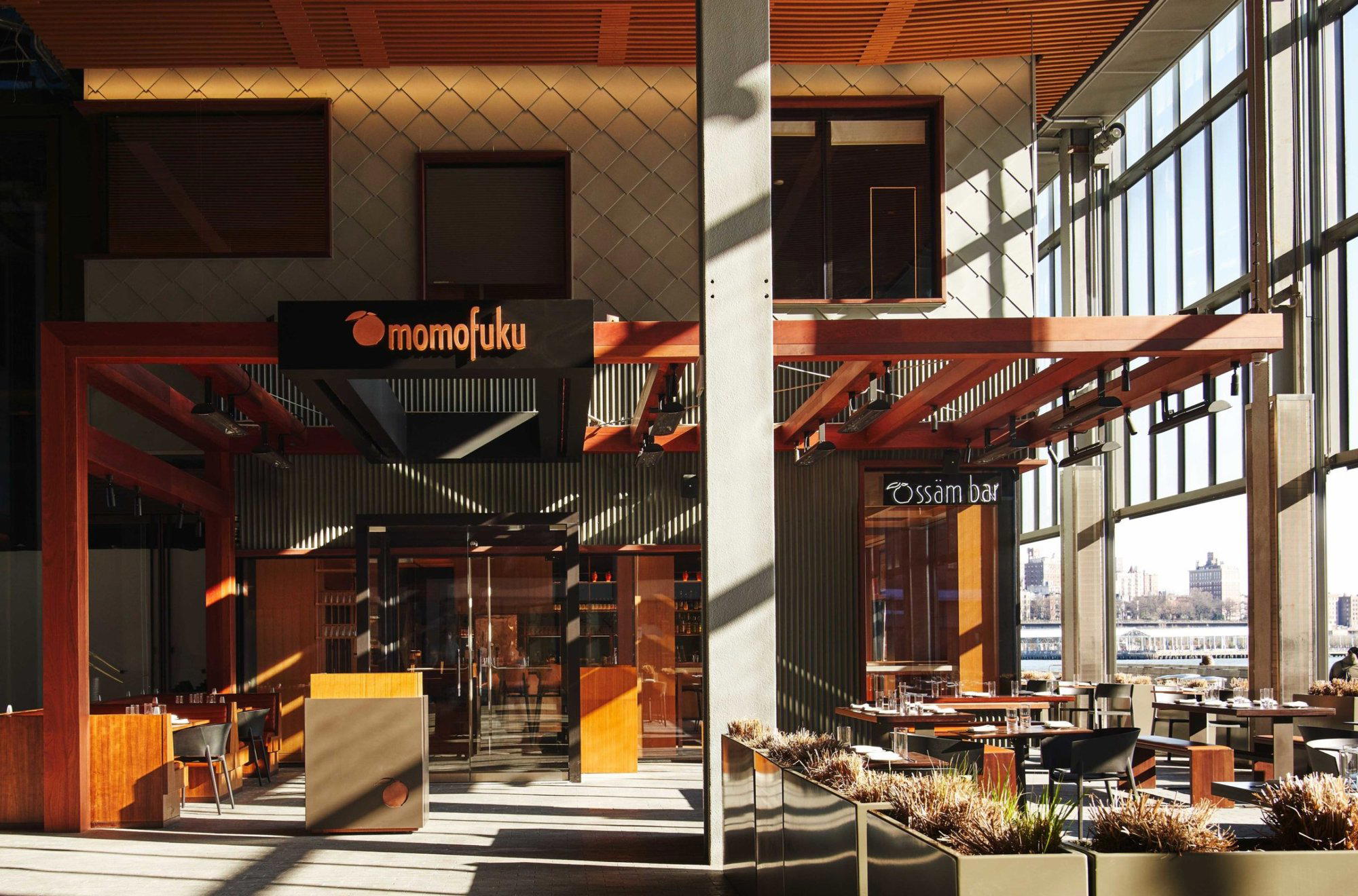
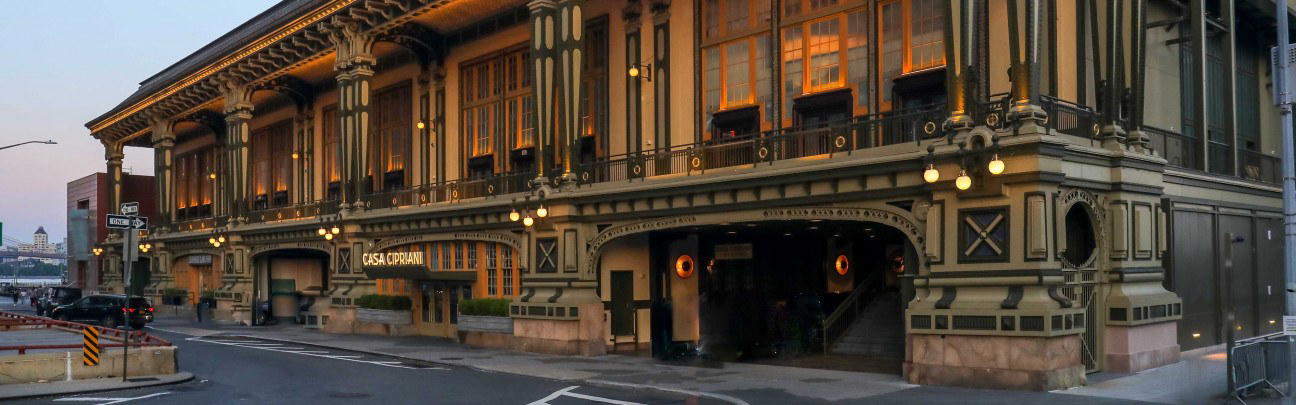
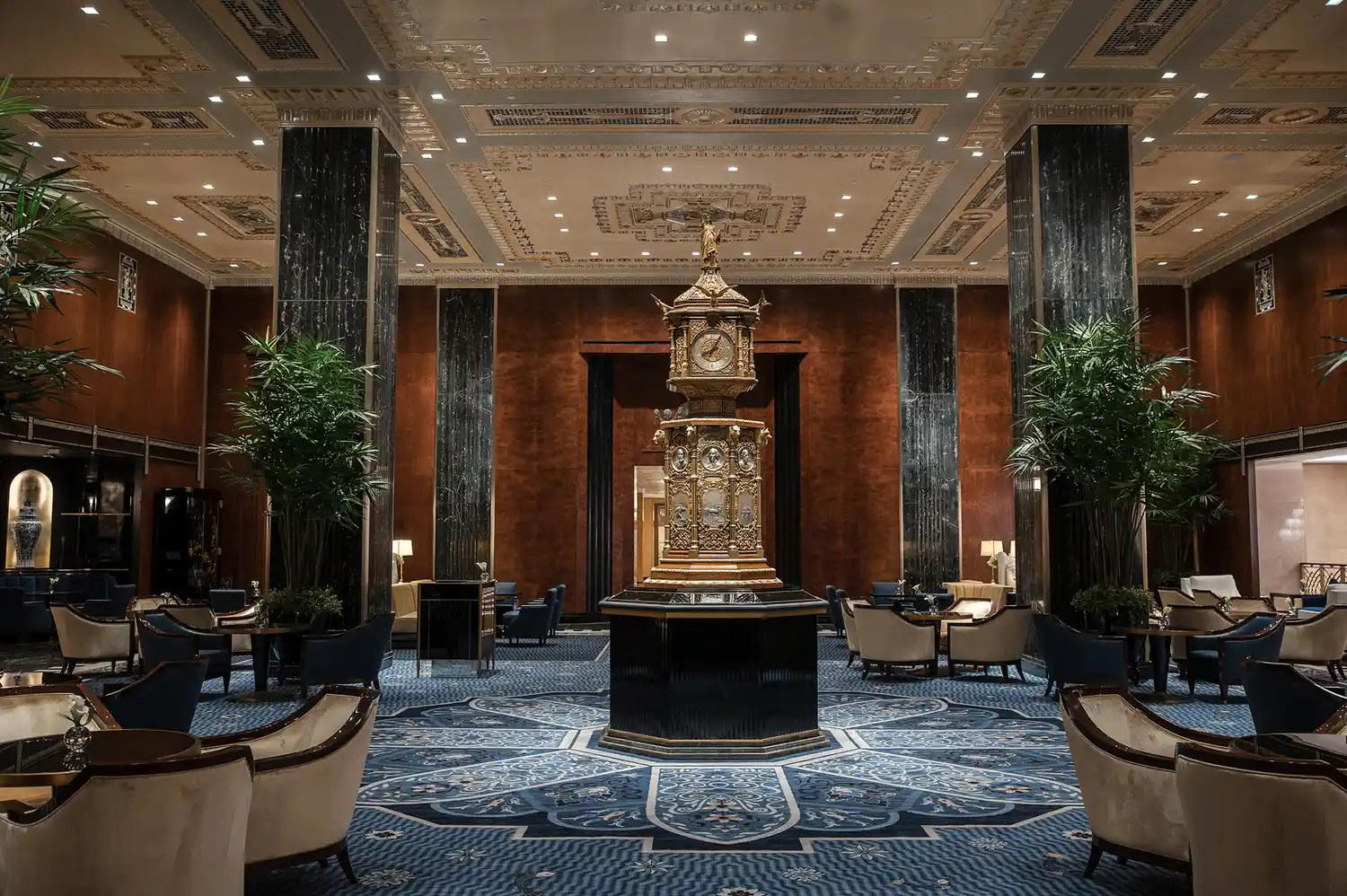
Pier 17 is not where most New Yorkers would have expected Momofuku Ssam Bar to land when the brand was reorienting after the closure of its original East Village location. The Seaport District had spent years shedding its tourist-trap reputation, and the arrival of serious food and beverage operators at the rebuilt pier was a deliberate signal that the neighborhood was competing for a different diner. Ssam Bar's presence at 89 South Street places it within a cluster of waterfront venues oriented toward a post-work and weekend crowd, with views of the East River and the Brooklyn Bridge as incidental backdrop. The physical environment here is open and designed for movement, quite different from the compressed counter energy of the original, and that shift in format is itself a statement about where Korean-American casual dining has traveled in the decade and a half since Chang's group first reframed the category.
Korean-American Cooking and Its New York Context
To understand Ssam Bar in 2024, it helps to understand what Korean-American restaurant culture in New York has become. When the Momofuku group began restructuring its identity around pork buns, rice dishes, and ssam formats in the mid-2000s, Korean food in the city was largely sorted into two tiers: the sprawling KBBQ halls of Koreatown on West 32nd Street, and a handful of fine-dining experiments that treated the cuisine as raw material for fusion. Ssam Bar occupied neither slot. It proposed something looser: Korean technique and pantry applied to American comfort formats, served without ceremony, priced accessibly, and staffed by a kitchen that took the food seriously even when the room did not require them to.
That positioning has since been validated and complicated in equal measure. Atomix, now one of the most decorated Korean restaurants in the country, represents what the cuisine looks like when it moves fully into the fine-dining register, with tasting menus, wine pairings, and the full apparatus of contemporary high-end service. Ssam Bar has always operated in the opposite direction, and deliberately so. The tension between those two expressions of Korean-American cooking in New York is one of the more interesting category dynamics in the city right now.
For readers mapping their way through New York's broader dining spectrum, our full New York City restaurants guide covers the range from tasting-menu counters to neighborhood standbys across all five boroughs.
The Ssam Format and Its Cultural Logic
The word ssam refers to the Korean practice of wrapping meat, rice, and condiments in a leaf, typically perilla or lettuce, and eating the whole thing in one bite. It is a communal and tactile format, organized around the table rather than the individual plate, and it carries a specific social register in Korean dining culture: informal, generous, participatory. The original Ssam Bar translated this into a New York idiom by building large-format sharing dishes around the same logic, most famously a whole roasted pork butt served with accompaniments designed to be assembled and eaten at the table.
That structural idea, that the diner assembles rather than receives, remains one of the more durable contributions the Momofuku group made to how American restaurants think about service. It predates the sharing-plate trend that swept through New York dining in the 2010s, and it drew on a specific cultural tradition rather than being invented for novelty. The distinction matters when assessing where Ssam Bar sits against the broader field of casual sharing-format restaurants that followed.
Where Ssam Bar Sits in the New York Casual-But-Serious Tier
New York's dining market has a category problem at the middle register. The very best of the market, represented by venues like Le Bernardin, Per Se, Masa, and Eleven Madison Park, is well-defined and heavily documented. Below that tier, the market fragments quickly, and restaurants that operate with genuine kitchen seriousness but without formal service structures can be difficult to place. Ssam Bar has historically occupied this ambiguous space: too technically grounded to be dismissed as fast casual, too relaxed in format to compete for the awards attention directed at tasting-menu rooms.
For travelers comparing New York against other American cities, the casual-but-serious tier is actually where the most interesting regional variation exists. Lazy Bear in San Francisco solves this problem by applying a tasting-menu structure to a communal format. Smyth in Chicago operates with fine-dining discipline in a room that feels approachable. Providence in Los Angeles and Blue Hill at Stone Barns outside the city anchor the upper end of the ingredient-driven casual format. Ssam Bar's version of this proposition is specifically Korean-American and specifically New York: high-energy, protein-forward, and shaped by a pantry that most American diners still encounter primarily through this restaurant's influence.
Other American restaurants that have built durable identities around a regional or cultural cooking tradition include Emeril's in New Orleans, Frasca Food and Wine in Boulder, and Addison in San Diego. Internationally, the tradition of anchoring a restaurant's identity in a specific regional culinary grammar is well-represented by Atelier Moessmer Norbert Niederkofler in Brunico and Dal Pescatore in Runate, both of which treat their respective regional traditions as the organizing principle of the entire operation. The French Laundry in Napa, Single Thread Farm in Healdsburg, and The Inn at Little Washington each do the same within their own idioms. Ssam Bar's version of this is less codified but no less specific: the cultural logic of Korean communal eating, applied to a New York waterfront room.
Planning Your Visit
The Pier 17 location places Ssam Bar in the Seaport District of Lower Manhattan, accessible by subway via the Fulton Street complex, which consolidates several lines within a short walk of the waterfront. The neighborhood is most active on weekends and during warmer months, when the pier's outdoor spaces and event programming draw significant foot traffic. Visitors combining the Seaport with other Lower Manhattan destinations, including the Financial District and the Brooklyn Bridge area, will find the location convenient as part of a longer itinerary.
Quick reference: Momofuku Ssam Bar, 89 South St Pier 17, New York, NY 10038. Nearest subway: Fulton Street. Check directly for current hours and reservation availability.
Frequently asked questions
Where exactly is Momofuku Ssam Bar?
Momofuku Ssam Bar is located at 89 South St Pier 17, New York, NY 10038, New York City.
How does the Pier 17 location change the Momofuku Ssam Bar experience compared to the original East Village format?
The original Second Avenue space was compressed and high-energy, shaped by the density of the East Village and a neighbourhood crowd that treated it as a local institution. The Pier 17 address at 89 South St in the Seaport District places Ssam Bar inside a commercial development with waterfront access, which shifts the ambient context considerably toward a destination visit rather than a drop-in. The cooking format, centred on the Korean ssam tradition of wrapped meats and condiments, remains the connective thread between the two locations.
What's the must-try dish at Momofuku Ssam Bar?
The whole roasted pork butt is the dish most identified with Ssam Bar's reputation since the East Village era. It arrives at the table with rice, kimchi, and ssam accompaniments for guests to assemble themselves, which puts the Korean wrapping tradition at the centre of the meal rather than treating it as a side detail. It remains the reference point for understanding what the Momofuku group built its casual dining identity around.
Is Momofuku Ssam Bar reservation-only?
Ssam Bar at Pier 17 in New York City has historically split its seating between reservations and walk-in availability, though the ratio has changed as the venue has moved and the Momofuku group has evolved its operational model. For the current location at 89 South St, checking the Momofuku reservations platform before arriving is the practical approach, particularly on weekends when the Seaport District draws significant foot traffic.
A Pricing-First Comparison
| Venue | Cuisine | Price | Awards | Notes |
|---|---|---|---|---|
| Momofuku Ssam BarThis venue (the venue you are viewing) | Modern Korean Fusion | Not listed | Not listed | Not listed |
| Le Bernardin | French Seafood Fine Dining | $300–500 | 3 Michelin Stars · World's 50 Best #13 | French, Seafood |
| Atomix | Modern Korean Tasting Menu | $300–500 | 2 Michelin Stars · World's 50 Best #7 | Modern Korean, Korean |
| Per Se | French Fine Dining Tasting Menu | $300–500 | 3 Michelin Stars · World's 50 Best #40 | French, Contemporary |
| Masa | Traditional Japanese Omakase | $500+ | 2 Michelin Stars · World's 50 Best #27 | Sushi, Japanese |
| Eleven Madison Park | Contemporary Plant-Based Fine Dining | $300–500 | 3 Michelin Stars · World's 50 Best #4 | French, Vegan |
Continue exploring
More in New York City
Restaurants in New York City
All restaurants in New York City →
Bars in New York City
All bars in New York City →





Details
- Trendy
- Lively
- Modern
- Energetic
- Group Dining
- Casual Hangout
- Late Night
- Brunch
- Open Kitchen
- Waterfront
- Craft Cocktails
- Sake Program
- Local Sourcing
- Waterfront
- Street Scene
- Small Plates
- A La Carte
- Family Style
- Vegetarian Friendly
- Gluten Free Options
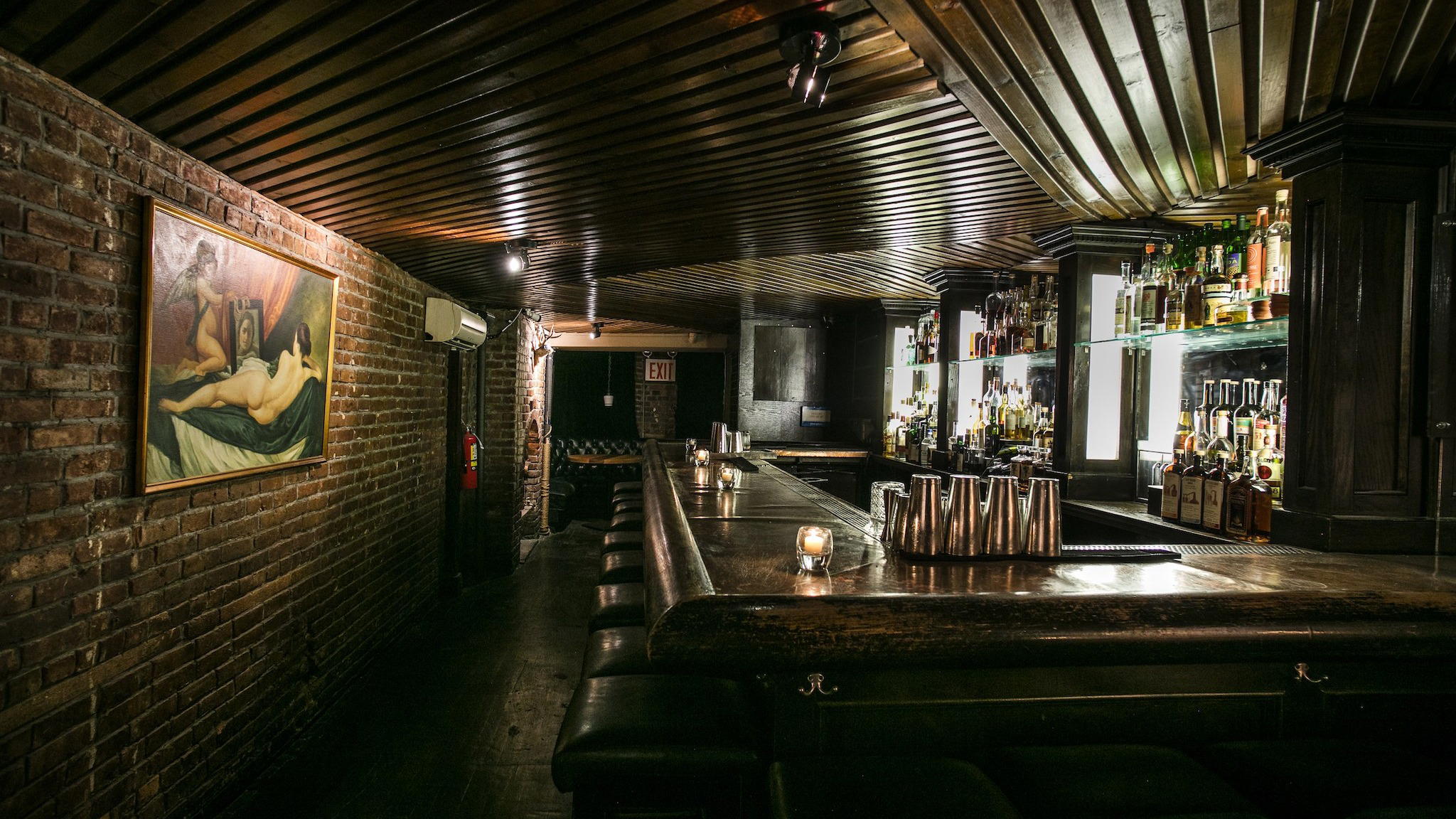
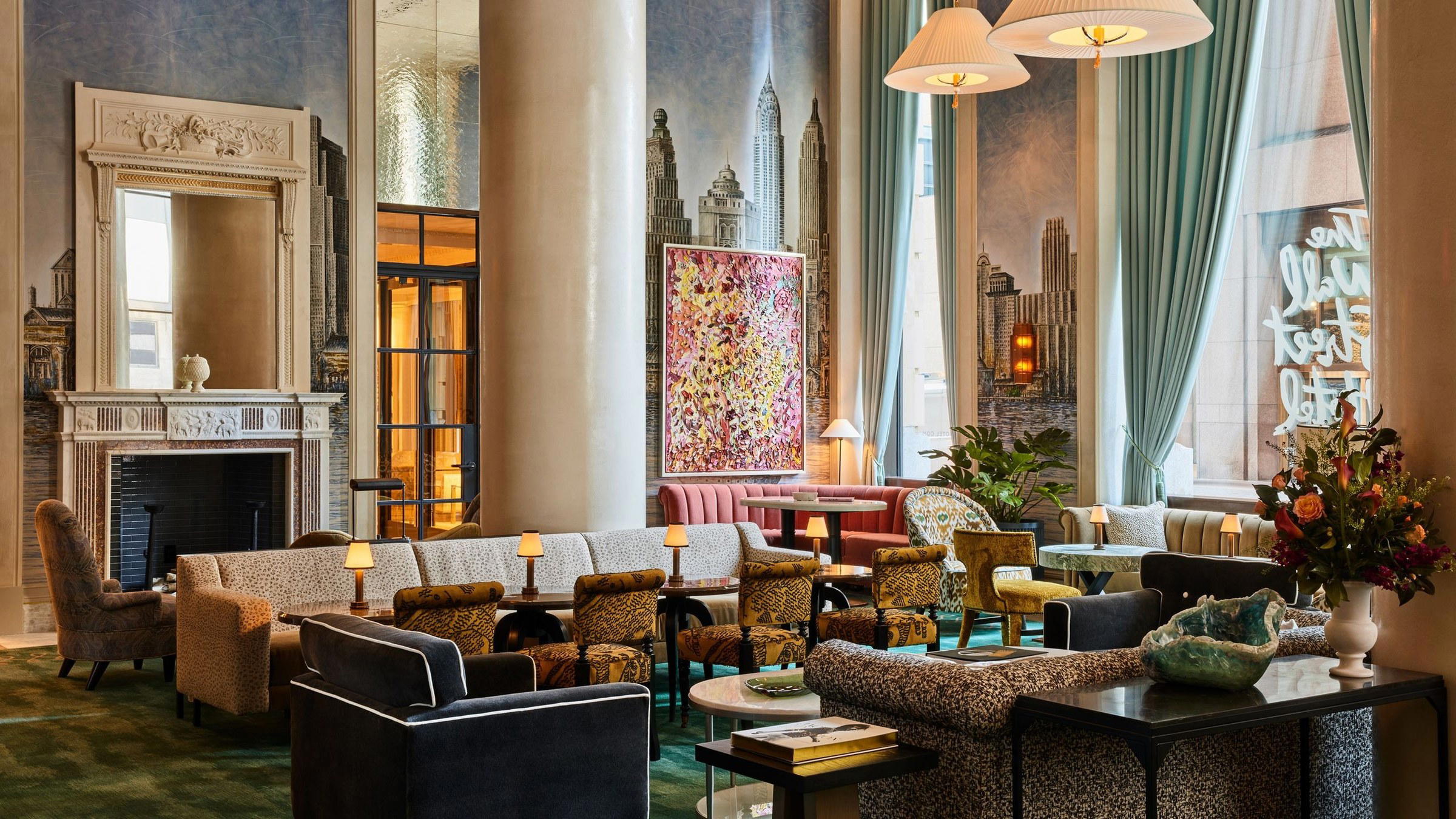
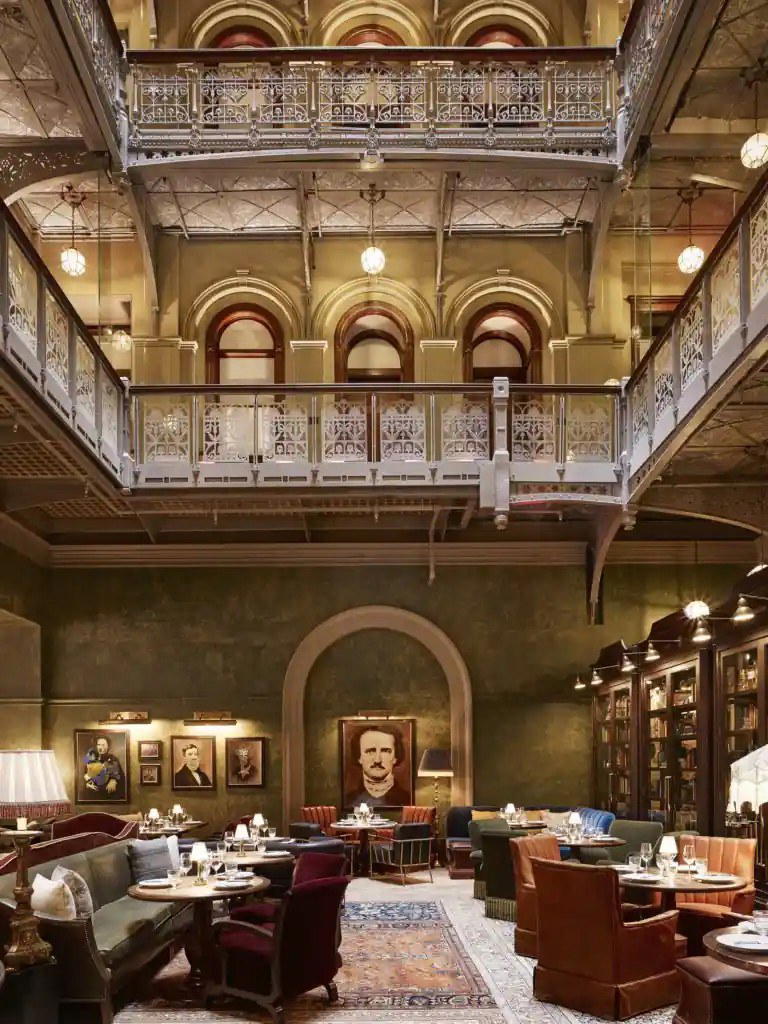
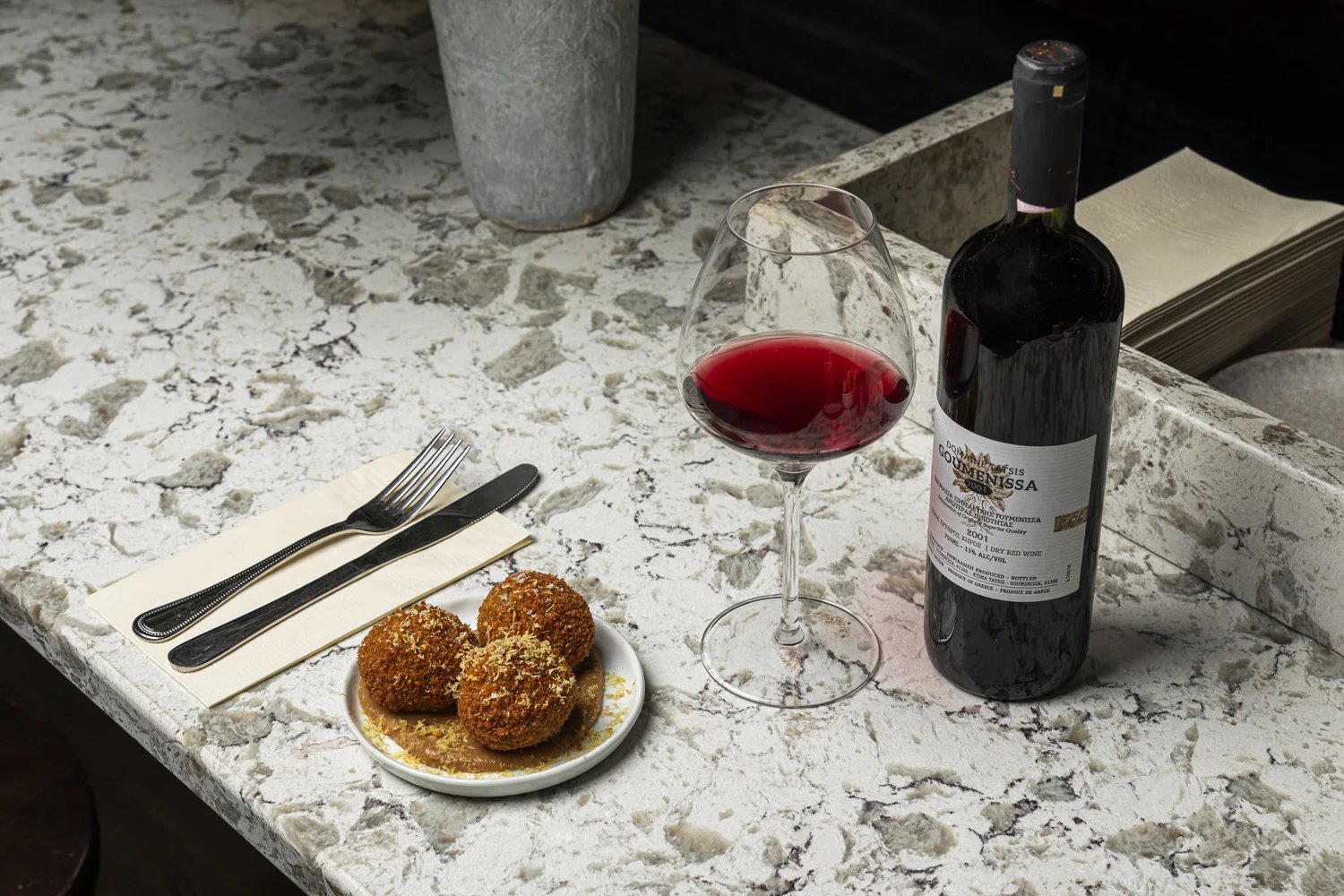
Busy, energetic atmosphere with communal seating, waterfront views from the upstairs dining room, and a lively first-floor bar and patio.