DDOBAR by Joomak NYC

Our verdict
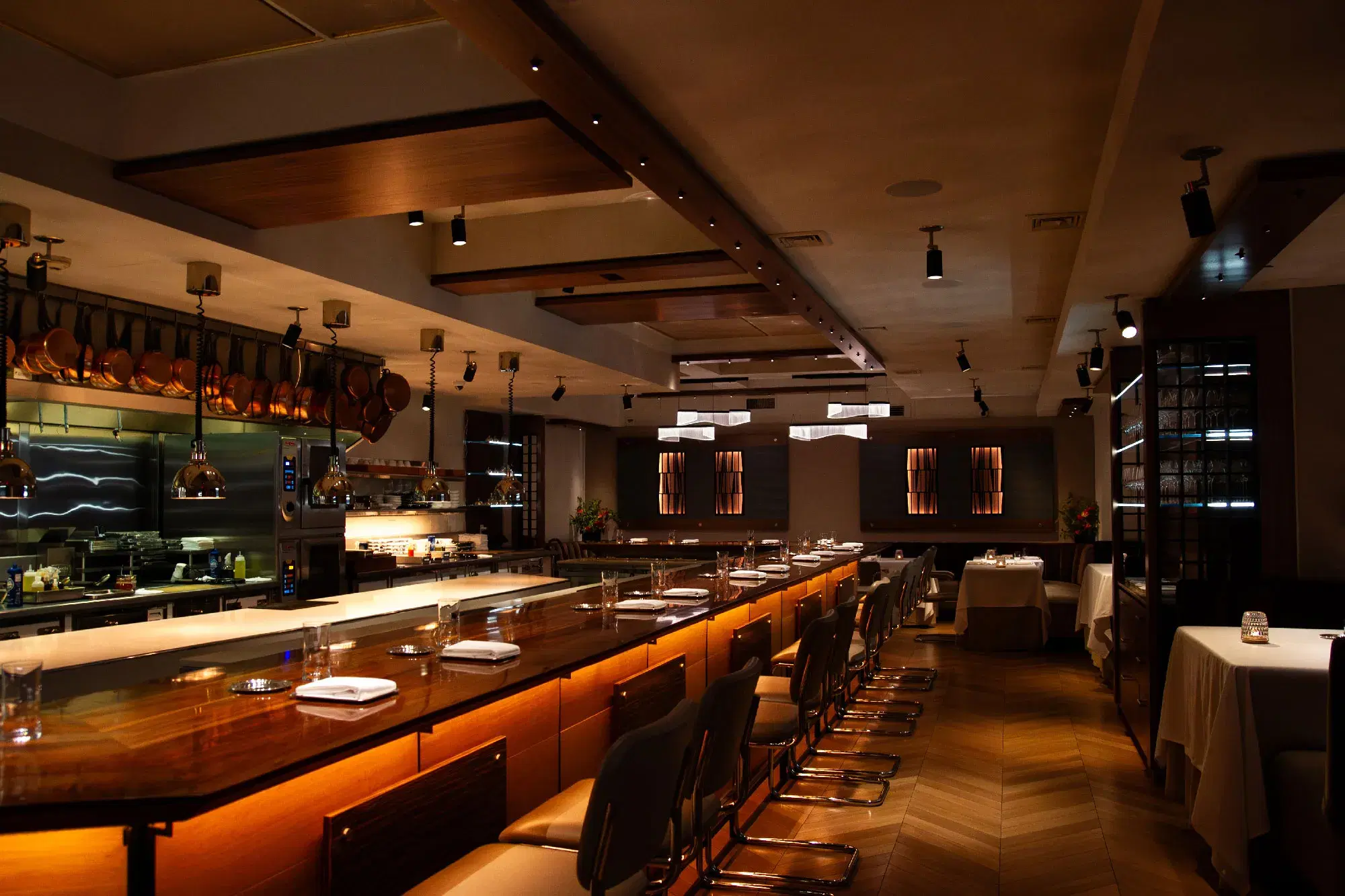
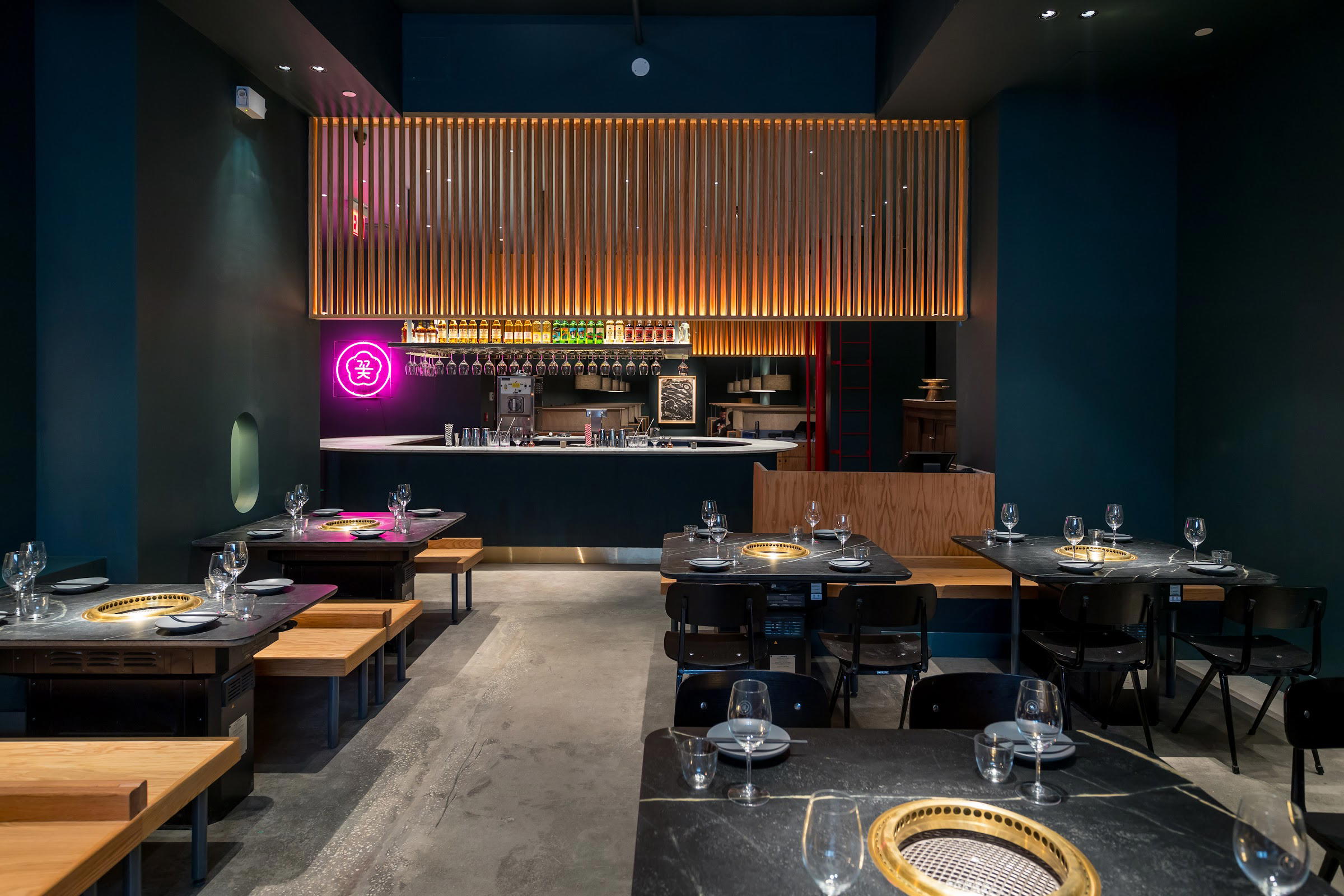
Occupying a corner of the Starrett-Lehigh Building in West Chelsea, DDOBAR by Joomak NYC brings a sharp, technique-driven perspective to Korean cooking in a neighborhood better known for gallery openings than banchan. Chef Jiho Kim's kitchen earned recognition on the Opinionated About Dining Top Restaurants in North America list for 2025, placing it alongside New York's most closely watched Korean addresses.

Pearl is the En Primeur Club membership app, where members save venues, book tables and use the concierge.
The menu
What to order
- Yubutart
- Cacio e Pepe
- Fluke with Watermelon
- Botan Ebi
- Duck Pastrami Yubutart
West Chelsea's Industrial Frame, Korean Cooking's Current Moment
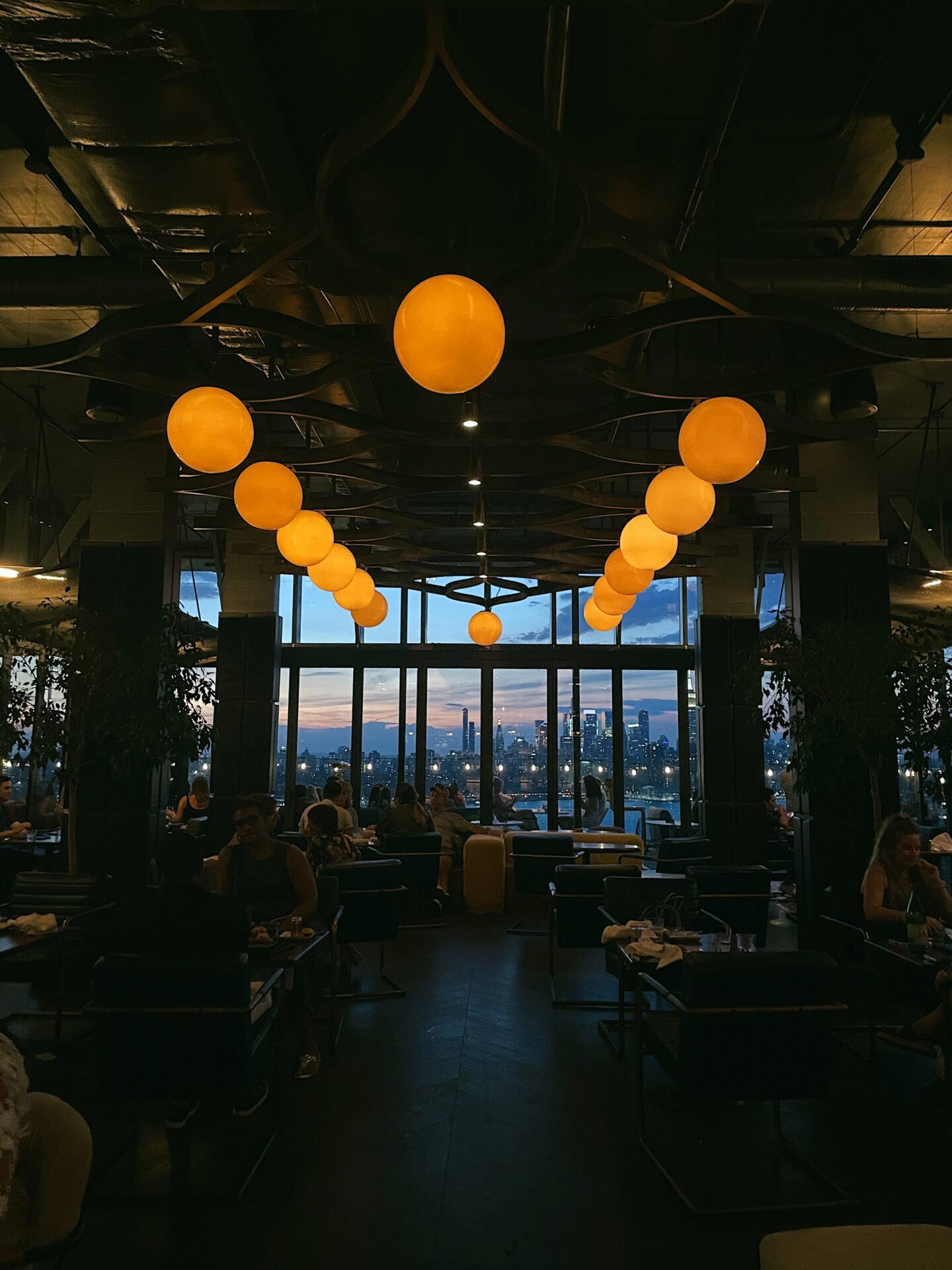
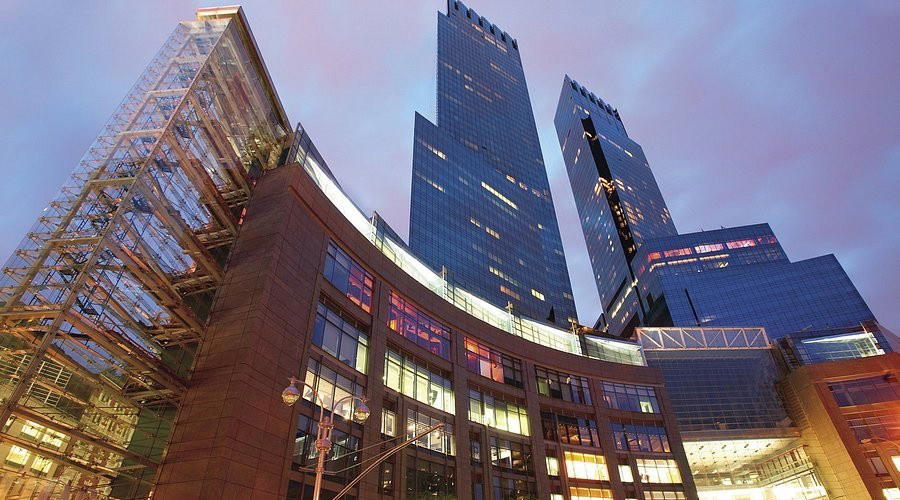
The Starrett-Lehigh Building at 601 West 26th Street is not a typical fine-dining address. The 1931 freight terminal-turned-office block, with its ribbon windows and raw floor plates, has long housed creative agencies and design studios rather than restaurant counters. That context matters for understanding what DDOBAR by Joomak NYC is doing: it is positioned at the edge of the neighborhood's gallery district, where the audience for ambitious, technique-led cooking has grown alongside the market for contemporary art. The industrial setting is not decorative irony, it reflects a broader shift in where serious Korean restaurants in New York choose to plant themselves, increasingly away from Koreatown's 32nd Street corridor and toward neighborhoods where the dining conversation is happening on different terms.
Korean Fried Chicken and the Double-Fry Standard
Any account of contemporary Korean restaurant culture in the United States that skips fried chicken is leaving out one of the format's most instructive chapters. The double-fry technique, frying at lower temperature first to cook through, then a second pass at higher heat to shatter the crust, produces a structural result that single-fry American versions rarely achieve: a shell that stays crisp long after it leaves the fryer, with a glass-like snap rather than a soft, collapsing coat. The method arrived in South Korea in the 1970s and accelerated through the 1990s and 2000s as a distinctly Korean contribution to a shared global language. By the time Korean fried chicken chains crossed into the American market, the double-fry had become the baseline expectation among those who knew what to look for.
DDOBAR, the name translates roughly to "again" in Korean, implying repetition, a second pass, a return, operates inside that tradition without being limited to it. The name itself carries a structural logic that rhymes with the double-fry idea: something done twice, or returned to, acquires different qualities than something done once. Chef Jiho Kim's kitchen applies that sensibility across formats that range beyond fried chicken while keeping the underlying technical discipline intact. In New York's current Korean dining scene, that discipline is what separates the OAD-listed addresses from the broader field.
Where DDOBAR Sits in New York's Korean Dining Tier
New York's Korean restaurant scene in 2025 is more stratified than it was a decade ago. At the formal end, Jua and bōm occupy a tasting-menu register where Korean ingredients and technique support multi-course formats designed for the Michelin-adjacent audience. Further down the register, Jeju Noodle Bar and 8282 hold dedicated followings in the mid-tier, and Meju has built a reputation in the fermentation-forward corner of the scene.
DDOBAR's 2025 Opinionated About Dining recognition places it in the upper segment of that structure without anchoring it to the white-tablecloth formalism of the Michelin bracket. OAD's methodology weights heavily toward peer and critic opinion rather than service formality, which means the recognition reflects kitchen quality as assessed by a food-literate audience. That is a meaningful distinction: it positions DDOBAR alongside restaurants valued for what comes out of the kitchen rather than how it is delivered. For comparison, OAD's North America list in recent years has included addresses like Lazy Bear in San Francisco, Single Thread Farm in Healdsburg, and Providence in Los Angeles, restaurants with serious kitchen programs that may or may not hold Michelin stars but are regarded as reference points in their categories.
The Korean dining context extends beyond New York. In Seoul, Mingles and Kwonsooksoo represent the high end of contemporary Korean fine dining, with the former holding two Michelin stars and building its identity around the intersection of Korean culinary tradition and European technique. DDOBAR operates within a New York interpretation of that conversation, translating techniques and flavor profiles that Seoul has been refining for years into a format calibrated for a West Chelsea audience.
The Google Signal and What It Indicates
At that volume, a 4.8 average reflects something close to consensus: enough reviews to smooth out outlier scores, with a result that suggests consistent execution rather than a handful of enthusiastic early visits. A sustained 4.8 implies a kitchen operating with discipline across the full range of its output. That does not translate to accessibility: it says nothing about price, format, or how difficult the reservation is to secure. But it does suggest that when guests do get in, the experience delivers against expectations set by the kitchen's reputation.
Planning a Visit to DDOBAR
DDOBAR by Joomak NYC is located in the Starrett-Lehigh Building at 601 West 26th Street, in the West Chelsea neighborhood. The building sits between 11th and 12th Avenues, within walking distance of the High Line and the gallery district along West 24th to 27th Streets. The area draws a mixed crowd of art world regulars, tech workers from the surrounding offices, and diners making purposeful trips from other neighborhoods.
| Venue | Cuisine | Price Tier | Recognition | Neighborhood |
|---|---|---|---|---|
| DDOBAR by Joomak NYC | Korean | Not published | OAD Leading Restaurants North America 2025 | West Chelsea |
| Atomix | Modern Korean | $$$$ | Michelin 2 Stars | Kips Bay |
| Jua | Korean | $$$ | EP Club Listed | Flatiron |
| Jeju Noodle Bar | Korean | $$ | EP Club Listed | West Village |
| Meju | Korean | $$$ | EP Club Listed | East Village |
For dining across New York more broadly, see our full New York City restaurants guide. For where to stay nearby, our full New York City hotels guide covers the field. Rounding out your time in the city: our full New York City bars guide, our full New York City experiences guide, and our full New York City wineries guide.
Frequently asked questions
Who is the chef connected to DDOBAR by Joomak NYC?
The chef associated with DDOBAR by Joomak NYC is Jiho Kim.
Where is DDOBAR by Joomak NYC located?
DDOBAR by Joomak NYC is located at Starrett-Lehigh Building, 601 W 26th St, New York, NY 10001, New York City.
What's the best thing to order at DDOBAR by Joomak NYC?
DDOBAR earned its 2025 Opinionated About Dining recognition in North America through Chef Jiho Kim's Korean cooking, and the double-fried chicken is the dish most consistently cited as the reason to visit. Korean fried chicken at this level is a technical exercise, the double-fry method produces a shell that stays crisp longer than a single-fry crust, and ordering around it gives the meal its structure. Given OAD's emphasis on overall kitchen consistency, ordering broadly across the menu rather than narrowing to one dish is the approach most likely to reflect what the kitchen is doing.
What cuisine category does DDOBAR by Joomak NYC fall under?
Does DDOBAR by Joomak NYC have a Michelin star or similar recognition?
DDOBAR by Joomak NYC has received recognition including: Opinionated About Dining Top Restaurants in North America (2025).
Reputation Context
Comparable venues nearby, for context on price, style, and recognition.
| Venue | Cuisine | Price | Notes |
|---|---|---|---|
| DDOBAR by Joomak NYCThis venue (the venue you are viewing) | Modern Korean Omakase with Yubutarts | $50–100 | Not listed |
| Baekjeong | Korean BBQ | $50–100 | Midtown South-Flatiron-Union Square |
| Kimganae | Korean Bunsik Comfort Food | $10–20 | Flushing-Willets Point |
| Soju Haus | Korean Pub | $50–100 | Midtown South-Flatiron-Union Square |
| Geo Si Gi Gamjatang | Korean Gamjatang Specialist | $20–30 | Murray Hill-Broadway Flushing |
Recognition history
Dated appearances from independent guides and award organizations, with the underlying list record or original source where available.
Opinionated About Dining Top Restaurants in North America Recommended
Opinionated About Dining
Full recognition history (2 entries)
Opinionated About Dining Top Restaurants in North America
Opinionated About Dining