
Michelin Plate
Our verdict
Five tables, one brewery next door, and a Michelin Plate to its name: Mogano is the Faenza family's case for craft beer as a serious pairing partner for creative Italian cooking. The restaurant sits in Formello, just north of Rome, and draws guests with a wood-toned interior, internationally inflected menus, and an aperitif served in the kitchen before the meal begins.

Pearl is the En Primeur Club membership app — saves, bookings, and concierge access live there. Same editors, same standards.
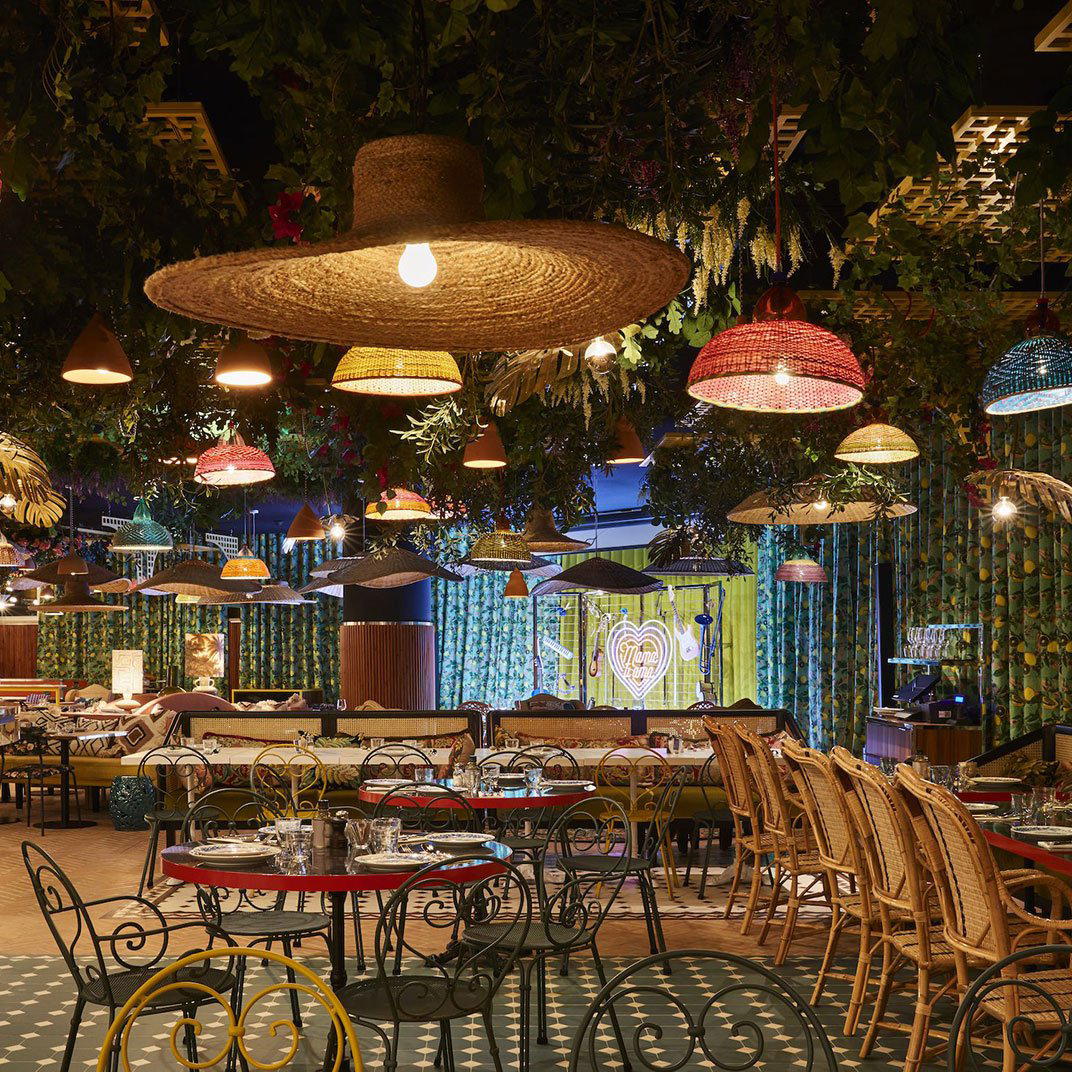
Where a Brewery Becomes the Kitchen's Closest Neighbour
The drive into Formello from Rome takes you out of the GRA's orbit and into the low hills of the Ager Veientanus, the territory that once fed ancient Veii. The town itself sits about 25 kilometres north of the capital, quiet enough that arriving at Via del Praticello Alto feels like stepping sideways from the city rather than simply north of it. Mogano occupies a space that makes its premise immediately legible: the Ritual Lab brewery is right next door, not as a branding gesture but as a literal source. The two buildings share the same ownership, the same family, and a shared argument about what belongs on a table set for serious food.
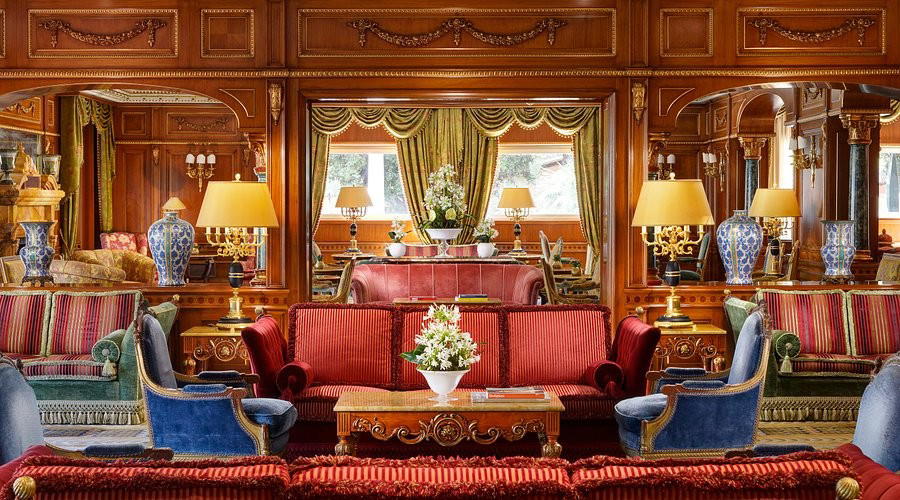
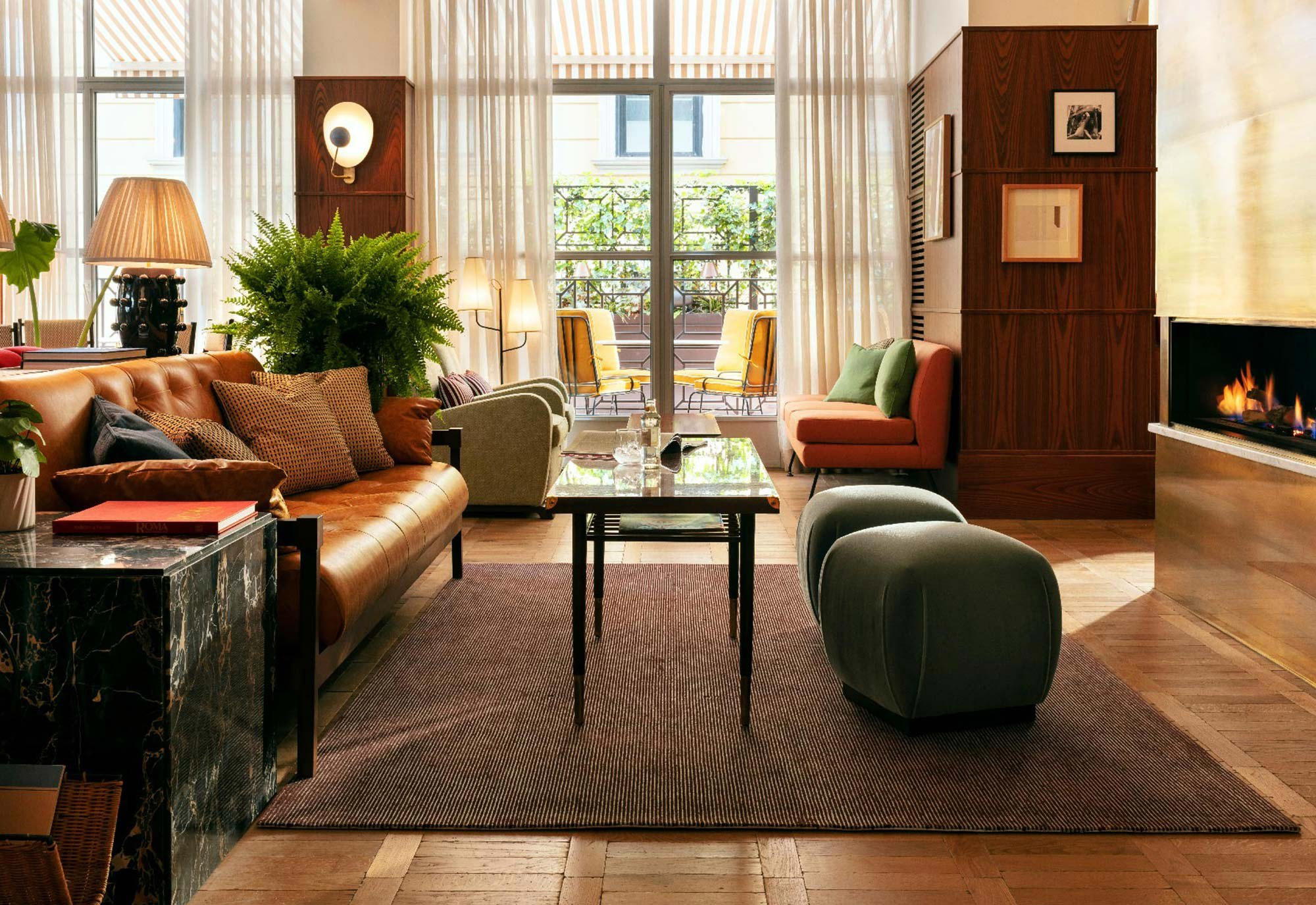
Inside, the room organises itself around five tables. Wood tones run through the decor without becoming rustic, and the lighting is calibrated low enough to feel considered rather than merely dim. For a dining room in a small Lazio comune, the format signals intent: this is not a trattoria offering local staples to passing visitors, and it is not chasing the maximalist design vocabulary of Rome's more self-conscious fine-dining rooms. The Michelin Guide, which awarded Mogano a Plate recognition in 2024, tends to notice exactly this kind of focused operation, where the cooking earns attention without the scaffolding of a larger production.
The Beer Pairing Case, Made Seriously
Italy's craft beer movement has grown considerably since the early 2000s, when a handful of northern producers began challenging the dominance of industrial lager. By the mid-2010s, the movement had produced breweries serious enough to attract international attention, and pairing those beers with food at a comparable level became a natural extension. Mogano sits inside that logic: the Ritual Lab brewery next door supplies what is, in effect, the house producer's range, and the restaurant's format is built around the idea that a well-made craft beer can carry the same conversation with food that a considered wine selection does.
That case is harder to make than it sounds. Italian dining culture remains deeply attached to wine at table, and the hierarchies that govern which bottles belong at which price point are well-established. Operators like Enoteca Pinchiorri in Florence or Osteria Francescana in Modena operate within a wine-first framework that their guests understand before they arrive. Mogano is doing something structurally different: it is asking the pairing question from the brewery outward, which requires that the food meet the beer at a level where the exchange is genuinely interesting. A wine list is available for guests who want it, which reflects a practical awareness of the cultural habits Mogano is working against rather than any retreat from the core proposition.
Sourcing, Influence, and What the Menu Is Actually Arguing
Creative Italian cooking, as a category, covers a wide range of actual practices. At the top of the market, the designation often signals a kind of cosmopolitan refinement applied to premium Italian ingredients: the approach taken by Enrico Bartolini in Milan or, in a different register, by Reale in Castel di Sangro. At Mogano, the creative designation reflects something more specific: a kitchen that draws on Italian flavours as its base material but applies techniques and references gathered from international experience. The result is a menu that reads as Italian in its orientation but not in its limits.
The sourcing question matters here because of the brewery adjacency. When the pairing vehicle is produced next door, the kitchen's ingredient choices become part of a tighter system. The ingredients that work leading with craft beer tend to be those with clear, unmediated flavour: well-sourced protein, vegetables with structural presence, preparations that don't rely on heavy reduction to generate depth. Lazio itself offers a supply base worth working with: the region's lamb, pork, vegetables from the Campagna Romana, and the various cured products from surrounding areas all carry the kind of directness that translates well across a beer pairing. Whether and how Mogano exploits that supply base specifically is something a visit would reveal more precisely than the restaurant's public record allows.
Comparable operations elsewhere in Italy's more remote fine-dining tier, from Quattro Passi in Marina del Cantone to Uliassi in Senigallia, tend to anchor their menus to a specific local supply story even when the cooking reaches beyond regional tradition. That grounding in place is part of what the Michelin Plate signals: the guide is recognising cooking that is doing something real, not just technically competent work at a table with a view.
Format and the Five-Table Calculus
Five tables is a meaningful constraint. It limits covers to a number that most metropolitan restaurants would consider a slow Tuesday, but it also shapes what the kitchen can actually deliver. The aperitif served in the kitchen before dinner is not a hospitality flourish in isolation; it is a structural choice that integrates the guest into the kitchen's rhythm before the meal begins, a format that the very small dining rooms of contemporary Italy, from Casa Perbellini 12 Apostoli in Verona to Piazza Duomo in Alba, have used to different ends. At Mogano, the kitchen aperitif also gives the team an opportunity to frame the beer pairing narrative before the first course arrives, which is a sensible move when the pairing proposition is still unfamiliar to a portion of incoming guests.
That kind of rating, across a meaningful sample size, tends to track venues that deliver reliably within their own terms rather than venues that polarise.
Planning a Visit
Mogano's price range sits at €€€, which places it in the same tier as solid mid-market creative restaurants in Rome but at a remove from the €€€€ bracket occupied by Atelier Moessmer Norbert Niederkofler in Brunico or Dal Pescatore in Runate. For a Michelin Plate restaurant in a small Lazio town with a brewery-adjacent concept and a five-table format, that positioning reflects the Faenza family's decision to keep the proposition accessible rather than exclusive. Guests travelling from Rome should allow for the drive north, and given the limited seating, advance booking is advisable regardless of the day of the week. For those building a wider picture of what Formello and its surroundings offer, our full Formello restaurants guide, hotels guide, bars guide, wineries guide, and experiences guide cover the area in full. For a wider comparative frame on creative cooking with international points of reference, Alléno Paris au Pavillon Ledoyen and JAN in Munich offer useful context on how the creative designation operates at higher price points in other European cities. Le Calandre in Rubano sits closer in spirit to what Mogano is attempting, with a family-run structure and a long Michelin history, though at a considerably higher tier of recognition and price.
Frequently asked questions
What's the pricing like at Mogano?
Pricing at Mogano is listed as €€€.
Comparable Spots, Quickly
| Venue | Cuisine | Price | Awards | Notes |
|---|---|---|---|---|
| MoganoThis venue — the venue you are viewing | Modern Italian Fine Dining with Craft Beer Pairings | Not listed | Michelin Plate | Not listed |
| Atelier Moessmer Norbert Niederkofler | Italian, Creative | Not listed | Michelin 3 Star | Not listed |
| Dal Pescatore | Italian, Italian Contemporary | Not listed | Michelin 3 Star | Not listed |
| Enoteca Pinchiorri | Contemporary Italian Fine Dining | $200–300 | 3 Michelin Stars · World's 50 Best #32 | Italian - French, Italian Contemporary |
| Enrico Bartolini | Creative | Not listed | Michelin 3 Star | Not listed |
| Osteria Francescana | Avant-Garde Italian Contemporary | $300–500 | 3 Michelin Stars · World's 50 Best #1 | Progressive Italian, Creative |
Recognition history
Dated appearances from independent guides and award organizations, with the underlying list record or original source where available.
Michelin Plate
Michelin
Full recognition history (3 entries)
Michelin Plate
Michelin
Michelin Plate
Michelin
Continue exploring
More in Formello
Restaurants in Formello
All restaurants in Formello →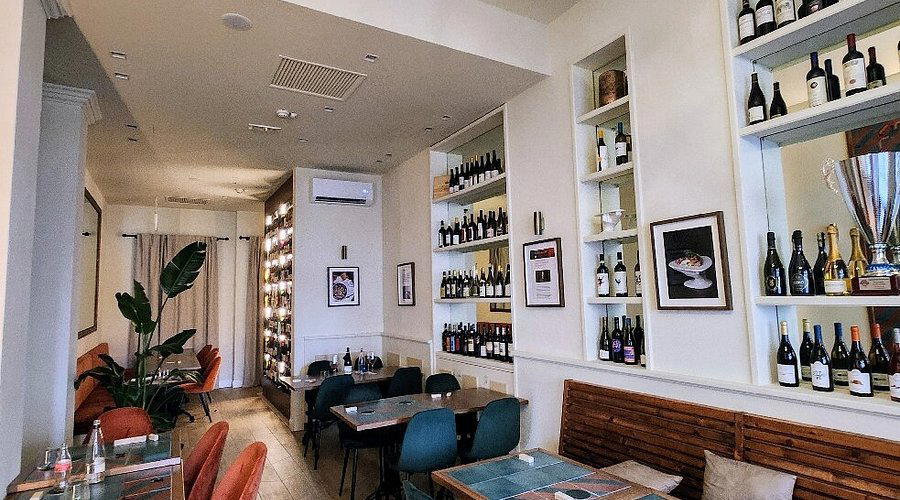
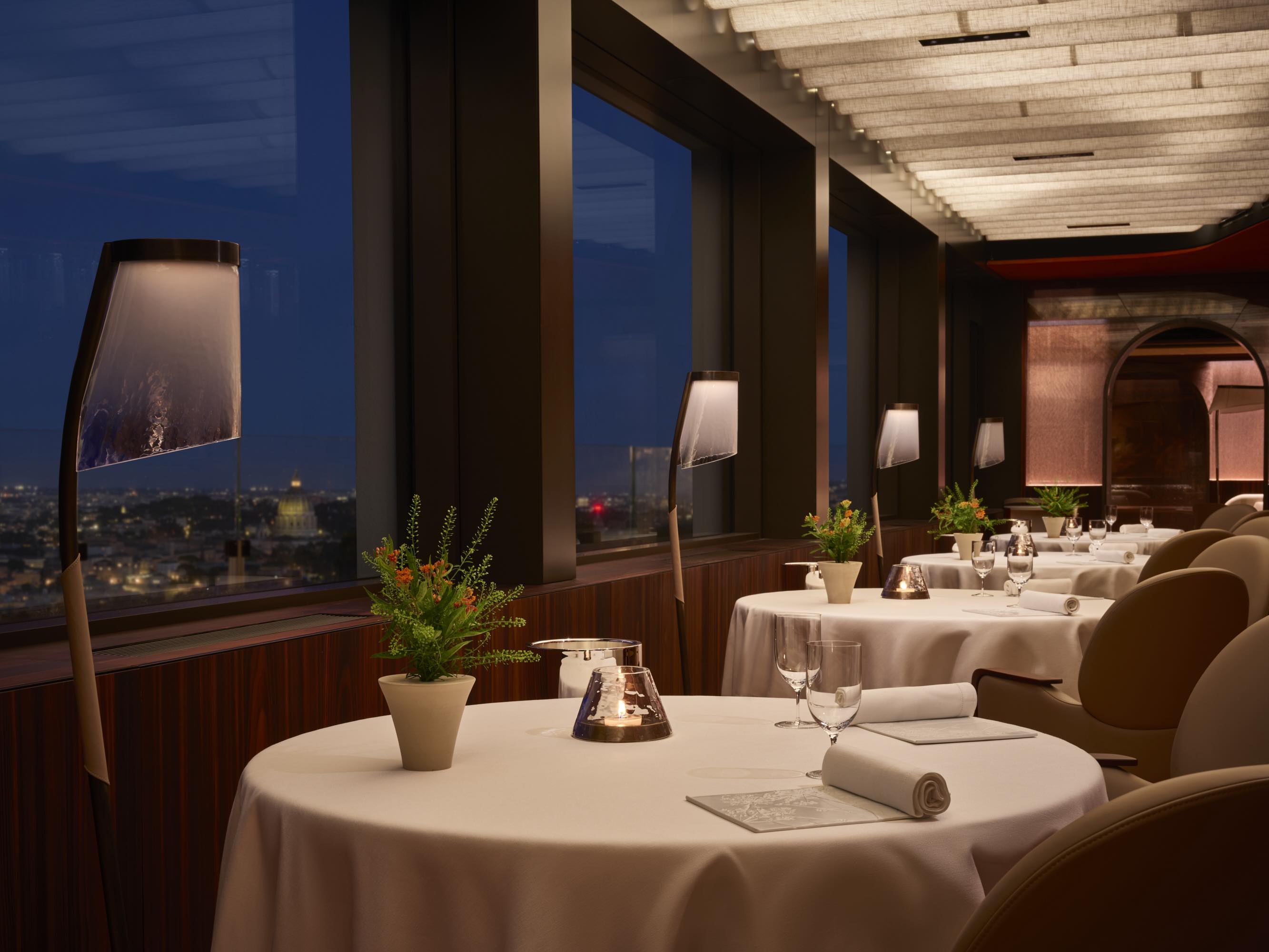
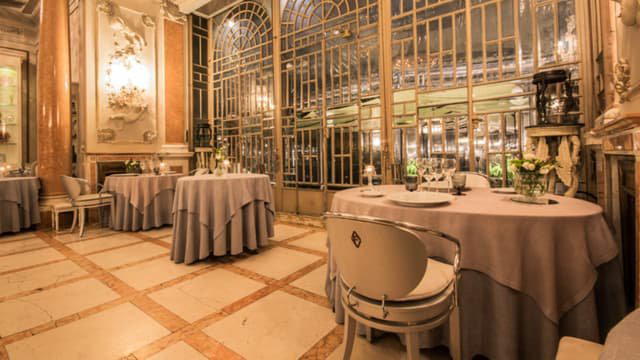
Bars in Formello
Browse all →

Mogano
The wine
- Wine program
- Curated wine list
- Craft cocktails
- Beer program
Details
- Intimate
- Modern
- Elegant
- Cozy
- Sophisticated
- Date Night
- Special Occasion
- Open Kitchen
- Chefs Counter
- Craft Cocktails
- Beer Program
- Local Sourcing
- Tasting Menu
- Beer Program
Current opening hours
- Monday
- 7:30–10:30 PM
- Tuesday
- Closed
- Wednesday
- Closed
- Thursday
- 7:30–10:30 PM
- Friday
- 7:30–10:30 PM
- Saturday
- 7:30–10:30 PM
- Sunday
- 7:30–10:30 PM
Hours can change for holidays and private events. Last verified .
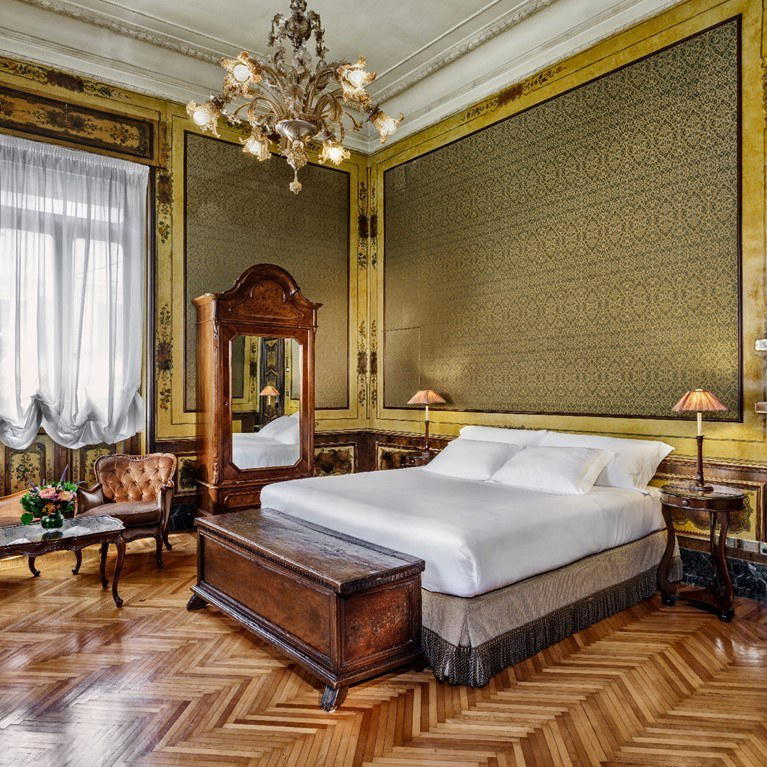
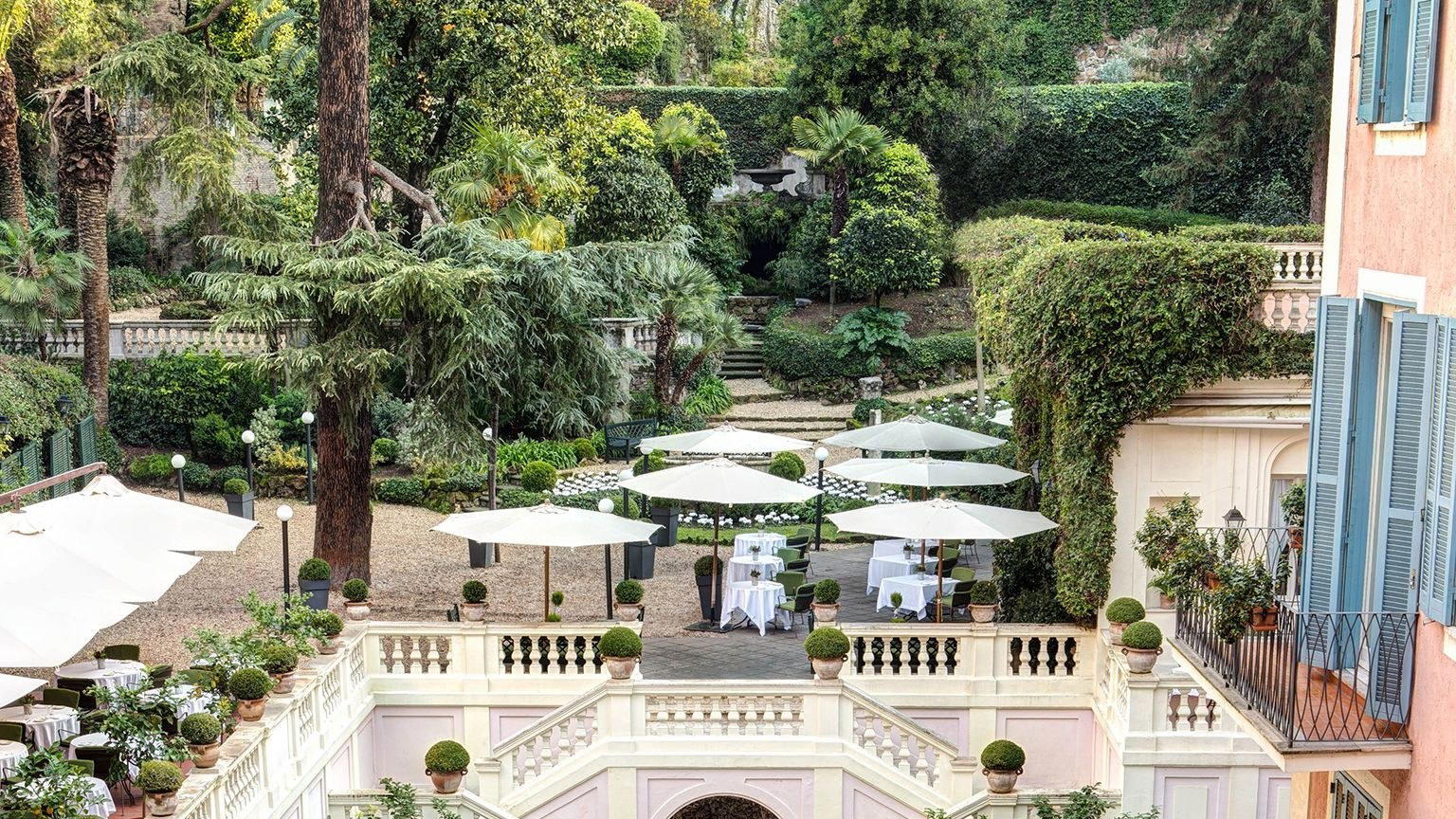
Minimal and modern with soft, pleasant lighting, wood-inspired decor, and an intimate atmosphere featuring just five tables.