
Relais Chateaux Award
Our verdict
Fine Dining Restaurant in Okinawa works in a polished resort register, but its interest is agricultural rather than ornamental: Chef Masatomo Kina builds continental cooking around vegetables, fruit and herbs cultivated on the hotel’s farm, with charcoal used for aroma and structure. For travellers mapping Okinawa beyond casual seafood and resort buffets, it offers a quieter reading of the island’s produce culture through French technique.

Pearl is the En Primeur Club membership app — saves, bookings, and concierge access live there. Same editors, same standards.
- Address
- 630-1 Uza, Yomitan Village
- Phone
- +81 98 921 6111
- Website
- terrace.co.jp
- Directions
- Get directions
The menu
What to order
- Thick domestic-beef roast beef “MILANO Cut”
- Seafood dishes featuring local resort ingredients
- Chef’s seasonal dinner course
Approaching a serious dining room in Okinawa shifts the island restaurant conversation away from beachside ease and toward cultivated restraint. A premium setting can flatten into generic luxury, but the more interesting tables use Okinawa’s climate and sense of place as working material rather than decoration. Fine Dining Restaurant belongs to that camp: a premium dining room shaped around Creative cooking, with Chef Masatomo Kina associated with the kitchen and a more composed point of view than casual dining.
Okinawa is often read through familiar local ingredients and relaxed island rhythm. That shorthand misses a second register: dining rooms with the ambition to treat place with the discipline usually associated with formal tasting menus. In that context, Chef Masatomo Kina’s role matters less as biography than as a signal of method. The cuisine is identified as Creative cooking, which places the restaurant closer to a flexible, idea-led kitchen than to a single fixed regional or imported category.
Creative cooking with an Okinawan sense of place
The useful way to read this table is not as a transplanted template, but as a controlled meeting between formal restaurant structure and subtropical island conditions. Okinawa’s climate gives chefs a different palette from mainland Japan, and a kitchen working in a premium register has to be more precise than decorative; otherwise the setting becomes a talking point rather than a culinary position.
Chef Kina’s presence gives the room a clear human reference without requiring an invented biography or unsupported career mythology. In higher-end restaurants, the stronger kitchens are often those that can adapt to guests while still making the meal feel intentional. The Creative cooking framework gives this room a defined centre even when individual preferences or the rhythm of a trip shape the evening.
For readers comparing categories across the island, Our full Okinawa restaurants guide is the better starting point for breadth. Travellers building a wider itinerary may also want the parallel context in Our full Okinawa hotels guide, Our full Okinawa bars guide, Our full Okinawa wineries guide and Our full Okinawa experiences guide.
A resort dining room with a focused argument
The tension in Okinawa’s premium dining is simple: many visitors want ease, but the more compelling meals ask them to pay attention. Fine Dining Restaurant sits in that second category. Its value is not volume, spectacle or a long list of luxury markers. It is the argument that a serious restaurant in Okinawa can use Creative cooking to make a more focused statement than a generic premium meal.
That matters because Okinawa does not need another room pretending to be somewhere else. The island’s strength is climatic, cultural and coastal, and a restaurant working at this level is most persuasive when it lets those conditions shape the experience without turning them into cliché. In that setting, the food can gain a regional accent while still remaining polished, deliberate and suited to an international audience.
This is also where the chef’s role is best understood editorially. Rather than relying on an unsupported career timeline, seat count, ranking or prize list, the credible evidence is the provided profile itself: Chef Masatomo Kina is associated with Fine Dining Restaurant, and the cuisine is identified as Creative cooking by its listed source. That is enough to place the restaurant within a broader movement in Japanese dining, where serious kitchens increasingly use place and technique to distinguish themselves from international sameness.
Readers looking at other Okinawa restaurant pages can use unnamed local dining rooms for a broader sense of the island’s range, from casual formats to more composed meals. Internationally, the same broad Creative cooking label can cover very different travel contexts, which is why the local reading matters more than the category name alone.
Who this table suits
This is a sharper choice for travellers who want Okinawa interpreted through technique rather than served as a checklist of regional dishes. The room is likely to appeal to guests who value controlled pacing, creative cooking and the quieter side of premium dining. It is less suited to anyone seeking a casual local tavern, a quick family meal or a seafood market atmosphere.
The practical reading is clear: choose it when the meal itself is part of the evening’s architecture, not a stop between activities. The strongest case for Fine Dining Restaurant is its alignment of place, method and mood. Okinawa supplies the setting; Chef Masatomo Kina gives the restaurant its named culinary reference; Creative cooking gives the kitchen its frame. That is a more persuasive proposition than another anonymous luxury dining room, and it gives the restaurant a defined role in the island’s premium food culture.
Frequently asked questions
Is Fine Dining Restaurant a family-friendly restaurant?
It can work for families who are comfortable with a formal dining room in Okinawa. For younger diners or mixed-age groups, the safest approach is to contact the restaurant in advance and confirm what it can accommodate.
What is the atmosphere like at Fine Dining Restaurant?
The atmosphere is best understood as composed dining rather than casual island eating. Fine Dining Restaurant is positioned for guests who want a more deliberate meal in Okinawa.
Is Fine Dining Restaurant Michelin-listed?
The provided recognition for Fine Dining Restaurant comes from Relais & Châteaux, which lists Chef Masatomo Kina and identifies the cuisine as Creative cooking.
What style of cooking does Fine Dining Restaurant do?
Fine Dining Restaurant serves Creative cooking cuisine.
Where is Fine Dining Restaurant in Okinawa?
Okinawa.
Who is the chef at Fine Dining Restaurant?
The chef associated with Fine Dining Restaurant is Chef Masatomo Kina.
Do I need a reservation for Fine Dining Restaurant?
A reservation is sensible for a chef-led restaurant in Okinawa, especially for guests planning a premium meal as part of a wider itinerary. The format suggests planning ahead rather than arriving on impulse.
How It Compares
Comparable venues nearby, for context on price, style, and recognition.
| Venue | Cuisine | Price | Awards | Notes |
|---|---|---|---|---|
| Fine Dining RestaurantThis venue — the venue you are viewing | Modern resort fine dining with roast beef and seafood | Not listed | Relais Chateaux Award | Not listed |
| Restaurant Ardor | Okinawan-Italian Fusion | Not listed | Not listed | Henza Island |
| Captain Kangaroo | American Burgers | $10–20 | Tabelog 100 #24 | Nago |
| Mie | Traditional Okinawan Royal Cuisine | Not listed | Not listed | Kumoji |
| Tsurukamedo Zenzai | Okinawan Shaved Ice (Zenzai) | $1–10 | Not listed | Yomitan Village |
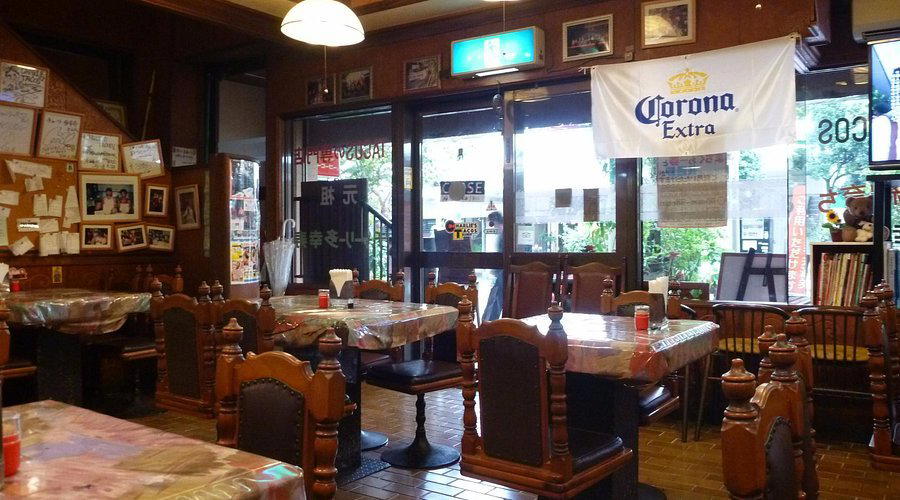
| Charlie Takos | Okinawa-style taco shop | $10–20 | Tabelog 100 #5 | .null |
Recognition history
Dated appearances from independent guides and award organizations, with the underlying list record or original source where available.
Relais Chateaux Award
Relais Chateaux
Details
- Romantic
- Elegant
- Scenic
- Modern
- Sophisticated
- Date Night
- Business Dinner
- Group Dining
- Celebration
- Special Occasion
- Late Night
- Private Event
- Waterfront
- Open Kitchen
- Private Dining
- Panoramic View
- Design Destination
- Hotel Restaurant
- Local Sourcing
- Waterfront
- Tasting Menu
- A La Carte
- Set Menu
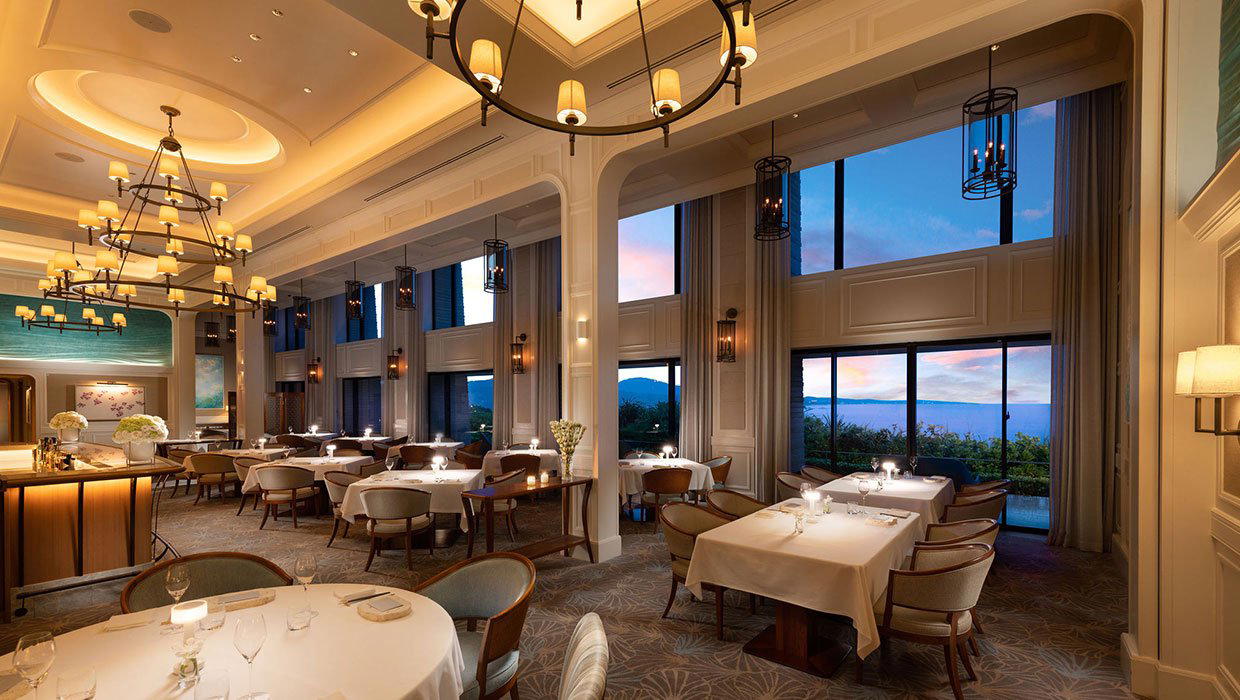
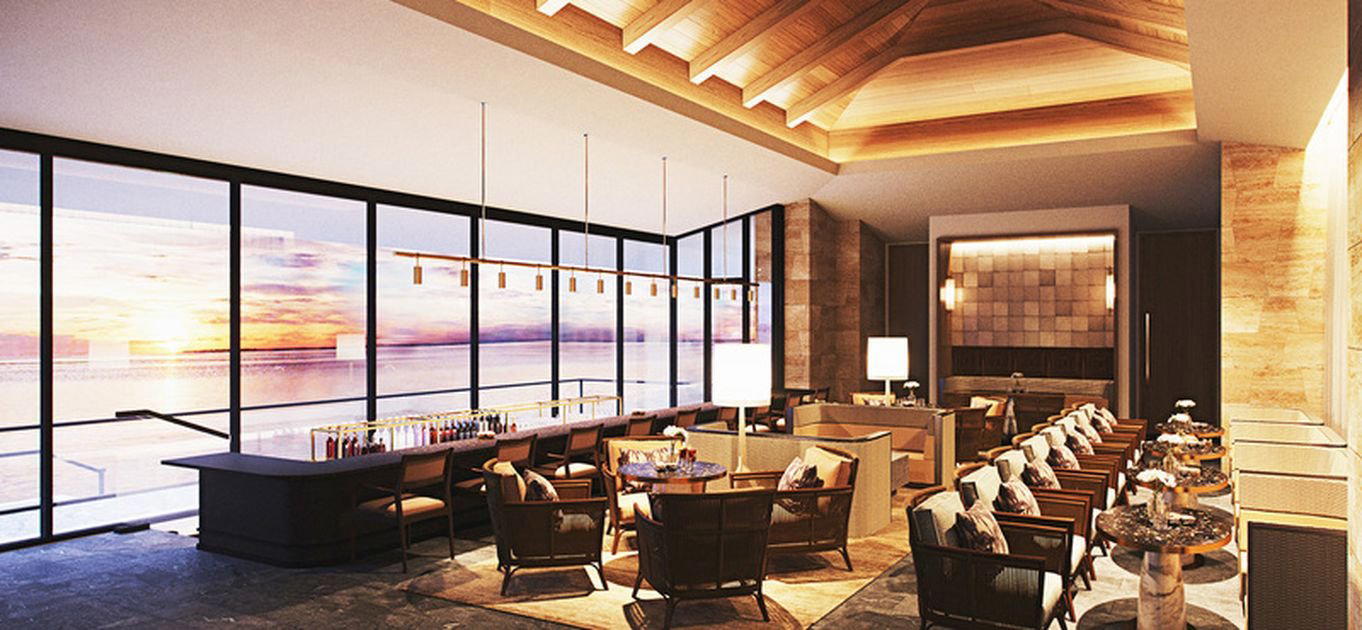
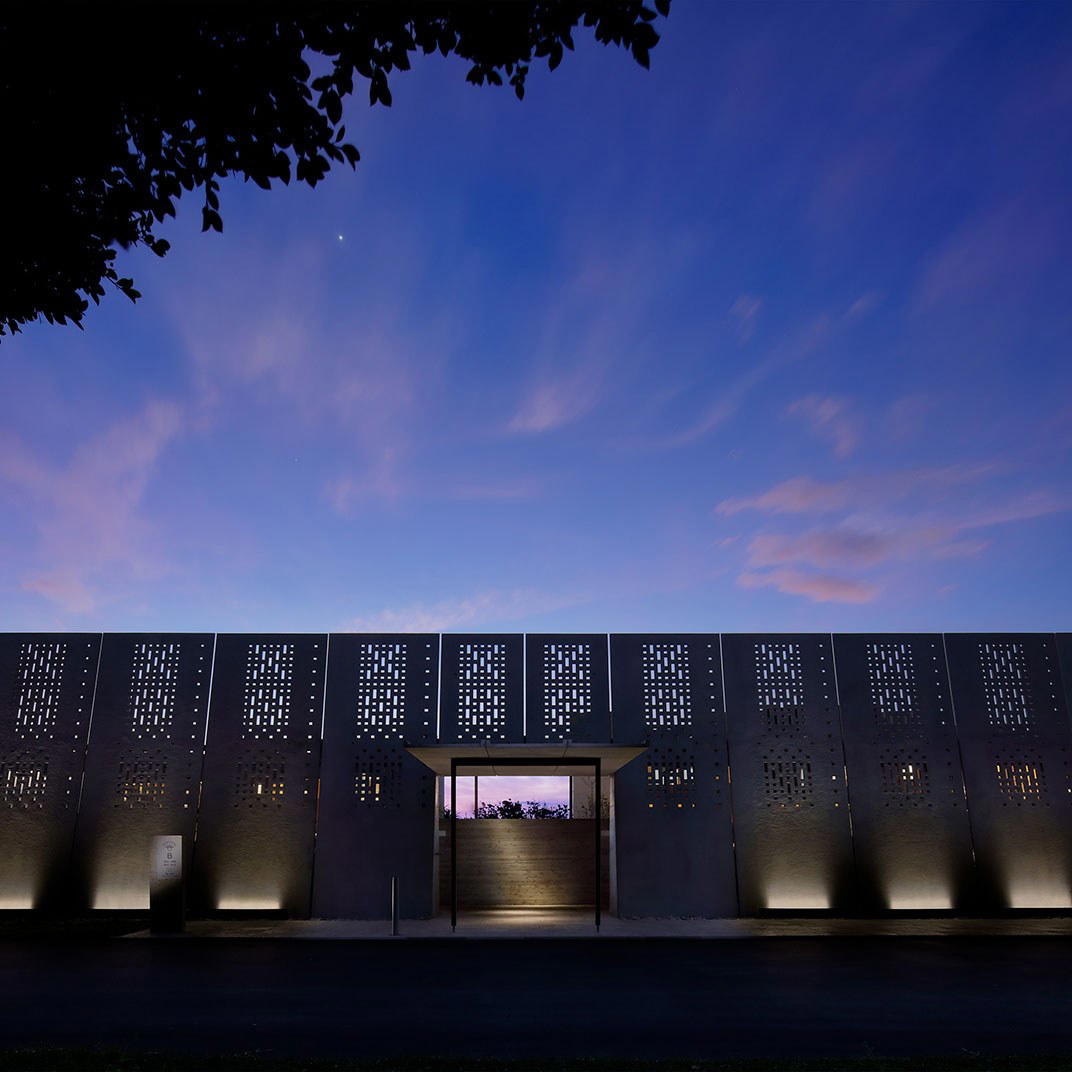
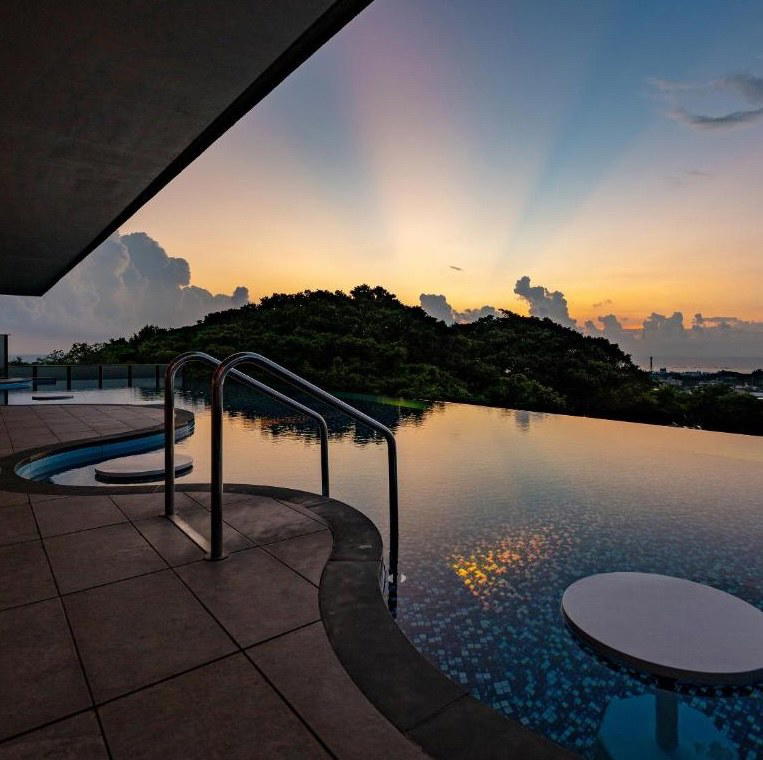
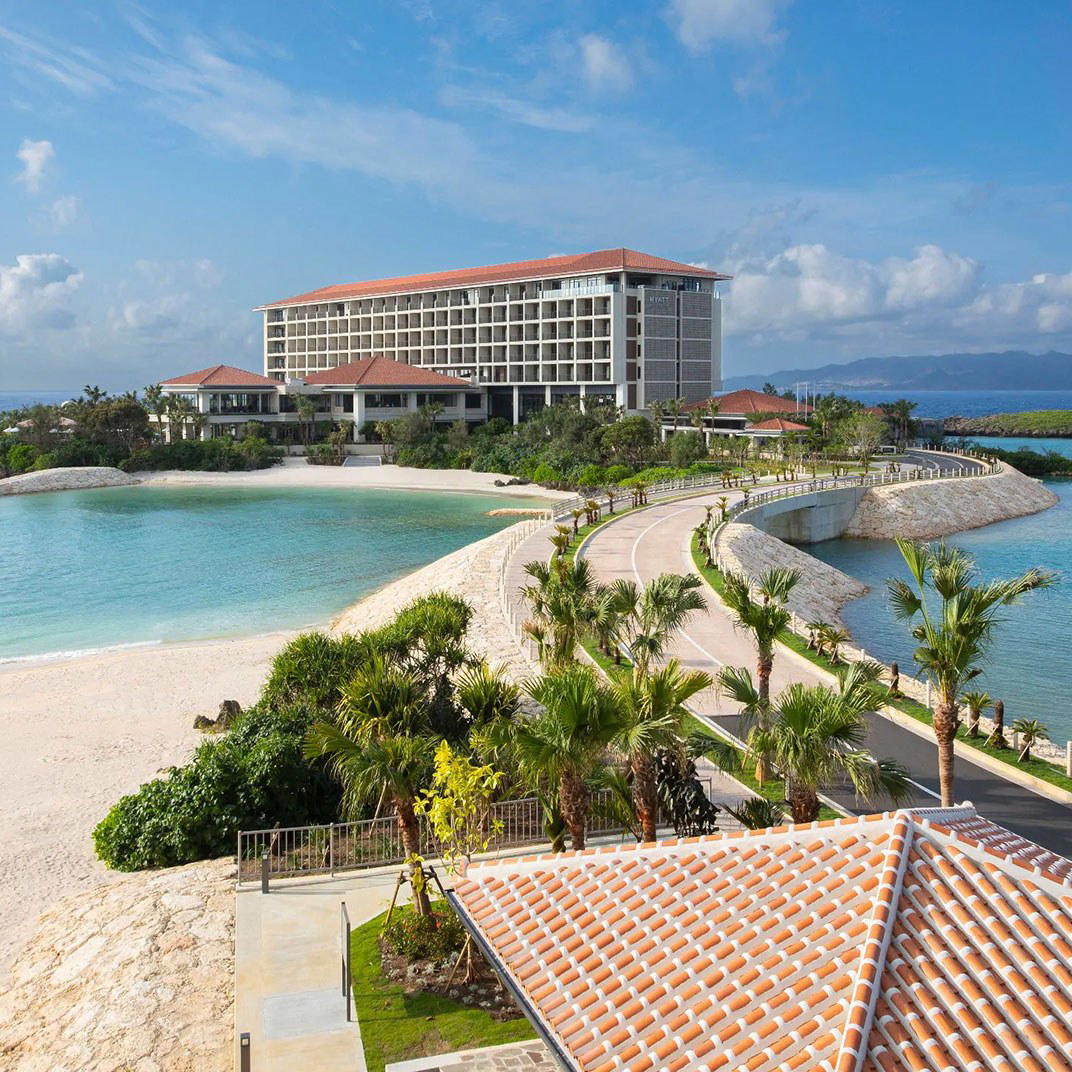
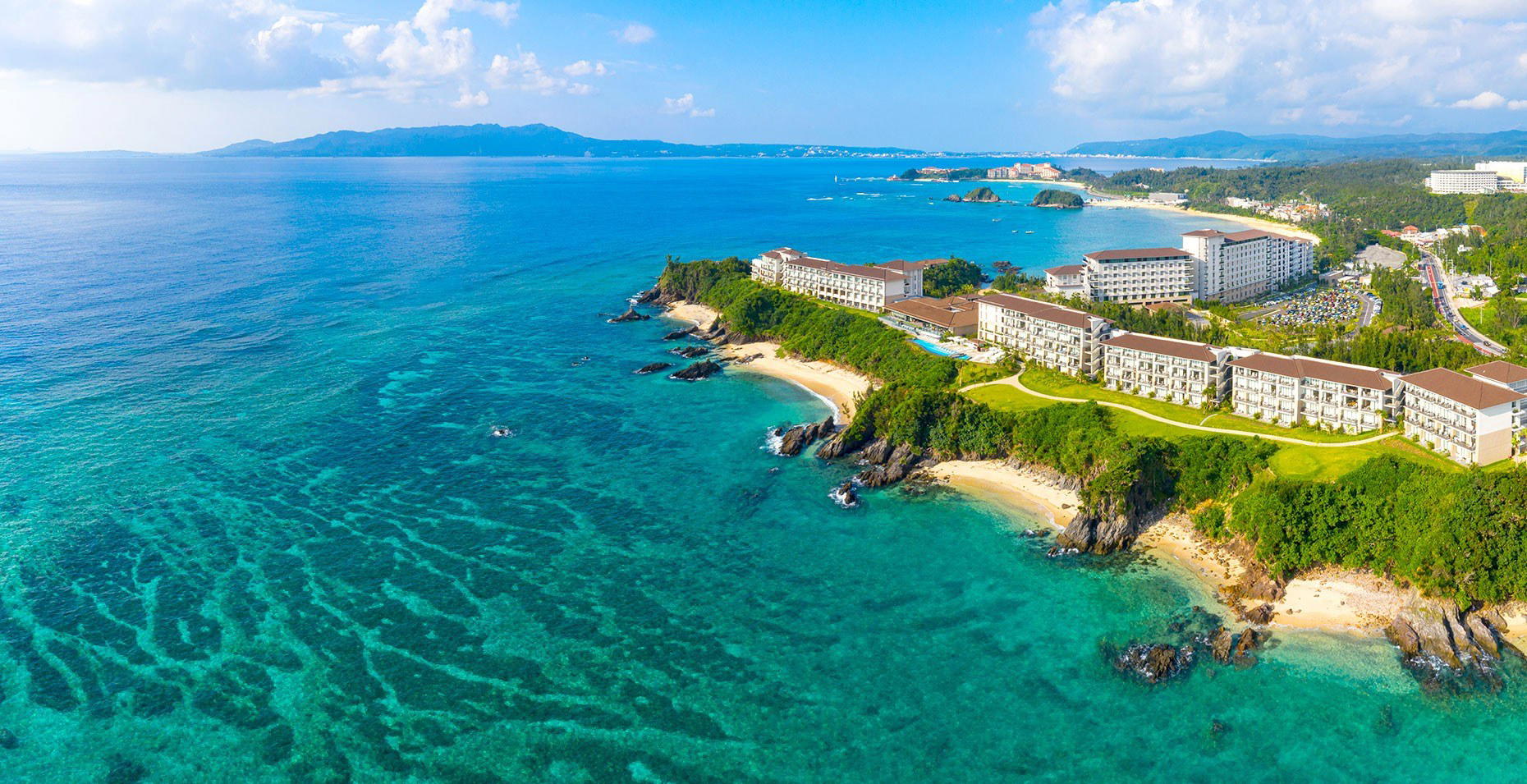
A stylish and luxurious dining room themed around deep blue tones reminiscent of the Okinawan sea, with elegant tableware, panoramic sunset ocean views, and an intimate yet refined resort atmosphere.