
Tabelog 100 #73
Our verdict
Manmi gives Nago’s dining scene a grounded Okinawan pork counterpoint to resort teppanyaki and beachside hotel restaurants. Its selection for Tabelog 100 - Yakiniku - WEST - 2025 places it inside a serious yakiniku conversation, while the format stays tied to Yanbaru sourcing, family meals, private rooms, and local drinking habits rather than metropolitan theatre.

Pearl is the En Primeur Club membership app, where members save venues, book tables and use the concierge.
The menu
What to order
- Shimabuta (Okinawan island pork) yakiniku
- Raw pork horumon (innards)
- Pork shabu-shabu
- Homemade Suchika (salted pork)
- Smoked Okinawan pork
Approach dining in northern Okinawa with mainland expectations and the meal can read too softly: fewer grand rooms, less ceremony, more dependence on the island’s own pantry. That is the point. Around Nago, the table is often shaped by pork culture, smoke, and the social pace of group eating. Manmi belongs to that Okinawan dining grammar, where yakiniku is not only about marbled beef hierarchy but about the broader usefulness of grilled meats, tripe, pork shabu shabu, and the slow logic of cooking together.
The signal that matters here is not spectacle. It is selection for Tabelog 100 - Yakiniku - WEST - 2025, a list that places the restaurant within western Japan’s competitive yakiniku field rather than the thinner tourist category that often defines resort-island dining. In Nago, that matters. The city’s restaurant map stretches from polished dining rooms and teppanyaki counters to casual sweets shops and local rooms; the serious middle tier is smaller, and it tends to reward places that make a clear case for local eating rather than simply importing mainland formats.
Okinawan pork changes the yakiniku conversation
Japan’s yakiniku culture is often read through beef: wagyu grades, branded cattle, sauce lineage, and Tokyo or Osaka reservation pressure. Okinawa complicates that script. Pork has deep cultural weight across the islands, from everyday home cooking to celebratory dishes, and Nago adds a northern Okinawa frame that feels different from urban grill rooms. Manmi’s place in Nago gives the meal a regional center of gravity. The useful comparison is not only another grill; it is the difference between a place built around imported prestige and one that lets Okinawan dining habits shape the point of departure.
That angle explains why the categories matter: yakiniku, tripe, and pork shabu shabu form a broader reading of the animal than a narrow luxury-cut menu. Tripe and shabu-shabu also pull the experience away from simple char and into texture, broth, and pacing. For travelers who have eaten their way through Tokyo beef counters, this is the more interesting northern Okinawa proposition: less about chasing the rarest label, more about seeing how an island dining tradition enters a Japanese barbecue format.
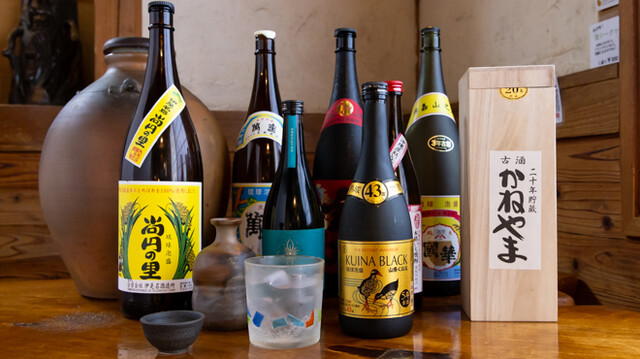
The drink context can reinforce the same point. Local drinking culture sits naturally with grilled meat and offal because the meal is built for repetition: a few cuts, a drink, another round, conversation, then a change of cooking style. Okinawan dining rarely separates food from the social table. Here, the draw is not a resort dining-room script but a more grounded Nago format built around shared cooking and steady pacing.
Nago's serious middle tier sits away from the resort script
Nago is often treated as a gateway rather than a dining destination: the point where travelers collect rental cars, head toward beaches, or continue north. That habit underrates the city’s food map. The useful way to read Nago is by function. Polished rooms handle the vacation meal; family-friendly local rooms handle groups; small specialists carry Okinawan food culture with less translation. Manmi sits in the middle of those categories, more structured than a casual neighborhood stop, less formal than an occasion room.
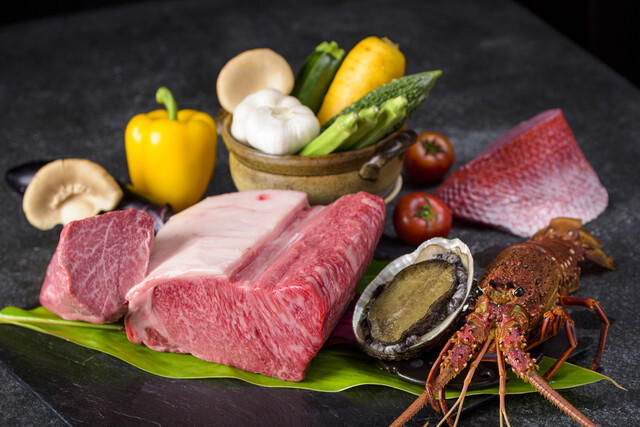
Within the local comparison set, the distinction is clear. Teppanyaki Asahi occupies the grill-as-performance lane, while Ryukyu Meika Mitsuya belongs to the sweets and snack side of town. Yanbaru Dining Matsu no Kominka shares a broad regional-dining orbit, but the experience sits in a different lane from Manmi’s yakiniku, tripe, and pork shabu shabu focus. Those differences are useful for planning: Nago is not a single-style food stop, and the stronger meals come from matching the format to the night.
For a broader look at the city’s eating patterns, Our full Nago restaurants guide is the place to map dinner choices against hotel locations and northern-island drives. Travelers building a wider stay can also use Our full Nago hotels guide, Our full Nago bars guide, Our full Nago wineries guide, and Our full Nago experiences guide to keep meals, drinks, and regional pacing aligned rather than scattering reservations across the island.
Who should choose this table
This is the stronger choice for diners who want Okinawa to taste like Okinawa, not like a transplanted mainland luxury format. The room suits diners looking for shared cooking and a meal that develops through the table rather than through formal plating. That makes sense for yakiniku: the format is collaborative by design, and the appeal is in pacing the grill, conversation, and changing textures across the meal.
The selection history adds weight without turning the meal into trophy dining. The restaurant appears in Tabelog’s Yakiniku WEST 2025 selection, placing it among the recognized yakiniku addresses in western Japan. A Tabelog score of 3.60 also signals a restaurant with a measurable local and domestic-audience footprint, not a venue surviving on resort traffic alone.
Use Manmi when the night calls for regional specificity, shared cooking, and a pork-conscious reading of Okinawan food culture. Choose a polished counter or teppanyaki room when performance, views, or formal pacing matter more. For nearby reference points in Nago’s dining orbit, consider other local dining rooms alongside Manmi, Teppanyaki Asahi, Ryukyu Meika Mitsuya, Thalasso Cafe, Warren’s Place 2.1 Burgers & Beer, and Yanbaru Dining Matsu no Kominka. For a wider Japan file beyond Okinawa, the useful contrast is simply with mainland grill rooms, casual specialists, and destination counters rather than with Nago’s pork-led yakiniku context.
Frequently asked questions
Would Manmi be comfortable with kids?
Manmi is in Nago and is best understood as a shared-table yakiniku, tripe, and pork shabu shabu restaurant. For family-specific details, confirm directly with the restaurant before booking.
Is Manmi formal or casual?
It reads as casual rather than formal. Manmi is a Nago restaurant with a listed price range of JPY 5,000–JPY 5,999, while its Tabelog 100 WEST 2025 selection gives it clear standing.
Is Manmi more mid-range or high-end?
Pricing at Manmi is listed as JPY 5,000 - JPY 5,999.
What are the operating hours at Manmi?
Current operating hours for Manmi are not provided here; confirm directly with the restaurant before visiting.
Quick Comparison
Comparable venues by cuisine and price in the same metro.
| Venue | Cuisine | Price | Awards | Notes |
|---|---|---|---|---|
| ManmiThis venue (the venue you are viewing) | Okinawan Shimabuta Charcoal Yakiniku & Shabu-Shabu | $30–50 | Tabelog 100 #73 | Not listed |
| しまあかり 名護店 | Okinawan Izakaya | $20–30 | Not listed | 幸喜 |
| Ryukyu Meika Mitsuya | Traditional Okinawan sweets & sata andagi stand | $1–10 | Tabelog 100 #53 | Kyoda |
| Miyazato Soba (宮里そば) | Okinawan Soba | $1–10 | Not listed | Miyazato |
| Kise | Teppanyaki with Okinawan Wagyu & Seafood | $200–300 | Tabelog 100 #92 | Kise |
| 琉華菜苑 | Stylish Cantonese Chinese | $50–100 | Not listed | Nago City |
Recognition history
Dated appearances from independent guides and award organizations, with the underlying list record or original source where available.
Tabelog 100 #73 · No. 73
Tabelog · Tabelog 100 - Yakiniku - WEST - 2025
Continue exploring
More in Nago
Restaurants in Nago
All restaurants in Nago →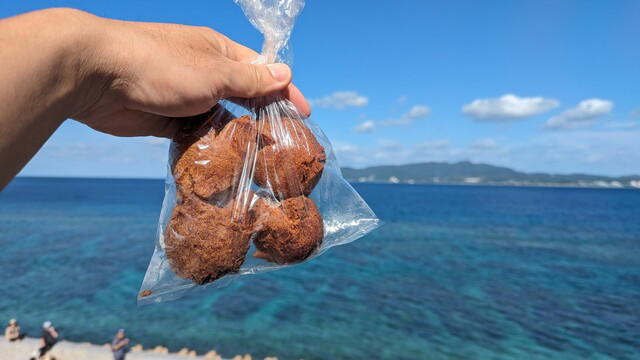
Details
- Cozy
- Rustic
- Lively
- Group Dining
- Family
- Casual Hangout
- Late Night
- Date Night
- Celebration
- Standalone
- Sake Program
- Beer Program
- Local Sourcing
- A La Carte
- Family Style
- Small Plates
- Sake
- Shochu
- Beer
- Cocktails
Current opening hours
- Monday
- Closed
- Tuesday
- 5–9 PM
- Wednesday
- 5–9 PM
- Thursday
- 5–9 PM
- Friday
- 5–9 PM
- Saturday
- 5–9 PM
- Sunday
- Closed
Hours can change for holidays and private events. Hours as of .
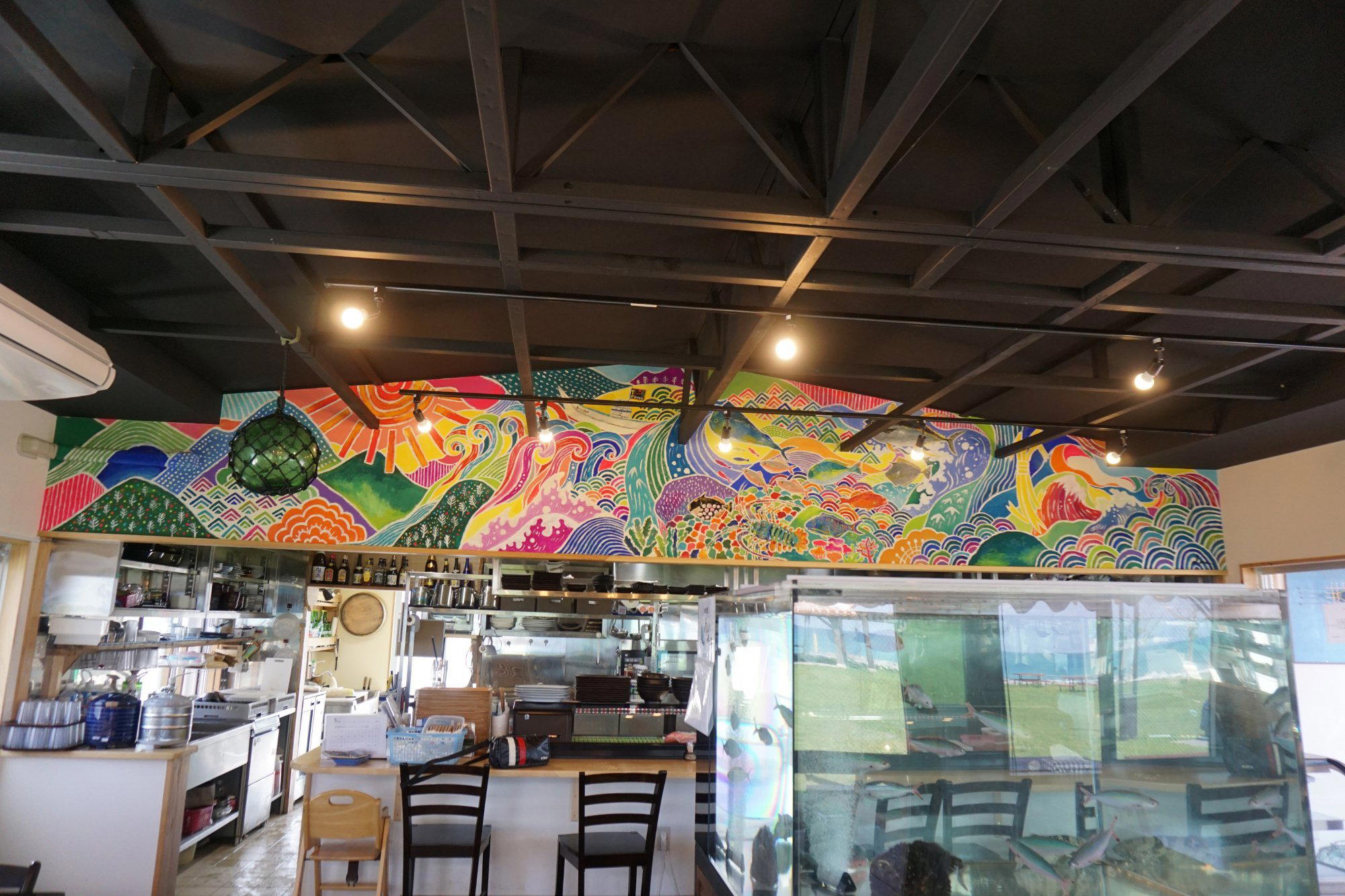
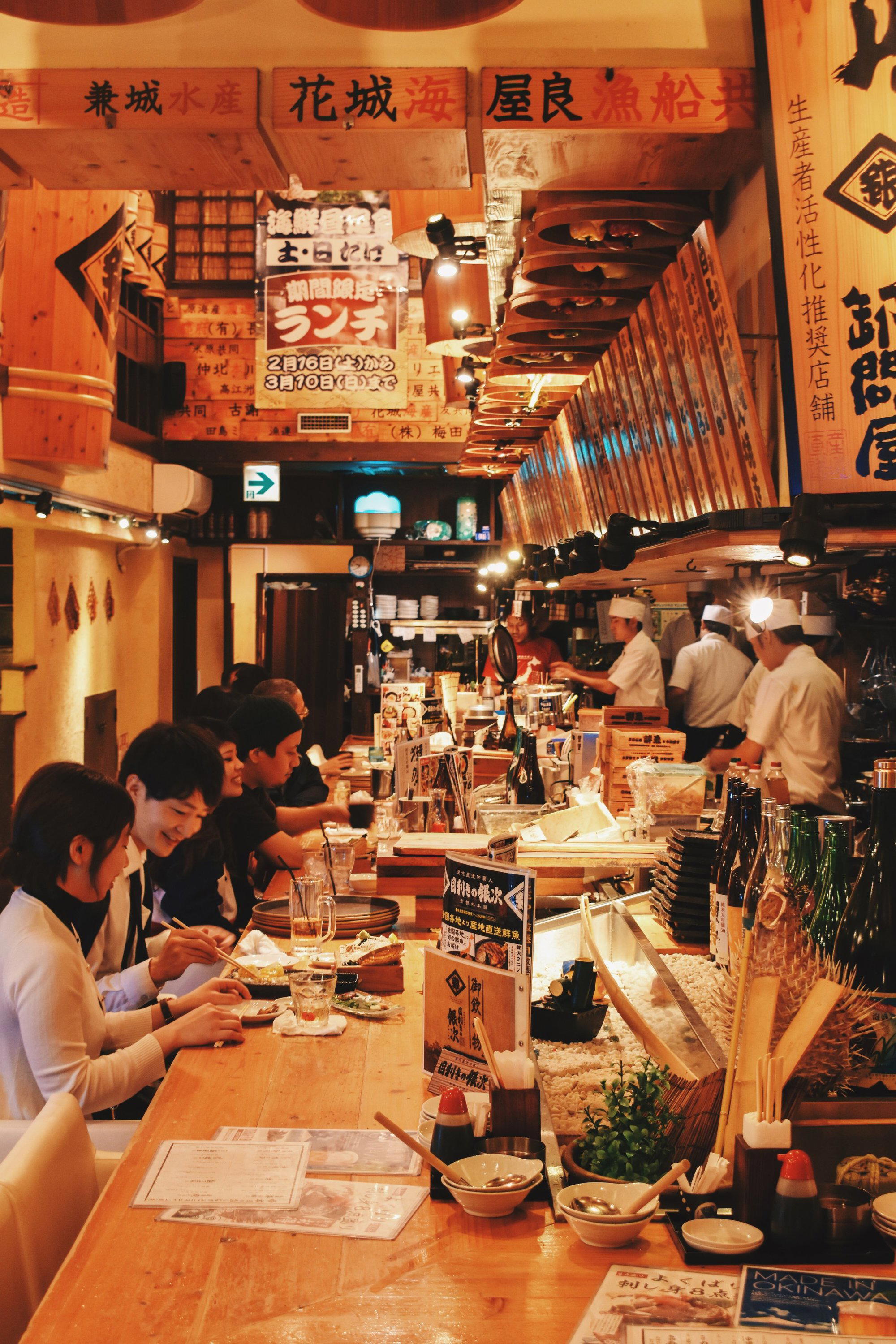
A cozy, house-like hideout with warm Ryukyu pine wood and the glow of charcoal grills, creating a lively, convivial atmosphere centered on grilling and sharing plates of Okinawan pork.