
Tabelog 100 #90
Our verdict
Yakitori Takashima brings Kobe’s yakitori ritual into a small, counter-led format in Mikage, with Tabelog 100 Yakitori WEST selections in 2024 and 2025 giving it a clear credential among western Japan’s specialist chicken restaurants. The appeal is not spectacle but pacing: skewers, smoke, sake or shochu, and the close attention that a compact room demands.

Pearl is the En Primeur Club membership app, where members save venues, book tables and use the concierge.
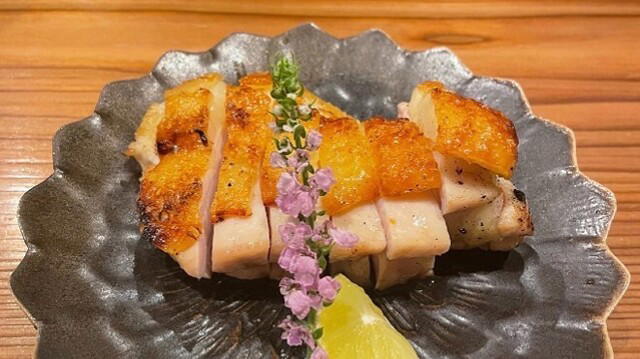
The menu
What to order
- Shimanto Jidori yakitori skewers
- Chef’s choice chicken kaiseki course
- Seasonal vegetable skewers
Approaching a serious yakitori restaurant in Kobe changes the tempo of dinner. The city is often read through beef, port history, and polished hotel dining, but grilled chicken skewers ask for a narrower kind of attention: heat, timing, sequence, and silence between courses. Yakitori Takashima belongs to that smaller register in Kobe, where the meal is built around yakitori rather than around table theatre.
That distinction matters in a city with several price tiers operating side by side. Kobe can move from everyday budgets to more polished restaurant evenings within a short itinerary. In that spread, Yakitori Takashima’s listed JPY 8,000 to JPY 9,999 dinner level is not casual snacking; it sits closer to a controlled specialist meal, where command of parts, seasoning, and pacing carries the evening.
Charcoal, chicken, and the discipline of sequence
Yakitori is easy to misunderstand from outside Japan because the word can suggest a simple run of grilled skewers. At the sharper end, it is a grammar of cuts and heat. Different parts and accompaniments each demand a different relationship with the grill. The point is not abundance. It is progression, with the diner reading small changes in texture, seasoning, and smoke as the meal advances.
Yakitori Takashima’s public recognition places it in that serious Japanese yakitori conversation. It is listed in the 2025 Tabelog Hyakumeiten recognition for yakitori and carries a Tabelog score of 3.74. Those signals do not make the restaurant formal in the European sense; they mark it as part of a competitive Japanese category where specialist skill, ingredient handling, and repeat local attention matter more than decorative luxury.
The format reinforces the ritual without needing a grand dining-room frame. A focused Kobe yakitori meal keeps the grill close to the meal’s center of gravity. The sharper way to understand the category is to follow the sequence rather than treat it as a plate-by-plate restaurant dinner. The appeal is in watching the meal build and in letting each skewer make sense in relation to the last.
Drinks should follow the same logic. A chicken-focused dinner can move between salt, tare, smoke, and fat, so the better pairing decision is not to chase prestige labels but to match the changing sequence. Cleaner drinks tend to suit the early rhythm, while more weight can make sense once the grill moves into richer cuts and sauced skewers.
Kobe gives the meal a quieter frame
Kobe is not only the version that first-time visitors usually chase through major stations, hillside sightseeing, and waterfront hotels. The city also has a more local restaurant rhythm: compact meals, direct hospitality, and evenings that depend more on timing than spectacle. That setting helps explain why a yakitori dinner can feel more precise than performative.
For visitors building a Kobe food itinerary, the useful comparison is not only between chicken and beef, but between formats. Kobe’s better-known meat reputation speaks to the city in a more direct and immediately legible way. A yakitori meal asks for a different evening: less emphasis on a headline ingredient, more attention to cadence and incremental variation.
That makes the restaurant a strong second-night choice in Kobe. After the expected beef dinner or a more conventional city meal, yakitori gives a clearer view of Japan’s broader specialist dining habits: drink-led pacing, focused cooking, and craftsmanship expressed in small portions rather than grand plates. It also pairs naturally with the city’s quieter after-dinner options and with other Kobe dining rooms that keep the evening local rather than overly staged.
How to place it in a Kobe dining plan
The restaurant’s recognition and listed dinner budget make it better suited to diners who are comfortable with a focused, grill-led meal than to anyone looking for a broad family-style spread. In Kobe’s dining map, it can be considered alongside more casual or specialist local choices such as Koga Ryuseimen, Kakomo, Menya Isshin, Mikage Juenu, and 鶏一途, while remaining clearly defined by its yakitori focus and JPY 8,000 to JPY 9,999 price band.
Planning should account for the realities of small Japanese restaurants: limited availability, a focused dinner rhythm, and closure patterns that can change around ingredient availability or holidays. The practical move is to treat the evening as the anchor of the night rather than as a flexible stop between larger plans. Its Kobe location makes it part of a city itinerary rather than a standalone excursion.
Readers comparing formats across Japan can use it as a lens on regional specialization rather than as a generic “Kobe dinner” answer. Other Japanese dining styles approach drinking food from different angles. Yakitori’s particular demand is patience with repetition; the variation is in cut, seasoning, and heat rather than in constant menu change.
For broader trip planning, keep the restaurant within a wider Kobe edit rather than treating it as the whole story. Our full Kobe restaurants guide maps the city’s food range, while Our full Kobe hotels guide, Our full Kobe bars guide, Our full Kobe wineries guide, and Our full Kobe experiences guide help place dinner around the rest of the stay. For a broader Japan-and-beyond browse, contrast the category with other casual and specialist dining rooms across Japan and overseas.
Frequently asked questions
Is Yakitori Takashima a family-friendly restaurant?
Yakitori Takashima is best understood as a focused yakitori restaurant in Kobe. That setup may suit small groups well, but it is better approached as a specialist dining choice than as a broad family-style venue.
How would you describe the vibe at Yakitori Takashima?
The tone is focused, restrained, and built around yakitori. Add the 2025 Tabelog Hyakumeiten recognition for yakitori and the restaurant’s 3.74 Tabelog score, and it reads as a serious Kobe specialist rather than a decorative luxury room.
What should I budget for a meal at Yakitori Takashima?
Pricing at Yakitori Takashima is listed as JPY 8,000 - JPY 9,999.
Is Yakitori Takashima open every day?
Opening days and hours can change, so confirm directly with Yakitori Takashima before planning the evening.
Where exactly is Yakitori Takashima?
Kobe.
Style and Standing
Comparable venues at the same tier for side-by-side context.
| Venue | Cuisine | Price | Awards | Notes |
|---|---|---|---|---|
| Yakitori TakashimaThis venue (the venue you are viewing) | Refined Yakitori & Chicken Kaiseki | $50–100 | Tabelog 100 #90 | Not listed |
| Yakitori Bonsan | Yakitori | $50–100 | Tabelog 100 #95 | Chūō |
| Yakiniku Horumon Kopu | Yakiniku / Horumon BBQ | $50–100 | Tabelog 100 #64 | Chūō |
| Teppan Dining Hoki | Teppanyaki Steakhouse | $100–150 | Tabelog 100 #61 | Chūō |
| Tori Yoshi | Traditional Yakitori / Chicken Dishes | $30–50 | Tabelog 100 #65 | Higashinada |
| Kobe beef Daichi | Teppanyaki Kobe Beef Steakhouse | $100–150 | Not listed | Chūō |
Recognition history
Dated appearances from independent guides and award organizations, with the underlying list record or original source where available.
Tabelog 100 #90 · No. 90
Tabelog · Tabelog 100 - Yakitori - WEST - 2025
Continue exploring
More in Kobe
Restaurants in Kobe
All restaurants in Kobe →

Bars in Kobe
Browse all →



Details
- Elegant
- Cozy
- Intimate
- Modern
- Date Night
- Business Dinner
- Special Occasion
- Group Dining
- After Work
- Solo
- Chefs Counter
- Private Dining
- Standalone
- Design Destination
- Sake Program
- Beer Program
- Local Sourcing
- Farm To Table
- Tasting Menu
- Set Menu
- Counter Dining
- Sake
- Beer
- Shochu
Current opening hours
- Monday
- 5–11 PM
- Tuesday
- Closed
- Wednesday
- 5–11 PM
- Thursday
- 5–11 PM
- Friday
- 5–11 PM
- Saturday
- 5–11 PM
- Sunday
- 5–11 PM
Hours can change for holidays and private events. Hours as of .
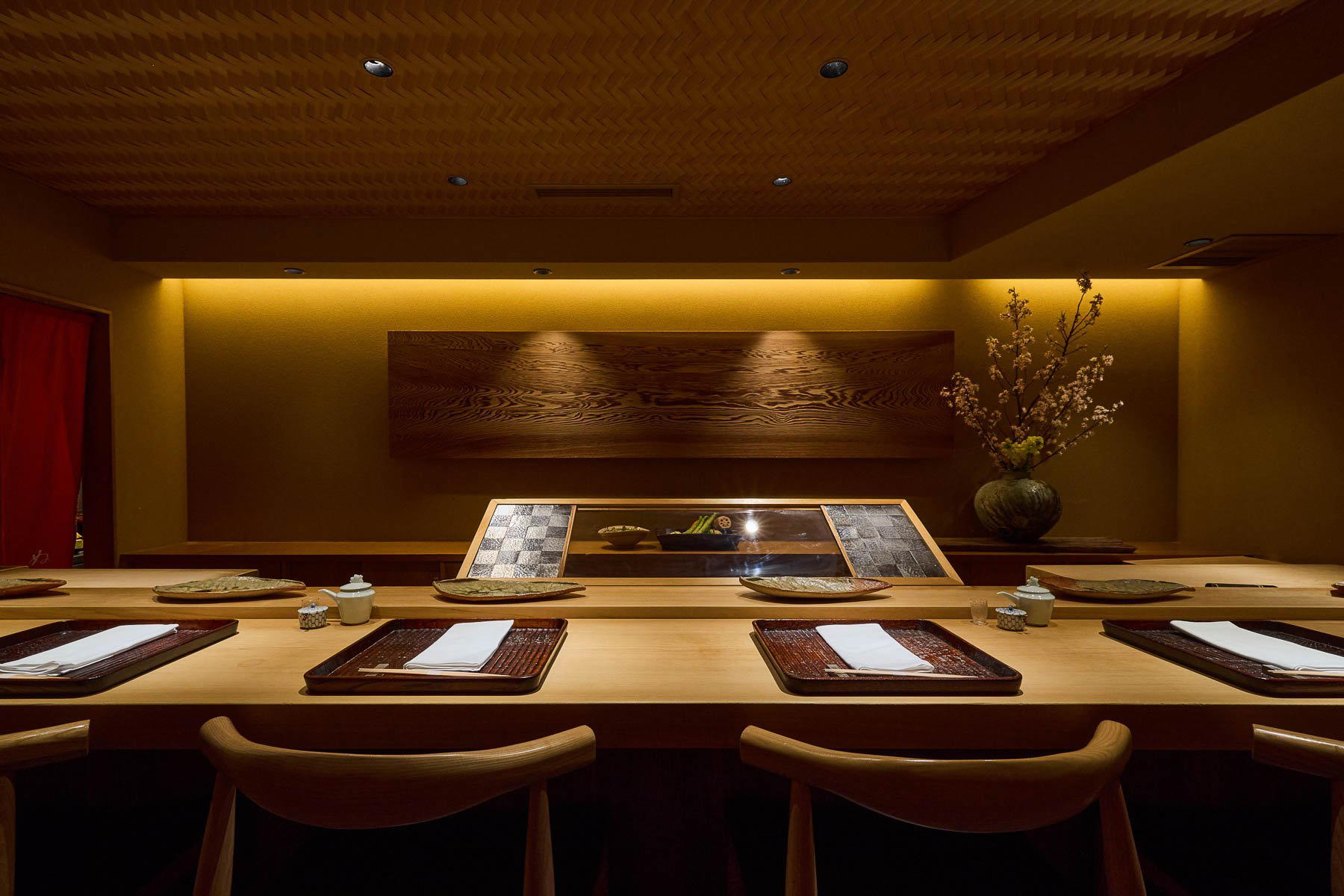
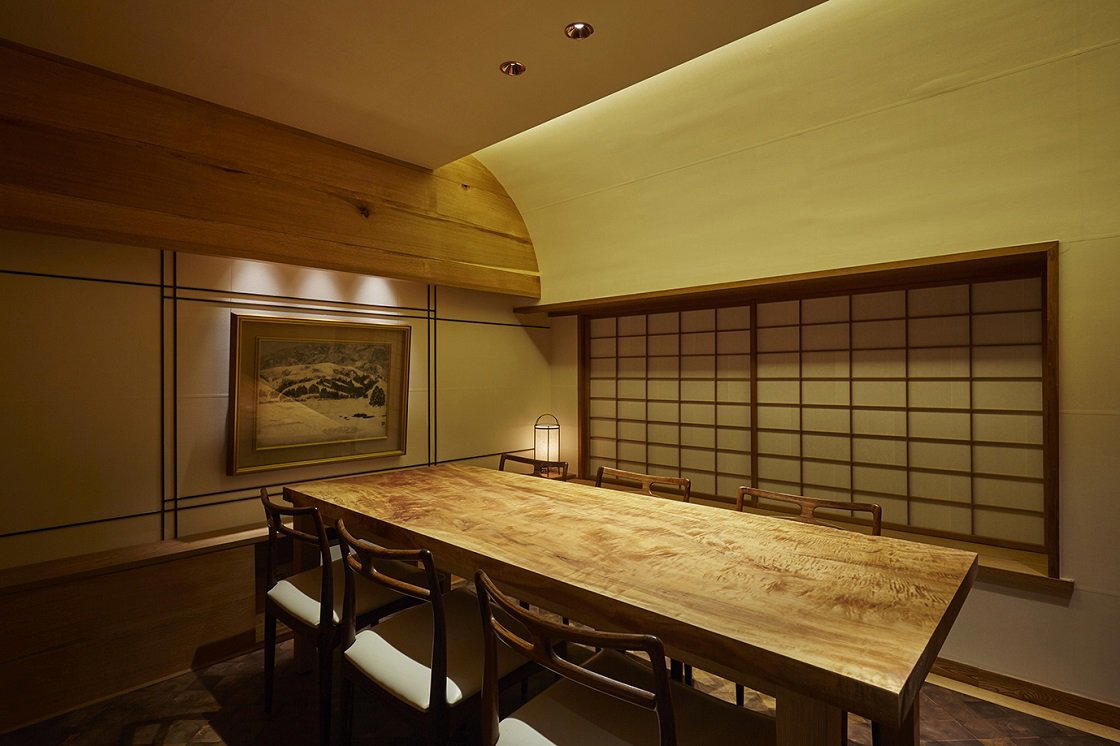
A calm, softly lit space with a clean modern take on Japanese 'wa' design, featuring a refined counter and private rooms that create an elegant yet cozy, adult-oriented atmosphere ideal for lingering over multi-course yakitori and sake.