
Tabelog 100 #43
Our verdict
Tokyo’s bread culture is not a side note to its restaurant scene; it is a daily ritual shaped by rail-station convenience, French technique, and neighborhood loyalty. Mitsuru Akebonobashi honten sits in that practical, high-standard category: a take-out bread shop in Shinjuku recognized on Tabelog’s Bread TOKYO 100 list in 2022, with prices kept in the everyday range rather than the luxury dining tier.

Pearl is the En Primeur Club membership app, where members save venues, book tables and use the concierge.
The menu
What to order
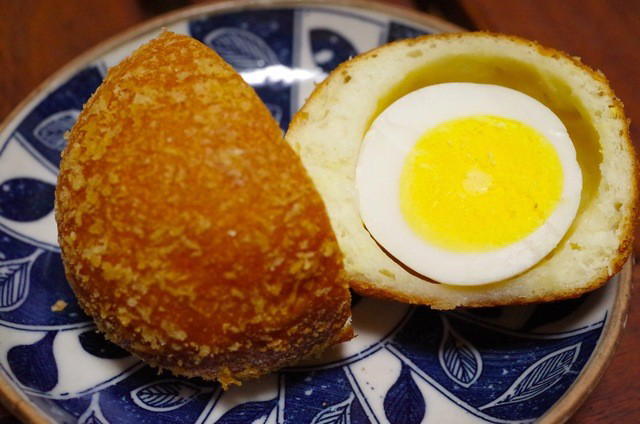
- Japanese-style curry bread
- Savory sandwich-style buns
- Anpan sweet red bean bun
Tokyo is not only hotel lobbies and tasting-menu choreography. Much of the city works at street level: office workers moving between errands, residents buying dinner components, and small food shops doing steady trade without theatre. In that setting, a bread counter has to be judged less by ceremony than by rhythm. The question is simple: does it fit the city’s day, and does it have enough craft to justify a detour within Tokyo?
Tokyo’s bakery scene has long split into two camps. One follows the patisserie-adjacent model, polished, giftable, and often priced for destination shopping. The other belongs to the daily-bread tradition, where the format is compact, the transaction quick, and the quality has to survive repetition. Mitsuru Akebonobashi honten belongs to the Bread category, and its Tabelog Bread TOKYO 100 selection in 2022 gives it a credential beyond local habit. That matters in a city where a bread shop can be both routine and fiercely scrutinized.
Tokyo bread culture rewards speed, consistency, and repeat buying
The useful comparison is not with Tokyo’s high-spend counters such as Sushidokoro Shigeru or Toriryori Torishou, where the evening is built around pacing and seated service. A bakery in this tier competes on a different axis: frequency. The customer may come before work, between errands, or as part of a broader Tokyo route. The room, the counter flow, and the staff’s handling of orders all become part of the product.
That is where the team dynamic matters, even without the kind of named-chef mythology attached to fine dining. In a bread shop, collaboration is visible through production discipline rather than tableside explanation. Bakers need enough range to keep the shelves moving; counter staff need speed and accuracy; the front of house has to manage customers who already know what they want alongside first-time visitors trying to read the case. When the format is brief and practical, hospitality is compressed into a short exchange, and small inefficiencies show quickly.
The Tabelog recognition also places the shop inside a broader Tokyo habit: specialist food businesses can earn serious attention without adopting restaurant formality. Bread, curry, yakitori, sushi, and coffee all run through this pattern. For readers mapping a day across the city, it is useful to think of Mitsuru Akebonobashi honten alongside other tightly defined Tokyo stops rather than as a full-meal anchor. The same itinerary logic can connect unnamed local counters, casual shops, and specialist dining rooms across Tokyo: each makes sense when matched to the right moment in the day.
A low-spend format with a serious Tokyo signal
Price is part of the editorial story. Tokyo has plenty of food experiences where reputation pushes diners into planning mode, but bread shops with everyday pricing carry a different kind of value. The listed range includes - JPY 999 and JPY 1,000 - JPY 1,999, which keeps the venue far below the city’s formal dining bracket and makes the award signal more interesting rather than less. Recognition in the Bread category suggests quality measured within a crowded everyday field, not luxury by association.
This is also why the venue should not be read as a substitute for a restaurant reservation. It is better used as a precision stop: a breakfast component, a mid-morning errand, or a practical addition to a Tokyo route. For travelers building a broader Tokyo food map, Our full Tokyo restaurants guide gives the dining frame, while broader guides to bars, hotels, experiences, and wineries help place it inside a wider trip rather than a single-neighborhood checklist.
The strongest use case is a reader who understands that Tokyo’s food culture is not arranged only around dinner. A morning bakery stop can be as revealing as a counter meal, because it shows how standards are maintained in ordinary transactions. Mitsuru Akebonobashi honten has the advantage of operating within that ordinary rhythm. It is not competing for spectacle; it is competing for return custom.
How to place it in a Tokyo itinerary
Mitsuru Akebonobashi honten is best treated as a Tokyo stop that can sit between better-known dining plans rather than as the sole anchor for a day. The broader Tokyo comparison set ranges from sushi to chicken dishes and higher-spend evening formats, but this bread shop works on a lighter register. That contrast is useful: Tokyo rewards travelers who do not treat every food stop as a reservation event.
For a wider Japan route, the same editorial logic applies outside the capital. Small, focused venues often explain a city more clearly than a long menu. EP Club’s restaurant map includes regional contrasts in other Japanese cities and examples of Japanese food culture abroad, showing how format changes once the daily-use context shifts.
The editorial verdict is measured: this is a strong address for travelers who care about Tokyo’s everyday food systems as much as its reservation-only rooms. Pair it with a wider Tokyo walk, keep expectations aligned with bread rather than seated dining, and let the Tabelog Bread TOKYO 100 recognition serve as the quality signal. For a city often reduced to sushi counters and ramen queues, that is the point: Tokyo’s craft culture is just as visible in the quick purchase as in the long meal.
For a contrast in a different register, other Tokyo dining rooms show how the city’s casual map can move from bread counter to seafood, chicken, sushi, or other focused formats without requiring the formality of a set-menu night.
Frequently asked questions
Where exactly is Mitsuru Akebonobashi honten?
Mitsuru Akebonobashi honten is located in Tokyo.
What price level is Mitsuru Akebonobashi honten?
Pricing at Mitsuru Akebonobashi honten is listed as - JPY 999 JPY 1,000 - JPY 1,999 View spending breakdown.
Can I walk in to Mitsuru Akebonobashi honten?
Check the venue's official channels for the latest details before visiting its Tokyo location.
What is Mitsuru Akebonobashi honten known for?
Mitsuru Akebonobashi honten is known in the Bread category and was selected for Tabelog Bread TOKYO 100 in 2022.
A Lean Comparison
Comparable venues to anchor price and recognition.
| Venue | Cuisine | Price | Awards | Notes |
|---|---|---|---|---|
| Mitsuru Akebonobashi hontenThis venue (the venue you are viewing) | Japanese neighborhood bakery | $1–10 | Tabelog 100 #43 | Not listed |
| Sushidokoro Shigeru | Traditional Sushi Omakase | $50–100 | Michelin Bib Gourmand | Sushi |
| 青華こばやし | 割烹・小料理 | $200–300 | Not listed | Not listed |
| Toriryori Torishou | Satsuma Jidori Chicken Specialty | $500+ | Tabelog Bronze #475 | Chicken dishes, JPY 15,000 - JPY 19,999 |
| Hiromiya No.3 | Yakiniku (Japanese BBQ) set-course | $50–100 | Tabelog 100 #5 | JPY 8,000 - JPY 9,999 JPY 8,000 - JPY 9,999 |
Recognition history
Dated appearances from independent guides and award organizations, with the underlying list record or original source where available.
Tabelog 100 #43 · No. 43
Tabelog · Tabelog 100 - Bread - TOKYO - 2022
Continue exploring
More in Tokyo
Restaurants in Tokyo
All restaurants in Tokyo →

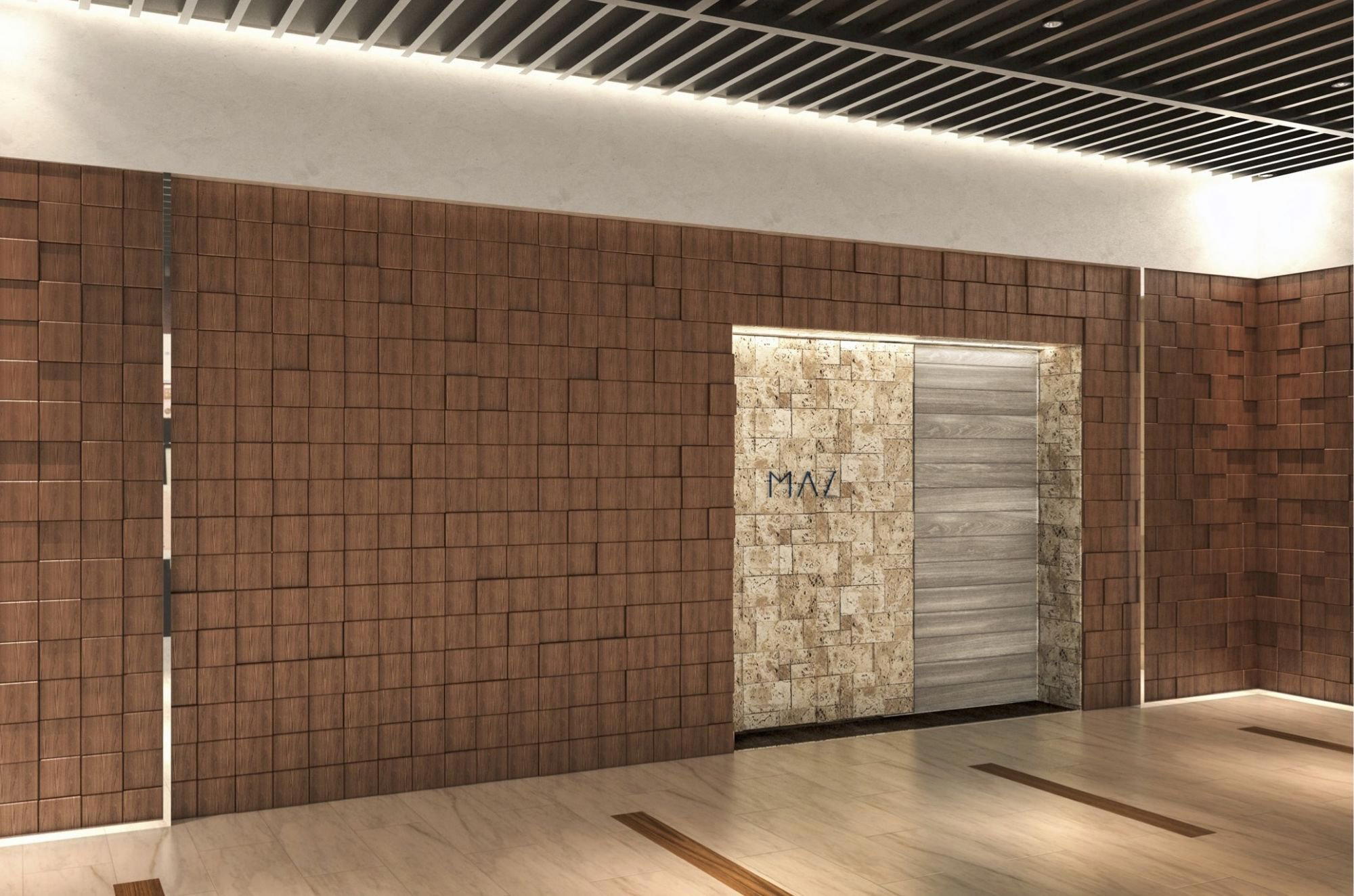


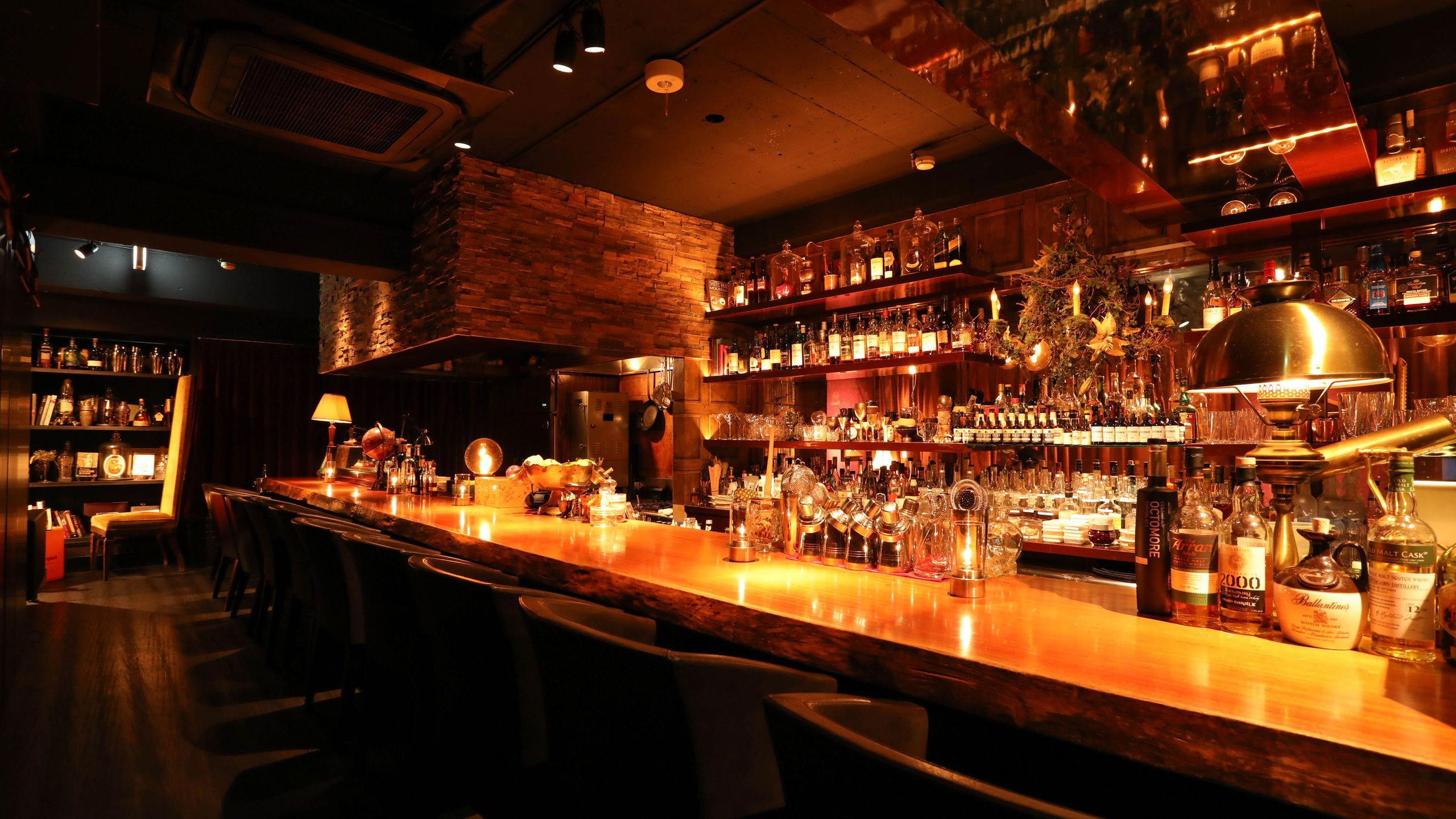
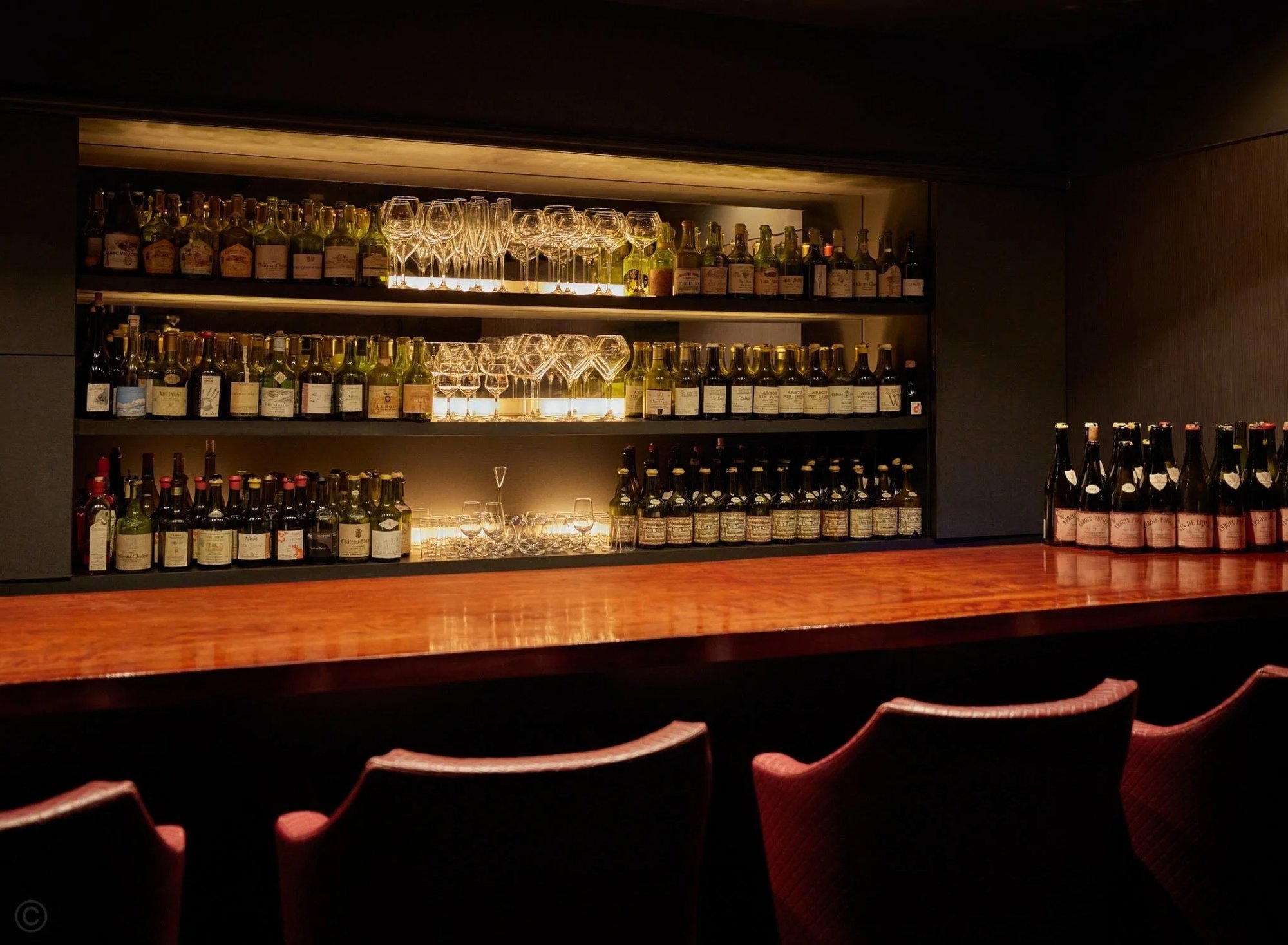
Bars in Tokyo
All bars in Tokyo →




Details
- Quiet
- Cozy
- Solo
- Family
- Casual Hangout
- After Work
- Standalone
- Local Sourcing
- A La Carte
- Coffee
- Tea