
A basement ramen stop in Fushimi with counter-and-table seating, a Tabelog Ramen AICHI 100 selection for 2025, and a notably accessible price band for central Nagoya. The draw is not ceremony but value: a focused noodle format, multilingual menus, and the kind of solo-friendly rhythm that suits business-district eating as much as a casual dinner.
Pearl is the En Primeur Club membership app — saves, bookings, and concierge access live there. Same editors, same standards.
- Address
- Japan, 〒460-0008 Aichi, Nagoya, Naka Ward, Sakae, 2 Chome−1−12 Dia Palace Fushimi, B1F
- Phone
- +81522028858
- Website
- tabelog.com
 Saves & bookings on Pearl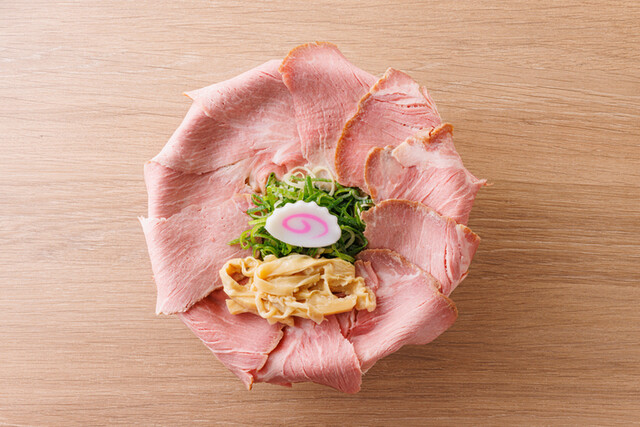
Fushimi’s ramen scene works at street level and below it: station exits, office towers, compact stairwells, and basement rooms where the meal is built for speed without surrendering seriousness. SUSURU Fushimi hanare belongs to that practical Nagoya category, the kind of place where the value proposition is measured less by linen or ceremony than by how much focus the kitchen can put into noodles, broth, and service tempo inside an everyday dining format.
That matters in this part of the city. Fushimi sits between Nagoya Station’s transit gravity and Sakae’s retail-and-nightlife pull, so lunch and dinner traffic behave differently from the destination dining rooms farther out. Ramen here has to handle office workers, solo diners, small groups, and visitors who may not want a long reservation cycle. The strongest shops in the category make accessibility part of the craft: clear menus, quick turnover, enough seating flexibility for one person or a family, and a bill that keeps the meal in casual territory.
Ramen value in Fushimi is about concentration, not spectacle
Nagoya is better known nationally for miso katsu, hitsumabushi, and kishimen than for a single dominant ramen identity, which gives its noodle shops more room to operate across styles. In that context, a ramen counter can succeed by being precise rather than theatrical. The category rewards texture, broth discipline, portion logic, and the ability to deliver consistency through repeated services. A Tabelog Ramen AICHI 100 selection in 2025 places this address inside a competitive prefectural conversation rather than a tourist-only circuit.
The format also gives a useful benchmark for spending. Compared with casual Nagoya restaurants such as Gyoza to Sparkling Bubbles, which sits in a higher everyday price band, or dinner-leaning rooms such as Taku, ramen remains one of the city’s cleaner value plays. The trade-off is obvious: there is less lingering, less wine-list ceremony, and less occasion dressing. The gain is equally clear: a concentrated bowl-led meal that can fit between meetings, before drinks in Sakae, or after arriving in the city.
The menu category spans ramen, Chinese, and izakaya-style Japanese tavern food, a combination that signals flexibility without turning the room into a broad casual diner. For visitors mapping a day across the city, it pairs naturally with broader planning through Our full Nagoya restaurants guide, while hotel choices can be sorted separately through Our full Nagoya hotels guide. The point is sequencing: ramen in Fushimi can be the efficient anchor, not the endpoint of an elaborate night.
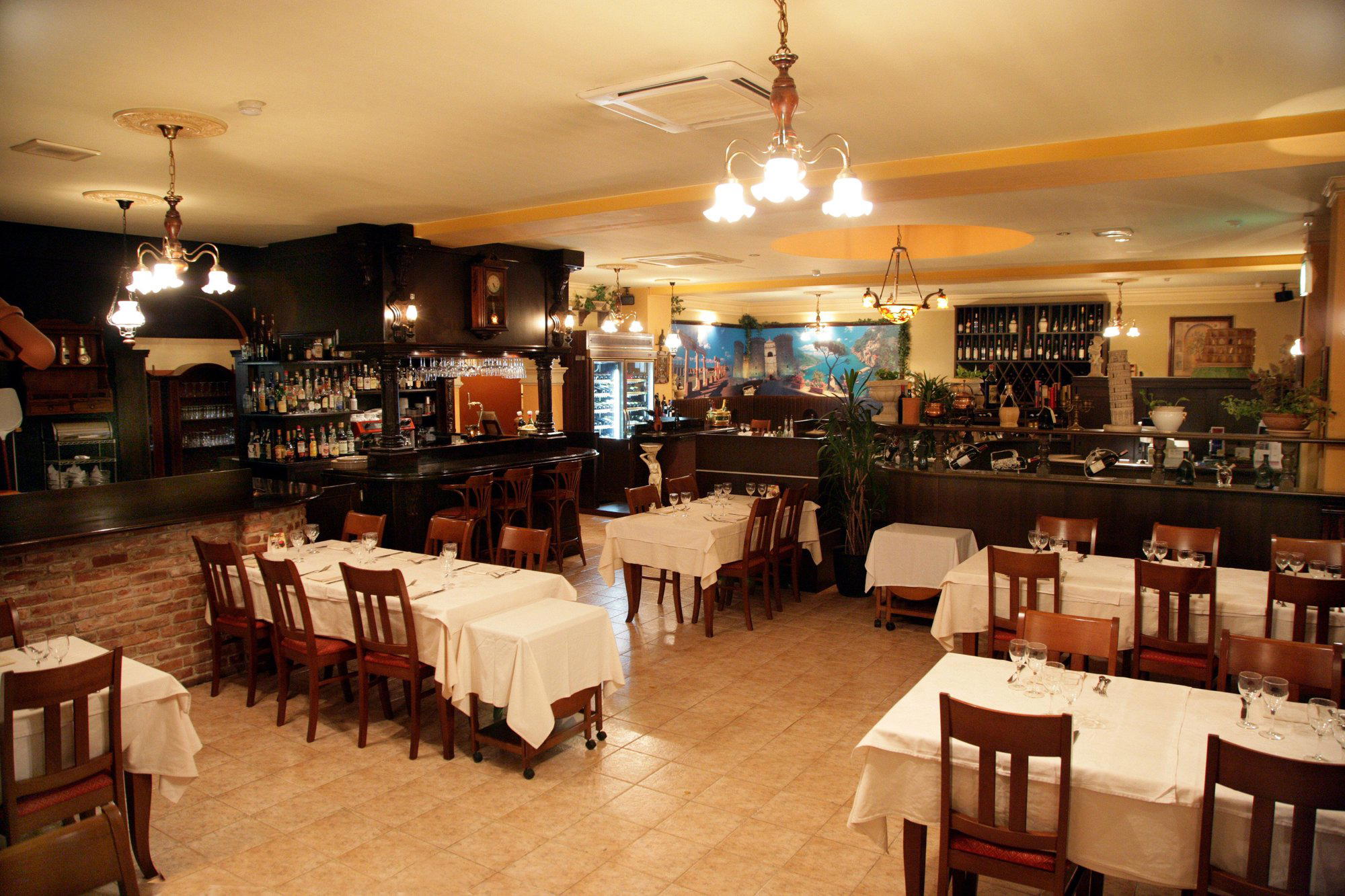
The room is built for real-life dining, including solo seats and families
Japanese ramen culture has long treated solo dining as normal rather than apologetic. Counter seating is part of that grammar: direct, compact, and unburdened by the social overhead of a full-service restaurant. SUSURU Fushimi hanare adds tables to the mix, which changes the usefulness of the address. It can absorb a lone diner without fuss, but it is not limited to the single-seat ramen archetype.
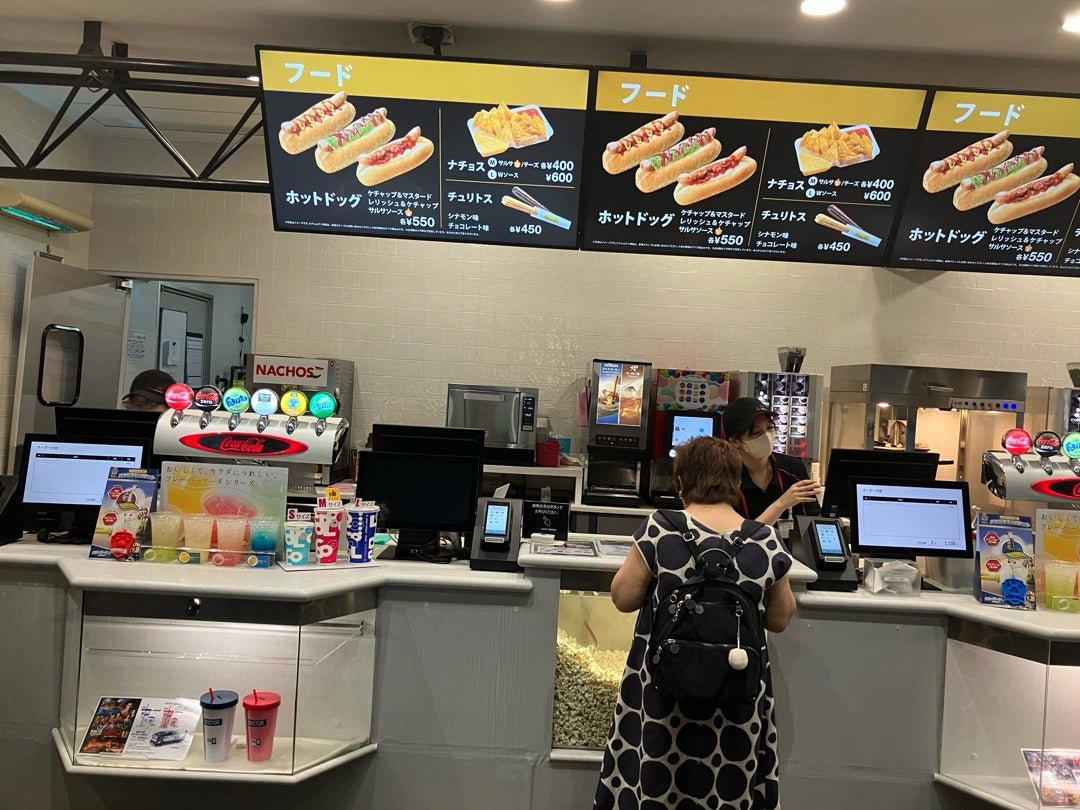
The family-friendly signal is more meaningful than it first appears. Ramen shops often feel intimidating to travellers with children because the service rhythm can be fast, the room compact, and ordering systems opaque. Here, the combination of photo menus, English and Simplified Chinese support, and stroller-welcome policy reduces friction. That does not turn the meal into a drawn-out family restaurant experience; it means the format is easier to read for non-Japanese speakers and mixed-age groups.
The practical amenities also say something about contemporary casual dining in Japan. Free Wi-Fi, power outlets, cashless payment options, non-smoking operation, and a no-private-room setup make the place more functional than ceremonial. Those details are not luxuries; they are the infrastructure of a city meal for travellers, office workers, and locals moving between appointments. For drinking before or after, the broader city map sits in Our full Nagoya bars guide; for non-dining planning, Our full Nagoya experiences guide keeps the itinerary from becoming only restaurant-led.
How to place it in a Nagoya itinerary
This is not the Nagoya meal for readers seeking a tasting-menu arc or a sommelier-led evening. It is better understood as a high-utility ramen stop with enough recognition to justify choosing it over a random station-adjacent bowl. The Tabelog score of 3.59 and 2025 Aichi ramen selection create a useful trust signal, especially in a city where a casual noodle shop can be hard to judge from the outside.
For a traveller spending several days in Nagoya, the smarter move is contrast. Put this kind of ramen beside izakaya cooking, regional eel, coffee culture, and a more formal dinner rather than asking one bowl to represent the whole city. Readers comparing other Japanese restaurant formats can browse 1022, 451, Aaron, Alan., and All Day Dining Montmartre for different price and format cues.
The same comparative lens helps beyond Nagoya. A sukiyaki specialist such as -Grilled beef Sukiyaki- KAMAKURA TANUKIAN 鎌倉 たぬき庵 in Kamakura asks for a different pace;. 鮪と炭火焼き うお炭 秋葉原店 in Tokyo points toward fish and charcoal;.cafe in Osaka and.know in Kumamoto sit in different casual registers. Even farther afield, (Shoku) Vietnam in Kawasaki, [Curry Senmon Ten] Maruyama Kyoju. in Sapporo, Jōdo Saké Bar in Los Angeles, and Onigiri Time in Pasadena show how single-category Japanese dining travels across cities without losing its reliance on clarity and repetition.
The verdict is practical rather than grand: choose SUSURU Fushimi hanare when the brief is a credible, central Nagoya ramen meal that keeps cost, language friction, and timing under control. For wine-region planning around the city, Our full Nagoya wineries guide belongs in a separate part of the itinerary; this stop is about the efficient pleasure of a bowl-led meal in a business district that rewards decisiveness.
Reputation Context
Nearby venues at a similar price tier for orientation.
| Venue | Cuisine | Price | Notes |
|---|---|---|---|
| SUSURU Fushimi hanareThis venue — the venue you are viewing | Chicken paitan ramen & Chinese-style small plates | $$ | Not listed |
| Kitchen Beniy | Classic Yoshoku (Japanese-style Western) & Steak | $$ | Naka |
| 虹霓 | japanese | Not listed | Nishi |
| Yakiniku Jingu | Yakiniku (Japanese BBQ) & Tripe Izakaya | $$ | Atsuta |
| Una Toyo | Traditional Nagoya charcoal-grilled unagi | $$ | Mizuho |
| Don Hyara | Traditional Japanese Izakaya & Tempura | $$ | Nishi |
Recognition history
Dated appearances from independent guides and award organizations, with the underlying list record or original source where available.
Tabelog 100 #18 · No. 18
Tabelog · Tabelog 100 - Ramen - AICHI - 2025
Continue exploring
More in Nagoya
Restaurants in Nagoya
Browse all →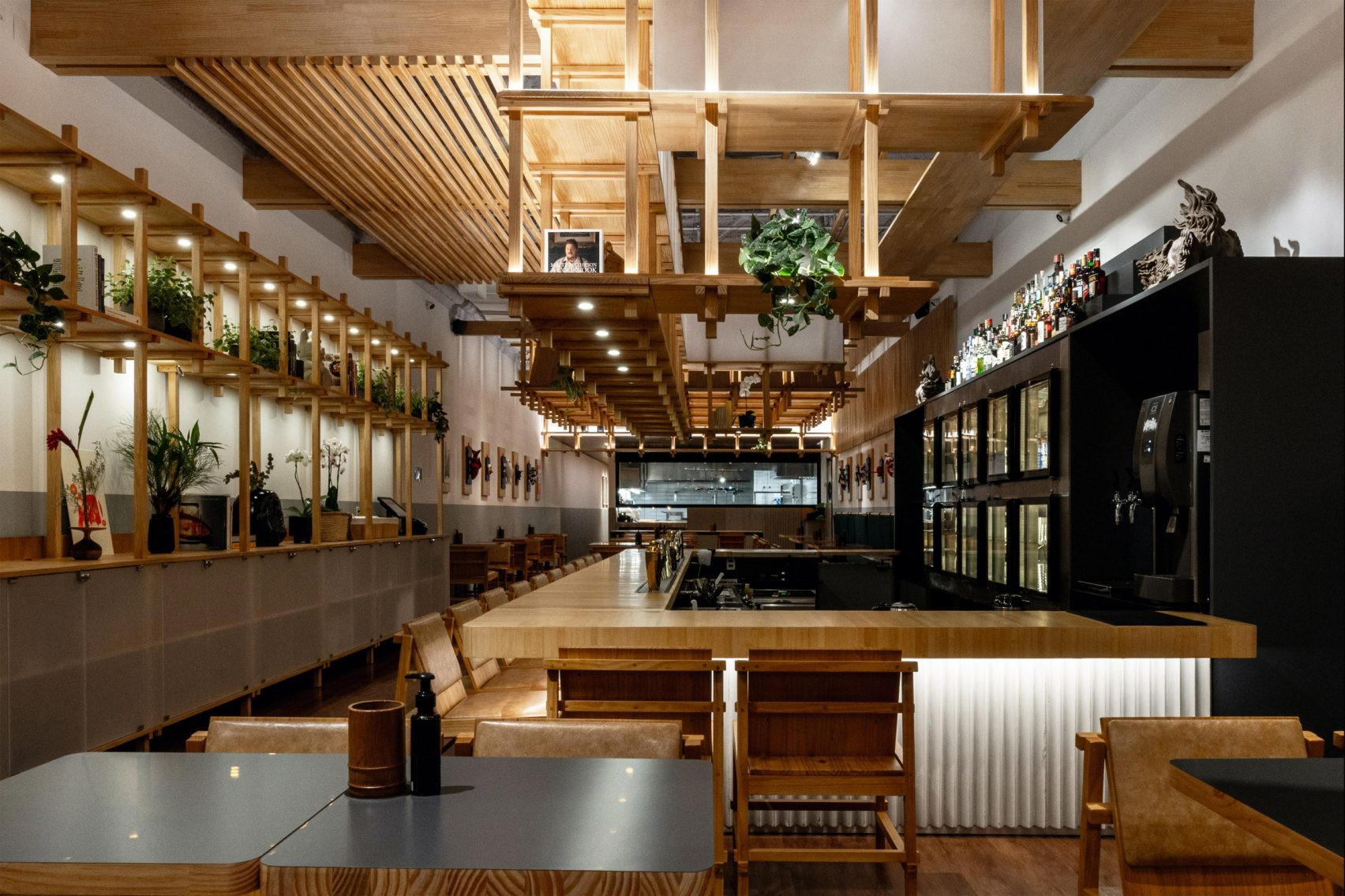

At a Glance
- Cozy
- Casual
- Lively
- Solo
- After Work
- Casual Hangout
- Group Dining
- Family
- Late Night
- Standalone
- Beer Program
Current opening hours
- Monday
- 11 AM–2 PM, 6–10 PM
- Tuesday
- 11 AM–2 PM, 6–10 PM
- Wednesday
- 11 AM–2 PM, 6–10 PM
- Thursday
- 11 AM–2 PM, 6–10 PM
- Friday
- 11 AM–2 PM, 6–10 PM
- Saturday
- 11 AM–3 PM, 6–10 PM
- Sunday
- 11 AM–3 PM, 6–10 PM
Hours can change for holidays and private events. Last verified .
A relaxed basement ramen shop with a calm, casual atmosphere, counter and table seating, and a classic ticket-vending-machine setup that works for both solo diners and groups after work.