Miss Likklemores on King Street West brings Caribbean cooking into Toronto's most competitive dining corridor, where the food draws on the diaspora pantry rather than the hotel-kitchen version of island cuisine. The address places it squarely in the downtown entertainment district, and the kitchen works from a tradition that privileges sourced spice, slow technique, and ingredients with clear regional provenance.
Pearl is the En Primeur Club membership app — saves, bookings, and concierge access live there. Same editors, same standards.
- Address
- 433 King St W, Toronto, ON M5V 1K4, Canada
- Phone
- +16474848789
- Website
- misslikklemores.com
- Directions
- Get directions
 Saves & bookings on Pearl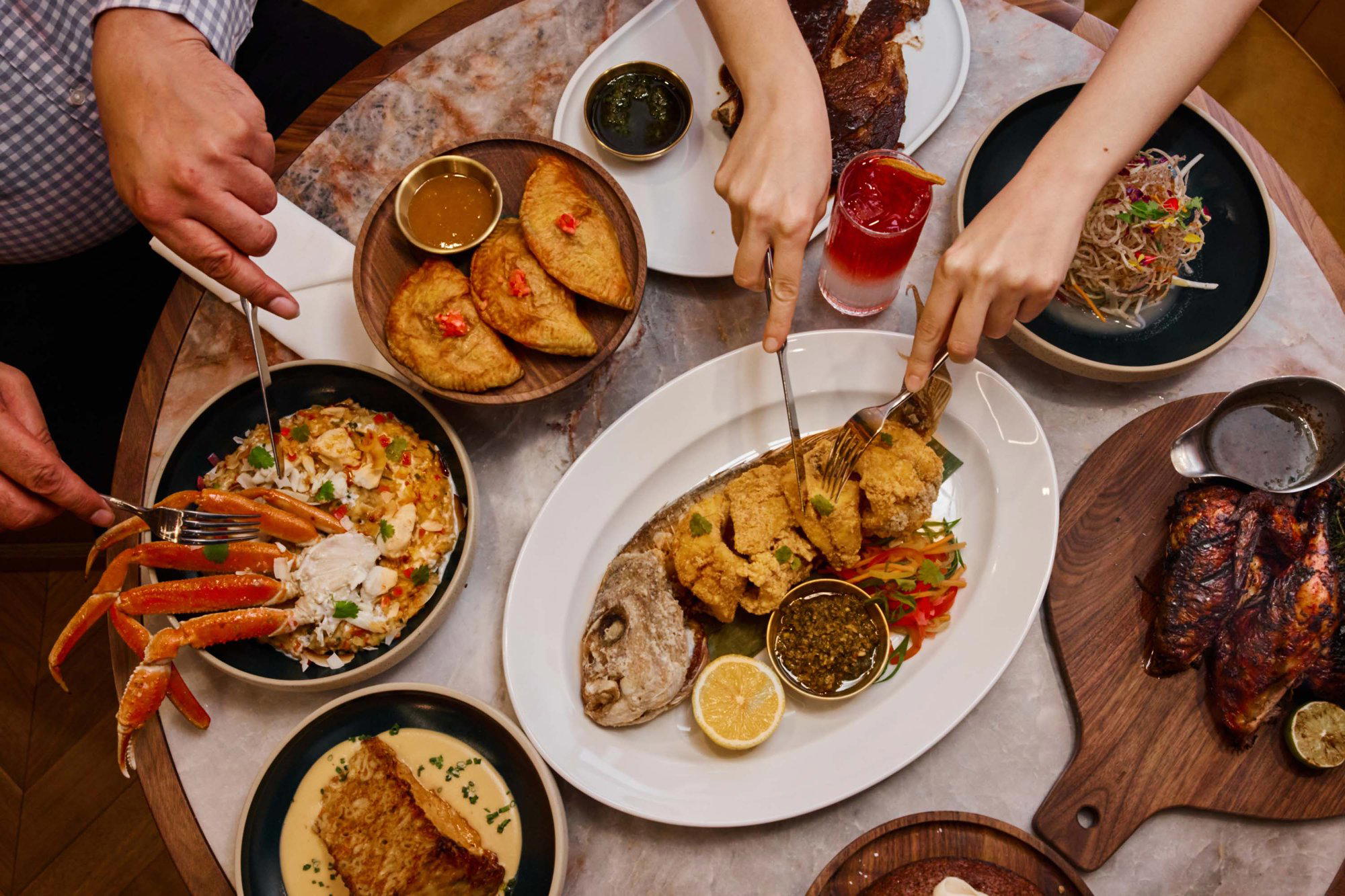
King Street West and the Caribbean Dining Shift
At the upper end, counters like Sushi Masaki Saito and Aburi Hana occupy the omakase-and-kaiseki register, while tasting-menu rooms like Alo set the benchmark for contemporary fine dining in the city. What has been slower to arrive in that same corridor is Caribbean cooking at a more considered level. Miss Likklemores at 433 King St W represents a move into that space, applying real-kitchen discipline to a cuisine tradition that is often underrepresented in the city's more considered dining tier.
The Caribbean diaspora is one of Toronto's largest and most established communities, yet the cuisine it brought has rarely been positioned alongside the Italian rooms or contemporary-Canadian formats that dominate the city's dining conversation. That gap is the context inside which Miss Likklemores operates.
Where the Ingredients Come From, and Why That Framing Matters
Sourcing-led Caribbean cooking depends on a pantry shaped by Scotch bonnet peppers, allspice, thyme, tamarind, salt fish, plantain, and jerk-seasoned proteins. The cuisine's larder, when taken seriously, draws from a specific Atlantic and equatorial supply chain: Scotch bonnet peppers, allspice, thyme, tamarind, salt fish, plantain, and jerk-seasoned proteins that depend on wood-smoke time rather than shortcut marinades. In much of North America, these ingredients arrive at restaurants through generic wholesale channels, and the cooking loses its regional definition as a result. The places that hold that definition, whether in London's Brixton, New York's Flatbush, or Toronto's Scarborough, tend to source with more intention, often from suppliers with direct ties to the Caribbean basin.
Toronto has a particular advantage here. The city's Jamaican, Trinidadian, Barbadian, and broader West Indian communities have sustained independent grocery networks and spice importers for decades, giving serious kitchens direct access to ingredients that most North American cities have to approximate. A restaurant on King West that draws from that supply chain is working from a different starting point than one sourcing from a standard food-service distributor. That distinction shapes the flavour ceiling of what can actually appear on the plate.
That logic also underpins farms and kitchens where ingredient provenance is central to the menu. Applied to Caribbean cooking, the same logic privileges the cook who has genuine supply access over the one approximating flavours from a distance.
The Address and What It Signals
King Street West in the 400-block range puts Miss Likklemores in the heart of the entertainment district, a few hundred metres from the cluster of venues that have made this stretch one of the more scrutinised dining addresses in the country. That placement carries competitive pressure. Guests arriving here have likely eaten at DaNico or Don Alfonso 1890 on nearby blocks, and they carry expectations calibrated to that comparable set.
For a Caribbean-leaning kitchen, that neighbourhood context is both a challenge and a signal of ambition. The entertainment district rewards volume and atmosphere as much as culinary precision, which means a room that wants to be taken seriously for its cooking needs to do something specific to separate itself from the surrounding noise. One durable way to do that, historically, is through ingredient fidelity and kitchen technique, the two variables that distinguish a restaurant with a real point of view from one that has assembled a concept.
Across Canada's more considered dining rooms, this combination of locational ambition and ingredient-driven identity is what separates places like Tanière³ in Quebec City or AnnaLena in Vancouver from their adjacent competitors. The question for any new entry into a high-density corridor is whether the kitchen can sustain that level of specificity.
Caribbean Cooking in the Canadian Critical Frame
Canadian dining criticism has spent years expanding its reference points. Restaurants celebrating regional French-Canadian identity, like Aux Anciens Canadiens, or the coastal sourcing at Narval in Rimouski, point to a critical culture that now takes provenance and culinary heritage seriously as editorial categories. Caribbean cooking has earned less column space in that conversation, partly because it has been underrepresented in the type of room that critics visit on assignment.
When Caribbean food does reach that tier of attention, internationally, the standard comparison set includes the new wave of Caribbean-influenced restaurants in London, New York, and Miami, places that have brought the cuisine's techniques into fine-dining formats without stripping the cooking of its character. At Le Bernardin or Atomix in New York, the frame is entirely different, but the underlying discipline, of respecting a culinary tradition at the ingredient and technique level rather than approximating it for a non-native audience, is the same standard that any serious kitchen in this genre should be measured against.
The restaurant sits inside that broader shift toward recognising diaspora kitchens as serious culinary addresses rather than casual alternatives. How far it has travelled along that path is something the neighbourhood will determine through sustained attention rather than a single visit.
Planning Your Visit
Know Before You Go
- Address: 433 King St W, Toronto, ON M5V 1K4
- Neighbourhood: Entertainment District, King Street West corridor
- Getting There: Closest TTC stop is St. Andrew Station (Line 1); King Street is also served by the 504 King streetcar, which stops within a short walk of the address
- Booking: Reservations are recommended.
- Ideal time to visit: King West dining peaks Thursday through Saturday evenings; earlier seatings on weeknights tend to be quieter in this corridor
- Context: Sits within walking distance of the King West tasting-menu tier, including Alo and DaNico, making it a workable anchor for a broader evening in the neighbourhood
For a wider view of where the restaurant fits within the city's dining map, our full Toronto restaurants guide covers the range from neighbourhood staples to the rooms that draw international attention. For Ontario dining beyond the city, The Pine in Creemore and Barra Fion in Burlington represent the kind of regional specificity that the province's dining scene does particularly well.
Cuisine Context
Comparable venues nearby, for context on price, style, and recognition.
| Venue | Cuisine | Price | Notes |
|---|---|---|---|
| Miss LikklemoresThis venue — the venue you are viewing | Haute Caribbean | $$$ | Not listed |
| La Cubana | Authentic Cuban Comfort Food | $$ | Trinity Bellwoods |
| Casa Morales | Modern Mexican | $$$ | Kensington |
| Adega Restaurante | Portuguese Seafood and Mediterranean | $$$ | Downtown Yonge |
| ROOH | Modern Indian | $$$ | Palmerston-Little Italy |
| Silent H | Modern Mexican | $$$ | Fashion District |
Continue exploring
More in Toronto
Restaurants in Toronto
Browse all →
Bars in Toronto
Browse all →
Hotels in Toronto
Browse all →


At a Glance
- Lively
- Trendy
- Elegant
- Brunch
- Group Dining
- Date Night
- Special Occasion
- Open Kitchen
- Craft Cocktails
Current opening hours
- Monday
- Closed
- Tuesday
- Closed
- Wednesday
- 5–10 PM
- Thursday
- 5–10 PM
- Friday
- 5 PM–12 AM
- Saturday
- 5 PM–12 AM
- Sunday
- 4–10 PM
Hours can change for holidays and private events. Last verified .
Lively and welcoming with a lively atmosphere well-suited for social dining and sharing plates.