On Augusta Avenue in Kensington Market, Casa Morales operates as a neighbourhood fixture with the kind of low-key loyalty that takes years to build. The room draws regulars back not through spectacle but through consistency, the sort of place where the crowd knows what they want before they sit down. For Toronto's mid-tier independent dining scene, that quiet reliability counts for a great deal.
Pearl is the En Primeur Club membership app — saves, bookings, and concierge access live there. Same editors, same standards.
- Address
- 152 Augusta Ave, Toronto, ON M5T 2L5, Canada
- Phone
- +14163402336
- Website
- casamorales.ca
- Directions
- Get directions
 Saves & bookings on Pearl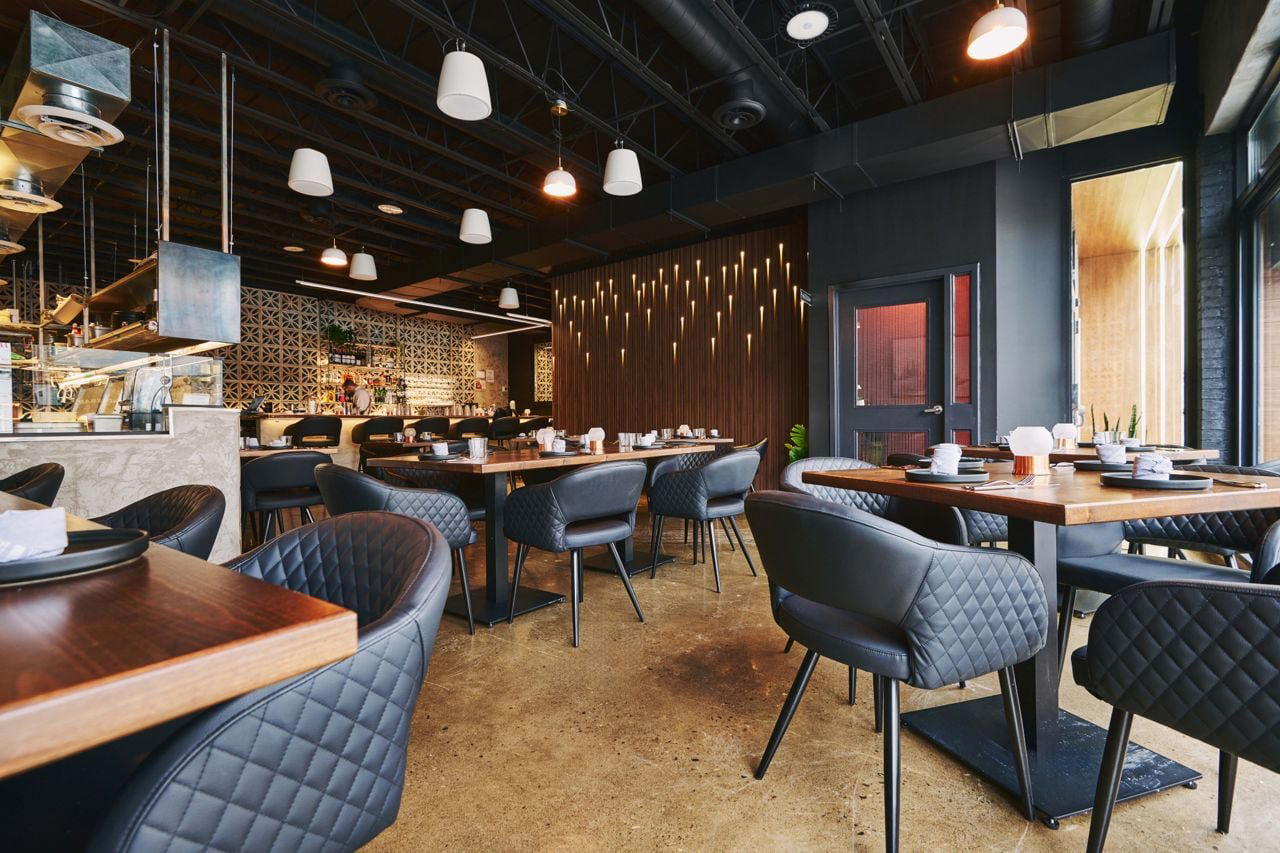
What Augusta Avenue Tells You Before You Walk In
Kensington Market has always operated outside Toronto's formal dining circuits. While the city's prestige restaurant tier concentrates further east along King and Queen West, or in the polished rooms around Yorkville, this pocket of Augusta Avenue runs on a different logic. The storefronts are narrower, the foot traffic more local, and the restaurants that survive here do so by accumulating loyalty rather than reviews. Casa Morales sits at 152 Augusta Ave inside that ecology, and understanding the neighbourhood is the first step to understanding what the room is doing.
Kensington's independent restaurant culture skews toward genuine regulars rather than destination diners. That's a structural fact about the area: it lacks the hotel adjacency and corporate expense-account clientele that sustain Toronto's leading end, represented by rooms like Alo, Sushi Masaki Saito, or Aburi Hana. Instead, the market's dining culture depends on neighbours, students from the nearby University of Toronto, and the kind of casual habitués who return weekly rather than annually. A restaurant that works here has earned its place through repetition.
The Economics of a Regular
The regulars' perspective is one honest measure of a neighbourhood restaurant. Critics arrive once; regulars arrive often enough to notice when something changes. At a place like Casa Morales, the clientele who keep returning are not chasing novelty. They are chasing reliability: a room that feels familiar, a menu that doesn't demand renegotiation every visit, and a price point that doesn't create hesitation.
Toronto's mid-tier independent dining segment has been under sustained pressure since 2020. Ingredient costs, labour shortages, and the ongoing pull of delivery platforms have reshaped which types of venues can hold a neighbourhood position without either inflating prices or reducing quality to compensate. The restaurants that maintain a regular clientele through this period tend to be those with low overhead footprints, smaller rooms, focused menus, and operators who treat consistency as the primary product. That dynamic applies broadly across Kensington, where lease structures and the neighbourhood's anti-corporate cultural identity have long favoured independent operators over chain expansion.
The comparison to Toronto's formal dining tier is instructive. At the $$$$ end of the market, rooms like DaNico and Don Alfonso 1890 compete on kitchen credentials, wine programs, and the occasion-dining demand that justifies high per-cover costs. The neighbourhood independent operates under entirely different conditions: the value proposition is familiarity and access, not prestige or spectacle. These are different businesses serving different social functions, and it makes little sense to evaluate them on the same axis.
The Room and What It Signals
Kensington Market restaurants are rarely large. The neighbourhood's Victorian-era commercial architecture predates modern restaurant floorplans, and the result is typically intimate rooms where proximity to other tables is a given rather than a design choice. This physical intimacy shapes the experience before anything else: you are close to the people next to you, the room has a sound ceiling that gets reached quickly on busy nights, and the character of the crowd becomes part of the meal in a way that doesn't happen in a 200-seat dining room.
For regulars, this compression is a feature. The room is recognisable each time. There is a particular kind of ease that comes from knowing the layout of a space, where to sit for a quieter conversation, when the energy shifts as the evening fills. That institutional knowledge, accumulated over multiple visits, is part of what a neighbourhood restaurant offers that a destination restaurant cannot replicate on a first visit.
Across Canada, neighbourhood-anchored restaurants with this profile have found sustained audiences. From the locally focused approach at AnnaLena in Vancouver to farm-rooted formats at Eigensinn Farm in Singhampton, there is a consistent pattern: the venues with deep regular bases are those where the experience compounds over visits rather than peaking on the first one. Cafe Brio in Victoria demonstrates a similar principle on the West Coast, where longevity and neighbourhood trust have proven more durable than critical momentum alone.
What Keeps People Coming Back
The regulars' economy at a Kensington Market restaurant is built on a few reliable mechanisms. First, the barrier to entry is low enough that a visit doesn't require a special occasion: no months-long booking queue, no occasion-scale spend. Second, the menu is stable enough that returning visitors know what to expect, which lowers the cognitive load of eating there. Third, the room itself provides a social anchor, a place that functions as part of a neighbourhood rhythm rather than a destination to be crossed off a list.
These are the qualities that accumulate into a regular clientele, and they are not glamorous qualities. They don't generate the kind of press coverage that flows toward Michelin-rated rooms or the ambitious tasting menus that Toronto's food press covers in depth. But they sustain a restaurant through periods that more high-profile venues often don't survive. The regulars are, in that sense, one practical endorsement a neighbourhood room can accumulate. You'll find comparable dynamics at Narval in Rimouski and at Busters Barbeque in Kenora, venues where the room's relationship to its immediate community matters more than its position in any national ranking.
For a broader view of where Casa Morales sits within Toronto's dining ecology, see our full Toronto restaurants guide. Those seeking the far end of the Canadian fine-dining spectrum can also reference Tanière³ in Quebec City, Restaurant Pearl Morissette in Lincoln, or the notable proximity to wild ingredients that defines Fogo Island Inn Dining Room in Joe Batt's Arm. For international reference points in neighbourhood-anchored dining, Lazy Bear in San Francisco and Le Bernardin in New York City each illustrate, from different angles, how a clear sense of audience shapes a room's identity. And closer to home, Jérôme Ferrer - Europea in Montréal and The Pine in Creemore offer distinct models of what sustained local relevance looks like when it outlasts trends.
Planning Your Visit
Casa Morales is located at Address: 152 Augusta Ave, Toronto, ON M5T 2L5, in the heart of Kensington Market. Getting there: The area is accessible by streetcar on Dundas West or College Street, with Spadina station providing TTC subway access a short walk away. Kensington Market is also a walkable destination from the downtown core. Hours: Not confirmed at time of publication; verify directly before visiting. Dress: Kensington Market operates entirely without dress codes; the neighbourhood's character actively resists formality.
Recognition Snapshot
Comparable venues nearby, for context on price, style, and recognition.
| Venue | Cuisine | Price | Notes |
|---|---|---|---|
| Casa MoralesThis venue — the venue you are viewing | Modern Mexican | $$$ | Not listed |
| La Nayarita | Modern Mexican Taqueria | $$$ | Trinity Bellwoods |
| Mezcalero | Modern Mexican Tapas & Mezcal Bar | $$$ | Annex |
| Casa Mezcal | Authentic Mexican with Fusion Elements | $$ | Midtown |
| MEXHICO | Contemporary Mexican | $$$ | Kensington-Chinatown |
| Grand Electric | Mexican Taqueria | $$ | Parkdale |
Continue exploring
More in Toronto
Restaurants in Toronto
Browse all →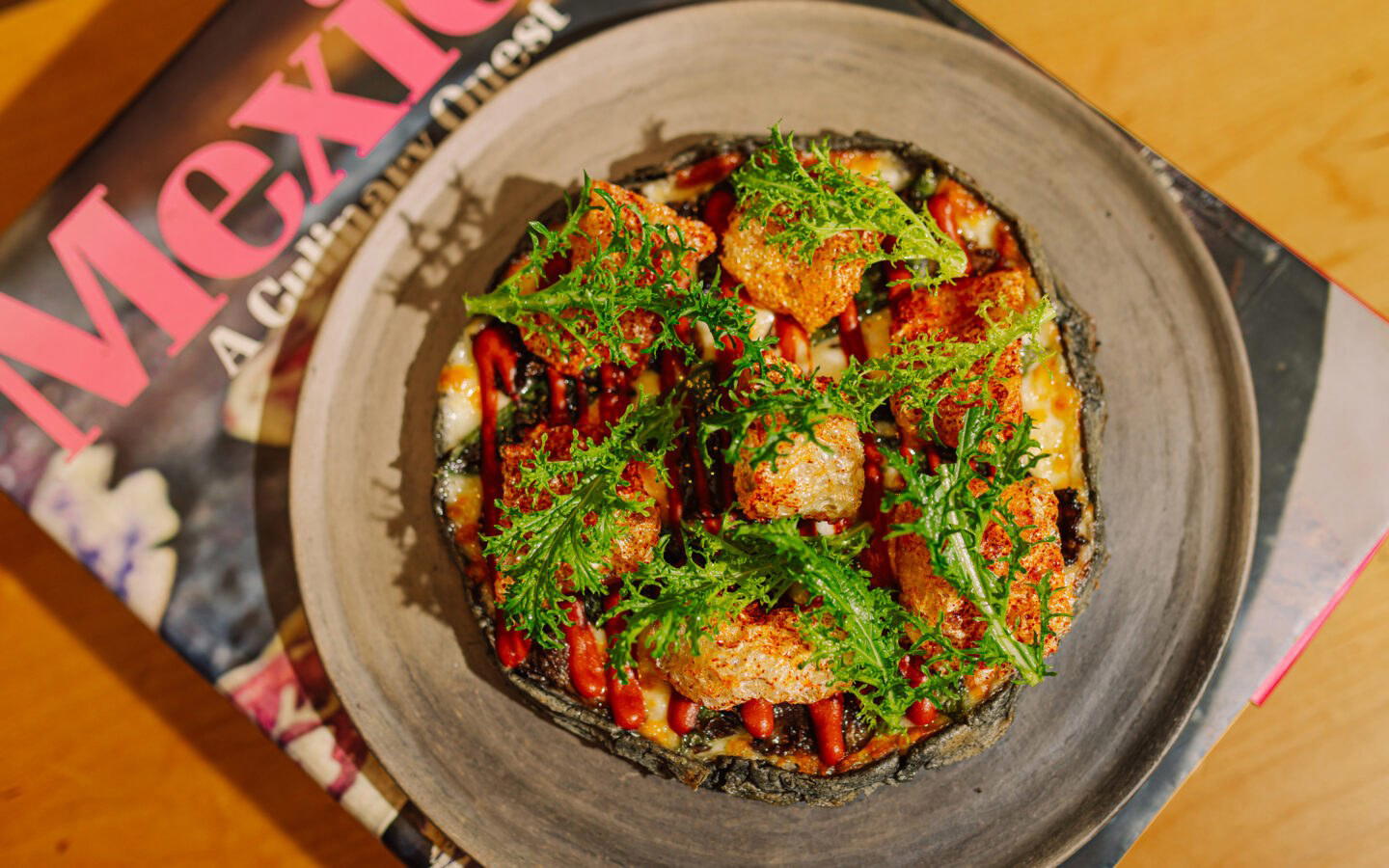
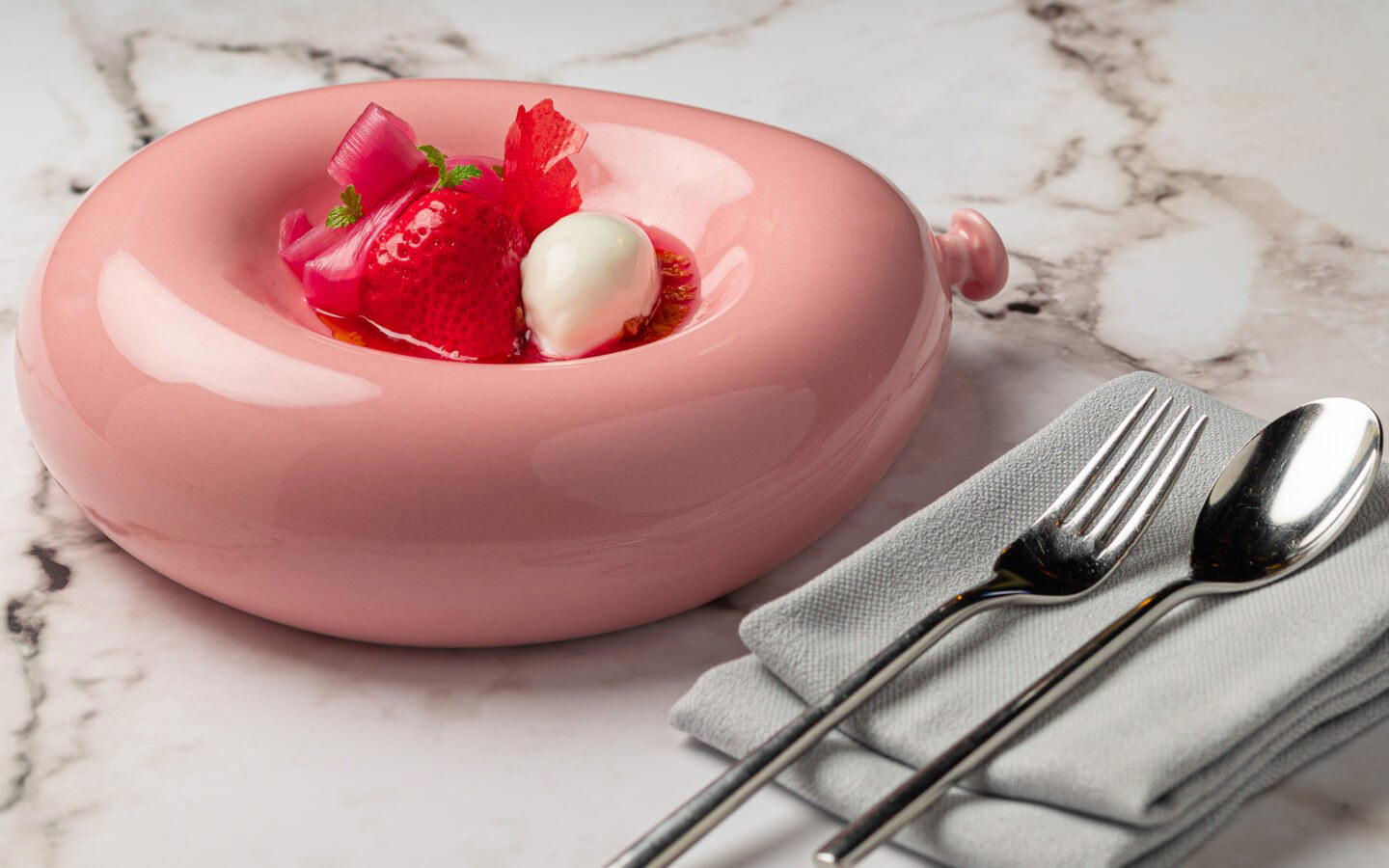
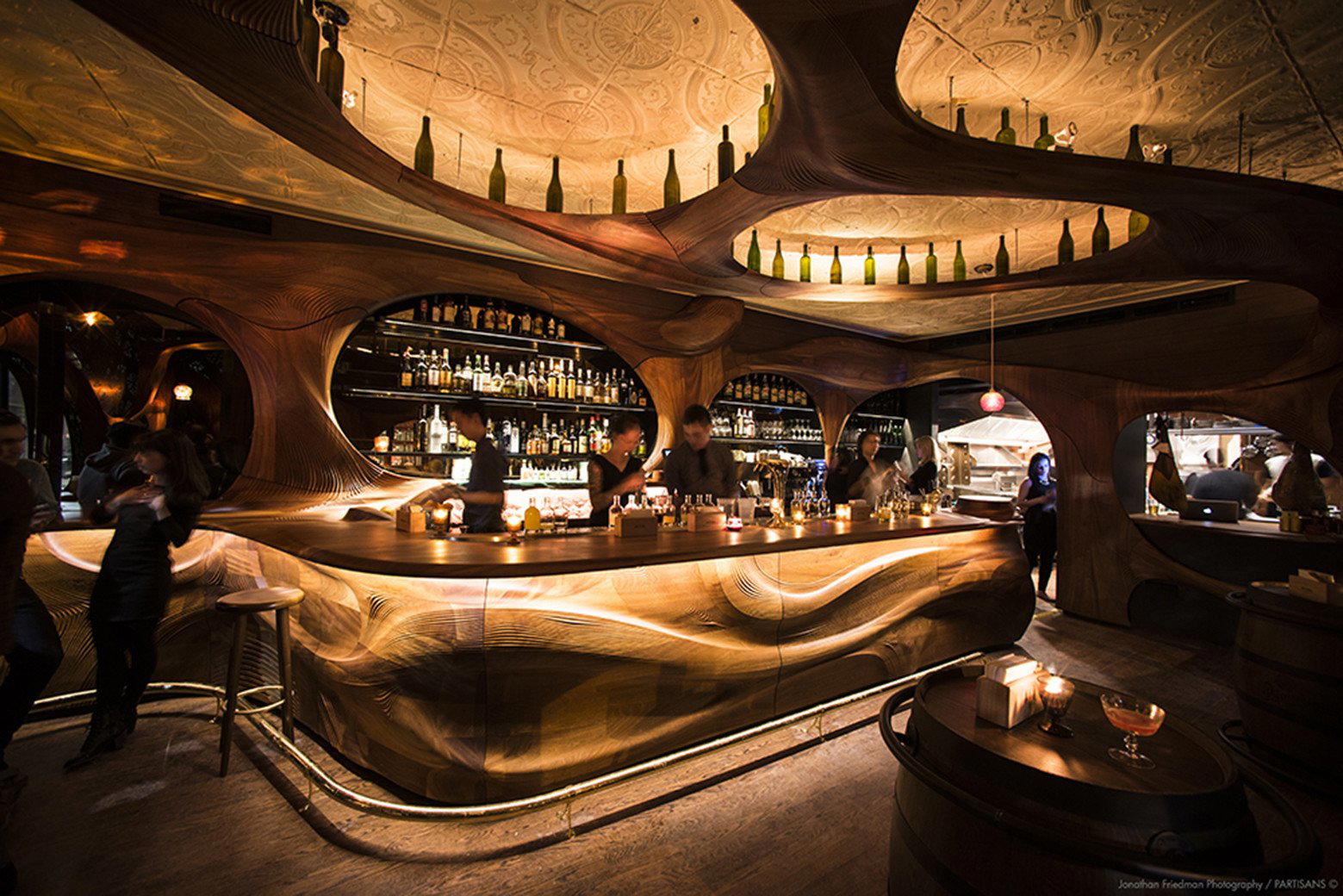

Bars in Toronto
Browse all →

Hotels in Toronto
Browse all →

At a Glance
- Modern
- Trendy
- Cozy
- Date Night
- Special Occasion
- Group Dining
- Open Kitchen
- Historic Building
- Craft Cocktails
Current opening hours
- Monday
- Closed
- Tuesday
- Closed
- Wednesday
- 5–10 PM
- Thursday
- 5–10 PM
- Friday
- 11 AM–3 PM, 5–11 PM
- Saturday
- 11 AM–3 PM, 5–11 PM
- Sunday
- 11 AM–3 PM, 5–10 PM
Hours can change for holidays and private events. Last verified .
Sleek modern aesthetic with warm, cozy atmosphere praised by guests.