Our verdict
On Ossington Avenue, La Cubana brings Cuban cooking to one of Toronto's most densely contested dining strips. The kitchen works within a tradition that rarely gets serious restaurant treatment in Canada, placing it in a category of its own within the city's Latin American dining scene. For a neighbourhood that runs toward Italian and Japanese at the upper end, this is a distinct change of register.

Pearl is the En Primeur Club membership app, where members save venues, book tables and use the concierge.
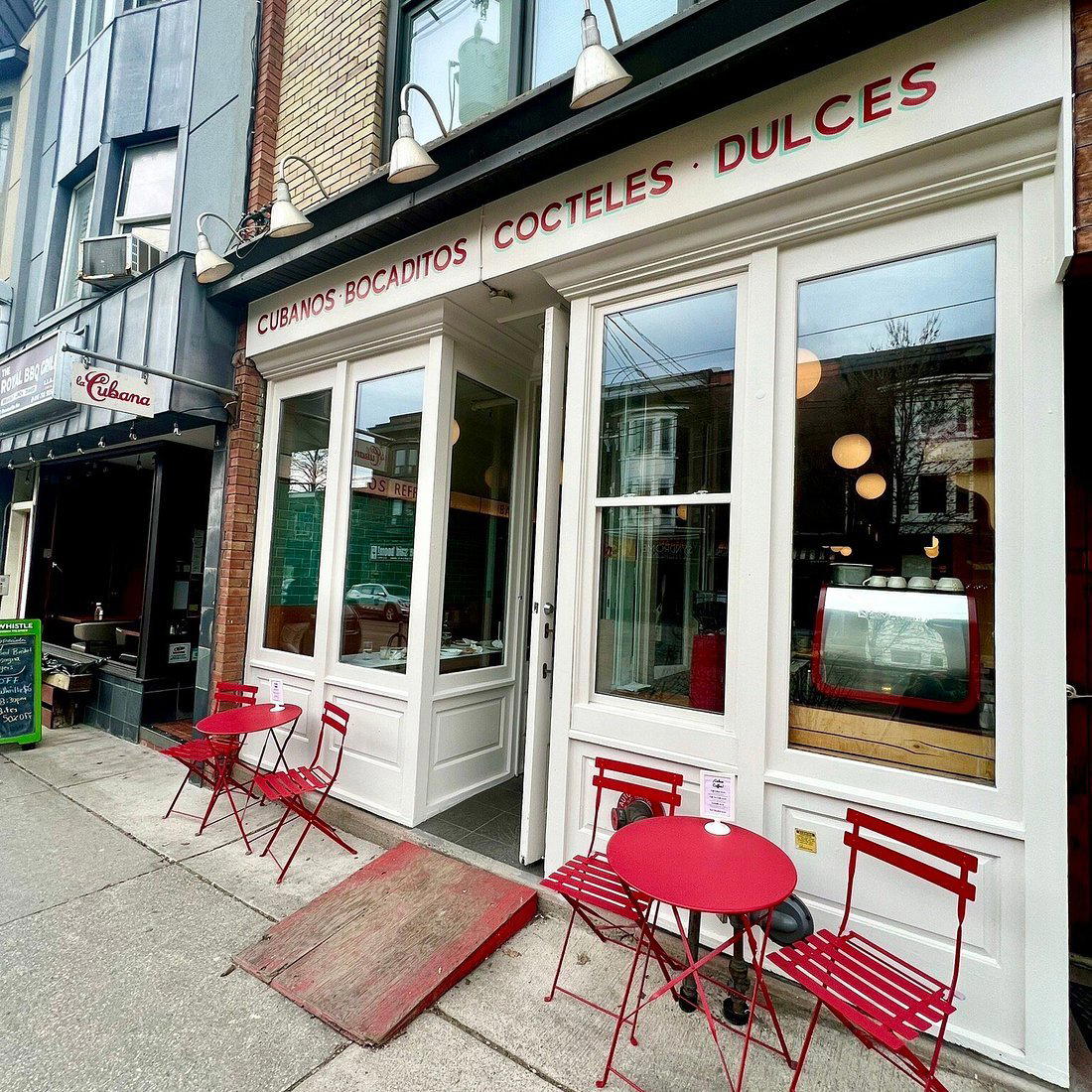
Cuban Cooking on Ossington: A Tradition That Toronto Has Been Slow to Take Seriously
Ossington Avenue operates as one of Toronto's more reliable barometers for how the city's restaurant culture shifts. Over the past decade, the strip has absorbed wine bars, izakayas, and ambitious Italian rooms, pulling diners west from the downtown core. What it has produced less consistently is serious engagement with Latin American culinary traditions. Cuban cooking, in particular, occupies an unusual position in Canadian restaurant culture: it is widely recognisable in the abstract, yet rarely given the kind of considered, ingredient-focused treatment that other Caribbean and South American traditions now receive in cities like New York or Miami. La Cubana, at 92 Ossington Ave, operates in that gap.
The Cuban kitchen draws from Spanish colonial influence, West African culinary traditions brought through the transatlantic slave trade, and Indigenous Caribbean foodways, producing a cuisine whose apparent simplicity conceals considerable technique. Slow-cooked proteins, legume-based sides, and acidic counterpoints built from citrus and vinegar define the grammar. Getting those relationships right requires patience and precision, not complexity for its own sake. That restraint is partly why the cuisine has been underserved by restaurants seeking spectacle. La Cubana's presence on Ossington positions it as one of the few Toronto addresses attempting to work within this tradition at a restaurant level rather than as a casual takeout format.
The Ossington Context: Where La Cubana Sits in Toronto's West End
Compared to the $$$$ bracket that defines Toronto's most decorated dining rooms, including Alo (Contemporary), Sushi Masaki Saito, and Aburi Hana, La Cubana operates in a different register entirely. La Cubana's frame of reference is narrower and more neighbourhood-specific: it serves a section of the city where the dining population expects good technique and genuine cultural grounding at accessible price points, without the formality of a tasting-menu room.
This is not a shortcoming. Toronto's most interesting mid-tier dining has consistently emerged from streets like Ossington, where the rent pressure and neighbourhood character push kitchens toward directness rather than decoration. The west end has produced a number of addresses that earn loyalty not through awards campaigns but through consistency and specificity. La Cubana fits that pattern. Its cuisine type is not formally documented in EP Club's database, and no starred recognition or formal awards are recorded, which places it outside the city's institutionally celebrated tier and inside its neighbourhood-institution category instead.
What Cuban Cuisine Actually Demands of a Kitchen
Understanding what distinguishes a kitchen working seriously within Cuban culinary tradition requires some knowledge of how the cuisine functions. Ropa vieja, the shredded beef dish that has become one of the most internationally recognisable Cuban preparations, is not a quick plate. The cooking process involves slow braising until the muscle fibres separate, then finishing in a tomato and pepper-based sofrito. Done correctly, the acidity of the sauce cuts through the fat of the meat, producing a balance that shortcuts cannot achieve. Similarly, black beans require time and attention to seasoning: the layering of cumin, bay, and garlic into the cooking liquid is not decorative, it is structural.
Rice as a base, plantains as both savoury and sweet counterpoints, and the yuca preparations that appear across the Cuban table all demand that a kitchen understand texture as much as flavour. These are not elaborate presentations in the fine-dining sense, but they require a genuine command of the culinary language. A restaurant that treats Cuban cooking as an opportunity for fusion shortcuts misses the point. The interest in La Cubana, from an editorial standpoint, is that it occupies Ossington as a kitchen working within tradition rather than interpreting it for a different audience.
Toronto's Latin American Dining Scene: The Broader Picture
Toronto's Latin American restaurant scene has grown considerably in breadth over the past ten years, with Mexican and Brazilian concepts gaining the most institutional traction. Cuban cooking remains comparatively underrepresented at the sit-down restaurant level, particularly in the city's central and west-end neighbourhoods. This is not unique to Toronto: across Canada, Cuban cuisine has historically been associated with resort travel rather than restaurant dining, which shapes both diner expectations and the economics of operating a dedicated Cuban kitchen.
That context makes venues like La Cubana more significant than a simple neighbourhood count would suggest. At the national level, Canada's most discussed restaurants in recent years have trended toward Nordic-influenced Canadian cuisine, as seen at places like Tanière³ in Quebec City and Eigensinn Farm in Singhampton, or toward hyper-local sourcing models like Restaurant Pearl Morissette in Lincoln and Fogo Island Inn Dining Room in Joe Batt's Arm. Cuban cooking sits outside all of those dominant narratives, which is precisely what gives a dedicated Cuban address its editorial interest. It is not chasing any current trend in Canadian restaurant culture.
Further afield, the standard for Cuban and Latin American dining at its most ambitious is set by rooms in New York and San Francisco. Restaurants like Le Bernardin in New York City and Lazy Bear in San Francisco illustrate what the North American fine-dining conversation looks like at its uppermost tier. La Cubana is not competing in that bracket, nor should it be judged against it. Its value is neighbourhood-specific and cuisine-specific, not prestige-driven.
Planning Your Visit
Know Before You Go
- Address: 92 Ossington Ave, Toronto, ON M6J 2Z4, Canada
- Neighbourhood: Ossington Avenue, West End Toronto
- Cuisine: Cuban
- Phone:DaNico and Don Alfonso 1890 represent the city's most serious rooms in that tradition. For Japanese, Sushi Masaki Saito and Aburi Hana occupy the kaiseki and omakase tier. For a full picture of what the city offers across price points and categories, see our full Toronto restaurants guide.
Beyond Toronto, EP Club also covers Canadian dining more broadly: AnnaLena in Vancouver, Jérôme Ferrer - Europea in Montreal, Narval in Rimouski, The Pine in Creemore, Busters Barbeque in Kenora, and Cafe Brio in Victoria are among the venues tracked across the country.
Frequently asked questions
What's La Cubana's location?
La Cubana is located at 92 Ossington Ave, Toronto, ON M6J 2Z4, Canada, Toronto.
Is La Cubana a good choice for a group dinner on Ossington Avenue?
La Cubana at 92 Ossington Ave sits on one of Toronto's more active dining strips, where communal formats and shareable plates tend to work well for groups. Cuban cooking, built around large-format proteins and side dishes designed to be passed around a table, suits group dining structurally.
What's the must-try dish at La Cubana?
Cuban kitchens of this type typically anchor their menus around slow-braised proteins, black beans, and rice preparations that require time and technique to execute well. Check directly with La Cubana at 92 Ossington Ave for current menu details before visiting.
How hard is it to get a table at La Cubana?
Ossington Avenue draws consistent foot traffic, and restaurants on this strip with a focused identity tend to fill quickly on weekends. Contacting the venue directly will give you the clearest picture of current wait times and booking options.
What makes La Cubana worth seeking out?
Toronto's Latin American dining scene has expanded significantly over the past decade, but Cuban cooking has received less dedicated attention than Mexican or Brazilian concepts. La Cubana occupies a specific gap on Ossington Avenue, a strip that has proven itself a reliable indicator of where Toronto's restaurant culture is heading. That positioning, on a street with genuine critical credibility, gives it a context most Cuban kitchens in the city lack.
How does La Cubana handle allergies?
Cuban cooking frequently involves shared cooking fats, pork-based stocks, and dishes where components are prepared in advance, so guests with dietary restrictions should call ahead. The address is 92 Ossington Ave, Toronto.
Should I splurge on La Cubana?
Compared to Toronto's top-end decorated rooms such as Alo or Sushi Masaki Saito, Cuban restaurants on Ossington typically operate in a more accessible price bracket, making a splurge decision less about total spend and more about whether the cuisine matches what you are looking for that evening.
Reputation First
Comparable venues nearby, for context on price, style, and recognition.
| Venue | Cuisine | Price | Notes |
|---|---|---|---|
| La CubanaThis venue (the venue you are viewing) | Authentic Cuban Comfort Food | $20–30 | Not listed |
| Rasta Pasta | Jamaican-Italian Fusion | $10–20 | Fashion District |
| Julie's Cuban Restaurant | Authentic Cuban | Not listed | Little Portugal |
| Almond Butterfly Bistro | Gluten-Free American Bistro | $20–30 | Little Italy |
| Wilbur Mexicana | Mexican Street Food | $20–30 | Fashion District |
| The Morning After | Late-Night Brunch & Comfort Food | $30–50 | CityPlace |
Continue exploring
More in Toronto
Restaurants in Toronto
All restaurants in Toronto →
Bars in Toronto
All bars in Toronto →


Details
- Retro
- Lively
- Cozy
- Trendy
- Casual Hangout
- Group Dining
- Brunch
- Open Kitchen
- Craft Cocktails
- A La Carte
- Small Plates
- Cuban Cocktails
- Cuban Coffee
- Vegetarian Friendly
- Vegan Options
- Gluten Free Options
Current opening hours
- Monday
- 11:30 AM–7 PM
- Tuesday
- 11:30 AM–7 PM
- Wednesday
- 12–9 PM
- Thursday
- 12–10 PM
- Friday
- 11 AM–12 AM
- Saturday
- 11 AM–12 AM
- Sunday
- 11 AM–8 PM
Hours can change for holidays and private events. Hours as of .
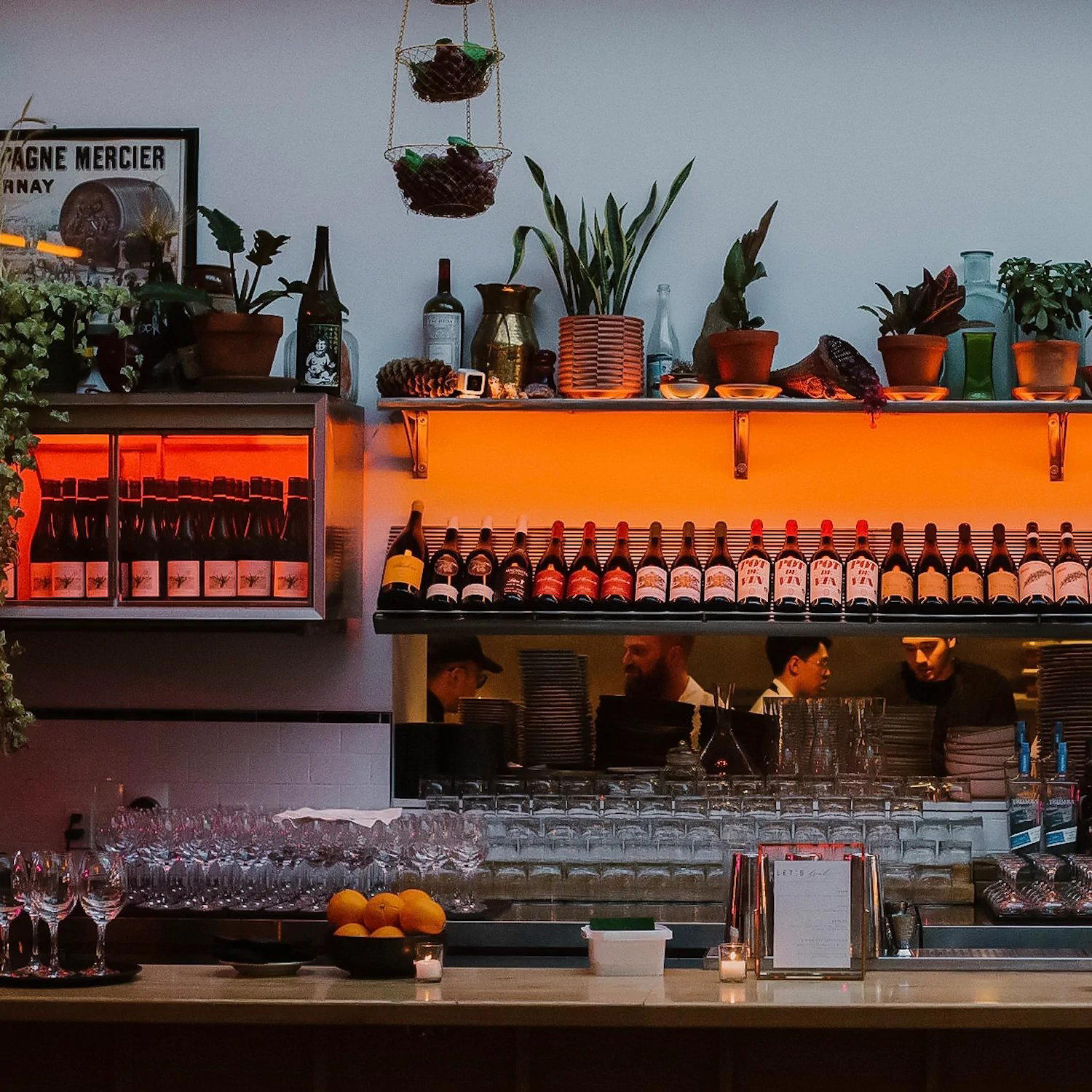
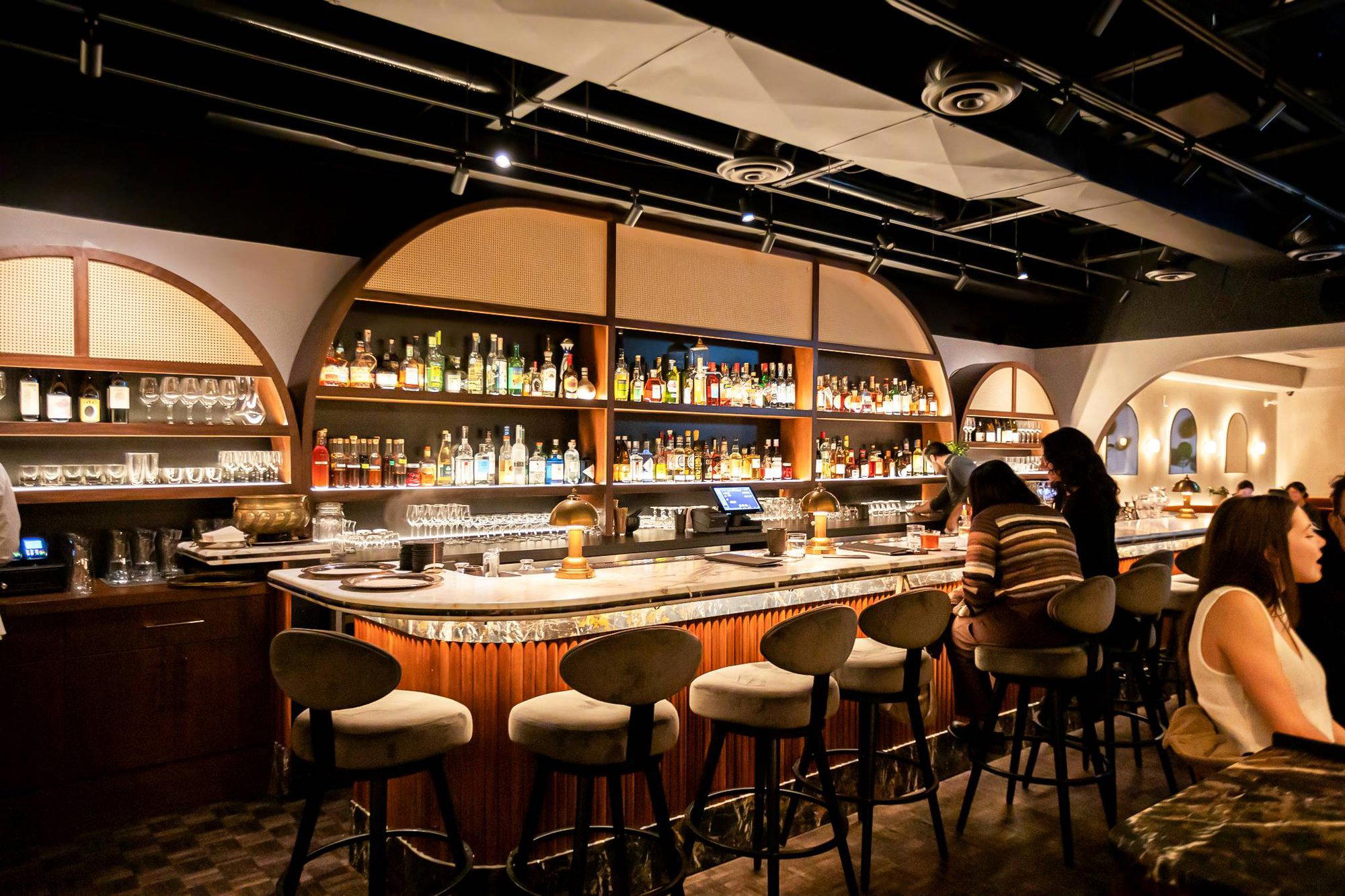
Cool, casual old-school Cuban diner vibe with 1950s Havana charm, lively atmosphere, and great music.