Adega Restaurante occupies a spot on Elm Street in downtown Toronto, drawing on Portuguese culinary tradition within a city whose dining scene has moved decisively toward provenance-conscious cooking. The address places it alongside some of Toronto's most serious restaurant options, making it a reference point for those tracing the city's evolving relationship with European heritage cuisines and ingredient-led menus.
Pearl is the En Primeur Club membership app — saves, bookings, and concierge access live there. Same editors, same standards.
- Address
- 33 Elm St, Toronto, ON M5G 1H1, Canada
- Phone
- +14169774338
- Website
- adegarestaurante.ca
- Directions
- Get directions
 Saves & bookings on Pearl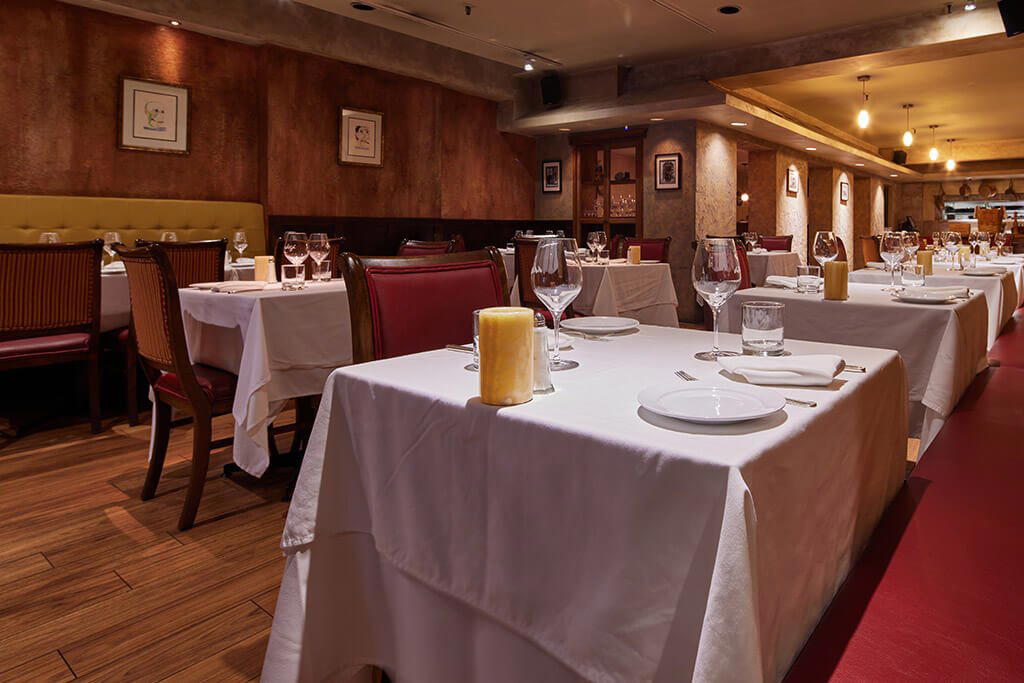
Elm Street and the Question of Provenance
Downtown Toronto's restaurant corridor around Elm Street sits in a transitional zone between the hospital district's functional lunch trade and the more deliberate dinner destinations that have accumulated in the blocks between University Avenue and Bay Street. It is not a neighbourhood that announces itself as a dining destination the way Ossington or King West do, which means the restaurants that persist here tend to earn their place on merit rather than foot traffic. Adega Restaurante is a Toronto restaurant serving Portuguese Seafood and Mediterranean cuisine at 33 Elm St, with a smart casual dress code and reservations recommended.
That reckoning matters more now than it did a decade ago. Toronto's premium dining tier, anchored by places like Alo at the contemporary end and Sushi Masaki Saito and Aburi Hana in the Japanese omakase format, has pushed the whole market toward specificity and sourcing rigour. Restaurants that want to occupy serious ground can no longer rely on a regional label alone. The question diners now ask is not just what kind of food a kitchen makes, but where the ingredients come from and what decisions were made along the way.
The Sustainability Shift in Portuguese-Influenced Kitchens
Portuguese cuisine arrives in this conversation with structural advantages. Its canonical techniques, long-cooked dried cod, wood-fired preparations, vegetable-forward starters, salt-preserved proteins, are not trends borrowed from elsewhere. They are the result of centuries of necessity-driven resourcefulness in a country with limited agricultural land and a long Atlantic coastline. That history maps well onto contemporary ideas about waste reduction and whole-ingredient use, even if the vocabulary has changed.
Across Canada, particularly thoughtful kitchens working within European traditions have been paying attention to this alignment. Tanière³ in Quebec City has made Nordic-influenced preservation and fermentation central to its identity. Eigensinn Farm in Singhampton is organised entirely around what the farm produces. Restaurant Pearl Morissette in Lincoln has built its menu around the rhythms of its winery estate. These are not gimmicks. They represent a serious reorientation of how kitchens in this country think about their relationship to ingredient supply.
Adega sits within this broader movement by virtue of what Portuguese culinary tradition makes available to it. A kitchen working seriously with bacalhau, for example, is already working with a product that demands whole-fish thinking, minimal trim waste, and patient preparation. The same applies to the offal preparations and slow-cooked legume dishes that appear across the Iberian repertoire. The ethics and the aesthetics point in the same direction.
Italian Heritage Cooking and Its Toronto Peers
It is worth placing Adega alongside the Italian side of Toronto's European heritage dining scene, because the comparison is instructive. Places like DaNico and Don Alfonso 1890 have demonstrated that a restaurant rooted in a specific European culinary tradition can occupy the premium tier in Toronto without abandoning its reference points. The approach in both cases involves sourcing discipline, tightly controlled menus, and a willingness to let quality ingredients speak without heavy manipulation.
Portuguese cuisine, applied at the same level of seriousness, offers a parallel opportunity. The wine traditions alone, from the Douro to the Alentejo, bring natural low-intervention options that align with current dining room preferences. The seafood repertoire provides scope for day-boat sourcing conversations that Italian-focused kitchens are already having. The bread and olive oil culture, when done with attention, signals the same kind of ingredient respect that defines the upper tier of the Italian peer group in this city.
What Draws Diners to This Address
For a restaurant at 33 Elm Street to hold ground in Toronto's competitive dinner market, it needs to offer something that justifies the deliberate choice of the location. One sustainable version of that proposition, in every sense of the word, is a kitchen that knows its tradition well enough to apply it with conviction rather than compromise.
Canadian diners have shown, at venues from AnnaLena in Vancouver to Cafe Brio in Victoria to Jérôme Ferrer - Europea in Montreal, that they will seek out a restaurant built around a coherent culinary point of view and return to it. The same pattern holds internationally: Le Bernardin in New York City and Lazy Bear in San Francisco have both built loyal audiences around specificity of vision, not breadth of menu. Fogo Island Inn's Dining Room has done something similar in a far more remote context by anchoring its entire offer to place and provenance.
Adega's Portuguese identity gives it a clear lane in a city where that lane is not overcrowded. Toronto's Portuguese community has deep roots in the city, concentrated historically in the west end around Dundas and Ossington, but the restaurant at Elm Street operates in a more central and less ethnically defined context, which shifts the audience somewhat and raises the expectation of what the kitchen needs to deliver.
Planning Your Visit
Adega's price tier is 3, about $50 per person, and its hours are Mon to Thu 11:30 AM to 2 PM and 5 to 9 PM, Fri 11:30 AM to 2 PM and 5 to 9:30 PM, Sat 4 to 9:30 PM, and Sun 4 to 8 PM.
For those building a longer Ontario itinerary with a focus on provenance-driven kitchens, The Pine in Creemore and Narval in Rimouski represent the kind of regionally anchored cooking that contextualises what the leading urban kitchens are attempting. Busters Barbeque in Kenora offers a different register entirely, but illustrates the range of serious cooking now operating outside Canada's major centres.
Cuisine Lens
Comparable venues nearby, for context on price, style, and recognition.
| Venue | Cuisine | Price | Notes |
|---|---|---|---|
| Adega RestauranteThis venue — the venue you are viewing | Portuguese Seafood and Mediterranean | $$$ | Not listed |
| Seahorse | Modern Seafood | $$$ | Summerhill |
| Honest Weight | Modern Seafood | $$ | The Junction |
| Byblos | Modern Eastern Mediterranean | $$$ | Entertainment District |
| Myth | Modern Greek Mediterranean | $$$ | Fashion District |
| Piano Piano Harbord | Modern Italian | $$$ | Harbord Village |
Continue exploring
More in Toronto
Restaurants in Toronto
Browse all →

Bars in Toronto
Browse all →

Hotels in Toronto
Browse all →


At a Glance
- Romantic
- Cozy
- Rustic
- Elegant
- Classic
- Date Night
- Special Occasion
- Business Dinner
- Private Dining
- Wine Cellar
- Extensive Wine List
Current opening hours
- Monday
- 11:30 AM–2 PM, 5–9 PM
- Tuesday
- 11:30 AM–2 PM, 5–9 PM
- Wednesday
- 11:30 AM–2 PM, 5–9 PM
- Thursday
- 11:30 AM–2 PM, 5–9 PM
- Friday
- 11:30 AM–2 PM, 5–9:30 PM
- Saturday
- 4–9:30 PM
- Sunday
- 4–8 PM
Hours can change for holidays and private events. Last verified .
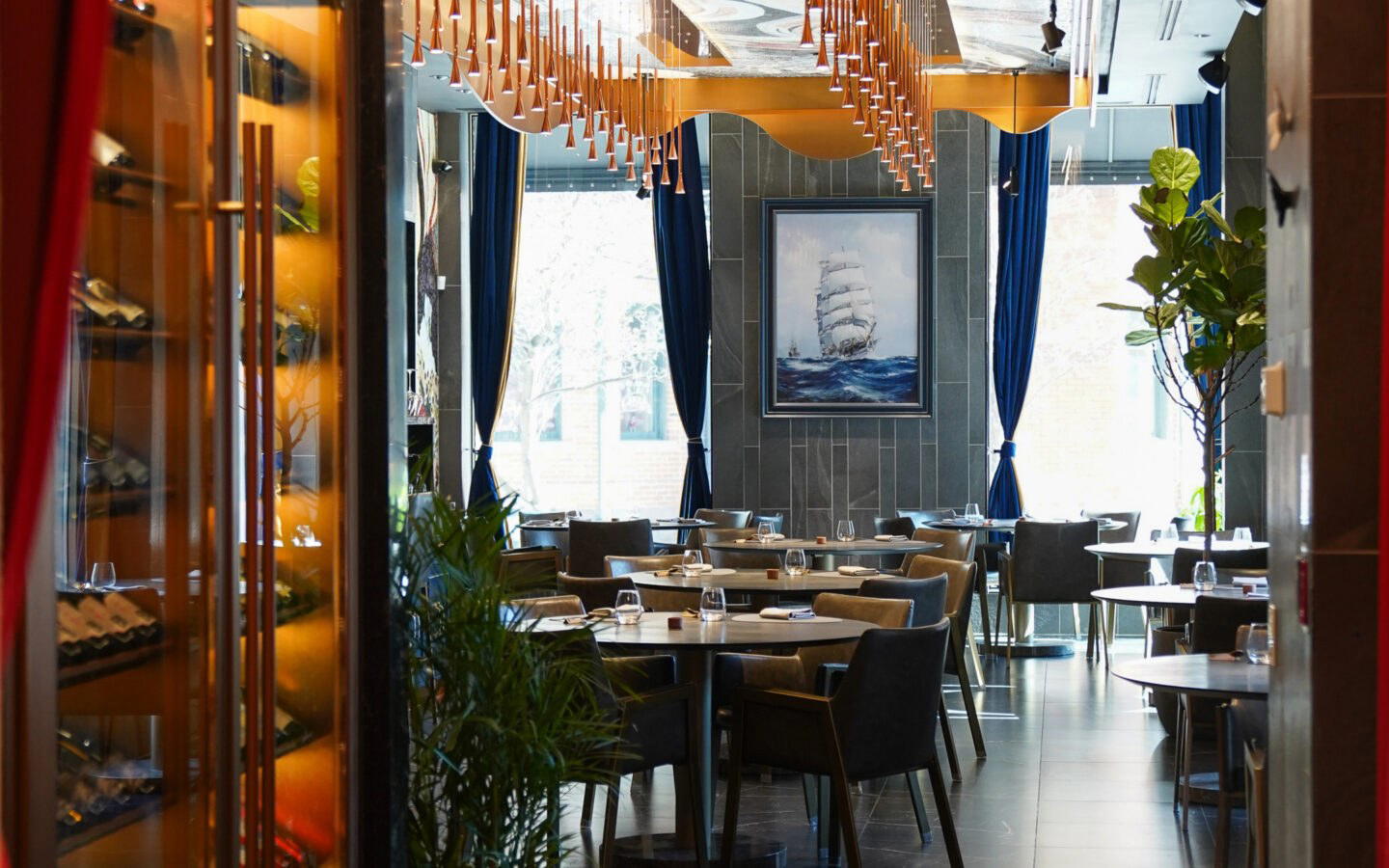
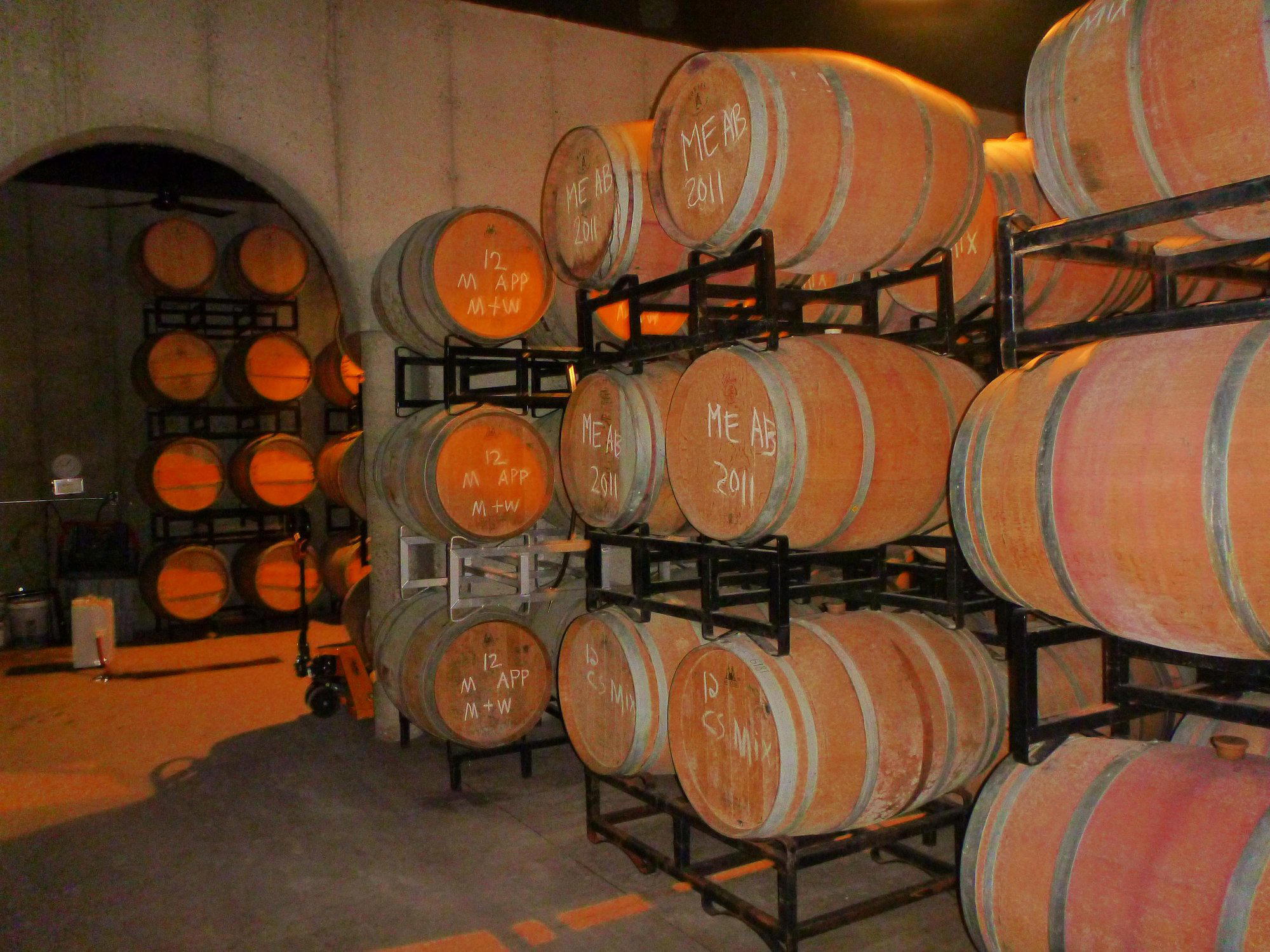
Rustic Mediterranean atmosphere with old-world charm, intimate and romantic lighting evoking a wine cellar.