Minami Toronto occupies a prominent corner on King Street West, where the aburi-style Japanese cooking that made the Vancouver original a coastal institution meets one of Canada's most competitive dining corridors. The format centres on flame-torched nigiri and elaborately composed rolls, placing it in a distinct tier from the city's omakase counters and kaiseki rooms.
Pearl is the En Primeur Club membership app — saves, bookings, and concierge access live there. Same editors, same standards.
- Address
- 225 King St W Suite 100, Toronto, ON M5V 3M2, Canada
- Phone
- +14165199182
- Website
- minamitoronto.com
- Directions
- Get directions
 Saves & bookings on Pearl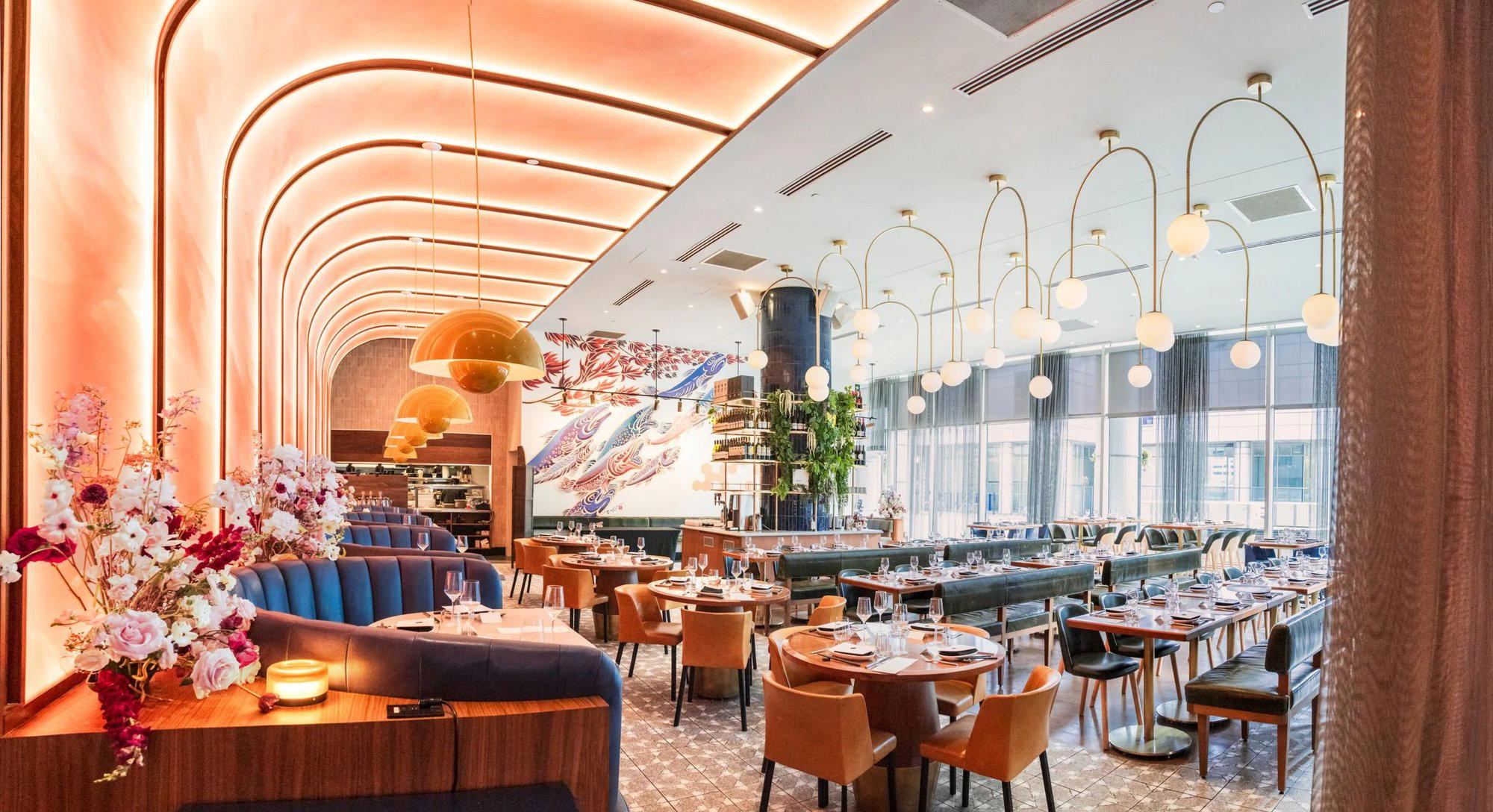
King Street West and the Question of Japanese Dining Ambition
Toronto's King Street West corridor has become among the more contested stretches in Canadian fine dining, where contemporary Italian, modernist Canadian, and high-format Japanese restaurants operate within blocks of one another, each competing for prime reservation times. Into this context, Minami Toronto plants a flag at 225 King St W, carrying the aburi methodology that the Vancouver parent location turned into a recognisable culinary signature across the country. That methodology, centred on the precise flame-torching of nigiri and composed rolls, sits in a specific and increasingly crowded niche: Japanese-influenced restaurants that are neither the spare, counter-only omakase rooms nor the casual ramen-and-izakaya formats that occupy the other end of the market.
Understanding where Minami sits requires mapping the wider Toronto Japanese dining tier. At the summit of the price and scarcity bracket, counters like Sushi Masaki Saito and kaiseki rooms like Aburi Hana operate on allocated seatings, multi-course formats, and prices that place them in direct conversation with New York's Atomix rather than with mainstream restaurant dining. Minami occupies a more accessible tier in terms of format, à la carte ordering rather than a fixed omakase sequence, while still presenting a polished, design-forward room and a kitchen built around technical precision. That positioning is a deliberate business decision, and it gives the restaurant a wider audience without abandoning the visual and culinary ambition that defines the aburi style.
The Aburi Format as an Ethical and Sourcing Statement
The aburi technique is, at its core, a flame-finishing process applied to fish and other proteins atop formed rice. What receives less attention in most coverage is what the method demands upstream: the sourcing standards required to make flame-torched fish worth the exercise. Aburi is not a technique that rescues mediocre product. The heat amplifies the fat and texture of the fish, which means sub-standard sourcing produces a worse result, not a better one. The Aburi Restaurant Group, which operates Minami, has positioned its procurement around Ocean Wise certification, a Vancouver Aquarium programme that evaluates seafood against sustainability criteria including species status, harvest method, and ecosystem impact.
Ocean Wise certification sits within a growing tier of Canadian restaurant groups that have made traceable, sustainably sourced seafood a structural commitment rather than an occasional menu note. Comparable commitments appear in different dining formats across the country: at Narval in Rimouski, where the kitchen's identity is built around Gulf of St. Lawrence provenance, and at Tanière³ in Quebec City, where foraging and regional protein sourcing drive the menu architecture. The common thread is an understanding that premium dining now requires a documented relationship between kitchen and supply chain, not merely a claim of freshness.
For Minami, the Ocean Wise alignment is particularly legible given the product focus. A restaurant whose menu leans heavily on finfish and shellfish in raw, cured, and flame-finished preparations is making a direct wager on the ongoing availability of quality product. Sustainable sourcing, in this light, is as much a practical business logic as an ethical stance: the technique only works when the fish is worth it, and the fish is only worth it if the fishery is managed responsibly.
Room Character and the King West Dining Environment
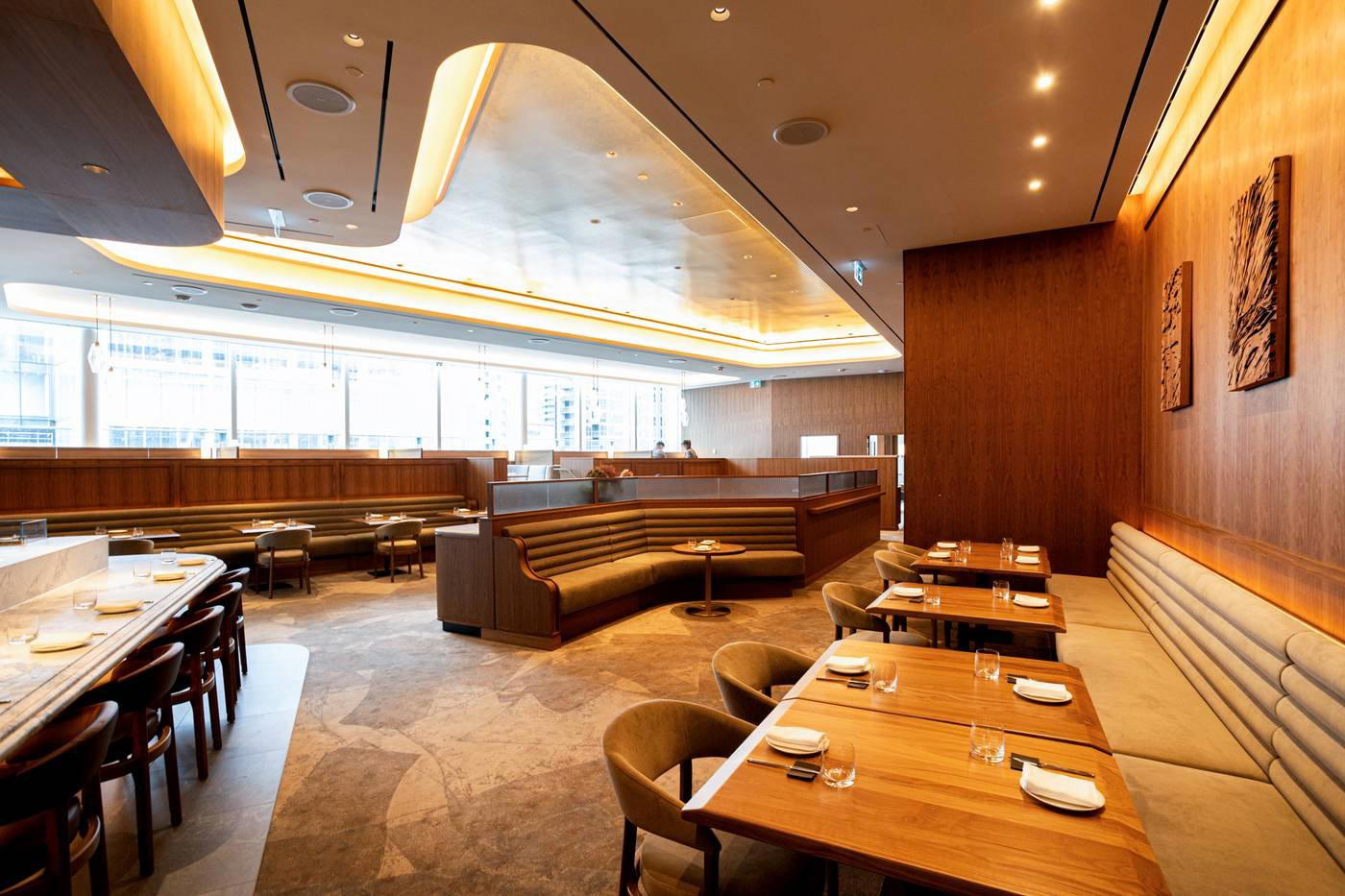
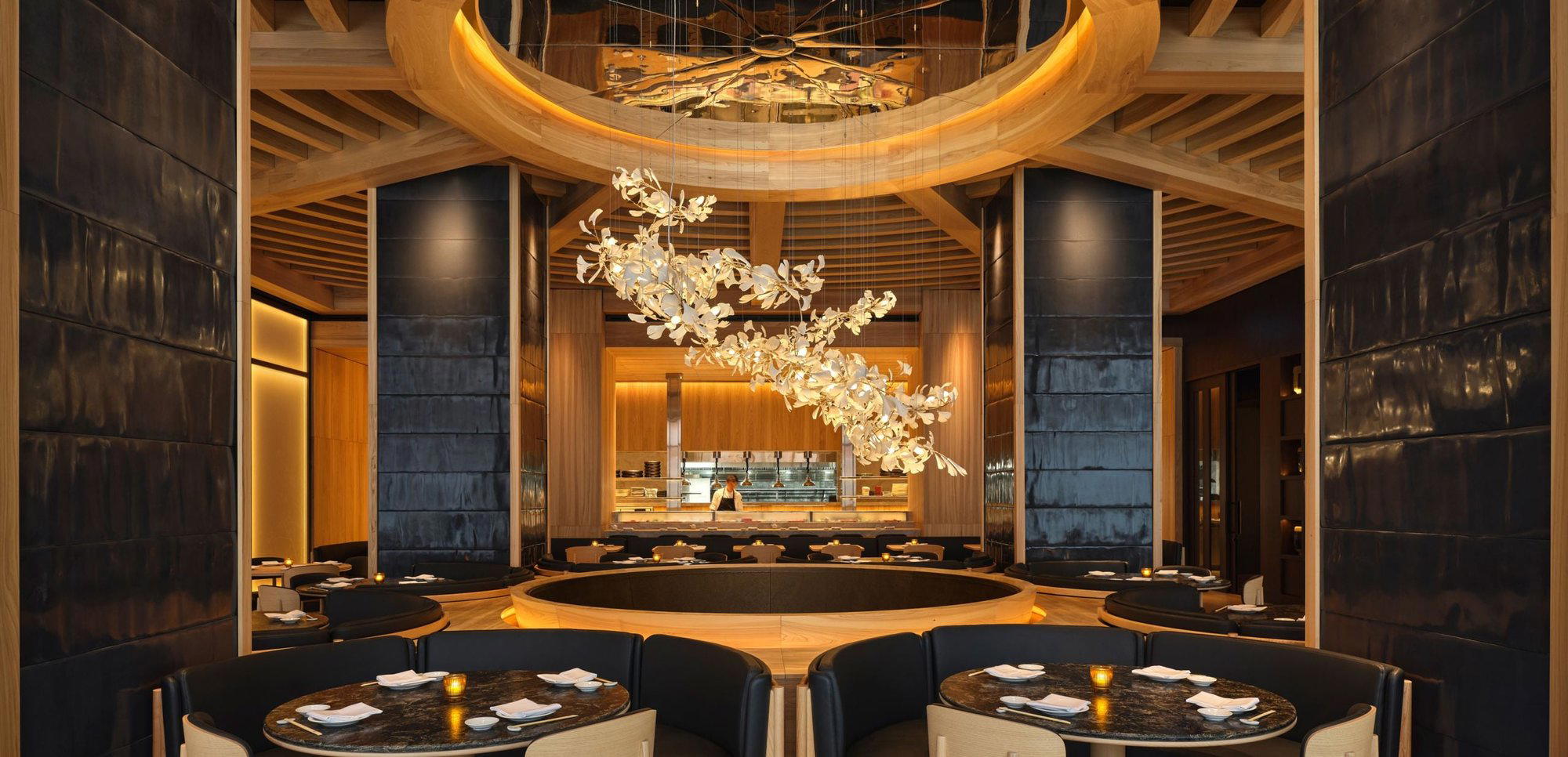
The physical environment at 225 King St W reflects the aesthetic expectations of a corridor where Alo, DaNico, and Don Alfonso 1890 have each established high design standards for their respective formats. The Minami dining room works in lower light levels and warm material tones, a combination that is standard across the aburi restaurant group's properties. The effect is a space that reads as evening-specific, this is not a room designed for lunch trade, and socially oriented, with table configurations that work better for groups than for solo dining. That character places it closer in social function to a celebratory restaurant than to the contemplative counter formats that define the omakase tier.
King West's geography rewards arriving on foot or by transit, given the density of the Entertainment District.
Where Minami Sits in the Broader Canadian Fine Dining Picture
Canadian fine dining has spent the past decade asserting a more confident regional identity, with properties like Eigensinn Farm in Singhampton, Restaurant Pearl Morissette in Lincoln, and The Pine in Creemore building reputations rooted in specific Ontario terroir and producer relationships. In Montreal, Jérôme Ferrer's Europea anchors a different tradition of French-inflected urban fine dining, while AnnaLena in Vancouver represents the Pacific Northwest's quieter but insistent claim on contemporary Canadian cooking.
Minami's place in this picture is as a West Coast-originated concept that has successfully transplanted its format into Toronto's more competitive market, demonstrating that the aburi style has national rather than merely regional appeal. It operates in a dining city where the pressure on Japanese restaurants has intensified with the arrival of higher-calibre omakase formats, and its à la carte accessibility is part of what keeps it commercially viable in that context. The comparison point is less Le Bernardin in New York and more the mid-tier luxury seafood restaurant that has found a durable format between casual and ceremonial.
Restaurants working with historically abundant fish species while building in sustainability criteria represent a meaningful shift in how premium Japanese-influenced dining operates in North American cities. Minami, with Ocean Wise certification already in place, has cleared the first threshold. Quebec's Aux Anciens Canadiens and Ontario's Barra Fion in Burlington each navigate regional sourcing from different culinary traditions, which underlines how widespread the conversation around traceable supply has become across Canadian dining formats.
- Address: 225 King St W, Suite 100, Toronto, ON M5V 3M2
- Neighbourhood: Entertainment District, King Street West
- Format: À la carte; aburi-style Japanese
- Sourcing: Ocean Wise certified seafood programme
- Transit: St. Andrew station (Line 1) is within walking distance
- Leading for: Groups, celebrations, evening dining; less suited to solo counter dining
In Context: Similar Options
Comparable venues nearby, for context on price, style, and recognition.
| Venue | Cuisine | Price | Notes |
|---|---|---|---|
| Minami TorontoThis venue — the venue you are viewing | Contemporary Japanese Aburi Sushi | $$$ | Not listed |
| Muni Robata | Modern Japanese Robata Grill | $$$ | Kensington-Chinatown |
| JaBistro | Modern Japanese Sushi | $$$ | Entertainment District |
| Kiyomi | Traditional Japanese Omakase & Tempura | $$$$ | Church and Wellesley |
| Yamato Japanese Restaurant | Authentic Japanese Teppanyaki and Sushi | $$ | Yorkville |
| Sushi Okeya Kyujiro | Theatrical Japanese Omakase | $$$$ | Yorkville |
Continue exploring
More in Toronto
Restaurants in Toronto
Browse all →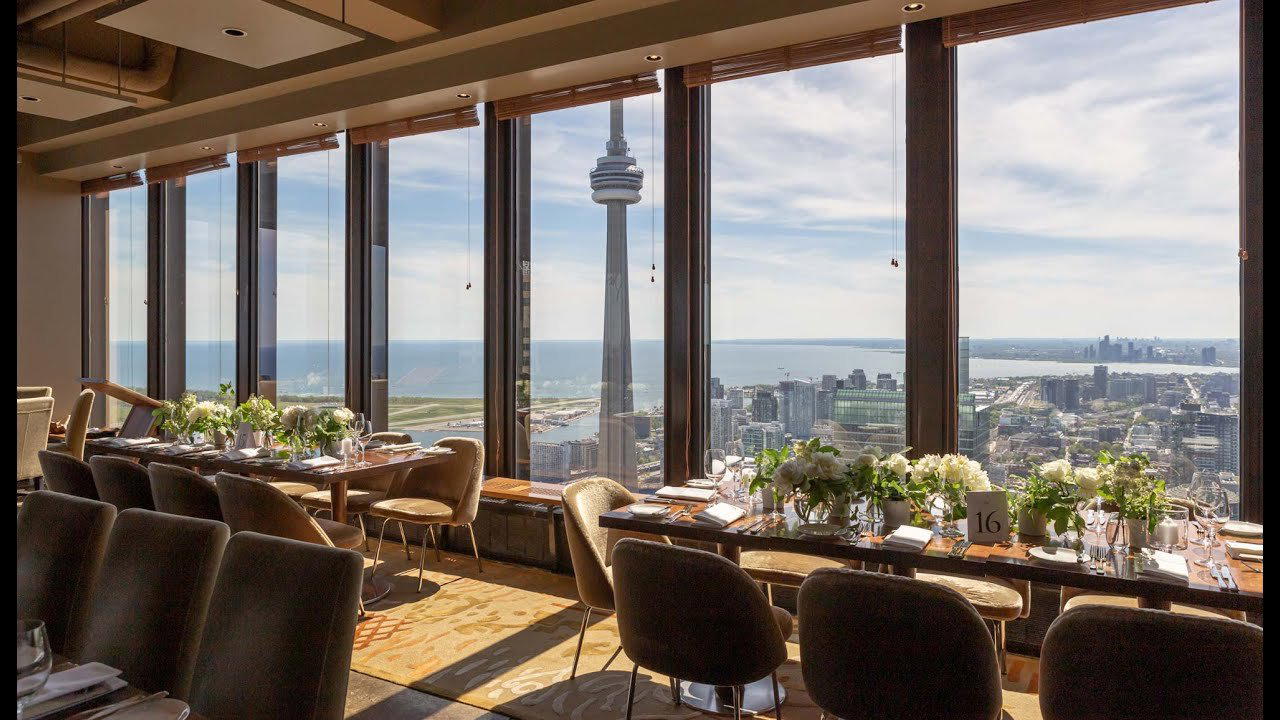
Bars in Toronto
Browse all →
Hotels in Toronto
Browse all →

At a Glance
- Modern
- Elegant
- Trendy
- Sophisticated
- Date Night
- Special Occasion
- Business Dinner
- Open Kitchen
- Sake Program
- Craft Cocktails
- Street Scene
Current opening hours
- Monday
- 11:30 AM–9 PM
- Tuesday
- 11:30 AM–9 PM
- Wednesday
- 11:30 AM–9 PM
- Thursday
- 11:30 AM–10 PM
- Friday
- 12–11 PM
- Saturday
- 4–11 PM
- Sunday
- 4–9 PM
Hours can change for holidays and private events. Last verified .
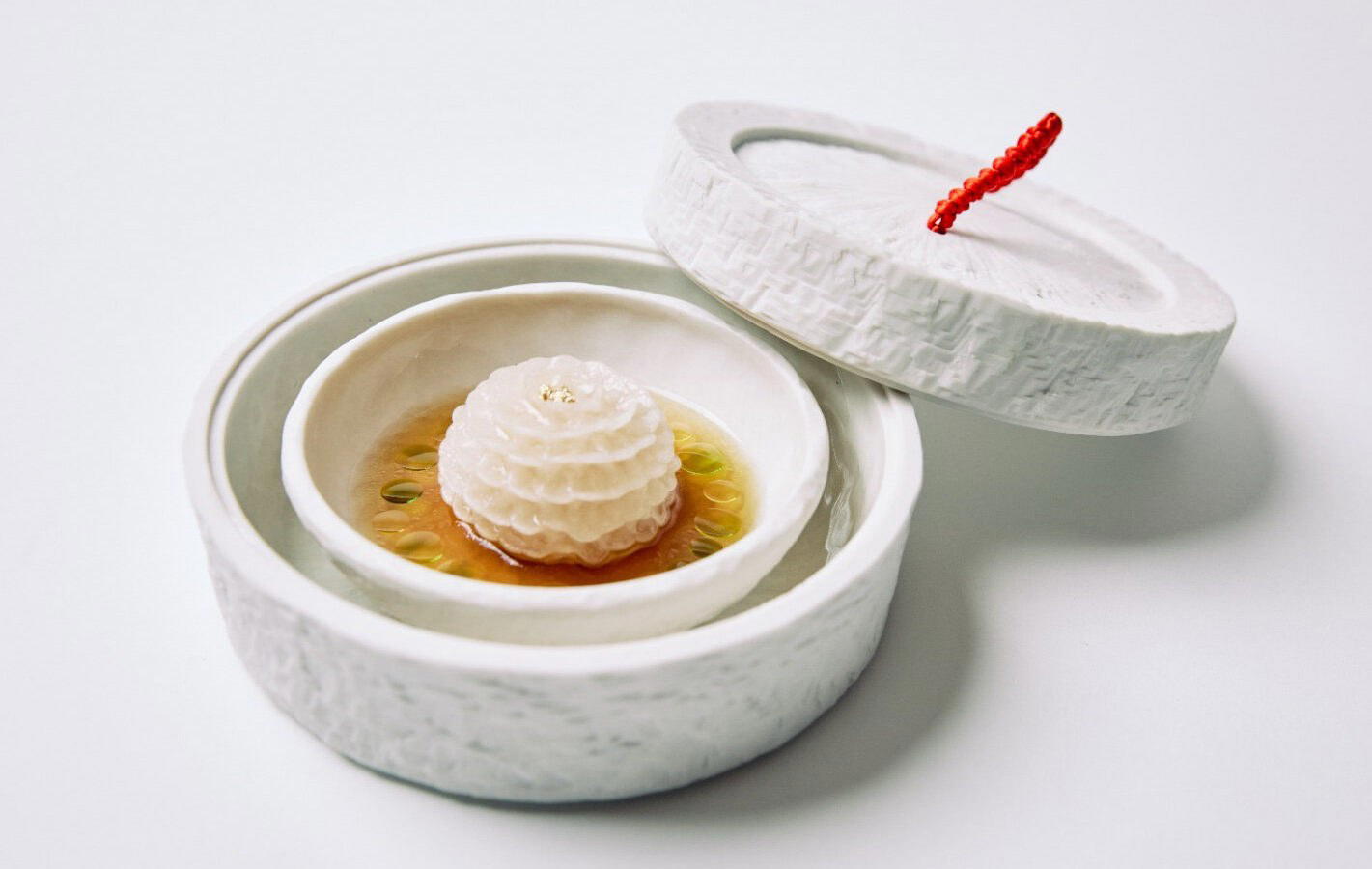
Sophisticated contemporary interior with stylish decor, intricate plating, and a lively yet elegant atmosphere under the CN Tower.