Kiyomi sits on Gerrard Street East in Toronto's Garden District, a stretch that has quietly accumulated serious dining options alongside its hospital corridor reputation. The address places it within reach of the city's Japanese dining tier, a category that now spans everything from high-volume izakaya to allocation-only omakase counters. For the neighbourhood, that range matters more than it might elsewhere in the city.
Pearl is the En Primeur Club membership app — saves, bookings, and concierge access live there. Same editors, same standards.
- Address
- 76 Gerrard St E, Toronto, ON M5G 2A7, Canada
- Phone
- +14169791134
- Website
- kiyomiomakase.ca
- Directions
- Get directions
 Saves & bookings on Pearl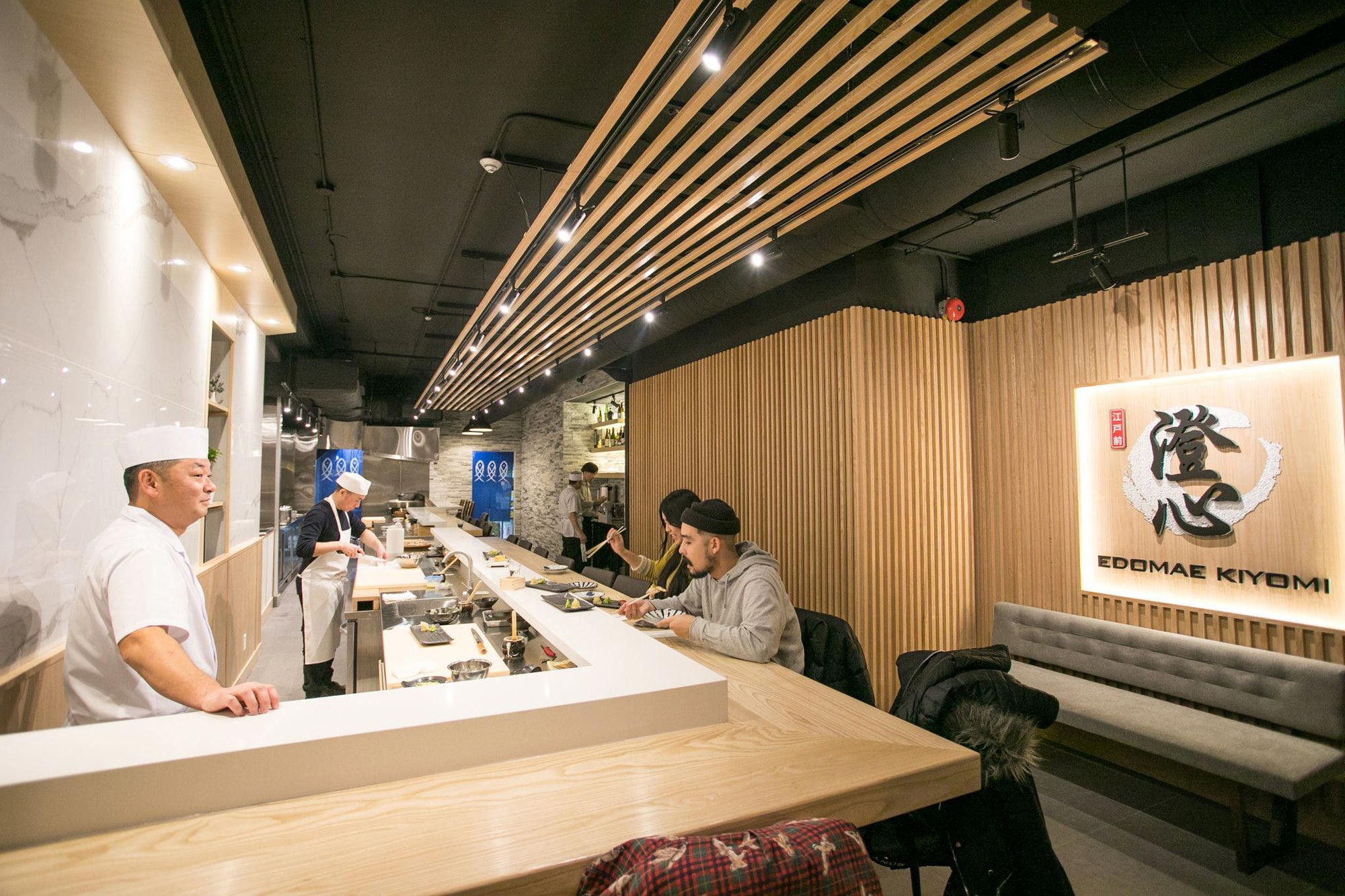
Gerrard Street East and the Dining Tier It Belongs To
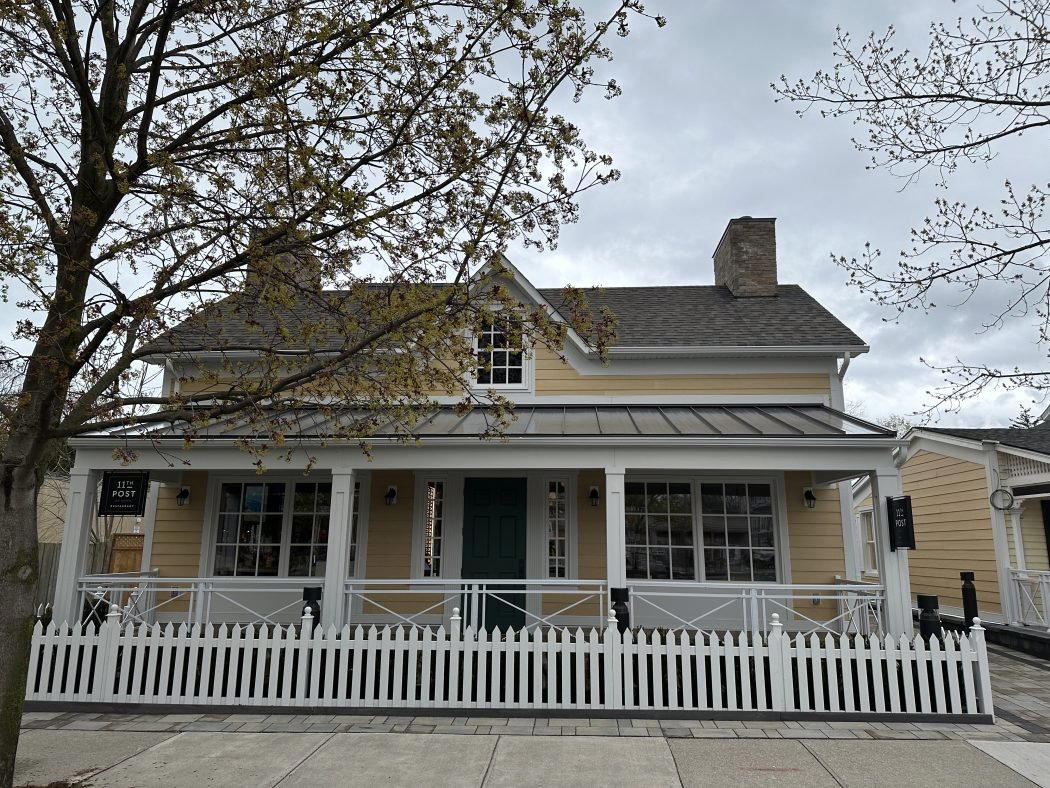
Toronto's Garden District has never carried the dining prestige of King West or Yorkville, but that gap has narrowed considerably over the past decade. The stretch of Gerrard Street East running east from Yonge picks up where the hospital corridor leaves it, a zone that rewards the visitor willing to look past the neighbourhood's functional reputation. Kiyomi sits at 76 Gerrard Street East, which places it in a pocket of the city that has accumulated genuine culinary depth without the ambient noise of more celebrated districts. The physical approach is low-key: the building does not advertise itself the way venues in higher-footfall corridors tend to, and that restraint sets an early expectation about the experience inside.
Toronto's Japanese dining category has split into distinct tiers over the past several years. At the leading end, reservation-only omakase counters like Sushi Masaki Saito and kaiseki formats like Aburi Hana operate at the $$$$ price point with booking windows that extend months in advance and seat counts that keep the experience deliberately small. Kiyomi occupies a position within that broader Japanese dining conversation in Toronto.
The Booking Reality: What Planning Looks Like Here
The editorial angle that applies most directly to Kiyomi is the logistics question, because the address and neighbourhood context shape how visitors should approach a reservation. Toronto's higher-demand dining venues, particularly those in the Japanese category, have moved toward digital reservation systems and advance-booking windows that can catch the unprepared off-guard. The city's upper-tier contemporaries in this space, including the counter-format and kaiseki operators mentioned above, routinely book out weeks to months ahead. Walk-ins are unlikely to be the safest plan here.
The Garden District location does offer one logistical advantage: proximity to transit infrastructure along the Yonge-University corridor makes the venue accessible without the parking friction that affects some of Toronto's denser dining zones. College Street and the broader downtown grid are within reach, and the address sits close enough to the subway network that pre- and post-dinner movement is direct. For visitors staying in the downtown core, particularly near the hospital district hotels, the address is closer than it might appear on a map.
A focused Japanese restaurant in a lower-profile neighbourhood can still draw serious attention. Tokyo's leading ramen shops and smaller kaiseki rooms have long clustered in residential or transitional zones rather than tourist precincts, and particularly serious Japanese dining in New York, including the kind of program that Atomix represents at the Korean fine-dining end of the East Asian category, has used less obvious addresses to maintain the sense of a room that attracts people who came specifically for the food. Toronto's version of that pattern is less codified but discernible.
Where Kiyomi Sits in the Toronto Dining Conversation
Toronto's premium dining tier is more competitive than it was five years ago. The arrival and consolidation of venues like Alo at the contemporary end, and the Italian category's development through addresses like DaNico and Don Alfonso 1890, has raised the baseline expectation for what a serious Toronto dining room looks and feels like. In that context, the Japanese category occupies a specific niche: it demands a different kind of preparation from the diner, a willingness to engage with format, pacing, and sometimes a limited menu structure, in exchange for a more concentrated experience.
Nationally, Toronto's Japanese dining scene competes with Vancouver's, which has historically claimed the deeper Pacific Rim influence given its geography and demographics. Canada's wider fine-dining spread, from Tanière³ in Quebec City to AnnaLena in Vancouver to the quieter regional operators like Restaurant Pearl Morissette in Lincoln and Eigensinn Farm in Singhampton, reflects a country that has developed serious culinary ambition outside its major cities. Toronto's role in that picture is density: more restaurants competing in more categories within a smaller geographic radius than elsewhere in Canada. For Japanese dining specifically, the city's options now span a wide enough range that a venue's positioning within the category carries real meaning for how to approach it.
Planning Your Visit
Kiyomi's address at 76 Gerrard Street East in Toronto's Garden District means that a visit is best treated as a destination rather than a drop-in. The neighbourhood's character, professional and transitional rather than destination-driven, rewards visitors who have done the advance work: confirmed reservation, understood format, and made the journey deliberately. Toronto's broader dining circuit, covered in detail in our full Toronto restaurants guide, offers useful context for sequencing Kiyomi within a longer visit to the city. For comparable precision-driven dining experiences in the region, Barra Fion in Burlington and The Pine in Creemore represent the kind of focused, smaller-format ambition that the Ontario dining circuit does well beyond the city core. Visitors with broader Canada itineraries might also consider Jérôme Ferrer - Europea in Montreal, Narval in Rimouski, or Aux Anciens Canadiens in Quebec for the broader sweep of Canadian dining tradition, or look south to Le Bernardin in New York City for a reference point in sustained international fine-dining form. For golf and dining pairings, Bearspaw Golf Club in Calgary rounds out the Canadian picture at the club-dining end.
Recognition, Side-by-Side
Comparable venues nearby, for context on price, style, and recognition.
| Venue | Cuisine | Price | Notes |
|---|---|---|---|
| KiyomiThis venue — the venue you are viewing | Traditional Japanese Omakase & Tempura | $$$$ | Not listed |
| JaBistro | Modern Japanese Sushi | $$$ | Entertainment District |
| Omai | Japanese Izakaya with Temaki and Sake | $$$ | Kensington-Chinatown |
| The Onda | Japanese Omakase | $$$$ | Humewood |
| TONO by Akira Back | Modern Nikkei (Japanese-Peruvian Fusion) | $$$$ | Rosedale |
| Animl | Modern Steakhouse | $$$$ | Fashion District |
Continue exploring
More in Toronto
Restaurants in Toronto
Browse all →
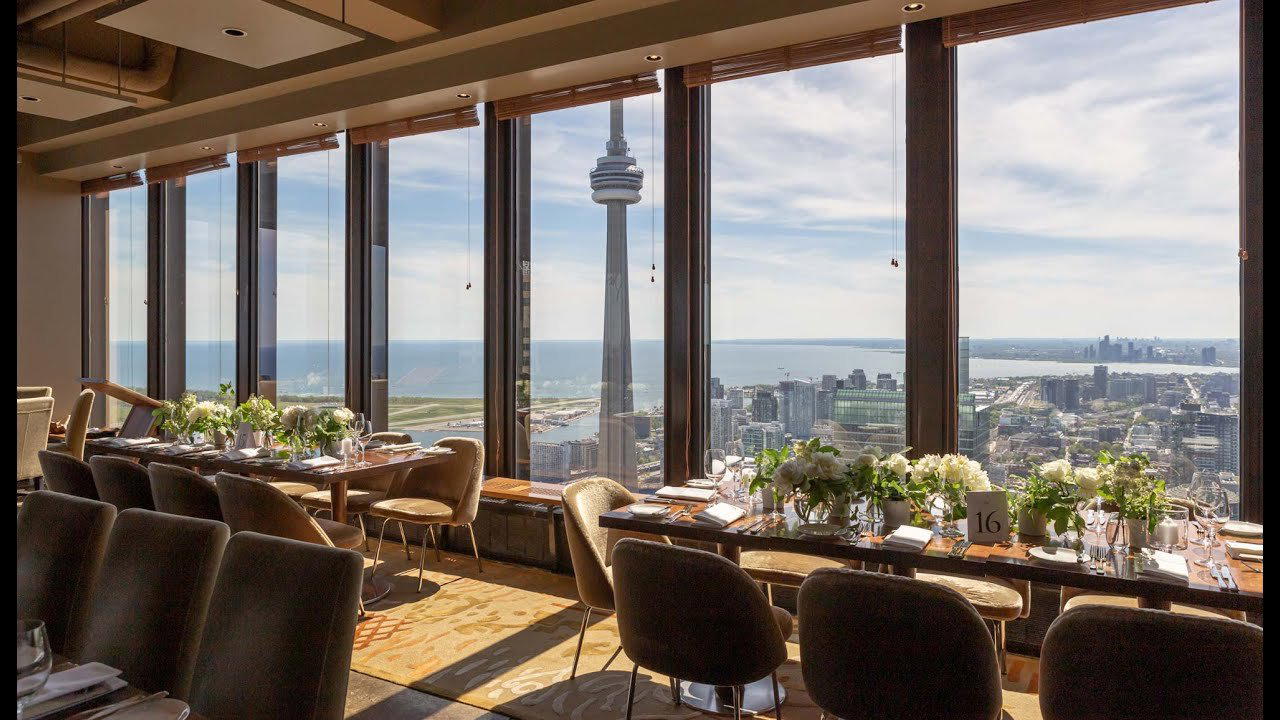
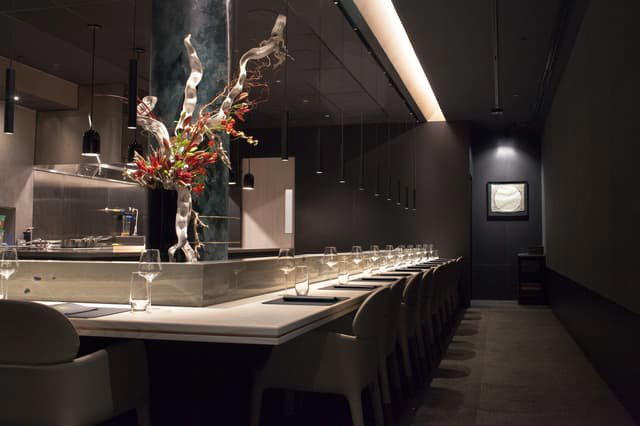
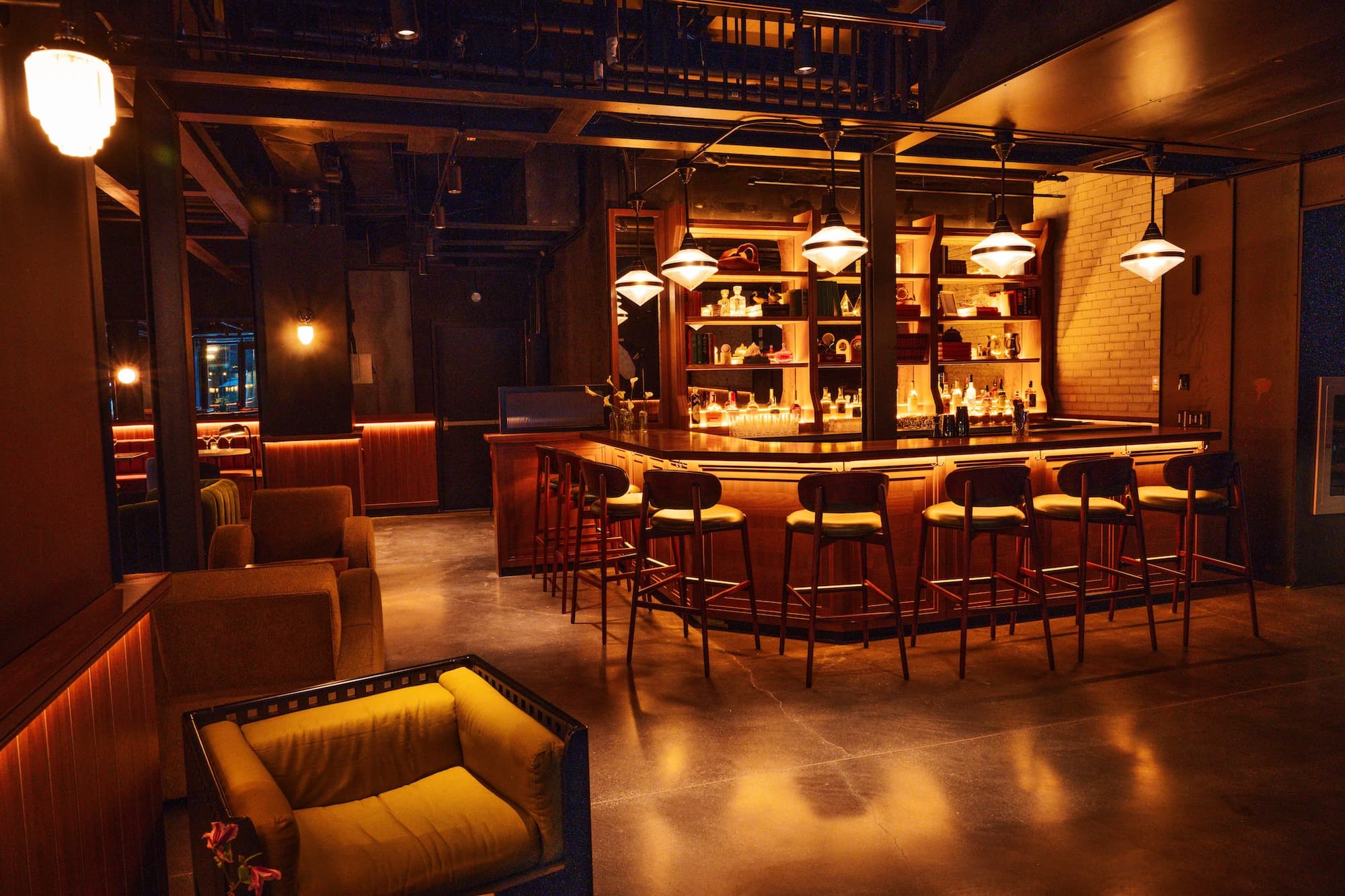
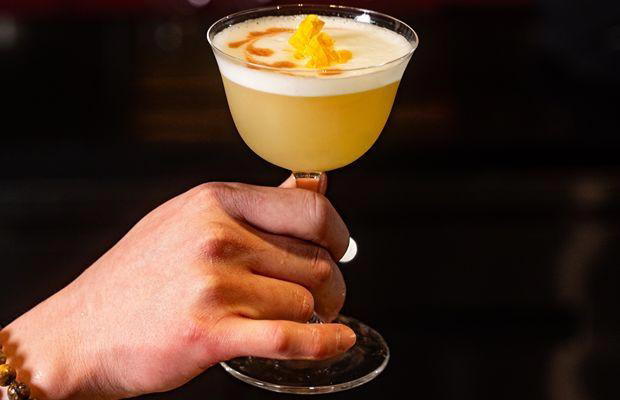
Bars in Toronto
Browse all →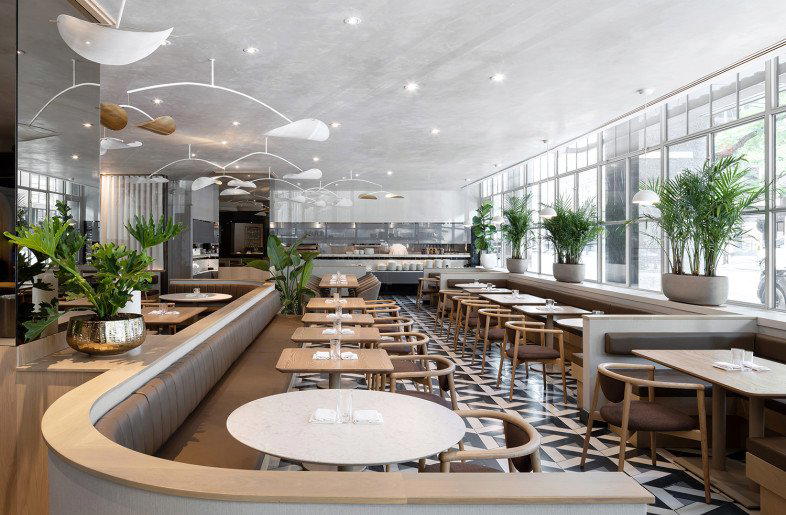
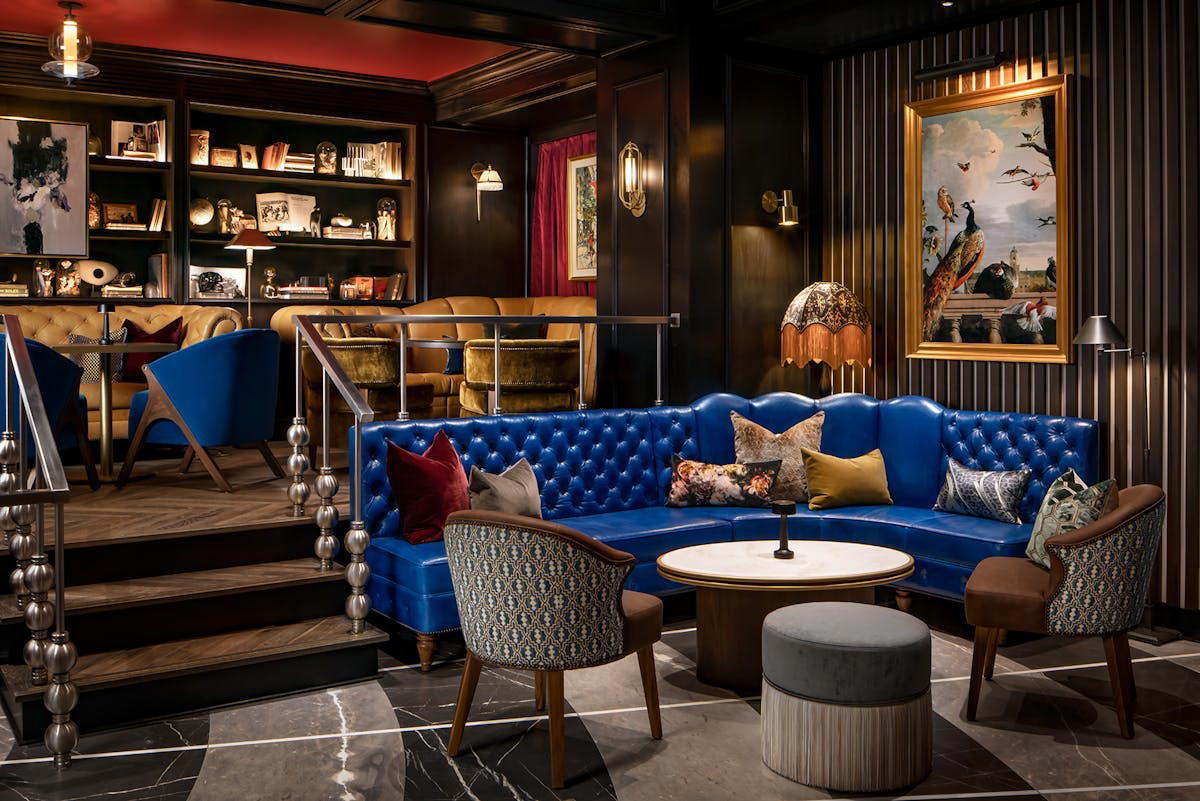
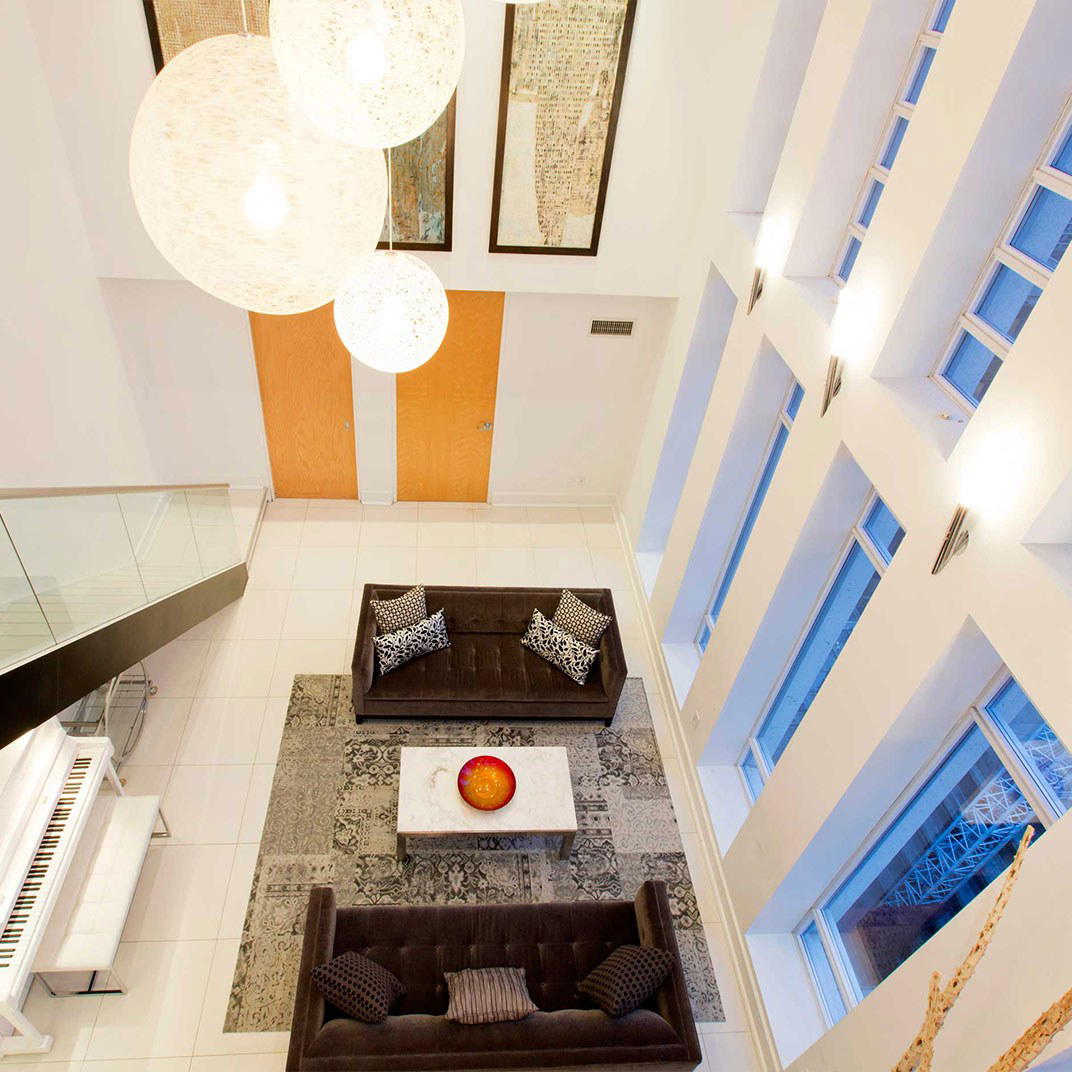
Hotels in Toronto
Browse all →

At a Glance
- Intimate
- Elegant
- Sophisticated
- Date Night
- Special Occasion
- Celebration
- Chefs Counter
- Open Kitchen
- Private Dining
- Sake Program
- Sustainable Seafood
- Local Sourcing
Current opening hours
- Monday
- Closed
- Tuesday
- 12–2 PM, 6–11 PM
- Wednesday
- 12–2 PM, 6–11 PM
- Thursday
- 12–2 PM, 6–11 PM
- Friday
- 12–2 PM, 6–11 PM
- Saturday
- 12–2 PM, 6–11 PM
- Sunday
- 12–2 PM, 6–11 PM
Hours can change for holidays and private events. Last verified .
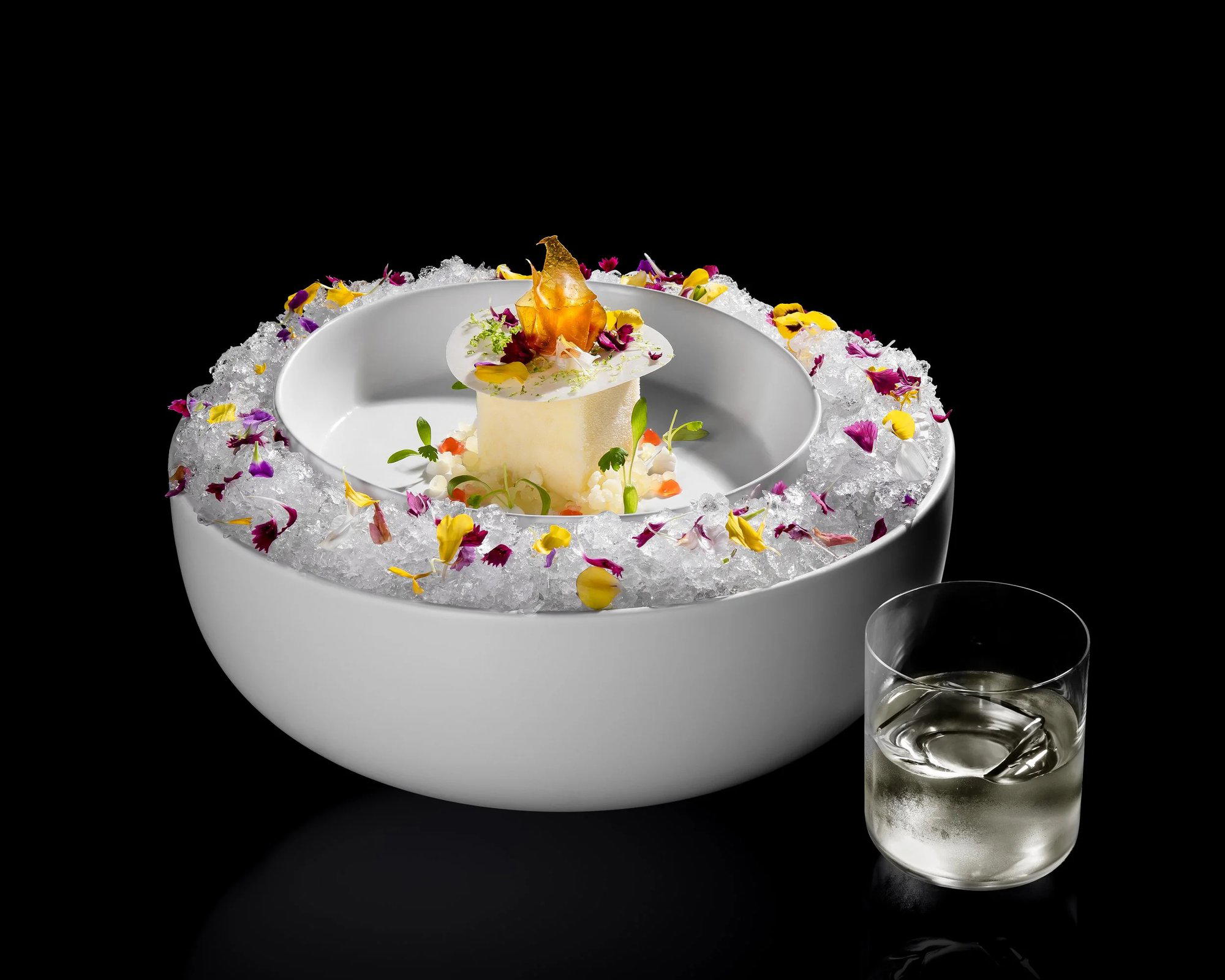
Intimate counter-style dining with a focus on the chef-diner connection, featuring precise plating and meticulous presentation of each course in a refined Japanese fine dining setting.