Tucked above Bellair Street in Yorkville, Sushi Okeya Kyujiro operates in the upper tier of Toronto's omakase circuit, a format where seat count is small, the progression is chef-directed, and the gap between a lunch and dinner sitting can be substantial in both price and pacing. For those tracking where serious Japanese counter dining has landed in Canada, this address belongs in the conversation alongside Sushi Masaki Saito and Aburi Hana.
Pearl is the En Primeur Club membership app — saves, bookings, and concierge access live there. Same editors, same standards.
- Address
- 26 Bellair St #2f, Toronto, ON M5R 2C7, Canada
- Phone
- +14378752266
- Website
- okeya.ca
- Directions
- Get directions
 Saves & bookings on Pearl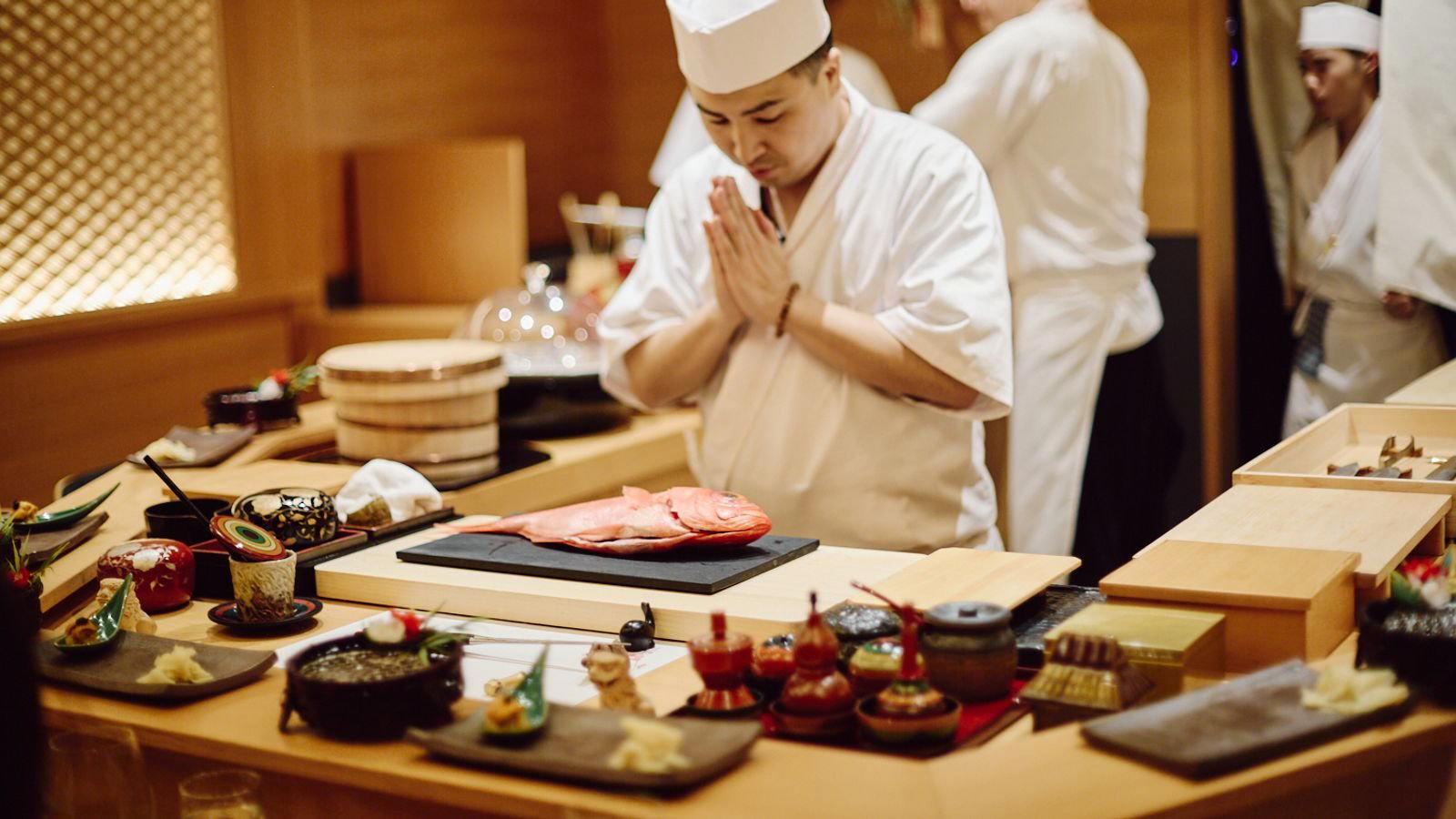
Toronto's Omakase Tier, and Where This Counter Sits
The top end of Toronto's Japanese dining scene has reorganised itself around a small cluster of chef-counter formats where the meal is set, the seats are few, and the booking window stretches weeks or months ahead. This is a city that has moved past the idea that serious sushi means large rooms and à la carte pricing. The format that now defines the upper bracket, omakase, served at a counter of ten seats or fewer, with a progression dictated entirely by the kitchen, traces its logic directly to Tokyo and Osaka precedents, though it has found genuine traction in Toronto's Yorkville neighbourhood, where premium dining addresses have concentrated over the past decade. Sushi Okeya Kyujiro is a theatrical Japanese omakase restaurant in Toronto, at 26 Bellair St #2f, with reservations essential and an average spend of about $350 per person. It operates inside that tier. It sits in a comparable set that includes Sushi Masaki Saito and Aburi Hana, counters where the credential stack, the format discipline, and the price point all signal the same competitive bracket.
That bracket is worth understanding before you book. In cities like New York, where counters such as Atomix and Le Bernardin have long anchored a multi-tier fine dining hierarchy, the segmentation between entry-level omakase and destination-level counter dining is already well established. Toronto is arriving at a similar clarity. The counters operating at the summit of this city's Japanese dining hierarchy now price and pace themselves against international peers, not against the broader local market. That shift has practical consequences for how you plan, when you book, and which sitting you choose.
The Lunch and Dinner Divide
In Japanese counter dining, the gap between a lunch sitting and a dinner sitting is rarely just a matter of clock position. At counters in this tier, whether in Toronto or in the Tokyo neighbourhoods that defined the format, lunch typically offers a compressed version of the evening progression: fewer courses, a shorter duration, and a price point that can be meaningfully lower. Dinner tends to run longer, incorporate more elaborate coursework, and occupy a different register of occasion entirely. The mood shifts too. A lunch counter feels more like a working meal for someone with serious interest in the cuisine; dinner tilts toward ceremony.
This dynamic is directly relevant to how you approach Sushi Okeya Kyujiro. If this is your first time at a counter of this type, a lunch sitting, where the format is the same but the investment is lower and the pressure lighter, is a considered entry point. If you are already familiar with the rhythm of an omakase progression and want the full arc of an evening, dinner is the appropriate choice. The Yorkville address is accessible enough that neither sitting requires building an entire evening around it, but dinner here will absorb it. The second-floor location on Bellair Street means arrival already involves a degree of separation from the street-level noise of the neighbourhood, a detail that matters more for dinner than lunch, when you want the transition from the outside world to register.
For comparison across Canada's fine dining geography, the lunch-versus-dinner question plays out differently at formats like Tanière³ in Quebec City or AnnaLena in Vancouver, where tasting menu formats also bifurcate by service time. The common thread: at this level of dining, the choice of sitting is itself an editorial decision about what kind of experience you are building.
Positioning Within Toronto's Premium Counter Scene
Yorkville's concentration of premium dining addresses is not accidental. The neighbourhood has functioned as Toronto's luxury retail and hospitality corridor for decades, and the dining that has accumulated there over the past ten years reflects both the spending capacity of its clientele and the city's growing confidence in supporting formats that require serious commitment from the guest: fixed menus, advance booking, and price points that remove casual impulse from the decision. Alo operates in this register from its own Spadina-adjacent perch, as do DaNico and Don Alfonso 1890 for those whose preference runs toward Italian rather than Japanese.
Within the specifically Japanese tier, Sushi Okeya Kyujiro occupies a position that is defined by format precision as much as by ingredient sourcing. The omakase model at this level is about reducing the variables the guest controls so the kitchen can execute a single coherent progression rather than assembling plates from a menu of separate choices. That is a different value proposition from the kaiseki format at Aburi Hana, where the Japanese multi-course tradition involves more elaborate preparation across more varied categories. Both belong to the same price tier and the same neighbourhood ecosystem; the distinction is in what kind of discipline the kitchen is applying.
Elsewhere in Canada, the premium Japanese counter format has fewer outposts. Jérôme Ferrer's Europea in Montreal and destinations further afield like Eigensinn Farm in Singhampton or Restaurant Pearl Morissette in Lincoln represent the tasting-menu format at serious levels but in different culinary traditions. For Japanese counter dining at this register, Toronto remains one concentrated market in the country, and the Bellair Street address is part of why.
What the Format Demands From the Guest
Counter dining at this tier requires a different posture from the guest than a restaurant with a full menu. You are not directing the meal; the kitchen is. The questions that matter before you arrive are: which sitting, how far in advance, and whether your group (counter dining almost universally means small parties of one to four) can commit to a fixed duration. These are logistical considerations, but they are also how you get full value from the format. Arriving having eaten elsewhere, or with strong dietary restrictions undisclosed, reduces the kitchen's ability to execute the progression as intended.
Regionally, addresses like The Pine in Creemore, Barra Fion in Burlington, and Narval in Rimouski each operate serious tasting formats at different scales and price points, useful context for calibrating what Toronto's upper bracket actually represents.
Planning Your Visit
Address: 26 Bellair St #2f, Toronto, ON M5R 2C7. Reservations: Essential. Hours: Mon to Wed closed; Thu 7 to 9:30 PM; Fri 5:30 to 10 PM; Sat 12 to 2 PM and 5:30 to 10 PM; Sun 11:30 AM to 2:30 PM and 7 to 9:30 PM. Dress code: Smart casual. Budget: About $350 per person.
City Peers
Comparable venues nearby, for context on price, style, and recognition.
| Venue | Cuisine | Price | Notes |
|---|---|---|---|
| Sushi Okeya KyujiroThis venue — the venue you are viewing | Theatrical Japanese Omakase | $$$$ | Not listed |
| Kiyomi | Traditional Japanese Omakase & Tempura | $$$$ | Church and Wellesley |
| SUSHI YŪGEN | Modern Japanese Omakase | $$$$ | Financial District |
| Skippa | Seasonal Japanese Omakase | $$$ | Palmerston-Little Italy |
| The Onda | Japanese Omakase | $$$$ | Humewood |
| Delysées Luxury Desserts Yorkville | Modern French Pastry | $$$$ | Yorkville |
Continue exploring
More in Toronto
Restaurants in Toronto
Browse all →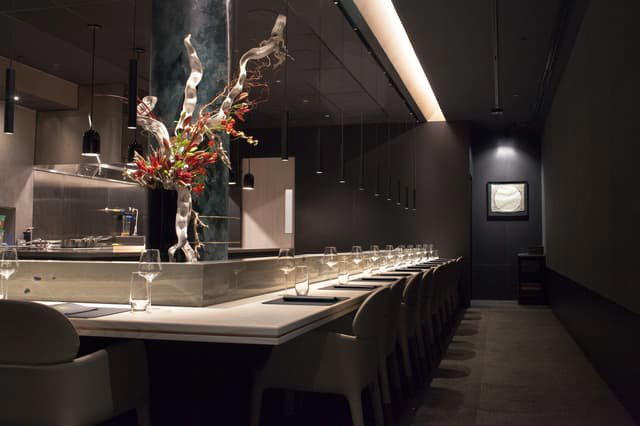
Bars in Toronto
Browse all →
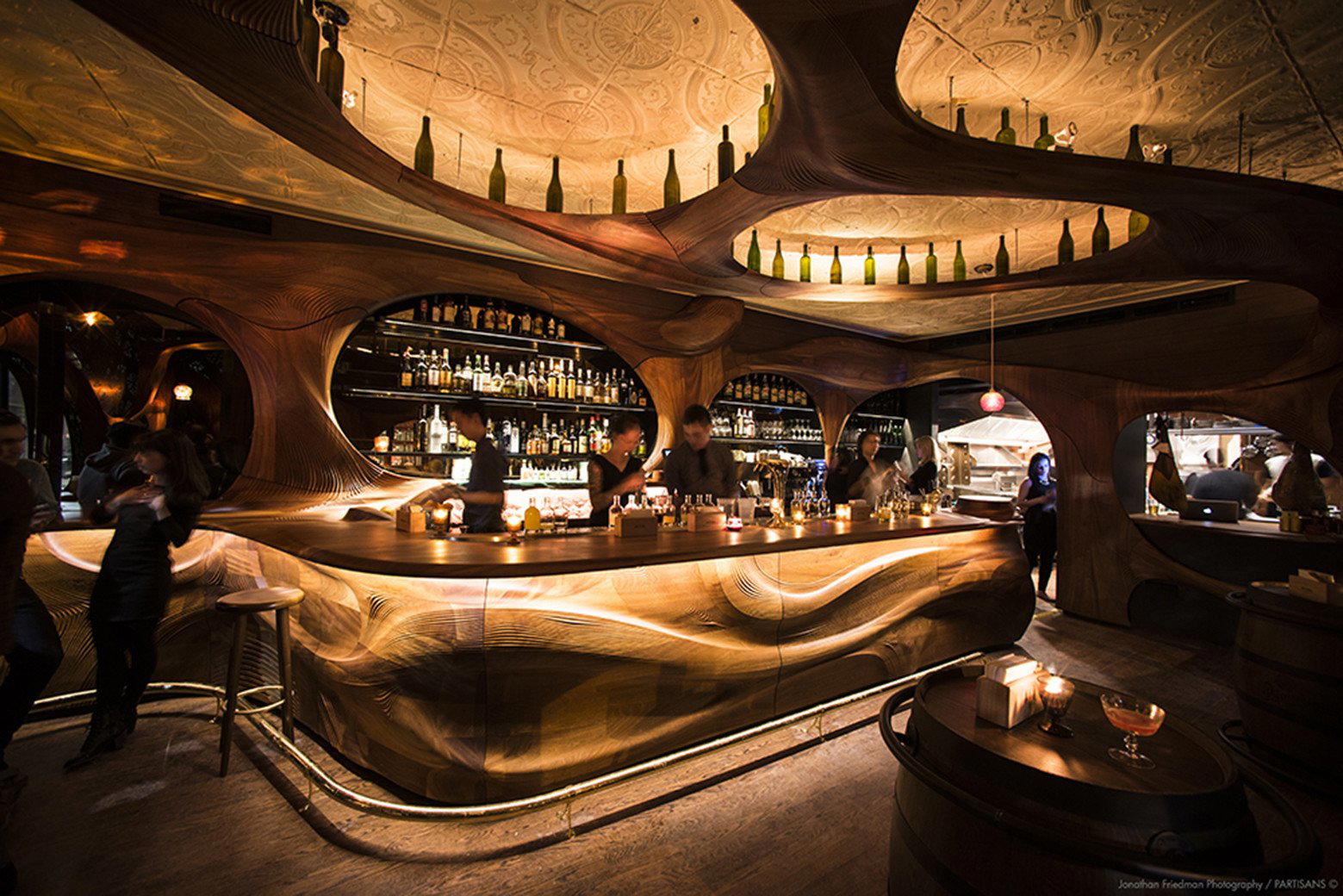
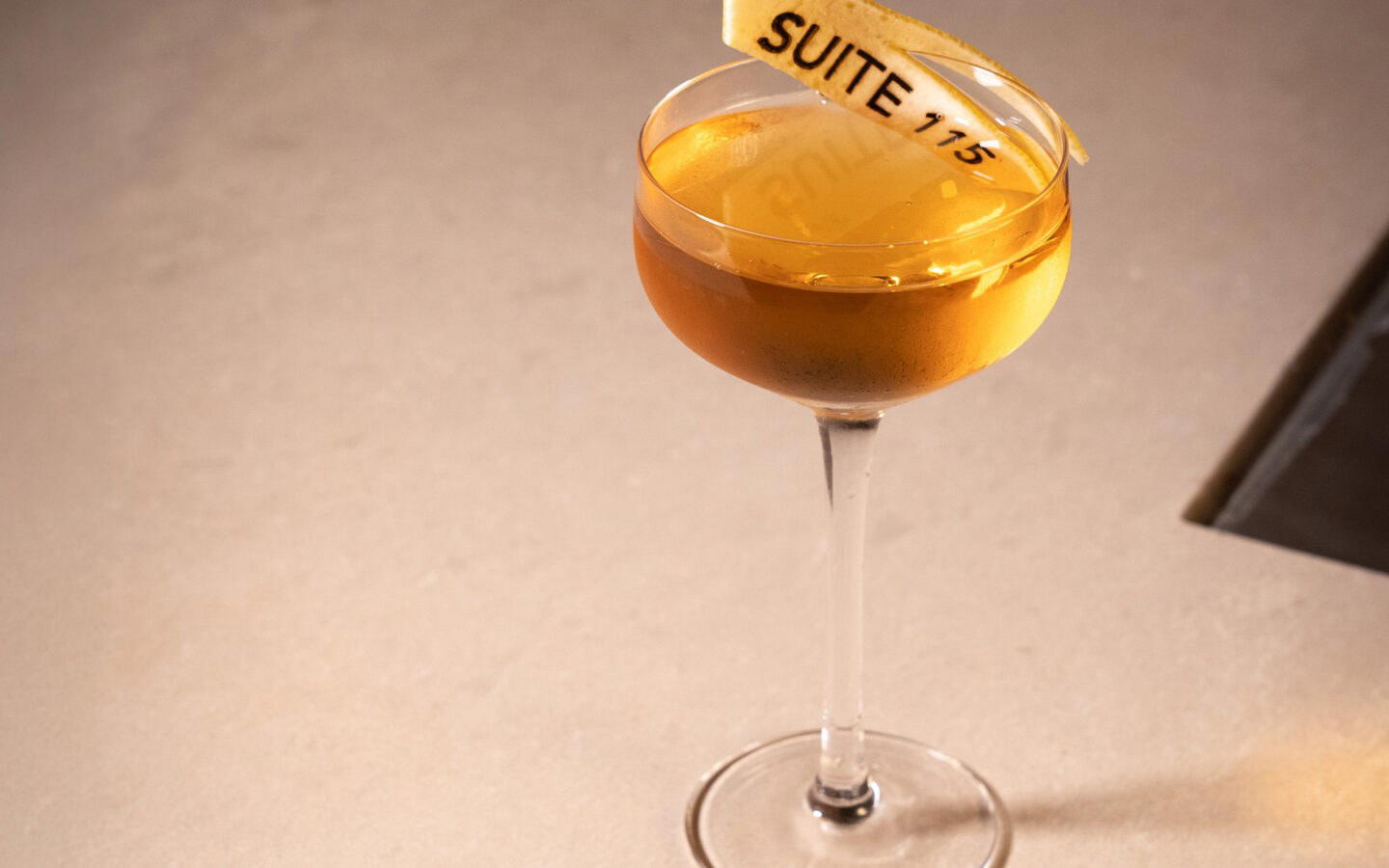
Hotels in Toronto
Browse all →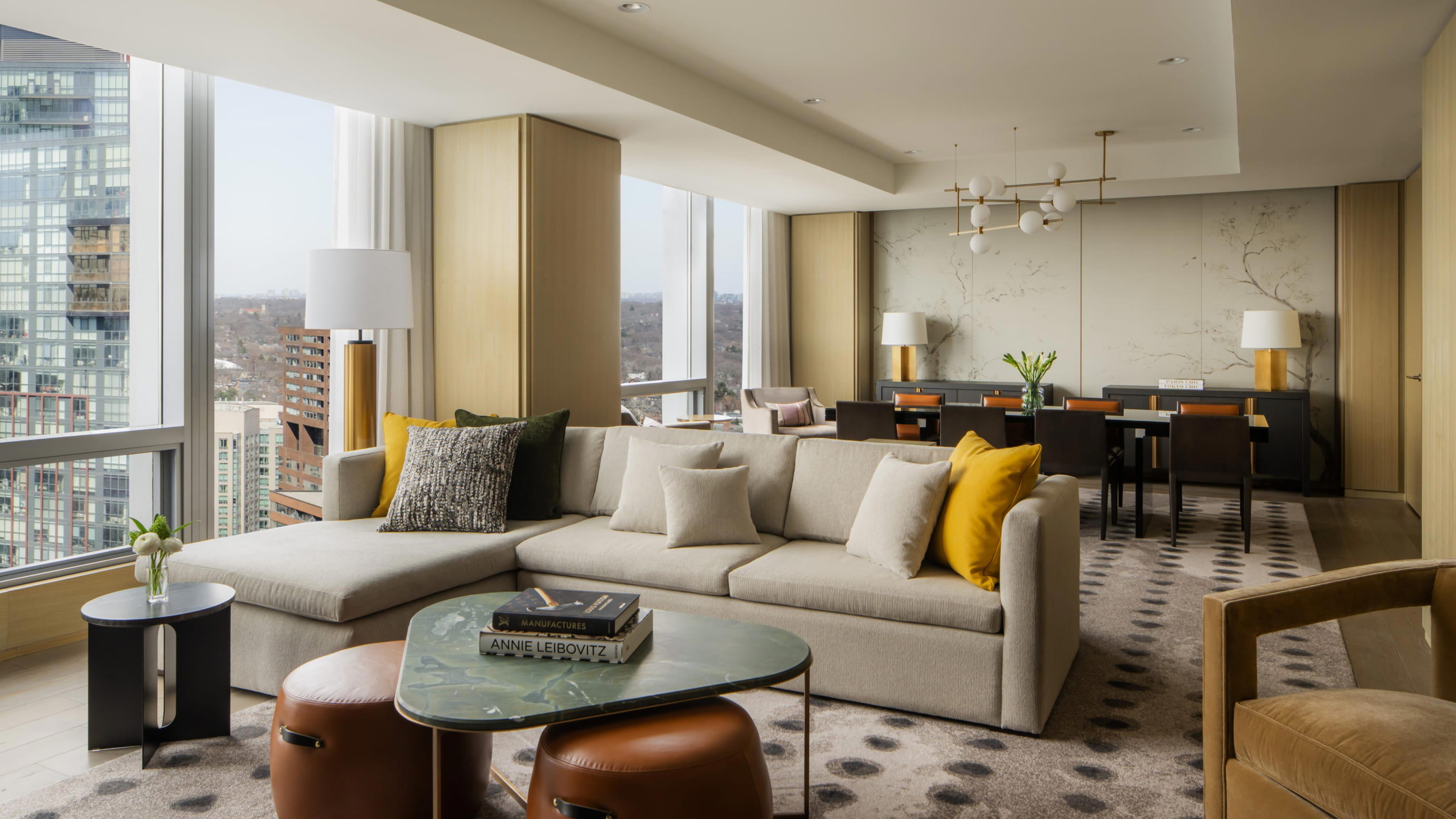
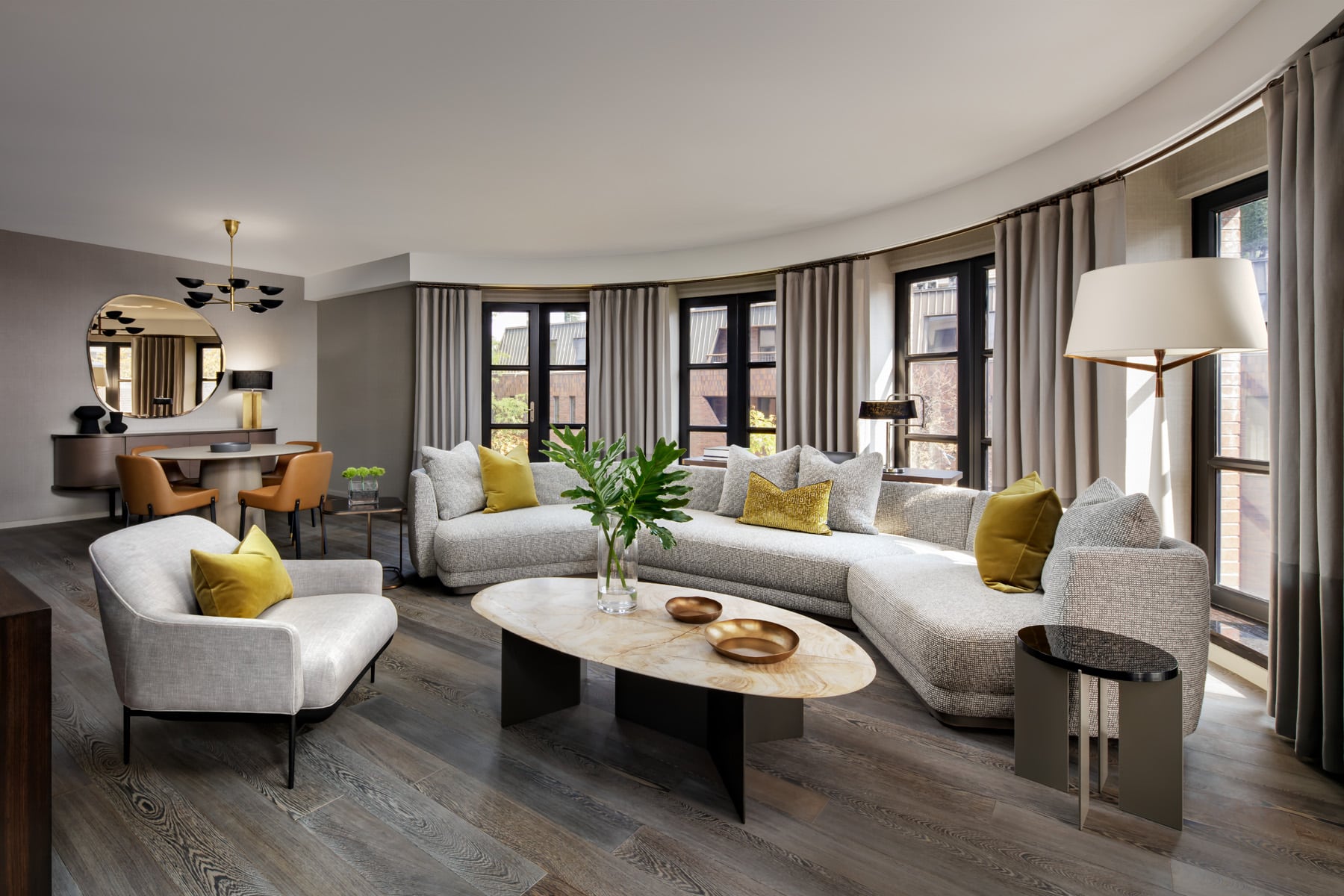
Wineries in Toronto
Browse all →
At a Glance
- Elegant
- Sophisticated
- Intimate
- Special Occasion
- Date Night
- Chefs Counter
- Open Kitchen
- Sake Program
Current opening hours
- Monday
- Closed
- Tuesday
- Closed
- Wednesday
- Closed
- Thursday
- 7–9:30 PM
- Friday
- 5:30–10 PM
- Saturday
- 12–2 PM, 5:30–10 PM
- Sunday
- 11:30 AM–2:30 PM, 7–9:30 PM
Hours can change for holidays and private events. Last verified .
Dimly lit dining room with warm wood panels, evoking Cirque du Soleil grandeur and traditional kabuki theatre.