Our verdict
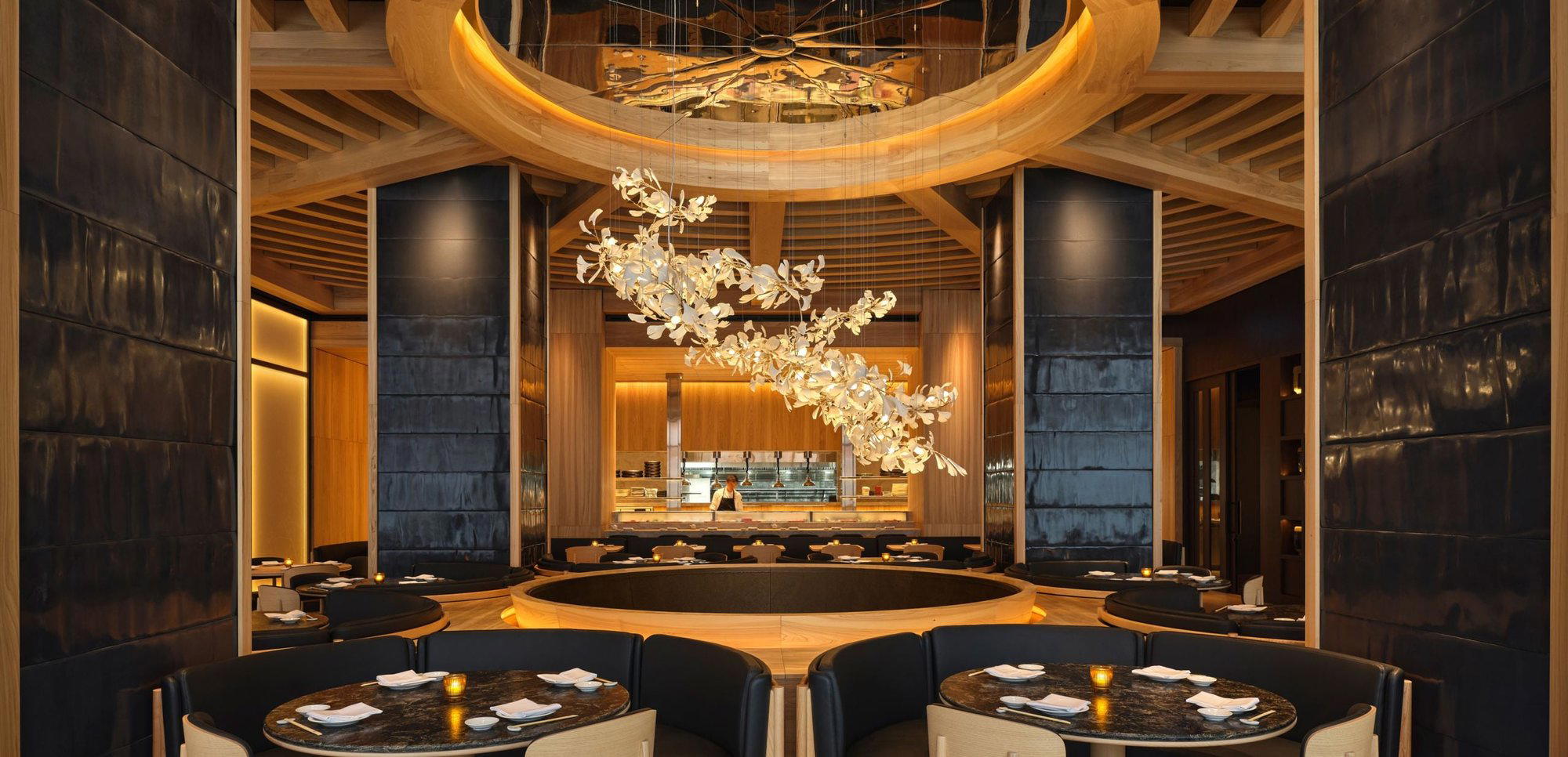
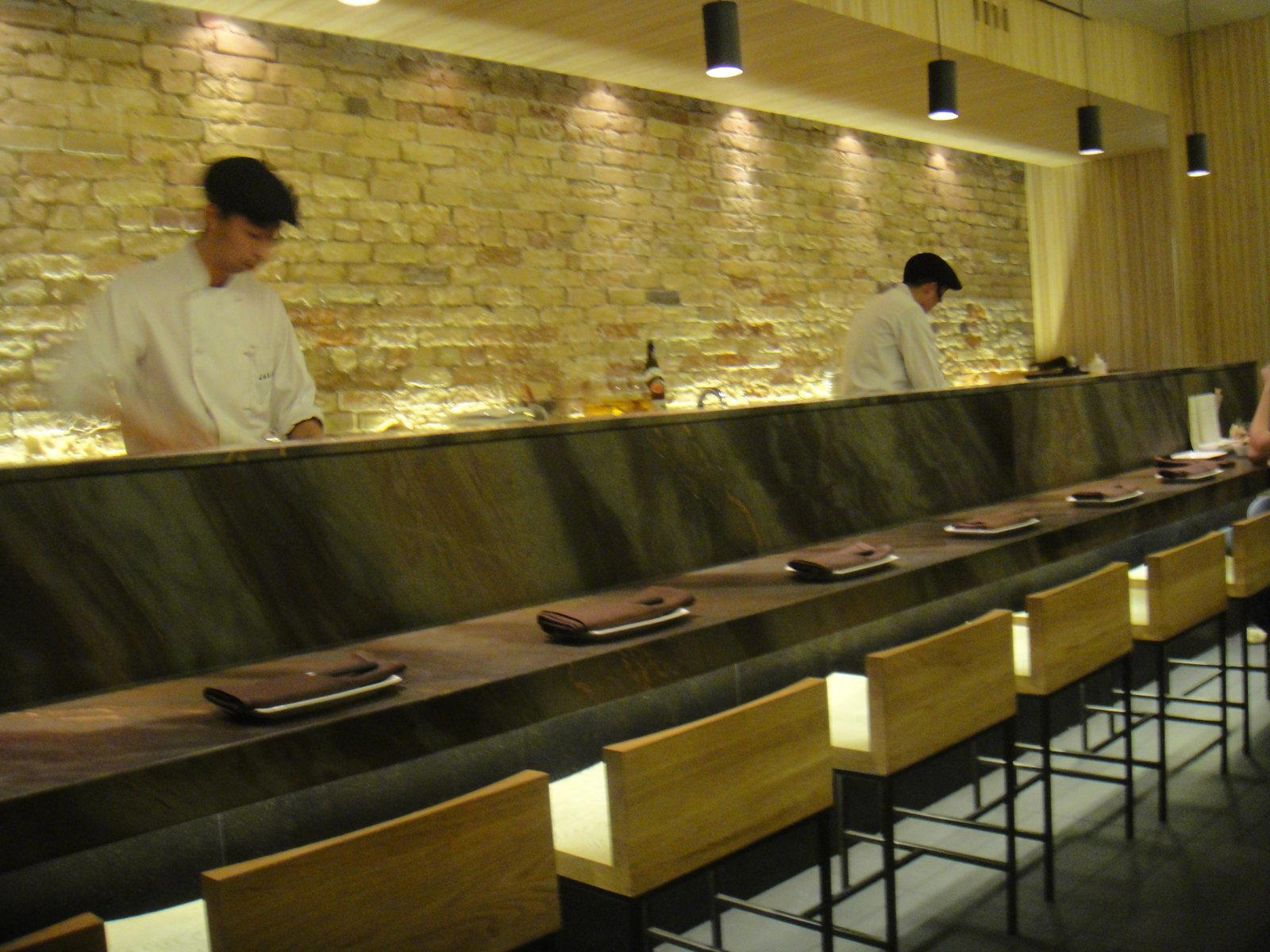
Under chef Koji Tashiro, the kitchen applies Japanese technique to a bistro structure that suits the Financial District's lunch and dinner rhythms.

Pearl is the En Primeur Club membership app — saves, bookings, and concierge access live there. Same editors, same standards.
- Address
- 222 Richmond St W, Toronto, ON M5V 1V6, Canada
- Phone
- (647) 748-0222
- Hours
- Mon–Thu 11:30 AM–2:30 PM, 5–10:30 PMFri–Sat 11:30 AM–2:30 PM, 5–11 PMSun 11:30 AM–2:30 PM, 5–10:30 PM
- Website
- jabistro.com
- Directions
- Get directions
- Booking
- Book on the venue's website
The menu
What to order
- Omakase
- JaBistroll
- Aburi sushi
- Sashimi platter
Richmond Street and the Shape of Japanese Dining in Downtown Toronto
Downtown Toronto's Entertainment District has spent the better part of a decade sorting its Japanese restaurant offer into tiers. At the upper end, omakase counters and kaiseki rooms — venues like Shoushin and Kappo Sato — operate on tasting menus, fixed seatings, and advance reservations measured in weeks. Below them, a broader middle tier has emerged: Japanese bistros and izakayas that carry genuine technical credentials but present in a format that suits the rhythms of a working city. JaBistro, at 222 Richmond Street West, belongs to that second cohort, and within it, it sits closer to the leading than the middle.
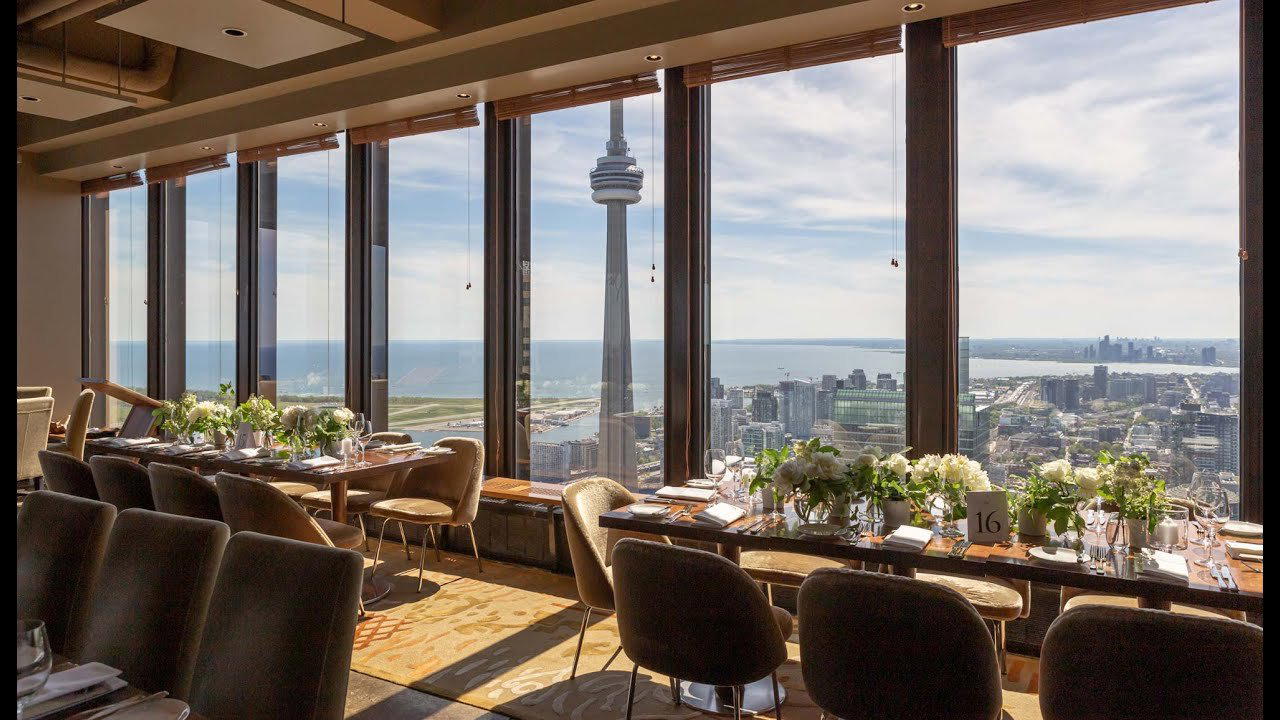
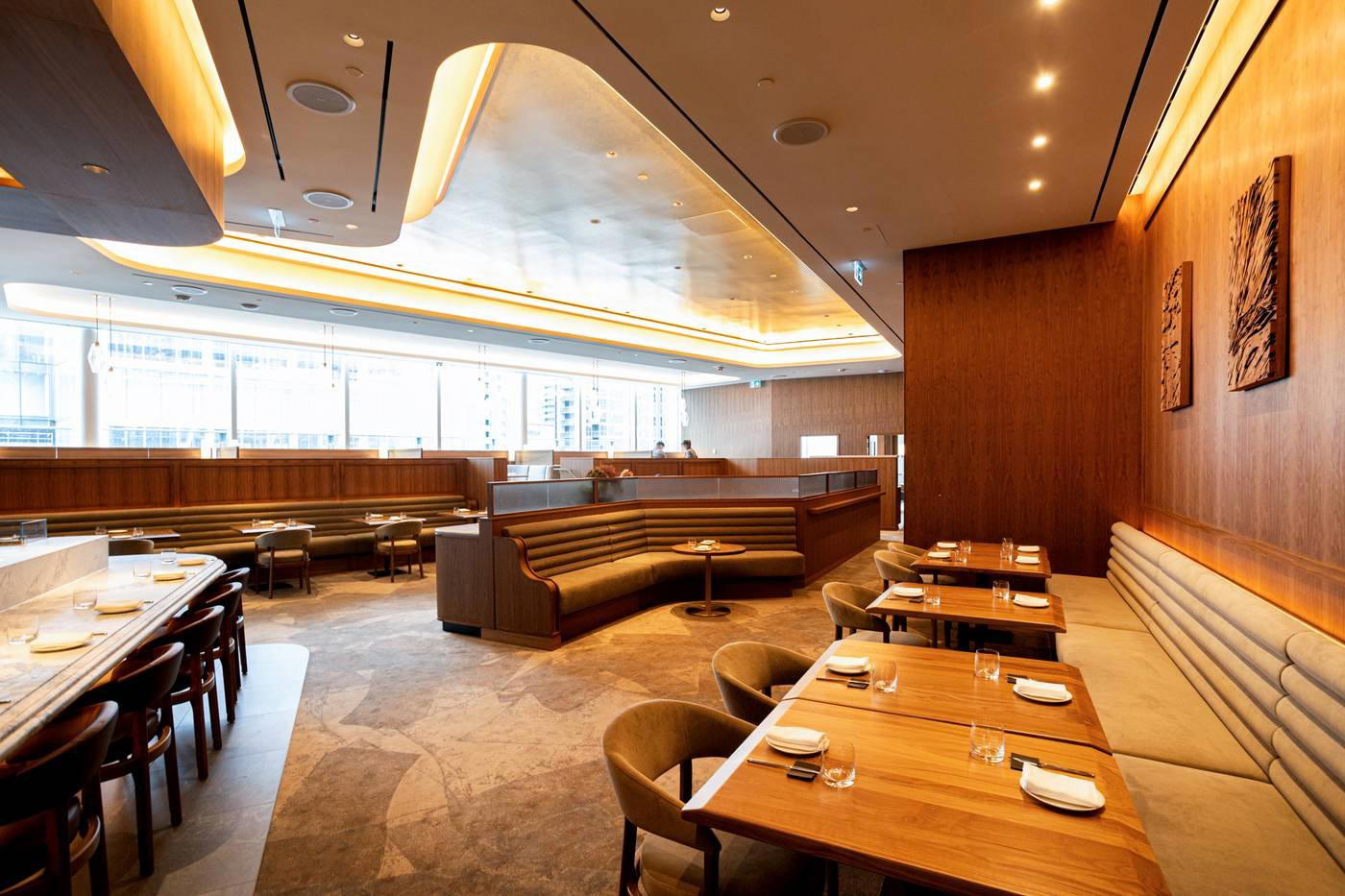
The address matters. Richmond Street West runs through a dense corridor of office towers, pre-theatre traffic, and weekend foot traffic from the nearby arts venues. That mix creates a dining room that needs to function across lunch service, early dinner, and later weekend sittings, a logistical reality that shapes what a Japanese kitchen here must be. The bistro format, rather than the omakase counter, is a reasonable response to that context.
What the Bistro Format Means for the Kitchen
The term "bistro" applied to Japanese cuisine in a North American city carries specific implications. It suggests a menu broader than a tasting counter but more disciplined than an izakaya's sprawl. It implies à la carte flexibility alongside enough structure that the kitchen can execute at volume without sacrificing precision. In Toronto's Japanese scene, this format sits between the highly controlled, reservation-only experiences at venues such as Yukashi and the more casual ramen-led operations like Musoshin Ramen. The bistro occupies a middle ground that rewards kitchens with range.
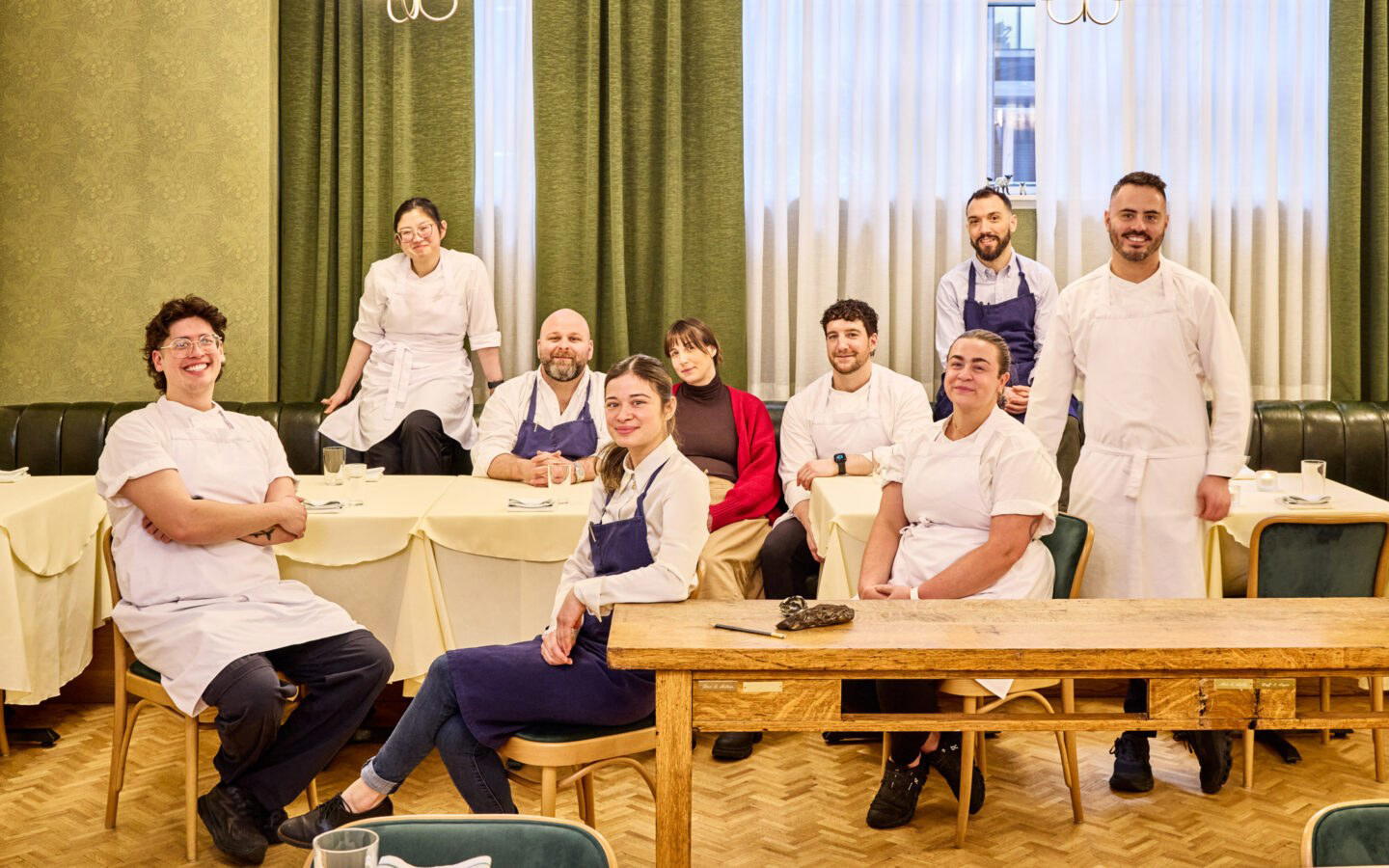
Chef Koji Tashiro leads JaBistro's kitchen. His presence anchors the editorial recognition the restaurant has received: Opinionated About Dining, which produces one of the more rigorous annual lists of recommended restaurants in North America, included JaBistro in its 2023 rankings. OAD's methodology aggregates the opinions of experienced diners rather than relying solely on professional critics, which makes its recommendations a useful proxy for sustained quality as experienced from the dining side of the pass.
Japanese Technique and Sourcing at the Bistro Scale
Japanese cuisine, at its more considered end, has always carried an implicit sustainability argument: whole-fish utilization, seasonal menu discipline, ingredient-led restraint, and a preference for technique over addition. These are not recent marketing positions, they are structural features of how Japanese professional kitchens have historically operated. The question for any Japanese restaurant operating outside Japan is how faithfully that discipline translates when supply chains are longer, seasonal signals are different, and the dining public expects some level of adaptation.
In the Canadian context, this tension is particularly visible. The country's best-regarded restaurants, from Tanière³ in Québec City to AnnaLena in Vancouver, have built their reputations partly on sourcing discipline and a clear relationship to local producers. Japanese restaurants in Canada operate in a different but related space: the core technique is imported, but the ingredients are local and the kitchen's choices about sourcing and waste carry the same ethical weight. For JaBistro, operating at bistro scale and volume, that sourcing discipline is part of what separates a kitchen running on genuine craft from one running on formula.
The bistro structure also enables a kind of menu flexibility that full omakase counters cannot easily match. Seasonal rotation, ingredient substitution based on what is available rather than what was ordered months in advance, and the ability to adjust portion and preparation based on what the kitchen received that day, these are sustainability-adjacent practices that a fixed-format counter often surrenders in favour of consistency. For diners, this can mean that a lunch visit and a dinner visit to the same bistro produce meaningfully different experiences, which is a marker of a kitchen paying attention to its supply rather than simply executing a fixed programme.
Internationally, the Japanese kitchen's relationship to sustainability is visible in venues like Myojaku and Azabu Kadowaki in Tokyo, where sourcing specificity and seasonal discipline are embedded in the kaiseki and kappo traditions. The bistro format at JaBistro draws on the same tradition, applied to a North American context and a more accessible price point.
Planning a Visit: Timing, Format, and the Richmond Street Rhythm
JaBistro runs lunch service from 11:30 am to 2:30 pm Monday through Sunday, with dinner beginning at 5:00 pm on weekdays and running to 10:30 pm (11:00 pm on Fridays and Saturdays). That extended weekend dinner service reflects the venue's positioning in a neighbourhood with strong pre-theatre and post-work traffic patterns. Lunch at a Richmond Street West bistro operates at a different pace than dinner, faster turnaround, likely a tighter menu selection, which makes the meal choice worth considering before booking.
For context on where JaBistro sits within Toronto's broader dining offer, the full Toronto restaurants guide maps the city's options across cuisine type and price tier. Contemporary fine dining at venues like Alo operates in a different register entirely, while Canadian producers-focused kitchens such as Restaurant Pearl Morissette in Lincoln and The Pine in Creemore show how ingredient-sourcing discipline operates at the fine dining level outside the city. Montreal's Jérôme Ferrer - Europea and Narval in Rimouski round out a useful cross-section of Canadian restaurant ambition for context.
Toronto visitors planning around JaBistro can also reference the Toronto hotels guide, Toronto bars guide, Toronto wineries guide, and Toronto experiences guide for programming around a visit to the Entertainment District.
Frequently asked questions
What's JaBistro's location?
JaBistro is located at 222 Richmond St W, Toronto, ON M5V 1V6, Canada, Toronto.
Who is the chef at JaBistro?
The chef associated with JaBistro is Koji Tashiro.
What's the signature dish at JaBistro?
No single dish has been confirmed by verifiable sources as JaBistro's signature, which is itself a signal: the OAD 2023 North America recommendation points to overall kitchen consistency rather than one standout plate. Chef Koji Tashiro operates within a bistro format, which typically means a broader menu than a dedicated omakase counter, giving regulars range across multiple categories. The most reliable approach is to ask the kitchen directly at 222 Richmond St W what is performing best on a given service.
What type of food is JaBistro known for?
Is JaBistro open every day?
Hours at JaBistro: Hours: Monday 11:30 am–2:30 pm, 5–10:30 pm Tuesday 11:30 am–2:30 pm, 5–10:30 pm Wednesday 11:30 am–2:30 pm, 5–10:30 pm Thursday 11:30 am–2:30 pm, 5–10:30 pm Friday 11:30 am–2:30 pm, 5–11 pm Saturday 11:30 am–2:30 pm, 5–11 pm Sunday 11:30 am–2:30 pm, 5–10:30 pm.
Does JaBistro have a Michelin star or similar recognition?
JaBistro has received recognition including: Opinionated About Dining Top Restaurants in North America Recommended (2023).
Cuisine and Recognition
Comparable venues nearby, for context on price, style, and recognition.
| Venue | Cuisine | Price | Awards | Notes |
|---|---|---|---|---|
| JaBistroThis venue — the venue you are viewing | Modern Japanese Sushi | $50–100 | Not listed | Not listed |
| SUSHI YŪGEN | Modern Japanese Omakase | $200–300 | Canada's 100 Best Restaurants #62 | Financial District |
| Gonzo Izakaya | Japanese Izakaya with Teppanyaki and Yakitori | $20–30 | Not listed | Palmerston-Little Italy |
| SAKU (sushi & taco) | Japanese Katsu & Sushi | $20–30 | Not listed | Queen West |
| Midfield Wine Bar & Tavern | Wine Bar Small Plates | $30–50 | Star Wine List | Little Portugal |
| AGO Bistro | Contemporary Bistro | $50–100 | Not listed | Kensington-Chinatown |
Recognition history
Dated appearances from independent guides and award organizations, with the underlying list record or original source where available.
Opinionated About Dining Top Restaurants in North America Recommended
Opinionated About Dining
Full recognition history (2 entries)
Opinionated About Dining Top Restaurants in North America Recommended
Opinionated About Dining