

Tabelog Bronze #274
Our verdict
Tokyo tempura is a discipline of sequence, heat and restraint, closer in spirit to kaiseki than to casual frying. Mikawa Zezankyo belongs to the serious end of that tradition, with Tetsuya Saotome’s name attached, Tabelog Bronze recognition in 2026, and placement on Opinionated About Dining’s Japan list.

Pearl is the En Primeur Club membership app, where members save venues, book tables and use the concierge.
The menu
What to order
- Uni wrapped in shiso leaf
- Sweet shrimp heads
- Kisu
- Sumi ika
A serious Tokyo tempura counter is quieter than its reputation suggests. The drama is concentration: hands, oil, batter and timing. Here, tempura reads less as fried food than as a multi-course seasonal form, shaped by the Japanese attention to pacing, temperature and omission that also informs kaiseki.
Mikawa Zezankyo belongs in that demanding bracket. Its Koto address, rather than Ginza or Marunouchi, signals older Tokyo specialist dining, where destination restaurants are not always near hotel lobbies or department-store floors. The recognition is concrete: Tabelog lists it as a 2026 Bronze Award restaurant with a 4.23 score, and Opinionated About Dining placed it in its 2026 Top Restaurants in Japan Highly Recommended selection. In a genre where fine distinctions are measured in seconds, that consistency matters.
Tempura treated as a seasonal sequence, not a side order
Edomae tempura is tied to Tokyo’s relationship with the bay, with fish and vegetables served in sequence, not as a pile. The format rewards control: batter thin enough to protect, oil hot enough to define texture, and pacing precise enough that each piece reaches the diner at the intended moment. The counter feels closer to a kaiseki progression than a Western tasting menu: ordered, rhythmic and visibly crafted, without explaining every move.
Tokyo tempura has narrower global recognition than sushi, but its top tier is just as exacting. Edomae Shinsaku is another serious Tokyo expression, while the broader conversation includes Sonoji, Tempura Yamanoure, Nanachome Kyoboshi and Tenichi. Diners are choosing which interpretation of oil, batter, seafood, vegetables and service tempo to study.
Saotome’s role belongs in that context, not in personality mythology. Tetsuya Saotome is the named chef associated with Mikawa Zezankyo, whose standing rests on a long-form craft tradition where seniority matters because judgment is cumulative. Tempura is unforgiving: seconds change the result, and cooking must account for ingredient size, moisture and serving order. The credibility is the authority implied by a counter whose reputation has held across ranking cycles.
Look sideways across Tokyo. Fukamachi offers another lens on the central Tokyo specialist tradition, while Akita Tempura Mikawa, Azabu Ichigo and Kusunoki Nagoya show how the genre branches by neighbourhood, counter style and price tier. A narrow cuisine contains multiple ideas about luxury: intimacy, sourcing, service speed, private-room comfort and the fryer’s authority.
Why the Koto address changes the dining equation
Koto frames the meal differently from the polished west-side circuit. Monzen-Nakacho has older downtown associations, temple approaches, waterways and a less performative restaurant geography than luxury zones around Ginza. In a city where high-end dining often pairs with shopping districts and hotel concierges, an east-side house restaurant shifts the preconception. The room can feel less like a showcase than a workshop for a specific Japanese form.
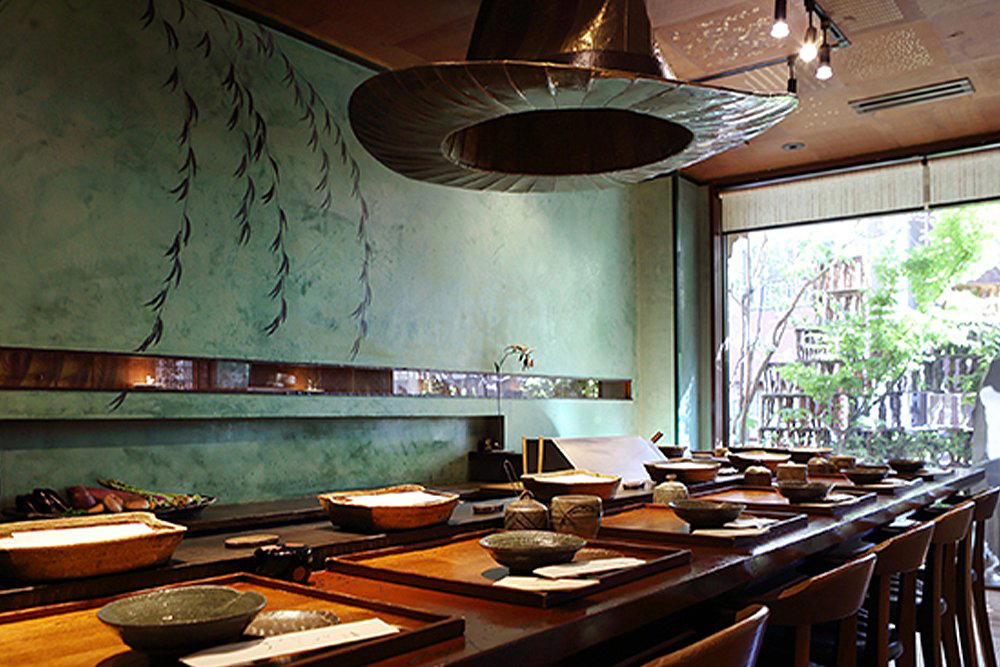
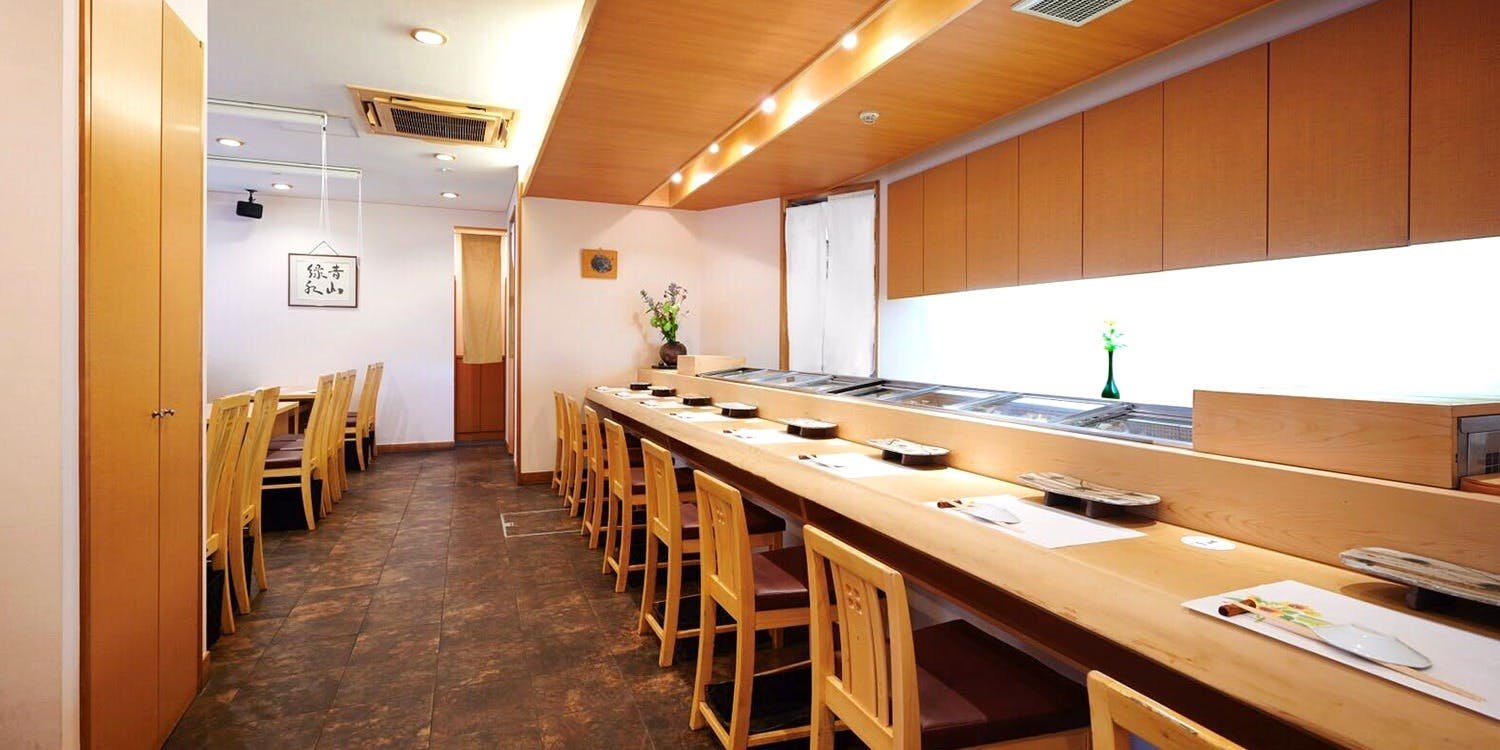
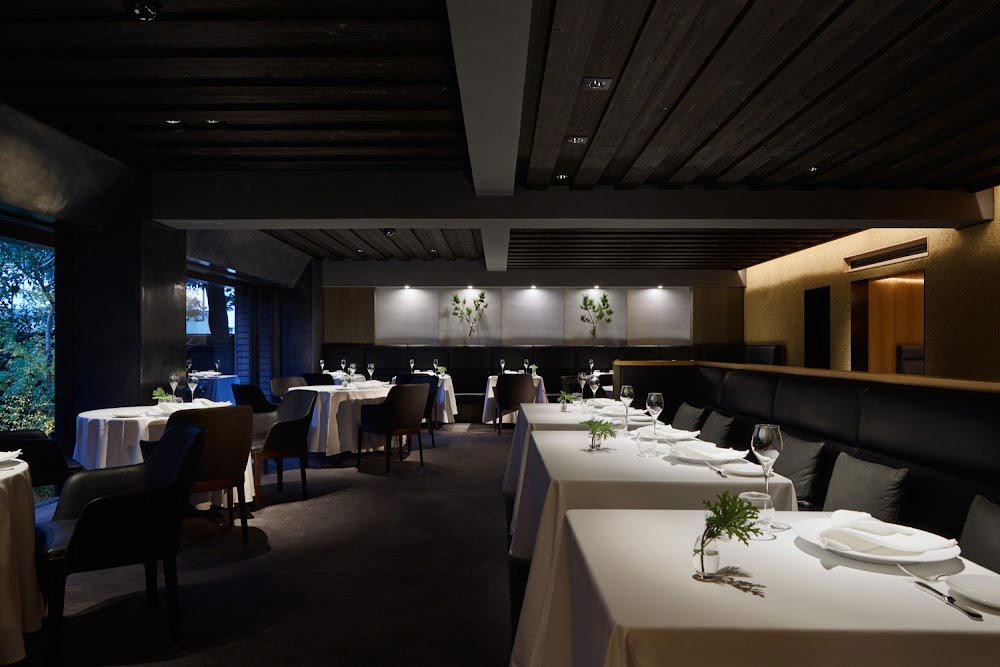
The restaurant has 30 seats, including a 9-seat first-floor counter and upstairs private rooms with tatami and sunken seating. The split matters. Counter dining is analytical because the diner sees the cadence; private rooms move the meal toward social dining, longer conversation and group comfort. Few cuisines reveal the trade-off so plainly: at the counter, craft is the subject; upstairs, the sequence becomes part of a broader occasion.
Recognition positions it within Tokyo’s crowded premium map. Tabelog Bronze status in 2026 signals sustained domestic attention rather than a transient international spike. Selection for Tabelog’s Tempura 100 in 2025, 2023 and 2022 further anchors it in the specialist category. Opinionated About Dining’s Japan placements, including 2026 Highly Recommended and ranked appearances in 2025, 2024 and 2023, add an international list signal without making it a trophy stop. For tempura, that balance helps: outside Japan, the category is under-explained; inside Japan, it is judged with severe precision.
Price shapes the meal. Listed lunch and dinner budget is JPY 20,000 to JPY 29,999, with review-based dinner spending higher at JPY 30,000 to JPY 39,999. That is serious Tokyo dining without the upper extremes of sushi or French tasting menus. Value is not portion size or course count alone, but whether the diner cares enough about tempura as a discipline to spend a full meal on batter thickness, oil management, ingredient order and calm service authority.
How to place it within a Tokyo dining itinerary
Mikawa Zezankyo suits travellers who know Tokyo restaurant culture is built around specialists. It is stronger for a diner comparing tempura counters than for someone compressing every Japanese cuisine into one evening. Sushi, yakitori, soba, kappo and kaiseki each teach different lessons; tempura teaches immediacy. The food is made for the interval between fryer and plate, which is why the counter remains powerful.
For a broader Tokyo plan, use it as the tempura anchor rather than an isolated booking. Our full Tokyo restaurants guide is the natural place to compare it with sushi counters, kappo rooms and modern Japanese restaurants across the city. Travellers building a stay can pair that with our full Tokyo hotels guide, then map the evening around our full Tokyo bars guide, our full Tokyo experiences guide and, for broader drinking context, our full Tokyo wineries guide.
The comparison can extend beyond Tokyo. Kyoto tempura often reads differently because the city’s culinary identity leans into seasonality, vegetables and kaiseki-adjacent restraint; Enyuan Kobayashi, Tempura in Kyoto and Gion Senryu, Tempura in Kyoto are useful reference points. Other Japanese listings, from [ki:] in Kyoto to -Grilled beef Sukiyaki- KAMAKURA TANUKIAN 鎌倉 たぬき庵 in Kamakura, show how tightly local format and place shape a meal. Even less comparable entries such as.cafe in Osaka.know in Kumamoto, (Shoku) Vietnam in Kawasaki and [Curry Senmon Ten] Maruyama Kyoju. in Sapporo underline the same point: Japan’s dining depth is not one hierarchy, but a network of exact formats.
The recommendation is simple: choose this restaurant when tempura itself is the reason for the meal. Diners seeking a parade of Japanese luxury signals may prefer a kaiseki room or hotel counter. Diners who want to understand how Tokyo turns a narrow technique into a complete meal will find the argument here. The awards, specialist format and Koto setting point the same way: tempura as a complete language, not an interlude between familiar courses.
Frequently asked questions
Is Mikawa Zezankyo suitable for children?
The 30-seat layout, including private rooms for 2 to 20 people, makes Mikawa Zezankyo in Koto City more practical for older children than a tight counter-only room. It is a reservation-only tempura house, so it suits a planned meal rather than a casual walk-in.
What's the overall feel of Mikawa Zezankyo?
Mikawa Zezankyo feels like a house restaurant rather than a polished hotel dining room, with a 9-seat counter, tatami rooms, and sunken seating. The tone is measured and traditional, supported by its Tabelog Bronze awards and repeated inclusion in Tabelog's Tempura "Tabelog 100" selection.
What kind of cuisine does Mikawa Zezankyo serve?
Mikawa Zezankyo serves Tempura cuisine.
What is Mikawa Zezankyo known for?
Mikawa Zezankyo is primarily known for Tempura in Tokyo.
In Context: Similar Options
Comparable venues at a glance for context.
| Venue | Cuisine | Price | Awards | Notes |
|---|---|---|---|---|
| Mikawa ZezankyoThis venue (the venue you are viewing) | Edo-style Tempura Omakase | $200–300 | Tabelog Bronze #274 | Not listed |
| NK | Modern Creative Japanese Kaiseki | $300–500 | Tabelog Silver #92 | Shinjuku |
| Furuta | Japanese Kaiseki and Kappo | $150–200 | Tabelog Silver #25 | Chūō |
| Ginza Fujiyama | Kyoto Kaiseki | $300–500 | Tabelog Bronze #76 | Chūō |
| Kyubey | Traditional Japanese Omakase Sushi | $150–200 | La Liste Top Restaurants | Chūō |
| Usukifugu Yamadaya | Traditional Fugu Omakase | $200–300 | Tabelog Bronze #511 | Minato |
Recognition history
Dated appearances from independent guides and award organizations, with the underlying list record or original source where available.
Opinionated About Dining Top Restaurants in Japan Highly Recommended
Opinionated About Dining
Tabelog Bronze #274
Tabelog
Full recognition history (7 entries)
Opinionated About Dining Top Restaurants in Japan Ranked #139
Opinionated About Dining
Tabelog 100 #92 · No. 92
Tabelog · Tabelog 100 - Tempura - 2025
Tabelog Bronze
Tabelog
Opinionated About Dining Top Restaurants in Japan Ranked #85
Opinionated About Dining
Opinionated About Dining Top Restaurants in Japan Ranked #81
Opinionated About Dining
Continue exploring
More in Tokyo
Restaurants in Tokyo
All restaurants in Tokyo →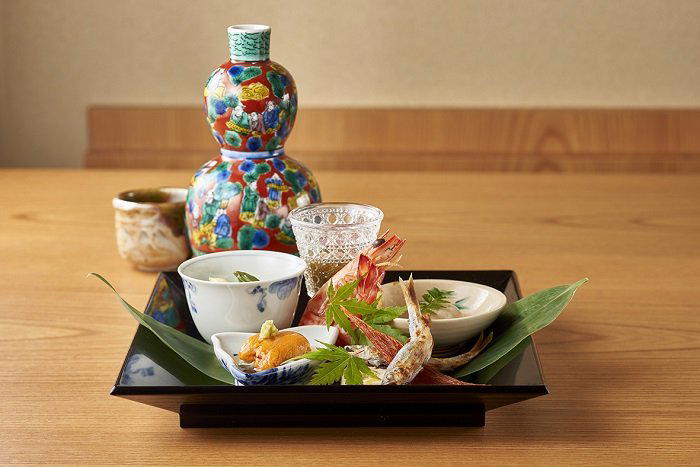



Details
- Elegant
- Intimate
- Classic
- Sophisticated
- Special Occasion
- Date Night
- Business Dinner
- Chefs Counter
- Private Dining
- Open Kitchen
- Sake Program
- Omakase
- Counter Dining
- Sake
Current opening hours
- Monday
- 12–2 p.m., 5–9 p.m.
- Tuesday
- 12–2 p.m., 5–9 p.m.
- Wednesday
- Closed
- Thursday
- 12–2 p.m., 5–9 p.m.
- Friday
- 12–2 p.m., 5–9 p.m.
- Saturday
- 12–2 p.m., 5–9 p.m.
- Sunday
- 12–2 p.m., 5–9 p.m.
Hours can change for holidays and private events. Last verified .
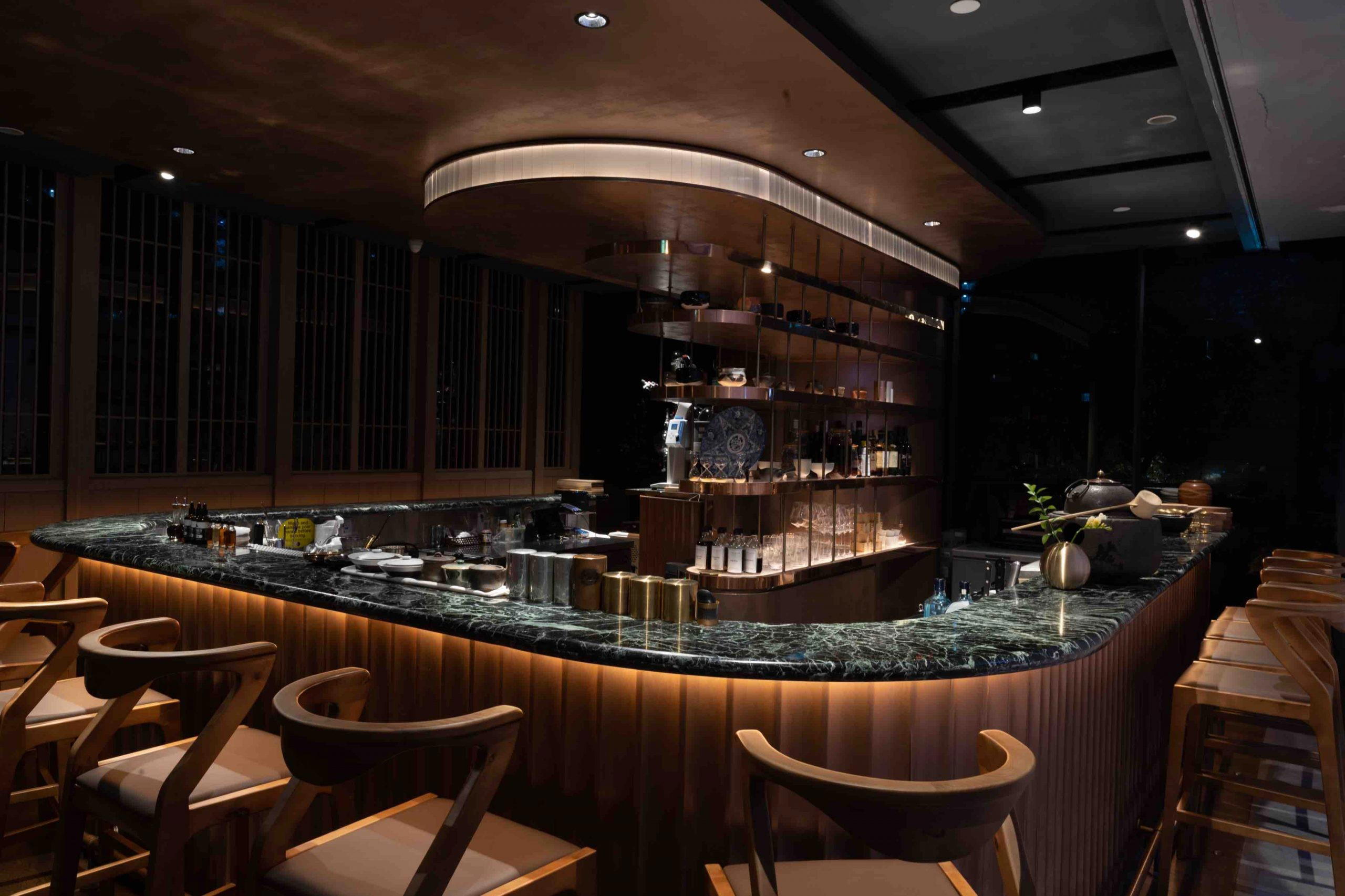
Calm, artful space with a cozy nine-seat wooden counter overlooking the chef, featuring stylish decor, tatami private rooms upstairs, and a gallery-like atmosphere.