

Tabelog Silver #92
Our verdict
NK places Kagurazaka’s intimate, high-spend Japanese dining culture in a more experimental register, with Kento Kakutani’s cooking classified as Japanese Cuisine and Creative rather than orthodox kaiseki. The signal is not hype but accumulation: Tabelog Award Silver in 2024, 2025, and 2026, a 2026 Tabelog score of 4.47, and inclusion in OAD’s 2026 Japan Recommended list.

Pearl is the En Primeur Club membership app, where members save venues, book tables and use the concierge.
The menu
What to order
- Saffron rice curry
- Shark fin dish
- Caviar yuba
- Ayu risotto
Kagurazaka shifts quickly: slope, side street, low-rise frontage, then the quieter rhythm of restaurants built for diners who already know what they want. In Tokyo, that matters. Serious Japanese counters often rely on ritual clarity; creative restaurants borrow from French, Nordic, Chinese, and product-led tasting-menu grammar. NK sits between those categories: recognisably Japanese in structure, yet classified as Japanese Cuisine and Creative rather than classical kaiseki.
That hybrid position makes it read differently from a standard special-occasion table. The right comparison is Tokyo’s small-format, chef-led creative Japanese scene: counters carrying the room, seasonality assumed, and technique judged by restraint as much as novelty. Public signals place it firmly there. Tabelog lists a 2026 score of 4.47 and a Silver award in 2026, after Silver in 2025 and 2024 and Bronze in 2023. Opinionated About Dining also includes the restaurant on its 2026 Japan Recommended list.
Kagurazaka gives creative Japanese cooking a quieter frame
Kagurazaka matters because it resists the shorthand applied to Ginza, Aoyama, or Roppongi. With a history of ryotei culture and back-street dining, yet close to central Tokyo’s business and cultural circuits, it supports ambitious rooms without spectacle. For a creative Japanese restaurant, that lowers the visual volume. The meal is read through pacing, sequence, and ingredient handling rather than design theatre.
Tokyo’s innovative dining has split into lanes. Some restaurants use international tasting-menu language; others lean into fermentation, natural wine, or cross-border technique. Kagurazaka’s mode is usually more compressed and less declarative. At NK, the public classification as Japanese Cuisine and Creative is decisive: Japanese foundations, with a format allowed beyond fixed genre boundaries. That distinction matters when choosing between a traditional counter and a more exploratory evening.
The competitive set sharpens the point. AO, Chiune, Hasegawa Minoru, jiü, and Kabi each answer the same Tokyo question differently: how far can a restaurant move beyond inherited categories before becoming disconnected from them? NK’s awards pattern suggests consistency within that narrower band, not novelty alone.
A small-room format where awards matter more than adjectives
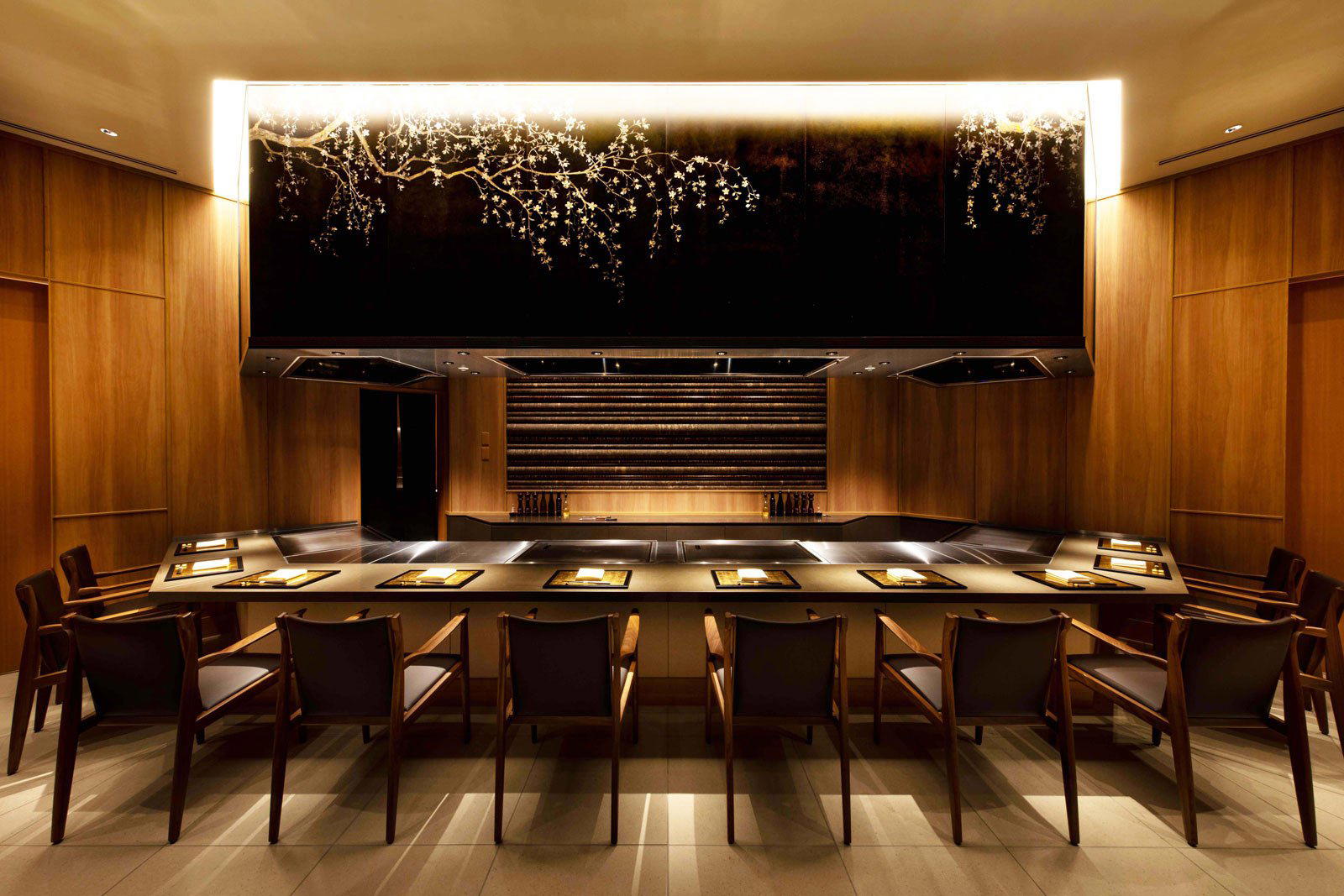
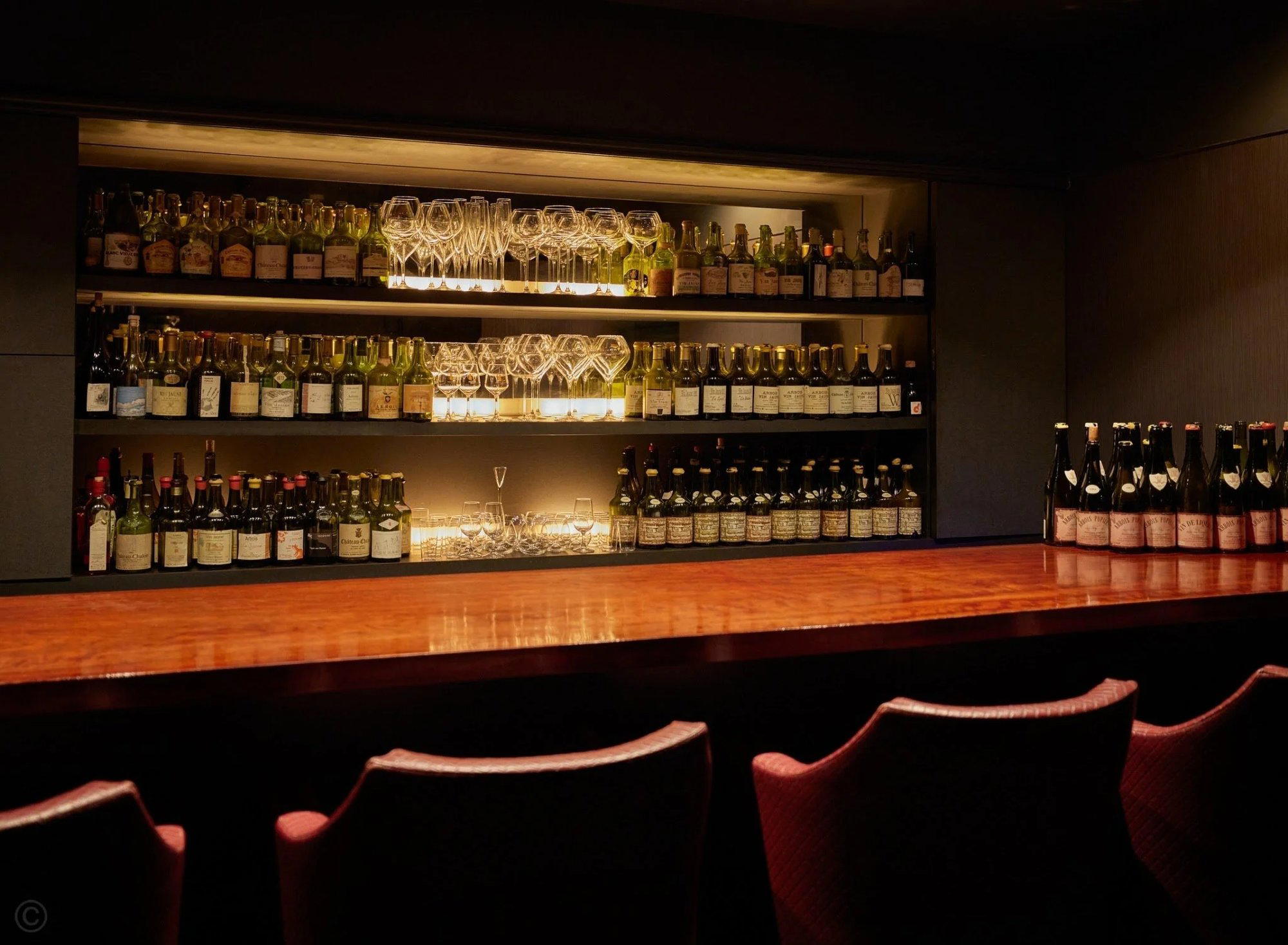
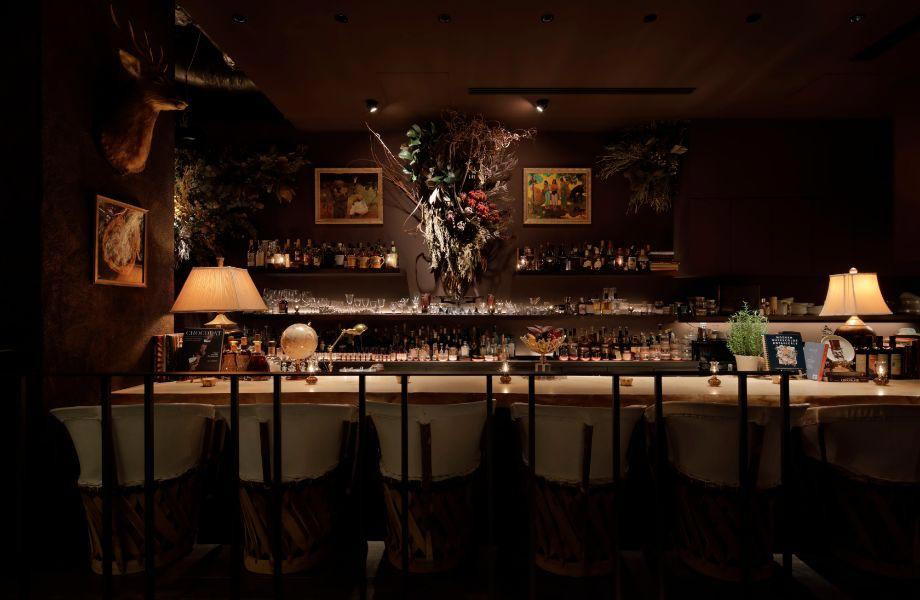
The format is compact: 14 seats split between counter and table seating. In Tokyo, that scale changes ambition. Large dining rooms can absorb inconsistency through service choreography; small rooms expose sequence, timing, and the kitchen-guest relationship. Counter seating also puts technique under scrutiny, leaving little distance between preparation and judgment.
Kento Kakutani is the named chef, but biography is not the main point. More important is how chef-led creative Japanese restaurants now compete: repeat recognition, score stability, and a precise identity in a city crowded with serious small restaurants. The Tabelog Award progression from Bronze in 2023 to Silver in 2024, 2025, and 2026 is meaningful because Japanese diners use that platform with unusual intensity. A 4.47 score in 2026 places the restaurant in a rarefied Tokyo rating band, where decimal movement can signal a real reputation shift.
The category also affects drinking. Sake, shochu, and wine are listed, with wine emphasised. That is typical of modern Japanese fine dining seeking more range than a purely sake-led pairing structure. It does not make the room automatically international; it gives the kitchen more ways to frame savoury, fermented, grilled, and seasonal elements without locking the meal into one beverage tradition.
For experienced travellers, this is not the obvious first Tokyo splurge if the goal is textbook sushi, tempura, or kaiseki. It suits diners who already understand those forms and want to see how a smaller Tokyo restaurant bends them. Inclusion in Tabelog Japanese Cuisine Tokyo 100 in 2023 and 2025 reinforces the Japanese-cuisine identity, while the Creative classification prevents confusion with a strictly orthodox address.
How to place it within a Tokyo dining itinerary
A strong Tokyo itinerary needs contrast. Pairing one formal Japanese meal with one creative Japanese meal gives a clearer reading of the city than chasing only famous categories. NK fits that second slot: not louder or more theatrical, but part of the group translating Japanese structure into a contemporary tasting format. The meal will likely make more sense after a few days in the city, once Tokyo’s portioning, pacing, and service restraint have recalibrated the diner.
For travellers building around food rather than sightseeing, Kagurazaka works as an evening anchor. Arrive early enough to understand the area’s scale before dinner, then let the meal define the night rather than treating it as one stop among many. That rhythm suits small-room dining. The category asks for attention; compressing it between bar-hopping and cross-town transfers misses the point.
The broader EP Club map is useful for context rather than substitution. For restaurant planning, start with Our full Tokyo restaurants guide; for where to stay around a dining-led trip, use Our full Tokyo hotels guide. Drinking plans sit separately in Our full Tokyo bars guide, while adjacent city coverage appears in Our full Tokyo experiences guide and Our full Tokyo wineries guide.
Readers comparing Japan and Asia’s wider creative dining circuits can use cross-category references as calibration rather than direct peers: -Grilled beef Sukiyaki- KAMAKURA TANUKIAN 鎌倉 たぬき庵 in Kamakura.cafe in Osaka.know in Kumamoto, (Shoku) Vietnam in Kawasaki, [Curry Senmon Ten] Maruyama Kyoju. in Sapporo, [ki:] in Kyoto, [àbitat], Innovative in San Fermo della Battaglia, and Å by T.U.N.G, Innovative in Ho Chi Minh City. These restaurants do not cook alike. The point is that creative dining depends on how convincingly a kitchen defines its own grammar, then repeats it under scrutiny.
The editorial case for NK is precise: a small Kagurazaka restaurant with serious Japanese-dining credibility, repeated Tabelog Award recognition, and a creative classification that shifts expectations away from ceremony alone. Choose it when the desired Tokyo meal is intimate, technically focused, and less bound to a single orthodox form.
Frequently asked questions
What's the address for NK?
NK is located in Tokyo.
What days is NK closed?
Hours at NK: Mon: Closed; Tue: 5–10 PM; Wed: 5–10 PM; Thu: 5–10 PM; Fri: 5–10 PM; Sat: 12–3 PM, 5–10 PM; Sun: Closed.
What type of food is NK known for?
NK serves Innovative cuisine.
What is NK known for?
NK is primarily known for Innovative in Tokyo.
How It Stacks Up
Comparable options at the same price tier.
| Venue | Cuisine | Price | Awards | Notes |
|---|---|---|---|---|
| NKThis venue (the venue you are viewing) | Modern Creative Japanese Kaiseki | $300–500 | Tabelog Silver #92 | Not listed |
| Kaiseki Ohara | Traditional Kaiseki | $100–150 | Michelin Plate | Shinjuku |
| Motoazabu Kushima | Modern Japanese Kappo Omakase with Wagyu | $150–200 | Michelin Plate | Minato |
| NANAHIRO | Modern Japanese Tasting Menu | $30–50 | Michelin Plate | Minato |
| Sushi Sugaya | Edomae Omakase Sushi | $300–500 | Tabelog Bronze #426 | Minato |
| Ishigaki Yoshida | Michelin-Starred Teppanyaki | $200–300 | Tabelog Bronze #526 | Minato |
Recognition history
Dated appearances from independent guides and award organizations, with the underlying list record or original source where available.
Opinionated About Dining Top Restaurants in Japan Recommended
Opinionated About Dining
Tabelog Silver #92
Tabelog
Full recognition history (7 entries)
Opinionated About Dining Top Restaurants in Japan Ranked #355
Opinionated About Dining
Tabelog Silver
Tabelog
Tabelog 100 #55 · No. 55
Tabelog · Tabelog 100 - Japanese cuisine - TOKYO - 2025
Opinionated About Dining Top Restaurants in Japan Ranked #328
Opinionated About Dining
Opinionated About Dining Top Restaurants in Japan Recommended
Opinionated About Dining
Continue exploring
More in Tokyo
Restaurants in Tokyo
All restaurants in Tokyo →

Bars in Tokyo
All bars in Tokyo →




Details
- Modern
- Elegant
- Intimate
- Sophisticated
- Trendy
- Special Occasion
- Date Night
- Business Dinner
- Chefs Counter
- Open Kitchen
- Design Destination
- Sake Program
- Counter Dining
- Tasting Menu
- Sake Program
Current opening hours
- Monday
- Closed
- Tuesday
- 5–10 PM
- Wednesday
- 5–10 PM
- Thursday
- 5–10 PM
- Friday
- 5–10 PM
- Saturday
- 12–3 PM, 5–10 PM
- Sunday
- Closed
Hours can change for holidays and private events. Hours as of .
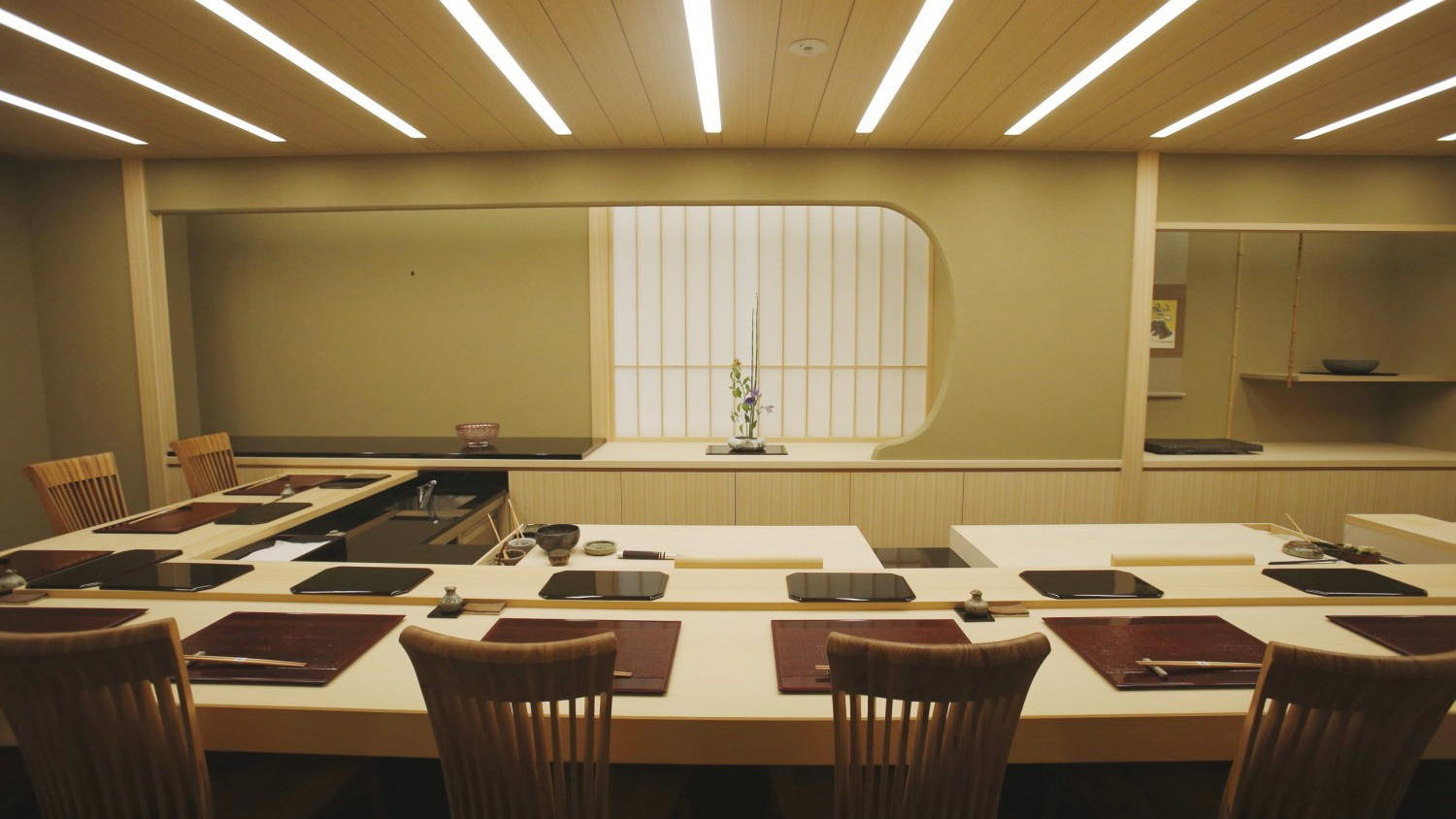
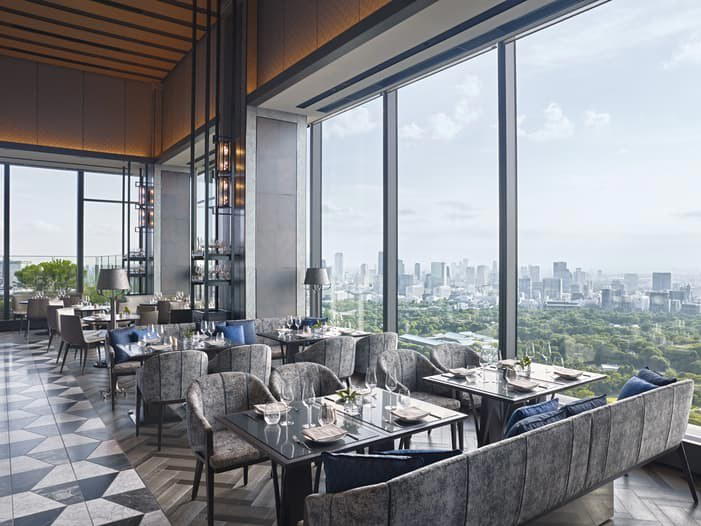
Stylish and serene counter seating with a lively yet refined atmosphere, modern Japanese impression from elegant white walls, enhanced by the chef's personable hospitality.