
Nagoya’s kappo dining is defined by intimacy, seasonality, and a quieter reading of Japanese cuisine than the city’s louder specialty counters. Kappo Yabushita sits in that small-format bracket with 20 seats, counter and tatami options, a fish-led kitchen, sake and shochu focus, and selection for Tabelog Japanese cuisine EAST “Tabelog 100” in 2021, 2023, and 2025.
Pearl is the En Primeur Club membership app — saves, bookings, and concierge access live there. Same editors, same standards.
- Address
- Japan, 〒460-0002 Aichi, Nagoya, Naka Ward, Marunouchi, 3 Chome−23−11 セントヒルズ丸の内
- Phone
- +81 52-253-7955
- Website
- tabelog.com
 Saves & bookings on Pearl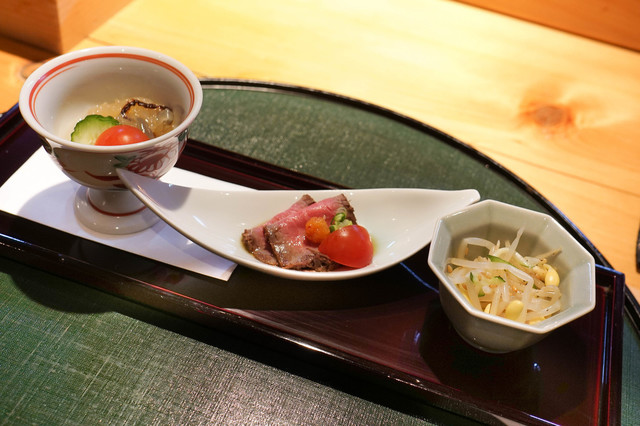
Marunouchi after office hours feels unlike Sakae’s neon and station-area speed. Serious Japanese dining here is quieter: small buildings, business-district streets, and restaurants built on sequence, pacing, and confidence in ingredients rather than spectacle. Kappo Yabushita fits that Nagoya grammar: a 20-seat Japanese restaurant near Hisaya Odori, with counter-level attention but without the ceremonial rigidity of formal kaiseki.
Kappo is best read through menu architecture. Kaiseki follows codified progression; izakaya dining spreads sideways through choice and repetition. Kappo sits between them. The counter is part theatre, part workshop, and the meal is usually shaped by season, fish, heat, knife work, and drinking rhythm rather than one headline dish. Here, the listed emphasis is Japanese cuisine with a focus on fish, supported by sake and shochu rather than a broad international wine posture. That matters in Nagoya, where outsiders often reduce the city’s dining identity to miso, tebasaki, hitsumabushi, and station-building convenience. The stronger local story is broader: serious sushi counters, Chinese noodle rooms, kappo restaurants, specialist grills, and polished hotel dining competing for a smaller audience than Tokyo or Kyoto command.
A fish-led kappo format in a city better known for stronger flavours
Nagoya’s regional food culture is known for concentration: red miso, sweet-savoury sauces, eel rice, fried chicken wings, and dishes built for impact. A fish-led kappo room works differently, asking the diner to notice temperature, cut, broth, seasoning restraint, and the handoff between raw, simmered, grilled, and fried preparations. No specific course list should be assumed, but the category tells the experienced diner the evening proposed: not a free-form bar meal, not a sushi-only counter, and not a hotel dining room covering every occasion.
The dinner price band, JPY 15,000 to JPY 19,999, places the restaurant in a serious middle-to-upper Nagoya bracket rather than the city’s casual everyday tier. Chuka Soba Ueda Seimen Ten operates in a much lower noodle-shop lane, while Nepal STATION sits in an everyday restaurant bracket. Sushi-focused rooms such as Sushimichi Sakurada, 寿し道 桜田, and Sushisho belong to a different decision tree, where the question is sushi craft and counter availability. Kappo Yabushita is for the diner choosing breadth within Japanese technique: fish as anchor, drinks suited to the cuisine, and a meal moving across preparations rather than one genre.
The Tabelog Japanese cuisine EAST “Tabelog 100” selection in 2021, 2023, and 2025 gives the room a signal beyond neighbourhood loyalty. Tabelog’s lists are not Michelin and should not be read as the same award economy. They matter in Japan’s domestic dining culture because they surface restaurants Japanese diners discuss, book, and score by category. A 2025 listing in Japanese cuisine EAST, with a published Tabelog score of 3.54, places this address inside a competitive regional conversation, not just Nagoya’s local map.
The room favours conversation over spectacle
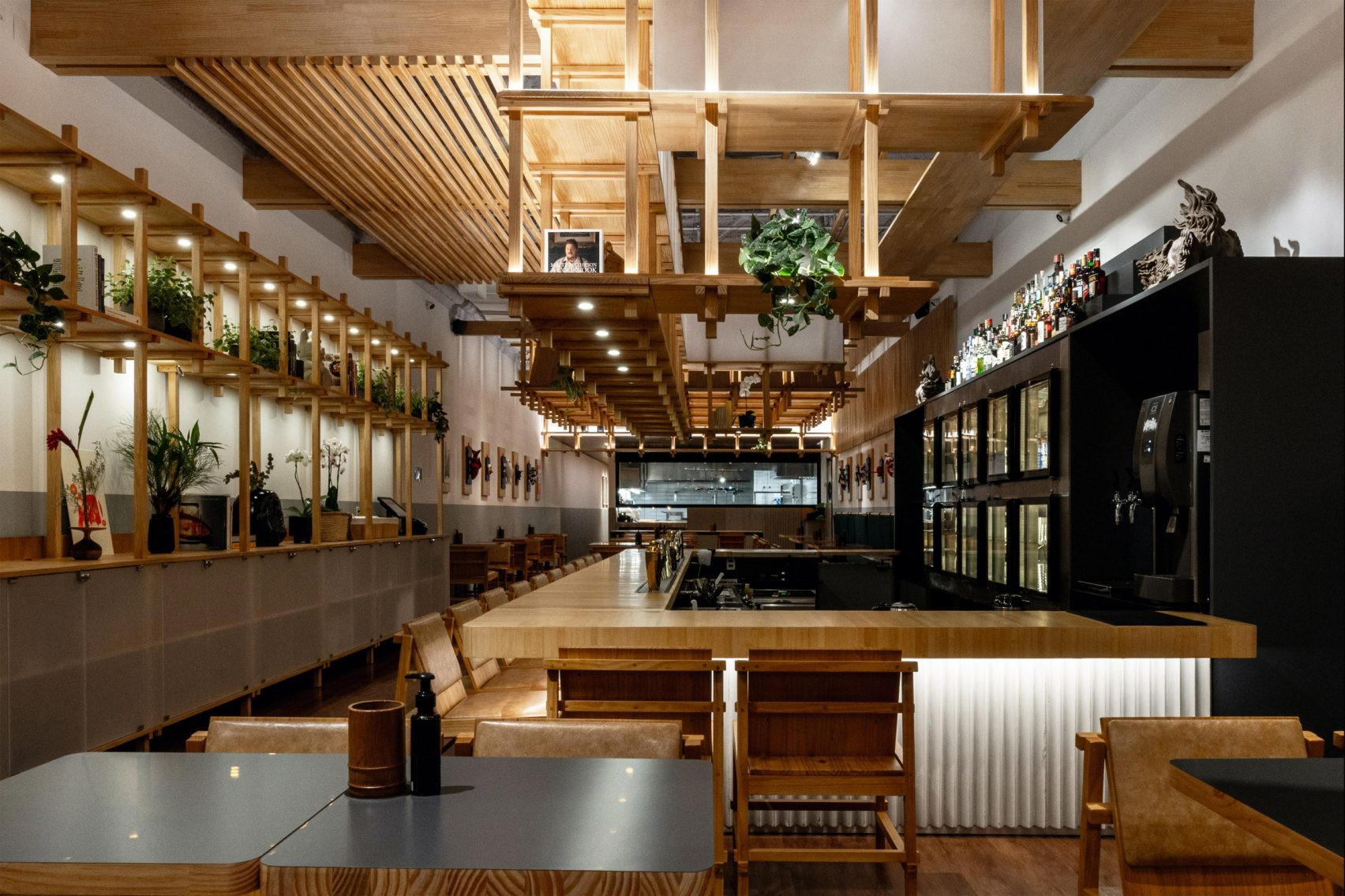
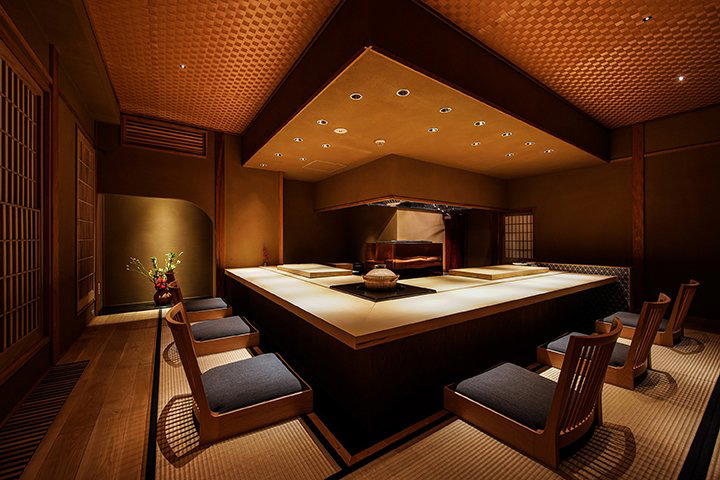
Listed layout says much about the intended evening: counter seating, tatami room, sunken seating, and a private room for four. That combination suits kappo. Counter seats keep the meal close to the kitchen’s tempo; tatami and sunken seating support the slower social dinner important in Japanese business and friend-group dining. The restaurant is non-smoking, private use is unavailable, and parking is not provided, pushing the experience toward a planned city-centre meal rather than a drop-in suburban dinner.
Opening in 2009 gives the restaurant another authority. In a city where new rooms chase social-media heat and quick concept turnover, a Japanese restaurant still visible on national category lists more than a decade after opening is not trading only on novelty. The better read is consistency within a narrow format: enough structure for regulars, enough seasonal movement for repeat visits, and enough discipline to remain in a fish-forward kappo lane.
For travellers, the Nagoya context matters. This is not Japan’s easiest city for English-first dining discovery, and many stronger meals sit outside obvious tourist circuits. Marunouchi and Hisaya Odori are practical bases: central without being trapped inside the main station complex, close to business hotels, and within reach of Sakae’s drinking streets. Readers building a full itinerary can place this dinner alongside Our full Nagoya restaurants guide, then widen the city plan through Our full Nagoya hotels guide, Our full Nagoya bars guide, Our full Nagoya wineries guide, and Our full Nagoya experiences guide.
How to place it in a Nagoya dining itinerary
The restaurant’s role is clearest when the trip already includes Nagoya’s classic regional dishes elsewhere. Kappo makes less sense as a first meal for ticking off local specialities; it makes more sense afterward, when the question becomes where the city’s Japanese cooking turns quieter and more seasonal.
Its practical strengths are compactness and category focus. Twenty seats keep the room from banquet mode. Credit cards are accepted, while electronic money and QR code payments are not, a relevant detail in Japan where payment assumptions vary by restaurant tier and age. Take-out is listed, though the core value is the seated kappo experience: counter, fish, sake or shochu, and a sequence that rewards attention over speed.
For comparison across Japan and beyond, EP Club’s restaurant archive shows how formats solve different dining problems: 1022, 451, Aaron, Alan., and All Day Dining Montmartre sit in different service lanes. The wider network also includes -Grilled beef Sukiyaki- KAMAKURA TANUKIAN 鎌倉 たぬき庵 in Kamakura. 鮪と炭火焼き うお炭 秋葉原店 in Tokyo.cafe in Osaka.know in Kumamoto, (Shoku) Vietnam in Kawasaki, [Curry Senmon Ten] Maruyama Kyoju. in Sapporo, Jōdo Saké Bar in Los Angeles, and Onigiri Time in Pasadena. Against that range, Kappo Yabushita reads as a disciplined Nagoya address for diners who want Japanese technique through a compact, fish-led kappo format rather than a broader survey of local comfort food.
Same-City Peers
Nearby venues at a similar price tier for orientation.
| Venue | Cuisine | Price | Notes |
|---|---|---|---|
| Kappo YabushitaThis venue — the venue you are viewing | Traditional Japanese Kappo | $$$ | Not listed |
| Yagumo | Traditional Nagoya Shabu-shabu & Sukiyaki (Mingei Kappo) | $$$ | Higashi |
| Yakitori Kissho | High-end Yakitori (Nagoya Cochin) | $$$ | Higashi |
| Ningyocho Imahan Nagoya middorandosukuea ten | Traditional Japanese Sukiyaki & Shabu-Shabu | $$$ | Nakamura |
| Hikizan Tashizan | Modern Yakitori Counter | $$$ | Chikusa |
| Manpuku | Yakiniku (Japanese BBQ) | $$$ | Nakagawa |
Recognition history
Dated appearances from independent guides and award organizations, with the underlying list record or original source where available.
Tabelog 100 #60 · No. 60
Tabelog · Tabelog 100 - Japanese cuisine - EAST - 2025
Continue exploring
More in Nagoya
Restaurants in Nagoya
Browse all →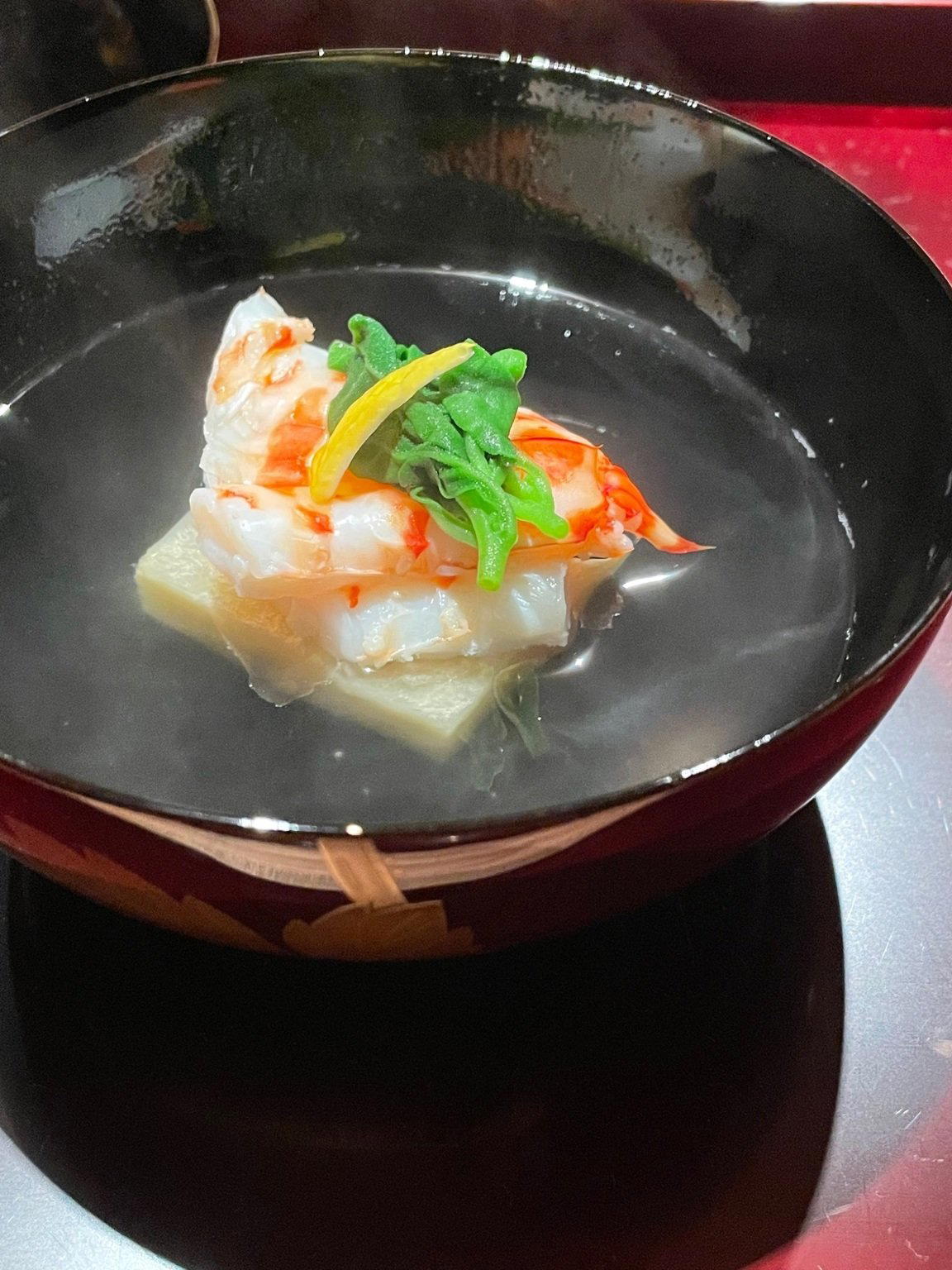
At a Glance
- Cozy
- Elegant
- Intimate
- Business Dinner
- Date Night
- Special Occasion
- After Work
- Solo
- Chefs Counter
- Private Dining
- Standalone
- Sake Program
Current opening hours
- Monday
- 5–11 PM
- Tuesday
- 5–11 PM
- Wednesday
- 5–11 PM
- Thursday
- 5–11 PM
- Friday
- 5–11 PM
- Saturday
- 5–11 PM
- Sunday
- 6–8 PM
Hours can change for holidays and private events. Last verified .
Small and stylish with counter and tatami sunken seating, non‑smoking, and a relaxed but polished atmosphere suited to quiet conversations among friends or business acquaintances.