Midtown Grill occupies a prominent address on Ebertstraße in central Berlin, placing it within reach of the city's most visited cultural quarter. The kitchen works at the intersection where imported technique meets regional German produce, a pairing that defines much of Berlin's serious dining conversation. For visitors orienting around Mitte, it serves as a useful anchor point in a neighbourhood with few comparable options at this level.
Pearl is the En Primeur Club membership app — saves, bookings, and concierge access live there. Same editors, same standards.
- Address
- Ebertstraße 3, 10117 Berlin, Germany
- Phone
- +4930220005411
- Website
- midtown-grill.de
- Directions
- Get directions
 Saves & bookings on Pearl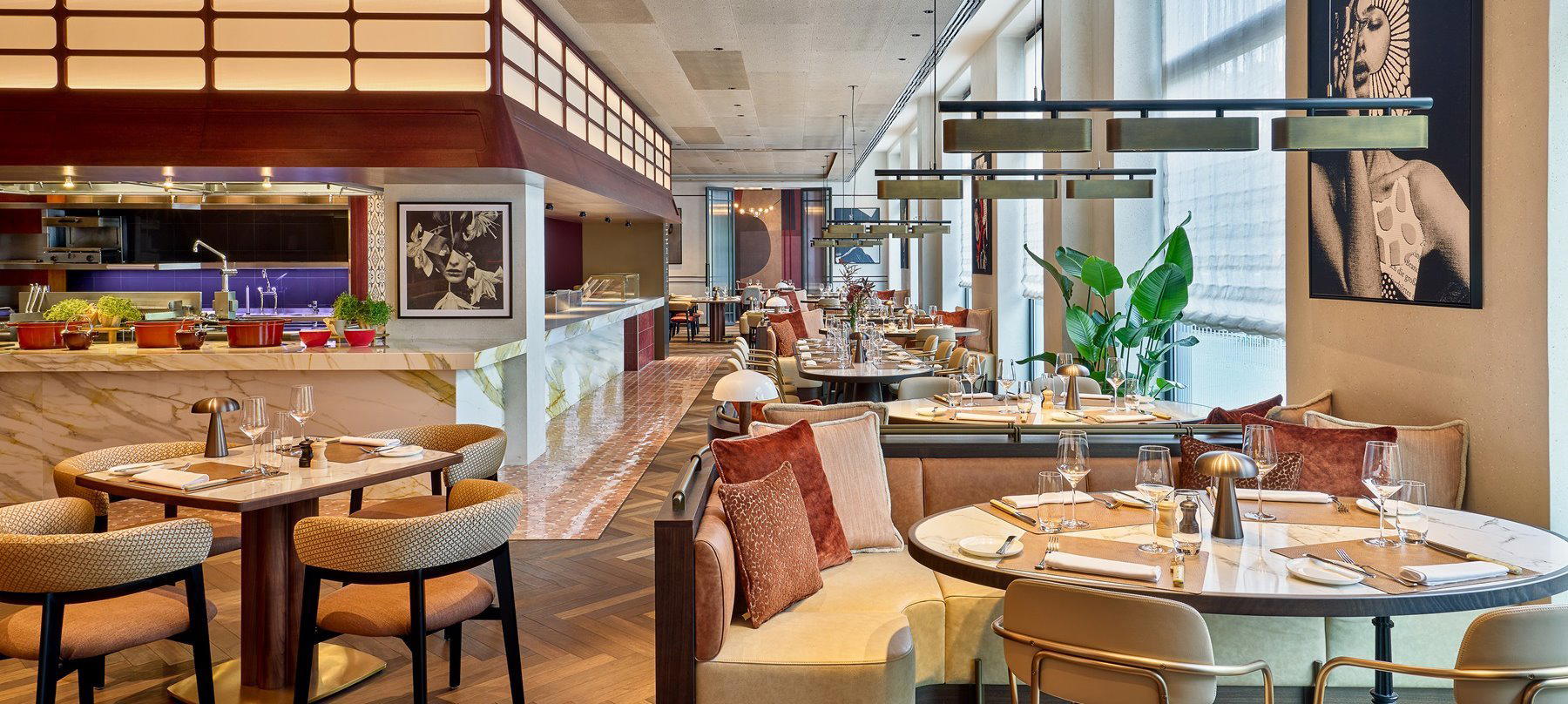
Ebertstraße and the Geography of Central Berlin Dining
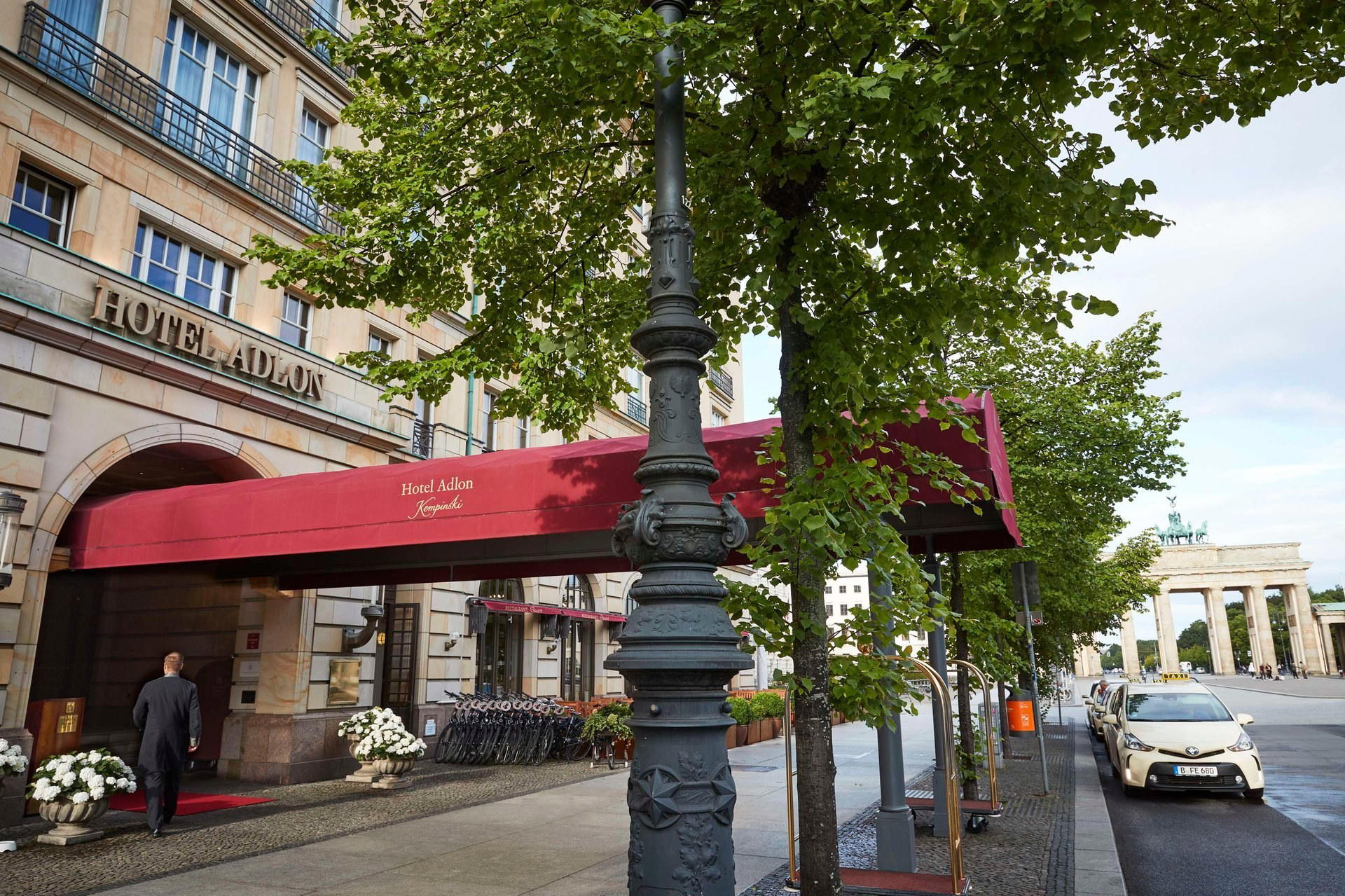
The city's highest-rated kitchens cluster in Kreuzberg, Charlottenburg, and Mitte, leaving large stretches of the government quarter with fewer serious options at the dinner hour. Ebertstraße 3 sits in that zone: a few hundred metres from the Brandenburger Tor, surrounded by embassies, cultural institutions, and the kind of foot traffic that tends to support volume-driven hospitality rather than considered cooking. Midtown Grill occupies this address, which means it operates in a context where the competition for the serious diner's attention is less about peer restaurants and more about what the neighbourhood itself demands.
That geography matters for how you read the room. Diners here may arrive from the Reichstag or the Holocaust Memorial. The clientele skews toward business travellers, government visitors, and tourists staying in the major hotels that define this part of Mitte. That is not a criticism of the venue so much as a description of what central Berlin's dining culture looks like at the €€€€ tier, and why a kitchen that takes technique seriously in this postcode occupies a different position than one doing the same work in Kreuzberg or Prenzlauer Berg.
The Technique-Produce Axis in Berlin's Better Kitchens
The interesting editorial tension in Berlin's fine dining conversation over the past decade has been the pull between globally trained technique and the sourcing specificity that defines the city's more committed kitchens. Nobelhart & Schmutzig made that argument most forcefully, building a Modern German programme around Brandenburg and Berlin producers to the near-exclusion of anything imported. Rutz takes a broader Modern European position while maintaining strong regional sourcing credentials. FACIL works in Contemporary European territory with a kitchen that prizes technical precision. Each of these represents a different resolution to the same underlying question: how much does German produce define a Berlin dining identity, and how much does training lineage?
The editorial angle that frames Midtown Grill most usefully is that intersection: imported methods applied to indigenous products. It is a formula that shows up across German fine dining from Aqua in Wolfsburg to JAN in Munich, and it reflects a broader European pattern in which kitchens trained in classical French or Nordic frameworks have learned to speak that language through local ingredients. The result, when it works, is food that feels rooted in place without being nostalgic about it.
What the Menu Direction Tells You
What the Ebertstraße address and the positioning within Berlin's mid-to-upper tier suggest is a kitchen oriented toward a clientele that expects a legible structure: starters, mains, desserts, or a tasting format with enough familiarity to function well for business dining. Particularly successful restaurants in this postcode tend to avoid the experimental edges that work in Kreuzberg because the customer profile rewards reliability over provocation.
That said, Berlin's broader market has shifted. The success of CODA Dessert Dining in the Creative tier, and the continued draw of Restaurant Tim Raue's Chinese-inflected programme, demonstrate that even audiences visiting from outside the city are arriving with more specific expectations than they were a decade ago. Diners at this price level increasingly read menus before they arrive and have a reference point for what serious kitchen work looks like. That raises the floor for any kitchen operating at the higher end of the Berlin market.
Berlin in the Wider German Fine Dining Map
Germany's fine dining geography rewards those willing to travel. The kitchens with the deepest Michelin recognition are not concentrated in any single city: Schwarzwaldstube in Baiersbronn, Vendôme in Bergisch Gladbach, Victor's Fine Dining in Perl, and Waldhotel Sonnora in Dreis all operate well outside the major urban centres. Restaurant Haerlin in Hamburg, Schanz in Piesport, Bagatelle in Trier, and ES:SENZ in Grassau extend the map further. Berlin itself, despite its international profile, has not historically dominated that Michelin conversation the way Munich or Hamburg have at certain periods.
For the traveller building a German fine dining itinerary, this context matters. Berlin's contribution to the country's serious restaurant culture is real but concentrated in a smaller number of venues than the city's size might imply. The strength is in ambition and diversity of approach rather than sheer density of starred addresses.
For international comparison, the technique-meets-local-produce approach that defines the better end of Berlin's market mirrors patterns visible at kitchens like Le Bernardin in New York City, where classical French frameworks have been applied with discipline across decades, or the tasting-format precision of Atomix in New York City, where Korean culinary identity is expressed through contemporary technique. The underlying editorial question is the same: does the cooking tell you something true about where it comes from?
Planning Your Visit
Ebertstraße is easily reached via the S-Bahn to Brandenburger Tor or a short walk from Unter den Linden. The neighbourhood is densely served by public transport, and the proximity to major hotels in Mitte means that guests staying in the central government quarter will find it a direct dinner option without requiring a taxi or ride-share. For those building a broader Berlin dining evening, the location is better suited to an early sitting followed by drinks elsewhere than to late dining, given the character of the surrounding streets after 10 pm.
Know Before You Go
- Address: Ebertstraße 3, 10117 Berlin, Germany
- Neighbourhood: Mitte (government quarter, near Brandenburger Tor)
- Transport: S-Bahn Brandenburger Tor; walkable from Unter den Linden
- Reservations: Recommended
- Price range: About $95 per person
- Awards: No confirmed awards
Cost and Credentials
Comparable venues nearby, for context on price, style, and recognition.
| Venue | Cuisine | Price | Notes |
|---|---|---|---|
| Midtown GrillThis venue — the venue you are viewing | Tiergarten, Premium American Steakhouse | $$$$ | Not listed |
| Goldhorn-Beefclub | Gatow, Exclusive Steakhouse | $$$ | Not listed |
| Teller | Not listed | $$$$ | Prenzlauer Berg, Mediterranean Farm-to-Table |
| Beef Grill Club | Not listed | $$$$ | Mitte, Dry-Aged Steakhouse with Turkish Influences |
| Shiori | Mitte, Japanese Kaiseki Omakase | $$$$ | Not listed |
| Casa Beef | Not listed | $$$ | Schoneberg, Modern Steakhouse with Dry-Aged Beef |
Continue exploring
More in Berlin
Restaurants in Berlin
Browse all →
Bars in Berlin
Browse all →
Hotels in Berlin
Browse all →

At a Glance
- Elegant
- Lively
- Modern
- Sophisticated
- Business Dinner
- Date Night
- Group Dining
- Celebration
- Special Occasion
- Open Kitchen
- Hotel Restaurant
- Private Dining
- Extensive Wine List
- Sommelier Led
- Local Sourcing
Current opening hours
- Monday
- 6:30–10:30 AM, 12–3 PM, 5–11 PM
- Tuesday
- 6:30–10:30 AM, 12–3 PM, 5–11 PM
- Wednesday
- 6:30–10:30 AM, 12–3 PM, 5–11 PM
- Thursday
- 6:30–10:30 AM, 12–3 PM, 5–11 PM
- Friday
- 6:30–10:30 AM, 12–3 PM, 5–11 PM
- Saturday
- 7–11 AM, 5–11 PM
- Sunday
- 7–11 AM, 5–11 PM
Hours can change for holidays and private events. Last verified .
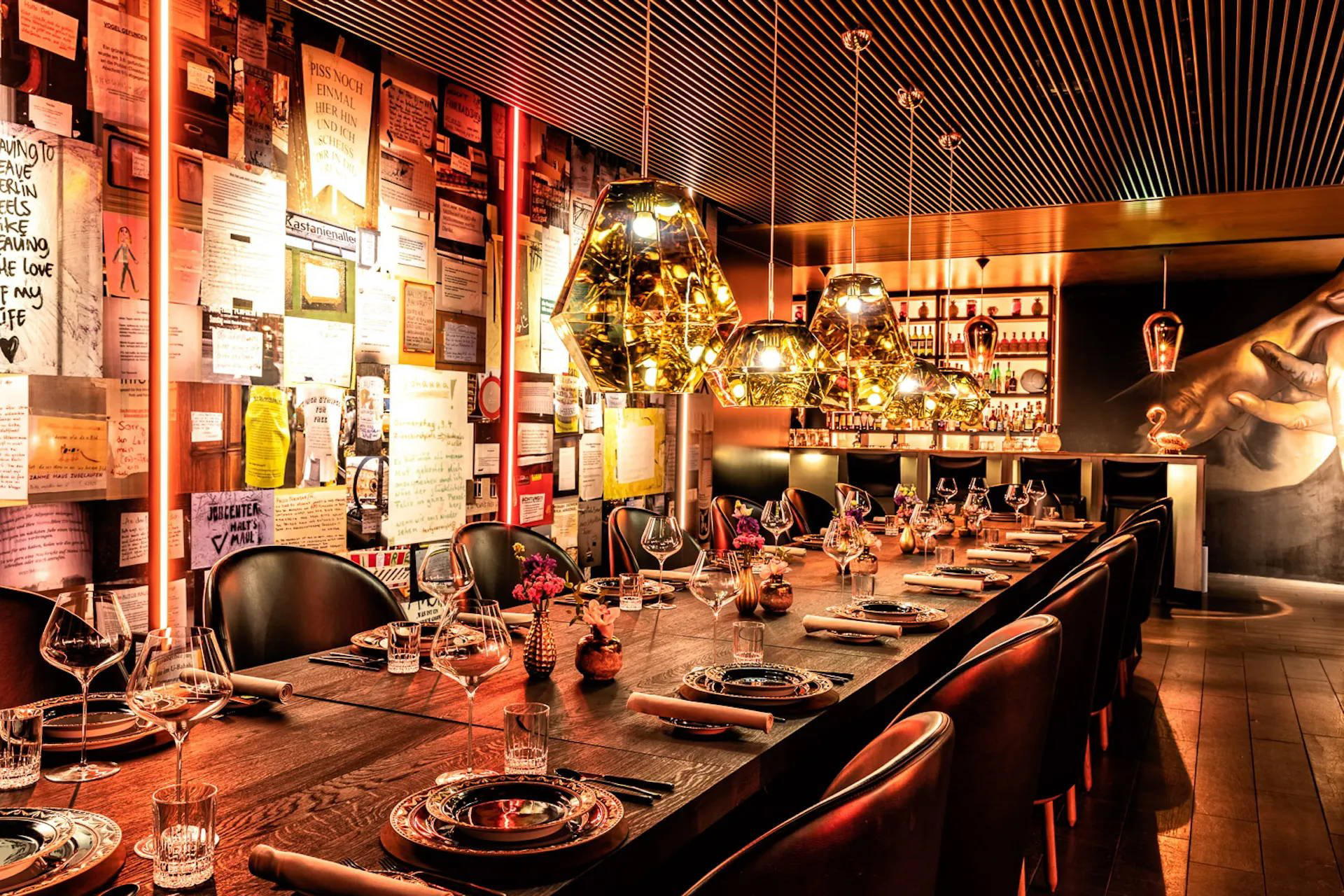
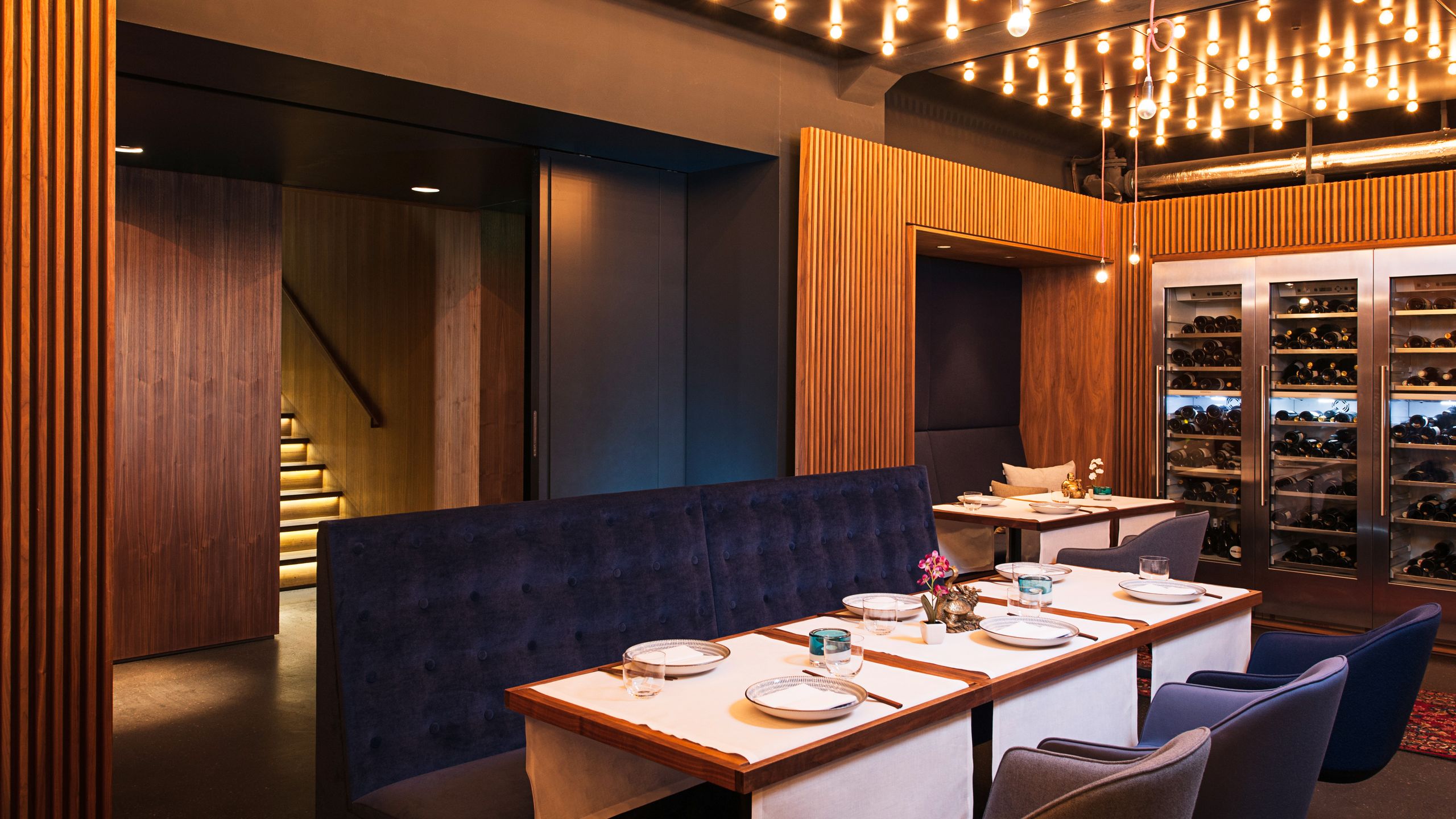
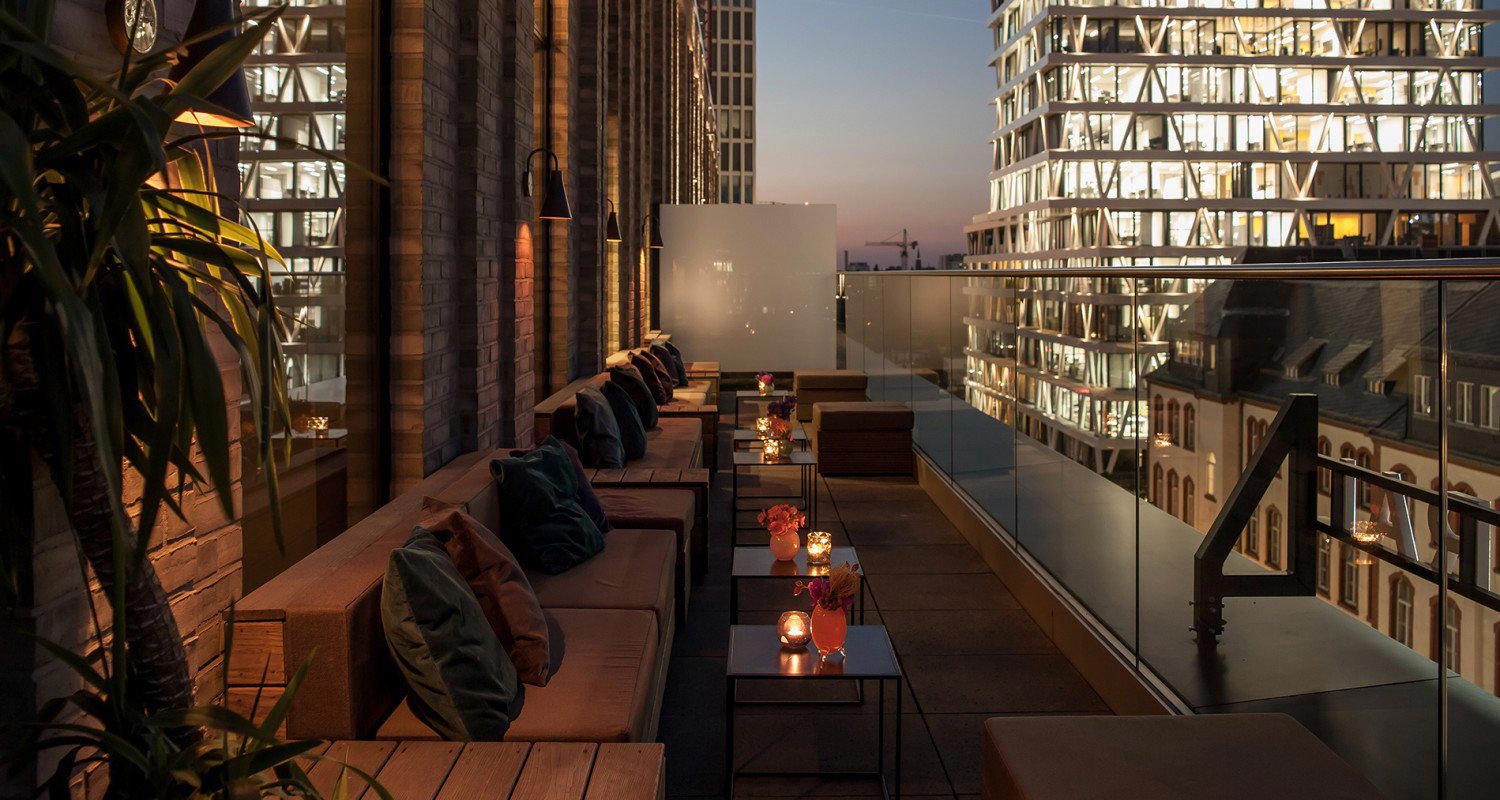
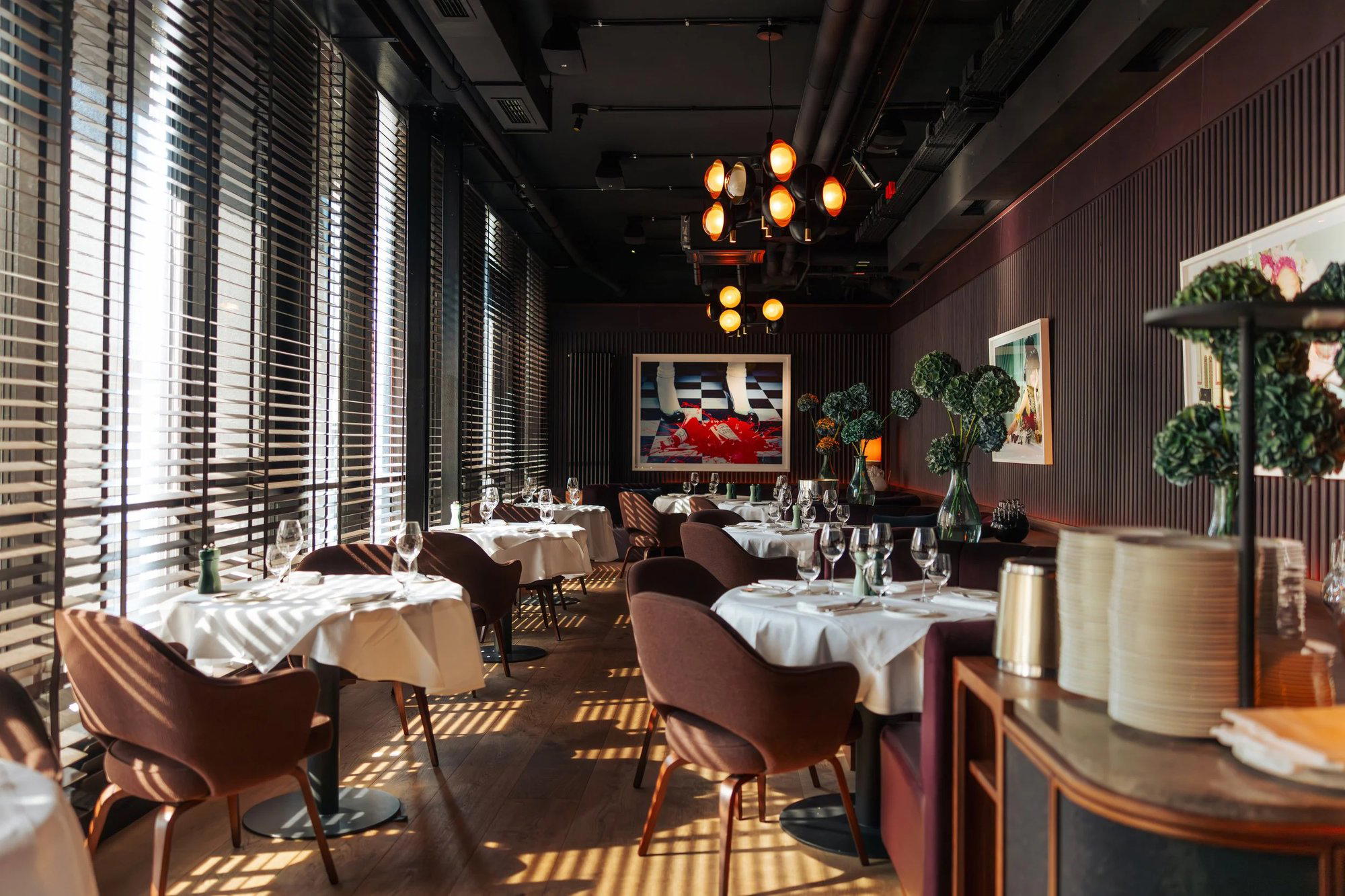
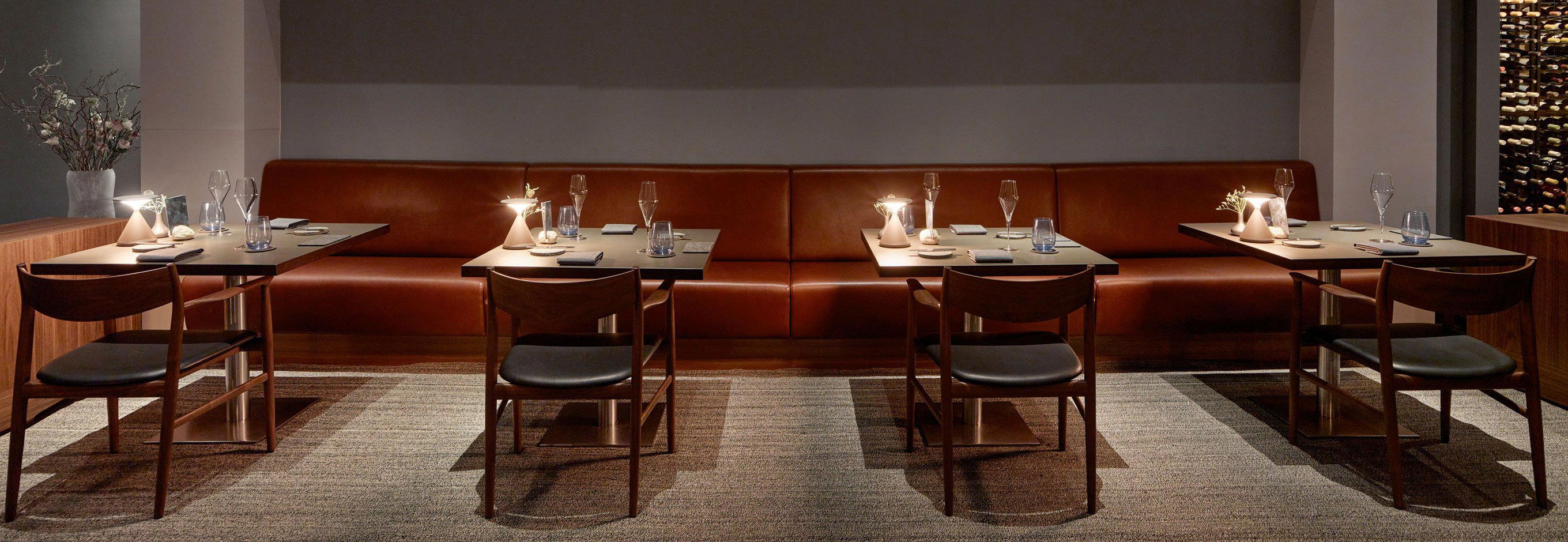
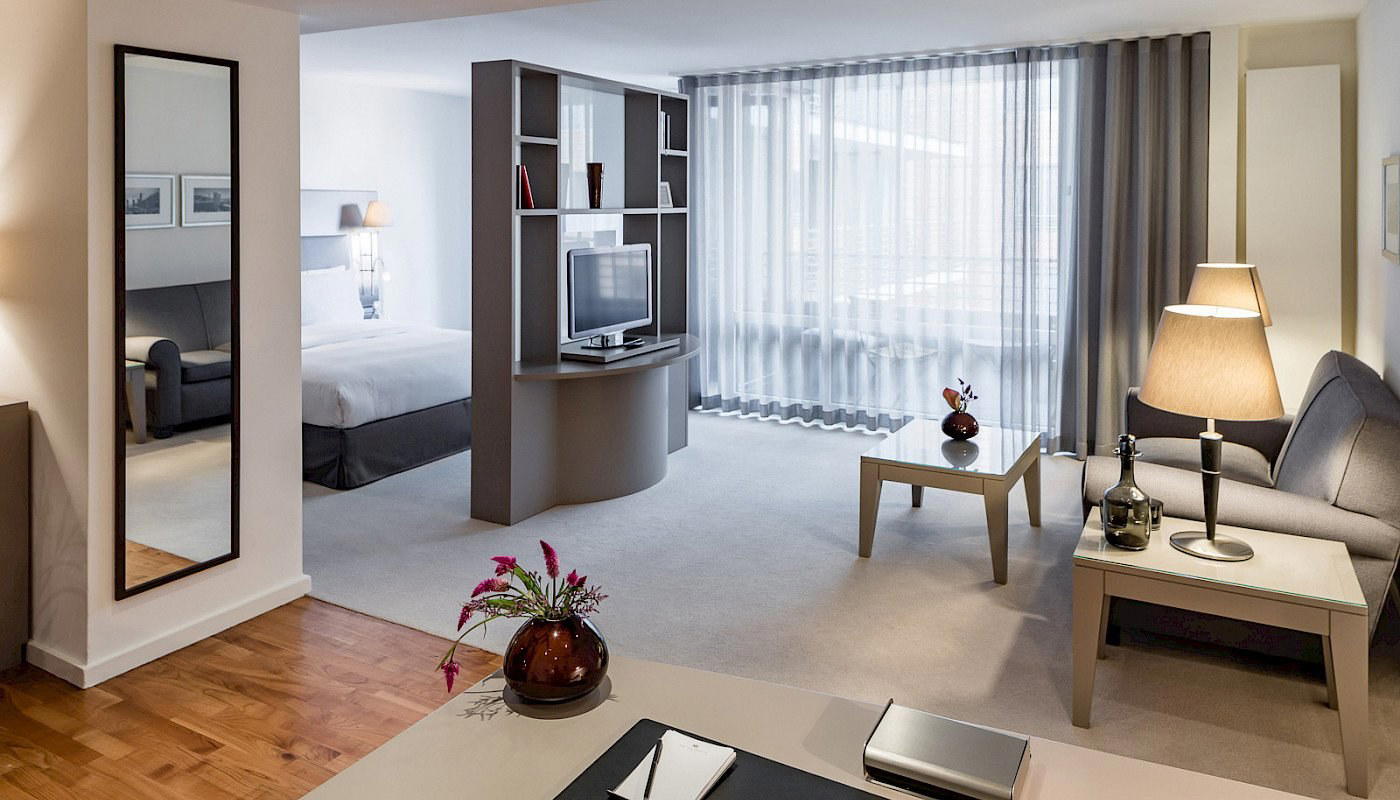
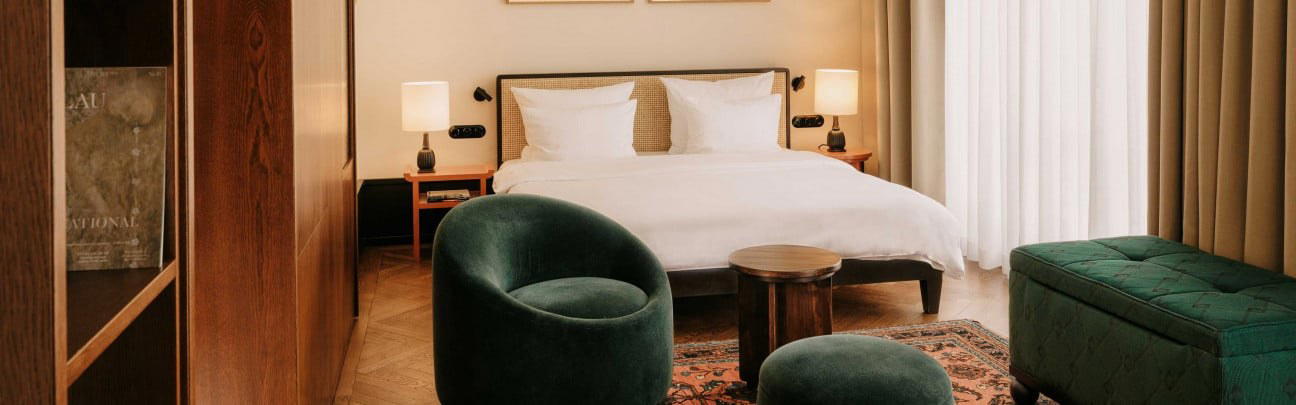
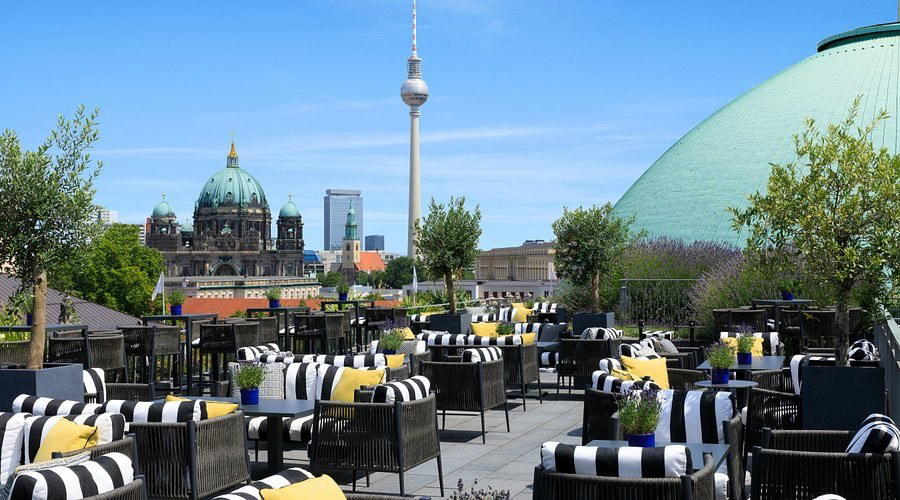
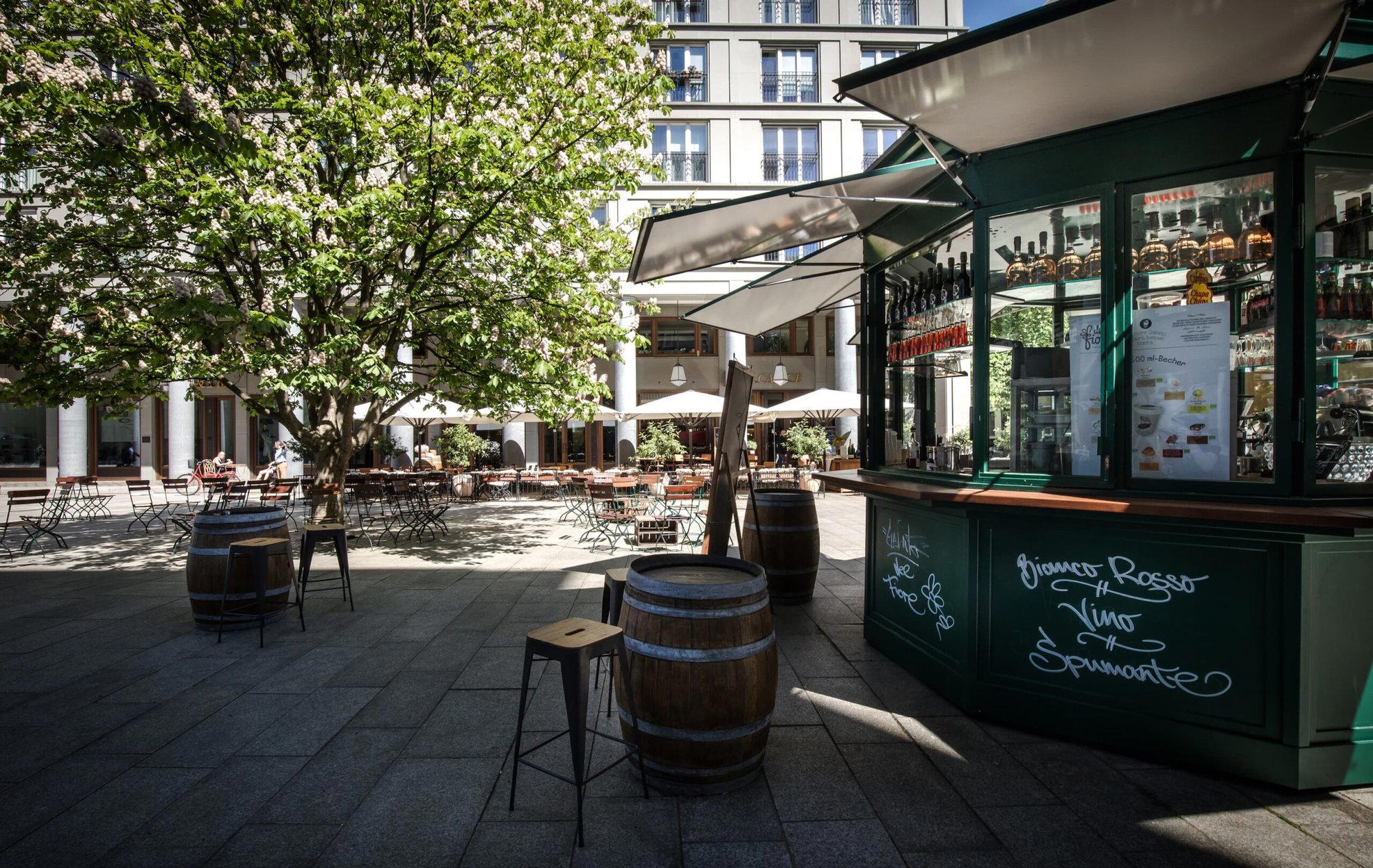
Modern, chic design with warm lighting and luxurious simplicity; busy with energy from the open kitchen and professional service creating an upscale yet comfortable atmosphere