
A Michelin Plate-recognised Thai restaurant on Rama IX Soi 51, Mhom operates in the home-style cooking register that Bangkok's neighbourhood dining scene does better than almost anywhere. The terrace and air-conditioned interior accommodate different paces of eating, while a shareable menu built around bold, balanced flavours draws a steady local following. Dinner reservations are recommended.
Pearl is the En Primeur Club membership app — saves, bookings, and concierge access live there. Same editors, same standards.
- Address
- 125 Rama IX Soi 51, Suanloung, Suan Luang, Bangkok 10250, Thailand
- Phone
- +66 83 932 8045
- Directions
- Get directions
 Saves & bookings on Pearl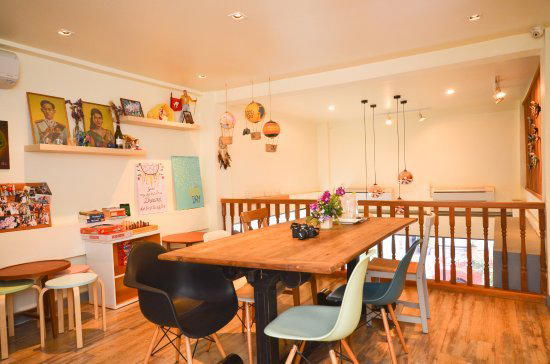
A Suan Luang Table Worth Tracking Down
Bangkok's most interesting Thai restaurants in 2025 are not concentrated in the hotel corridors of Silom or the tourist-facing blocks of Sukhumvit. A quieter, more considered tier has been consolidating in outer residential districts, where rents allow for terrace space, where regulars set the pace, and where the cooking answers to neighbourhood appetite rather than the demands of a prix-fixe tasting format. Suan Luang, the district that contains Rama IX Soi 51, belongs to that pattern. Mhom sits on that street as a working example of what Bangkok's home-style dining tradition looks like when it receives formal recognition.
The 2025 Michelin Plate confirms what a local following had already established. In Bangkok's Michelin ecosystem gives Plate recognition at a neighbourhood Thai address a specific signal: the food meets a consistent technical standard without repositioning toward the tasting-menu formats that dominate the starred tier. Venues like Nahm and Samrub Samrub Thai operate at higher price points and with explicit archival or conceptual ambitions. Mhom's register is different: the goal is the kind of food a skilled Thai household produces for guests, delivered consistently and in a room designed for that kind of eating.
The Physical Container: Terrace, Interior, and How the Space Shapes the Meal
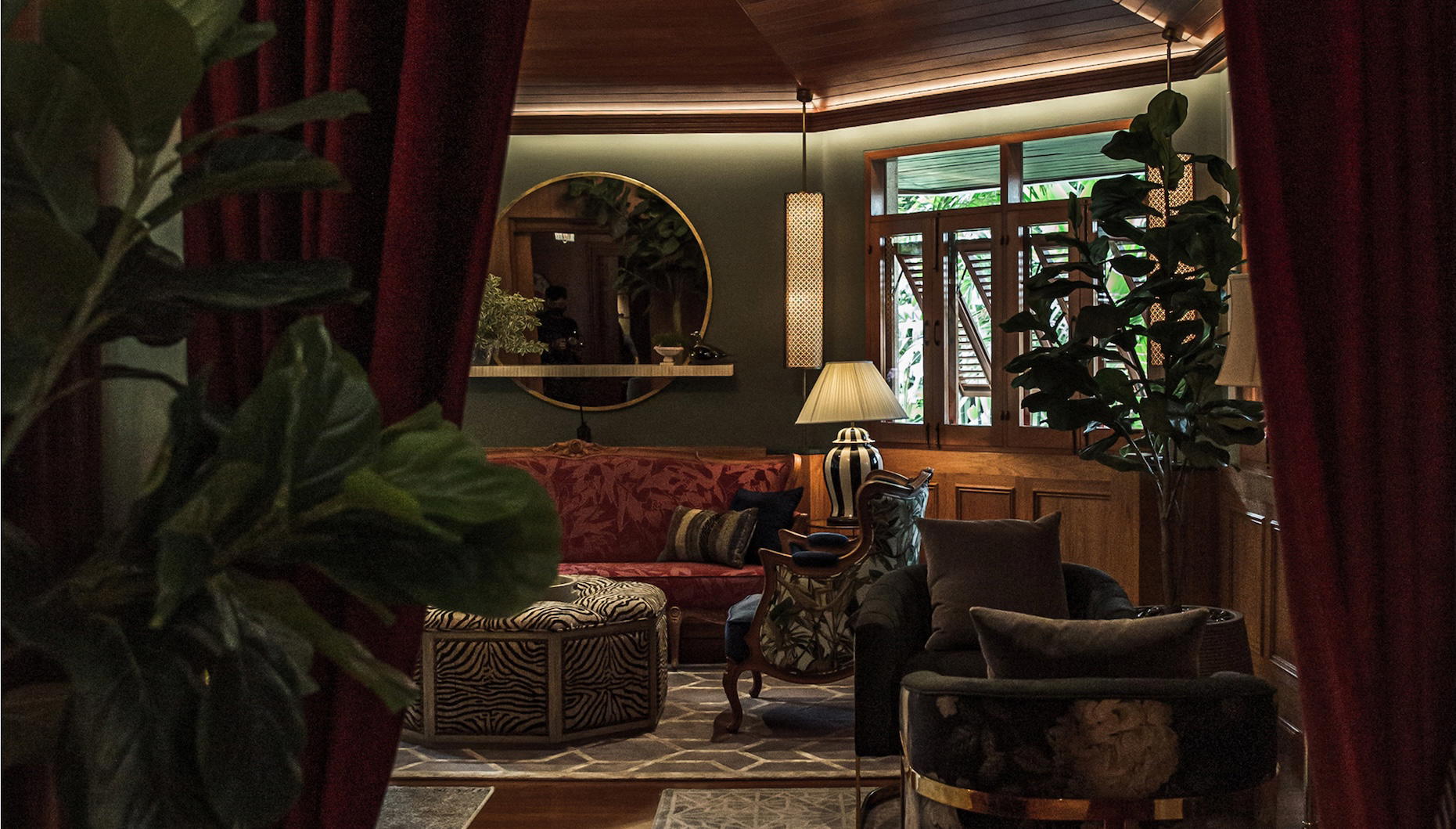
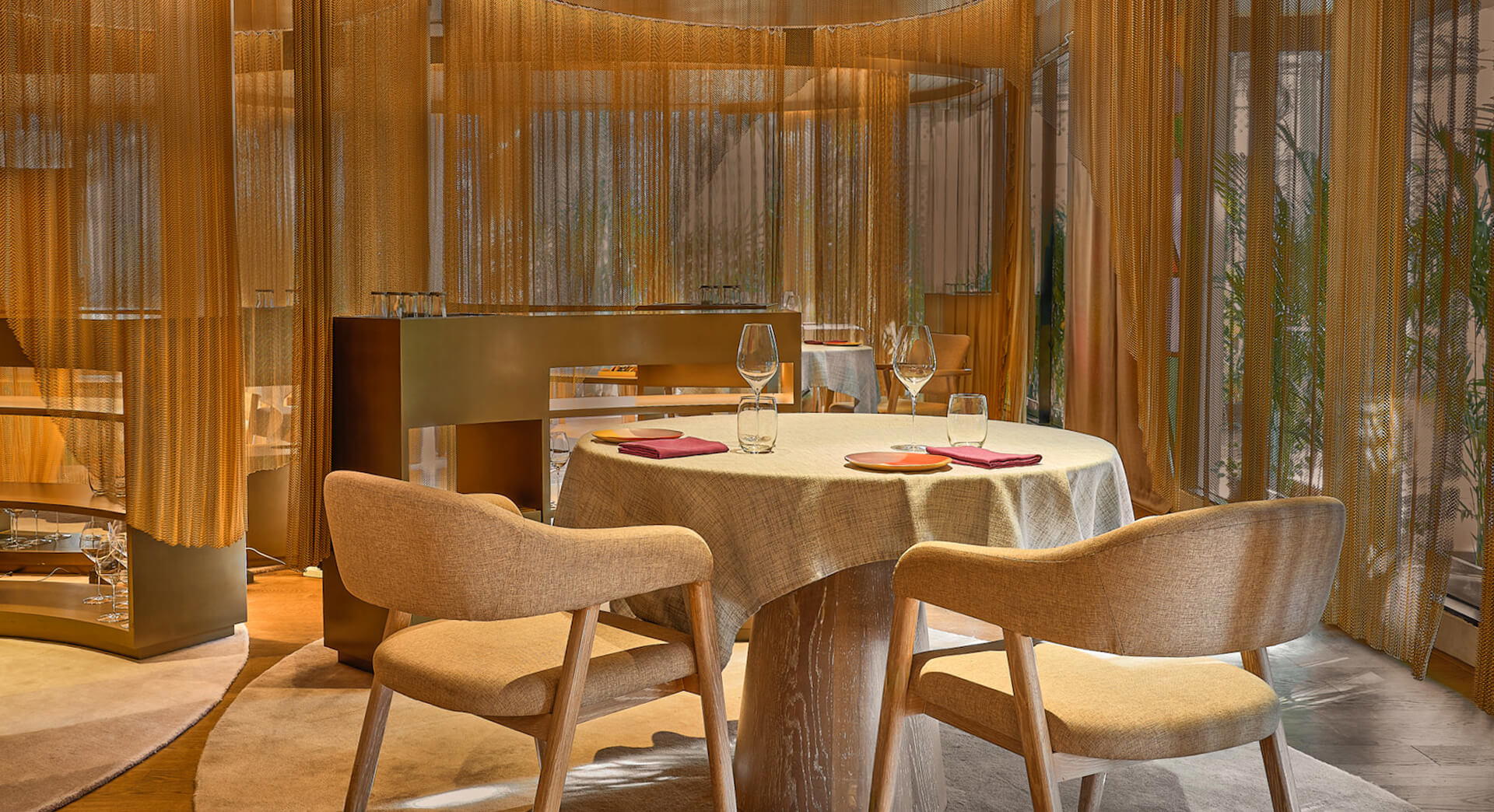
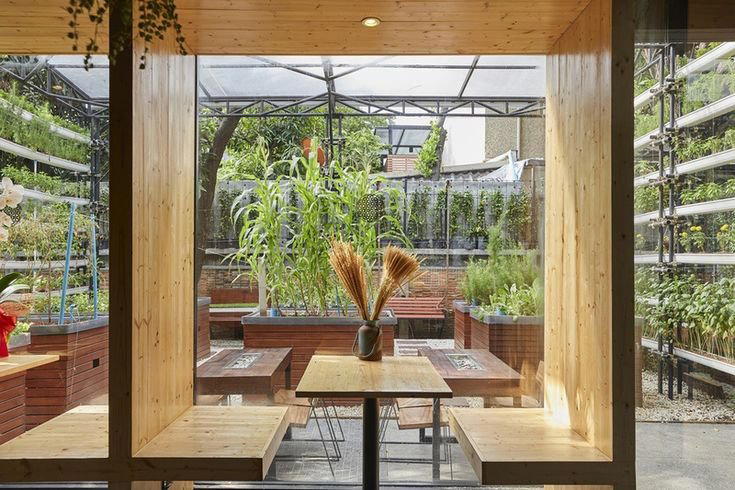
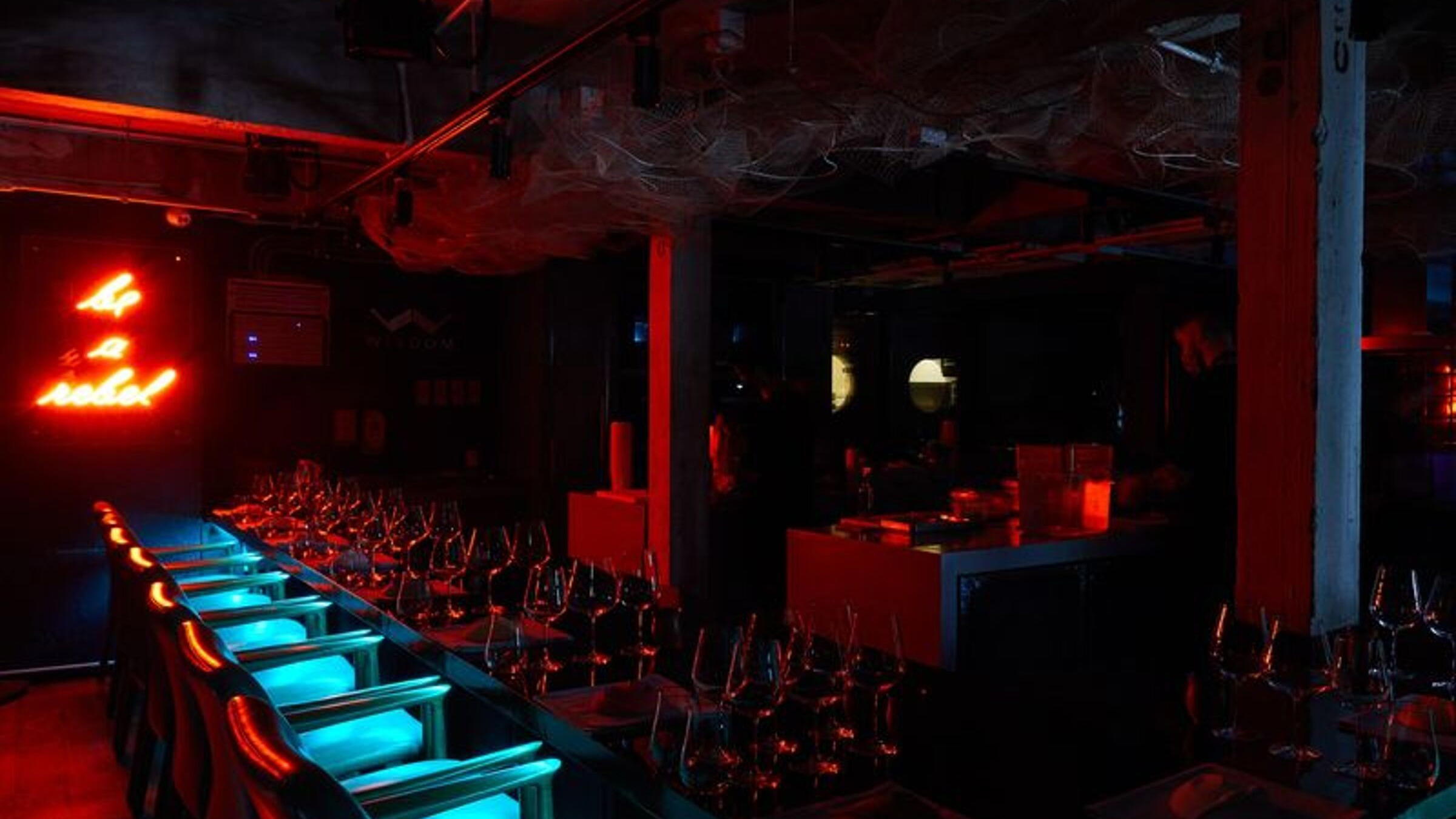
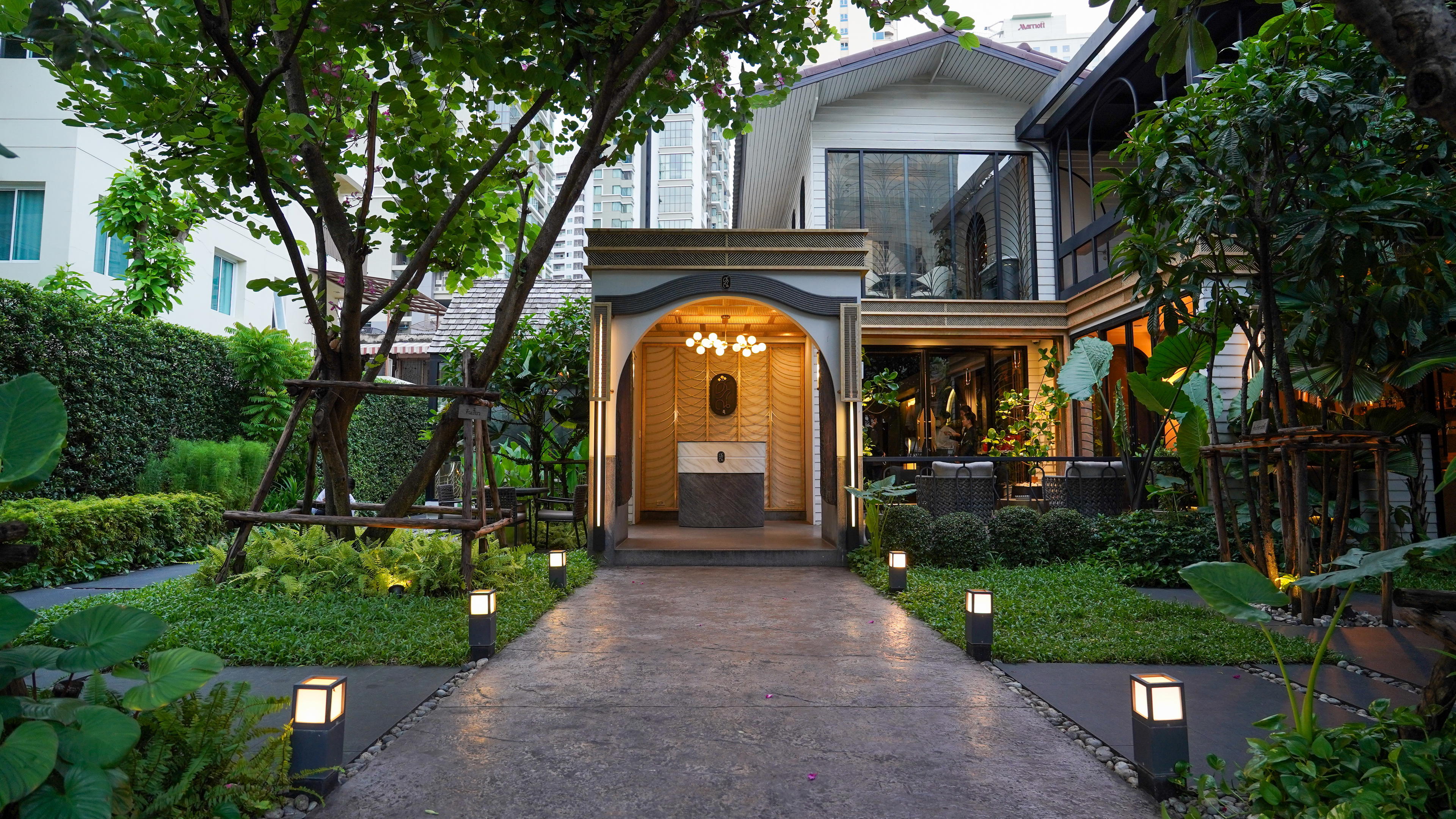
In Bangkok's home-style restaurant category, the physical arrangement of a space is rarely incidental. The tension between outdoor and indoor seating in tropical dining tends to define the entire rhythm of a meal: who arrives when, how long they stay, what temperature the food is expected to hold. Mhom resolves this with a layout that pairs an inviting terrace with a separately air-conditioned interior, a combination that allows two different experiences to coexist without either compromising the other.
The terrace functions as the social front of the restaurant, where the approach to the meal is relaxed and tied to the neighbourhood's outdoor character. Bangkok evenings from November through February make open-air seating genuinely comfortable, and a terrace in Suan Luang at that time of year reads differently from one in the tourist-dense centre. The air-conditioned interior, by contrast, offers a more controlled environment for those who prefer to focus on the food without the variables of outdoor dining. Neither option subordinates the meal: the menu and its shareable format work in both rooms.
The shareable menu reinforces how the space operates. Dishes arrive as they are ready, distributed across the table without a fixed sequence, and the pace of the meal is set by the group rather than by service choreography. This is the spatial and culinary logic of Thai family dining transported into a small-restaurant format, and it requires a room that can hold that kind of movement without feeling disordered. The dual-zone layout at Mhom answers that requirement directly.
What the Menu Argues
Bangkok's Michelin-recognised Thai restaurants now occupy several distinct registers. At the summit of the price tier, restaurants such as Aksorn and Chim by Siam Wisdom apply curatorial or heritage-focused frameworks to Thai cooking. Further along, Saneh Jaan operates as a refined showcase of Central Thai cuisine with a price point to match. Mhom occupies a different bracket entirely: the ฿฿ price range positions it as an accessible neighbourhood destination, not an occasion restaurant.
The menu centres on shareable dishes built around bold, balanced flavours, the calibration that separates Thai home cooking from either the simplified tourist-facing version or the restrained fine-dining interpretation. The Michelin entry draws specific attention to the green curry with pork ribs. Green curry in this form, slow-cooked until the ribs yield properly, requires time and technique that are not shortcuts to execute. The fact that it is cited as a highlight by the Michelin inspectors, rather than a more photogenic or contemporary preparation, says something about where the kitchen's confidence sits.
The price tier means a full shared meal here costs a fraction of what Bangkok's tasting-menu tier charges per head. Among Thai restaurants in Thailand more broadly, this kind of cooking has counterparts in places like AKKEE in Pak Kret and Aeeen in Chiang Mai, each working in a regional register with a local audience in mind. Internationally, the question of what Thai home cooking looks like outside Thailand is addressed by restaurants such as Boo Raan in Knokke and Kin Khao in San Francisco, though both operate in entirely different market contexts.
The Neighbourhood and How to Place It
Suan Luang sits in Bangkok's eastern residential belt, away from the concentration of hotel-restaurant clusters that dominate the city's dining coverage. This is not a dining district in the conventional sense: there is no street-food corridor, no cluster of cocktail bars drawing the late crowd. What the area has is a functional residential character, the kind of neighbourhood where a restaurant succeeds because locals return rather than because it appears in a hotel concierge list. That context shapes the atmosphere inside Mhom: the room reads as a local destination first, which tends to produce more calibrated cooking and more attentive service than restaurants whose audience is predominantly transient.
For visitors staying in central Bangkok, the address requires a deliberate trip. That means committing to Suan Luang specifically, which is worth doing for a restaurant that operates at this price point with Michelin recognition. Bangkok has many options in the central districts, and But the outer-district Thai addresses represent a different kind of eating: lower prices, more neighbourhood context, less performance. Mhom fits squarely in that tier.
Elsewhere in Thailand, PRU in Phuket and Angeum in Ayutthaya represent the country's wider dining range, while Agave in Ubon Ratchathani and The Spa in Lamai Beach extend the picture to the country's less-covered regions.
Know Before You Go
- Address: 125 Rama IX Soi 51, Suan Luang, Bangkok 10250, Thailand
- Price range: ฿฿ (mid-range; shareable dishes)
- Recognition: Michelin Plate 2025
- Reservations: Recommended for dinner
- Seating: Terrace (outdoor) and air-conditioned interior
- Format: Shareable Thai home-style dishes
- Highlighted dish: Green curry with pork ribs 8 from 672 reviews
Peers in This Market
Comparable venues nearby, for context on price, style, and recognition.
| Venue | Cuisine | Price | Notes |
|---|---|---|---|
| MhomThis venue — the venue you are viewing | Refined Thai Home Cooking | $$$ | Not listed |
| Grok | Modern Ratchaburi Thai | $$$ | Makkasan |
| Err: Urban Rustic Thai | Modern Urban Rustic Thai | $$$ | Khlong Tan |
| KAENKRUNG | Modern Isaan Thai | $$$ | Sirirat |
| Ma Maison | Authentic Thai Home Cooking | $$$ | Makkasan |
| MAMA YAYA | Authentic Southern Thai with Peranakan Influences | $$ | Lat Phrao Khwaeng |
Recognition history
Dated appearances from independent guides and award organizations, with the underlying list record or original source where available.
Michelin Plate
Michelin
Michelin Plate
Michelin
At a Glance
- Intimate
- Elegant
- Cozy
- Modern
- Date Night
- Special Occasion
- Group Dining
- Terrace
- Craft Cocktails
- Garden
Current opening hours
- Monday
- 11 AM–2:30 PM, 4:30–10:30 PM
- Tuesday
- 11 AM–2:30 PM, 4:30–10:30 PM
- Wednesday
- 11 AM–2:30 PM, 4:30–10:30 PM
- Thursday
- 11 AM–2:30 PM, 4:30–10:30 PM
- Friday
- 11 AM–2:30 PM, 4:30–10:30 PM
- Saturday
- 11 AM–10:30 PM
- Sunday
- 11 AM–10:30 PM
Hours can change for holidays and private events. Last verified .
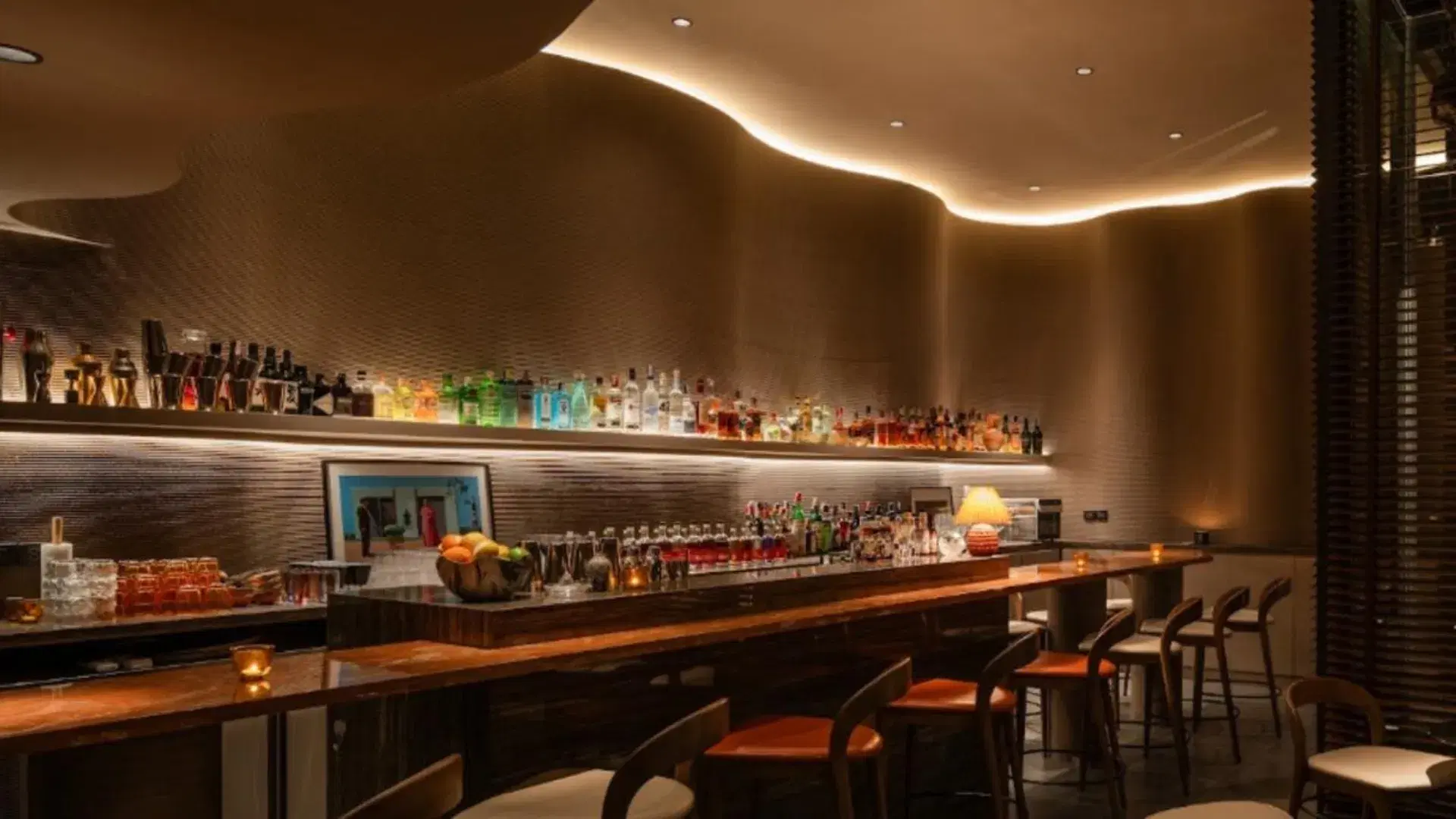
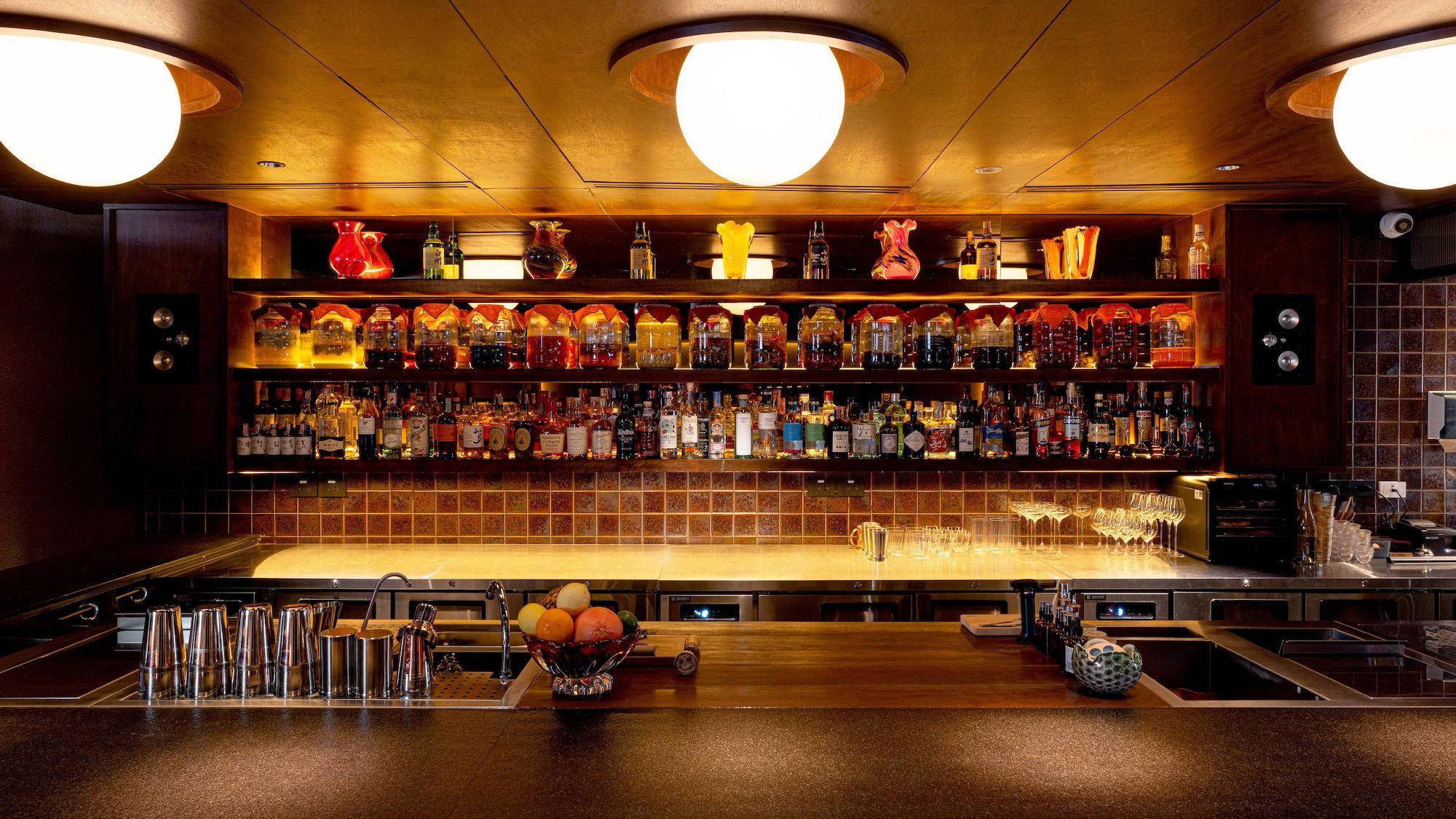
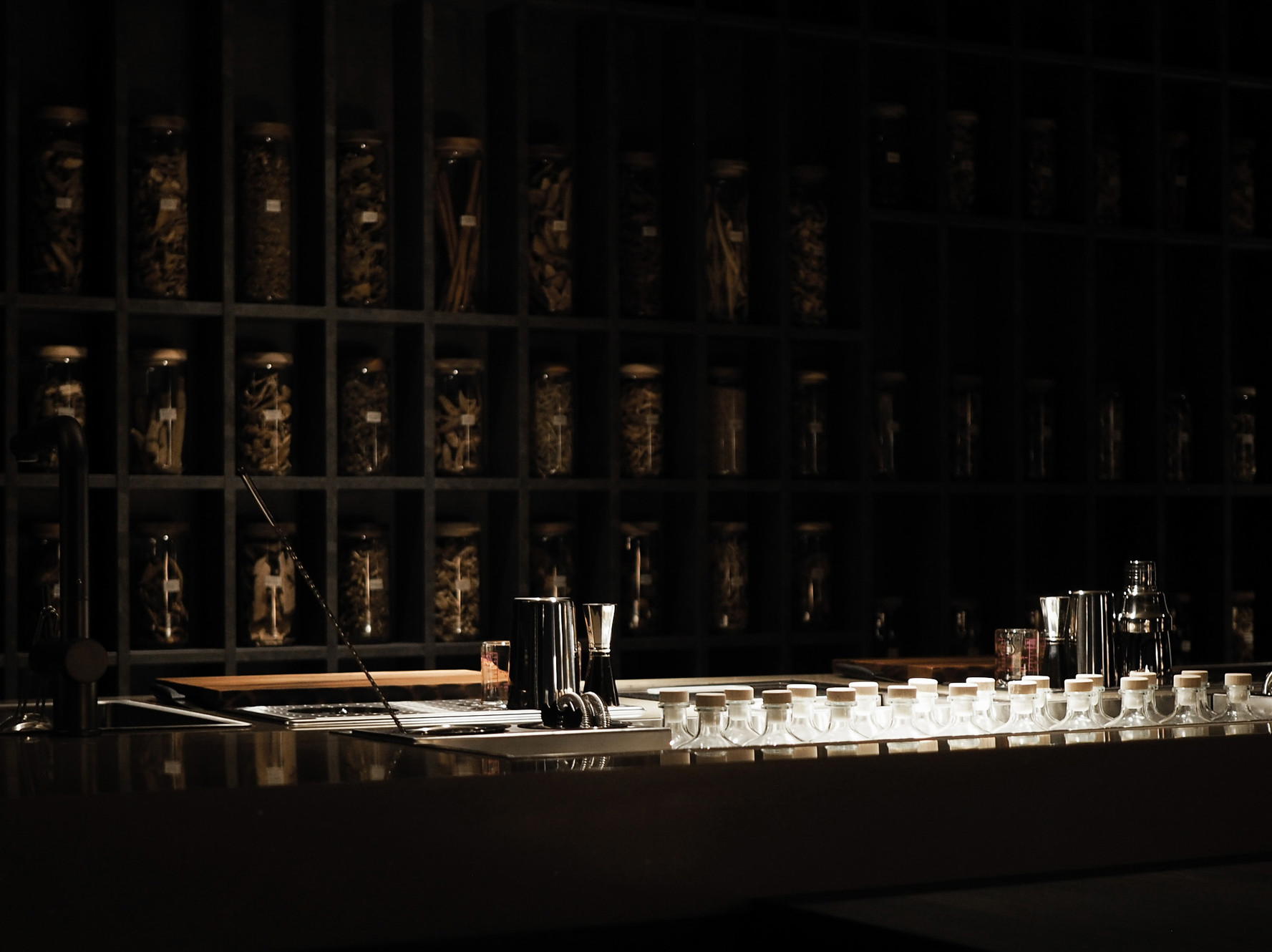
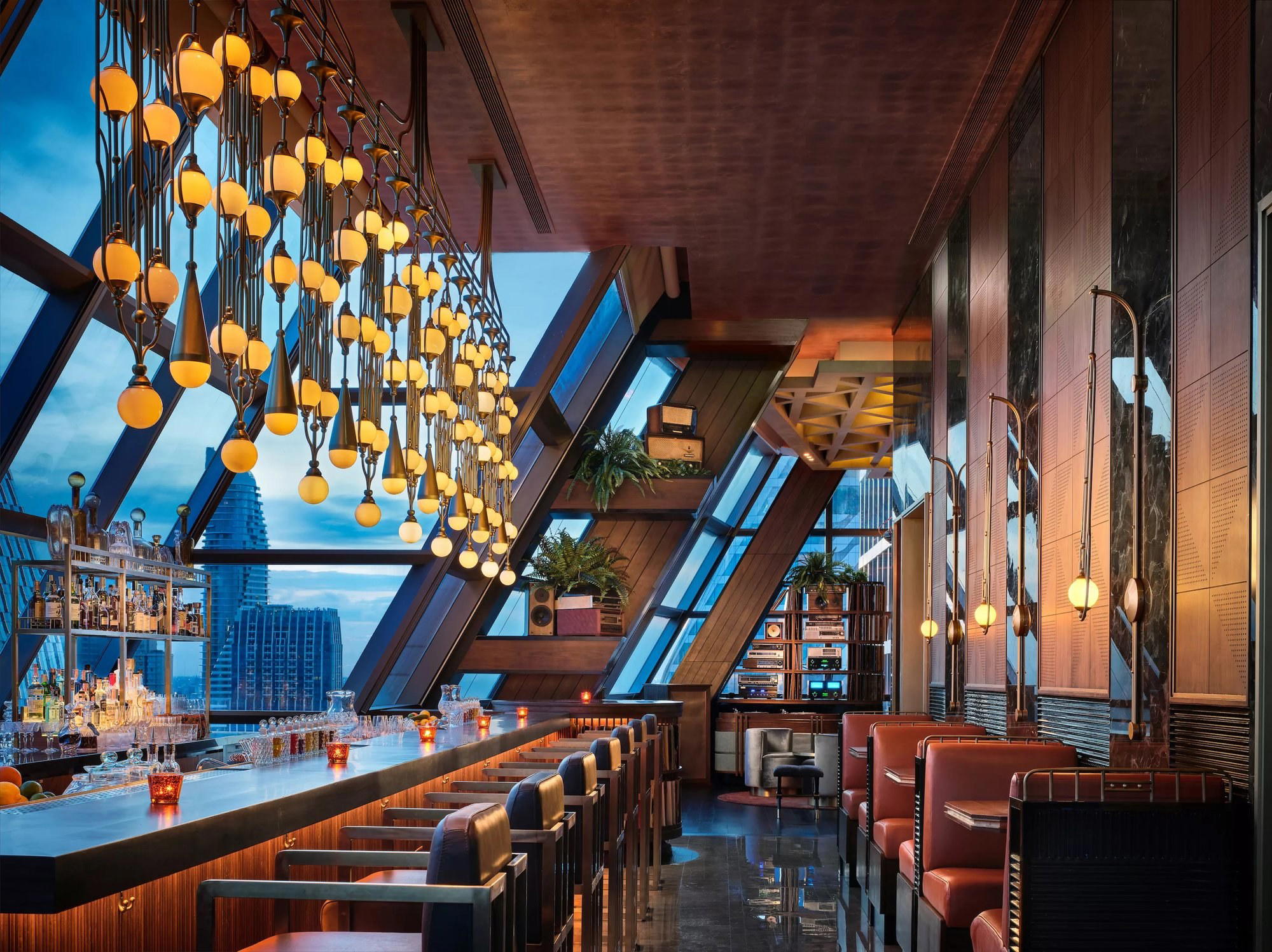
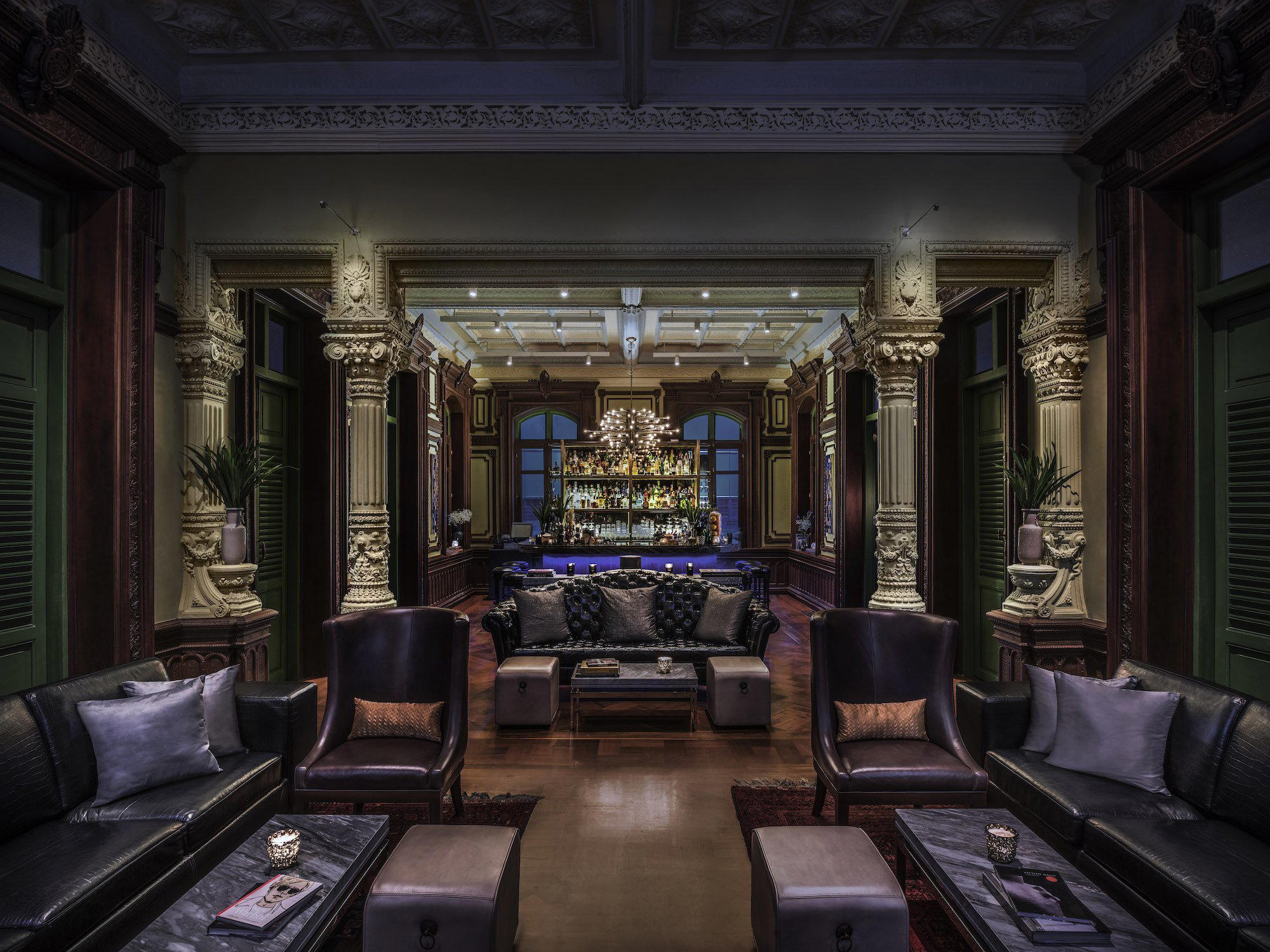
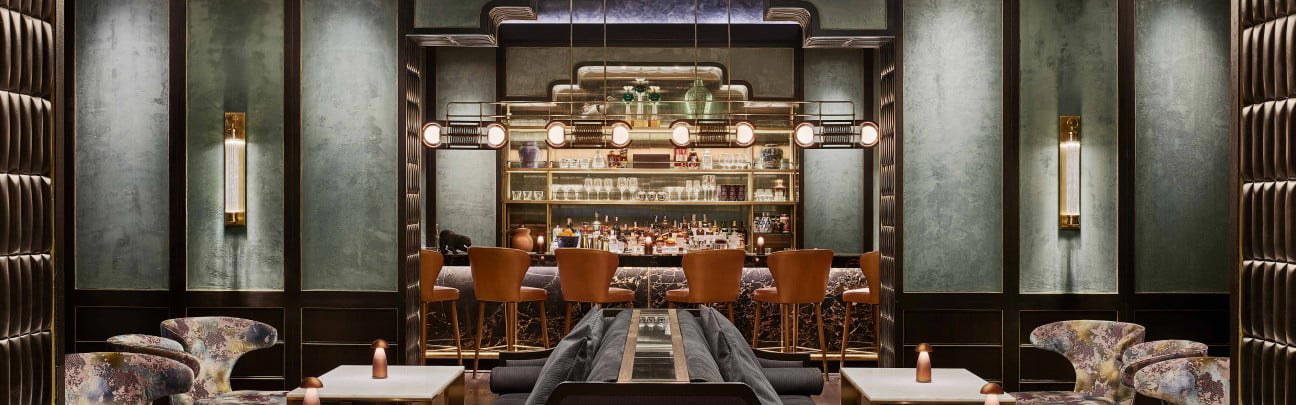
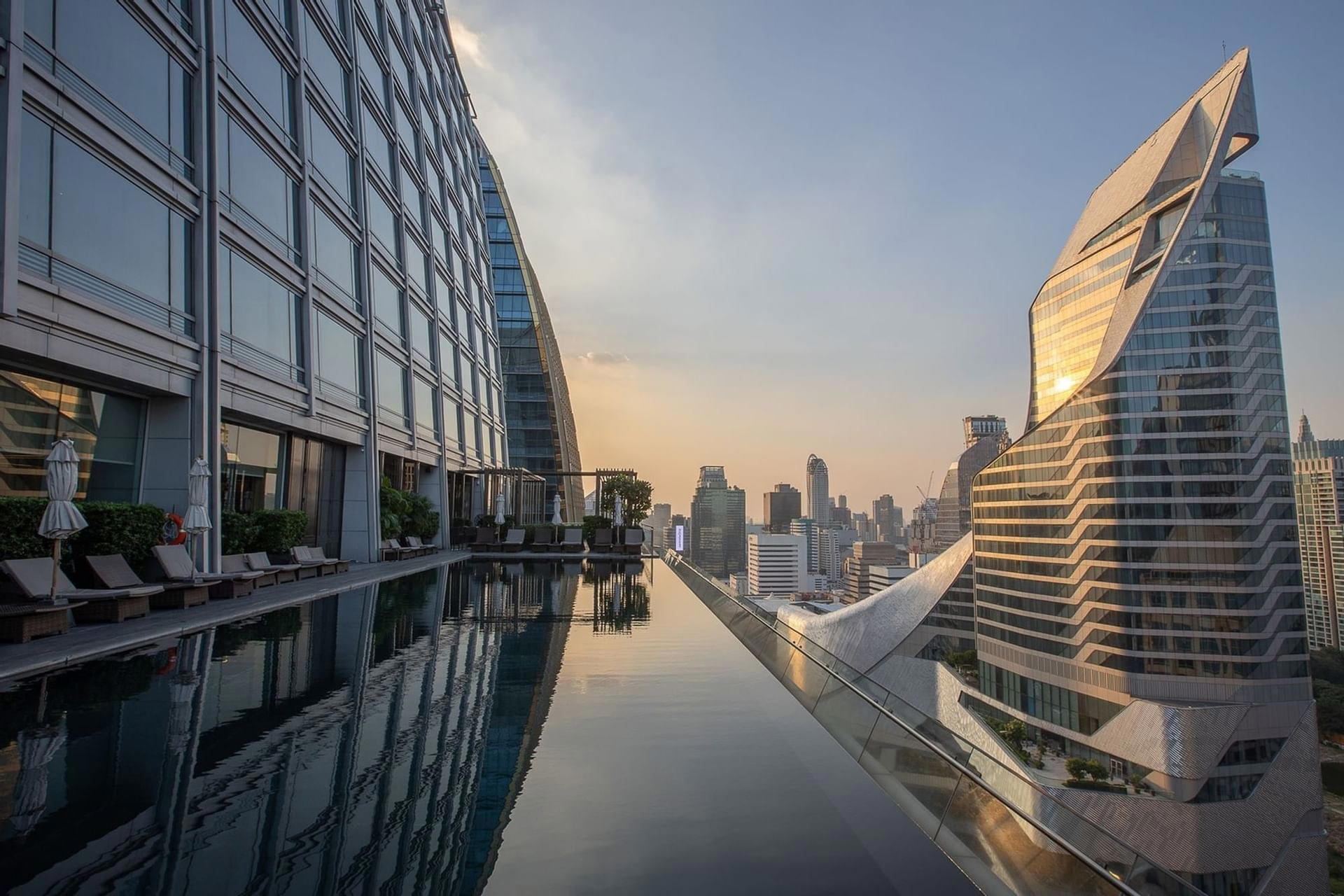
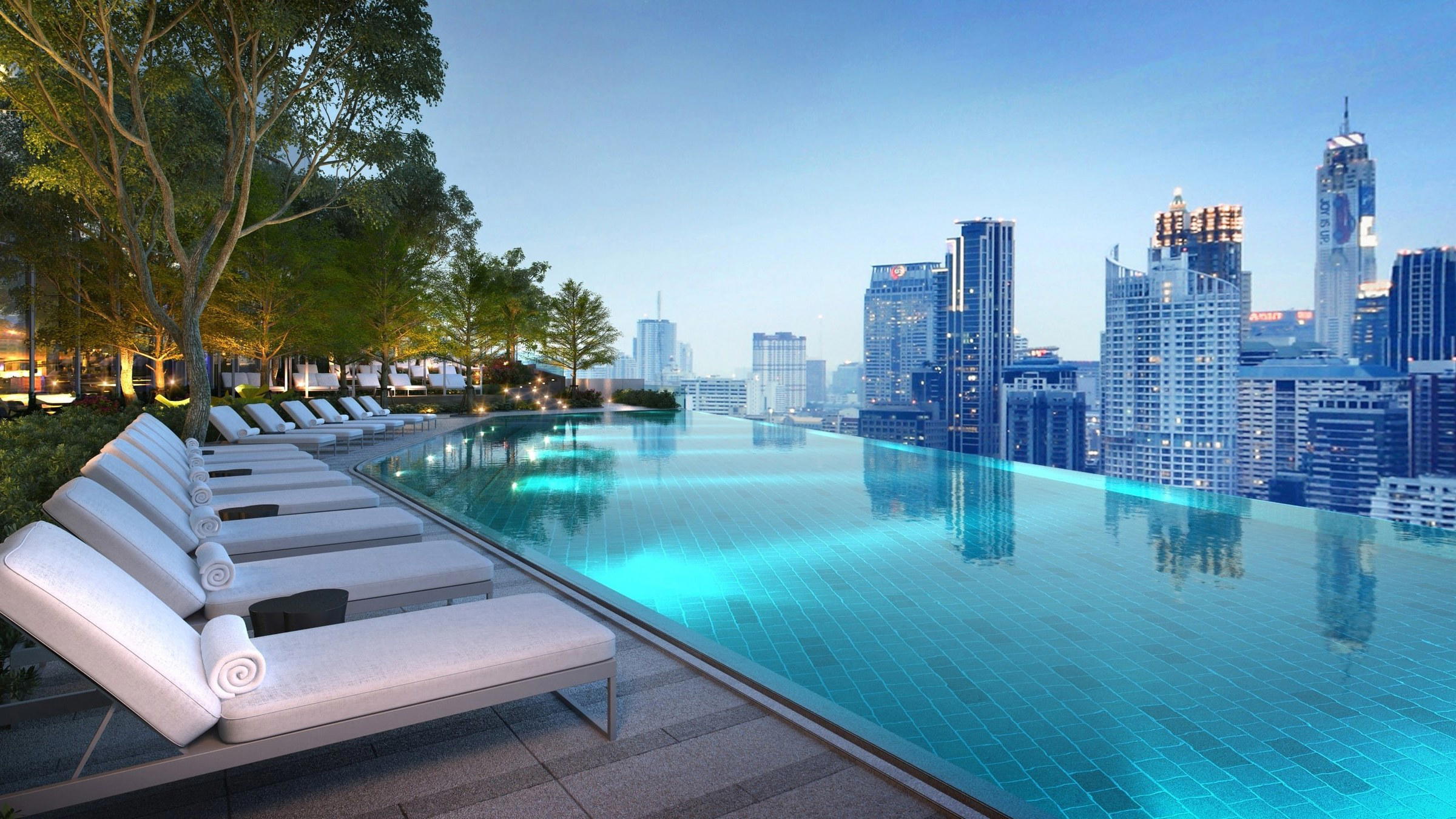
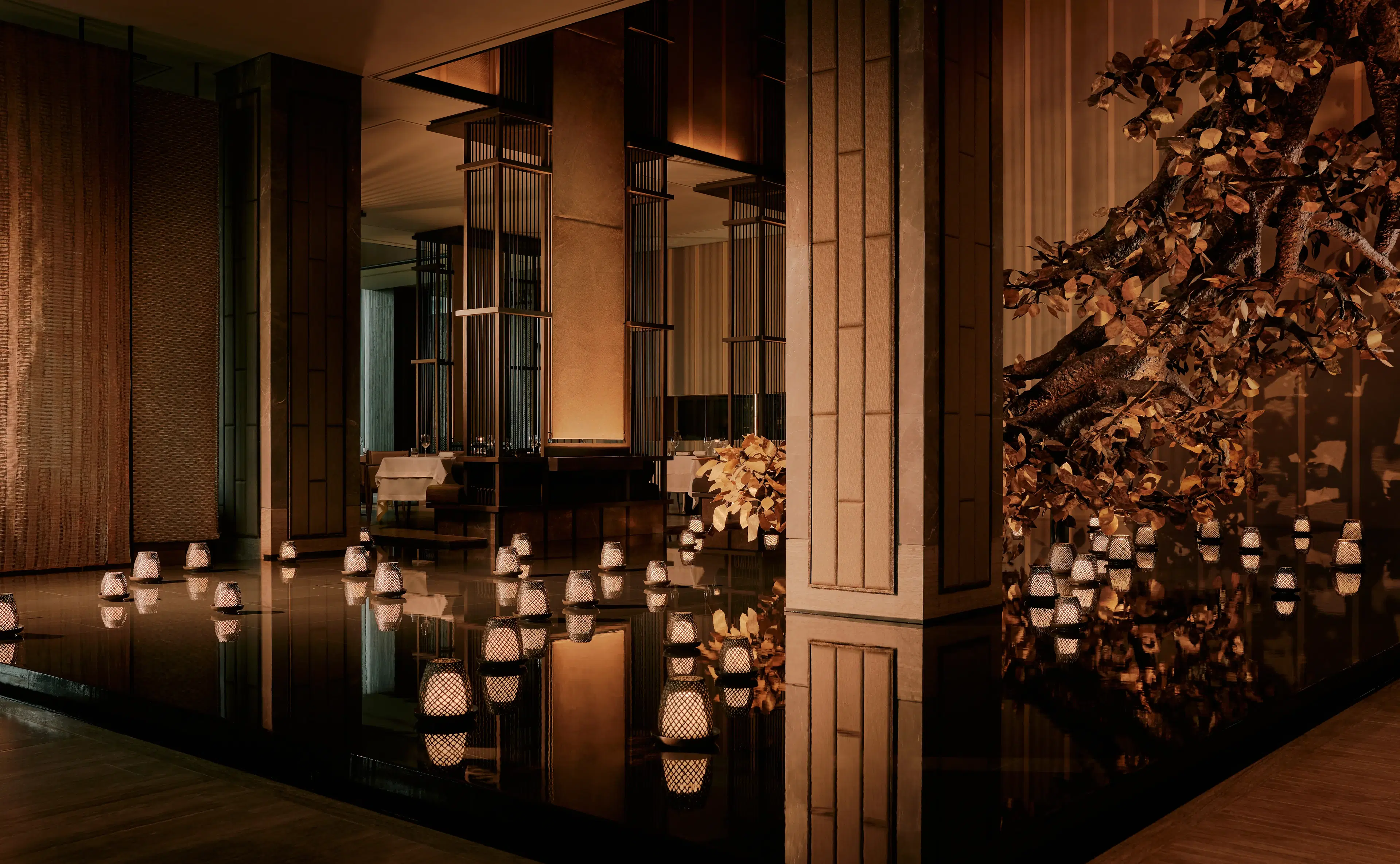
Soft lighting, natural textures, and subtle fragrance create a cocoon of ease on the inviting terrace or cool air-conditioned interior.