
Michelin Plate
Our verdict
Grok brings Ratchaburi's regional Thai cooking into Bangkok's Lumphini dining circuit, framing intense herb-forward flavours and provincial technique within a dark-toned, wood-clad room on Soi Somkid. Holding consecutive Michelin Plate recognition in 2024 and 2025, it operates at the mid-price tier where ingredient provenance and regional specificity matter more than tasting-menu spectacle. Duck confit with red curry and five-peppercorn minced chicken thigh are the dishes Michelin's inspectors flagged for good reason.

Pearl is the En Primeur Club membership app, where members save venues, book tables and use the concierge.
The menu
What to order
- Duck Confit in Red Curry Sauce with Fruits
- Crispy Grilled Beef
- Ratchaburi Snakehead Fish
Wood, Herb, and the Provinces: How Grok Makes the Case for Ratchaburi
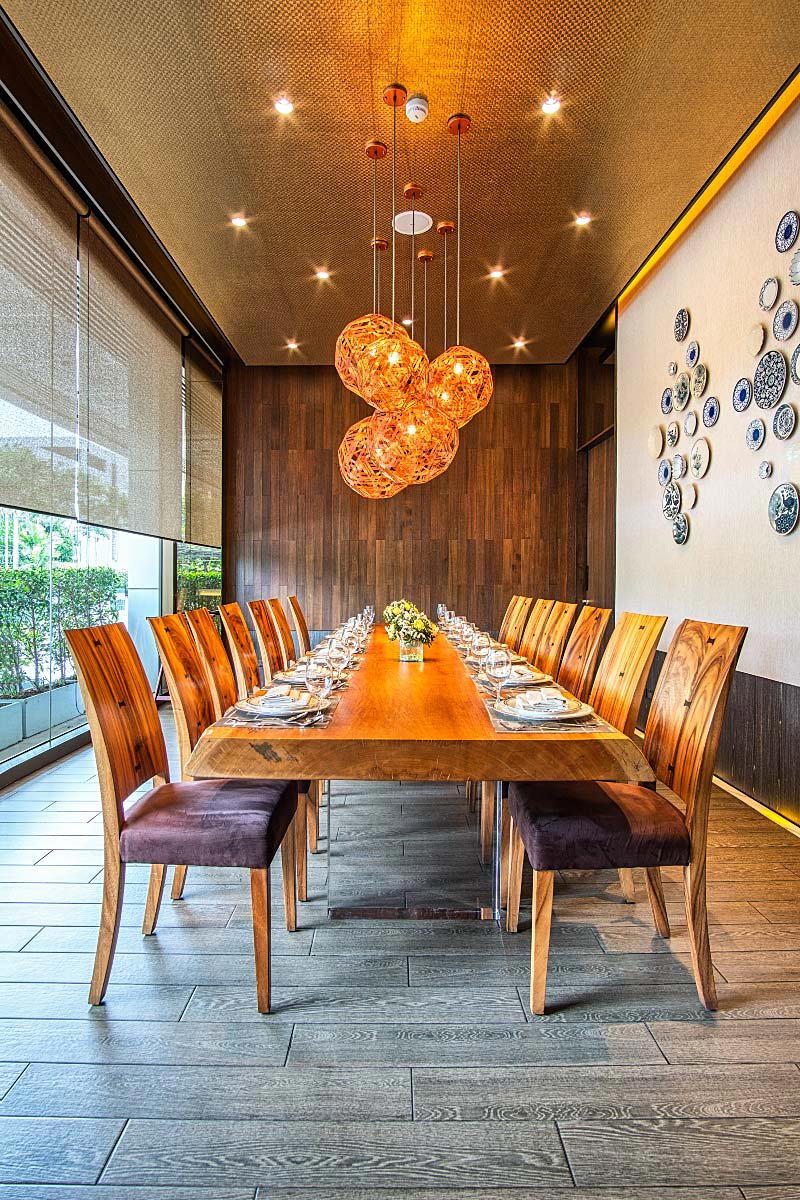
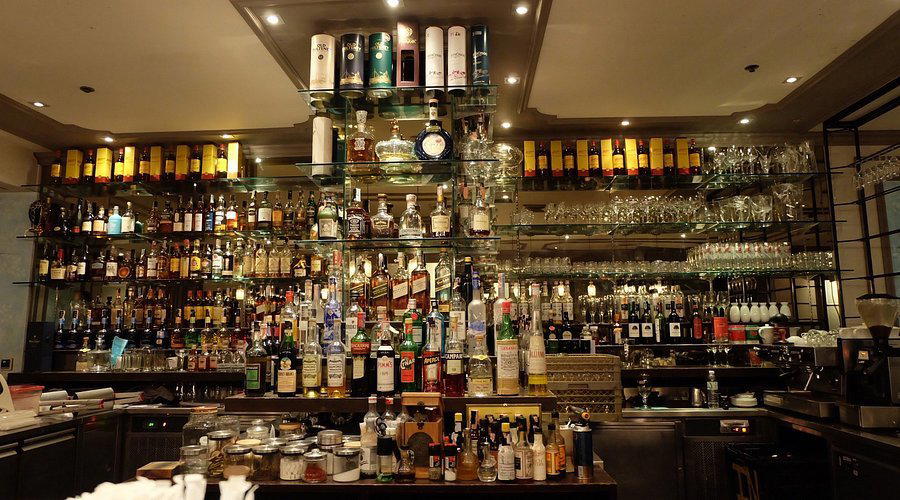
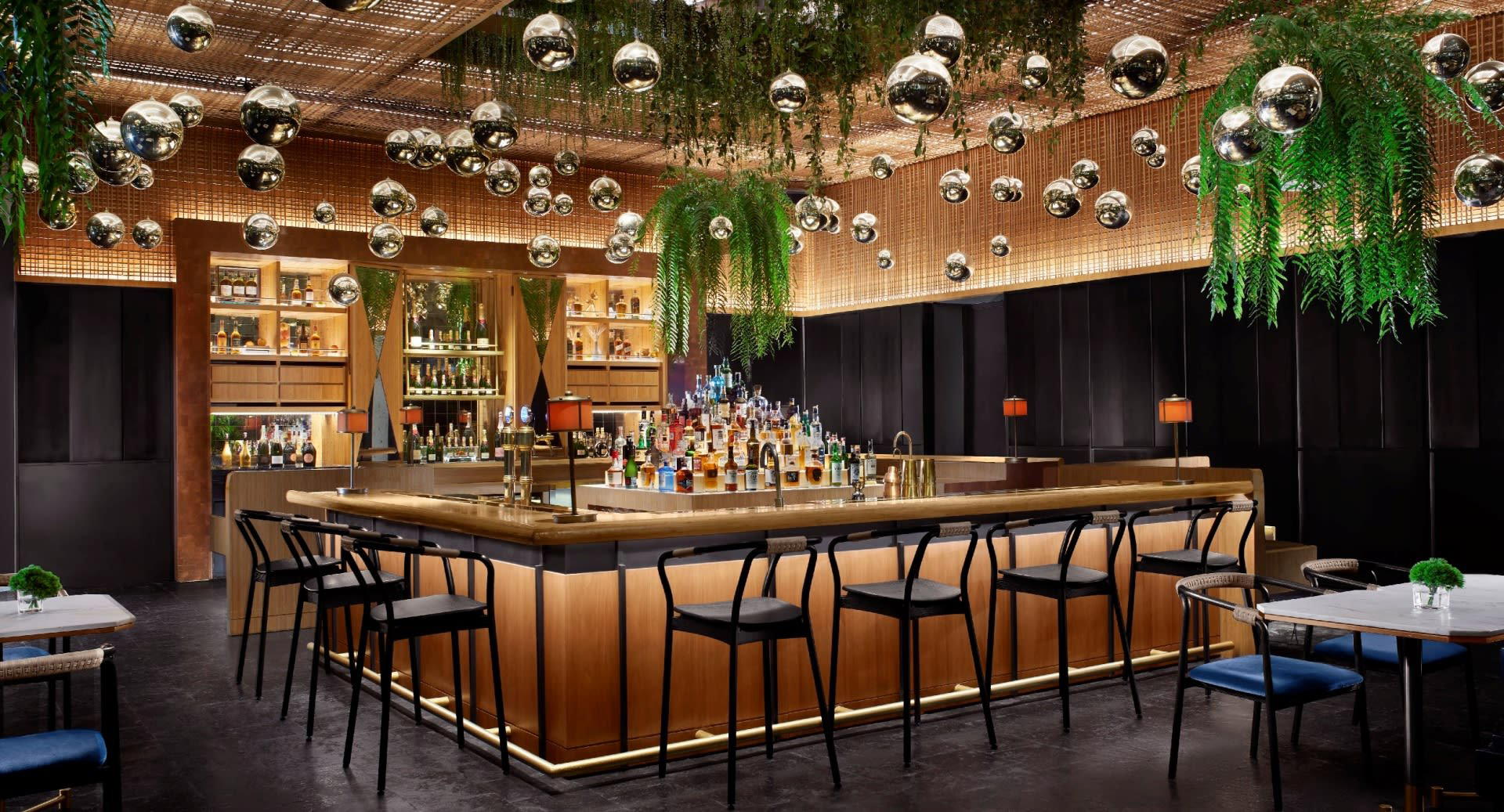
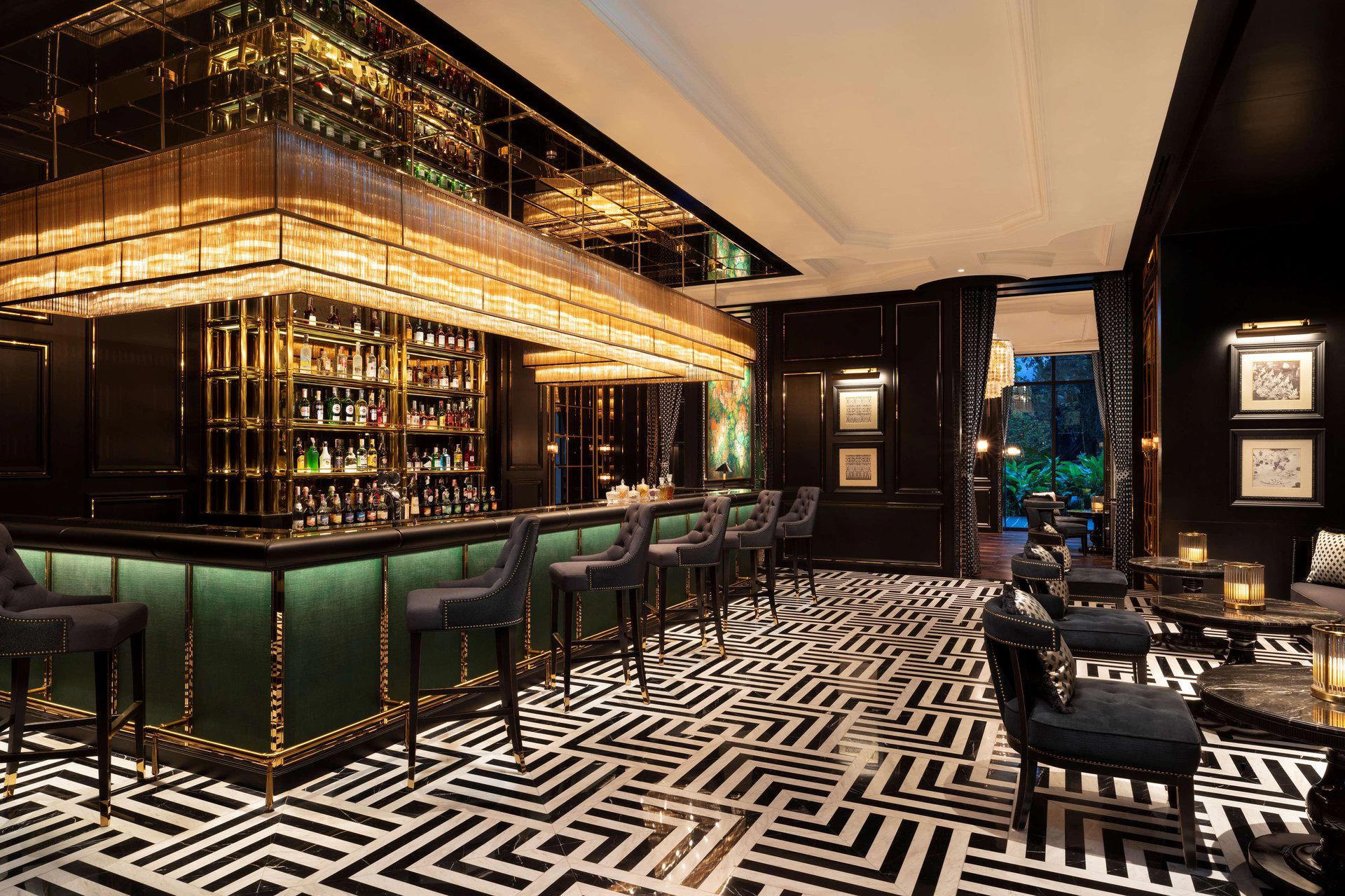
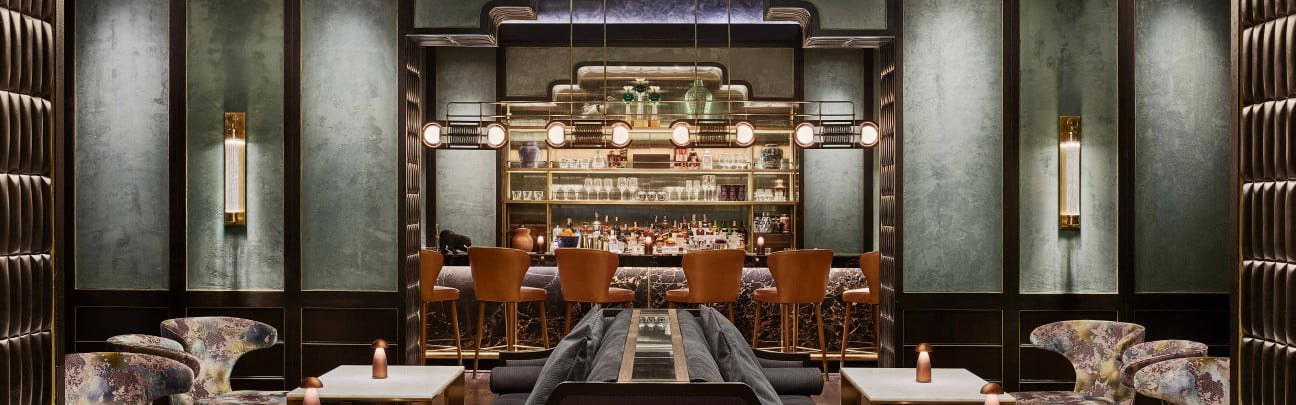
The first thing that registers on Soi Somkid is a shift in register. Lumphini and the wider Pathum Wan district host Bangkok's most competitive restaurant corridor, where a short walk can take you from tasting-menu counters running five-figure bills to neighbourhood rice shops that have outlasted several economic cycles. Grok occupies a considered middle position in that range, and the room signals this from the entrance: dark tones, wood-clad walls, and lighting calibrated to feel like late evening regardless of the hour outside. It reads as nostalgic without being sentimental, the kind of atmosphere that focuses attention on the table rather than the décor.
That atmosphere also frames a specific editorial point about Bangkok dining in 2024 and 2025. The city's Thai fine-dining circuit has long tilted toward southern Thai cooking, Sorn holds three Michelin stars for its deep-south sourcing discipline, and toward royal Thai or central Thai cuisines associated with Bangkok itself. Ratchaburi, the western province roughly 100 kilometres from the capital, gets far less attention in that conversation. Grok's decision to build its menu around that region's food is, in the context of where the city's dining is heading, an act of meaningful editorial curation.
Ratchaburi on the Plate: What Regional Thai Provenance Actually Means
Ingredient sourcing in serious Thai cooking is not simply a procurement question. It is a statement about which flavour traditions a kitchen treats as worth preserving. Ratchaburi's cooking shares the intensity of central Thai cuisine but carries distinct character through its use of river fish, fermented shrimp pastes particular to the region, and a set of herbs that appear less frequently in Bangkok restaurant menus than they do in provincial markets. When Grok's kitchen describes the menu as a modern take on Ratchaburi cuisine, the weight of that claim rests on whether the ingredients themselves carry the regional signature or whether the style has been smoothed into something more broadly palateable.
The Michelin Plate recognition in both 2024 and 2025 suggests the kitchen is holding its position. The Plate designation, which Michelin awards to restaurants offering food of good quality rather than the starred tier, functions in Bangkok's market as a reliable mid-tier signal. It places Grok below the starred cohort, Sorn, Baan Tepa at two stars, Sühring and Gaa, but distinguishes it clearly from the city's sprawling casual Thai market. For a restaurant working with a regional cuisine that most Bangkok diners would not identify by name, consecutive recognition of that kind is a meaningful anchor.
The dishes that Michelin's inspectors flagged are instructive about how the kitchen mediates between regional tradition and contemporary technique. Duck confit with red curry is a construction that borrows a French preservation method and places it inside a sauce tradition that is distinctly Thai and, in this case, specifically Ratchaburi in its spice and herb profile. The stir-fried minced chicken thigh with Thai herbs and five peppercorns is a closer reading of provincial technique: peppercorns at that intensity require confidence in the sourcing and in the diner's tolerance for heat that builds rather than dissipates. Both dishes sit at the intersection where the kitchen's argument is clearest, that the region's ingredients carry enough character to hold attention in a modern restaurant format.
Where Grok Sits in Bangkok's Mid-Tier Thai Scene
Bangkok's mid-price Thai restaurant tier is competitive in a way that the starred end of the market is not. The ฿฿ price range, where Grok operates, is where the city's most opinionated diners argue most fiercely about authenticity, value, and which kitchens are actually cooking from a place of knowledge rather than market positioning. Chim by Siam Wisdom and Saneh Jaan both operate in overlapping terrain, emphasising traditional Thai technique with varying degrees of formal presentation. Samrub Samrub Thai goes further into research-led heritage recovery. Aksorn takes a different approach, drawing on mid-century Thai-Chinese cookbook culture.
Grok's distinguishing position is the regional specificity of Ratchaburi rather than a claim about Thai cooking in general. That specificity carries risk, a diner unfamiliar with the province's food has no personal benchmark against which to measure authenticity, but it also creates a coherent identity in a segment where many restaurants are competing on the same central Thai vocabulary.
For context on how regional Thai cooking is being pursued elsewhere in the country, AKKEE in Pak Kret and Aeeen in Chiang Mai offer parallel cases where local ingredient traditions are the primary frame. Further afield, PRU in Phuket takes a farm-sourcing approach that shares some of Grok's concern with provenance, though in a considerably different price tier and format. Thai cooking translated for international contexts appears at Boo Raan in Knokke and Kin Khao in San Francisco, where the distance from source ingredients sharpens the question of what regional authenticity can mean outside its geography.
Among Bangkok's older generation of serious Thai restaurants, Nahm set an early standard for treating Thai cuisine as an intellectually serious project rather than a hospitality convenience. Grok, operating a generation later and at a lower price point, is working in a context that Nahm helped create, even if the regional focus and format are entirely different.
Planning a Visit to Grok
Grok is located at 14 Soi Somkid, Lumphini, Pathum Wan, a side street off Phloen Chit Road that is walkable from Phloen Chit BTS station in under ten minutes. The Lumphini location places it within reach of several of Bangkok's central hotel districts, making it a practical choice for visitors staying in Sukhumvit or Silom without requiring a significant detour. The ฿฿ price range positions a full meal comfortably below the starred tier, which in Bangkok typically means a per-person spend that sits well under equivalent experiences at Baan Tepa or Sühring.
For a wider view of where Grok fits within the city's full dining picture, see our full Bangkok restaurants guide. Those building a broader Bangkok itinerary can also consult our full Bangkok hotels guide, bars guide, wineries guide, and experiences guide. For regional context beyond Bangkok, Angeum in Phra Nakhon Si Ayutthaya and Agave in Ubon Ratchathani are worth consulting if Thailand's provincial dining circuits are part of the trip.
Frequently asked questions
What should I eat at Grok?
Michelin's inspectors identified two dishes for particular attention: duck confit with red curry, and stir-fried minced chicken thigh with Thai herbs and five peppercorns. Both reflect the kitchen's Ratchaburi focus, the red curry carries the herb-forward, intensely aromatic character of western Thai cooking, while the peppercorn preparation demonstrates the kitchen's confidence with heat that builds progressively rather than landing all at once. The wider menu frames these as part of a modern reading of Ratchaburi cuisine, so dishes that feature the province's characteristic herbs and fermented elements are worth prioritising over anything that reads more generically. The consecutive Michelin Plate awards in 2024 and 2025 cover the entire menu rather than a single dish, which signals that the kitchen's consistency extends beyond the two headline preparations.
Cuisine and Awards Snapshot
| Venue | Cuisine | Price | Awards | Notes |
|---|---|---|---|---|
| GrokThis venue (the venue you are viewing) | Modern Ratchaburi Thai | $50–100 | Michelin Plate | Not listed |
| Sorn | Fine Southern Thai | $200–300 | 3 Michelin Stars · World's 50 Best #12 | Southern Thai, ฿฿฿฿ |
| Côte by Mauro Colagreco | Riviera Mediterranean Fine Dining | $200–300 | 2 Michelin Stars · World's 50 Best #91 | Mediterranean, Modern Cuisine, ฿฿฿฿ |
| Baan Tepa | Creative Thai Fine Dining | $150–200 | 2 Michelin Stars · World's 50 Best #90 | Thai contemporary, ฿฿฿฿ |
| Gaa | Modern Indian Fine Dining with Thai Influences | $150–200 | 2 Michelin Stars · World's 50 Best #95 | Modern Indian, Indian, ฿฿฿฿ |
| Sühring | Modern German Fine Dining | $200–300 | 3 Michelin Stars · World's 50 Best #14 | German, ฿฿฿฿ |
Recognition history
Dated appearances from independent guides and award organizations, with the underlying list record or original source where available.
Michelin Plate
Michelin
Full recognition history (3 entries)
Michelin Plate
Michelin
Michelin Plate
Michelin
Continue exploring
More in Bangkok
Restaurants in Bangkok
All restaurants in Bangkok →
Bars in Bangkok
All bars in Bangkok →

Details
- Elegant
- Cozy
- Modern
- Intimate
- Date Night
- Special Occasion
- Courtyard
- Open Kitchen
- Craft Cocktails
- Local Sourcing
- Garden
- Tasting Menu
- A La Carte
- Vegetarian Friendly
Current opening hours
- Monday
- 11 AM–10 PM
- Tuesday
- Closed
- Wednesday
- 11 AM–10 PM
- Thursday
- 11 AM–10 PM
- Friday
- 11 AM–10 PM
- Saturday
- 11 AM–10 PM
- Sunday
- 11 AM–10 PM
Hours can change for holidays and private events. Hours as of .
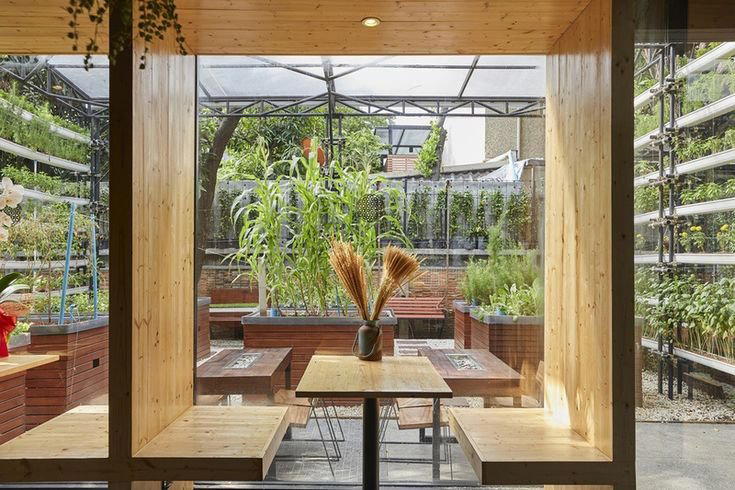
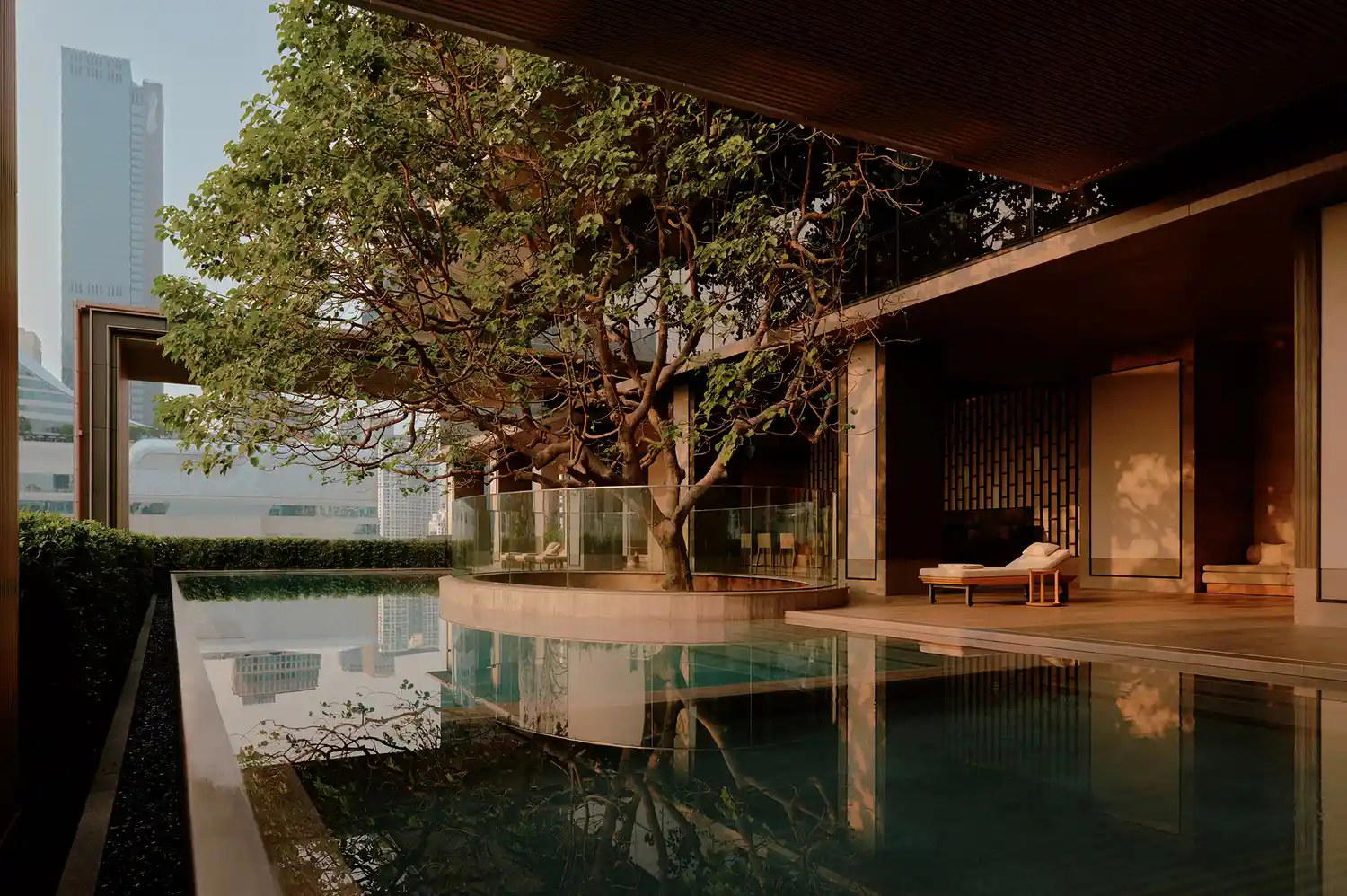
Elegant dark tones with wood-clad walls creating a nostalgic and cozy atmosphere, with huge glass windows overlooking a green courtyard.