


1 Michelin Star · La Liste Top Restaurants
Our verdict
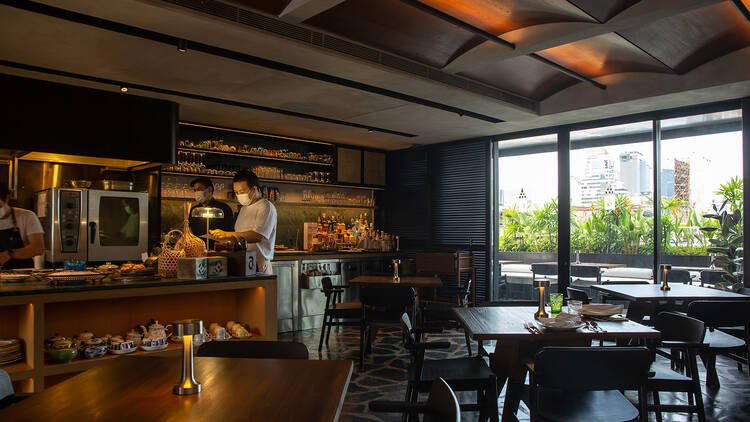
Aksorn occupies the fifth floor of Charoen Krung's Central: building, drawing on archival Thai cookbooks to reconstruct dishes from the country's past kitchen traditions. Holding one Michelin star and recognised by La Liste in both 2025 and 2026, it offers an open kitchen counter and an outdoor terrace with street-level views across Bang Rak, one of Bangkok's most considered takes on historical Thai cooking.

Pearl is the En Primeur Club membership app, where members save venues, book tables and use the concierge.
The menu
What to order
- Smoked kingfish relish with wild ginger
- Five-spice braised duck egg
- Shrimp green curry
- Minced pork with salted fish and star anise
- Mud crab stir-fried with santol and coconut cream
The Fifth Floor, and the Longer View Back
Bangkok's dining rooms that take seriously the question of what Thai cuisine actually was, before tourist menus flattened it, before fusion arrived, tend to occupy a specific register: research-led, deliberately counter-intuitive about what counts as a showcase dish, and often found in buildings with a story of their own. Aksorn fits that description precisely. On the fifth floor of the Central: development along Charoen Krung Road, the restaurant works from archival Thai cookbooks, not as a gimmick, but as a methodology for reconstructing dishes that have dropped out of circulation. The open kitchen is visible from the dining room, and an outdoor terrace extends the space toward the street below, a portion of Bang Rak where old shophouses and newer design tenants have been in productive tension for years.
Charoen Krung itself matters as context. Bangkok's oldest paved road, it was the address of consulates, trading houses, and the original international-facing Bangkok before Sukhumvit existed. The stretch around 1266 now anchors a design and hospitality cluster that includes MOCA Bangkok's outpost and a generation of bars and restaurants that have chosen the neighbourhood deliberately. Aksorn's placement here is not incidental, the conversation between historical sources and a contemporary room is part of what the restaurant is doing.
Archive Work: What the Old Cookbooks Actually Contain
Thai royal and aristocratic cooking has always been a codified tradition, not an improvised one. The palace kitchens of the Rattanakosin era produced intricate preparations, fruit carvings, multi-stage relishes, pastes ground to specific textures, that were recorded in manuscript cookbooks by court women and royal household staff. These records are the source material Aksorn draws from, with David Thompson providing the scholarly framing that has defined his work across decades. Thompson's relationship with Thai culinary history predates this restaurant by a generation: his research underpinned the cooking at Nahm, which for years set the terms of what historically-informed fine Thai dining could look like. Aksorn represents a continuation and development of that approach, now with the explicit conceit of reconstructing specific chefs' culinary lives from the archival record.
The palace cooking tradition that emerges from these sources is not simply about complexity for its own sake. The intricate preparations were expressions of care, status, and, in the case of offerings made for ceremonies or high-ranking recipients, a form of communication. A relish presented to royalty carried social meaning in its execution. That context gives Aksorn's methodology a seriousness that distinguishes it from restaurants that cite tradition as flavour while delivering something essentially contemporary. The smoked kingfish relish with wild ginger, which appears as the kitchen's signature preparation in La Liste's recognition of the restaurant in both 2025 and 2026, is the kind of dish that makes sense only in this frame: technically demanding, built from a preparation logic that predates modern restaurant cooking, and not designed to be immediately legible to someone arriving without context.
Aksorn in Bangkok's Serious Thai Tier
Bangkok's Michelin-starred Thai restaurants have sorted themselves into a recognisable hierarchy over the past several years, and Aksorn's one-star holding (awarded in 2024) places it in a tier below the city's highest-decorated Thai houses but firmly in the category of restaurants where the kitchen is doing genuine research rather than producing reliable crowd-pleasers. Samrub Samrub Thai operates in a similar intellectual register, though its approach to sourcing and format differs. Chim by Siam Wisdom and Saneh Jaan represent adjacent positions in the premium Thai space. Baan offers a different format altogether. None of these overlap precisely with what Aksorn is doing, which is part of what gives the restaurant its position.
The comparison venues at the city's upper end, Sorn at three Michelin stars with its rigorous Southern Thai sourcing, Baan Tepa at two stars with its contemporary take on Thai ingredients, are priced at ฿฿฿฿ and operate as full tasting-menu experiences of a different order of investment. Aksorn at ฿฿฿ prices into a tier that is serious without requiring the full omakase-style commitment. That's a deliberate positioning, and one that makes the historical research more accessible without diluting it.
La Liste's scoring of 78 points in 2025 and 76 in 2026 places the restaurant consistently in the upper portion of that guide's global ranking, a credentialing that reads differently from Michelin's star count but confirms the kitchen's standing in a reference system oriented toward French and international critical opinion. Both awards together make a case that the cooking lands for audiences with different frameworks.
The Room, the Terrace, and How an Evening Works
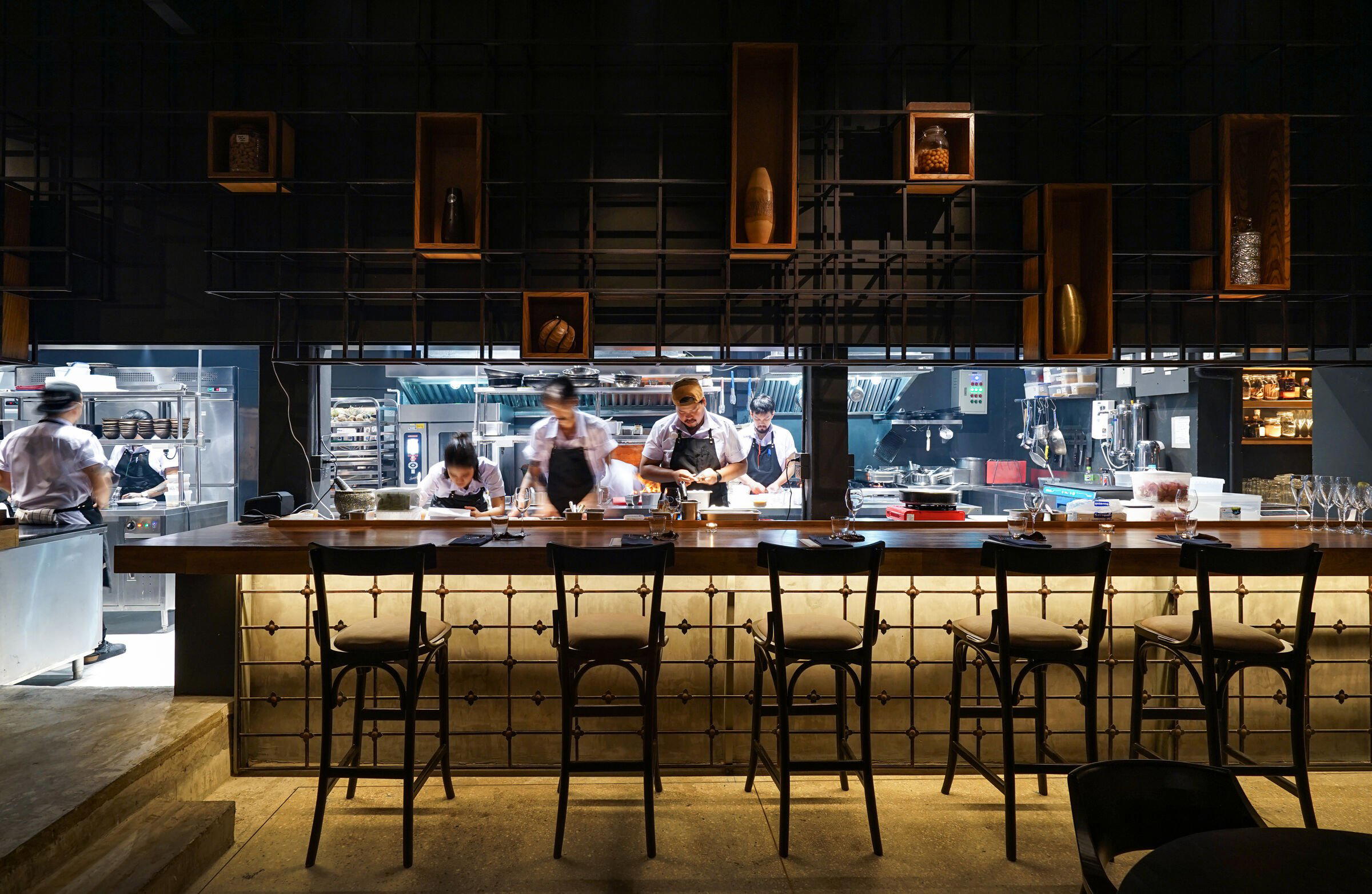
The structural variant at Aksorn is the open kitchen, visible from the dining room, which allows the detail-work of the preparation to function as part of the experience. Thai royal cooking involves stages of preparation that most restaurant kitchens compress or hide: the grinding, the assembly, the specific sequencing of a relish or curry paste. Seeing that process at work adds a layer that is absent from restaurants that source their historical authority purely through menu language.
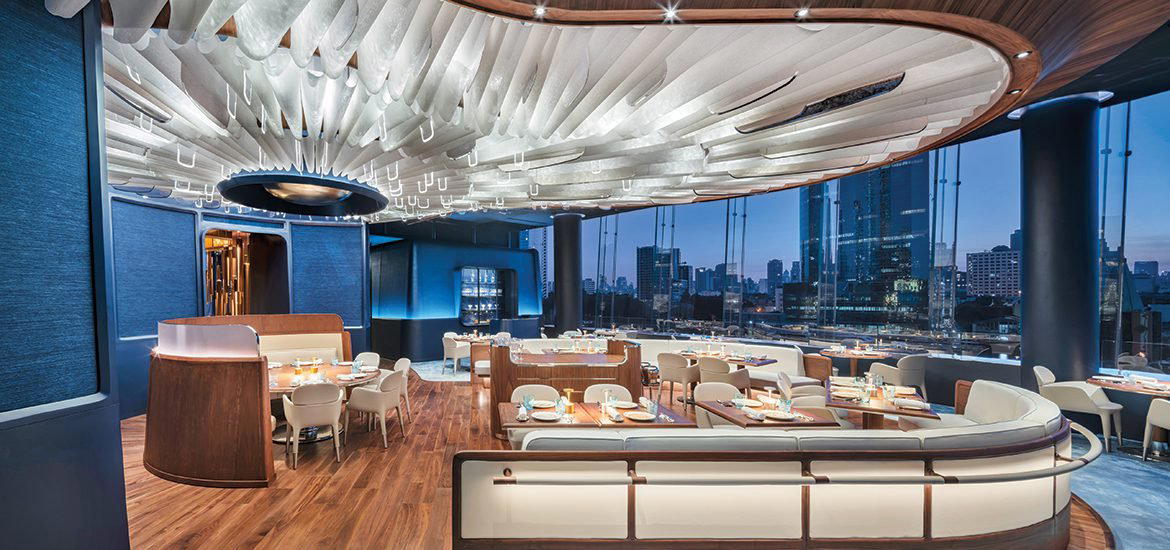
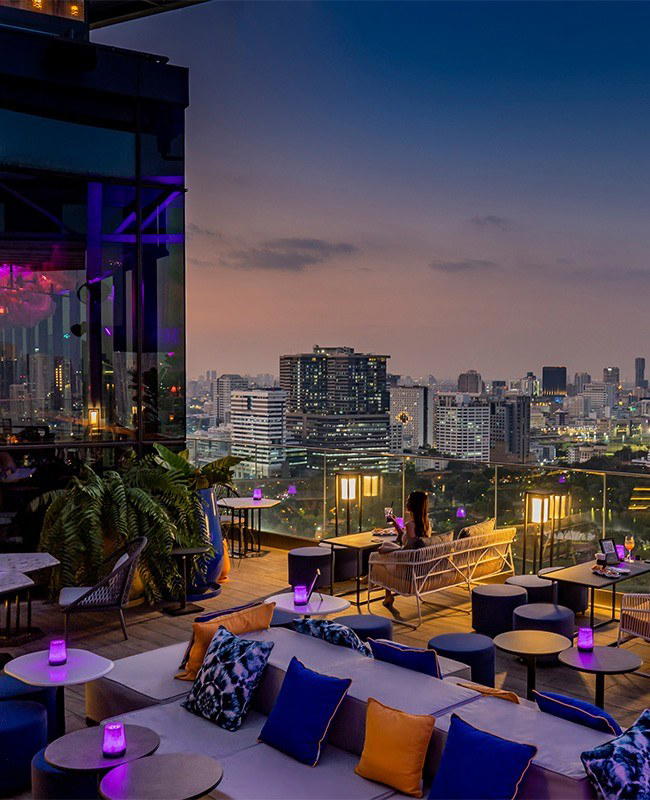
The outdoor terrace, looking out over Charoen Krung, offers the city as backdrop, the layered noise and light of Bang Rak after dark, the riverfront district going about its evening. Bangkok rewards that kind of perch. Restaurants that give you a window into the neighbourhood's texture rather than sealing you into a climate-controlled bubble tend to deliver a more complete sense of the city, and Aksorn's terrace option is worth considering for that reason.
Service runs every evening from 6 PM to 11 PM, seven days a week. For planning, the restaurant is located at the Central: building, 1266 Charoen Krung Road, Bang Rak. Charoen Krung in this section is accessible from the BTS at Saphan Taksin, with a short ride or walk north, or by taxi along the riverfront. The Watsana, a non-alcoholic option built around watermelon and sour notes, has been cited alongside the food in both years of La Liste coverage, relevant for guests who arrive focused on the drink programme as well as the kitchen.
Thailand Beyond Bangkok
For travellers extending their itinerary, Thailand's serious restaurant scene extends well beyond the capital. AKKEE in Pak Kret offers a different local register just north of the city. In the south, PRU in Phuket has built a significant reputation for its farm-sourcing approach. The Spa in Lamai Beach takes a different angle on Koh Samui. In the north, Aeeen in Chiang Mai anchors the city's creative dining end. Further afield, Angeum in Phra Nakhon Si Ayutthaya and Agave in Ubon Ratchathani extend the map considerably. Thai cooking has also found serious international platforms: Boo Raan in Knokke and Kin Khao in San Francisco represent what the cuisine looks like when transplanted to European and American audiences.
For a full picture of Bangkok's eating and drinking, EP Club's city guides cover the ground: our full Bangkok restaurants guide, hotels guide, bars guide, wineries guide, and experiences guide cover the breadth of what the city offers at the premium end.
Frequently asked questions
What should I eat at Aksorn?
The smoked kingfish relish with wild ginger is the preparation most consistently cited across Aksorn's La Liste recognition in 2025 and 2026, and it functions as the clearest expression of what the kitchen is doing: a royal Thai preparation drawn from archival cookbook sources, technically demanding, and not assembled to flatter immediate expectation. On the drinks side, the Watsana, a non-alcoholic option that works with watermelon and sour elements, has been noted in the same La Liste citations as a worthy counterpart to the food rather than a concession to non-drinkers. Chef Takeshi Kaneko leads a kitchen that operates from David Thompson's cookbook-research methodology, so the menu reads as a sequence of historical reconstructions rather than a chef's personal statement, which means following the kitchen's own sequencing, rather than selecting around it, tends to produce the most coherent experience.
The Minimal Set
A small set of peers for context, based on recorded venue fields.
| Venue | Cuisine | Price | Awards | Notes |
|---|---|---|---|---|
| AksornThis venue (the venue you are viewing) | Heritage Thai | $100–150 | 1 Michelin Star · La Liste Top Restaurants | Not listed |
| Sorn | Fine Southern Thai | $200–300 | 3 Michelin Stars · World's 50 Best #12 | Southern Thai, ฿฿฿฿ |
| Côte by Mauro Colagreco | Riviera Mediterranean Fine Dining | $200–300 | 2 Michelin Stars · World's 50 Best #91 | Mediterranean, Modern Cuisine, ฿฿฿฿ |
| Baan Tepa | Creative Thai Fine Dining | $150–200 | 2 Michelin Stars · World's 50 Best #53 | Thai contemporary, ฿฿฿฿ |
| Gaa | Modern Indian Fine Dining with Thai Influences | $150–200 | 2 Michelin Stars · World's 50 Best #95 | Modern Indian, Indian, ฿฿฿฿ |
| Sühring | Modern German Fine Dining | $200–300 | 3 Michelin Stars · World's 50 Best #18 | German, ฿฿฿฿ |
Recognition history
Dated appearances from independent guides and award organizations, with the underlying list record or original source where available.
Michelin 1 Star
Michelin
La Liste Top Restaurants
La Liste
Opinionated About Dining Top Restaurants in Asia Recommended
Opinionated About Dining
Full recognition history (6 entries)
La Liste Top Restaurants
La Liste
Michelin 1 Star
Michelin
Michelin 1 Star
Michelin
Continue exploring
More in Bangkok
Restaurants in Bangkok
All restaurants in Bangkok →

Details
- Elegant
- Intimate
- Sophisticated
- Classic
- Date Night
- Special Occasion
- Celebration
- Open Kitchen
- Terrace
- Historic Building
- Standalone
- Sommelier Led
- Local Sourcing
- Street Scene
- Tasting Menu
- Family Style
- Set Menu
- Wine Pairing
- Cocktails
- Vegetarian Friendly
- Allergy Accommodating
Current opening hours
- Monday
- 6–11 PM
- Tuesday
- 6–11 PM
- Wednesday
- 6–11 PM
- Thursday
- 6–11 PM
- Friday
- 6–11 PM
- Saturday
- 6–11 PM
- Sunday
- 6–11 PM
Hours can change for holidays and private events. Hours as of .
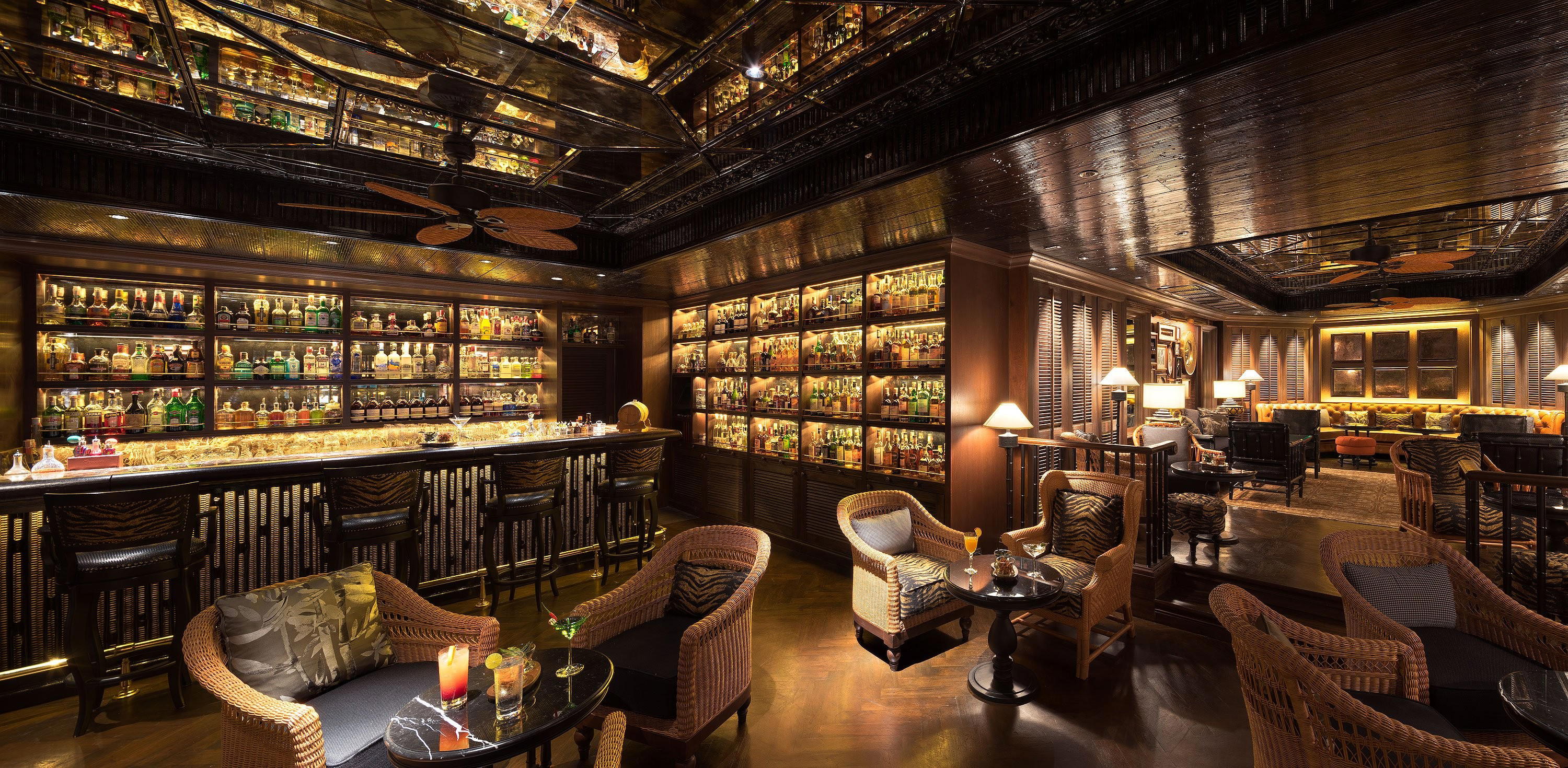
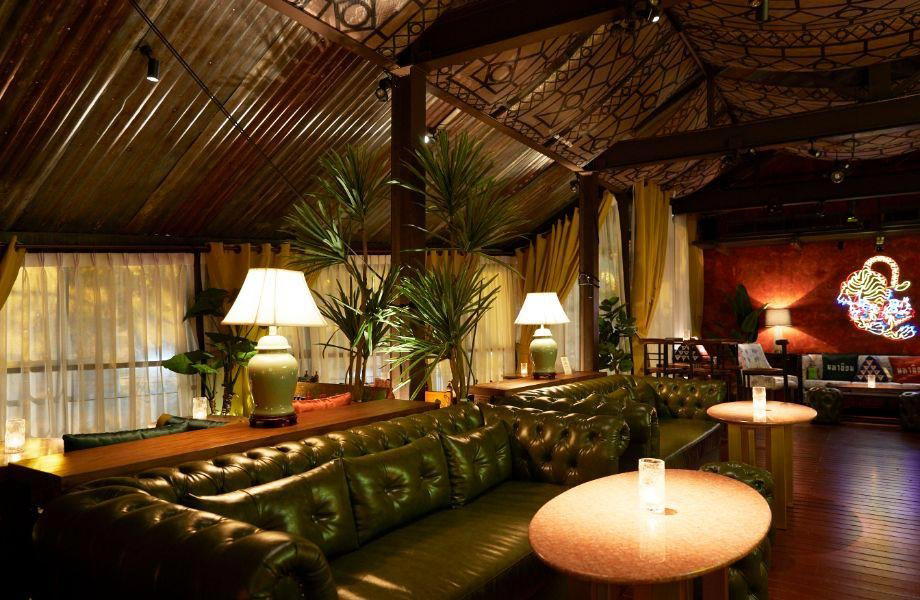
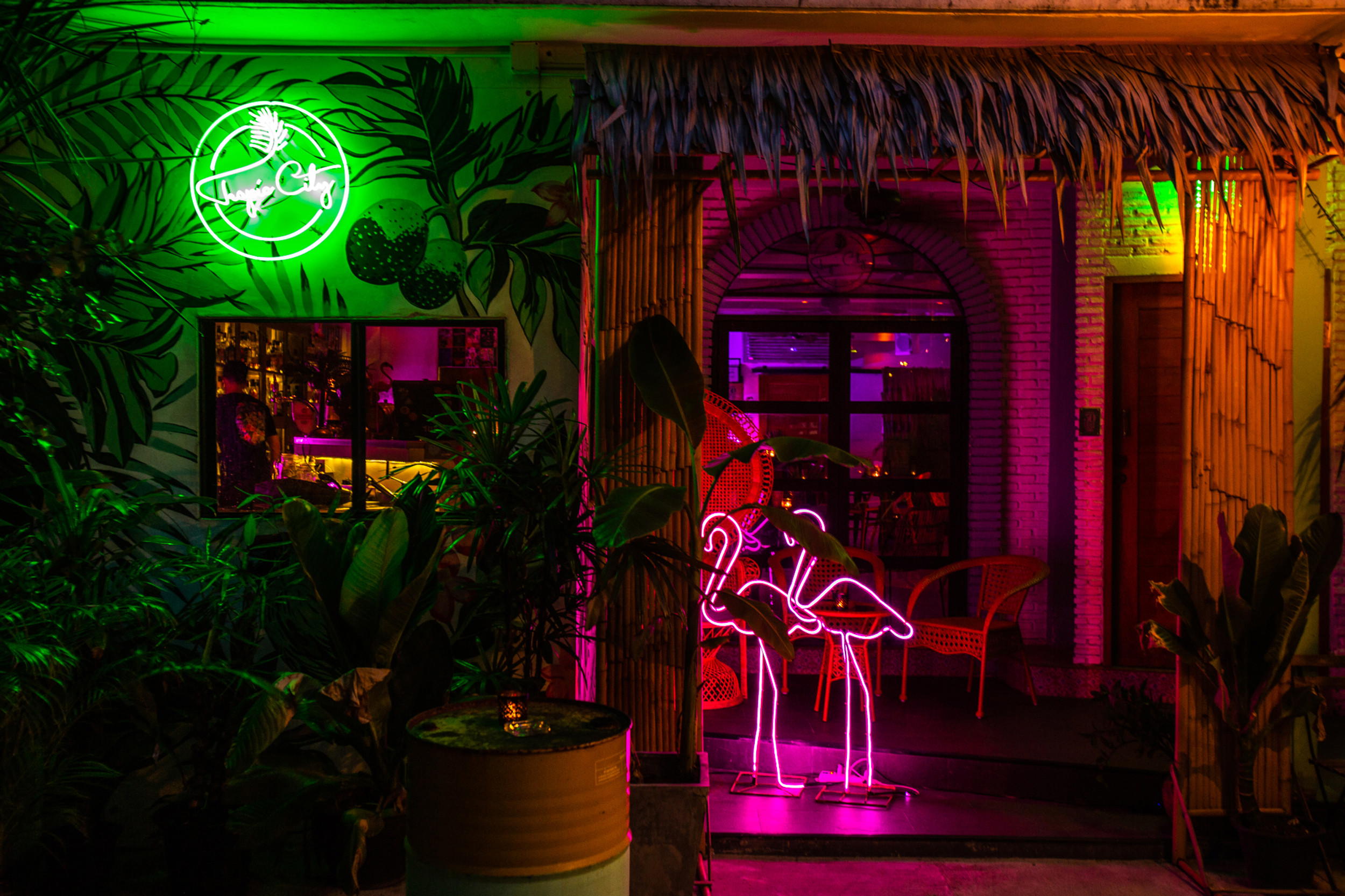
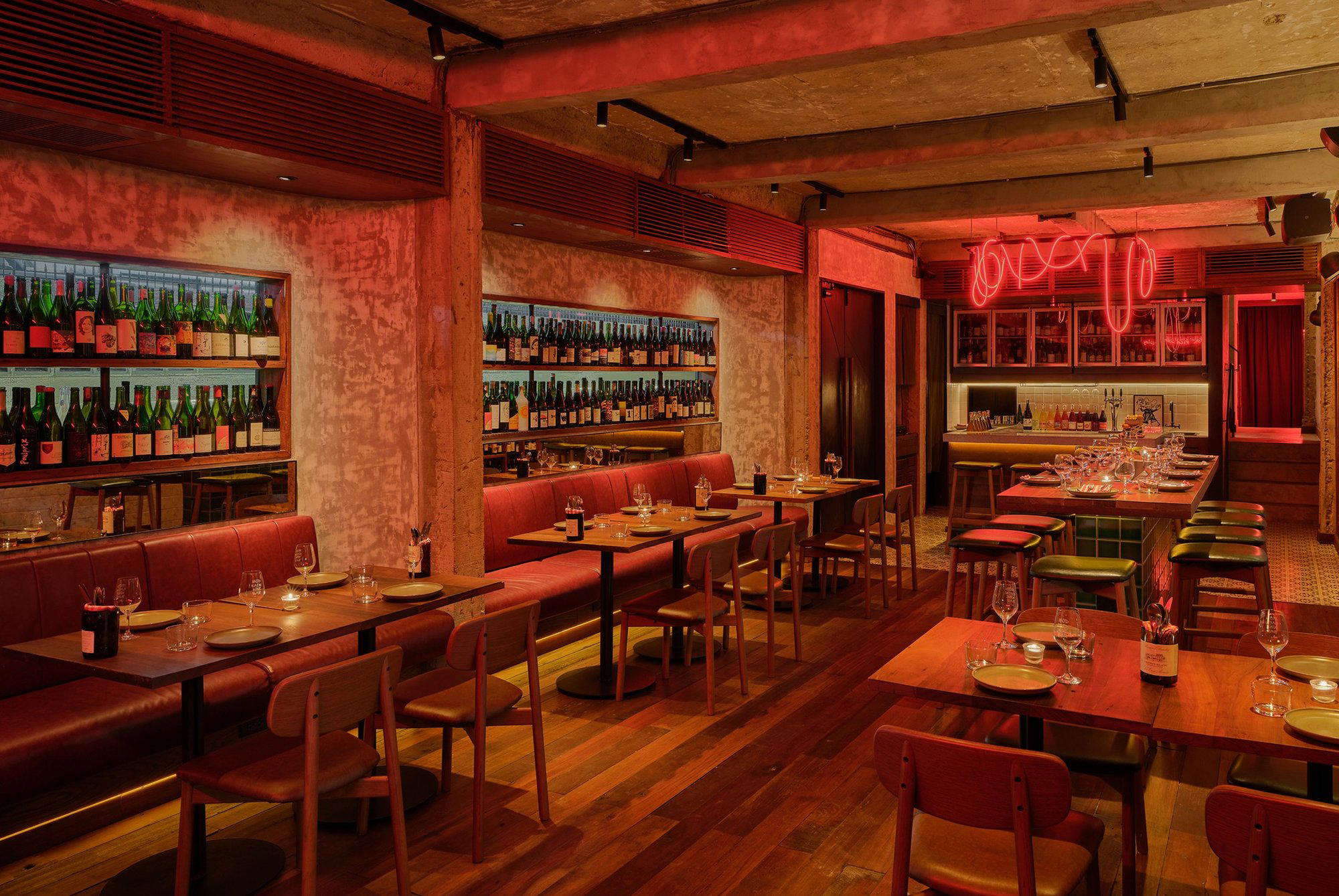
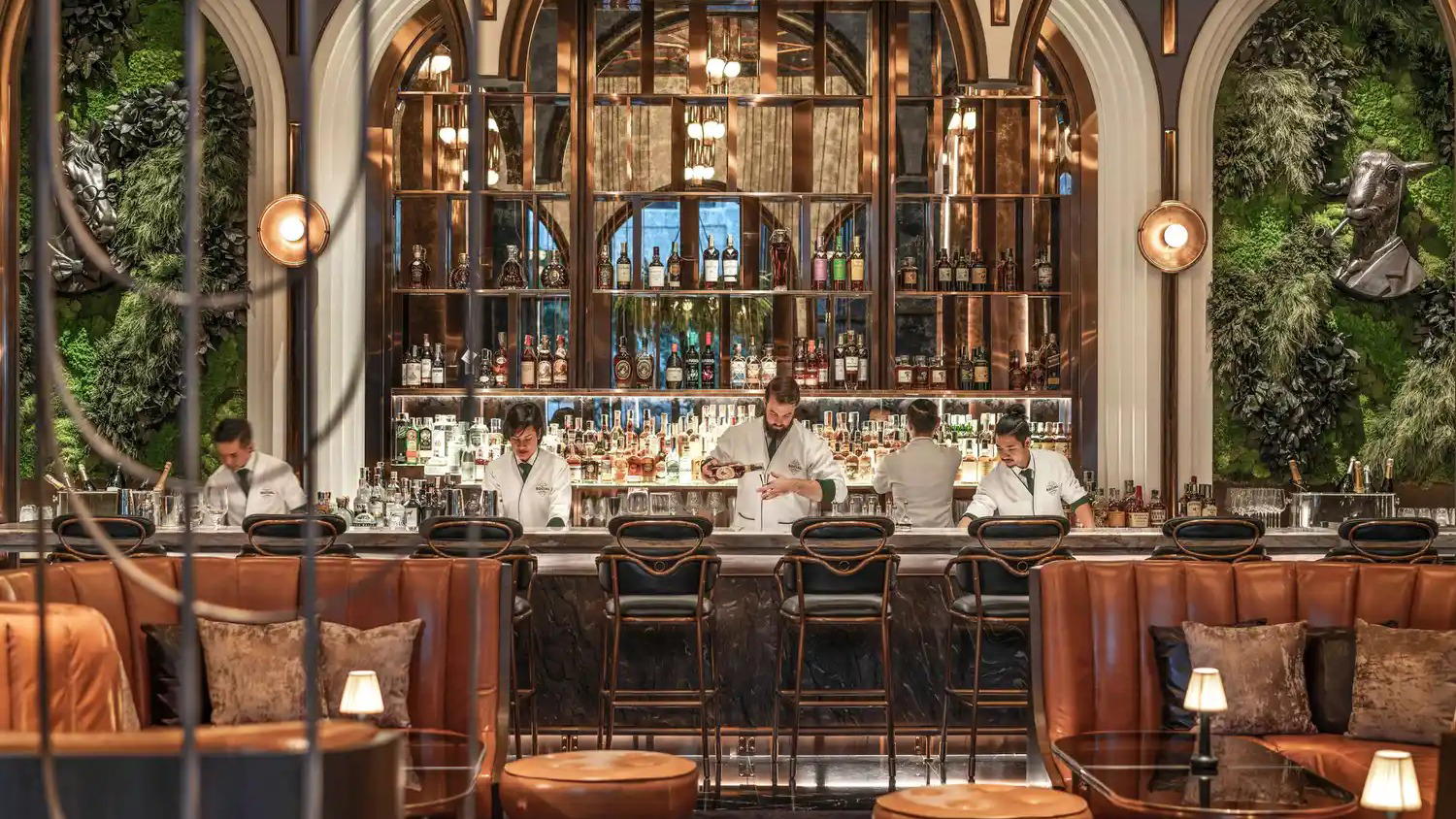
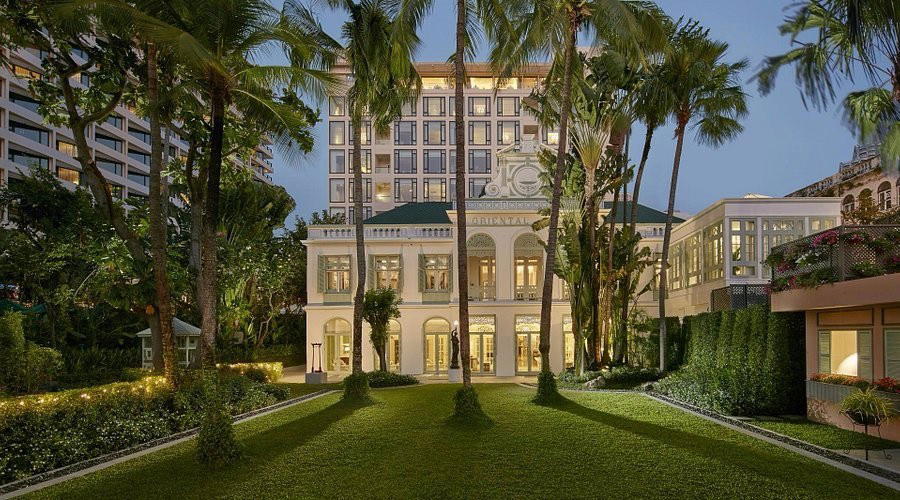
Warm, boutique surroundings with an open kitchen visible from the dining area; intimate indoor seating and outdoor terrace with street views; vintage crockery and mismatched cutlery evoke nostalgic charm; modern decor with heritage elements.