1 Michelin Star · Black Pearl 1 Diamond
Our verdict
Chim by Siam Wisdom holds a Michelin star for its set-menu exploration of Rattanakosin-era Thai cuisine, served inside a 100-year-old wooden house in Bangkok's Dusit district. Chef Thanintorn 'Noom' Chantharawan draws on ingredients sourced across all four regions of Thailand, presenting them in a format that balances historical reference with considered contemporary technique. Open daily from noon, advance booking is essential.

Pearl is the En Primeur Club membership app, where members save venues, book tables and use the concierge.
The menu
What to order
- Tom Yum Lobster
- Massaman Lamb
- Lost Recipe
A Wooden House in Dusit, and What It Says About Bangkok's Thai Fine Dining Scene
Bangkok's serious Thai dining scene has fractured into distinct tiers over the past decade. At one end sit the multi-starred rooms chasing international recognition through tasting menus built on molecular technique or foreign luxury ingredients. At the other, a smaller cohort of chefs is doing something harder to calibrate: returning to historical Thai culinary tradition with the rigour of a trained kitchen professional rather than the nostalgia of a family recipe. Chim by Siam Wisdom, located in the Dusit district at 315 Ongkharak 13 Alley, belongs firmly to the second group, and it has a Michelin star (awarded 2024) to show for the seriousness of that project.
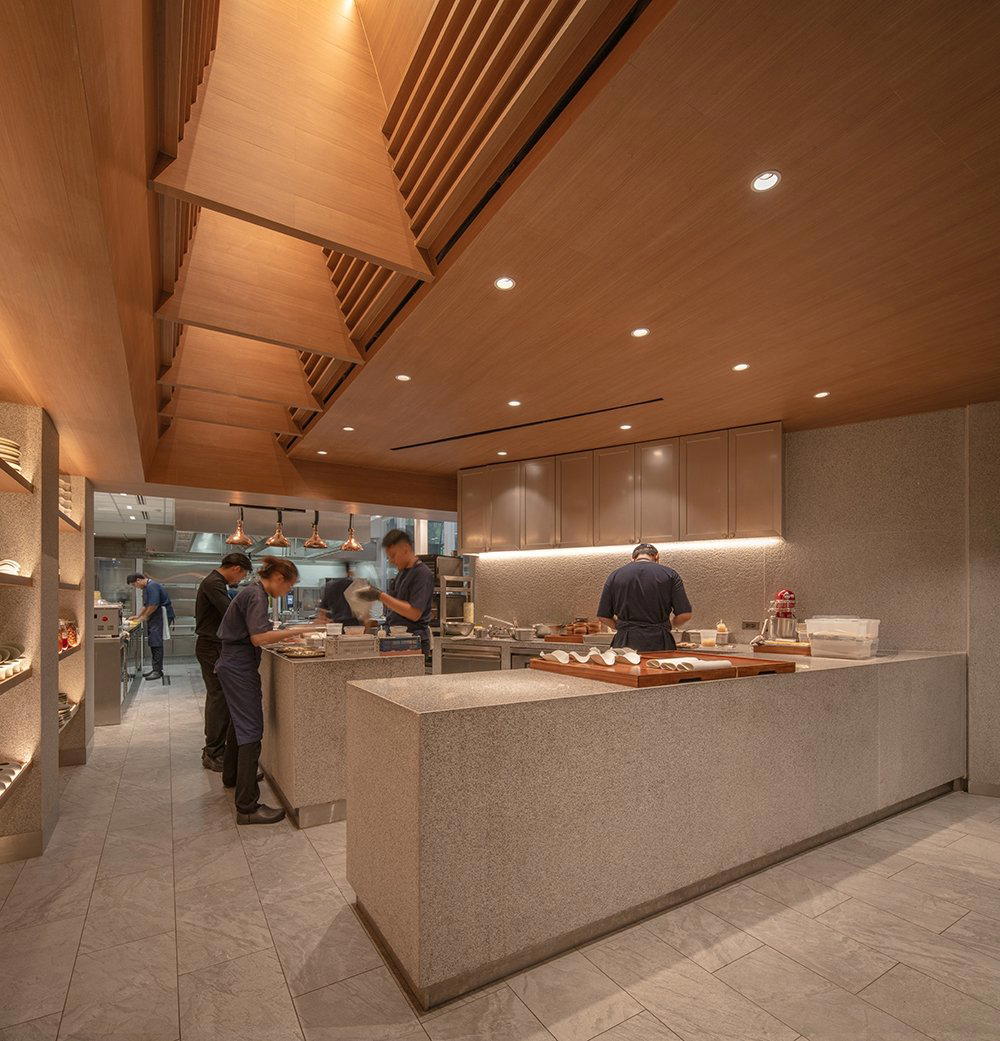
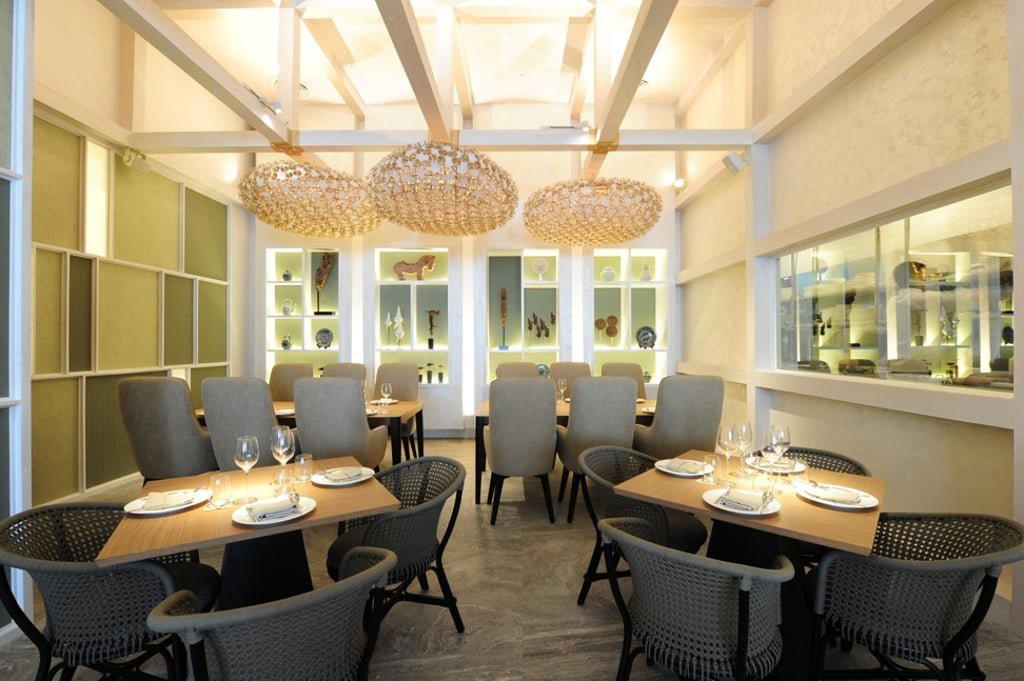
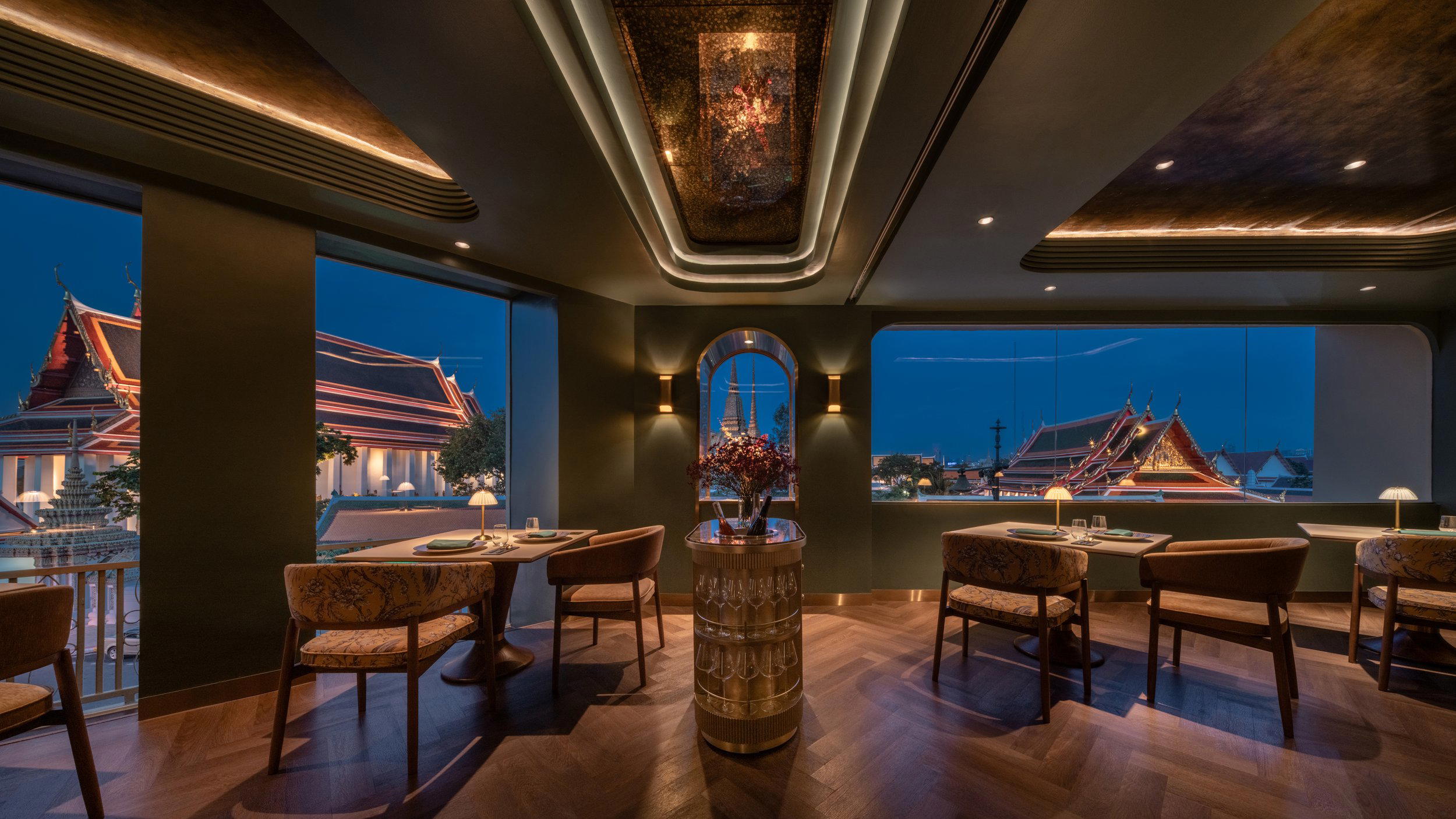
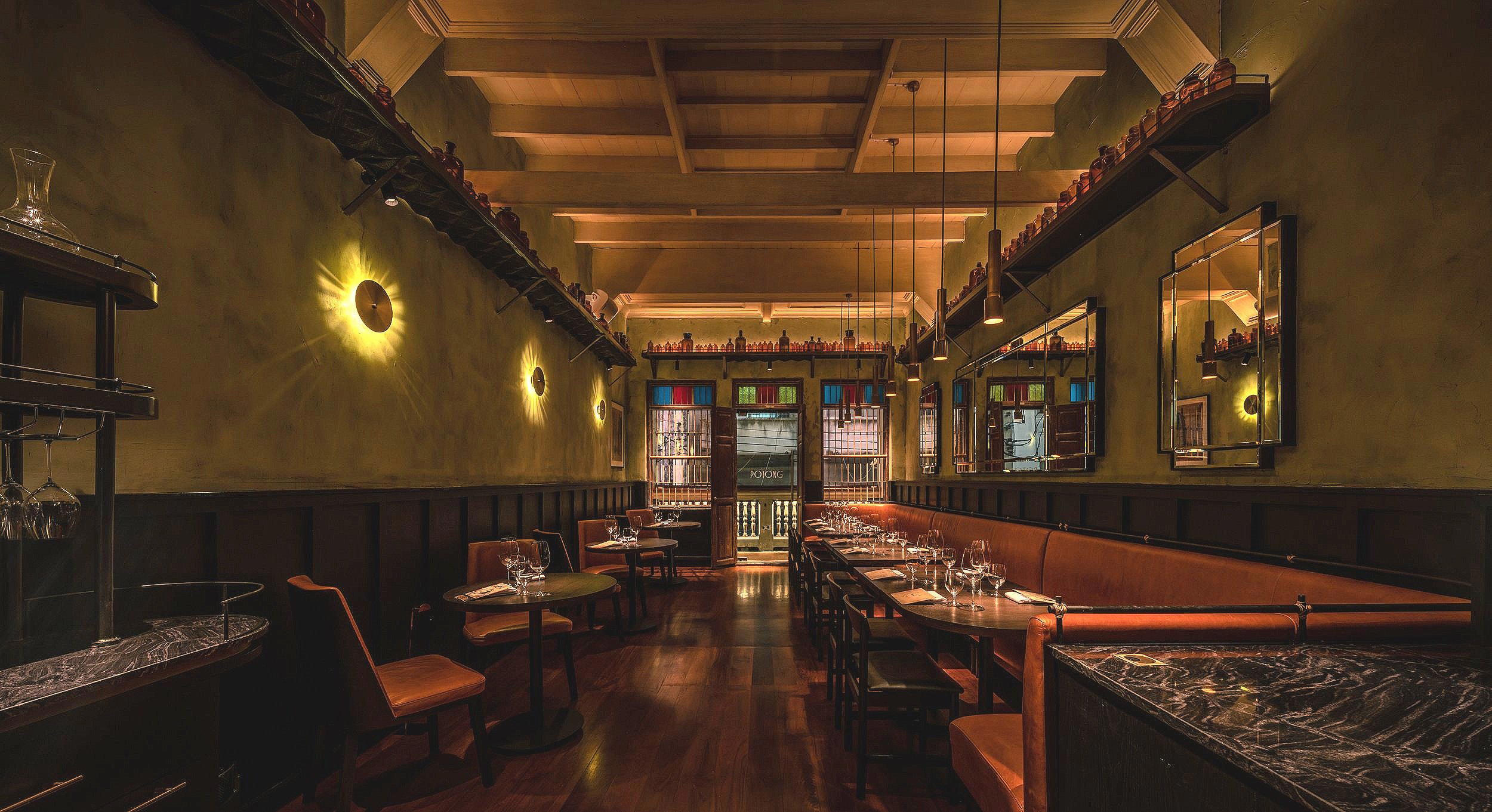
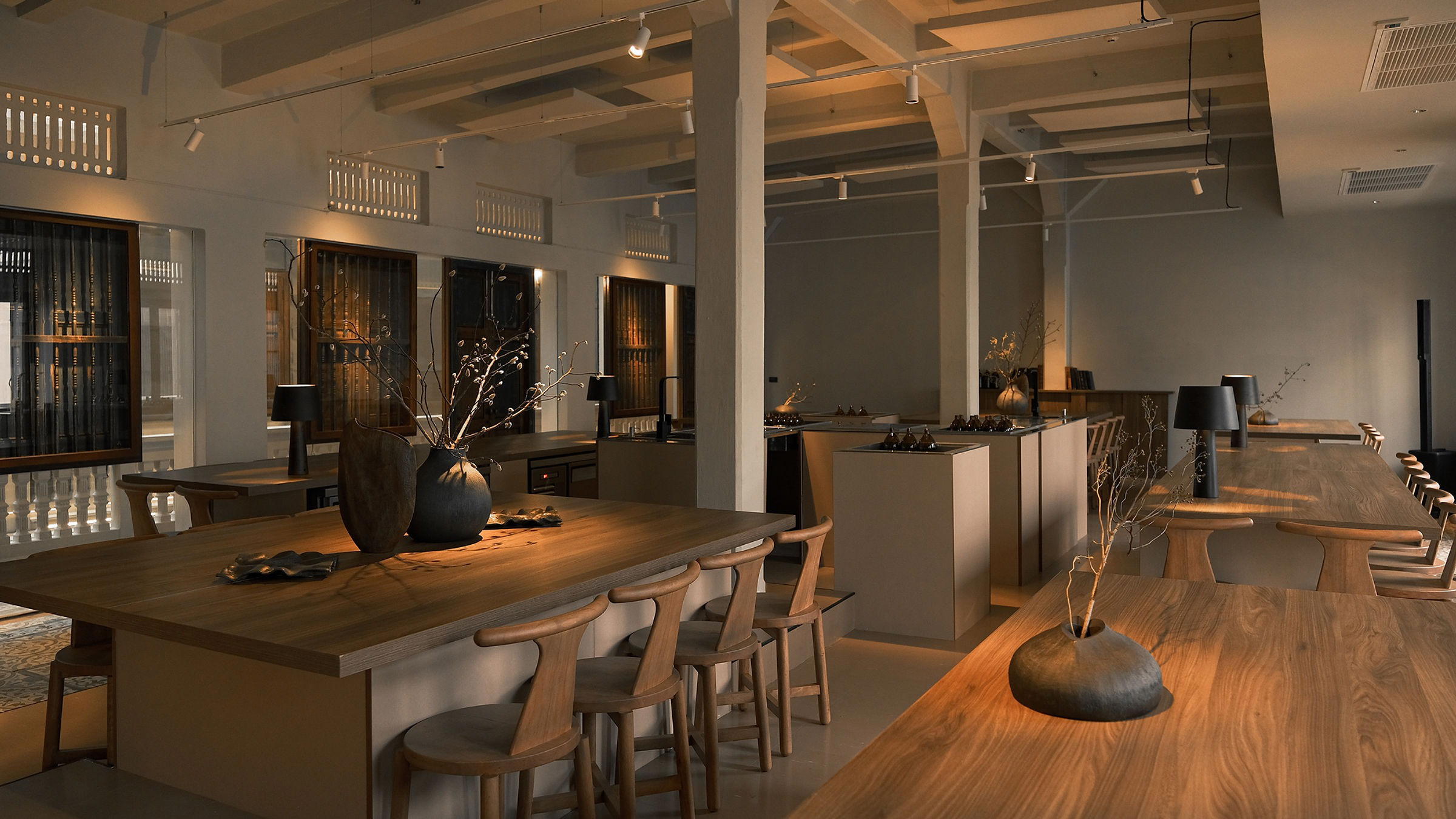
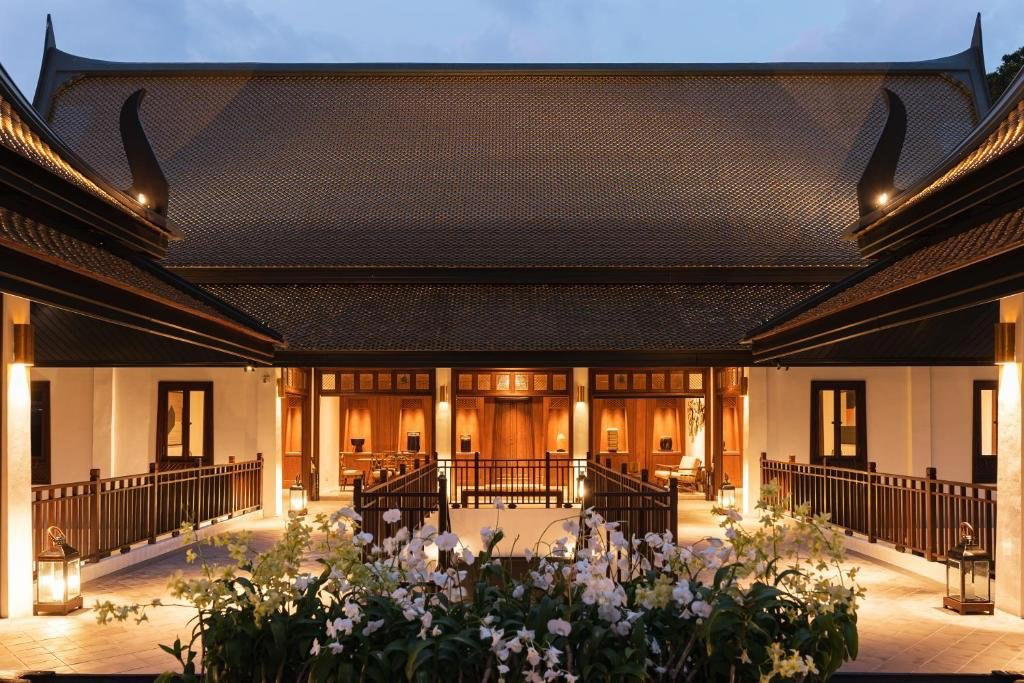
The setting frames the intent before the food arrives. The restaurant occupies a century-old wooden house, the kind of traditional Thai domestic architecture that has largely disappeared from central Bangkok under pressure from commercial development. A secluded rear garden extends the dining space outward, and the surrounding greenery creates a material separation from the city outside. This is not incidental decoration. In Bangkok's premium Thai dining scene, the relationship between physical setting and culinary philosophy has become a deliberate editorial statement: the room communicates what the kitchen believes.
The Rattanakosin Reference and Why It Matters
The culinary framework at Chim by Siam Wisdom is the Rattanakosin period, the era of Bangkok-centred Thai civilization that began in the late eighteenth century and shaped the royal court cuisine that many consider the apex of Thai cooking. Court food from this period was characterised by technical precision, elaborate presentation, and the careful orchestration of the five Thai flavour registers: sour, sweet, salty, bitter, and spicy. It was also a cuisine of provenance, relying on ingredients sourced from specific regions and treated according to established preparation hierarchies.
Chef Thanintorn 'Noom' Chantharawan uses this tradition as a structural foundation rather than a costume. The kitchen's approach, as documented in Michelin's own assessment, balances domestic references with international technique and classic preparation with contemporary sensibility. That tension is the productive space where Bangkok's most interesting Thai cooking now operates. Compare this with the approach at Nahm, which built its reputation on rigorous archival research into historical Thai recipes, or Samrub Samrub Thai, which takes a more ingredient-forward regional approach. Chim sits in a different register: historically grounded, presentationally ambitious, and structured around the set-menu format.
The Set Menu Format and the Four Regions Frame
The menu structure at Chim is a set format, not à la carte. Among the offered experiences, the "Thai food in 4 Regions" set is the most cited by Michelin's inspectors: a progression through ingredients and preparations drawn from Thailand's northern, northeastern, central, and southern culinary traditions, each with its own flavour logic and ingredient vocabulary. The north brings herb-forward preparations and fermented notes; the northeast, the bright acidity and grilled textures of Isan; the central plains, the royal court refinements that the Rattanakosin reference directly invokes; the south, the intense spice and coconut-rich profiles of the Gulf and Andaman coasts.
This regional architecture places Chim in conversation with a broader movement in Thai fine dining toward treating the country's culinary geography as a serious subject rather than a marketing device. Restaurants like Saneh Jaan and Aksorn have similarly built menus around the specificity of Thai regional identity. What distinguishes the Chim approach is the Rattanakosin lens applied across all four regions, which introduces a historical coherence to the progression rather than presenting regional cooking as a series of disconnected chapters.
The Michelin citation notes a "dazzling array of flavours" across the set, alongside "presentational flourishes" that signal the kitchen's investment in the visual dimension of the meal. In the court cuisine tradition the restaurant references, presentation was never decorative afterthought but an integrated part of the dish's meaning. That historical context makes Chim's attention to plating legible as something more than aesthetic preference.
Bangkok's Michelin-starred Thai restaurants now span a considerable range of prices and approaches. At the top of the market, two-star Baan Tepa and three-star Sorn command the ฿฿฿฿ tier with deep regional specialisation (Sorn focuses specifically on southern Thai) and ingredient sourcing programs that function almost as agricultural partnerships. Chim operates at ฿฿฿, one price tier lower, which places it in a more accessible bracket than its two and three-starred peers while retaining the set-menu discipline and single-star recognition that position it above casual Thai dining.
That pricing position is meaningful for the reader planning a Bangkok dining itinerary. The ฿฿฿฿ tier in Bangkok's fine dining scene, which also includes Michelin-starred rooms focused on German, Mediterranean, and modern Indian cuisines, prices against an international luxury bracket. Chim at ฿฿฿ offers Michelin-starred Thai cooking at a point where the investment feels proportionate to a single-occasion dinner rather than requiring the kind of strategic calendar planning that the two and three-star rooms demand. Among Thai specialists at the one-star level, Baan offers a useful comparison for understanding how Bangkok's mid-premium Thai dining tier is developing.
The Dusit Location and Its Implications
Dusit is not Bangkok's most obvious fine dining district. The neighbourhood is historically significant, home to royal palaces and administrative buildings from the Rattanakosin period, which makes the choice of location for a restaurant building its identity around that same era something other than coincidence. The area lacks the density of restaurants found in Silom, Sukhumvit, or the riverside, which means the journey to Chim requires intention. That quality, of a restaurant requiring deliberate travel to reach, aligns with the format: this is not a spontaneous dinner but a planned event.
Bangkok's broader dining geography rewards the traveller willing to move between districts. Beyond the city's starred rooms, Thailand's wider restaurant scene extends to places like AKKEE in Pak Kret, PRU in Phuket, Aeeen in Chiang Mai, and Angeum in Phra Nakhon Si Ayutthaya, each operating within different culinary traditions. For the traveller building a picture of Thai cuisine's regional span, combining a Chim dinner with a visit to one of those regional addresses provides a useful cross-section. The Agave in Ubon Ratchathani and The Spa in Lamai Beach further extend that geographic range for those travelling beyond Bangkok.
Thai cuisine's international reach is also worth noting for context. Restaurants like Boo Raan in Knokke and Kin Khao in San Francisco represent how Thai cooking is being interpreted at serious addresses outside Thailand, which makes returning to a source like Chim more instructive: the historical and regional references carry their full weight when you're eating them in the city and the architectural context that produced them.
Planning a Visit
Chim by Siam Wisdom opens daily from noon through 10:30 PM, a schedule that accommodates both lunch and dinner sittings across the full week. The set-menu format and Michelin recognition mean advance booking is not optional in any practical sense; Michelin's own listing flags this explicitly. For those building a wider Bangkok itinerary, the EP Club guides to Bangkok restaurants, Bangkok hotels, Bangkok bars, Bangkok wineries, and Bangkok experiences provide a fuller picture of the city's premium offerings across categories.
What Regulars Order at Chim by Siam Wisdom
The set-menu format means individual dish selection is not the operative question at Chim. What regulars and returning visitors focus on instead is the "Thai food in 4 Regions" progression, which Michelin's inspectors have cited as the clearest expression of Chef Thanintorn 'Noom' Chantharawan's cooking philosophy. The structural logic of moving through four distinct regional flavour systems within a single meal means the experience is cumulative: each section resets the palate's expectations before the next arrives. The presentational element, highlighted in multiple Michelin assessments, means the visual dimension of each course carries its own weight alongside the flavour. For those visiting specifically to understand the Rattanakosin culinary reference, communicating that interest when booking allows the front-of-house team to provide the historical context that makes the progression legible as something more than a tasting menu. The Michelin star awarded in 2024 reflects a kitchen that has reached consistency across this format rather than producing occasional highlights.
Frequently asked questions
Where do I go for Chim by Siam Wisdom?
Chim by Siam Wisdom is located at 315 Ongkharak 13 Alley, Thanon Nakhon Chai Si, Dusit District, Bangkok 10300, Thailand, Bangkok.
What days is Chim by Siam Wisdom closed?
Hours at Chim by Siam Wisdom: Monday 12 PM-10:30 PM Tuesday 12 PM-10:30 PM Wednesday 12 PM-10:30 PM Thursday 12 PM-10:30 PM Friday 12 PM-10:30 PM Saturday 12 PM-10:30 PM Sunday 12 PM-10:30 PM.
Is Chim by Siam Wisdom Michelin-listed?
Chim by Siam Wisdom has received recognition including: Here is a restaurant made for those special occasions, where the setting and the food are in perfect harmony with one another. This delightful 100-year-old house comes with a secluded rear garden and offers a charming and traditional settin….
What do regulars order at Chim by Siam Wisdom?
Because Chim operates on a set-menu format, dish selection is not in the guest's hands. Returning visitors instead focus their choices on which set to book: the 'Thai food in 4 Regions' format is the one most cited in Michelin's own commentary on the restaurant, presenting ingredients sourced from across Thailand within a Rattanakosin-period culinary framework. The ฿฿฿ price tier places it firmly in Bangkok's mid-to-upper fine dining range, so the full set experience is what guests are committing to from the outset.
What type of food is Chim by Siam Wisdom known for?
Where It Fits
| Venue | Cuisine | Price | Awards | Notes |
|---|---|---|---|---|
| Chim by Siam WisdomThis venue (the venue you are viewing) | Modern Traditional Thai | $50–100 | 1 Michelin Star · Black Pearl 1 Diamond | Not listed |
| Sorn | Fine Southern Thai | $200–300 | 3 Michelin Stars · World's 50 Best #12 | Southern Thai, ฿฿฿฿ |
| Côte by Mauro Colagreco | Riviera Mediterranean Fine Dining | $200–300 | 2 Michelin Stars · World's 50 Best #91 | Mediterranean, Modern Cuisine, ฿฿฿฿ |
| Baan Tepa | Creative Thai Fine Dining | $150–200 | 2 Michelin Stars · World's 50 Best #53 | Thai contemporary, ฿฿฿฿ |
| Gaa | Modern Indian Fine Dining with Thai Influences | $150–200 | 2 Michelin Stars · World's 50 Best #95 | Modern Indian, Indian, ฿฿฿฿ |
| Sühring | Modern German Fine Dining | $200–300 | 3 Michelin Stars · World's 50 Best #18 | German, ฿฿฿฿ |
Recognition history
Dated appearances from independent guides and award organizations, with the underlying list record or original source where available.
Michelin 1 Star
Michelin
Black Pearl 1 Diamond
Black Pearl
Full recognition history (4 entries)
Michelin 1 Star
Michelin
Michelin 1 Star
Michelin