Mevrouw Meijer
Mevrouw Meijer occupies a residential address on Gerard Scholtenstraat in Rotterdam's north, operating at a remove from the city's concentrations of fine-dining ambition. Where Rotterdam's top-tier restaurants tend toward the theatrical and the formal, this address reads as something quieter — a neighbourhood register that shapes everything from how you arrive to how long you stay.
Pearl is the En Primeur Club membership app — saves, bookings, and concierge access live there. Same editors, same standards.
- Address
- Gerard Scholtenstraat 37B, 3035 SC Rotterdam, Netherlands
- Phone
- +31 10 466 3367
- Website
- mevrouwmeijer.nl
- Directions
- Get directions
 Saves & bookings on Pearl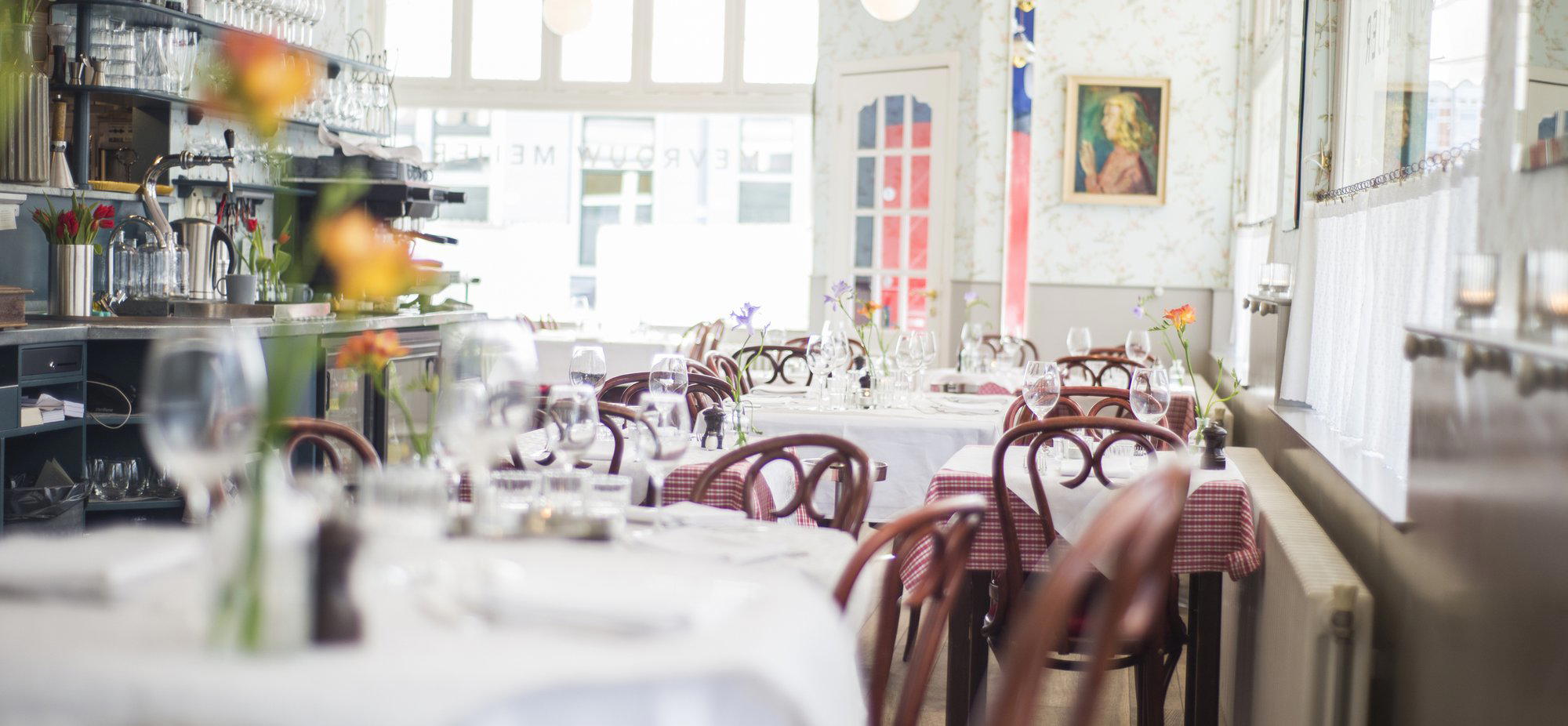
A Different Register in Rotterdam's Dining Scene
Rotterdam's fine-dining tier has spent the better part of two decades consolidating around the waterfront and the city centre, where venues like Parkheuvel, FG - François Geurds, and Fred anchor the city's Michelin-recognised presence. That concentration means the addresses further out — in residential streets, above canal banks, behind unmarked doors — occupy a different position in the local imagination. They get talked about in a particular way: as the places regulars know, where the room is smaller and the format less scripted. Mevrouw Meijer, at Gerard Scholtenstraat 37B in Rotterdam's north, operates in exactly that register.
The address is not on the tourist circuit. Gerard Scholtenstraat sits in a neighbourhood that functions at a human scale, terraced housing, local commerce, the rhythms of daily life rather than the drawn footfall of a restaurant district. Arriving here without prior knowledge, you would not guess the address holds a dining room at all. That gap between expectation and discovery is part of what gives neighbourhood-format restaurants their particular hold on a city's dining culture.
The Lunch and Dinner Divide
In Rotterdam, as in most Dutch cities with a serious restaurant culture, the gap between lunchtime and evening service is not simply a matter of hours. Lunch at this tier of the market tends to run shorter, lighter, and at a lower price point, a format that draws a different kind of guest and a different kind of intention. Dinner, by contrast, carries the full weight of occasion: longer sittings, more courses, and the expectation that the room will hold a pace rather than simply turn tables.
The neighbourhood context at Mevrouw Meijer inflects both services differently than it would at a waterfront address. At lunch, the surrounding residential streets make the room feel less like a destination and more like a discovery, the kind of place you cycle past and decide to try, or that a local colleague suggests with the slight proprietorial pleasure of insider knowledge. That daytime mood, less formal and more accidental in its pleasures, is one that the city's larger-footprint restaurants struggle to replicate however much they try to soften their rooms.
Evening service at a neighbourhood address like this one carries a different kind of intimacy. Without the ambient noise of a dining district outside the windows, without the visible traffic of a restaurant row, the room becomes self-contained in a way that suits a certain kind of dinner: the kind where the conversation matters as much as the food, and where the pace is set by the table rather than by the broader energy of the street. Compare this to the evening mood at Amarone or Fitzgerald, both of which operate in more trafficked, more visible positions, and the contrast in how evening service feels becomes clear.
Where Mevrouw Meijer Sits in the Rotterdam Picture
Rotterdam's restaurant scene has a clear upper bracket: the four-star-price-point tables with Michelin recognition, long tasting menus, and reservation windows that run weeks or months ahead. Below that, and this is where the city's dining culture does some of its most interesting work, sits a tier of neighbourhood restaurants that operate with neither the formality nor the ambition of their city-centre counterparts, but that earn the kind of sustained local loyalty that is harder to manufacture than a Michelin star.
Internationally, the strongest parallels are in cities where neighbourhood dining has developed its own critical language. Formats like Lazy Bear in San Francisco or the tasting-menu-as-community-event model point toward a broader shift: the idea that the most resonant dining experiences are not necessarily the most formal or the most expensive, but the ones most clearly connected to a specific place and a specific group of people. In the Netherlands, that shift has produced its own expression, from the headline Michelin tables in cities like Zwolle (where De Librije anchors a different kind of destination dining) to village-scale restaurants in places like Staphorst and Reijmerstok that draw serious diners out of the cities entirely.
Within Rotterdam specifically, Mevrouw Meijer's Gerard Scholtenstraat address positions it outside the competitive set of the waterfront restaurants without placing it in competition with the city's casual dining. It occupies a space that Rotterdam's dining culture needs more of: the neighbourhood restaurant with enough conviction to hold the attention of guests who could eat anywhere in the city.
The Dutch Dining Context
The Netherlands has a broader spread of serious restaurant talent than its geographic size might suggest. Beyond the Rotterdam tier, tables like Inter Scaldes in Kruiningen, De Nieuwe Winkel in Nijmegen, and De Lindehof in Nuenen point to a national scene where culinary seriousness is distributed rather than concentrated. In that context, a Rotterdam neighbourhood restaurant functions not as an outlier but as part of a pattern: serious cooking, smaller rooms, and the kind of guest experience that rewards repeat visits rather than once-in-a-visit tourism.
The Dutch lunch culture also plays a role here. Lunch at this level in the Netherlands is less developed than in France or Spain, where the midday meal carries genuine ceremony. Dutch diners more commonly reserve their restaurant attention for the evening, which means a neighbourhood restaurant with a strong lunch offer is working against a cultural grain, and, when it succeeds, tends to attract the kind of guest who is actively seeking out the format rather than defaulting to it.
Planning Your Visit
Mevrouw Meijer is at Gerard Scholtenstraat 37B in Rotterdam's north, a residential address that rewards a little advance research rather than a spontaneous walk-in. Given the venue's neighbourhood format and the typical dynamics of smaller dining rooms in this city tier, where covers are limited and the service pace is set by the room rather than by throughput, it is worth contacting the venue directly to confirm current hours, availability, and any booking requirements before making the trip. For wider context on where Mevrouw Meijer sits in the city's broader dining picture, the full Rotterdam restaurants guide maps the city's scene across formats and price points. Those planning to combine the visit with other serious Dutch tables should also note the range of options in the region, from De Bokkedoorns in Overveen to Tribeca in Heeze and De Treeswijkhoeve in Waalre, which between them illustrate how the Netherlands has developed serious restaurant culture well beyond its major city centres.
Continue exploring
More in Rotterdam
Restaurants in Rotterdam
Browse all →
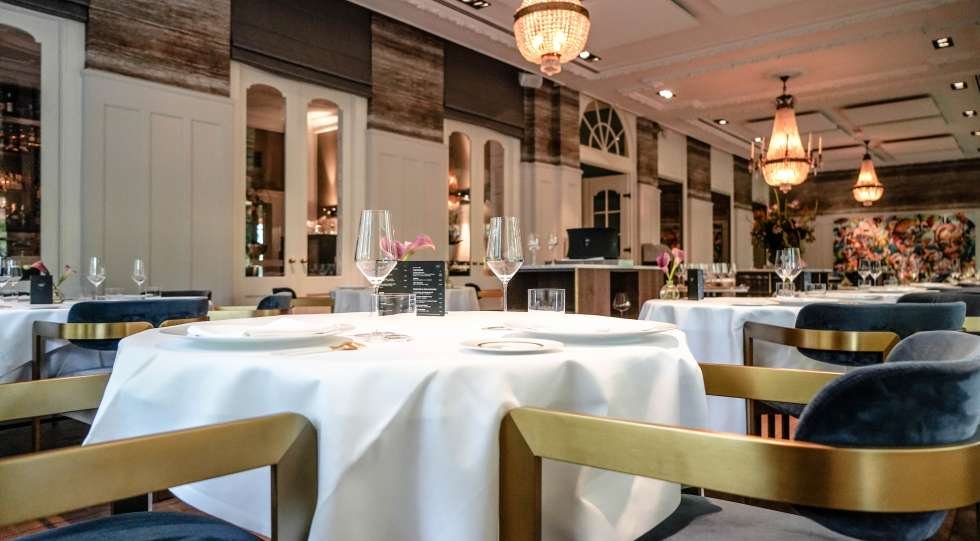
Bars in Rotterdam
Browse all →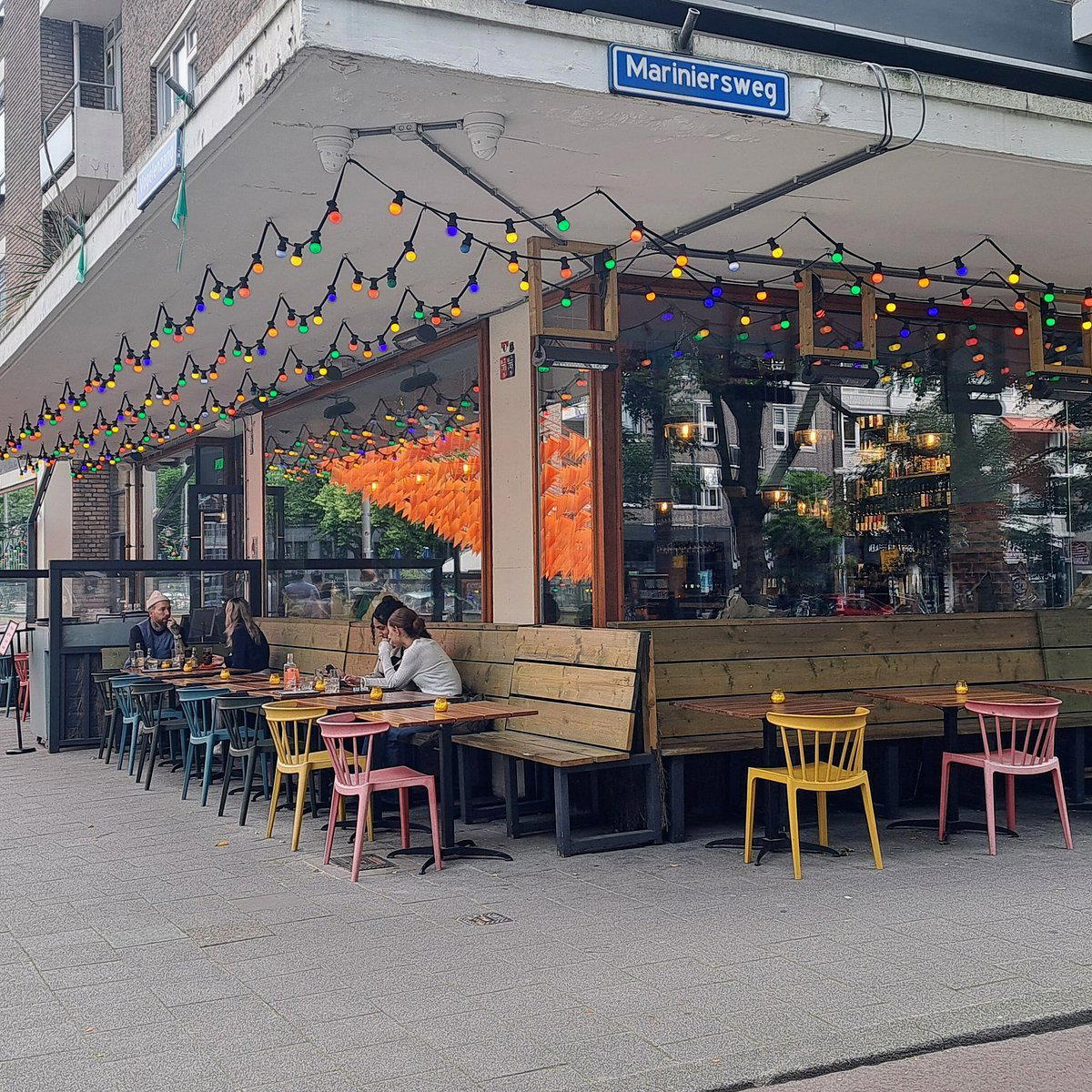
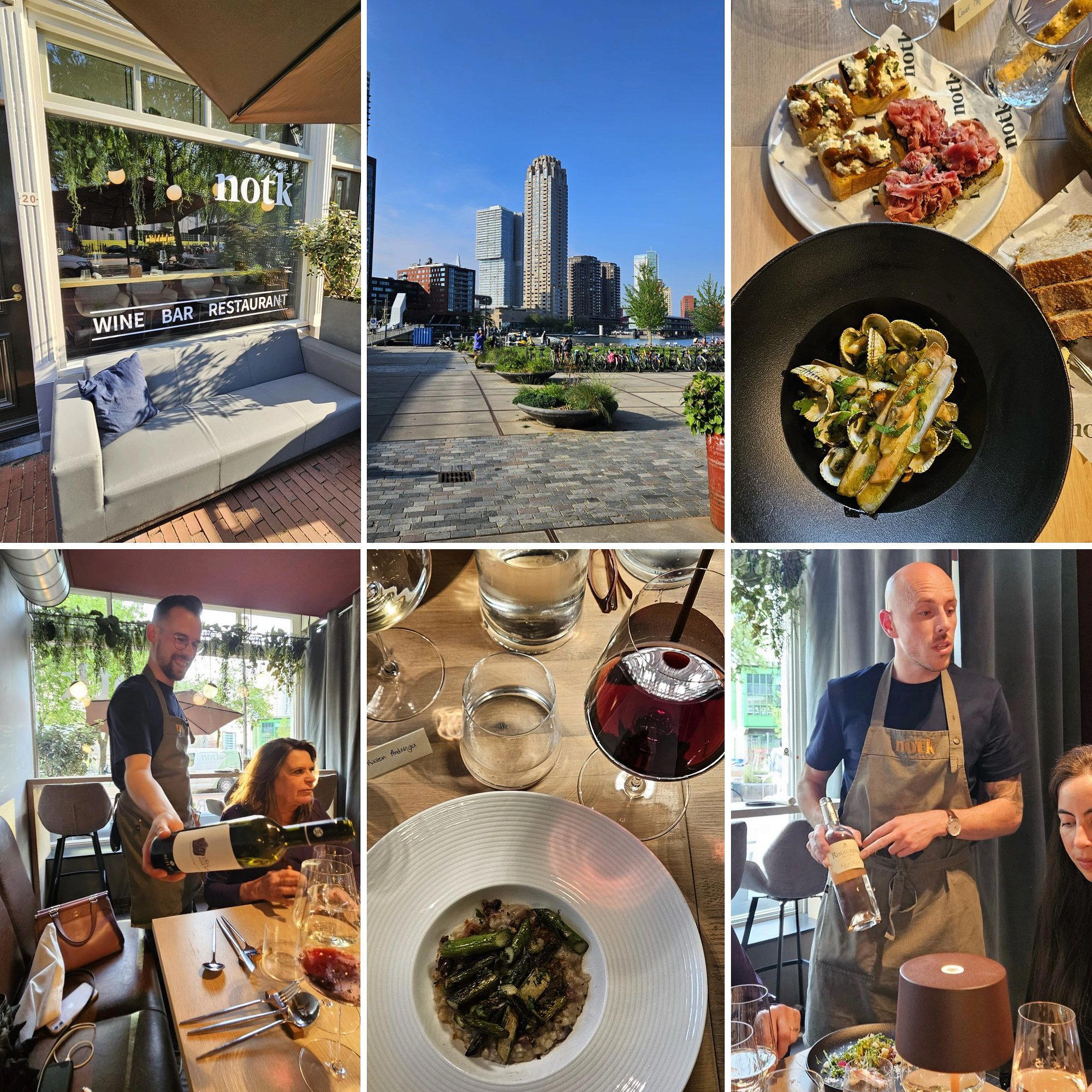
Hotels in Rotterdam
Browse all →
Wineries in Rotterdam
Browse all →
At a Glance
- Cozy
- Intimate
- Classic
- Date Night
- Special Occasion
- Natural Wine
- Local Sourcing
Current opening hours
- Monday
- Closed
- Tuesday
- Closed
- Wednesday
- 6–11:30 PM
- Thursday
- 6–11:30 PM
- Friday
- 6–11:30 PM
- Saturday
- 6–11:30 PM
- Sunday
- Closed
Hours can change for holidays and private events. Last verified .
Warm, homey 'Frans vintage' with cozy living room feel, bird wallpaper, mirrors, and attentive service.
Know Before You Go
- Getting there
- Gerard Scholtenstraat 37B, 3035 SC Rotterdam, Netherlands