In the Zillertal valley village of Hippach, Metzgerwirt occupies the kind of address that Alpine Austria does well: a traditional inn where the supply chain is as local as the dialect. The kitchen draws on regional producers and the surrounding mountain landscape, placing it within a well-established Austrian tradition of gasthaus cooking where provenance and season carry more weight than trend.
Pearl is the En Primeur Club membership app — saves, bookings, and concierge access live there. Same editors, same standards.
- Address
- Laimach 190, 6283 Hippach, Austria
- Phone
- +434352823059
- Website
- metzgerwirt-zillertal.at
- Directions
- Get directions
 Saves & bookings on Pearl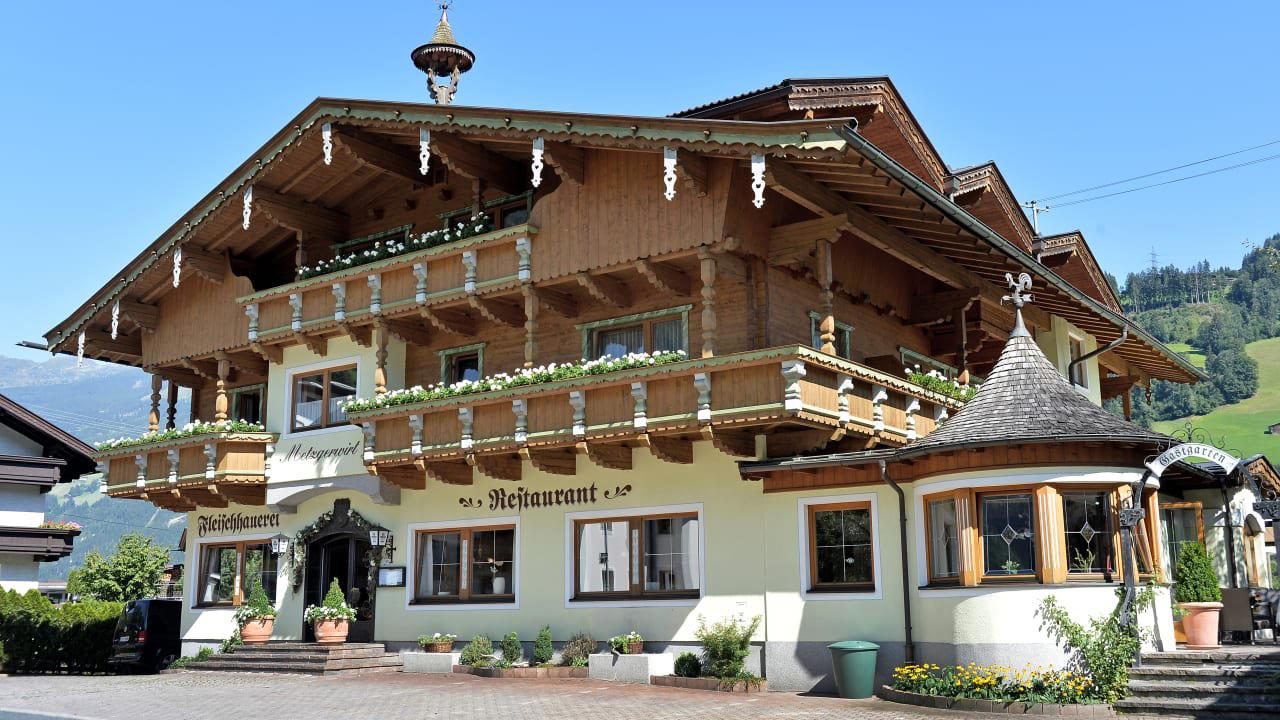
Where the Valley Decides the Menu
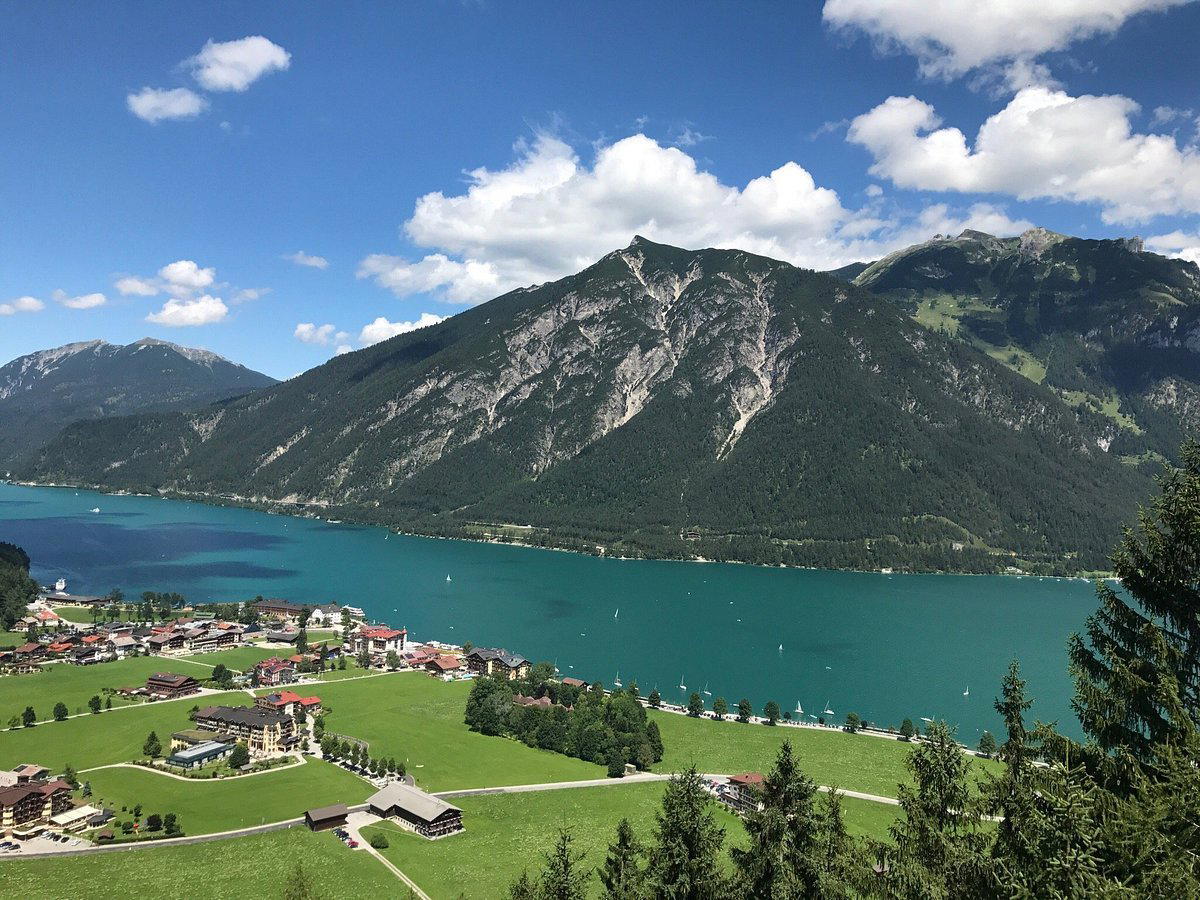
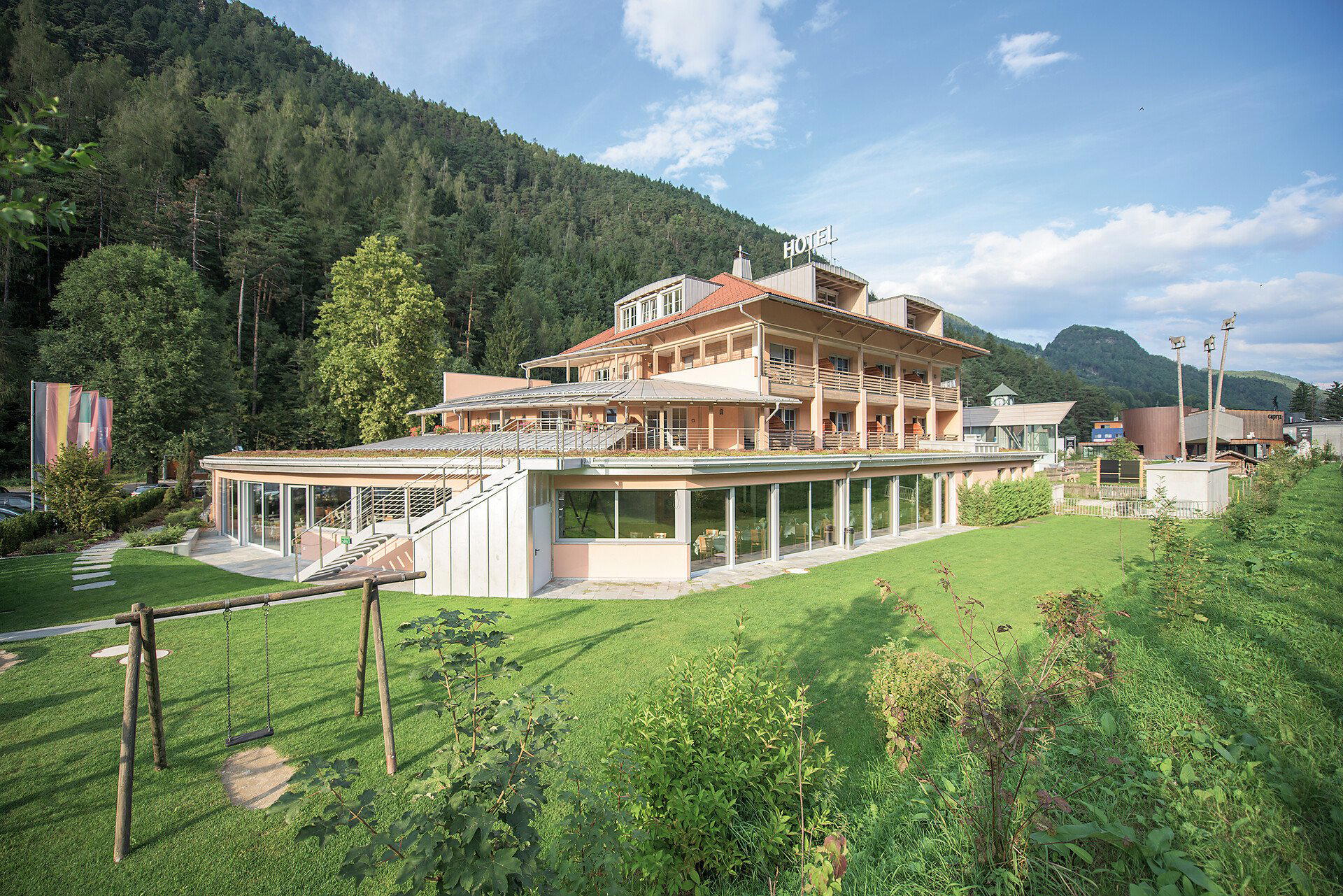
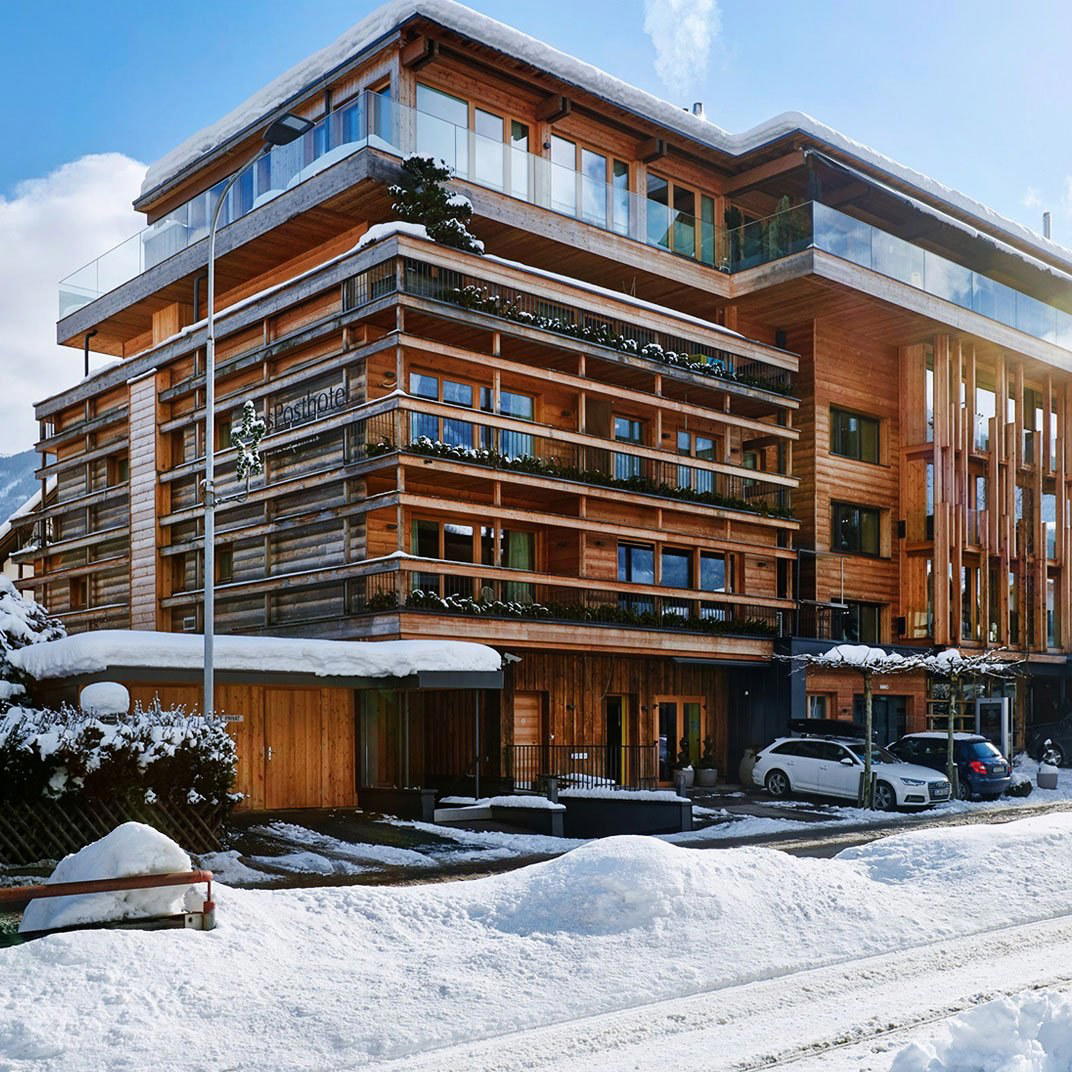
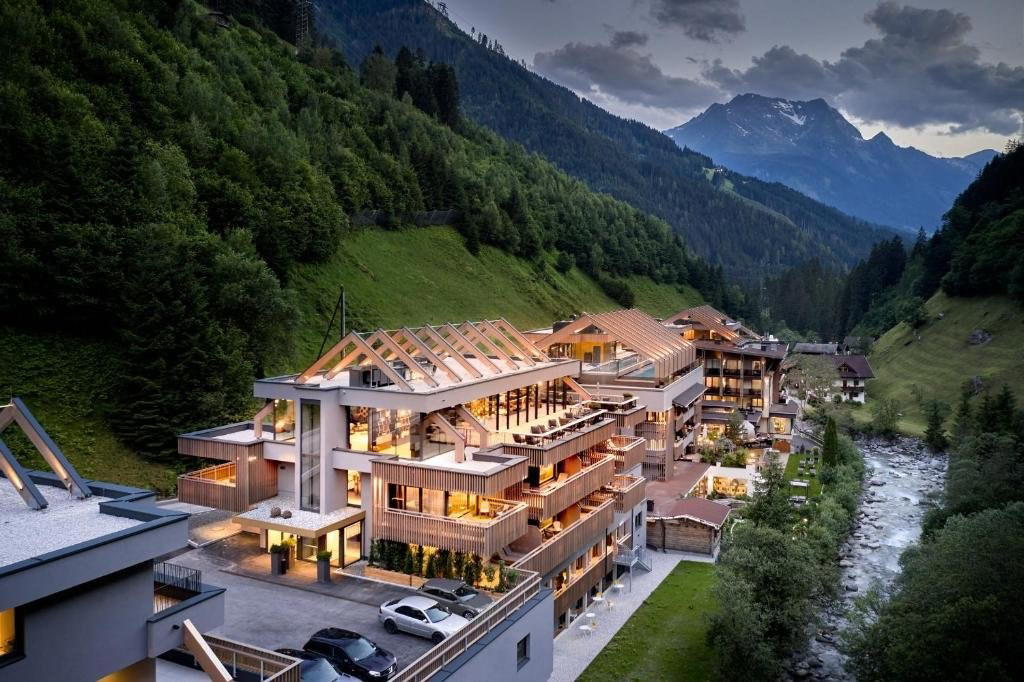
The Zillertal is not a valley that disguises its character. The mountains press close on either side, the villages run into one another along a single road, and the agriculture that has shaped this landscape for centuries still shows up on the table. Hippach sits in the quieter middle stretch of the valley, away from the ski-resort apparatus of Mayrhofen to the south, and Metzgerwirt at Laimach 190 carries the settled quality of a place that has been feeding the local community long before it needed to compete for tourist attention. That positioning, grounded in the village rather than the resort strip, tells you something important about what the kitchen prioritises.
In the broader context of Austrian regional dining, the gasthaus tradition occupies a distinct tier. It is not the creative fine dining of Steirereck im Stadtpark in Vienna or the technically ambitious contemporary Austrian work of Döllerer in Golling an der Salzach, nor does it position itself against the chef-driven destination restaurants of Gourmetrestaurant Tannenhof in Sankt Anton am Arlberg or Griggeler Stuba in Lech. The gasthaus operates in a different register entirely, one where continuity with local produce and community function matters more than tasting-menu architecture. That register is, in its own way, harder to sustain than the fine-dining alternative, because it depends on relationships with farmers, butchers, and dairymen that take years to build and cannot be sourced from a premium supplier catalogue.
The Sourcing Logic of Alpine Kitchens
The name Metzgerwirt carries its own signal. Metzger is German for butcher, and in a valley where cattle farming has been part of the economic fabric for generations, a house with that name carries an implied promise about where its meat comes from and how seriously it takes that supply chain. Alpine Austria has a long tradition of gasthaus restaurants that anchor their menus to the seasonal output of the surrounding farms: beef from valley-raised Pinzgauer or Fleckvieh cattle, pork from small holdings, game from the surrounding forests, and dairy in the form of butter, cream, and cheese from mountain pastures. Whether Metzgerwirt maintains direct relationships with named local producers is not something the available record confirms, but the category it occupies, a traditional inn in a small agricultural valley, places it within that sourcing tradition rather than outside it.
That tradition has a counterpart in the herb-focused, alpine-plant approach found at places like Kräuterreich by Vitus Winkler in Sankt Veit im Pongau, where the Salzburg region's mountain flora drives the kitchen's identity. The Zillertal equivalent is less botanically theatrical but no less rooted: it is the cooking of stored root vegetables in winter, fresh dairy in early summer, and game in autumn, calibrated by what the valley produces rather than by what a seasonal trend demands. For context on how this kind of regional discipline plays at the highest levels, Obauer in Werfen and Landhaus Bacher in Mautern an der Donau both represent what happens when classic Austrian kitchen logic is pushed to its most refined expression. Metzgerwirt operates in a more grounded register, but the underlying philosophy, cook what the region grows, runs through all of them.
Setting and Atmosphere
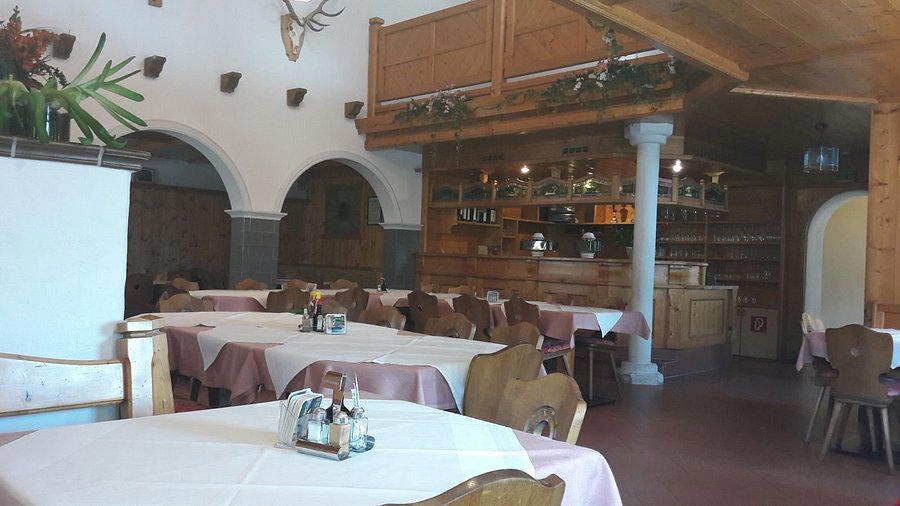
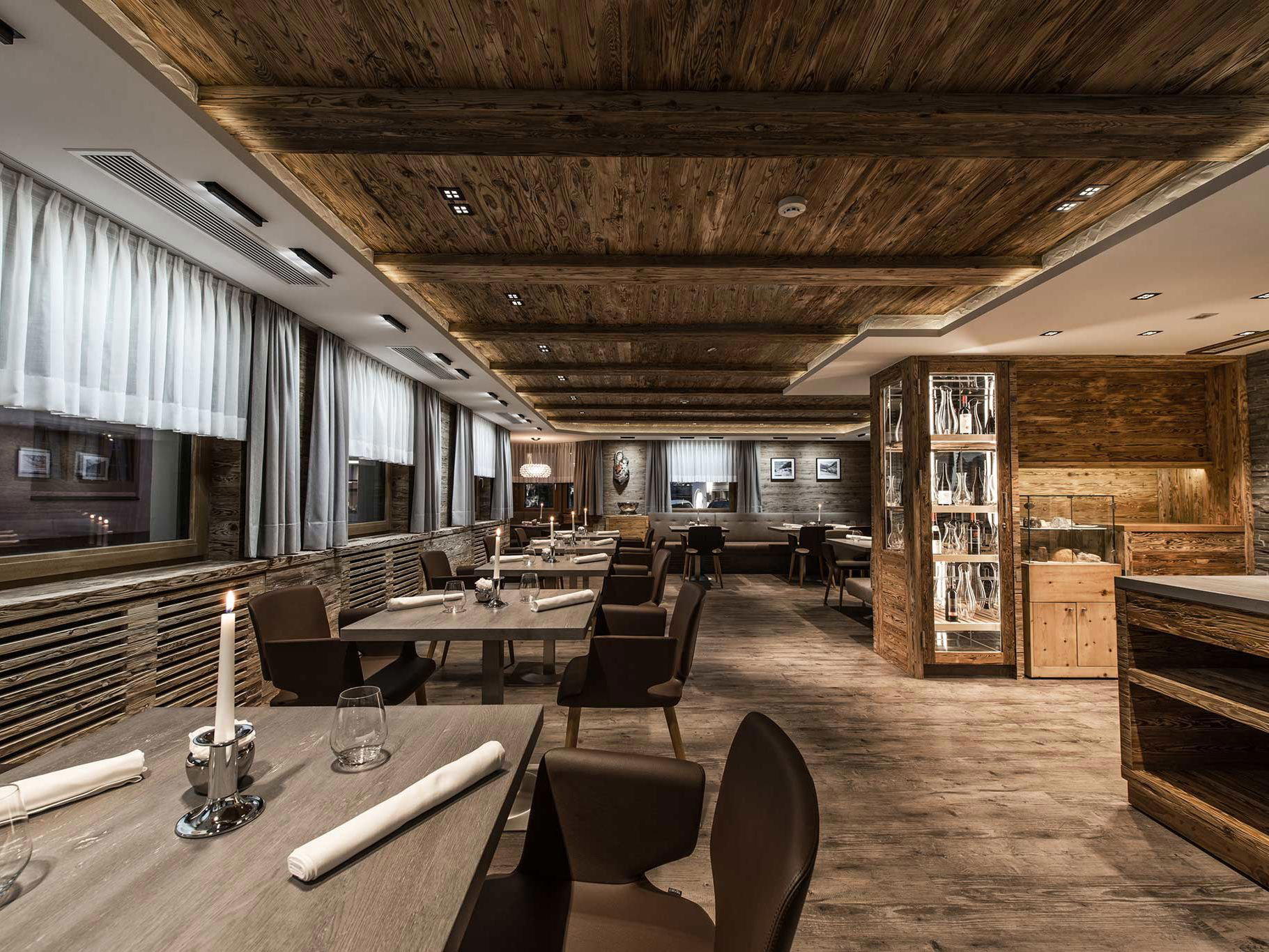
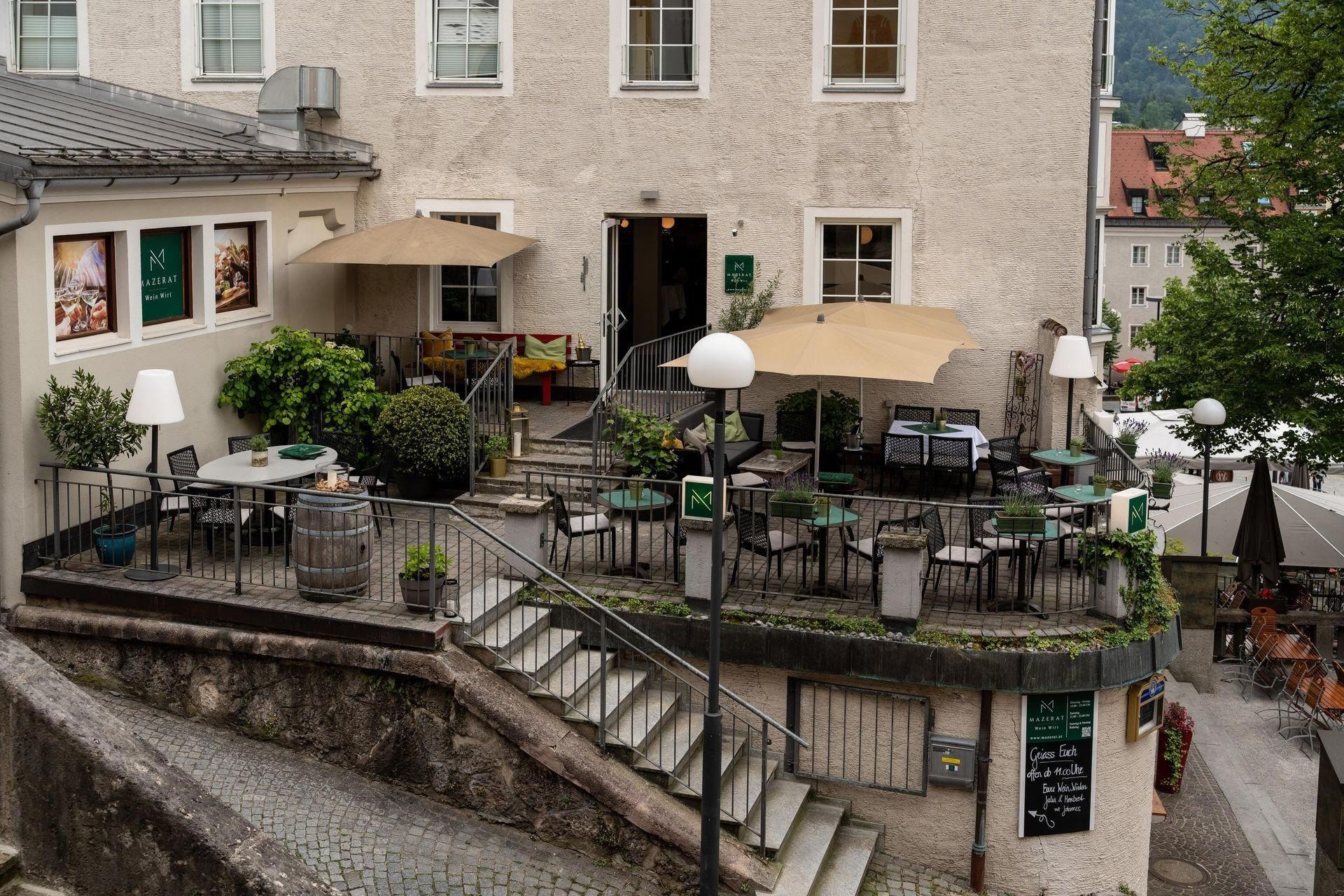
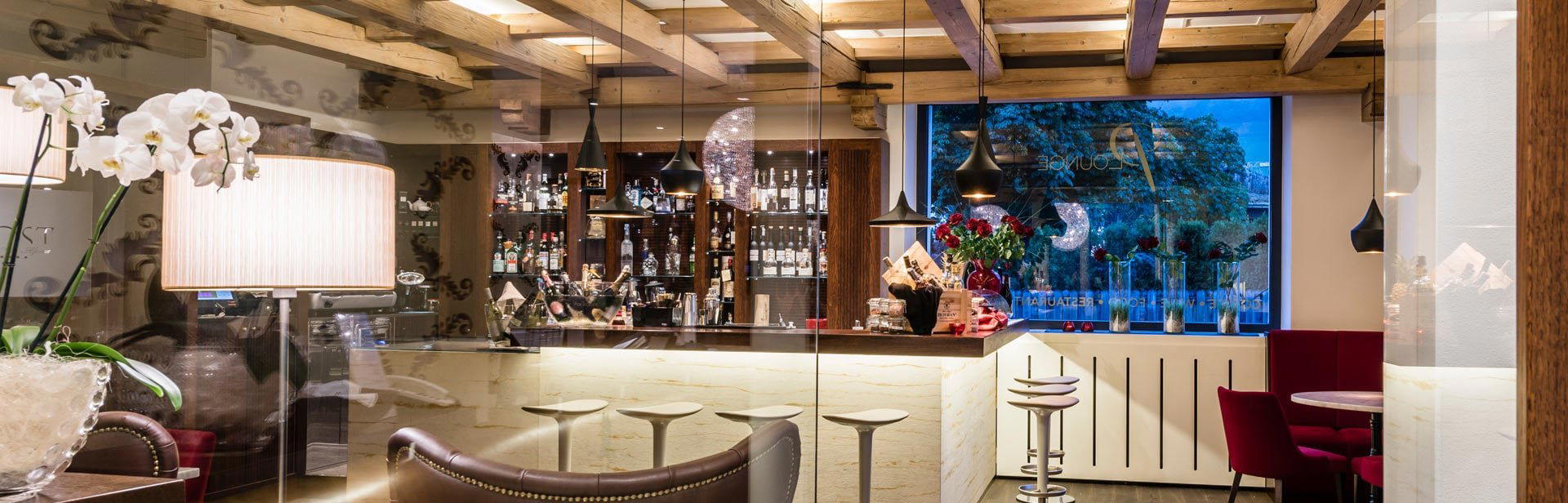
The physical experience of eating in a Tirolean gasthaus is worth naming precisely because it contrasts sharply with the polished resort dining rooms that dominate so much of the alpine tourist offer. The typical Metzgerwirt setting involves dark timber, low ceilings or panelled walls, and a warmth that comes from the building's mass rather than from designed ambience. These rooms were built to be functional in cold climates, and that functionality produces an atmosphere that no amount of interior styling quite replicates. The food arrives in portions calibrated for people who have been outdoors, and the pace is set by the kitchen's rhythm rather than by a front-of-house that needs to turn tables. This is a different experience from the considered service sequences at Ikarus in Salzburg or the precision of Stüva in Ischgl, and that difference is the point, not a shortcoming.
For travellers who have spent time at design-forward Austrian properties like Taubenkobel in Schützen am Gebirge or urban destination restaurants such as Artis in Graz, the Hippach gasthaus register offers a deliberate step back toward the foundational. The cooking does not need to announce itself because the context does that work. The valley is outside the window. The menu reflects what the season allows. The room has been here long enough to have absorbed the habits of the people who live nearby.
How It Fits the Region's Dining Map
Hippach is a village of modest scale in Tirol's most visited valley, which means it sits between two kinds of dining pressure: the international tourist appetite of the Mayrhofen resort corridor and the more domestic, year-round rhythm of the agricultural communities that predate the ski industry. Restaurants in this position either chase the resort market or serve the local one. The gasthaus category, and Metzgerwirt's name and address within it, suggests the latter orientation, which historically produces more consistent and more honest kitchens.
Further afield in Tirol and the western Austrian alpine arc, comparisons for serious regional cooking include Schwarzer Adler in Hall in Tirol, Restaurant 141 by Joachim Jaud in Mieming, and Atelier Fischer in Sankt Gilgen, all of which represent the spectrum from traditional to progressive within the alpine Austrian kitchen tradition. Metzgerwirt anchors the traditional end of that spectrum, and that anchoring has its own value in a region where the progressive end is well covered. For those curious how Austrian precision and sourcing discipline translate to entirely different culinary systems, the technical rigor found at Le Bernardin in New York City or Atomix in New York City offers an instructive contrast in how serious kitchens, regardless of tradition, make sourcing the foundation of everything else. And the comparison extends to Ois in Neufelden, where Upper Austrian regional identity drives a similarly grounded kitchen logic.
Planning a Visit
Hippach is accessible by the Zillertalbahn narrow-gauge railway from Jenbach, which connects to the main Innsbruck to Salzburg rail corridor. The village is compact and walkable once you arrive. For current opening hours, reservations are recommended.
Comparison Snapshot
Comparable venues nearby, for context on price, style, and recognition.
| Venue | Cuisine | Price | Notes |
|---|---|---|---|
| MetzgerwirtThis venue — the venue you are viewing | Traditional Tyrolean Austrian | $$ | Not listed |
| Bruggeralm | Tyrolean Alpine Hut | $$ | Jochberg |
| Hechahof | Traditional Tyrolean Speckstüberl | $$ | Zimmermoos |
| Umbrüggler Alm | Modern Tyrolean | $$ | Hungerburg |
| Rimmlstube | Tyrolian Regional Austrian | $$ | Berwang |
| Das Gablerbräu | Traditional Austrian Wirtshaus | $$ | Rechte Altstadt |
At a Glance
- Cozy
- Rustic
- Classic
- Family
- Group Dining
- Casual Hangout
- Open Kitchen
- Local Sourcing
- Mountain
Current opening hours
- Monday
- 5–9 PM
- Tuesday
- 11:30 AM–2 PM, 5–9 PM
- Wednesday
- 11:30 AM–2 PM, 5–9 PM
- Thursday
- 11:30 AM–2 PM, 5–9 PM
- Friday
- 11:30 AM–2 PM, 5–9 PM
- Saturday
- 11:30 AM–2 PM, 5–9 PM
- Sunday
- 11:30 AM–2 PM, 5–9 PM
Hours can change for holidays and private events. Last verified .
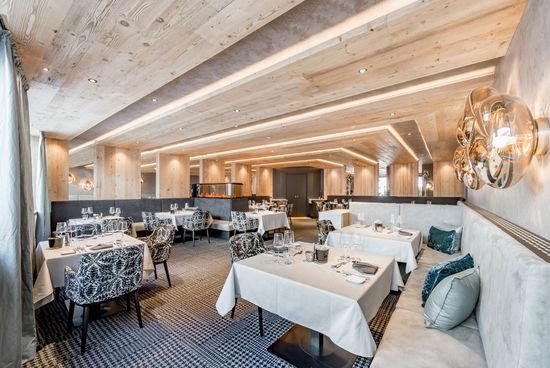
Cozy Tyrolean stube with warm atmosphere around a tiled stove, described as local, comfortable, and welcoming.