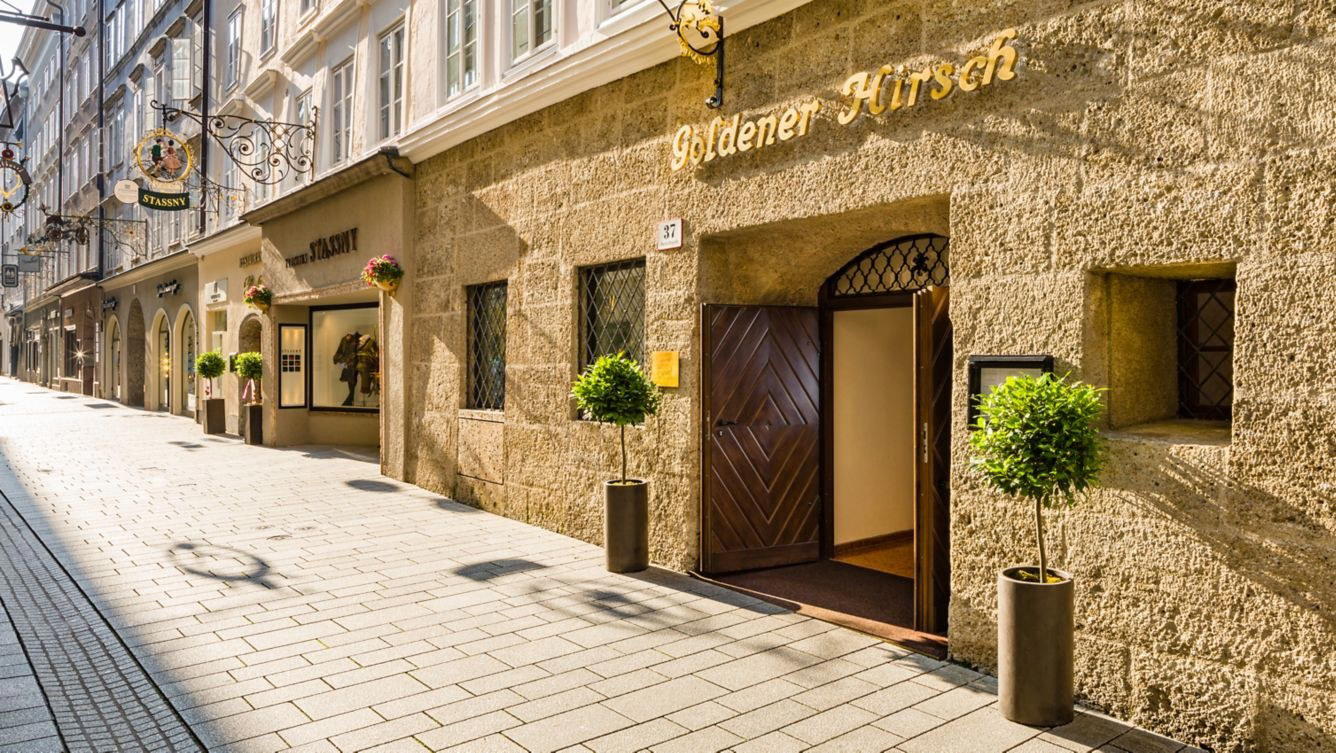
Das Gablerbräu occupies a historic address on Linzer Gasse, one of Salzburg's most character-laden streets on the right bank of the Salzach. It sits within the tradition of Austrian Gasthäuser that anchor neighbourhood life as much as they anchor appetites, operating as both a gathering point and a dining room. For visitors oriented toward the city's Michelin tier, this is where the local ritual of eating looks rather different.
Pearl is the En Primeur Club membership app — saves, bookings, and concierge access live there. Same editors, same standards.
- Address
- Linzer G. 9, 5020 Salzburg, Austria
- Phone
- +43 670 6073624
- Website
- gablerbrau.at
- Directions
- Get directions
 Saves & bookings on Pearl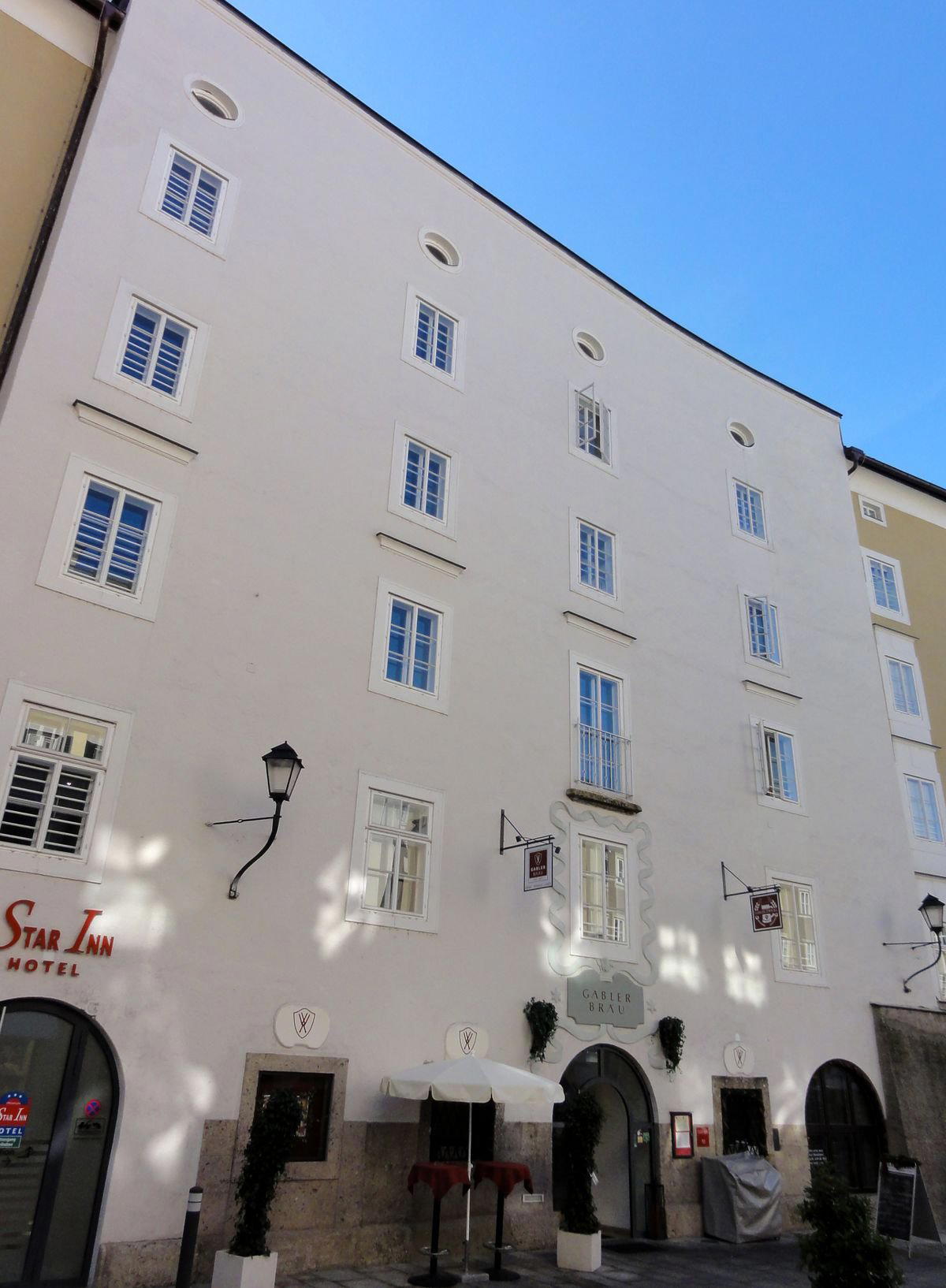
Linzer Gasse and the Other Salzburg
Most visitors to Salzburg arrive through the lens of Mozart, the Festspielhaus, and the left-bank Altstadt. Cross the Salzach and the register shifts. Linzer Gasse runs north through the Steinviertel, a neighbourhood of apothecaries, smaller churches, and the kind of ground-floor establishments that serve the same community year after year rather than rotating through tourist seasons. Das Gablerbräu sits at number 9 on that street, and its position tells you something before you step inside: this is a Traditional Austrian Wirtshaus in Salzburg, a casual restaurant at Linzer G. 9, 5020 Salzburg, Austria.creative modern European rooms like Ikarus that dominate the city's award conversation.
The Austrian Gasthaus tradition is built on continuity. Unlike the destination-restaurant format, where the dining experience is engineered from the first contact point to the final petit four, the Gasthaus operates on assumptions of familiarity. Regulars know the rhythm. First-timers find their footing quickly because the format is not designed to impress on its own terms; it is designed to function. That functional hospitality, unpretentious and durable, is precisely what separates this tier of Salzburg dining from addresses like Esszimmer or Pfefferschiff, both of which operate with tasting-menu discipline and formal pacing.
The Ritual of an Austrian Dining Room
In the Austrian dining tradition, the meal has a different tempo than its French or Nordic counterparts. There is no expectation of a fixed sequence of amuse-bouches, palate cleansers, and interstitial courses. The kitchen sends dishes when they are ready; the table manages itself. This is not informality through accident but informality by design, inherited from the brewing and inn culture that shaped Central European hospitality over centuries. Gasthäuser in Salzburg, Linz, and Vienna have historically attached a dining room to a brewery or cellar, making the meal secondary to the social function of the space, a sequence that reversal has only partially corrected.
Austria's broader fine-dining circuit has moved decisively toward the tasting-menu format in recent years. Senns in Salzburg and Steirereck im Stadtpark in Vienna both operate at a register where the meal is a sequenced event. The Gasthaus persists alongside that tier not as a lesser version but as a different proposition: the guest chooses from a card, orders wine by the Viertel or Achtel, and sets the pace without a kitchen team orchestrating the experience from behind a pass. For travellers who have spent several days moving through the formal end of Austrian dining, this shift in register can be clarifying.
What the Kitchen Signals
Traditional Salzburg cooking draws on the same larder that shaped Austrian cuisine across the alpine corridor: veal, pork, freshwater fish from the Salzach and its tributaries, root vegetables, and bread dumplings. The Wiener Schnitzel remains one tested dish in this tradition, not because it is simple to execute but because it is simple to ruin, the breadcrumb coating should soufflé slightly during frying, and the veal beneath it should retain moisture without steaming inside the crust. Comparable benchmark logic applies to Tafelspitz further east in Vienna, where Landhaus Bacher in Mautern an der Donau has built its reputation partly on this kind of technical reliability with classical forms.
Salzburg's position between Bavaria and the Adriatic coast means the city's traditional restaurants carry a slightly broader range than their Vienna counterparts, with some Italian influence visible in pasta preparations and a preference for lighter saucing in certain meat dishes. This is different from the creative Austrian-Mediterranean synthesis you find at Mediterranean-leaning addresses in the city, and different again from the alpine-focused menus at restaurants like Obauer in Werfen or Kräuterreich by Vitus Winkler in Sankt Veit im Pongau. Das Gablerbräu operates within the mainstream of that Salzburg tradition rather than at its experimental edge.
Where This Fits in the Salzburg Dining Map
Salzburg's restaurant scene divides more sharply by format than by geography. The Michelin-registered addresses, The Glass Garden among them, tend to cluster in the Altstadt and in hotel dining rooms. Traditional Gasthäuser and Braustuben occupy a separate tier, drawing a mix of regulars, festival visitors during the summer Festspiele season, and travellers who have already covered the headline dining addresses and want grounding in the everyday version of the city's food culture.
The comparison set for Das Gablerbräu is not the city's Michelin tier but rather the handful of traditional Austrian addresses that have maintained quality and character across decades without pivoting toward either the tourist-souvenir version of Austrian cuisine or the modernist upgrade path. Across Austria, that standard is represented by places like Schwarzer Adler in Hall in Tirol or Döllerer in Golling an der Salzach, each of which has maintained a distinct identity within the traditional framework while resisting the pressure to reformat entirely for an international audience. Internationally, the commitment to craft within a fixed, classic format recalls what Le Bernardin in New York City represents for classical French seafood, sustained technical discipline within a defined tradition, rather than perpetual reinvention.
Planning Your Visit
Linzer Gasse is a ten-minute walk from the Altstadt via the Staatsbrücke, making the restaurant a logical stop for anyone exploring the right bank on foot. The street itself rewards the detour regardless: it runs through one of Salzburg's less-photographed residential quarters, with a concentration of independent shops and local cafes that give a more accurate picture of the city between festival seasons than anything on the Getreidegasse. Visitors using the Salzburg Card, which covers public transport across the city, will find the location accessible without a taxi. For those building a multi-day itinerary across the Austrian alpine corridor, the restaurant pairs naturally with day-trip addresses like Restaurant 141 by Joachim Jaud in Mieming, Gourmetrestaurant Tannenhof in Sankt Anton am Arlberg, Stüva in Ischgl, and Ois in Neufelden. Midweek visits outside the summer Festspiele peak (July and August) tend to offer one relaxed experience. Walk-in capacity is generally more reliable in the traditional Austrian Gasthaus format than at the city's tasting-menu restaurants.
Where It Fits
Comparable venues nearby, for context on price, style, and recognition.
| Venue | Cuisine | Price | Notes |
|---|---|---|---|
| Das GablerbräuThis venue — the venue you are viewing | Traditional Austrian Wirtshaus | $$ | Not listed |
| CULT IM | Austrian Local Cuisine | $$ | Parsch |
| Bangkok | Traditional Austrian | $$$ | Schallmoos West |
| Merkel & Merkel | Modern Austrian Fine Dining | $$$ | Hellbrunner Allee |
| Blaue Gans Salzburg | Modern Austrian with Mediterranean influences | $$$ | Linke Altstadt |
| Wokman | Vietnamese & Asian Natural Kitchen | $$ | Linke Altstadt |
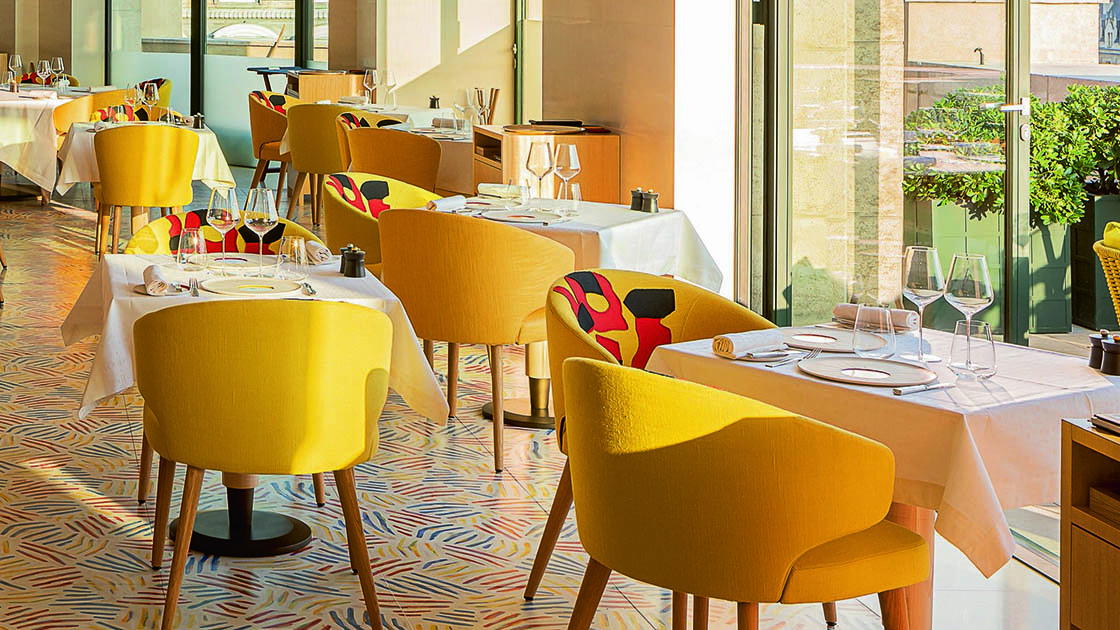
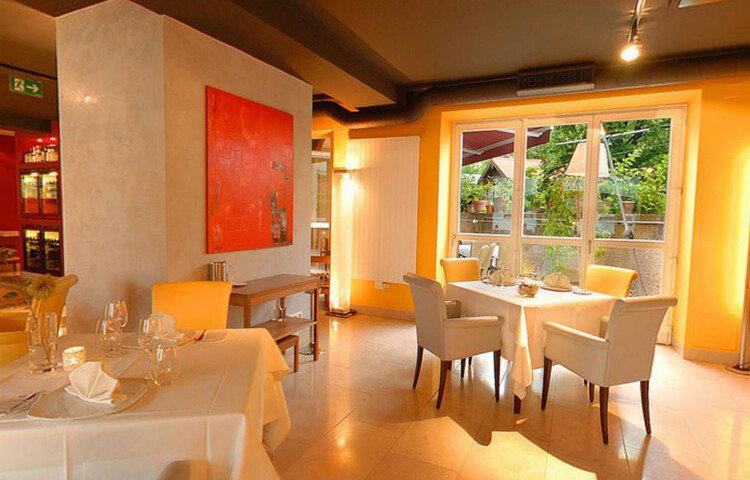
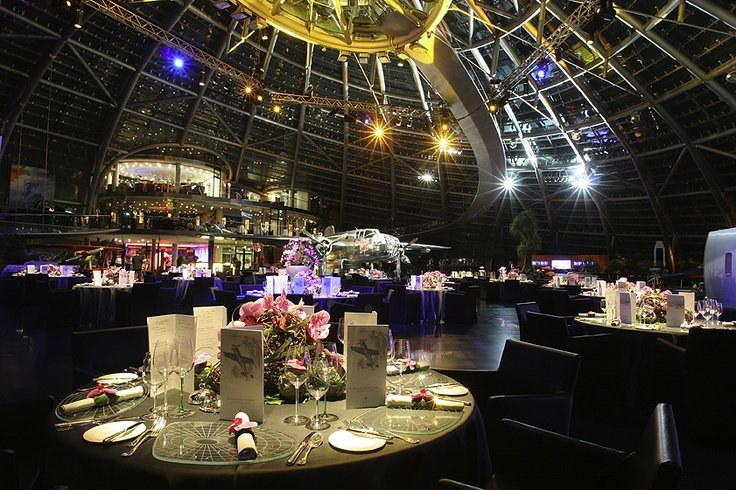
At a Glance
- Classic
- Cozy
- Rustic
- Historic
- Family
- Group Dining
- Casual Hangout
- Historic Building
- Terrace
- Local Sourcing
- Street Scene
Current opening hours
- Monday
- 11:30 AM–10 PM
- Tuesday
- Closed
- Wednesday
- 11:30 AM–10 PM
- Thursday
- 11:30 AM–10 PM
- Friday
- 11:30 AM–10 PM
- Saturday
- 11:30 AM–10 PM
- Sunday
- 11:30 AM–10 PM
Hours can change for holidays and private events. Last verified .
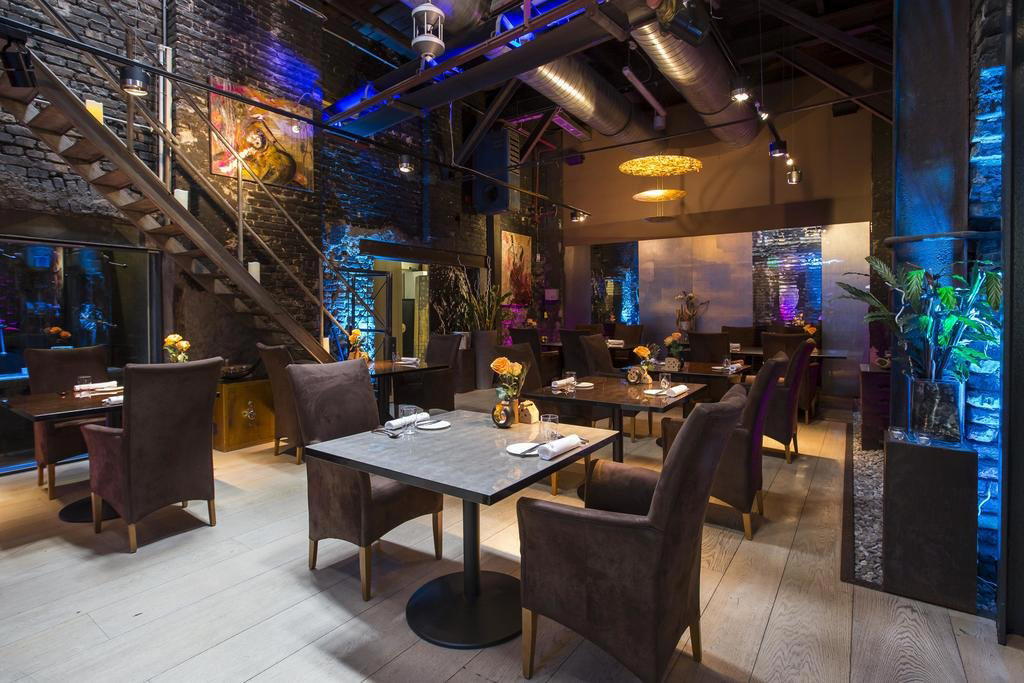
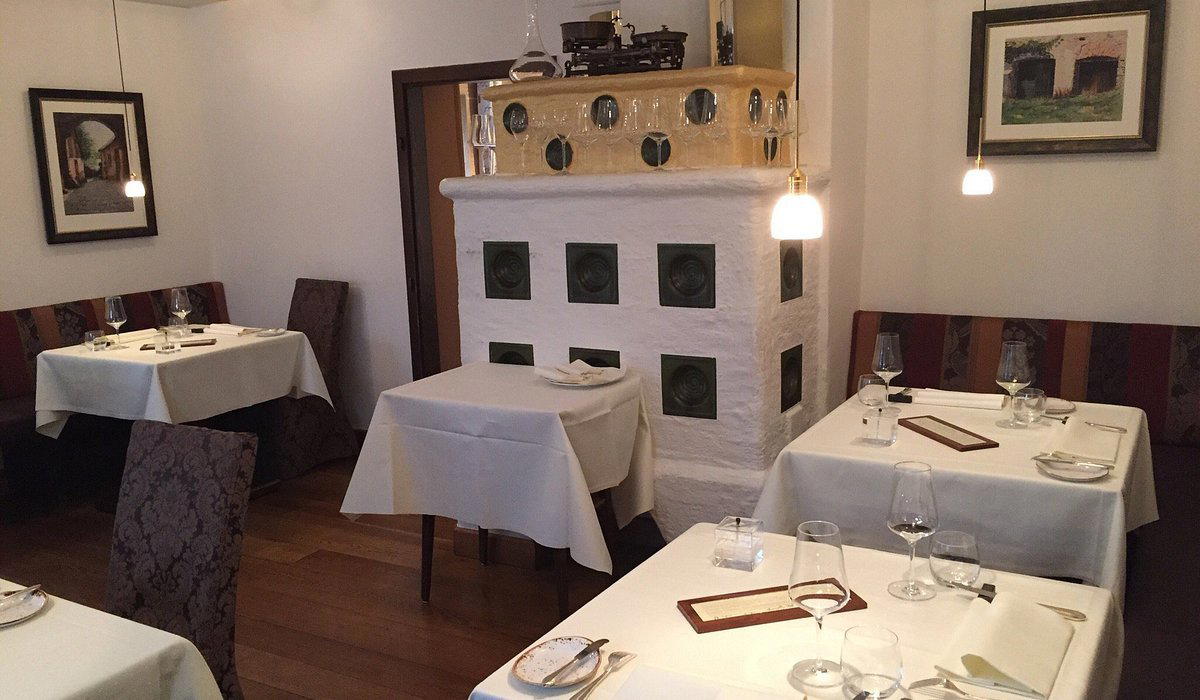
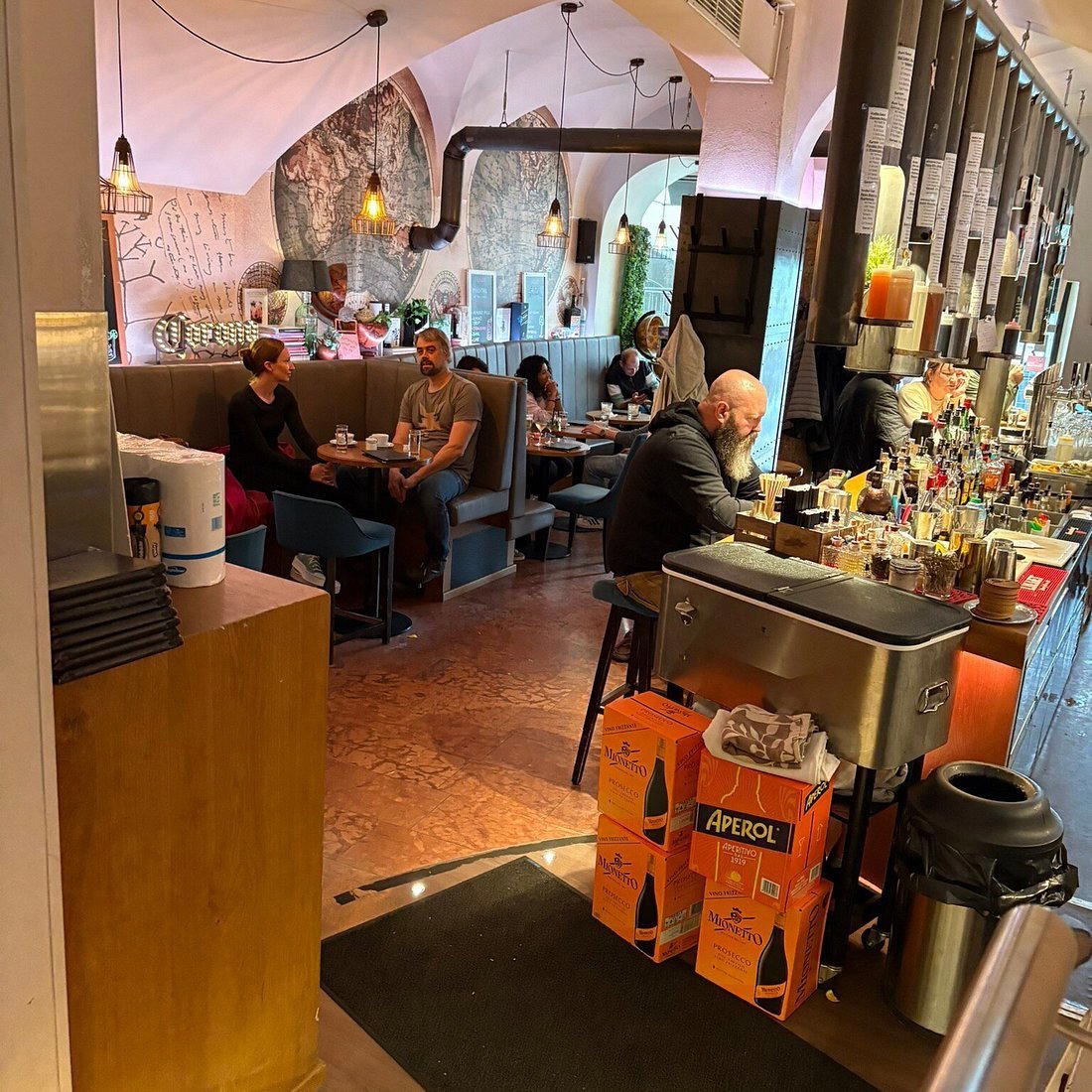
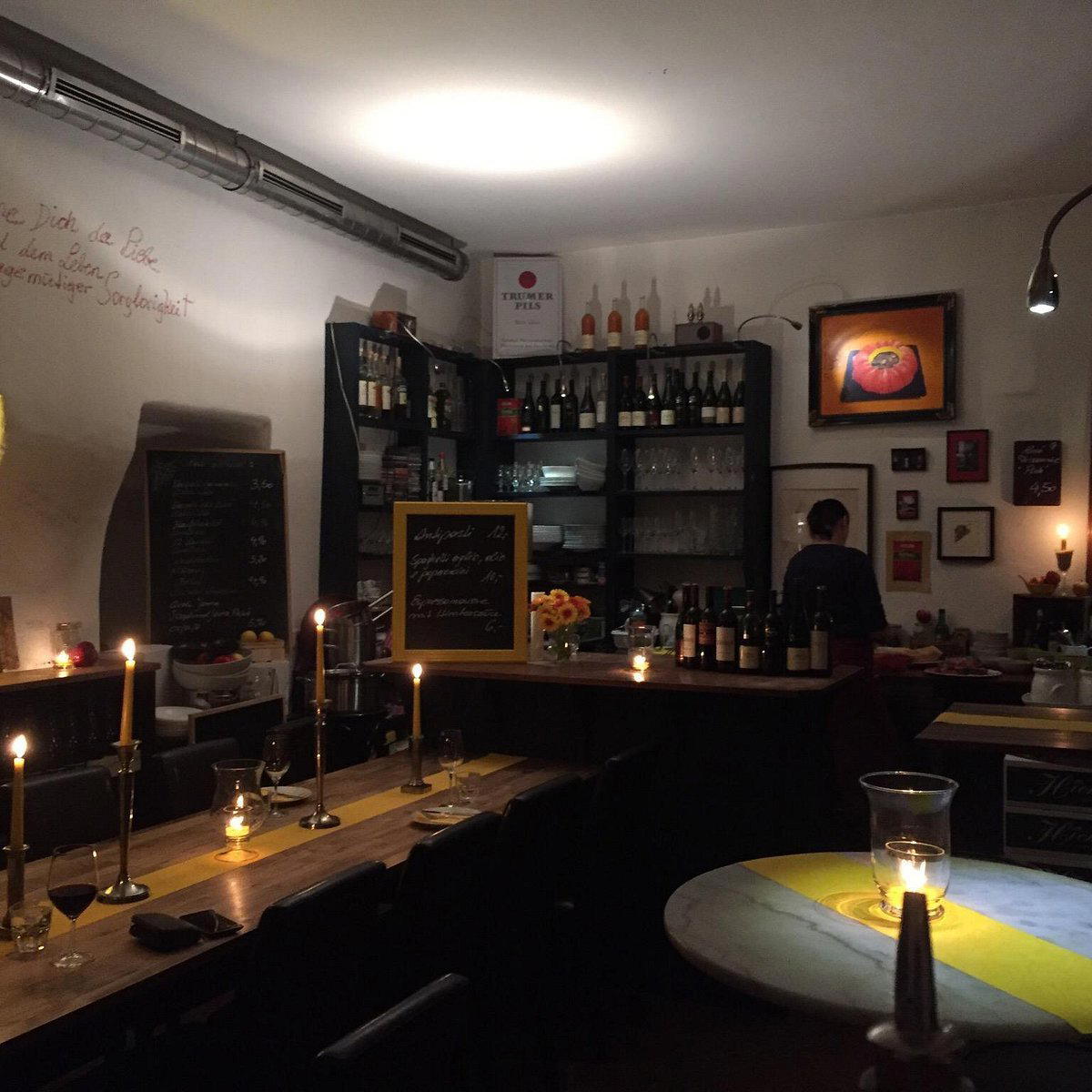
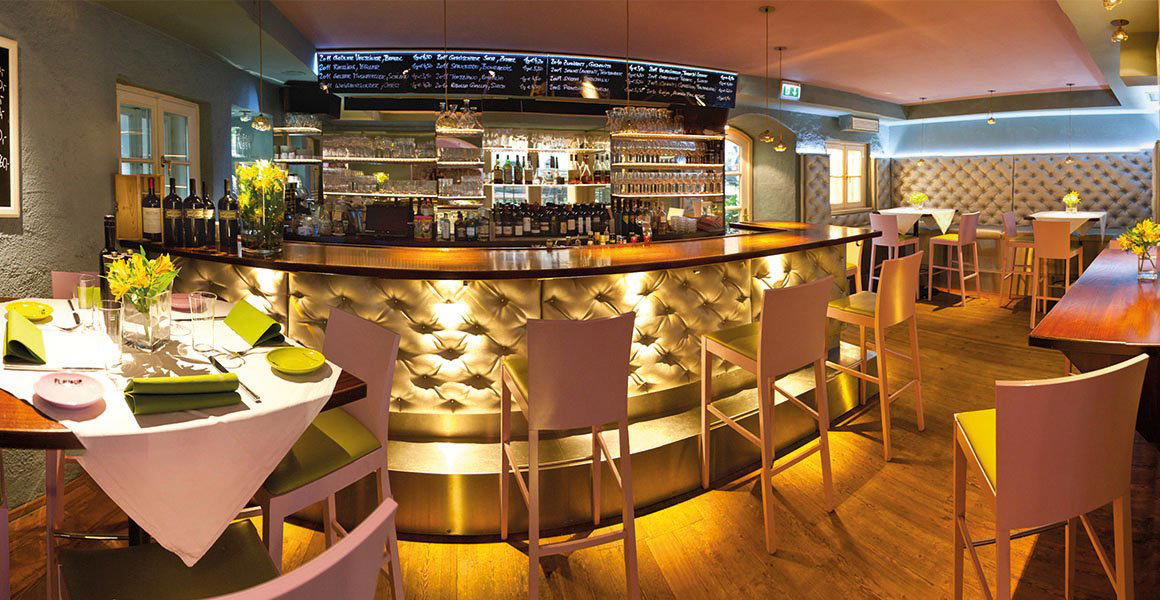
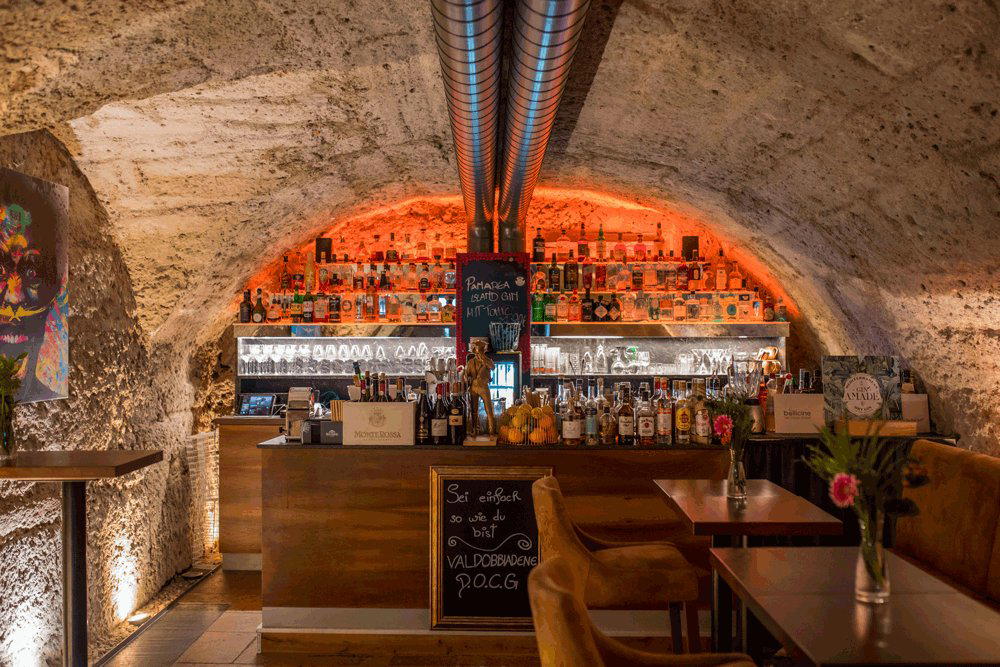
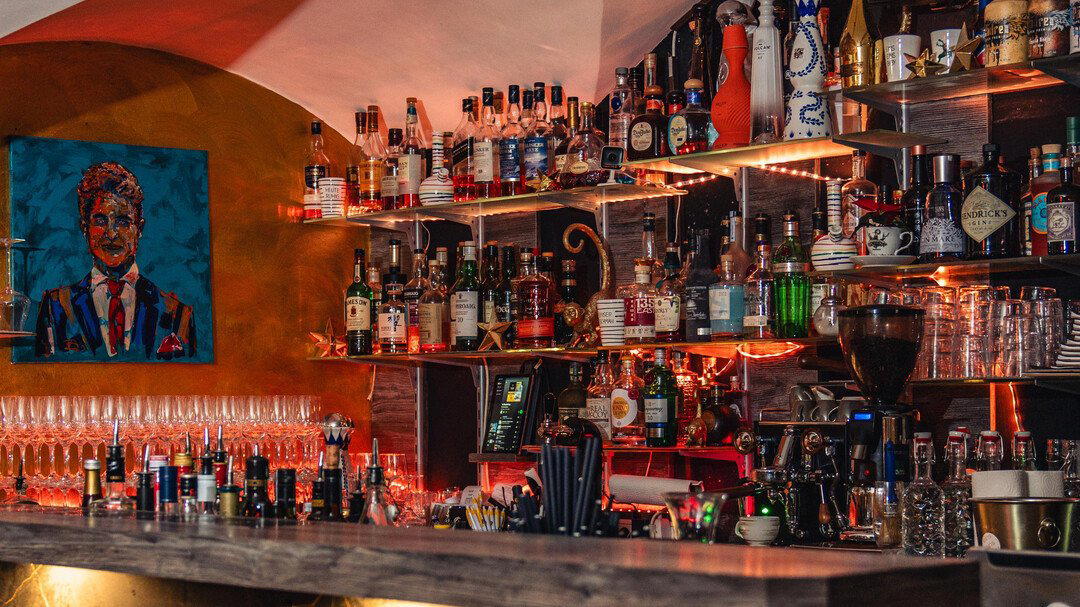
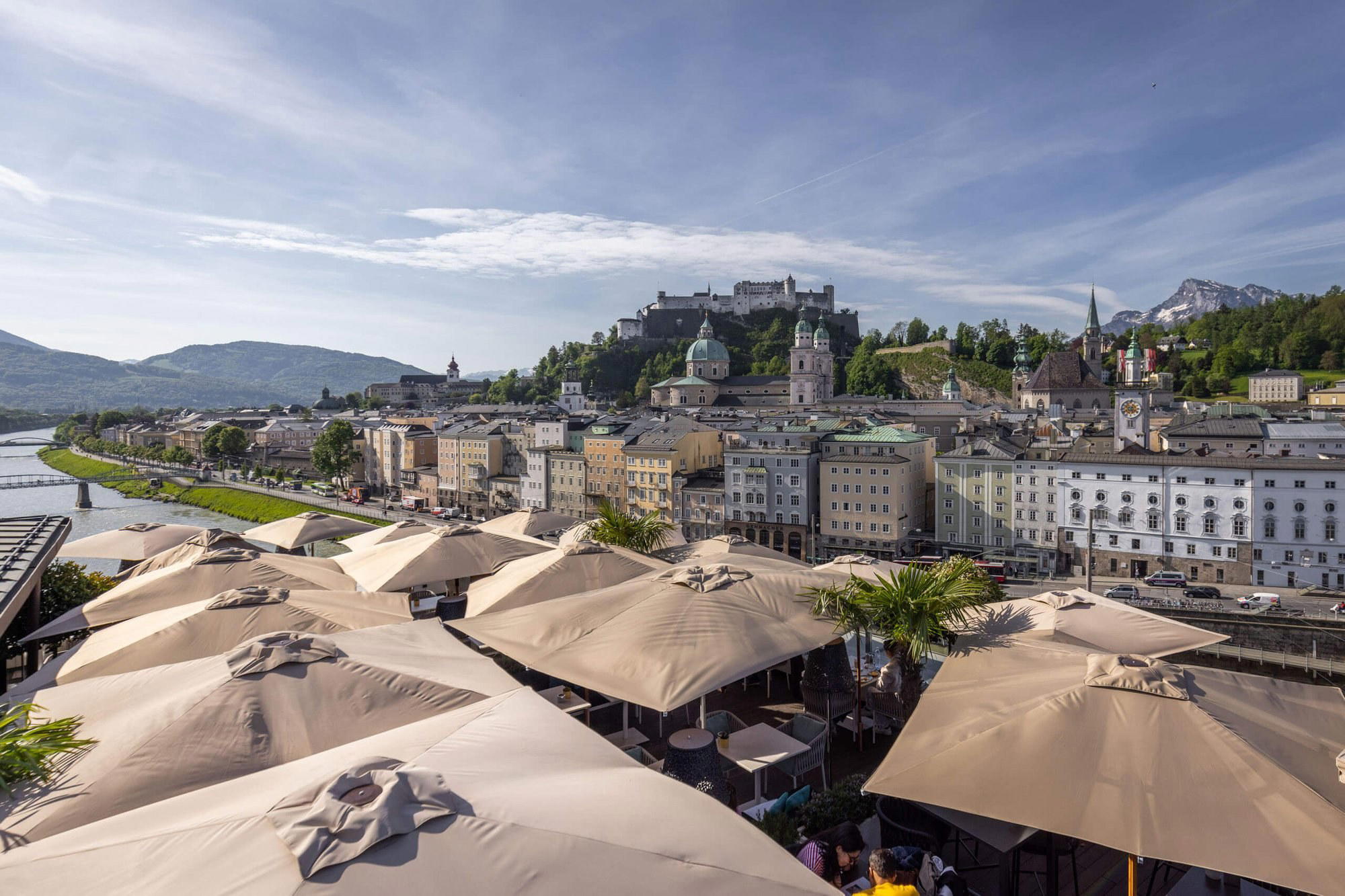
Charming historic atmosphere with cozy stube rooms featuring glass and wall paintings, plus a modern beer bar and summer garden evoking a Mediterranean piazza.