In the quiet hamlet of Rinnen near Berwang, Rimmlstube occupies a register that the Tyrolean Alps do particularly well: a dining room where the surrounding mountains and valley farms are not backdrop but supply chain. The kitchen works within the Alpine ingredient tradition, placing it in a comparable set defined more by provenance and seasonal discipline than by metropolitan ambition.
Pearl is the En Primeur Club membership app — saves, bookings, and concierge access live there. Same editors, same standards.
- Address
- Rinnen 45, 6622 Rinnen, Austria
- Phone
- +43567420820
- Website
- rimmlstube.at
- Directions
- Get directions
 Saves & bookings on Pearl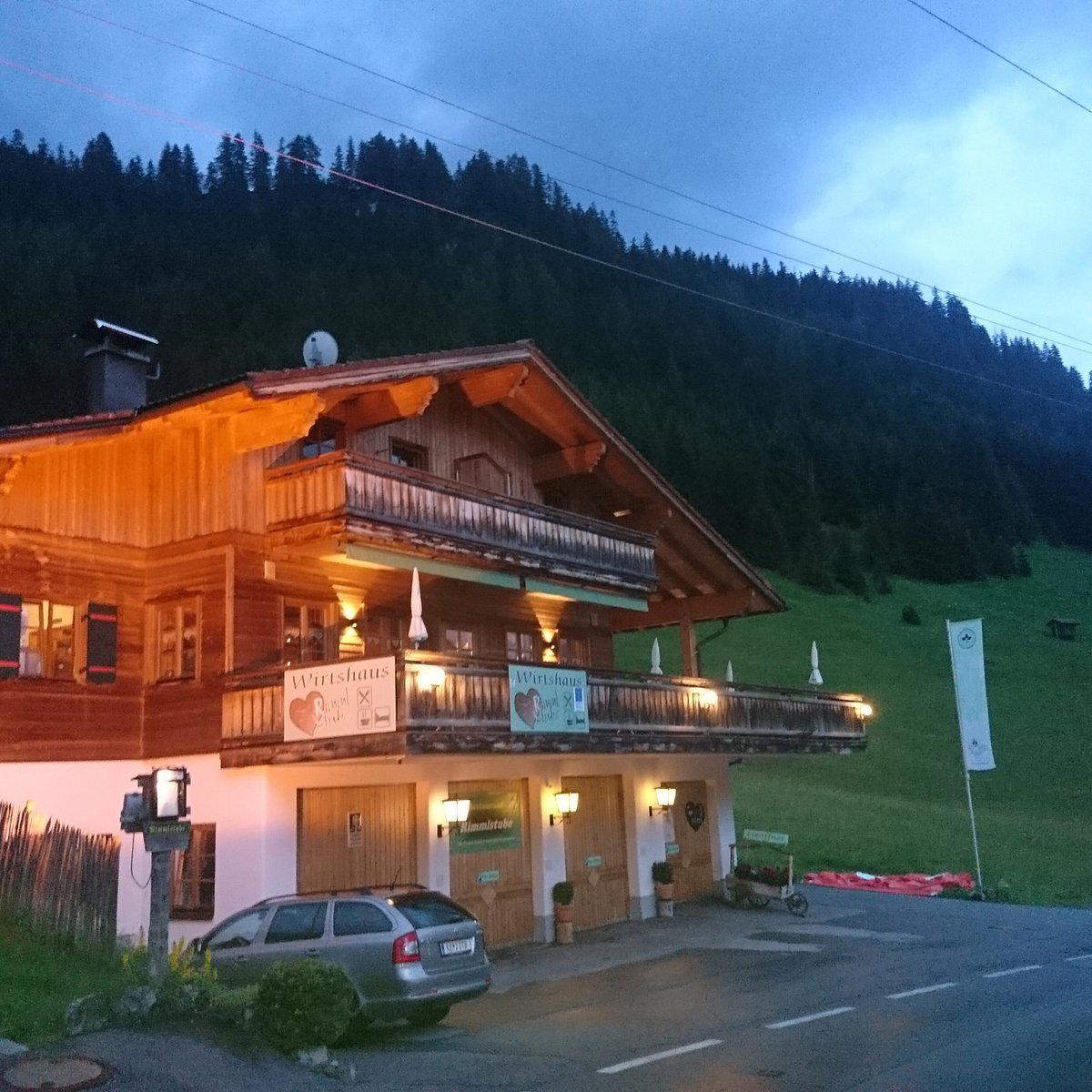
Where the Valley Floor Feeds the Table
Rimmlstube is a restaurant in Rinnen, Austria, at Rinnen 45, 6622 Rinnen. The road into Rinnen, a small settlement folded into the hills above the Zugspitz Arena, narrows as it climbs. By the time you reach the address at Rinnen 45, the village has already done the work of calibrating expectations: this is not the ski-resort dining corridor of the larger Tyrolean resorts. What defines this corner of the Austrian Alps is a particular relationship between the land and the kitchen, one that the region's most considered restaurants have built their identity around for generations. Rimmlstube sits in that tradition, occupying a setting where the sourcing logic is written into the geography itself.
Austrian Alpine dining at this altitude and this remove from urban supply chains operates on a different calendar to city restaurants. The larder is local not as a marketing position but as a practical reality: the farms, dairies, and forests of the Außerfern district and the broader Tyrolean highlands have supplied kitchens like this one since long before provenance became a selling point at destination restaurants in Vienna or Salzburg. The contrast with something like Steirereck im Stadtpark in Vienna is instructive: Steirereck's creative program draws on national and international sourcing networks with considerable reach, while restaurants of Rimmlstube's type are defined precisely by their narrower, more immediate supply geography.
The Alpine Ingredient Logic
Tyrol's food culture is among the more ingredient-specific in the German-speaking world. The combination of high-altitude grazing, short summers, and a dairy tradition rooted in seasonal transhumance produces raw materials, aged mountain cheeses, grass-fed beef, cured meats prepared according to valley-specific methods, that carry genuine regional character. In the western Tyrolean Alps, the Arlberg corridor and the Zugspitz Arena share a culinary vocabulary built around these inputs, and the better kitchens in the area treat them as primary rather than decorative.
This places Rimmlstube in a broader category of Alpine Stube dining that operates quite differently from the destination-tasting-menu format that has gained ground at Griggeler Stuba in Lech or Gourmetrestaurant Tannenhof in Sankt Anton am Arlberg. Where those programs use regional ingredients as the foundation for technically ambitious cooking, the Stube format tends to position the ingredient more directly, with preparation that supports rather than transforms the source material. Both approaches are coherent; they serve different reader decisions.
Those planning a wider Austrian Alpine circuit will also find useful comparison at Döllerer in Golling an der Salzach, which applies contemporary technique to a similarly ingredient-led philosophy further east, and at Obauer in Werfen, one of the country's most sustained examples of regional produce driving a serious kitchen program.
The Stube Format and Its Disciplines
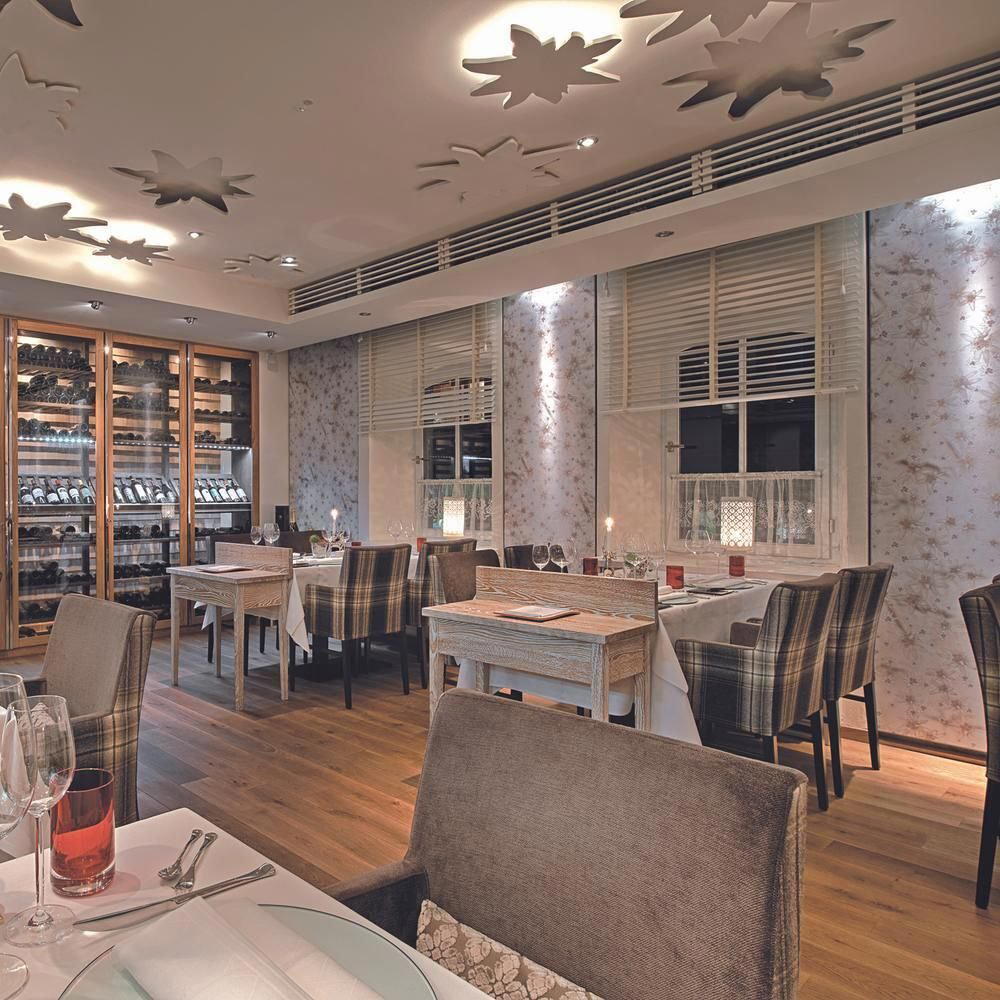
The Stube as a dining format carries specific physical expectations: low ceilings, wood panelling aged to warmth rather than shine, the kind of interior that reads as accumulated rather than designed. In small Alpine villages, these rooms function as social anchors as much as restaurants, places where the distinction between local regulars and visiting guests is visible in the room's geography, with certain tables held by long-standing arrangement. The format rewards patience and rewards return visits in a way that destination tasting-menu restaurants, built for a single high-stakes occasion, do not.
Across the broader Austrian dining spectrum, the Stube format has been subject to considerable reinterpretation. Singer's Tiroler Stube, also in Berwang, represents one version of how the format can be developed within a hotel context, while the village Stube model, more autonomous, less dependent on resort infrastructure, follows its own logic. The difference matters when choosing: a hotel Stube carries different evening rhythms and a different relationship to the surrounding guest population than a free-standing local restaurant.
The ingredient sourcing argument for this format is partly structural. Without the purchasing scale of a resort kitchen or the urban supplier network available to restaurants in Innsbruck or Vienna, small Alpine restaurants are naturally directed toward local farms and seasonal availability. This constraint, imposed by geography, produces kitchens that know their suppliers personally and adjust menus in response to what those suppliers can deliver. Kräuterreich by Vitus Winkler in Sankt Veit im Pongau has made this sourcing discipline explicit and award-recognised; Rimmlstube operates within the same tradition at a different register of ambition and visibility.
Placing It in the Austrian Dining Conversation
Austria's serious dining culture extends well beyond its Michelin-decorated city restaurants and the well-documented destination kitchens of Salzburg and the Salzkammergut. The country's most coherent regional food identity is Tyrolean, sustained by a combination of geographic isolation, strong pastoral traditions, and a visitor economy that rewards authenticity over novelty. Restaurants that draw on this identity without seeking to modernise it aggressively occupy a specific and defensible position in the market.
For comparison at the more technically driven end of the Austrian spectrum, Ikarus in Salzburg operates an entirely different format, rotating guest chefs through a program designed for culinary range rather than regional depth. Landhaus Bacher in Mautern an der Donau and Taubenkobel in Schützen am Gebirge represent the Wachau and Burgenland versions of the serious regional kitchen, each anchored in a different agricultural and wine landscape. Ois in Neufelden and Schwarzer Adler in Hall in Tirol fill out the picture of how Austria's non-metropolitan dining has developed outside the alpine resort corridor. Further afield, Artis in Graz and Restaurant 141 by Joachim Jaud in Mieming show how Styrian and western Tyrolean kitchens approach the regional-ingredient question from different angles.
The Stüva in Ischgl, covered in our Stüva profile, sits at the more decorated end of the alpine Stube spectrum, with Michelin recognition placing it in a different competitive tier from the village-format dining that Rimmlstube represents. The comparison clarifies rather than diminishes: different formats make different promises, and the reader's task is matching the format to the occasion.
Planning a Visit
Rimmlstube is in Rinnen, a hamlet administratively linked to the Berwang area and reached via the road network that serves the Zugspitz Arena ski region. The area sees its heaviest visitor traffic during the winter ski season and the summer hiking months, which in practical terms means that small local restaurants in the area operate on seasonal schedules aligned with resort rhythms. Contacting the restaurant directly in advance of travel is advisable, particularly during peak season when local dining capacity across the village is under more pressure.
How It Stacks Up
Comparable venues nearby, for context on price, style, and recognition.
| Venue | Cuisine | Price | Notes |
|---|---|---|---|
| RimmlstubeThis venue — the venue you are viewing | Tyrolian Regional Austrian | $$ | Not listed |
| Singer's Tiroler Stube | Tyrolean Austrian Fine Dining | $$$$ | Berwang |
| S-Lounge | Austrian Lunch Restaurant & Day Bar | $$$ | Berwang |
| Patscheralm | Traditional Austrian Mountain Hut | $$ | Patsch |
| Siegerlandhütte | Traditional Austrian Alpine Hut Cuisine | $$ | Windachtal |
| Cafe-Conditorei-Restaurant Reichl | Traditional Austrian Cafe-Restaurant | $$ | Wolfurt |
Continue exploring
More in Berwang
Restaurants in Berwang
Browse all →
Bars in Berwang
Browse all →
Hotels in Berwang
Browse all →

At a Glance
- Cozy
- Rustic
- Scenic
- Family
- Casual Hangout
- Terrace
- Historic Building
- Local Sourcing
- Mountain
Cozy and rustic atmosphere with warm hospitality, great terrace views, and family-friendly play areas.